Content:

Learn: Profession Methodist from scratch to PRO
Learn more
Employee of the Institute of Social Sciences of the Russian Presidential Academy of National Economy and Public Administration, member of the board of the Education League and co-author of programs for the development of educational leaders. Specializes in education and management in the field of science. Participates in the development and implementation of innovative educational programs aimed at improving management efficiency in educational institutions.
The HYPER / DIR 2023 conference will be a key event in the world of technology and innovation. Participants will be able to discuss current trends, exchange experiences, and establish collaboration. This is a unique opportunity for IT professionals, startups, and business to expand their knowledge and establish useful contacts. Join us at the HYPER / DIR 2023 conference to stay up-to-date on the latest developments and gain inspiration for new projects.
Today's education system is excessively rigid, preserving approaches that have been relevant for centuries, focusing on the simple transfer of information. For over 30 years, we have seen calls for change, especially since the beginning of perestroika in the 1980s. However, recently, a reversal of this trend has been observed: many people, tired of constant change, are seeking to return to old educational practices, believing this will simplify the process. They fail to realize that such sluggishness will not lead to stability in a rapidly changing world. Artificial intelligence is already changing the rules of the game, and if we don't adapt to these new trends, our children will find themselves growing up amid the ruins of an outdated system. The main challenge is that we simply don't have time for slow transformations. We need to respond quickly and implement modern educational approaches to prepare the next generation for the challenges of the future.
Context
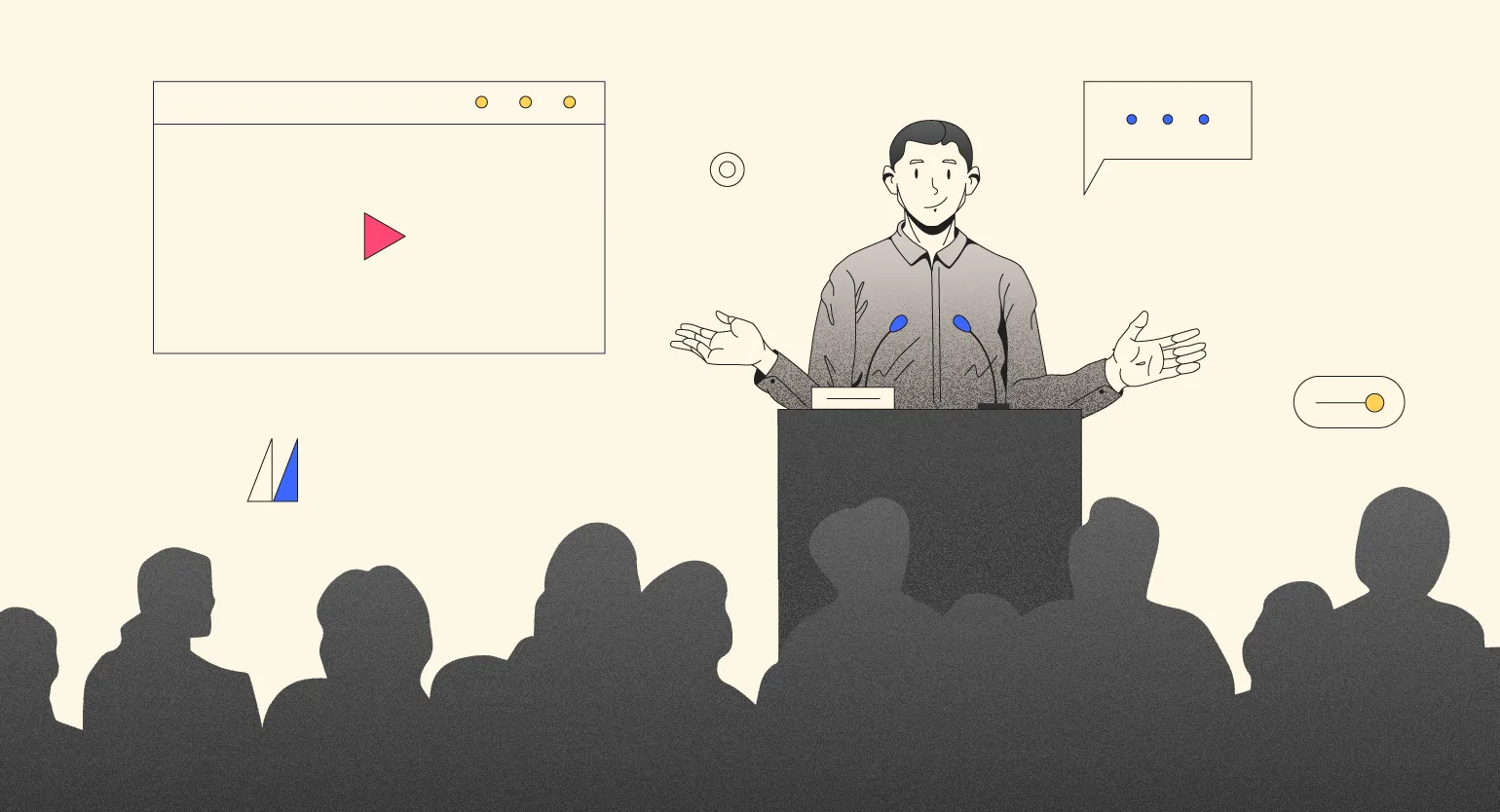
On June 23, Mikhail Kushnir spoke at the HYPER / DIR — 2023 conference, organized by Hypermethod and Direct-Media. The main topic of the event was the interaction of artificial intelligence and education. In the section "Children vs. AI?..", experts discussed the risks and challenges arising in the education of children and adolescents against the backdrop of the rapid development of artificial intelligence technologies. The conference drew attention to current issues related to the safety and ethical aspects of the introduction of AI into the educational process, as well as the need to adapt educational programs to new realities.
According to Mikhail Kushnir, the use of digital technologies in pedagogy, which until recently was considered an opportunity, has now become a necessity. With the development of artificial intelligence, educational processes require adaptation to new conditions. If education systems fail to integrate these changes, they risk falling behind modern realities. The integration of AI into education not only improves the quality of education but also opens up new horizons for pedagogical practices.
Mikhail noted that digital technologies have already initiated two parallel processes in the educational process. On the one hand, computers can effectively perform the information function of teaching, ensuring the transfer of knowledge. On the other hand, in the area of communication, digital technologies cannot completely replace teachers. However, they can become valuable assistants in mass education, providing students with individualized feedback during the self-study process. One example of this approach is the flipped classroom method, in which students independently study material at home and then discuss topics and test their knowledge with the teacher in class. This method promotes a deeper understanding of the material and active participation of students in the learning process.

Read also:
Modern EdTech technologies are becoming a powerful tool for empowering teachers and educational institutions. In this article, we will look at seven examples of EdTech solutions that are actively used in schools and help improve the educational process.
The first example is online learning platforms, which allow teachers to create interactive courses accessible to students at any time. These platforms promote personalized learning and allow materials to be tailored to the needs of each student.
The second example is learning management systems (LMS), which help teachers organize the learning process, track progress, and interact with students. LMSs simplify administration and make learning more structured.
The third example is collaboration tools, such as Google Classroom or Microsoft Teams, which allow students and teachers to easily share files and work on projects in real time. This helps increase engagement and interaction between participants in the educational process.
The fourth example is assessment and feedback apps, which allow teachers to quickly check assignments and provide feedback. This accelerates the learning process and allows students to quickly correct their mistakes.
The fifth example is adaptive learning systems, which use algorithms to personalize educational content according to the knowledge level and pace of each student. This makes learning more effective and engaging.
The sixth example is virtual and augmented reality, which open up new horizons for exploring educational material. These technologies make it possible to create immersive learning experiences that significantly increase student interest in the subject.
The seventh example is analytical tools that help educational institutions collect and analyze data on the learning process. This allows them to identify the strengths and weaknesses of educational programs and make informed decisions for their improvement.
These EdTech solutions not only empower teachers but also make education more accessible and engaging for students. The integration of such technologies into the educational process contributes to the creation of a more effective and interactive learning environment.
Pavel Rabinovich, Deputy Director of the School of Anthropology of the Future at the Institute of Social Sciences at RANEPA, agrees with his colleague that artificial intelligence is incapable of transmitting cultural norms to children or performing educational functions. Teachers, in turn, cannot guarantee an individualized approach to each student. Therefore, the optimal solution is a harmonious combination of traditional and digital learning, which will maximize the benefits of both methods in the educational process.
The development and spread of artificial intelligence is a reality that must be accepted. This was stated by Konstantin Shapiro, an expert at the Council on Educational Policy of the St. Petersburg Education Committee. He noted that in the future, one should not expect 90% of the population to have a thorough understanding of how AI works. However, this will not prevent most people from using these technologies. Artificial intelligence is already being actively implemented in various areas of life, and its influence will only grow. Therefore, it is important to focus on teaching the basics of AI to ensure the wider and more effective application of these technologies in everyday life.
We view new technologies as a necessary evil, but this is not the case. They are part of our world. We have not realized how the internet has radically changed the system of book publishing and the approach to the dissemination of knowledge. Currently, we do not notice how many routine tasks, including those in the intellectual sphere, are being transferred to artificial intelligence. Instead of teaching children AI programming in school, which is a utopia, we need to teach them how to effectively use these technologies and adapt to them in their lives.
The speaker emphasized that the primary goal of education is to transmit human cultural traditions and develop mental models in children that reflect real-world objects and their relationships with the environment. Konstantin Shapiro noted that students of past generations had the opportunity to observe an ecosystem, for example, by seeing a frog in a pond. This allowed them to ask questions about the frog's life, its interactions with other organisms, and the environment. In contrast, modern children, seeing frogs only in images, are confronted with fragmented ideas and lack interest in understanding the world around them. Education must adapt to new conditions to bridge this gap and restore children's interest in studying nature and ecosystems.
The expert emphasizes the importance of new methodological and didactic approaches in education. He argues that to develop interconnected neural models in students, it is necessary to create a system where knowledge is not scattered, but is situated within the context of real objects. In this regard, a digital textbook with metadata can be an effective tool. This textbook allows you to connect each presented object to others, similar to Wikipedia. This approach promotes deeper understanding of the material and helps students see connections between different concepts.
Learn more about the world of education by subscribing to our Telegram channel. We share relevant news, helpful tips, and interesting materials to help you stay on top of the latest trends and develop your knowledge. Join our community and stay ahead of the curve in education.
Revised text:
Be sure to check out the additional materials.
- Quote of the week: "Education does not adequately prepare people for the modern world."
- Quote of the week: "Personalization can bring our education system to the forefront."
- How AI will change education in the foreseeable future: an expert from Moscow State University's opinion.
- An international association has emerged to promote AI in schools.
The Profession of Methodologist from Scratch to PRO
You will improve your skills in developing curricula for online and offline courses. Master modern teaching practices, structure your experience, and become a more sought-after specialist.
Find out more