Contents:
Learn: The Profession of a Methodologist from Scratch to PRO
Find out moreWhat AI assistants in training were discussed
Andrey Komissarov, head of artificial intelligence development projects at SberUniversity and co-author of the book "Artificial Intelligence in Education," presented the "Istra" educational assistant for corporate training at the conference. He noted that using large language models (LLM) and an interactive format, it is already possible to offer users a personalized approach. Analyzing a student's digital footprint allows us to determine their level of understanding and identify any reflective questions they may have. This opens up new horizons for personalized learning and improved educational efficiency.
The AI assistant not only supports students in their activities but also tracks how learning impacts their thinking and behavior. It analyzes how acquired knowledge is applied in practice. According to Andrey, changes in thinking and behavior are key aspects to consider when assessing the effectiveness of training. This allows for the creation of more effective training programs, focusing on real-world results and their impact on professional performance.
Elena Kozhina, Deputy Vice Rector of the National Research University Higher School of Economics and Head of the Strategic Project "AI Technologies for Education," highlighted the AI Lingvo neural network. This tool is designed to assess English proficiency and has been available to a wide audience since October, including not only HSE students but also anyone else. The use of neural networks in education opens up new opportunities for improving the quality of learning and self-assessment of language skills.
At the university, students take an English language proficiency exam, which lasts 60 minutes and includes speaking and writing sections. An objective assessment requires the participation of at least two teachers, which is time-consuming. To optimize this process, the university developed a neural network that uses the same methodology used by language schools to assess English proficiency. According to Elena, the implementation of this technology frees up the resources of one expert, as the neural network acts as a teacher's assistant. In the future, it's possible that knowledge assessments will be conducted entirely without human intervention, significantly simplifying the examination process and increasing their effectiveness. Universities are actively implementing chatbots based on the RAG (Retrieval-Augmented Generation) model to help students resolve organizational issues. These AI assistants answer frequently asked questions, such as those about outstanding debts or possible expulsion. Answers are generated based on an analysis of an extensive database of internal documents and sample responses. This significantly reduces the workload of university staff, allowing them to focus on more complex tasks. Chatbots are becoming an important tool in the educational process, increasing the effectiveness of communication between students and administration.
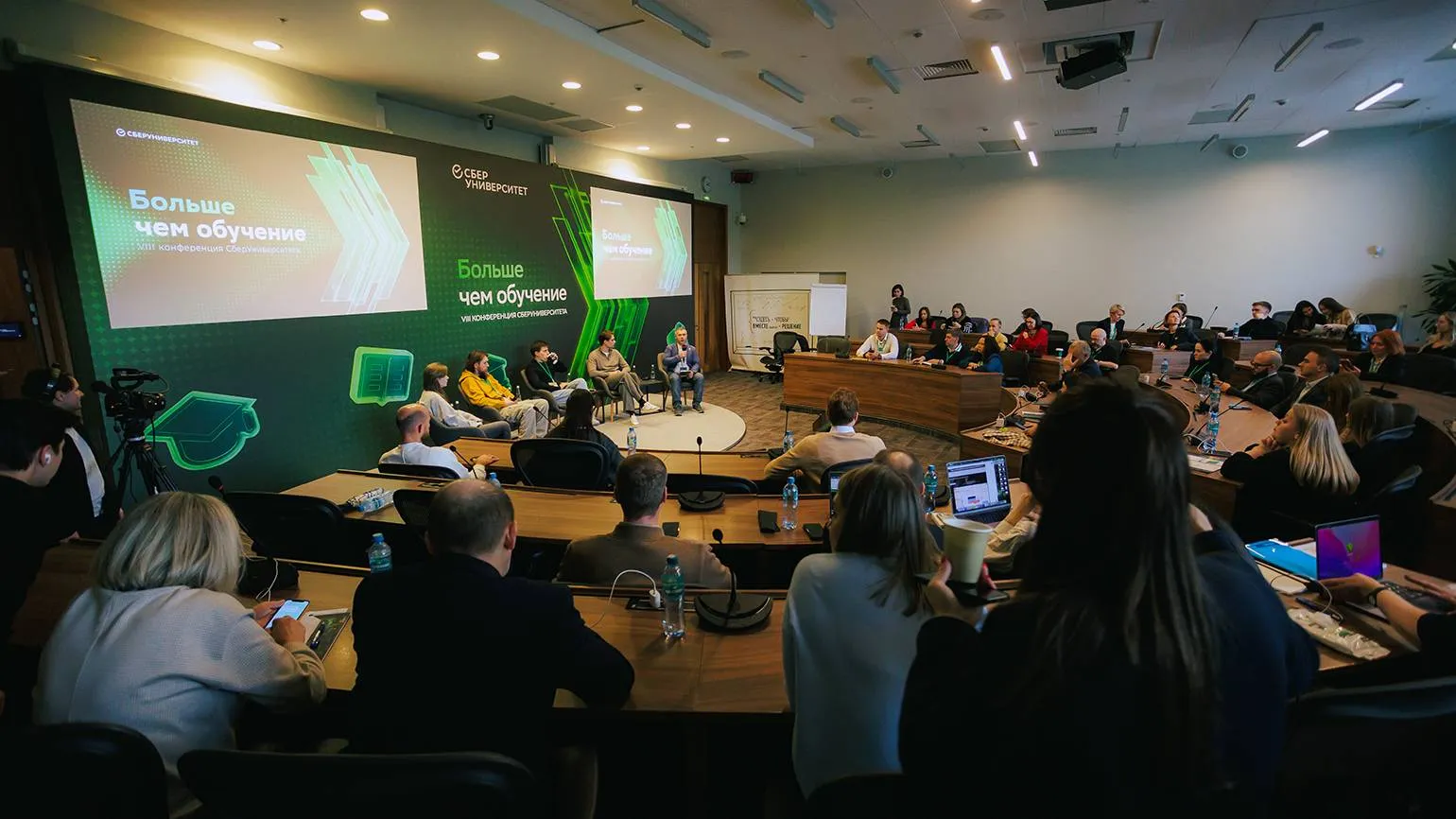
Vladislav Kozhemyakin, CEO of SberEducation, shared information about the development of AI assistants aimed at supporting school teachers and students. On the one hand, tools are being created for teachers that will help them reduce the time spent on routine tasks. On the other hand, an AI assistant for students is being developed, which is currently being tested in the field of mathematics. This AI assistant will help students independently solve problems and deepen their knowledge in the absence of a teacher, providing access to the necessary resources and explanations.
Vladislav explained that, based on an analysis of student solutions, the AI assistant selects the optimal level of difficulty and type of problems that promote more effective assimilation of the material. If a student encounters difficulties in understanding a problem, the assistant can guide them through the solution process step by step without providing a ready-made answer, which contributes to a deep understanding. CEO of SberEducation noted the positive reaction from both children and teachers, emphasizing that this really helps in learning.
Artificial intelligence technologies are opening new horizons for personalized learning. This includes adaptive platforms that allow not only for course content modification but also for customizing educational trajectories based on the needs of each student. Many solutions exist, but two key areas remain: content and personalization of the educational experience. It is important to provide student support and create the type of content that most effectively meets their needs and preferences. This improves the quality of learning and makes it more accessible to everyone.
What's wrong with personalization and why we should expect it in a year
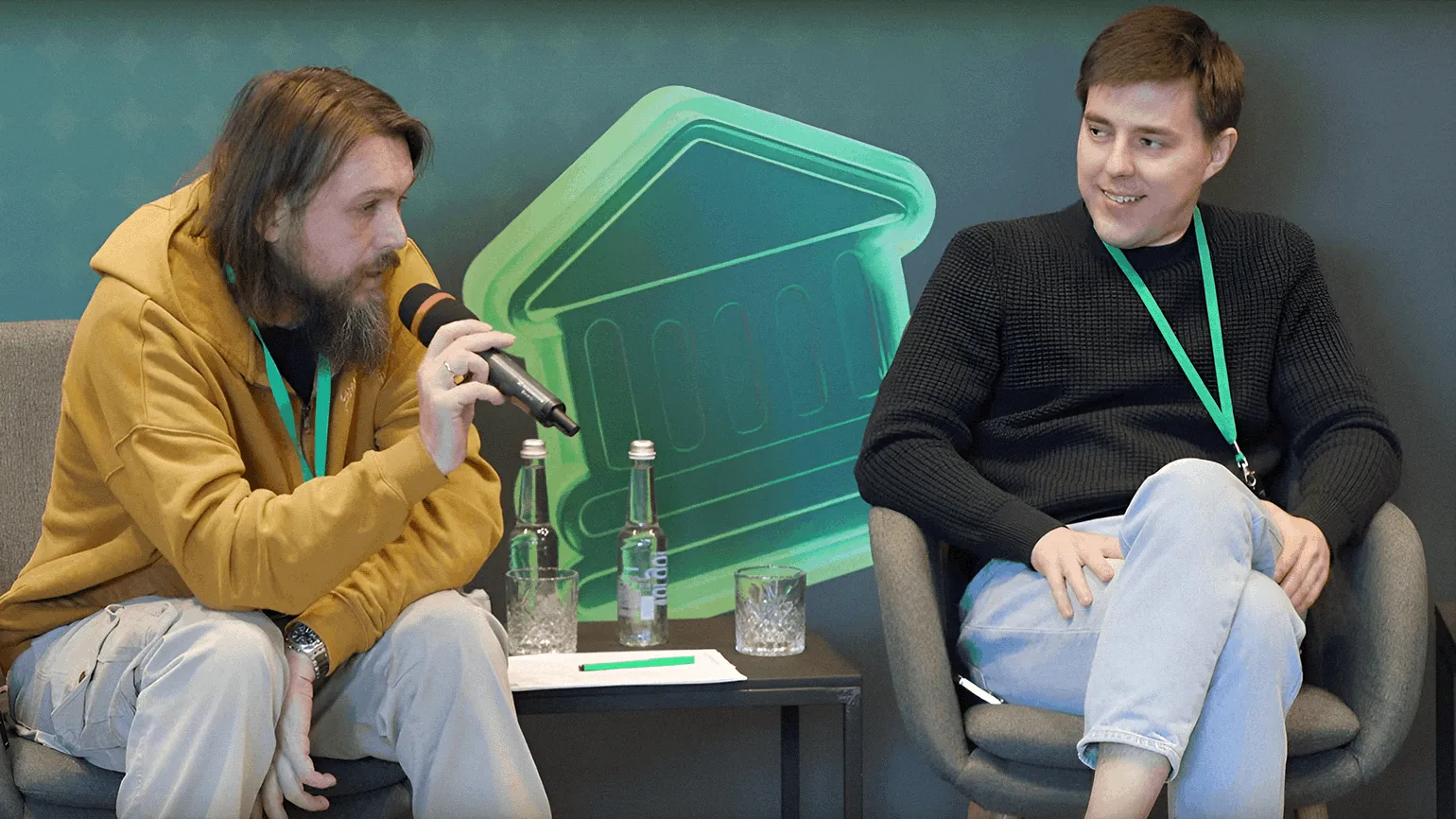
Skyeng founder Georgy Solovyov shared his opinion on personalizing learning using artificial intelligence. He noted that approaches to personalization must be more deliberate and thoughtful to effectively meet student needs. Solovyov emphasizes the importance of creating adaptive educational solutions that can take into account the individual characteristics of each student. Artificial intelligence has the potential to significantly improve the learning process, but its implementation requires careful development and analysis.
The topic of personalization has been much discussed recently, and I would like to clarify this issue. Personalization based on artificial intelligence and neural networks will certainly become a reality in the near future, perhaps within a year. Currently, implementing personalization using neural networks is virtually impossible. As someone who has been sharing their experience at conferences for ten years, I can confidently say that not a single educational company has successfully implemented personalization. However, we are now on the threshold of change: the theoretical basis for this already exists, but practical implementation is still lacking. Next year, we expect the first technical solutions to emerge that will enable effective personalization in the educational process.
Georgy discussed the current limitations of personalizing the educational process. He noted that it is possible to adapt the educational experience through answers to questions, but creating the next assignment based on a student's individual skill graph, including their strengths and weaknesses, is not yet possible. The speaker demonstrated this with an example: when a child is solving a problem, an experienced teacher can instantly identify the exact error they made, something impossible with an automated system.
If a student makes an error while solving a logarithm, it signals the need to review the material on this topic. If the error is simply that they didn't close a parenthesis, it indicates that they generally understand how to solve problems but were inattentive. Inattention is a common cause of mistakes in children, which emphasizes the importance of developing attentiveness and accuracy in the learning process.
Artificial intelligence tutors are still unable to effectively analyze user errors. They don't "understand" the exact part of the task where the error occurred and don't distinguish genuine flaws from random errors. As a result, they continue to offer users similar tasks, considering them suitable for practicing weak skills, without recognizing the true problem. This leads to user rejection: the tutor is perceived as ineffective if it offers the same task over and over again. To improve the effectiveness of such systems, it is necessary to implement algorithms capable of detailed error analysis and tailoring training to the individual needs of each user.
Georgy noted that despite the claims of platforms like Udemy and Coursera about personalizing the learning process, many users have never experienced this aspect firsthand. This underscores the importance of true personalization in educational platforms and demonstrates the significant gaps between theory and practice in online learning.
An algorithm that provides effective personalization must deeply analyze the solution text, breaking it down into many small sub-skills. It is important that it be able to identify a specific user error and suggest the next task based on this narrow sub-skill, rather than a similar task as a whole. With the latest versions of neural networks, especially the release of GPT-4o, such possibilities are becoming a reality. Although no one has yet created a product based on these new algorithms, experts predict their appearance within the next six months to a year. This will be a significant step towards full personalization.
Andrey Komissarov, responding to the statement by the head of Skyeng, raised an important question: why use artificial intelligence in areas where it cannot replace a human, in particular a teacher? This is a field for a teacher, and it is important to preserve it for humans. Andrey also noted that it's not worth generalizing about the impossibility of personalization in education. He suggested considering personalization as creating an individualized communication style for each user, which can significantly improve the learning process and make it more effective.
Personalization in the educational process involves more than just an individualized approach; it involves a deep analysis of a child's speech. Modern neural networks can evaluate the number of pauses, confidence level, word choice, and the emotional context of spoken phrases. These technologies make it possible to identify the strengths and weaknesses of a child's communication, which is especially important in homeschooling settings where a teacher is not constantly present.
There are many interesting projects using artificial intelligence as a multi-agent system. In such projects, different neural network ensembles operate in parallel: one analyzes the semantic core of responses and decisions, while another focuses on nonverbal communication and speech characteristics. All this data is combined to create personalized communication with the child. This approach differs from the traditional one, where interaction is built on the basis of previous decisions. Instead, AI takes into account a child's personal characteristics, allowing for more natural and effective learning relationships.
Georgy Solovyov noted that he is unaware of such services, despite installing numerous AI-based solutions available on the market. He emphasized that many are discussing the existence of such services, but none have been implemented in practice.
The remark that AI should not be relegated to the role of teachers has sparked a lively debate. This topic touches on important aspects of education and the interaction of technology with the learning process. Many experts believe that AI can significantly improve the educational process by providing personalized recommendations and support. However, others are concerned that completely replacing human teachers could reduce the quality of education. The discussion continues, emphasizing the need for a balanced approach to integrating artificial intelligence into educational practices.
Reading is an important aspect of our lives, contributing to the development of thinking and broadening horizons. It helps not only acquire new knowledge but also improve communication skills. In today's world, where information is available in various formats, it is important to choose high-quality sources. Regularly reading books, articles, and scientific research fosters critical thinking and helps you stay up-to-date with the latest trends. Furthermore, reading develops imagination and creativity, which is important in any field. Master new genres, explore various topics, and enrich your inner world.
Interview about a digital tutor for schoolchildren: "Our goal is to develop thinking and speech"
Digital tutors are becoming an important tool in schoolchildren's education, helping them develop key skills. During the interview, we discussed how modern technologies can help improve thinking and speech skills in children.
A digital tutor provides personalized assignments tailored to each student's level. This allows not only to deepen knowledge but also to develop critical thinking, an important aspect of learning.
The system also includes interactive elements that make learning more engaging and effective. Students can develop their verbal skills through dialog interfaces, which promotes active engagement.
As a result, the digital tutor not only teaches but also instills in students the habit of independent learning and development. The use of such technologies in the educational process opens new horizons and opportunities for future generations.
Are teachers needed if there is AI?
Georgy Solovyov argues that after 15 years, teachers become unnecessary in the education system. He notes that there is a school that has no teachers. Solovyov invites everyone to visit this educational institution and learn about its approach to education.
This article presents information about Skysmart, an offline campus designed for 150 students that functions as both a school and a college. At Skysmart, each student has the opportunity to follow their own individual educational trajectory. Education is organized using artificial intelligence technologies, with AI tutors acting as mentors. They teach all subjects, explain theory, propose math and programming problems, and check assignments. English classes are conducted in a format that closely resembles face-to-face interaction. This educational institution does not have traditional teachers, allowing it to focus on modern teaching methods and technologies.
Teachers perform two key functions: motivating and educational. Georgy believes that the latter function can be successfully replaced by artificial intelligence, which is fundamentally changing the approach to education. On the offline campus, mentors act as motivators. They are responsible for maintaining discipline, developing soft skills, and engaging students. Mentors organize morning classes, plan the school day, and conduct evening reflections and games, all of which promote effective learning and foster team spirit.
Online learning using AI tutors has its advantages, but the importance of a physical campus and interaction with tutors shouldn't be underestimated. Georgy Solovyov identifies two key factors that justify the need for traditional education. First, in-person interaction with teachers and classmates promotes the development of social skills that cannot be completely replaced by virtual communication. Second, a physical learning environment creates a more structured learning space, which can increase student motivation and focus. Thus, the combination of online and traditional learning can provide a more comprehensive educational process.
- Offline learning provides discipline that online learning can never provide (you need to be tied to a space where your phone is taken away and other distractions are eliminated—so you have to study).
- Offline learning gives teenagers the community they seek at this age. The school that best provides this "party" is, in the eyes of teenagers, the best. "And now we can combine this community with AI-powered classroom teachers," says Georgy.
The curator model in educational projects has a number of significant advantages. Unlike teachers, who divide their time between teaching and other responsibilities, curators are entirely focused on motivating students. Their training is specifically geared toward this function, allowing them to perform their role more effectively than subject teachers. It's also worth noting that a higher pedagogical education or subject expertise is not required to serve as a curator. This makes curators more affordable for educational project budgets, an important factor when planning expenses. Therefore, using curators allows for cost optimization and improved student motivation.
Next-generation systems are highly scalable and represent the future of technology. Georgy Solovyov noted that the campus test project was successfully completed today, despite the skepticism of many who doubted its viability. This project demonstrates the potential of innovative solutions and their ability to transform existing approaches.
Today, the system is truly operational, and you can come see it for yourself. Many people, even representatives from the ministry, have visited our project to see it in action. In the future, we plan to create thousands of such campuses, where traditional teachers will be replaced by educators and curators who will guide the educational process. This new vision of education opens up a wealth of opportunities for students to learn independently and develop.
Children come to class, open their laptops and computers. They may be hearing interesting things from charismatic speakers with well-known brands. However, the bulk of the learning is accomplished through artificial intelligence-powered simulators. I am confident that such a revolution in the educational process will occur in three or four years.
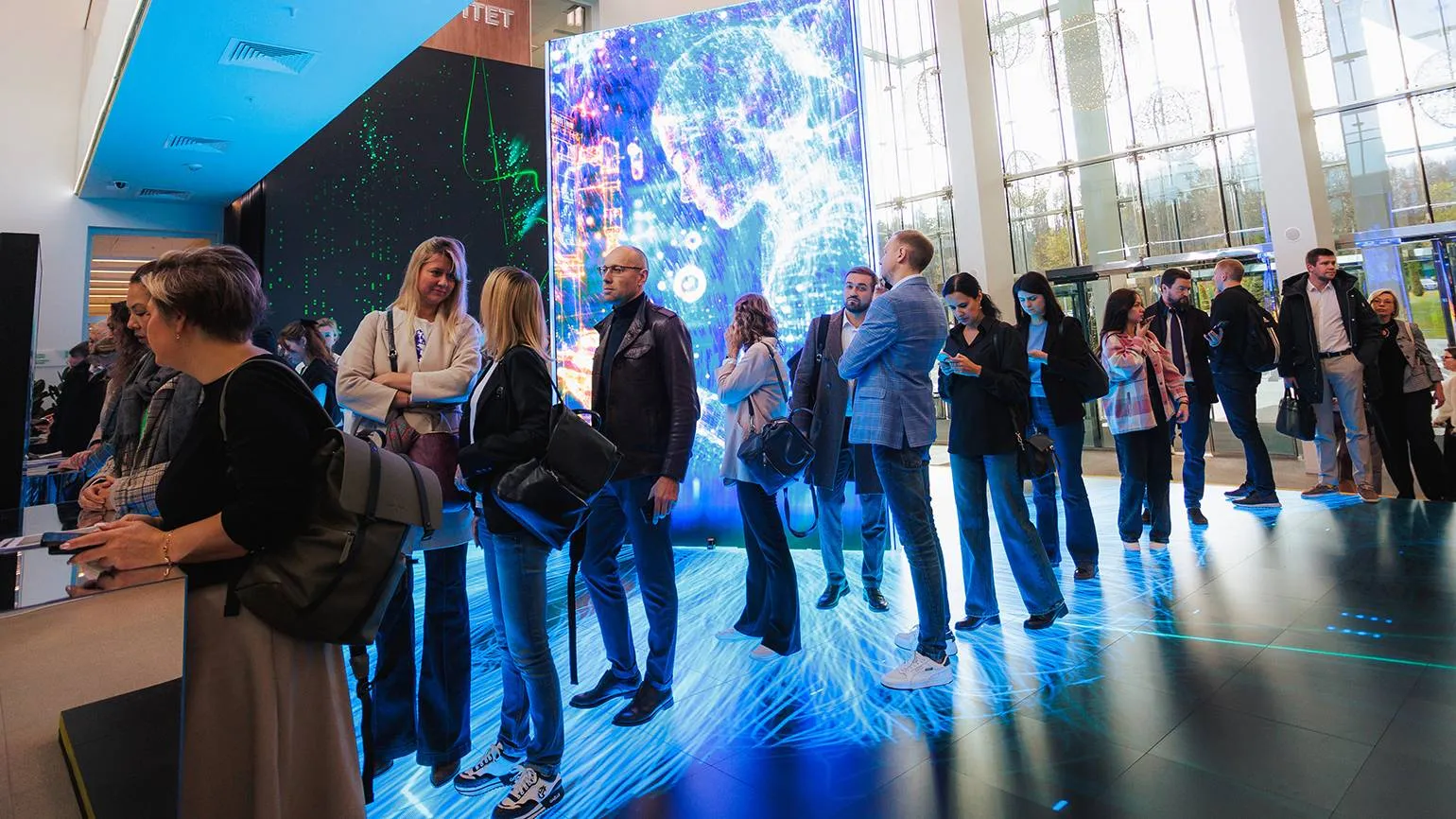
Vladislav Kozhemyakin emphasized that education is not limited to efficiency and cost-effectiveness. He agrees that in the future, live human interaction will become a privilege. It's important to recognize that educational processes must consider not only practical aspects but also the value of human interaction. Technological advances may change approaches to learning, but human connections will remain an integral part of the educational experience.
According to Georgy Solovyov, the advantages of the new type of educational organization model extend beyond cost reduction. This system allows teenagers in small towns and villages to receive a quality education, which promotes equal access to knowledge and improves educational opportunities for young people in the regions.
The Profession of Methodologist from Scratch to PRO
You will improve your skills in developing curricula for online and offline courses. Master modern teaching practices, structure your experience, and become a more sought-after specialist.
Find out more