
Contents:

Learn: Profession Methodist from scratch to PRO
Learn moreJohann Heinrich Pestalozzi (1746–1827) was an outstanding humanist educator who became one of the pioneers of developmental education. His romantic ideas and dreams, although not always realized in practice, had a significant influence on the pedagogical thought of his time, especially in the field of public education. Pestalozzi laid the foundations that were later developed by his followers, such as Konstantin Ushinsky, a renowned educational reformer, and Friedrich Froebel, the creator of the "kindergarten" concept. Pestalozzi's contributions to educational practice and theory continue to be relevant and important for educators today.
Of course, please provide the source text you want me to edit.
Johann Heinrich Pestalozzi's major works include the novel Lingard and Gertrude, a collection of letters on parenting and teaching methods entitled How Gertrude Teaches Her Children, Views, Experiences, and Means for Promoting the Success of the Natural Method of Education, and Swan Song, which also discusses education. These works by Pestalozzi played a significant role in the development of pedagogical thought and teaching methodology, emphasizing the importance of an individual approach to each child and the harmonious development of their personality.
How a Weak Student Created His Own School
Johann was born in Zurich to a doctor's family that was experiencing financial difficulties. He was the second of three children. After the early death of his father, when Johann was only five years old, his mother, Susanna Pestalozzi, faced serious economic hardship. Despite limited resources and a lack of education, she did everything possible to provide her children with a decent education. Young Johann was initially educated by his grandfather, a rural pastor. He later entered the city school in Zurich, where he encountered the shortcomings of traditional dogmatic education. He found the subjects and teaching methods uninteresting, which led to poor academic performance and a reputation among teachers as a student with limited abilities.
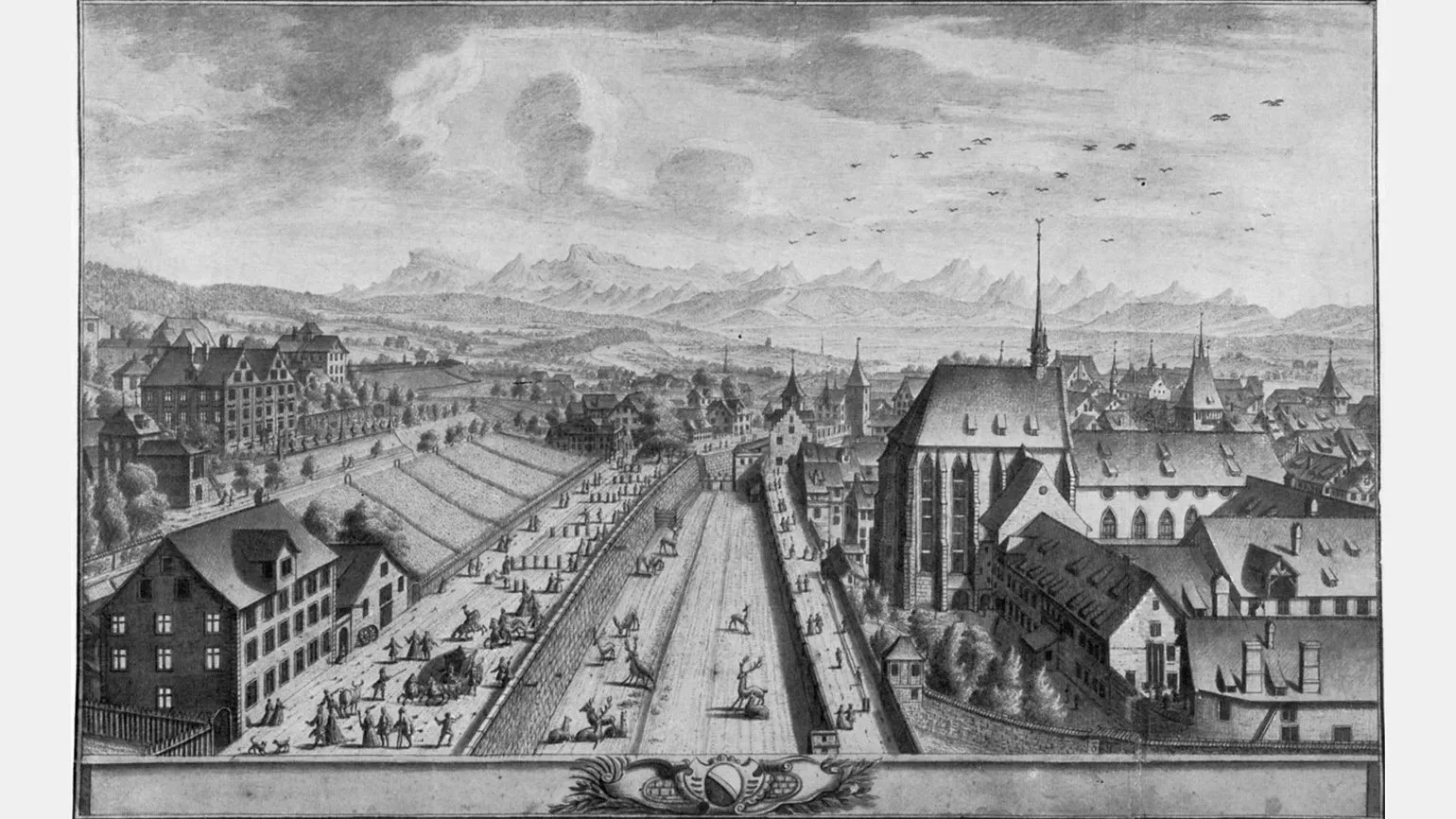
At the Carolinum Theological College, where Johann entered after graduating from high school, his worldview underwent significant changes. The teachers there embraced the progressive 18th-century ideas of humanism and civic responsibility. They believed that these concepts would help create a just and harmonious society. These views resonated with the philosophy of Pestalozzi, who idealistically believed that by becoming a priest, he could influence the minds and souls of individuals and thus contribute to the moral transformation of society as a whole. Pestalozzi was convinced that the change in individuals leads to the transformation of society, and his desire to educate and improve the lives of others became the driving force behind his future work.
Pestalozzi's first ministry was unsuccessful. Inspired by the works of the French philosopher Jean-Jacques Rousseau, he resolved to actively promote social well-being and equality, using jurisprudence as a tool to achieve these goals. Johann did not become a lawyer because his articles for the Helvetic Society's journal, which supported Enlightenment ideas and advocated liberal reforms, became an obstacle to his future career. The journal was closed due to its criticism of the government. After this, Pestalozzi moved to the countryside, investing all his funds, including loans, in a plot of land. He married and took up farming, which was a new stage in his life.
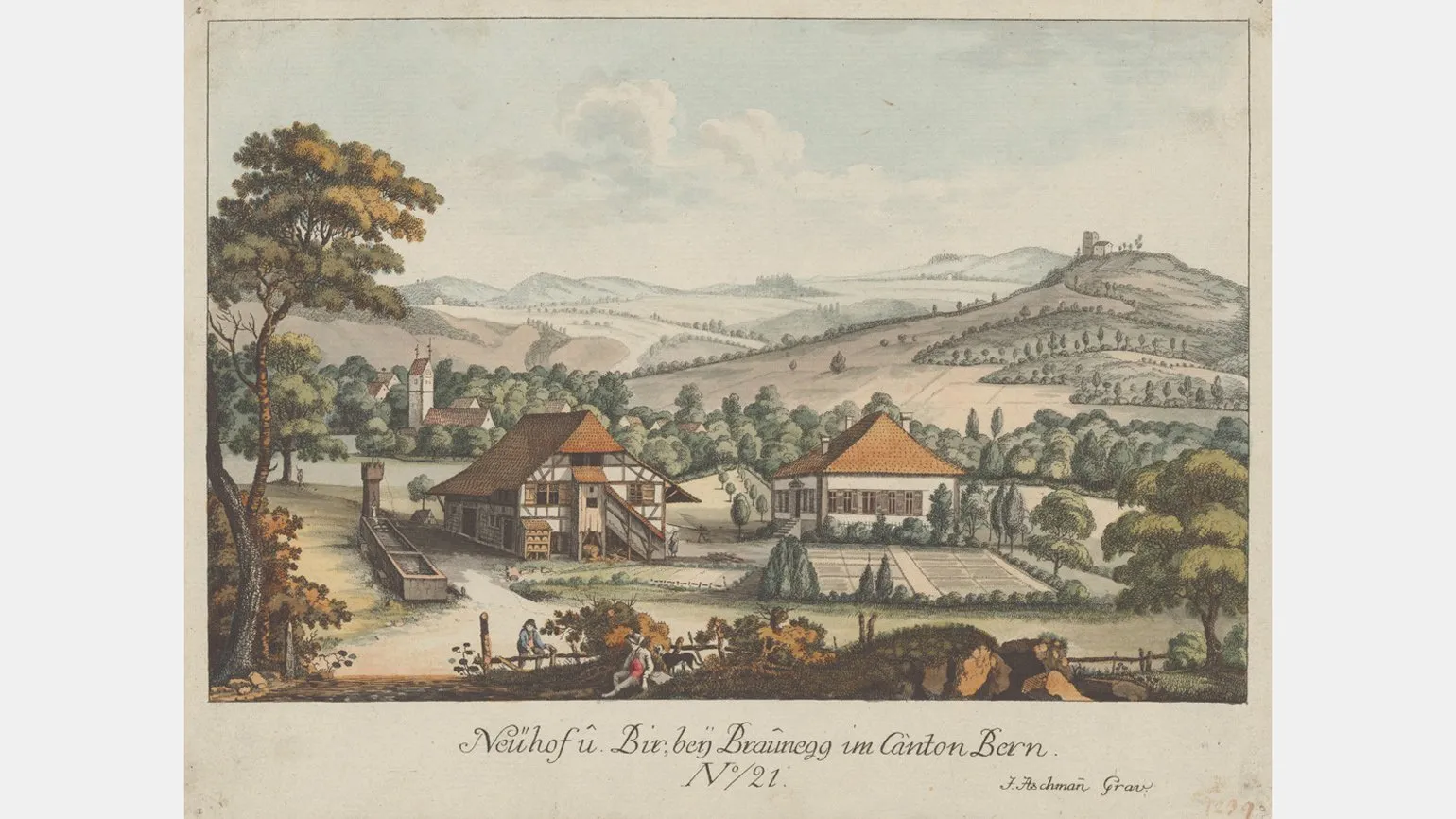
Unfortunately, the situation turned out to be hopeless. Pestalozzi's plot was not generating the expected income, and the banker from whom Johann took out a loan persistently demanded repayment.
After financial ruin, Pestalozzi decided to lease out part of his land to provide for his family. At this time, he conceived a new project: the creation of a production school for poor children. At this school, students would not only learn literacy and numeracy but also gain practical skills through farm work, weaving, and sewing. Pestalozzi believed that such activities would not only help children support themselves in the future but also ensure the financial sustainability of the school, allowing it to cover its expenses and create savings for graduates.
The idea of the school, initiated by Pestalozzi, was a true revolution for its time. His plan was supported by his friend and thinker Isaac Iselin, who published an article in the socio-economic journal "Ephemerides." In this article, he called on the public to support Pestalozzi's project financially, which could be called crowdfunding in the modern sense. Public opinion responded to this call, and in the mid-1770s Pestalozzi opened his own school, which had about 50 students. This initiative marked the beginning of a new approach to education, emphasizing the importance of community participation in educational projects.
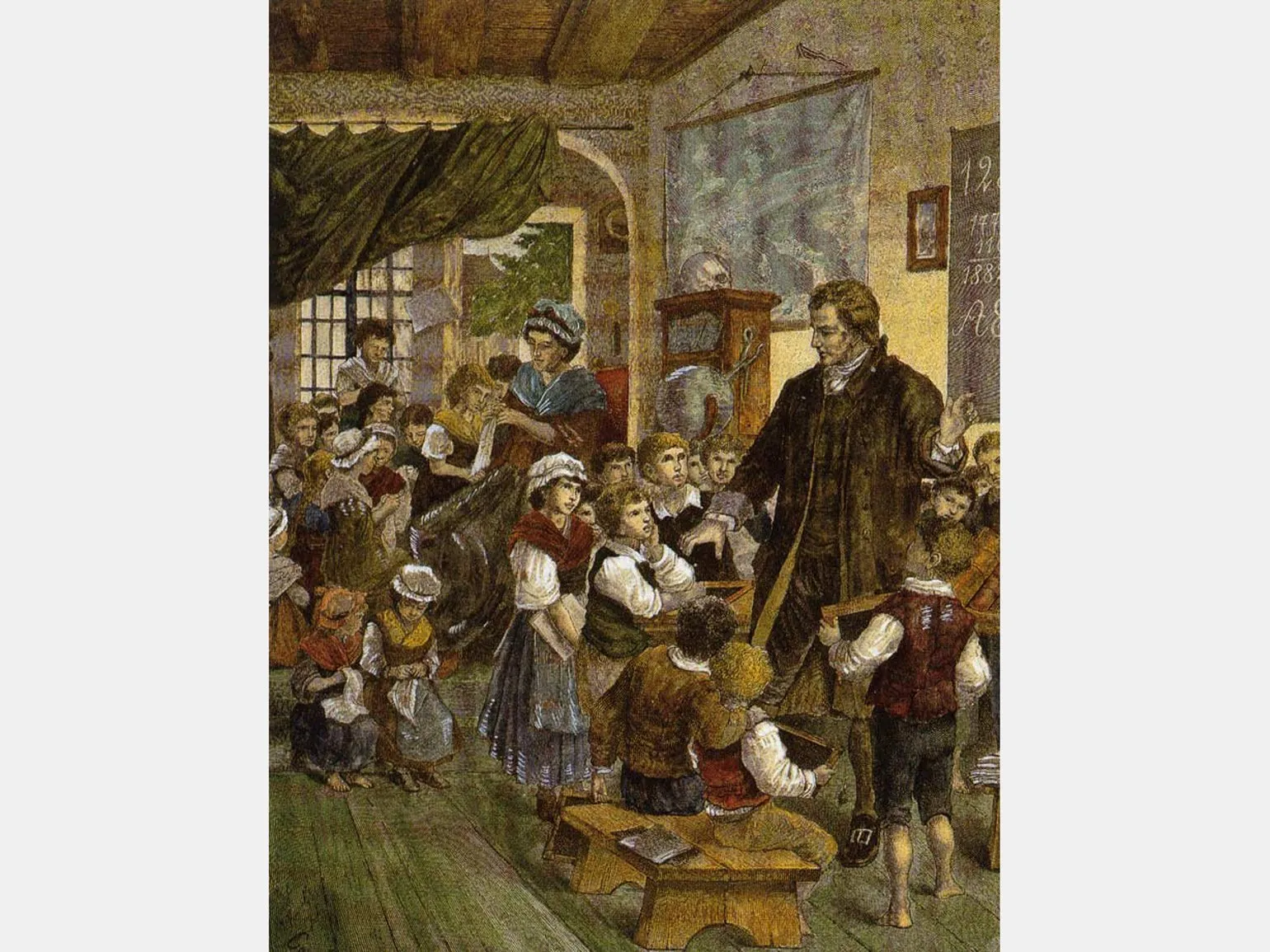
The project proved unprofitable. Combining children's labor with the educational process led to low productivity, and the income was not enough even to maintain the school, let alone save money. For some time, the educational institution operated thanks to public support and the finances of Pestalozzi's wife's family, whose family was well-off. However, in 1780, the school was forced to close, and the students were dismissed.
Johann, disillusioned with business projects, did not abandon his ideas for transforming society and turned to literature. From 1780 to 1797, he wrote a number of works in which he outlined his key pedagogical concepts. These works played an important role in the development of educational theory and practice, reflecting the author's desire to improve society through education.
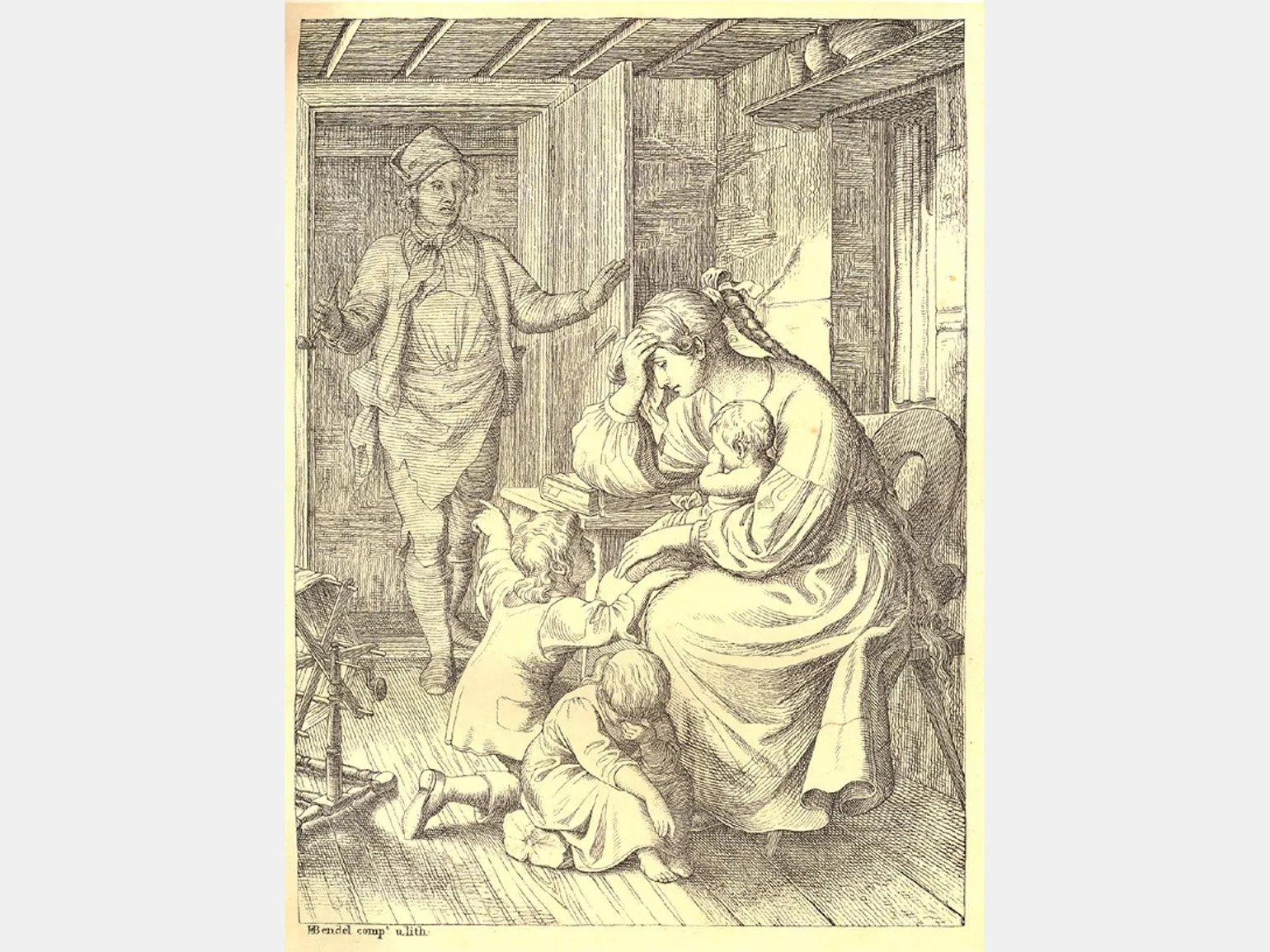
Pestalozzi's literary work brought him fame and again prompted him to pursue teaching. After the publication of the novel "Lingard and Gertrude," in which positive characters reflected the author's pedagogical views, the authorities offered Johann the opportunity to head an orphanage in Stans. However, in 1798, due to the French invasion of Switzerland, the orphanage was forced to close. This experience underscores the importance of Pestalozzi's pedagogical work and his desire to help children in difficult circumstances.
In 1799, Johann Heinrich Pestalozzi moved to Burgdorf, where he began working as a teacher in local educational institutions. In this city, he met like-minded educators who shared his views on the educational process. As a result, Pestalozzi decided to open the Burgdorf Institute, which was a boarding school with a teacher training program. At this institute, he managed to implement his educational methodology, building a training system based on the principles of development, individuality, and practical experience.


In In 1804, the institute was forced to change location, as the Burgdorf Castle, where it was located, became needed by the authorities for other purposes. Pestalozzi and his colleagues moved to Yverdon, where a new institute was founded that quickly gained international renown. Teachers from all over Europe flocked to Yverdon to learn from Pestalozzi's unique experience in teaching children. This educational institution always had a large student population, underscoring its popularity and importance in the educational sphere of the time.
The Yverdon Institute's period of prosperity lasted for several years. However, serious disagreements soon arose between the founder, Johann Heinrich Pestalozzi, and his colleagues, which were aggravated by financial difficulties. As a result of these conflicts, the Yverdon Institute ceased its activities in 1825.
In old age, after the loss of his wife and son, Pestalozzi returned to his native country home. In 1926, he published his work "Swan Song", in which he summarized the results of his pedagogical research. This work provoked criticism, including from former colleagues. In February of the following year, Pestalozzi passed away.
Pestalozzi's Pedagogical Ideas
Pestalozzi, a follower of Rousseau, argued that conformity to nature is a key principle of education and training. He believed that education should be consistent with the child's natural development and promote the development of their innate abilities. Pestalozzi emphasized the importance of creating conditions in which students could develop harmoniously and in accordance with their individual needs. Effective education, in his view, should consider not only the mental, but also the emotional and social aspects of a child's development. This approach remains relevant in the modern educational process, emphasizing the importance of an individual approach to learning. Pestalozzi viewed education as a key process in the formation of a harmoniously developed individual, distinguished by mental, physical, and moral development. He emphasized the importance of the interaction of the three fundamental forces that distinguish humans from animals: the mind, the hands, and the heart. Pestalozzi argued that full development is possible only with equal attention to each of these aspects. His methods of physical development emphasized not only gymnastics and active games but also activities that promote the development of the senses, such as drawing, singing, and playing musical instruments. This approach fosters not only physical but also creative activity, which is an integral part of education.
Long before scientific research in the field of educational psychology, Pestalozzi realized that sensory perception is the first stage of thinking. He placed particular emphasis on visualization in the educational process, considering contemplation (in German, anschauung) as the foundation of all cognition. Pestalozzi argued that children should be introduced to objects and phenomena directly, fostering their curiosity and attentiveness. An important aspect of his approach was the use of context—linking new knowledge with what the child already knew. He then offered assistance in systematizing this knowledge, formulating concepts, and creating a holistic understanding of the subject matter. In Pestalozzi's works, Gertrude's children learn not in a classroom, but in nature, not from textbooks, but through observation and practical experience, supplemented by their mother's explanations. This approach emphasizes the importance of children's active participation in the learning process and emphasizes the importance of practical knowledge.
According to Pestalozzi, the primary goal of education is not the transmission of ready-made knowledge, but rather the development of students' ability to contemplate the world around them. This contemplation promotes the awakening of consciousness and the activation of thinking, and also deepens the impressions of what is being studied. The main goal of education is the development of logical thinking and critical perception, which allows students not only to assimilate information, but also to analyze it, draw conclusions, and apply it in practice.
Pestalozzi, a great educator, expressed the opinion that no one can teach a child better than his mother. In his understanding, it is the mother who plays a key role in the development of communication, reading, and writing skills in children, as well as in introducing them to the world around them and imparting their first practical skills. In this regard, he dedicated his main work, How Gertrude Teaches Her Children, to mothers. Pestalozzi also developed teaching aids aimed at helping women master the fundamentals of pedagogy, including teaching writing and numeracy, as well as studying the structure of the human body and observing nature. These materials became an important contribution to the development of educational approaches and supporting mothers in their teaching activities.
Pestalozzi's pedagogy is distinguished by its emphasis on vocational training, which is aimed at preparing schoolchildren for the professions of artisans and workers. However, this is not limited to the acquisition of mechanical skills and routine actions. Pestalozzi emphasizes that the educational process and subsequent choice of profession should correspond to the individual abilities and interests of each child. This approach promotes the development of not only professional skills but also the formation of personal responsibility and self-determination in students.
According to the concept of the "three forces," vocational training includes not only technical skills but also the development of thinking, which today we refer to as universal competencies, as well as moral education. According to the teacher, this approach helps children from disadvantaged families recognize their abilities and learn to use them effectively. This will help them prepare for life's challenges and avoid exploitation. Developing these skills is key to developing independent and responsible individuals capable of coping with the challenges of the modern world.
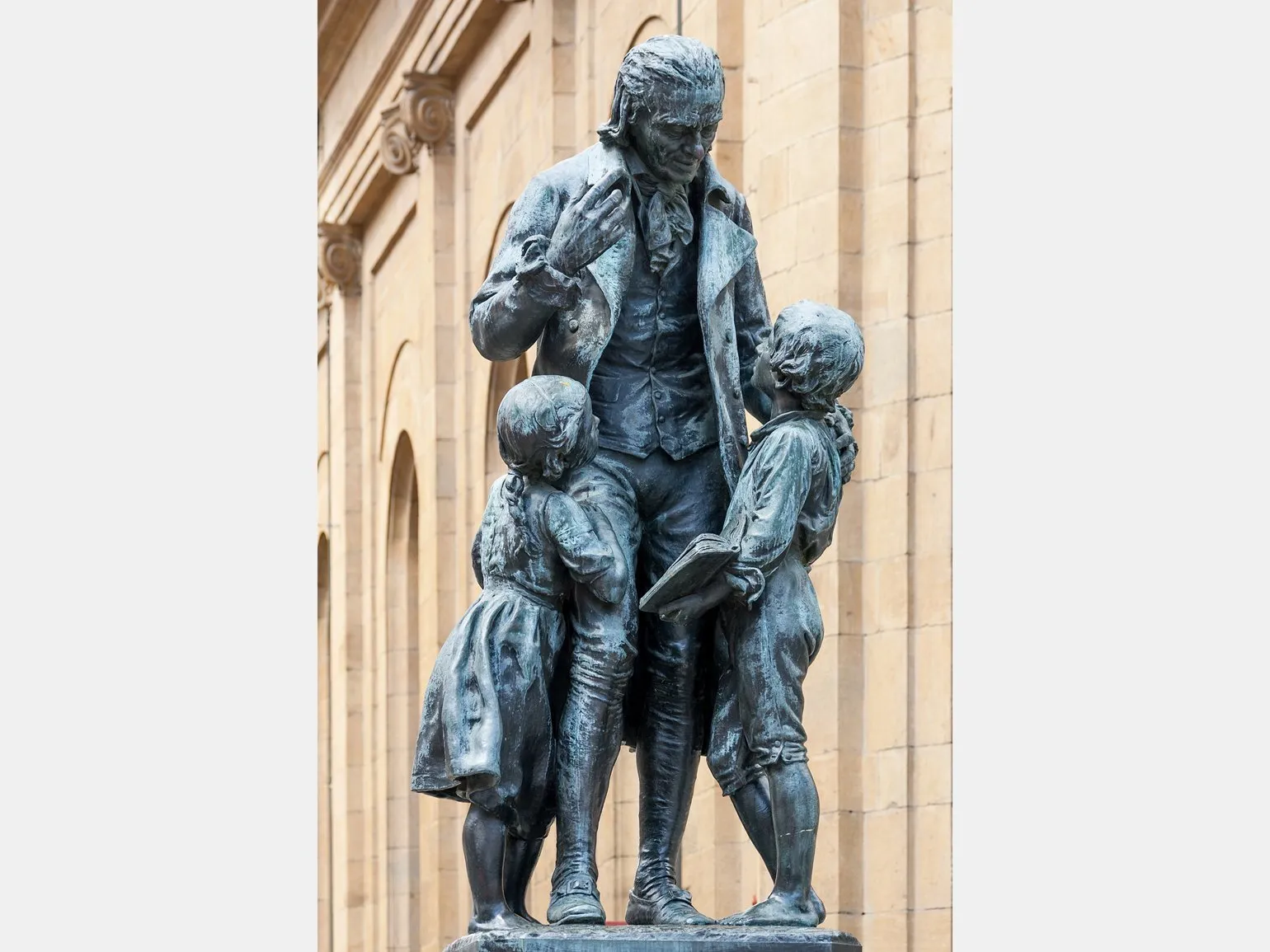
Ideas Johann Heinrich Pestalozzi's ideas on the organization of the educational process remain relevant today. In the 18th century, he proposed innovative approaches such as coeducation of boys and girls, which promoted equality and the development of social skills. Furthermore, Pestalozzi proposed dividing students into groups based on their level of knowledge, which allowed for more effective adaptation of instruction to the individual needs of each student. Peer teaching, an important aspect of his methodology, develops cooperation and responsibility among students, making the educational process more dynamic and effective. These principles continue to inspire modern educational practices and methodologies. Pestalozzi criticized contemporary mass education, including both school and university. In his letters, such as "How Gertrude Teaches Her Children," he compared school education to a three-story building. The top floor, which represents high and perfect art, is inhabited by only a few. The middle floor has more students, but they lack the "ladders" to ascend to the higher levels of knowledge. Attempts to do so often end in failure, as they are slapped on the wrist. The lower floor, meanwhile, is made up of a multitude of people left to their own devices in a bleak, windowless environment. They are blinded by blinders, which misleads them and makes it impossible to recognize the existence of a higher level of education. Universities have been criticized for a lack of contemplation in the educational process, which implies that students are unable to observe, analyze, and deeply understand the material being studied. As a result, science was reduced to simple talk and discussion, losing its main goal - the pursuit of knowledge and true understanding.
Pestalozzi's Quotes
Interesting Facts About Pestalozzi
- Although Pestalozzi advocated the harmonious development of all abilities, as well as accuracy and attentiveness, he himself retained difficult-to-read handwriting and problems with spelling throughout his life.
- Johann and his wife Anna had an only son named Jean-Jacques - he was named after Rousseau. The father also planned to raise the boy according to the principles of the French humanist, but then decided that they were not applicable in practice - for example, Pestalozzi did not consider absolute personal freedom a good thing. He believed that a balance between freedom and discipline was necessary in education.
- In 1797, Pestalozzi published a collection of 279 fables—short stories with morals on social, political, and pedagogical themes.
Learn more about current topics in education by subscribing to our Telegram channel. We share useful information, news, and tips to help you stay up-to-date. Don't miss the opportunity to gain valuable insights and expand your knowledge. Subscribe to our channel today!
Optimize your content for SEO to improve your search engine visibility. Use keywords that match the topic of your text and place them naturally within the content. Don't forget about meta tags and titles, which should also be informative and contain keywords. Regularly updating content helps keep information current, which has a positive impact on rankings. Additionally, high-quality internal and external links help improve SEO positioning.
Read also:
- John Dewey: the pedagogical ideas of one of the most influential thinkers of the 20th century
- Jan Amos Comenius: a brief overview of the pedagogical concept
- How phenomenon-based learning teaches us to solve real-world problems
- Constructivism in learning: why this pedagogical approach has not become widespread
Methodologist Profession from Beginner to Advanced
You will develop skills in developing curricula for online and offline courses. You will master modern teaching practices, structure your experience, and become a more sought-after specialist.
Find out more