
Contents:

Course with employment: "The profession of a methodologist from scratch to PRO"
Find out more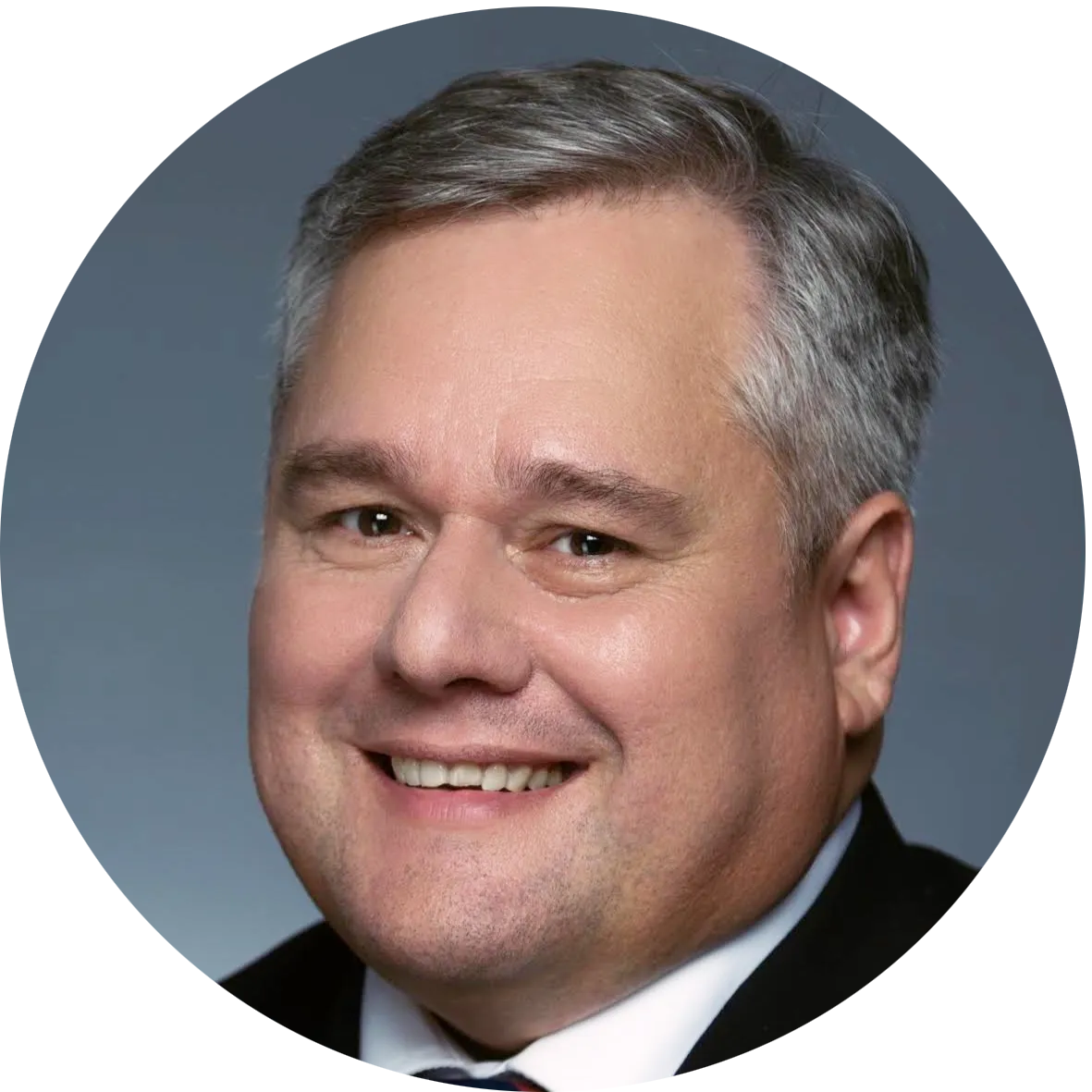
The rector of Moscow State Pedagogical University (MSPU) plays a key role in the management and development of the educational institution. He is responsible for the implementation of educational policy, strategic planning and ensuring the high quality of the educational process. Important functions of the rector include coordination of research activities, support of the teaching staff and interaction with educational institutions. The rector also represents the university at various levels, including national and international events. The successful leadership of Moscow State Pedagogical Univ. contributes to its improved ranking and student appeal, which in turn strengthens the university's position in the Russian educational landscape and beyond.
The interview with RIA Novosti was an important event, featuring a discussion of current issues and events. This communication allows for a deeper understanding of current trends and expert views on various topics. The interview touched on key aspects that are of interest to a wide audience. Importantly, such interviews contribute to the dissemination of information and the formation of public opinion, making them significant in the context of the modern media landscape.
Given the diversity of educational services, an increase in the number of families choosing homeschooling is expected. Schools will see a growing demand for specialized education and individualized educational programs. Specialized education will be perceived not only as in-depth study of specific disciplines but also as the development of related fields in various fields of knowledge. This approach will enable children to develop interdisciplinary skills and better prepare them for the demands of the modern labor market.
In his forecast, Igor Remorenko discussed how education will transform in the context of increasing digitalization and personalization, which has become especially relevant in light of the pandemic. It is important to note that during the pandemic, Russia has seen an increase in the number of children switching to homeschooling; however, nationwide, this figure remains extremely low—only 1%. Going forward, digitalization can be expected to continue to influence educational processes, promoting more individualized approaches to learning and increasing the availability of educational resources.
The rector of Moscow State Pedagogical University noted that students' attitudes toward online classes improve with age. The higher their motivation and awareness, the greater their desire to study with an individualized program. As a result, motivated high school students even showed improved distance learning results. Meanwhile, students with less clear interests and educational needs showed a decline in their results. Similar trends are also observed among students.
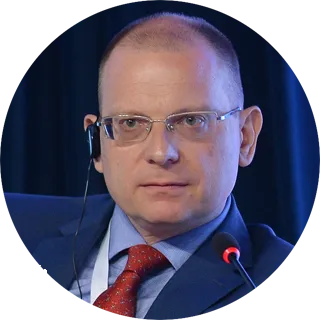
Deputy Chairman of the Federation Council Committee on Economic Policy. This position entails active participation in the development and implementation of economic policy at the federal legislative level. The Deputy Chairman plays a key role in analyzing and evaluating economic initiatives, as well as in formulating recommendations for their implementation. His or her work is aimed at improving the economic situation in the country and supporting entrepreneurship. An important aspect of his or her work is interaction with other government agencies, the business community, and economic experts.
A meeting of the Sustainable Development Working Group of the Supreme Council of the United Russia party will be held soon. This event aims to discuss key issues related to sustainable development in the country. Participants will consider strategies and initiatives that promote environmental and social progress. The focus will be on the implementation of innovative solutions that will help ensure a balance between economic growth and environmental protection.
Currently, domestic industry faces important strategic objectives, including development and import substitution. However, there is a serious personnel shortage that must be addressed. The main objective is to train more specialists in higher education institutions and vocational schools. It is important to remember that the training cycle takes several years, so it is necessary to begin as early as possible. Targeted recruitment must be actively utilized to effectively address the shortage of qualified specialists.
One solution to the shortage of engineering, technical, and IT personnel is the creation of competency centers at universities. These centers will serve as a link between educational institutions and industry. At these centers, students will be able to conduct research using modern equipment and develop new technologies. This will not only improve the level of specialist training but also allow them to directly participate in practical projects, significantly improving their competitiveness in the labor market.
The original concept of competency centers, announced last year, was to develop soft and other cross-professional skills in university graduates. These skills are becoming increasingly important in today's world, where demands on specialists are constantly changing. The creation of competency centers is aimed at developing students' critical thinking, teamwork, and adaptability to new conditions. It is important to emphasize that such an initiative promotes not only the personal but also the professional growth of graduates, which in turn increases their competitiveness in the labor market.
Currently, the creation of a platform for targeted university admissions, where requests for targeted training will be posted, is under active discussion. This initiative is aimed at increasing the transparency of the admissions process and simplifying access to information about targeted training opportunities. The platform will allow applicants to better navigate available offers and increase competition among educational institutions, which, in turn, will contribute to high-quality education and training of specialists in in-demand fields.
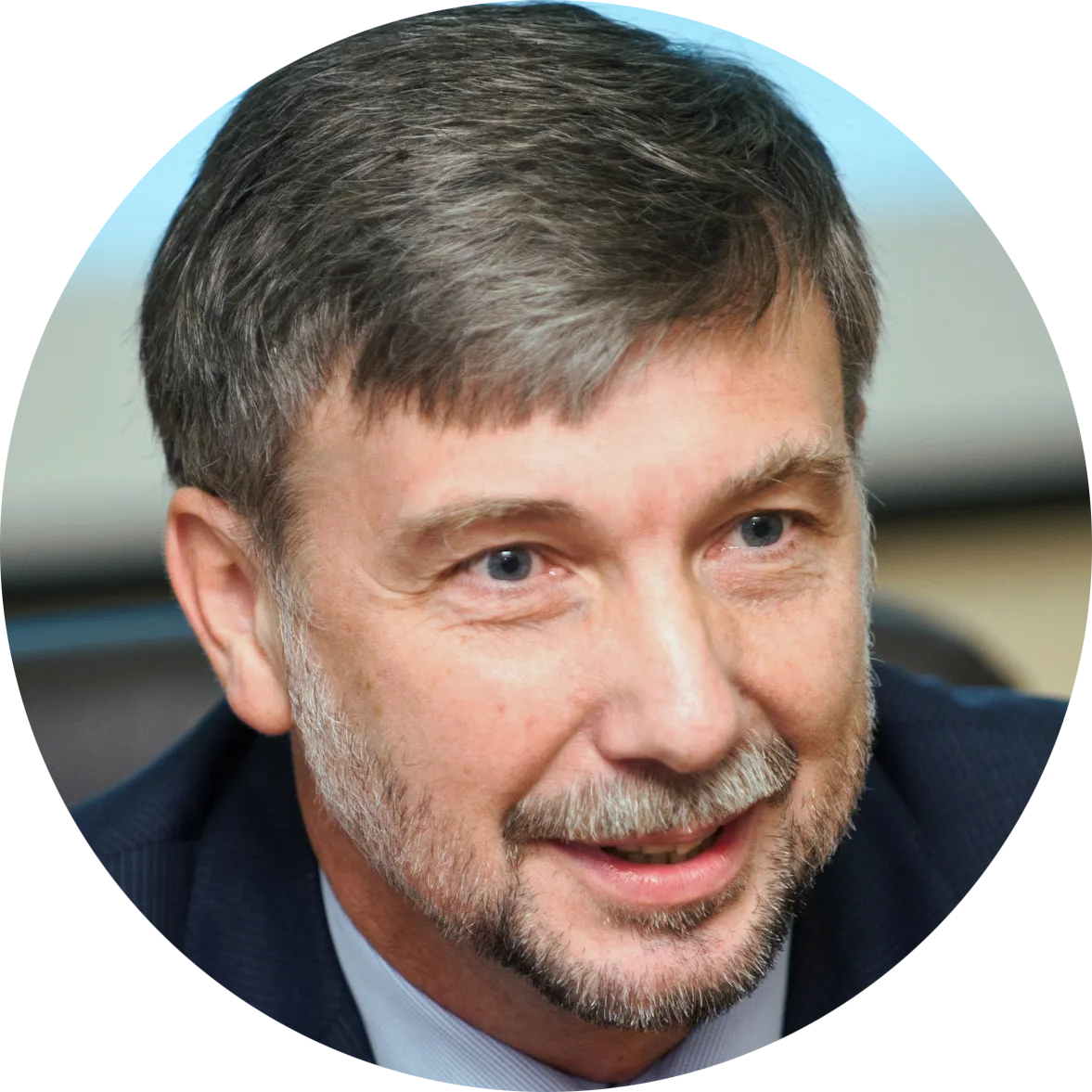
Vice-Rector of the National Research University Higher School of Economics and Head of the Laboratory for Labor Market Research at the Faculty of Economic Sciences.
Venue: XXIII Yasinsky International Academic Conference on Economic and Social Development, organized by the National Research University Higher School of Economics.
The Russian labor market clearly lacks an educational signal and high-quality education. In this regard, the acquisition of work experience and skills, as well as the combination of study and work, are becoming key aspects of developing the competencies of modern specialists. This should be recognized as a fact. It is necessary to focus on creating an educational space that integrates elements of work activity and provides opportunities for practical experience. This may include not only student internships, but also active participation in real work processes. This approach will help prepare qualified specialists who will meet the demands of the modern labor market.
Sergey Roshchin presented a paper at the 23rd Yasin International Academic Conference on Economic and Social Development at the National Research University Higher School of Economics, dedicated to the study "Higher Education Graduates in the Russian Labor Market: Trends and Challenges." The paper presents key findings regarding the impact of work experience on graduates' salaries. The study found that bachelor's and specialist degree holders who combine study with work earn 29% higher salaries than those without practical experience. Meanwhile, an honors degree without work experience provides only a 10% salary increase. This indicates that employers value practical skills and experience more than academic achievements.
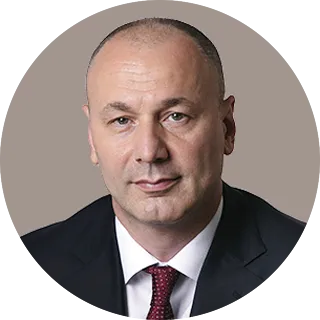
The head of Rosobrnadzor plays a key role in the formation and development of the education system in Russia. His responsibilities include monitoring compliance with educational standards, accrediting educational institutions, and organizing state final assessments. The director is also responsible for the implementation of new educational programs and technologies, which contribute to improving the quality of education. Effective management of Rosobrnadzor aims to ensure accessibility and equality in education for all citizens of the country.
A press conference on "Education Quality Map" will be held at the Rossiya Segodnya press center. The event will discuss the current state of the education system, as well as new initiatives aimed at improving the quality of education in the country. Participants will share analytical data and proposals for improving educational programs, and will answer questions from journalists and stakeholders.
The PISA study discussed was a new experience for us, but the Russian education system is capable of much. We began with careful study and analysis, after which, over the course of several years, we demonstrated significant improvement in educational indicators. This improvement was so impressive that no other country has been able to achieve similar results. All the measures taken in recent years at the ministry, Rosobrnadzor, and regional levels were aimed at eliminating existing gaps in education. Perhaps our successes have been so noticeable that they have caused concern. In particular, achievements in education have become a subject of discussion and even discontent. Anzor Muzaev commented on the OECD's decision that Russia will not participate in the international PISA study this year, which assesses educational achievement. This study has been conducted every three years since 2000 among 15-year-olds. Russia participated in all cycles, including 2000, 2003, 2006, 2009, 2012, 2015, and 2018. PISA assesses reading skills, text comprehension, and mathematical and scientific literacy. Other aspects of functional literacy are also analyzed in various cycles of the study. The results of 2018 did not show the best achievements for Russia, which emphasizes the need to revise the educational strategy and improve the level of student training.
Read also:
- "20% of children do not reach the threshold values of functional literacy"
- The minister said that in other countries the quality of education is declining, but in the Russian Federation it is growing
- The Ministry of Education and Science named the most in-demand specialties in Russia
- The government approved the rules for providing grants to advanced engineering schools