
Contents:

Learn: The Profession of Methodologist from Scratch to PRO
Learn More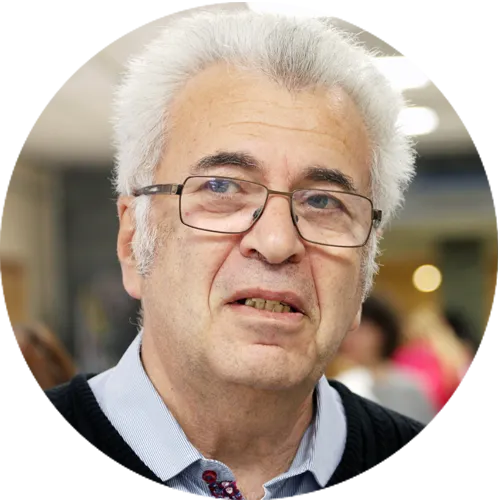
Honored Teacher of the Russian Federation, Academician of the Russian Academy of Education and Director of Education Center No. 109, is an outstanding figure in the field of education. His contribution to the development of the educational system of Russia has been recognized with numerous awards and recognitions. Under his leadership, Education Center No. 109 has become a model of innovative approaches to teaching and educating students. The importance of professionals like him cannot be overstated, as they shape the future of education and make a significant contribution to the development of qualified specialists.
The interview with a representative of Rossiyskaya Gazeta was significant because it covered key issues and current topics of public interest. The conversation covered various aspects of modern life, including the social, economic, and political challenges facing the country. The discussion encompassed not only current events but also development prospects in various areas. The interview aims to inform readers of the opinions of experts and analysts, allowing for a deeper understanding of ongoing processes and more informed decision-making. Importantly, such interviews play a significant role in shaping public opinion and fostering active dialogue between different segments of society.
The level of secondary vocational education has changed significantly in Russia. Modern colleges offer professional educational programs, both basic and advanced, which distinguishes them from outdated vocational schools. Unfortunately, higher education in our country is often perceived as a symbol of social status. For example, in the West, only 15% of graduates choose universities, and these are those focused on research. Others prefer to inherit family professions, such as working in restaurants or stores, or master other specialties. In Russia, in the 1990s, there was a massive influx of students into law and economics departments, which did not meet market demand. However, with the revival of the military-industrial complex (MIC), demand for engineering specialties increased, leading to an increase in the number of students in technical universities. The shift toward practical training and in-demand professions has become an important trend in education, opening up new opportunities for young people.
Honored Teacher of the Russian Federation, Academician of the Russian Academy of Education, and Director of Education Center No. 109. This specialist has significant experience in pedagogy and educational technology, which allows him to effectively manage the educational process and implement innovative teaching methods. His achievements in education are recognized nationally, and he is actively involved in the development of new educational standards that contribute to improving the quality of education.
An interview with representatives of the Rossiyskaya Gazeta newspaper provides a unique opportunity to learn about key events and current topics. This conversation discusses important issues related to the social, economic, and political situation in the country. Experts share their views on the latest changes in legislation, the impact of international politics on Russia's domestic affairs, and the development prospects for various industries. This interview is a valuable source of information for those who follow the news and want to stay informed about important events in the country.
In Russia, the level of secondary vocational education has undergone significant changes. Modern colleges offer professional educational programs that include both basic and advanced courses, which distinguishes them from the former vocational schools. However, higher education in the country is often perceived as a social "safe," which is inconsistent with Western practice, where only 15% of graduates continue their education at universities, focusing on research. The majority, however, choose a profession inherited from their parents or master another specialty. In Russia, in the 1990s, there was widespread interest in the legal and economic professions, which, of course, did not meet the real needs of the labor market. However, with the revival of the military-industrial complex (MIC), demand for engineering professions increased, leading to an increase in the number of students in technical universities. Thus, the relevance and demand for professions constantly fluctuates depending on the economic situation in the country.
The Methodologist profession from scratch to PRO
You will improve your skills in developing curricula for online and offline courses. Master modern teaching practices, structure your experience, and become a more sought-after specialist.
Find out more