
Contents:

Learn: The Management Profession in Online Education
Learn More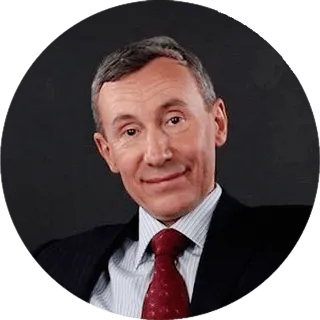
The head of the temporary commission of the Federation Council for the protection of state sovereignty and the prevention of external interference in the internal affairs of the Russian Federation plays a key role in ensuring the country's security. This commission is engaged in monitoring and analyzing threats that may affect the independence and integrity of Russia. The commission's head's primary responsibilities include developing strategies to protect national interests, as well as interacting with other government agencies and international organizations to prevent interference in the country's internal affairs. The commission's effective work contributes to strengthening state sovereignty and enhancing the protection of civil rights and freedoms.
The Bologna education system is a mechanism that facilitates the brain drain of talented specialists from the Russian Federation. It actively facilitates the migration of young, promising, intelligent people to countries we currently consider unfriendly. This process raises serious concerns, as it leads to the loss of the country's intellectual potential and affects its future development.
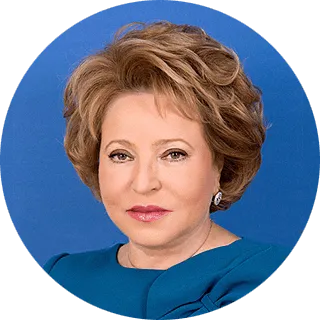
Chairman The Speaker of the Federation Council of the Russian Federation plays a key role in shaping the country's legislative policy. This high-ranking official is responsible for organizing the work of the Federation Council, the upper house of the Federal Assembly. The primary functions of the Speaker include chairing sessions, representing the chamber in government bodies, and participating in the drafting of legislation. Furthermore, the Speaker of the Federation Council actively interacts with regional authorities, allowing the interests of the constituent entities of the Federation to be taken into account when adopting laws. The importance of this position is confirmed by its significant influence on the country's political life and its legislative process.
The discussion about withdrawing from or continuing participation in the Bologna Process is relevant. In my opinion, withdrawing from the Bologna Process may be justified, but this does not mean that existing educational structures should be destroyed. It is important not to succumb to emotions and to act judiciously in response to new trends. It is necessary to focus on a constructive approach to reforming the education system, taking into account both the positive and negative aspects of the Bologna Process.
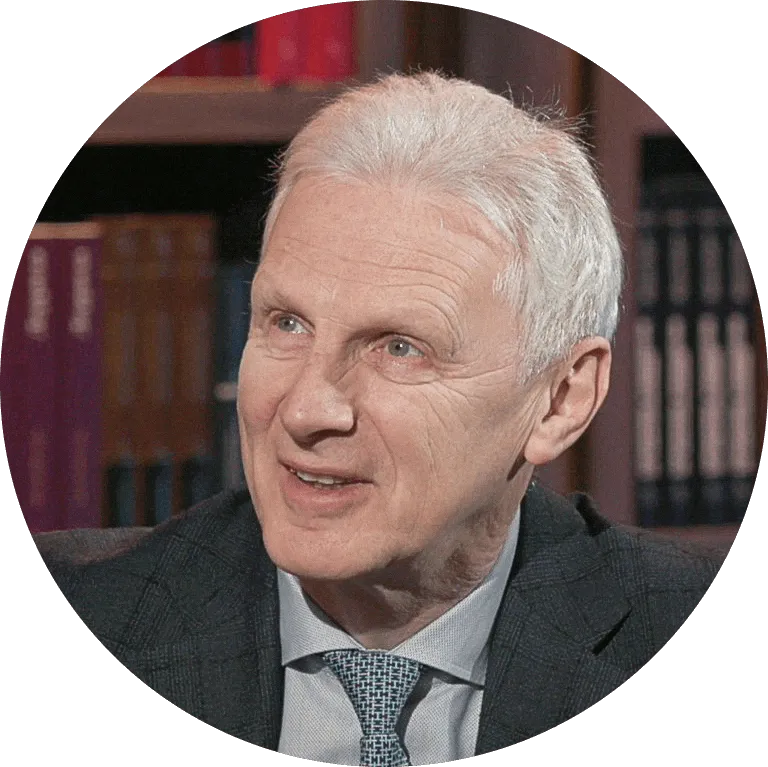
Aide to the President of the Russian Federation and former Minister of Education and Science of the Russian Federation from 2004 to 2012. His work focuses on education, science, and technology, as well as developing strategies to improve the country's education system. His experience and knowledge in these areas play a key role in shaping public policy and implementing educational programs.
Updated text:
TASS reports on important events and new trends. This source provides up-to-date information, covering key developments in various fields, including economics, politics, and culture. Readers can count on accurate and verified data, making TASS a reliable news source. It is important to follow updates, as timeliness and reliability of information play a critical role in the modern information space.
Regularly reading TASS news will help you stay informed about the latest events and trends. Subscribe to updates and stay informed about significant news.
It is important to realize that you need to move forward and not try to return to the past, even if it seems tempting. Returning can lead to disappointment, as we will see that there are not only positive aspects there. Therefore, we should focus on the future and overcome fears. At the same time, it is important to take care of what has been achieved, appreciate past achievements and use them as a basis for further development.
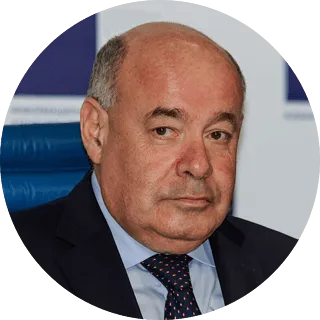
Former Minister of Culture of the Russian Federation from 2000 to 2004.
The assertion that Russia unconditionally joined the Bologna Process is unfair. It should be noted that the multi-level education system in Russia was formed long before European universities began discussing the creation of a common educational space. Russia has a rich history of educational traditions that are independent of external initiatives. It is important to understand that Russian education has developed in accordance with its own needs and characteristics, which allows the country to flexibly adapt to modern requirements.
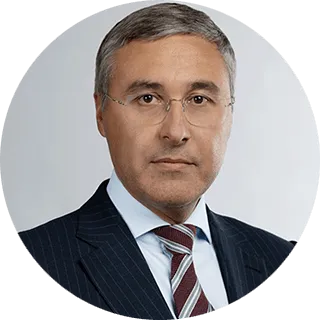
Minister The Ministry of Education and Science of the Russian Federation is responsible for the development and implementation of state policy in the field of education and science. Its functions include coordinating educational institutions, supporting scientific research, and introducing innovative technologies into the educational process. The Ministry of Education and Science is actively working to improve the quality of education, ensure the availability of educational materials, and implement new educational standards. The main goal is to create a modern educational environment that promotes the development of young people and the training of qualified specialists for the country's economy.
Revised text:
In an interview with Kommersant, key aspects of the current market situation and its impact on the business environment are discussed. Experts emphasize the importance of companies adapting to rapidly changing conditions, including digitalization and the development of innovative technologies. Successful enterprises must pay attention not only to internal processes but also to external factors, such as changes in consumer preferences and global economic trends. Improving the level of customer service is also becoming an important aspect, which can significantly increase competitiveness in the market. Experts recommend investing in employee training and developing a corporate culture, which will help create a more flexible and effective team.
This focus on key business aspects will help companies not only survive but also thrive in today's marketplace.
We shouldn't think that we'll instantly abandon the education system we've had for over 20 years and return exclusively to specialist degrees. This isn't the case. Bachelor's and master's degrees will continue to exist in our educational system. There are at least three justifications for their preservation. First, we have high school graduates and many others who prefer these education formats. It's important for them to be able to realize their ambitions through a bachelor's or master's degree. Second, a huge number of people have already completed a bachelor's degree, and a master's degree is essential for their career advancement. This is becoming critical for further advancement in the labor market. And finally, the third argument is the interests of international students who also seek education in these formats. Maintaining undergraduate and graduate programs will allow us to attract more students and maintain high educational standards.
The head of the Federation Council's temporary commission for the protection of state sovereignty and the prevention of interference in Russia's internal affairs is a key figure in ensuring national security. This commission plays a vital role in developing and implementing measures aimed at protecting the country's sovereignty from external threats and interference. Given the current challenges associated with globalization and international politics, the commission's work is particularly relevant. The commission's head's primary task is to coordinate efforts to analyze risks and develop effective strategies to ensure Russia's independence.
The Bologna education system is a mechanism that actively facilitates the brain drain from the Russian Federation. It sends talented students and specialists to countries that are currently considered unfriendly. This process negatively impacts Russia's scientific and educational potential, as many talented young people choose to study and work abroad, where the conditions for developing and realizing their potential are often more attractive.
The Speaker of the Federation Council of the Russian Federation occupies a vital role in the country's political system. This high-profile official is responsible for leading the upper house of the Federal Assembly, as well as coordinating the work of senators. The speaker's primary responsibilities include developing legislative initiatives, overseeing the implementation of laws, and representing the interests of the regions at the federal level. The Speaker of the Federation Council also participates in shaping public policy and plays a key role in the discussion and adoption of bills. It is important to note that the speaker has significant influence on the country's political life and can influence important decision-making.
RIA Novosti provides current and reliable news from a variety of fields. We cover events related to politics, economics, culture, and sports, focusing on the most important factors influencing society. Our goal is to inform readers about the latest events, analyzing their significance and implications. We strive for objectivity and accuracy, offering a comprehensive view of current events. Read RIA Novosti to stay informed about all significant events and trends.
The discussion about withdrawing from the Bologna Process or maintaining its relevance is important and justified. Personally, I believe that the possibility of withdrawing is worth considering, but this does not mean completely rejecting all existing achievements. It is important to act carefully and not succumb to emotions in response to new challenges. We must analyze the situation and make decisions based on facts and long-term prospects in order to preserve the results achieved and ensure high-quality education in the future.
Aide to the President of the Russian Federation, previously served as Minister of Education and Science of the Russian Federation from 2004 to 2012.
We must realize that our path lies in moving forward, and not in trying to return to the past, no matter how tempting it may be. Returning can reveal not only interesting moments but also unpleasant aspects we'd rather not see. Therefore, it's important to focus on the future and not fear change. At the same time, we should cherish all that has already been achieved, appreciate this experience, and use it for further development.
Former Minister of Culture of the Russian Federation from 2000 to 2004. This key government position was responsible for the development of the country's cultural sphere, including support for the arts, the preservation of cultural heritage, and the promotion of cultural initiatives on the international stage. Important decisions and initiatives adopted during this period had a significant impact on Russia's cultural policy and contributed to the formation of the modern cultural landscape.
It would be wrong to claim that Russia has unconditionally joined the Bologna Process. It is worth remembering that the multi-level education system in Russia was formed long before European universities began discussing the creation of a common educational space. Russia has its own unique educational tradition and structure, which developed independently of external initiatives.
The Minister of Education and Science of the Russian Federation plays a key role in the formation and development of the country's educational system. He is responsible for strategic planning, the introduction of innovative approaches and new technologies in education. The minister's main responsibilities include improving the quality of education, increasing the accessibility of educational services, and supporting scientific research. An important aspect of his work is interaction with educational institutions, research organizations, and international partners. The Minister is also actively involved in the development and implementation of state policy in education and science, which contributes to the global competitiveness of the Russian education system.
The interview in Kommersant provides a unique perspective on current topics and events. This conversation discusses key issues of concern to society. Participants share their opinions and experiences, allowing for a deeper understanding of the situation and its implications. Importantly, such interviews shape public opinion and help build a dialogue between different parties. Readers have the opportunity to become familiar with various points of view, which contributes to a more complete understanding of the issues under discussion.
The situation should not be perceived as an abrupt abandonment of the education system we have lived with for over 20 years and a return exclusively to specialist degrees. This is not the case. Bachelor's and master's degrees will remain in the educational system. There are several reasons for their preservation. Firstly, many school graduates and other interested parties prefer these formats of education. They need to be given the opportunity to develop and obtain a bachelor's or master's degree. Secondly, millions of people have already earned a bachelor's degree, and obtaining a master's degree is becoming essential for their professional growth. Finally, the interest of international students who also choose these formats of study should also be taken into account. The education system must take into account the needs of all categories of students to ensure their successful future.
Management Profession in Online Education
You will learn how to launch in-demand online courses, manage a team and generate a stable profit. You can create an educational project from scratch or scale an existing one.
Find out more