
Content:

Learn: The Profession of a Methodologist from Scratch to PRO
Learn More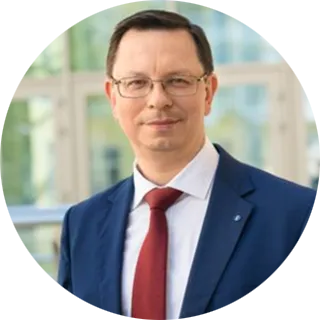
The Rector of the National Research University Higher School of Economics (HSE) is a key figure in the management of the educational institution, responsible for strategic development, organization of the educational process and scientific research. The Rector makes important decisions aimed at improving the quality of education, introducing innovation, and developing international cooperation. Under the leadership of the HSE Rector, programs are implemented that promote the training of highly qualified specialists and strengthen the university's position in the Russian and international educational markets. The Rector's role in ensuring HSE's competitiveness is undoubtedly crucial, as they shape the university's vision and development strategy in a rapidly changing world.
TASS reports on an important event that has attracted public attention. In recent days, key issues concerning current topics and problems affecting our lives have been discussed. Experts note that these changes can have a significant impact on various areas, including the economy, social relations, and culture. It is important to monitor the situation and analyze the consequences to stay informed about the ongoing transformations. Stay informed to understand how these events affect your daily life and society as a whole.
The modern education system faces a number of challenges, one of which is the threat of deteriorating educational quality. This is due to the fact that many faculty members at regional universities are afraid to expel students. The reason for this fear is that if the number of expulsions is too high, the university may receive less funding from the budget, which will lead to possible layoffs. This situation is not directly related to the Bologna process, but is a consequence of the specifics of the Russian model of financing higher education institutions. It is important to pay attention to the need to reform these mechanisms in order to maintain and improve the quality of education at universities.
The Rector of the National Research University Higher School of Economics (HSE) is a key figure in the management of one of Russia's leading educational institutions. He is responsible for the university's strategic development, the implementation of innovative educational programs, and scientific research. The Rector also represents HSE on the international stage, establishing partnerships with foreign universities and research institutions. The rector's key responsibilities include improving the quality of education, developing scientific potential, and maintaining the university's global competitiveness. The rector's role in shaping the academic environment and culture at HSE University cannot be overstated, as the future of the university's students and staff depends on their decisions.
One of the significant shortcomings of the modern education system is the threat of declining educational quality. This problem arises for several reasons. Faculty at regional universities are increasingly expressing concerns about student expulsion. If the number of expulsions is too high, the university risks receiving less funding from the state budget, which could lead to faculty reductions. This phenomenon is not directly related to the Bologna process, but is linked to the specifics of the Russian higher education funding model. It is important to highlight the need to reform funding mechanisms to ensure high quality education and maintain the level of student preparation at universities.
Context
At the St. Petersburg International Economic Forum (SPIEF), the rector of the Higher School of Economics gave an interview to TASS, in which he discussed the quality of student training at universities. He commented on the possibility of returning to the Soviet system of higher education, answering questions from journalists. The rector emphasized the importance of modern approaches to education and the need to adapt educational programs to the needs of the labor market.
In the debate about the possible abandonment of the Bologna system, the idea of a return to the traditional Russian education system is often mentioned. Polls show that many Russians view post-Soviet education reforms as a single process, which includes integration into the Bologna system and the implementation of the Unified State Exam. At the same time, some perceive these changes as an attempt to deliberately lower the level of education and "stupefy" Young people.
In his interview, Nikita Anisimov noted that Russia's integration into the pan-European higher education system has had both positive and negative consequences. However, he attributes the decline in the quality of education to other factors that require a more in-depth analysis.
Russian state universities receive their primary funding from the federal budget, which accounts for the majority of their income. Additional sources of income include student tuition, continuing professional education programs, and various activities, such as developing projects under contracts with enterprises. However, many regional universities cannot rely significantly on these revenues. For example, the average income from continuing professional education programs per university employee in Russia is 199,000 rubles per year. This underscores the universities' dependence on government funding and the need to seek additional resources for sustainable development.
Federal budget funds received by universities are allocated in the form of subsidies for the fulfillment of state assignments. This assignment includes not only research activities but also, primarily, the implementation of higher education programs. The subsidy amount is determined based on the standard costs of educating one student, with these standards varying depending on the level of education and the group of specialties. This ensures that educational institutions are funded in accordance with their specific needs and objectives.
There is a direct correlation between the number of students enrolled at a university and the financial revenue it receives. HSE Rector Nikita Anisimov notes that in some cases, this leads to educational institutions being afraid to expel students who are unable to cope with the academic workload and receive low grades. It is important to reconsider the approach to the educational process, and this is not related to abandoning the Bologna process. Changes are needed in the student assessment and support system to ensure high-quality education and training of specialists who meet the requirements of the modern labor market.
Read also:
- Why is the Bologna process being abolished in Russia and what will be the consequences?
- 4 ideas for developing additional professional education in universities
- The State Duma is developing a system for assessing the quality of education in universities.
Profession Methodologist from scratch to PRO
You will improve your skills in developing curricula for online and offline courses. Master modern teaching practices, structure your experience, and become a more sought-after specialist.
Find out more