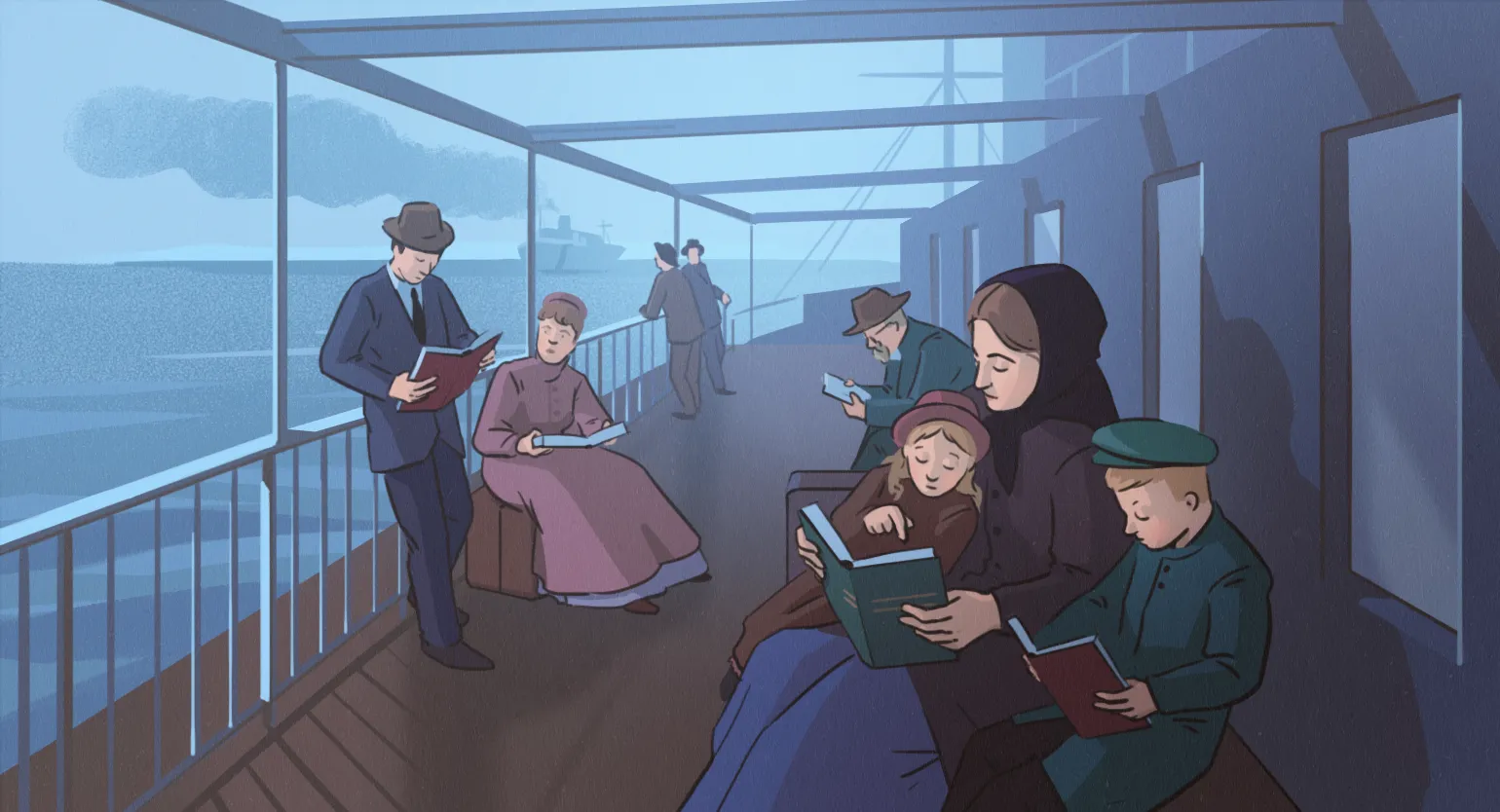
Contents:

Learn: Profession Methodist from scratch to PRO
Learn MoreIn this article, we'll discuss key aspects of the topic you're interested in. You'll receive useful information and practical recommendations to help you better understand the subject. We'll also cover important details and nuances that will deepen and broaden your understanding. Read on to learn more.
- Who created special schools and universities for Russian emigrants abroad;
- What was the special philosophy of emigrant education and what contribution did emigrant teachers make to pedagogy as a science and practice;
- How were schools and universities organized in the Russian diaspora a hundred years ago;
- How long did the network of emigrant schools and universities last and what happened to them.
Who opened educational institutions for Russian emigrants
The exact number of people who left Russia as a result of the October Revolution of 1917, the Civil War, and the Red Terror remains unknown. However, one of the most common estimates is a number of about two million people. The main destinations for emigration were Turkey, Germany, France, Czechoslovakia, Yugoslavia, Serbia, Bulgaria, and Manchuria. These events had a significant impact on the demographic situation in the country and formed new diasporas abroad. Emigrants made important contributions to the culture and economy of the countries to which they moved, and many left a noticeable mark on the history of their new homelands.
Numerous emigrants from Russia largely belonged to the intelligentsia, which testifies to their high level of education. Almost all emigrants had a primary education, two-thirds had secondary education, and one in seven had higher education. The issue of children's education was especially pressing for them. According to various estimates, between 50,000 and 80,000 school-age children, as well as between 14,000 and 21,000 students, ended up in Western Europe alone. Emigrants sought to provide their children with a high-quality education, which emphasized the importance of educational opportunities in the new environment.
Once abroad, Russian educators began to actively organize. They held congresses and created public organizations dedicated to education for emigrants. For example, various initiatives were organized to support and develop educational programs for Russian citizens abroad. These associations facilitated the exchange of experience and resources and helped them adapt to new conditions.
- Pedagogical Bureau for Primary and Secondary Russian Schools Abroad,
- Association of Russian Teachers' Organizations Abroad,
- Union of Russian Teachers of Secondary and Higher Schools in the Czechoslovak Republic,
- Central (Fyodorovsky) Committee for Providing Higher Education to Russian Youth Abroad,
- Association of Russian Emigrant Student Organizations,
- Russian Academic Union,
- Association of Emigrant Teachers.
Emigrant organizations provided significant assistance in matters of education for Russian children and students. The Zemstvo-City Committee for Assistance to Russian Refugees Abroad (Zemgor) played a key role in this process. The All-Russian Union of Cities, the Association of Russian Zemstvo and City Leaders, the Committee of Russian Emigrants, the Russian National Committee, the Russian National Union, and other associations were also active. Russian educational institutions were opened at Orthodox parishes abroad, which contributed to the preservation of cultural and educational traditions among the émigrés. These efforts helped ensure access to quality education for young people who found themselves far from their homeland.
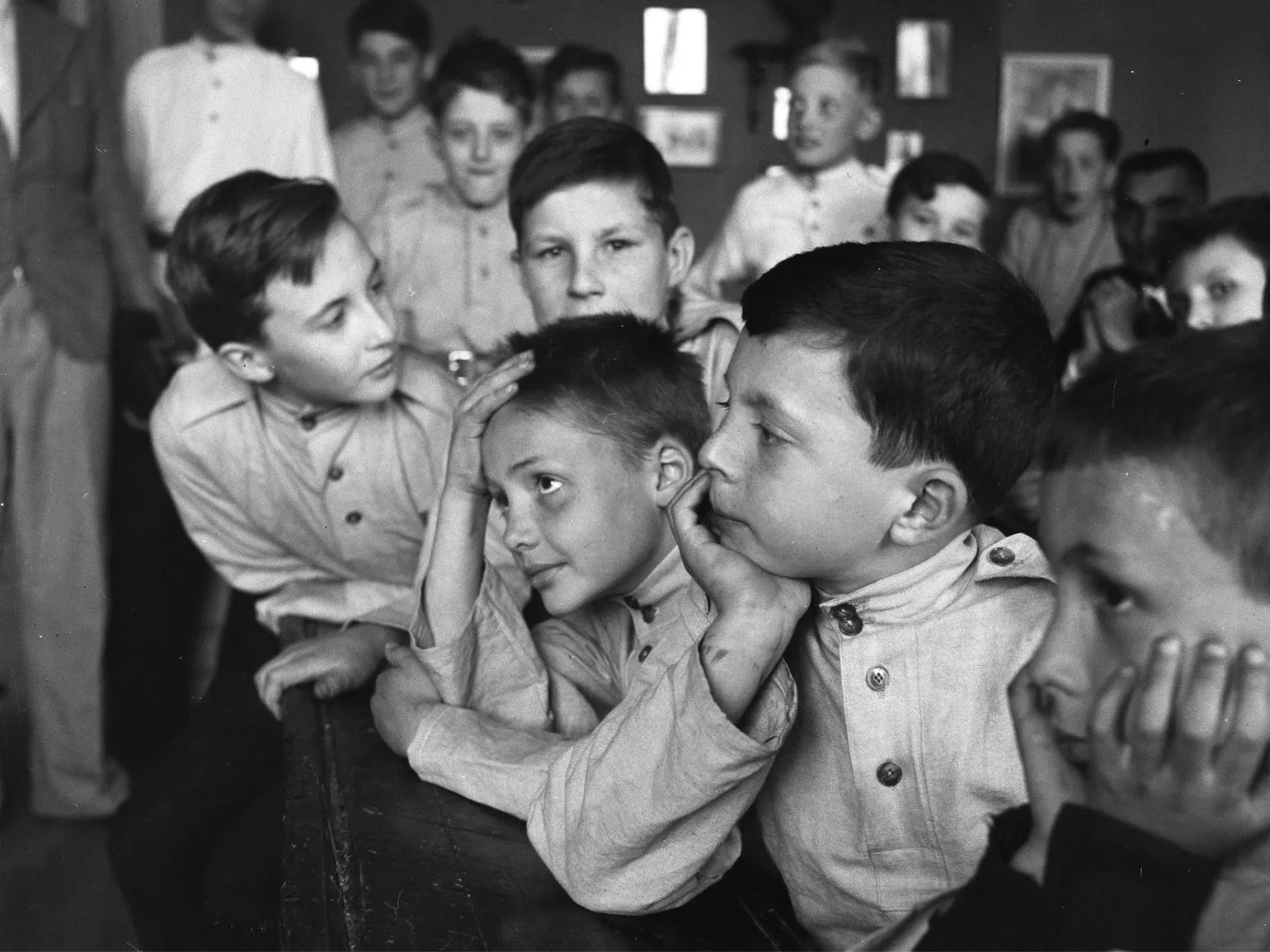
European governments initially assumed a portion of the costs of maintaining educational institutions for émigrés, establishing most-favored-nation status. In the first years after the revolution, Russian educational institutions abroad were 76% financed by state funds. The remaining costs were covered by private donations from both émigrés with financial means and local residents and organizations supporting them. This cooperation contributed to the creation of an educational infrastructure that helped preserve the cultural and scientific achievements of Russian émigrés.
The above data on government spending primarily concerns Slavic countries such as Czechoslovakia and Yugoslavia. These states showed particular loyalty to émigrés, as the Russian Empire had previously supported their aspirations for independence. The Czechoslovak Republic (CSR) at one point became the center of education for the Russian diaspora, and Prague became known as the "Russian Oxford." This is largely due to the launch of the "Russian Action" project in 1921, initiated by Tomas Masaryk and his supporters. As part of this project, the Czechoslovak Socialist Republic allocated 5% of its average annual budget to preserve and support Russian cultural forces, which were expected, after the fall of Bolshevism, which was certain, to engage in the construction of a democratic society in Russia.
France, Belgium, Bulgaria, Poland, Germany, and Italy (before the rise to power of the Fascist Party and Benito Mussolini) provided significant organizational and financial support to Russian émigré educators. These countries played a key role in providing educational opportunities and preserving cultural heritage, which contributed to the development of Russian pedagogical thought abroad.
The situation with language restrictions in Bessarabia was varied and complex. Beginning in 1920, teaching in Russian was prohibited in this region, which was part of the Russian Empire until 1917 and then became part of Romania. In 1922, the ban was extended to the study of Russian as a foreign language. These measures negatively impacted the cultural and educational environment, hindering the local population's access to Russian literature and science. This underscores the importance of linguistic diversity and its impact on the preservation of cultural identity.
Between 1920 and 1925, Russian émigré education received significant support and flourished. Russian educators founded a network of schools, educational and research centers, and were also involved in shaping the content of educational programs. They reflected deeply on the goals and significance of education, which contributed to the creation of high-quality teaching materials and methods. This time became an important stage in the preservation and development of the Russian educational tradition outside the country.
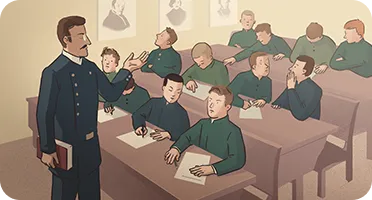
Schools in pre-revolutionary Russia: 10 interesting facts
In pre-revolutionary Russia, the education system played an important role in shaping society. Schools of that time had their own characteristics that distinguished them from modern educational institutions.
Firstly, education in Russia before 1917 was concentrated in the hands of the state and the church, which determined its content and accessibility. Secondly, there were many types of educational institutions, including public schools, gymnasiums, and universities, each with its own goals and programs.
Thirdly, the level of education depended on the region: in large cities, schools were more developed, while in villages, access to education was limited. It is also worth noting that in pre-revolutionary Russia, there was a significant gap between the education of boys and girls, reflecting the social and cultural norms of the time.
It should be mentioned that instruction was often conducted in Russian and Church Slavonic, which made it difficult for many students to understand the knowledge. It is also important to note that pre-revolutionary schools focused not only on academic knowledge, but also on the development of civic virtues, which was especially relevant in the context of rapid social change.
Furthermore, many famous Russian scientists and writers were educated in pre-revolutionary schools, which confirms their significance in the history of the country's culture and science. In conclusion, schools in pre-revolutionary Russia were an important element of society, shaping not only the knowledge but also the worldview of future generations.
What principles were used in émigré education?
After the revolution, a significant number of scientists, including world-renowned specialists, emigrated abroad. These scientists not only continued their scientific research, but also actively taught at foreign universities. In their work, they also discussed issues of ideology and the purpose of education, which contributed to the development of new educational approaches and the exchange of knowledge internationally.
The émigré teachers made efforts to preserve Russian scientific thought, educational traditions, cultural values, faith, and customs—that is, they strove to preserve national identity. They believed that they were creating the foundation for the restoration of pre-Soviet Russia after the fall of the communist regime, which many of them had initially hoped for. These efforts became an important element in maintaining Russian culture abroad and in shaping the future for the next generation.
When it became clear that the stay abroad was becoming lengthy, the emphasis in the educational process of émigrés shifted. On the one hand, the emphasis was on instilling in students a love for Russia, and on the other, on preparing them for the realities of life in emigration. The philosophy of émigré education was based on universal and national values, as well as on the formation of national identity and patriotism in children and adolescents. An important aspect was Orthodox upbringing. The revolution and war distorted the moral compass of some children, so theorists of the émigré school emphasized the need to develop in children the principles of the rule of law and the inadmissibility of revenge. Ultimately, émigré education became an important tool for preserving cultural and moral values, facilitating integration into the new society while simultaneously respecting one's roots.

Reading is an important aspect of our lives that contributes to self-development and broadening our horizons. It helps not only develop thinking but also improve communication skills. Reading books, articles, and scientific research allows you to immerse yourself in new topics and obtain relevant information. Regular reading improves memory and concentration, and stimulates the imagination. It's important to make time for reading to enrich your knowledge and enrich your life. Remember that reading a variety of genres and topics can significantly improve your literacy and critical thinking.
The Past: How Revolutionary Ego Became a Powerful Stimulus for Learning
The revolutionary ego that emerged in society had a significant impact on the pursuit of knowledge and self-development. This phenomenon became a source of particular motivation, encouraging people to actively learn and develop. Amid political and social change, many sought new approaches to education, recognizing its importance for personal and societal progress.
The desire for self-improvement and the desire to contribute to change in the country contributed to the formation of new educational initiatives. People began to master new disciplines, striving to become more competent and prepared for the challenges of the modern world. Revolutionary pride inspired the study of both classical and modern sciences, which contributed to the development of critical thinking and a creative approach to problem solving.
Thus, the influence of revolutionary pride on learning was manifested in an active pursuit of knowledge and improving the quality of education, which ultimately contributed to the formation of a more educated and active society.
Russian education abroad did not have a single center, but it developed into a coherent system with unique characteristics. This system included primary and secondary schools, cadet corps, women's institutes, higher education institutions, vocational schools, agricultural and parish schools, as well as preschool and extracurricular organizations, and shelters for émigré orphans. Thus, Russian education abroad represented a multi-level structure, providing a variety of educational opportunities for Russian-speaking children and youth.
The émigré educational institutions that existed in Russia before the revolution had a number of distinctive features. Unlike classical gymnasiums and realschule (real schools), émigré schools did not strictly distinguish between these two types. Considerable attention was devoted to studying the language of the host country, while the teaching of Latin was reduced. Principles of vocational training were also introduced, which facilitated more practical preparation for students. It should be noted that émigré schools, as a rule, did not separate classes into male and female, as there were insufficient classrooms. These changes reflected the adaptation of the educational system to new conditions and the needs of society.
Educators in the Russian diaspora recognized that, as Nikolai Ganz noted, "there is no return to the old school... But the path to the new school is long and difficult." They actively supported progressive pedagogical ideas such as consistency in teaching and upbringing, respect for the child's individuality, the rejection of drill and memorization, and the need to protect children from adverse environments. These principles became the basis for the formation of a modern educational process that promotes the development of the personality and creative abilities of students.
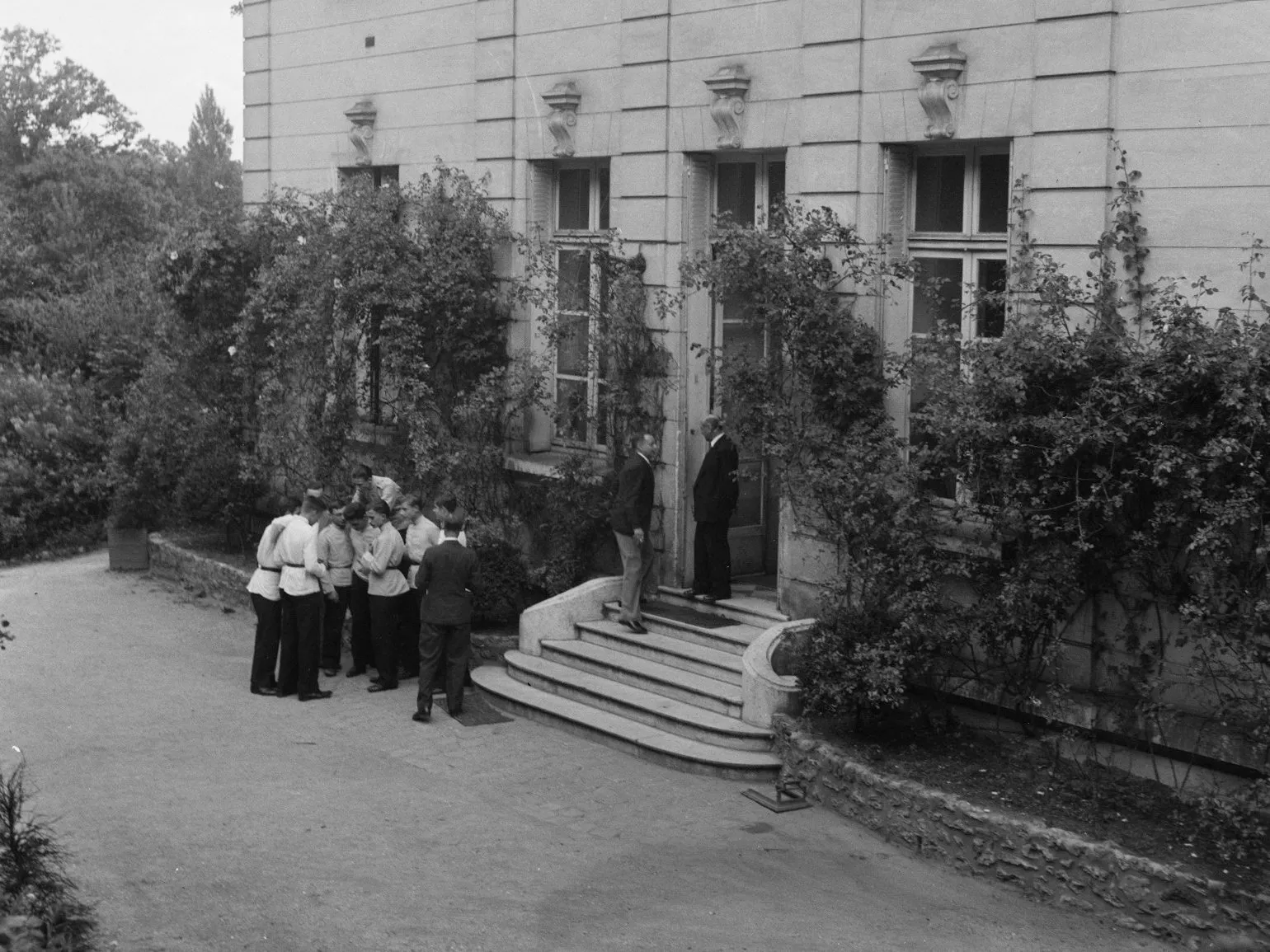
Emigrant teachers significantly influenced the development of didactics, social and special education, as well as educational psychology and other areas of education. One striking example is Pitirim Sorokin's concept, which emphasizes the importance of school as a key stage in the system of social stratification. Sergei Gessen's works formed the basis for the vocational training system in Italy, and Elena Antipova founded unique institutions in the field of special education in Brazil. The contribution of these educators to educational practices in various countries was an important stage in the development of international pedagogical science.
Emigrants closely observed the development of Soviet pedagogy, noting its positive aspects, such as the desire for universal education. However, they also criticized the radical experiments conducted in the early USSR, as well as the subsequent conservative approach that rejected any innovation. This duality in the approach to educational reforms has left a noticeable mark on the history of pedagogy and continues to arouse the interest of researchers.
Immersion in the world of reading opens up boundless horizons of knowledge and emotions. Books enrich our inner world, develop our imagination, and help us see life from different angles. Reading not only broadens your horizons but also helps improve your communication skills. It's important to choose the right literature that suits your interests and needs. Immerse yourself in captivating stories, explore new genres, and discover authors who can change the way you perceive the world. Reading has become accessible thanks to modern technology, and now you can enjoy books anywhere and anytime. Make reading a part of your life, and you won't regret your choice.
The Bolsheviks radically changed the education system in Russia, striving to create a new school consistent with the ideals of socialism. They implemented numerous reforms aimed at eliminating old educational traditions and instilling a new worldview in the younger generation. As a result, new programs were created, teaching approaches were modified, and innovative teaching methods were introduced.
However, over time, the Bolsheviks began to tire of constant experimentation in education. Gradually, it became clear that radical changes do not always lead to the desired results. In a context of instability and resource scarcity, the education system faced serious challenges. As a result, the Bolsheviks began to rethink their approaches, seeking to find a balance between ideology and the practical needs of society. Thus, the history of educational reforms during the Soviet period is an example of the complex interaction of ideology and reality that the authorities faced.
How émigré schools were organized
By the mid-1920s, thanks to the efforts of émigrés, philanthropists, and the governments of several countries, a network of primary and secondary Russian schools was created in the Russian diaspora. In 1924, the Zemgor organization supported 90 educational institutions, 43 of which were secondary and 47 primary. According to various estimates, between 6,800 and 13,700 children studied in these schools. This was an important step in preserving the Russian language and culture beyond its borders.
Most Russian schools abroad operated in Czechoslovakia, Yugoslavia, and Bulgaria. They also operated in Finland, Latvia, Lithuania, Estonia, and Poland, which were formerly part of the Russian Empire. In these countries, Russian schools were established on the basis of educational institutions inherited from imperial times. Additionally, 17 schools were located in other European countries, and some were opened on other continents. By 1929, the total number of Russian schools abroad reached approximately 120, underscoring the importance of preserving Russian-language education and culture among Russian-speaking communities.
Qualified teachers, mostly women, worked in educational institutions among the émigrés. In most schools, instruction was based on the methods of the outstanding educator Pyotr Kapterev, developed in 1915–1916 and considered one of the best in pre-revolutionary Russia. However, the émigrés made significant changes to this program. Teachers were given more freedom, and the emphasis in teaching shifted from rote memorization to a deep understanding of the material. In accordance with Sergei Gessen's concept, elements of vocational training were incorporated into the educational process: training workshops were opened at schools. This allowed students not only to master a profession but also to successfully find employment immediately after graduation.
The program places special emphasis on subjects related to "Rossika" or homeland studies, such as Russian language, geography, and Russian history. These disciplines play a key role in shaping national identity and understanding the country's cultural heritage. They foster a deep understanding of Russia's historical path, its geographical location, and linguistic richness, making them essential for the comprehensive development of students.
Study groups were formed based on level of knowledge, not age. This decision was driven by the unique characteristics of the students: the groups included both young children who had never attended school and young adults aged 20–25 who had not yet completed their education but were already experiencing the consequences of the war. There were also cases of children who did not speak Russian. Specialized preparatory groups were created for such students.
In 1928, a staff member at a Sunday school for émigrés in Paris noted that the children's speech and accents changed over time. At age 14, they still spoke Russian quite fluently, while the younger ones were already singing, "Azhdestvo Tvoye Kh'iste Bozhe Nashe," and a distinctive Parisian accent was emerging in their pronunciation. These changes reflect the environmental influence on the language and culture that children encounter in emigration.
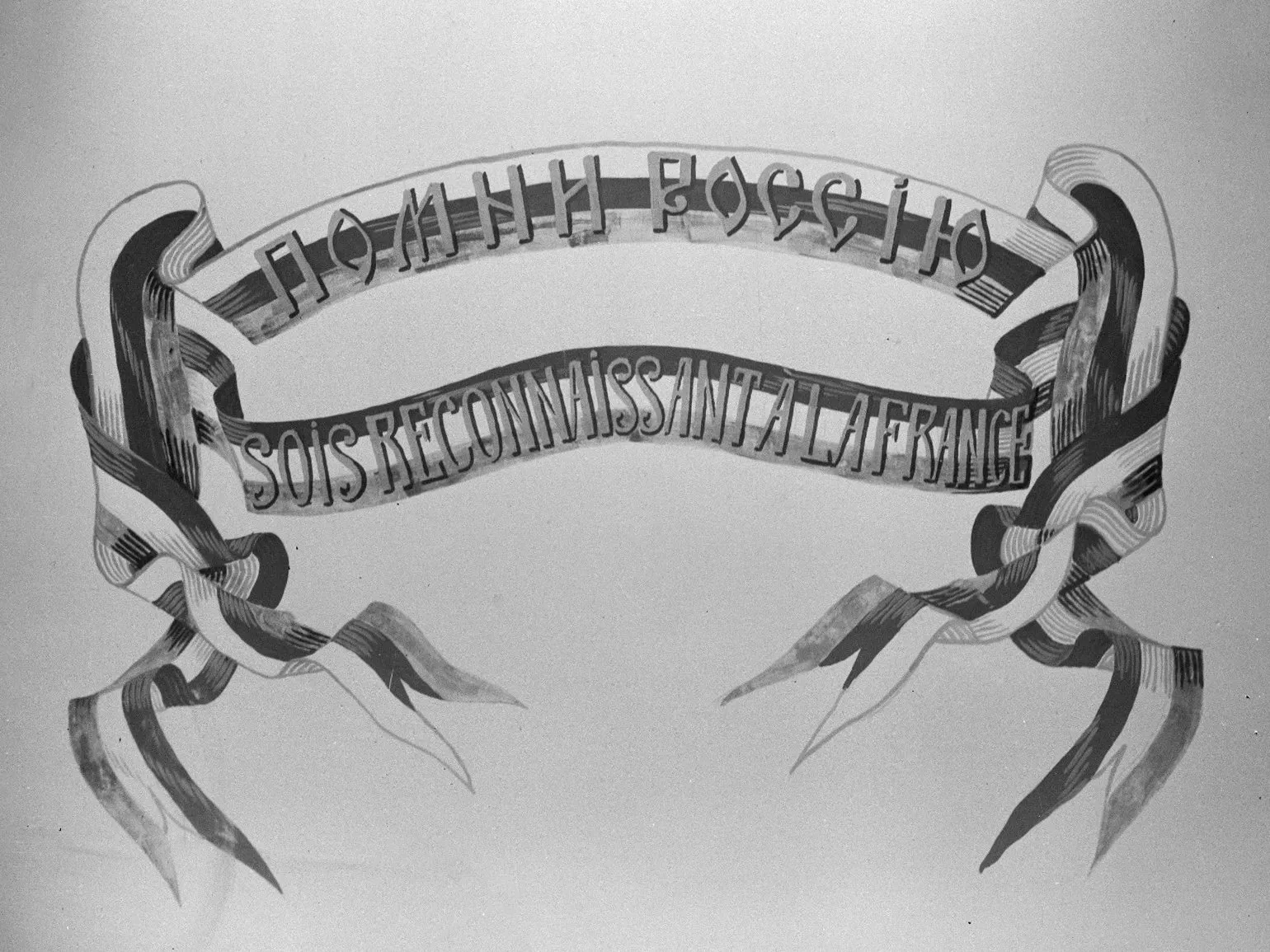
Working with the children of emigrants studying in local educational institutions became an important aspect of educational policy. In 1921, the Russian Academic Union developed criteria for state certification for the children of emigrants. In 1923, the first testing commission was established in Prague, consisting of Russian teachers working in Czech educational institutions. This commission issued educational certificates, which were approved by the Czech Ministry of Education and allowed admission to Czech universities. These documents were required not only for schoolchildren but also for young people who had lost their matriculation certificates during their migration. Similar commissions were subsequently organized in other countries, facilitating the integration of emigrants into the educational systems.
For children studying in regular schools in the host country, special courses and emigrant schools were developed, which operated on days when traditional educational institutions were closed. A number of French lycées offered free supplementary courses to children from Russia, including Russian geography and history, as well as Russian language and literature. These schools actively utilized play-based learning methods, hosted theatrical performances, and organized creative activities. Extracurricular activities also played an important role: individual discussions were organized, books were selected for reading, and classrooms were decorated. These measures were aimed at attracting children and adolescents to school and fostering a sense of belonging to Russian culture.
What was higher education like?
In the field of higher education, Russian educators abroad focused their efforts on two key areas: supporting emigrant students in obtaining an education at universities in their host countries and creating their own educational institutions for these students. Both the emigrants themselves and the countries providing them with asylum played a significant role in this process. These initiatives contributed not only to the students' educational development but also to the strengthening of cultural and scientific ties between Russia and their host countries.
The Fedorov Committee managed to obtain support from the French government, universities, and charities. This made it possible to secure funding for scholarships and salaries for Russian students and teachers, as well as for the publication of scientific and methodological materials in Russian. In several French cities, Russian students were provided with dormitory accommodations, facilitating their education and integration into the academic environment.
Thanks to these measures, by 1924, of the 1,500 Russian students who had left the country, 550 were able to continue their education at French universities. Of these, 441 received scholarships. For those unable to receive financial assistance, the committee provided support in finding employment, allowing them to combine work with studies. This attention to the education of émigrés facilitated their integration into the new cultural and scientific environment, as well as the development of academic ties between Russia and France.
Russian students received similar preferences from the authorities of Belgium and Italy. Émigrés were also able to secure entry into the United States for Russian students. The Czechoslovak government awarded several thousand scholarships, enabling approximately 7,000 Russian émigrés to study at the country's universities in the 1920s and early 1930s. As a result, almost half of the Russian students who found themselves abroad were able to continue their education.
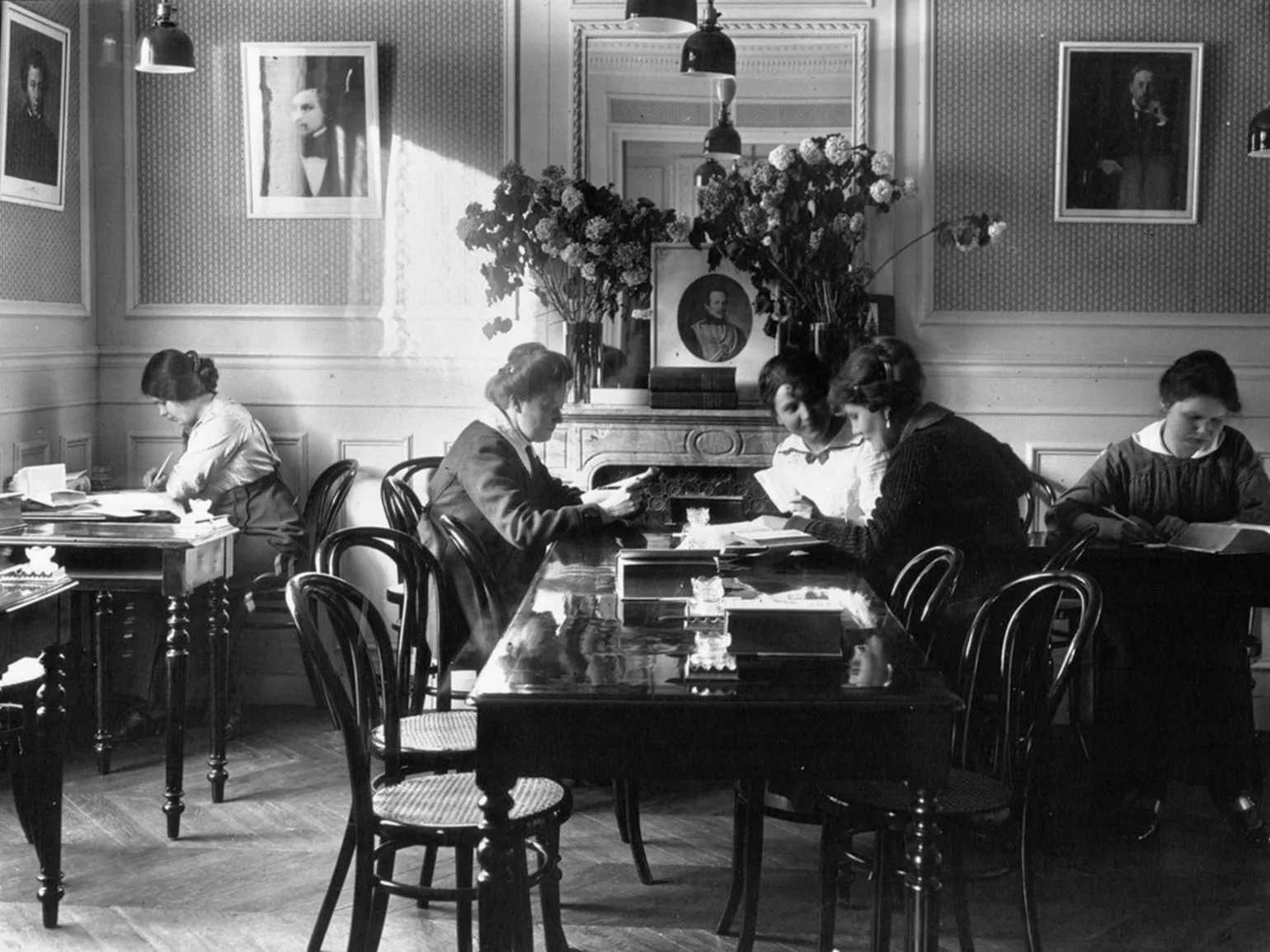
Study The integration of émigrés into Prague in the early 1920s was a challenging process. Many students, returning to studies after a long break, struggled academically. In 1923, of the 1,193 students admitted to university, only 473 (39%) passed the minimum required examinations. 331 students met more than half of the minimum requirements, while 285 failed, and 82 failed altogether. Academic difficulties were compounded by the generally unstable environment. Scholarships often failed to cover basic needs, and many students were forced to seek part-time work. In 1924, one student wrote a letter to the chairman of the Union of Russian Émigré Student Organizations, describing his situation and the problems faced by students, reflecting the general atmosphere of study among émigrés at that time.
Dear Your Majesty!
I respectfully appeal to you for assistance. I have been a student at the Russian Law Faculty since November 1923. Unfortunately, I was denied support due to my late arrival. I am currently experiencing significant financial difficulties, which are hindering my studies. I need to earn a living, and I also have debts exceeding 3,000 crowns. The situation is complicated by the fact that I am married. In view of the above, I ask for your assistance in continuing my studies in Prague and in paying off my debts. With deep respect, Evstratiy Fedorov.
The emigrants also established their own universities, and Czechoslovakia became their main concentration. This was possible thanks to the support of the authorities, who provided funding for these educational institutions. As a result, universities such as the following were founded:
- Jan Amos Komensky Russian Pedagogical Institute;
- Institute of Agricultural Cooperation;
- Higher School of Railway Technicians;
- Russian Institute of Commercial Knowledge;
- Russian Faculty of Law under the management of Charles University;
- Russian People's University (later renamed the Russian Free University) - for those who could not study during the day.
Higher émigré schools specialized in training specialists who could return to Russia in the future, as well as meeting the needs of the émigrés themselves. For example, the Comenius Pedagogical Institute trained instructors and administrators capable of restoring the work of Russian schools after the overthrow of the Bolshevik regime. These educational institutions played a key role in preserving the educational traditions of Russia and ensuring continuity in the education system, which was especially important in the context of political and social changes.

Study also:
The student body of the early 1920s became one of the most striking and significant phenomena in a difficult era. This period was characterized by a youthful desire for change, new ideas, and a search for their place in society. Students actively participated in social and political movements, striving for development and reform. Their energy and enthusiasm became a symbol of hope for a better future, despite the challenges facing the country. This period of student life left a deep mark on history and culture, inspiring future generations to activism and civic engagement. Similar educational institutions also began to open in Paris. In this city there appeared:
- Russian Polytechnic School (later renamed the Russian Higher Technical Institute);
- Russian People's University;
- Franco-Russian Institute, the diploma of which was equal to those issued by French universities;
- Russian Commercial Institute;
- St. Sergius Theological Institute and Seminary (they were opened with the money of parishioners);
- Russian Conservatory named after S.V. Rachmaninov;
- Higher Military Courses of General N.N. Golovin (they did not award a diploma).
At the University of Paris (Sorbonne), Russian departments were opened in the law, history, philology, and physics and mathematics faculties. These departments provide Russian-speaking students with the opportunity to study at a prestigious institution while maintaining their cultural identity. Education in these faculties includes in-depth study of various disciplines, allowing students to develop professional skills and deepen their knowledge in their chosen field. The Russian departments at the Sorbonne promote cultural exchange and strengthen ties between Russia and France, providing unique opportunities for study and research. Émigrés established their own universities in countries such as Bulgaria, Yugoslavia, Germany, Estonia, Latvia, and even Harbin, China. At Sofia State University, Russian students were given the opportunity to study and defend their theses in their native language. Over a hundred Russian faculty members were hired in Yugoslavia, and the Russian Scientific Institute in Belgrade received state funding. These initiatives contributed to the preservation of Russian-language education and culture outside of Russia, providing émigrés with the opportunity to continue their studies and research in the new reality.
The University Charter of 1884 formed the basis for the organizational structure, curricula, and programs of Russian universities abroad. This Charter regulated educational processes in the Russian Empire and remained in force until the Revolution, exerting a significant influence on the formation of the educational system and academic traditions.
Russian universities abroad in most cases operated under the auspices of the Ministries of Education and Foreign Affairs of the host country. However, there were exceptions. One such example is the Russian Institute of Agricultural Cooperation in Prague, which was under the administration of the Ministry of Agriculture of Czechoslovakia. At the same time, the content of the educational process and the assessment of the quality of education remained the responsibility of the educational institutions themselves.
What happened next for émigré schools and universities
Despite the support they received, émigré educational institutions continued to experience a serious funding shortage. Although schools and universities could boast highly qualified teaching staff, they suffered from a shortage of classrooms, furniture, textbooks, and teaching aids. Reprinted textbooks from the imperial period were already outdated, and the import of new materials from the USSR was difficult due to political and economic restrictions. Moreover, due to a lack of funds to produce their own educational materials, students often created their own lecture notes. This problem was not unique to émigré educational institutions; Similar difficulties were observed in the USSR during that period.

Reading is an important aspect of personal growth and development. It helps not only broaden your horizons, but also improve analytical skills, critical thinking, and vocabulary. Books, articles, and other types of literature provide an opportunity to learn about new ideas, concepts, and approaches to life. Furthermore, reading improves concentration and memory. By immersing ourselves in text, we train our brains and develop our imagination. It's important to choose a variety of genres and topics for reading to maximize the benefits and enjoyment of the process. Regular reading can also become a source of inspiration and motivation in everyday life.
During the Soviet era, higher education institutions proliferated like mushrooms after rain, thanks to state support and a strong emphasis on education. However, over time, many of these institutions began to lose their relevance and disappear. Paradoxically, under centralized planning and strict state control, some universities were unable to adapt to the changing demands of society and the economy. As a result, the quality of education and research at these institutions declined, ultimately leading to their closure. Thus, the growth and decline of universities during the Soviet period reflected broader social and economic changes in the country.
With the establishment of stable Soviet power, financial support from local authorities ceased, which had serious consequences for many émigré educational institutions. In Czechoslovakia, the Russian Pedagogical Institute, the Russian Institute of Agricultural Cooperation, the Russian Commercial Institute, the Russian Institute of Transport Communications, and the Russian Law Faculty were closed between 1926 and 1929. These educational institutions operated for only five to ten years, demonstrating the difficult situation faced by Russian émigrés in the new political reality. The closure of these institutions deprived students of the opportunity to receive an education in accordance with Russian traditions and standards, which had a long-term impact on the cultural and educational heritage of the Russian émigré community.
Due to a lack of funding, many schools and universities were unable to provide adequate salaries for their teachers. In Russia, teachers often received salaries that were below the subsistence minimum in the countries where they worked. For example, in Czechoslovakia, the average teacher's salary was only 100-200 Czech crowns, while the subsistence minimum per person reached 400 crowns. Similar situations were observed in other countries, such as Yugoslavia, Bulgaria, Germany, and Poland. This highlights the serious problems in the education system and the need for increased financial support for teachers.
Russian teachers are often forced to supplement their income by doing manual labor or working in several schools at once. This situation threatens the quality of education and the standard of living of teachers. In the context of low wages and a lack of resources, many are forced to seek additional sources of income, which negatively affects their professional activities and the overall state of the educational system in the country.

To improve the visibility of your content in search engines, it is important to use keywords and phrases that are relevant to your topic. Here's the revised text:
Reading is an important aspect of personal and intellectual development. It helps broaden your horizons, improve your vocabulary, and develop critical thinking. Whether you prefer fiction, scientific publications, or articles, reading helps you deepen your knowledge and inspire new ideas. Regular reading also improves concentration and memory, which is relevant in today's world, where information is available in large quantities. Maintain a reading habit, and you will notice positive changes in your thinking and perception of the world around you.
Read also:
Teachers in the Russian Empire: Salaries and Living Conditions
In the Russian Empire, teachers' salaries varied depending on the region, type of educational institution, and the qualifications of the teachers. In cities, especially large ones, salaries were higher than in rural areas. Teachers in gymnasiums and realschule (real schools) received higher salaries, while primary school teachers often faced financial difficulties.
Teachers' living conditions also depended on their place of work. In cities, they could count on more comfortable conditions, but often faced heavy workloads and a lack of professional benefits. In rural areas, teachers typically lived in modest conditions, often renting housing from local residents.
Teachers often took on additional activities to improve their financial situation, teaching private lessons or tutoring. This emphasized the importance of education in society, as well as the need for teachers as a stable source of knowledge for future generations.
Thus, the lives and earnings of teachers in the Russian Empire reflected the social and economic realities of the time, emphasizing the importance of their role in education and the development of society.
Education in Russian schools abroad proved to be a financial burden for both educational institutions and their students. Tuition in Russian schools significantly exceeded that of local educational institutions, although even this fee did not cover all expenses. Most émigrés faced difficult economic conditions, making an education in their native traditions inaccessible. As a result, even in the 1920s, when Russian schools enjoyed favorable conditions, only about 20% of émigré children attended these institutions. For example, in France, many Russians preferred to send their children to local schools, where primary education was free. This underscores the significant financial burden faced by Russian families seeking to preserve cultural traditions in the context of emigration. By the mid-1920s, a significant number of schools in the Russian diaspora had closed, and those that remained switched to supplementary courses or weekend schools. Students attended these classes once a week, but were unenthusiastic, as the extra lessons were perceived as a burden, even if they were conducted in a playful manner. To improve attendance, émigré teachers ensured that grades in Russian electives were taken into account in French schools when awarding academic achievement awards. However, émigré children were unable to fully engage in their studies, as homework was impossible due to the heavy workload of regular schools. As a result, by the 1930s, many émigré schools closed due to a lack of students.
World War II and the events preceding it were the final blow to émigré schools and universities. During this period, many educational institutions in the Russian diaspora that had continued to function ceased to exist. One such example is the Russian Law Faculty in Harbin, which, as an independent university, closed following the Japanese occupation of Manchuria. These events dealt a significant blow to the educational system of the Russian emigration and led to the loss of many cultural and scientific traditions.
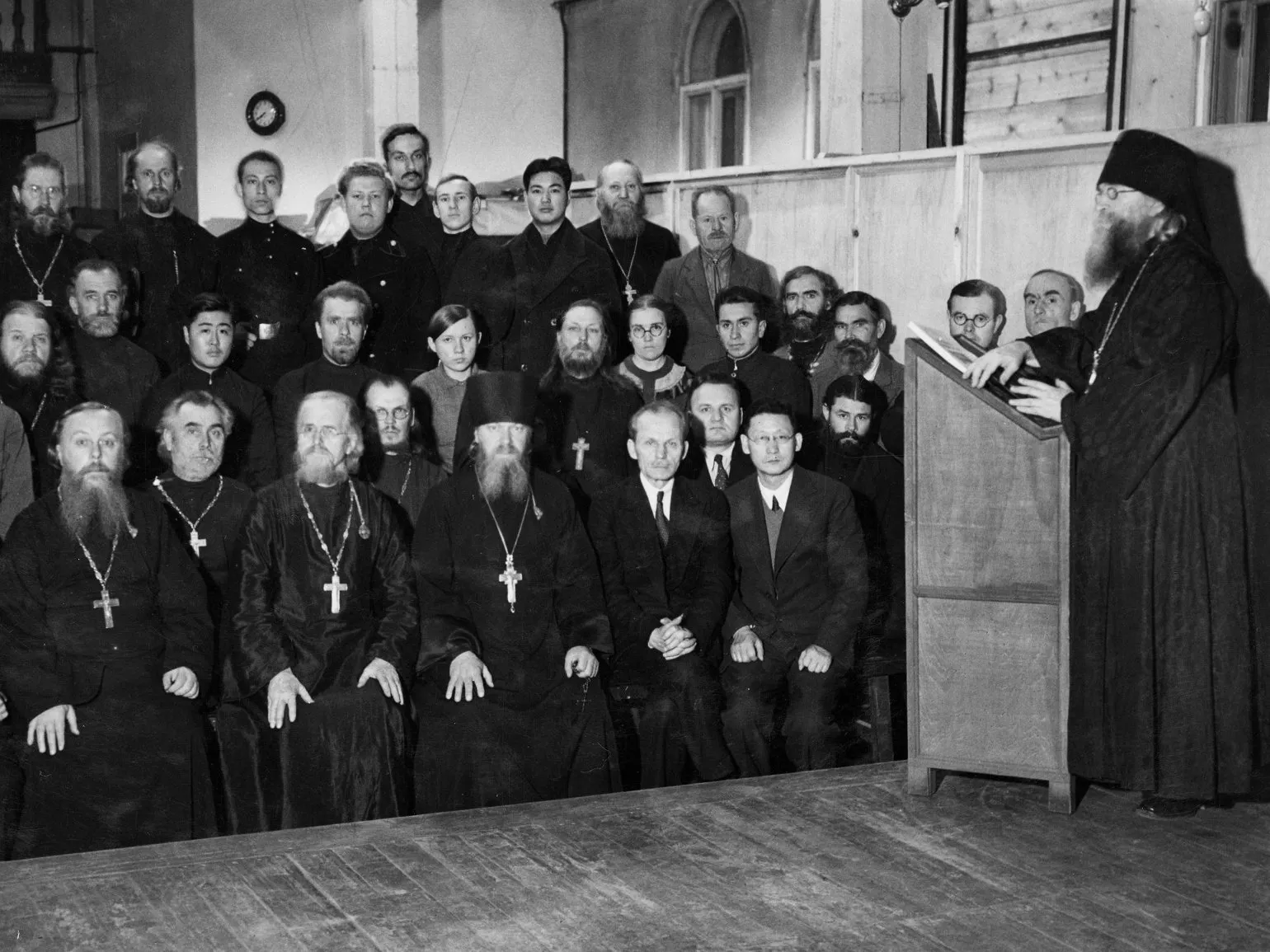
Despite numerous upheavals, some educational institutions managed to remain operational. In Paris, the Russian Higher Technical Institute and the Russian Gymnasium operated until the early 1960s, while the Russian Conservatory continues to operate to this day. These educational institutions became important cultural and educational centers for the Russian-speaking population, preserving traditions and providing opportunities for high-quality education outside their homeland.
The main problem of the émigré school was not so much a lack of funds as a loss of connection with contemporary Russian culture. The school began to isolate itself within its own traditions, while the children of émigrés increasingly integrated into the culture and society of the country in which they lived. This loss of cultural identity could negatively impact the development of a sense of belonging to Russian roots in children, which is important for preserving the language and traditions. Thus, it is necessary to find ways to reconnect with Russian culture and adapt educational programs to the realities of life in a new country.
The goals of higher education institutions have changed, and the task of helping students adapt to life abroad has become paramount. Since the mid-1930s, émigré universities began training specialists for host countries, making a significant contribution to the development of their economies and cultures. The responsibility for maintaining children's ties to their homeland and its culture ultimately fell entirely on the shoulders of families. This underscores the importance of the family in the adaptation process and the preservation of cultural identity.
Emigrant schools and universities play a key role in preserving the native language and cultural identity of children and young people who have left their homeland. Thanks to these educational institutions, many were able not only to continue their education begun in their homeland but also to deepen their knowledge of their culture and traditions. For some émigré students, such institutions became the only way to maintain contact with their lost family and native land. Preserving language and culture in emigration helps strengthen communities and pass on values to future generations.
Primary sources of information play a key role in building knowledge and understanding of various topics. They can include books, scholarly articles, specialized journals, online resources, and official documents. Each of these sources offers a unique perspective on a subject and allows for a deeper understanding of the issues. When using these sources, it is important to pay attention to their credibility and relevance to ensure that you receive accurate and reliable information. Correctly choosing primary sources contributes to more in-depth analysis and informed conclusions.
- Barkova O. N. The Role of Women of the Russian Diaspora in Preserving National Traditions of School Education in Emigration. 1917–1939 // Bulletin of Chelyabinsk State University.
- Boguslavsky M. V., Vasilyeva S. N. Russian Abroad // Russian Pedagogical Encyclopedia edited by V. G. Panov. — M., 1993.
- Budnitsky O. V., Ryazantsev S. V. Emigration // The Great Russian Encyclopedia.
- Bulanova M. B. Higher Education in the Conditions of the Russian Diaspora // Bulletin of the RSUH. Series "Philosophy. Sociology. Art Criticism".
- Kudryashova S. K. Russian Emigration of the "First Wave": Sociocultural, Pedagogical and Socio-Psychological Factors of National Education of Children and Adolescents // Polythematic Network Electronic Scientific Journal of the Kuban State Agrarian University.
- Lychkovskaya N. V. Features and Main Traits of the Pedagogy of the Russian Emigration of the First Wave // Bulletin of the Orthodox St. Tikhon's Humanitarian University. Series 4: Pedagogy. Psychology.
- Lychkovskaya N. V. Social and pedagogical work of the Russian diaspora in Paris in 1919–1938 // Bulletin of the Orthodox St. Tikhon’s Humanitarian University. Series 4: Pedagogy. Psychology.
- Milovanov K. Yu. Criticism of the educational policy of the Soviet government by figures of the Russian pedagogical diaspora // Problems of modern education.
- Milovanov K. Yu. Strategies and priorities for the development of state educational policy (1917-1930) // Problems of modern education.
- Milovanov K. Yu., Nikitina E. E. Early school of the Russian pedagogical diaspora: ideology, structure, content of education // Professional education and society.
- Osovsky O. E., Kirzhaeva V. P. N. A. Gants and the assessment of the Soviet school policy by the Russian pedagogical emigration at the turn of the 1920s and 1930s // Modern education.
- Postnikov E. S. Students of Russia and the problems of obtaining higher education in emigration // Cultural mission of the Russian Diaspora. History and Modernity. M., 1999.
- Russian teacher in emigration. Collection of articles. - Prague, 1926.
- Sedova E. E. Pedagogical legacy of Russian emigration in the world educational space // Dialogue with time.
- Sedova E. E., Kharkovsky N. P. Problems of moral education of children and adolescents in pedagogical theory and practice of the Russian diaspora in the 1920-1930s // News of the Voronezh State Pedagogical University.
- Skvortsova K. V. Russian schools of the first wave of emigration // Pedagogy and psychology of education.
- Tsoy S. Russian Institute of University Knowledge in interwar Latvia. Chapter 1. Higher Education in the Russian Diaspora in the 1920s–1930s // Almanac “Russian World and Latvia”.
The Profession of Methodologist from Scratch to PRO
You will improve your skills in developing curricula for online and offline courses. Master modern teaching practices, structure your experience, and become a more sought-after specialist.
Find out more