
Contents:

Learn: Methodologist of educational programs
Learn more- What is the concept of "scaffolding" in education;
- About the main principles of scaffolding application;
- How the theories of Soviet scientists became the basis for scaffolding theory;
- Does scientific research confirm the effectiveness of this approach;
- How to apply scaffolding to help students achieve high results.
What is scaffolding?
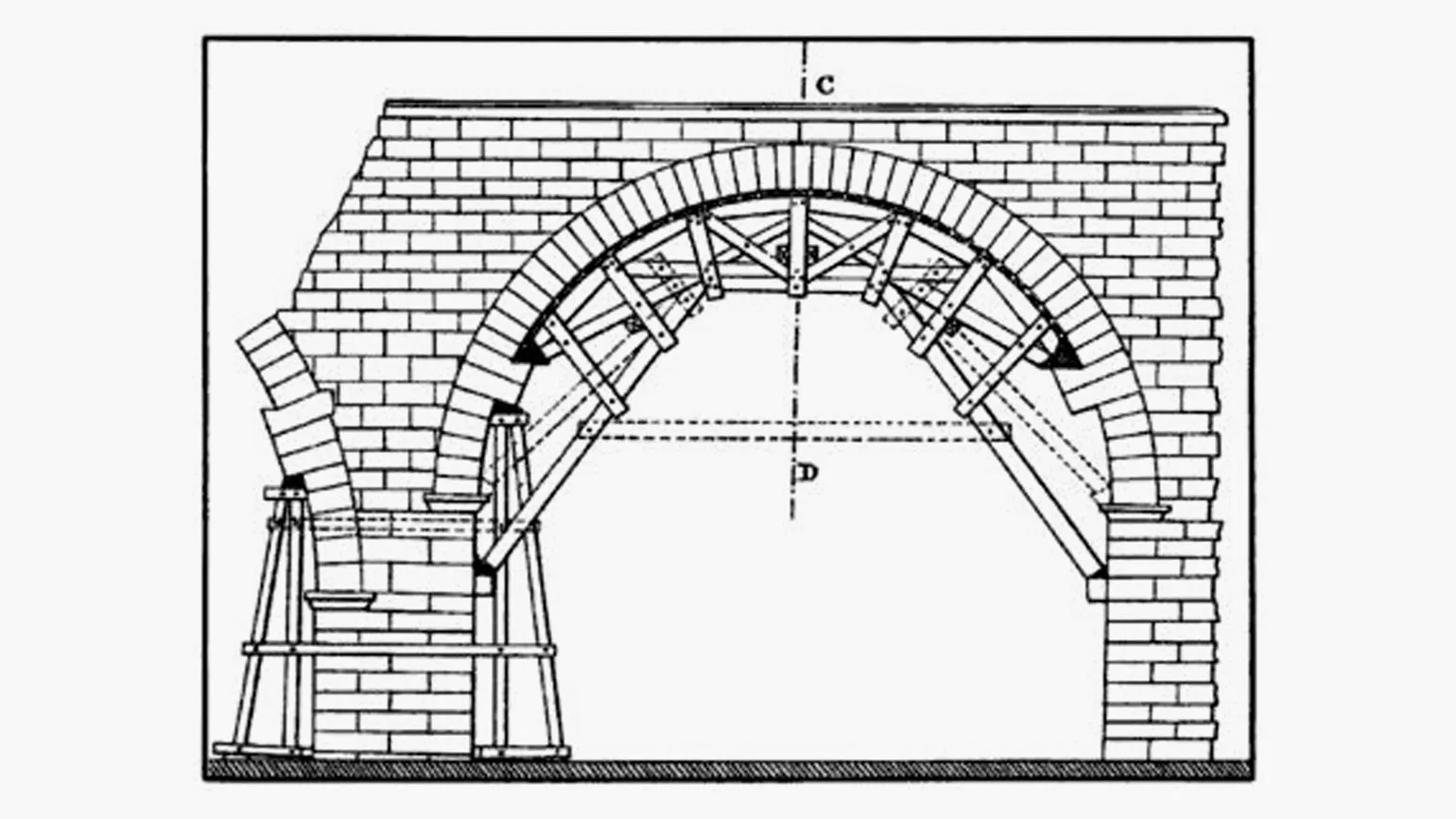
The word "scaffolding" in English means "scaffolding". In educational practice, this term describes the process in which a student solves a complex problem with the help of a teacher or a more experienced mentor. The problem may be difficult to complete independently, but with the support of a mentor, the student is able to solve it. Scaffolding effectively helps develop learners' skills and confidence by creating conditions for gradually increasing the difficulty of tasks as they gain knowledge and skills. Scaffolding is often compared to the metaphor of "scaffolding" or "props." As a student masters a new skill or knowledge, their need for these "props" diminishes. Eventually, the teacher removes them, allowing the student to act independently. This is an important stage in the educational process, which contributes to the development of confidence and independence in students.
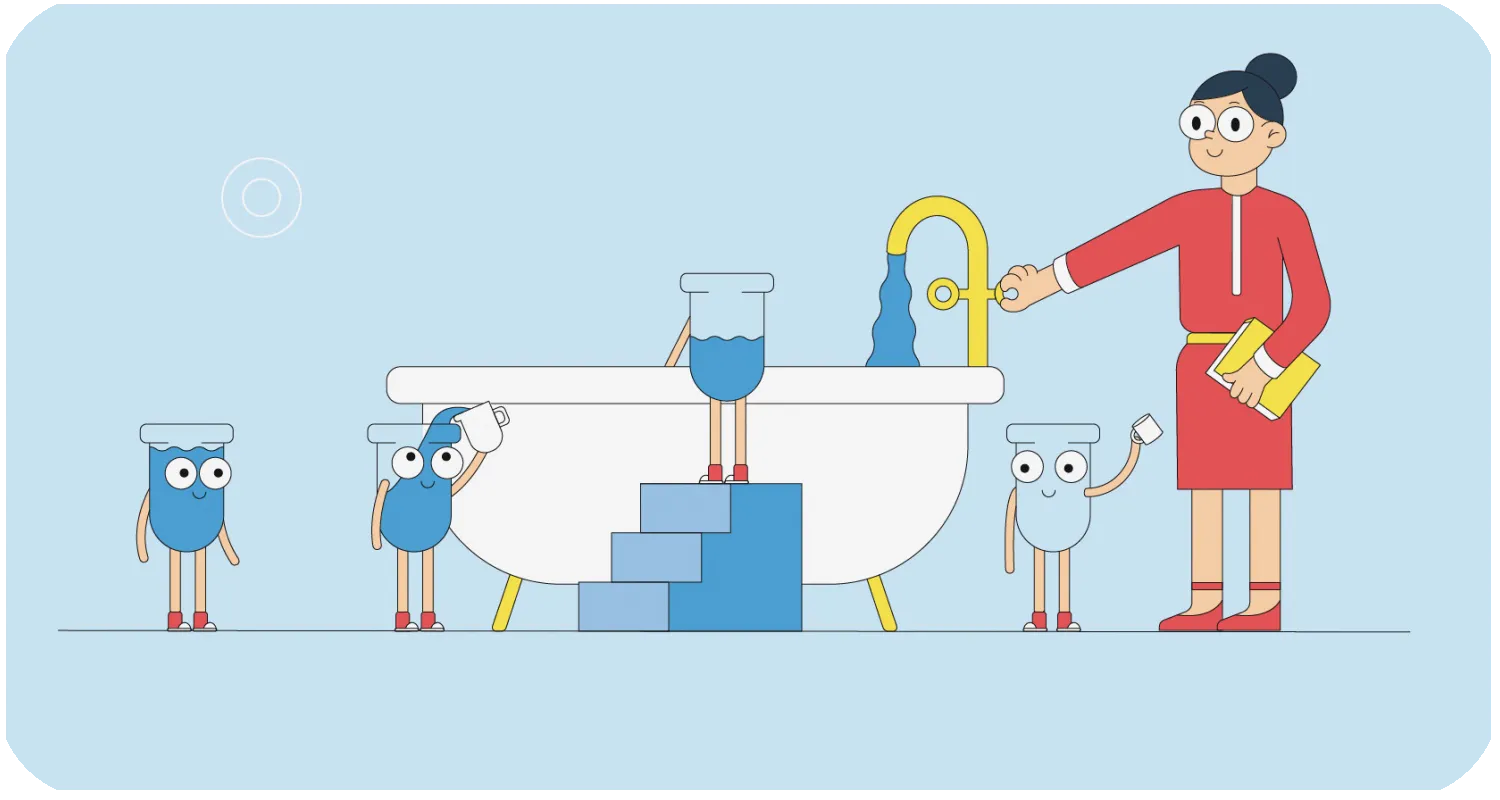
To better understand the concept of scaffolding, American teacher Rebecca Alber gives an example of its opposite. She describes a situation in which a teacher is simply given an assignment: "Read a nine-page research paper, write a detailed essay on the article, and turn it in on Wednesday." This approach does not take into account the individual needs of students and does not provide the necessary support during the learning process. Scaffolding, in contrast, involves step-by-step guidance that helps students develop their skills and confidence in tackling complex tasks.
For best learning results, teachers should use the scaffolding method. Before students begin writing their essays, it is important to review the material together and explain key terms. It's effective to break the text into separate sections and analyze each section in class, actively engaging the entire class in the discussion. This approach promotes better information absorption and helps students remember the main ideas of the article.
Main Principles and Criteria of Scaffolding
Scaffolding theory in learning was first presented in 1976 by American psychologists Jerome Bruner, David Wood, and Gail Ross in their work "The Role of Tutoring in Problem Solving." Scaffolding involves supporting and guiding students as they acquire new knowledge and skills. This methodology emphasizes how experienced mentors can help students overcome difficulties, gradually reducing the level of support as the student's independence and confidence grow. The use of scaffolding in educational practices promotes a deeper understanding of material and the development of critical thinking.
Scaffolding involves adults managing those aspects of a task that initially exceed the student's capabilities. This allows the student to focus on those parts of the task that are within their capabilities. Scaffolding is an important element of the educational process, as it helps create the conditions for successful assimilation of material and skill development. Using this method, a teacher can gradually introduce a new student to the learning process, providing the necessary support and guiding them toward independent mastery of more complex concepts.
This paper examines the learning process of preschool-aged children. Importantly, the emphasis is not on the role of the teacher, but on a more experienced adult—a caregiver, tutor, or mentor. The principles described by Bruner and his colleagues were soon recognized as universal. In 1979, the first scientific paper was published that focused on the student and teacher as the primary participants in the scaffolding interaction. These changes in the approach to learning emphasize the importance of interaction between experienced adults and children, which facilitates more effective acquisition of knowledge and skills.
The scaffolding principles proposed by Jerome Bruner and his colleagues include key aspects that contribute to effective learning. These principles emphasize the importance of supporting students in the process of acquiring new knowledge and skills. Scaffolding involves providing temporary assistance that gradually decreases as the student gains independence. Key elements of this approach include creating a comfortable learning environment, actively engaging students in the educational process, and providing clear instructions and feedback. These methods promote the development of critical thinking and self-regulation, which in turn improves the overall level of understanding and assimilation of material. Applying scaffolding principles in educational practices helps teachers effectively guide students on the path to independent learning and high achievement.

In 1983, Arthur Appleby and Judith Langer expanded the concept of scaffolding by adding five key criteria. These principles help create a more effective educational environment that promotes student development. Scaffolding is a method that provides students with support throughout the learning process, allowing them to gradually acquire new knowledge and skills. Additional criteria proposed by Appleby and Langer emphasize the importance of an individualized approach, student engagement, and systematic application of teaching methods. These aspects contribute to the effectiveness of the educational process and the development of critical thinking in students.
- Goal-oriented: the task must have a clear goal, towards which the student's actions will be directed.
- Appropriateness: the task must be difficult enough for independent solution, but amenable to the student's efforts with the assistance of the teacher.
- Structured: the task should be organized in such a way as to facilitate the natural flow of the student's thoughts, pushing him towards the correct solution.
- Collaboration: the student should perceive the teacher not as an evaluative supervisor, but as a comrade-in-arms.
- Internalization: as the student assimilates knowledge and skills, external "scaffolds" should be gradually removed.
Scaffolding is a temporary support for the student, which should decrease over time. Initially, responsibility for completing the task is shared between the teacher and the student, but eventually it shifts entirely to the student. This approach promotes the development of independence and confidence in the learning process, allowing students to gradually take on more responsibility and actively participate in learning.
The Soviet Roots of Scaffolding Theory
For those familiar with the learning concepts of Soviet psychologist Lev Vygotsky, scaffolding theory may resemble the idea of the zone of proximal development. Vygotsky identified three types of tasks that a person encounters during the learning process. These tasks help determine the student's level of development and allow the educational process to be organized to most effectively support them in acquiring new knowledge and skills. Scaffolding, as a method, involves providing temporary support to the student, which facilitates their progress from their current level of understanding to more complex concepts. This approach allows us to harness the student's potential and promotes deeper learning.
- tasks that we can complete ourselves;
- tasks that we can complete under someone's guidance;
- tasks that we are not able to cope with.
Read Also:
Constructivism in teaching is a method based on the active involvement of students in the process of acquiring knowledge and forming understanding through practical experience. However, despite its advantages, this approach has not become widespread in the educational system.
One of the reasons is the insufficient training of teachers. The effective application of constructivist methods requires specialized skills that are not always available in traditional educational institutions. Teachers often use familiar lecture methods, which limits the possibility of introducing more innovative approaches.
It is also worth noting that educational systems around the world are often focused on standardized testing and assessments, which contradicts the basic principles of constructivism. In an environment where the emphasis is on quantitative indicators, it is difficult to introduce qualitative changes in the learning process.
Furthermore, many educational institutions face limited resources, which complicates the implementation of constructivist methods. The need to create an interactive and supportive environment requires additional investments in infrastructure and materials. Nevertheless, constructivism remains a relevant and important approach in pedagogy, promoting the development of critical thinking and student independence. With increasing interest in innovative teaching methods, constructivism may find wider application in educational practice in the future. Tasks of the first type do not promote learning. Solving tasks of the third type is ineffective, as they are beyond our capabilities. Learning occurs only through the completion of tasks of the second type, which are within the zone of proximal development identified by Vygotsky. This zone represents an area where growth and skill development are possible, making such tasks important to the learning process.

Vygotsky's theory has received significant recognition in the West, as evidenced by the presence of nearly one hundred materials on the ResearchGate platform. The theory's connection with the concept of scaffolding has led many specialized resources to conflate the two ideas and even erroneously attribute scaffolding to Vygotsky. However, it is important to note that while scaffolding does correspond to learning in the zone of proximal development, Lev Vygotsky himself never used the term "scaffolding" in an educational context. This highlights the need for a precise understanding and use of terminology in psychology and pedagogy.
Researchers Anna Schwartz and Arthur Bakker have found that there is a direct connection between the concept of scaffolding and Lev Vygotsky's ideas. One of the founders of scaffolding theory, Jerome Bruner, maintained a friendly relationship with the Soviet psychologist and neurologist Alexander Luria. Their correspondence and joint participation in European conferences testify to their deep interaction in the field of psychology. Luria, in turn, was close to Lvov Vygotsky and psychophysiologist Nikolai Bernstein, who also mentioned the concept of "scaffolding" in his works, applying it to the study of human motor skill acquisition. This connection underscores the importance of joint research in psychology and pedagogy, as well as its influence on the development of educational practices.
Bernstein described so-called "scaffolding" as a function of the leading level of skill, which is responsible for a general understanding of the motor task but does not encompass its details. This concept implies that in the process of mastering a new skill, while comprehending its essence, we can only approximately reproduce the action. Over time and with practice, we can develop this skill to the point of automatism.
Initially, movement is performed hesitantly and with difficulty, using available tools and methods. These tools, although temporary, can provide basic correction, like temporary structures on which to build a foundation for further development. As work progresses, despite the difficulties, automated skills are formed at a lower level, allowing for gradual improvement in the quality of movement execution and the transition to more complex tasks.
Dexterity and its development are key aspects in training and physical education. Nikolai Bernstein, a prominent Russian neurophysiologist, studied how agility influences motor coordination and overall physical fitness. His work examines how agility skills are formed and developed throughout life, as well as their importance in various activities.
Developing agility helps improve motor skills, increase the effectiveness of physical exercise, and enhance athletic performance. Bernstein emphasizes that agility is not an innate quality, but is developed through systematic training and awareness of one's own movements.
Bernstein's methods can be applied not only to sports but also to real life, helping people better cope with everyday tasks. Awareness of one's movements, coordination, and adaptation to changing environmental conditions are all important skills that can be developed throughout life.
Thus, agility is an important element of physical development that impacts quality of life and overall fitness. Incorporating Bernstein's principles into training and daily practice will help everyone achieve new heights in agility and coordination.
Luria used the metaphor of "scaffolding" to describe the psychophysiology of walking. This metaphor helps better understand how various aspects of the psyche and physiology interact during movement. Walking is not simply a physical process; it involves many cognitive and emotional factors. Every step we take is connected to our thoughts and sensations, which shape our experience. Understanding this interconnectedness can help improve quality of life and increase mindfulness in everyday activities. Researching the psychophysiology of walking allows for a deeper understanding of how our body and mind work in harmony to create a holistic experience of movement.
A child begins to walk, and this process usually does not happen instantly. At first, they rely on surrounding objects, such as the edges of the bed, chairs, or the hands of adults. This is the time when walking skills are still developing and the child uses external supports for support. Over the course of a month or two, the child gradually becomes more confident and, freed from these supports, begins to walk independently. This stage of development is critical for developing coordination and confidence in movement, which lays the foundation for further physical growth and an active lifestyle.
The book "Etudes in the History of Behavior" by Alexander Luria and Lev Vygotsky is an important study in the fields of psychology and pedagogy. The work examines the development of human behavior in the context of historical and cultural factors. Luria and Vygotsky analyze how social conditions and cultural traditions influence mental processes and personality development. This publication is a significant contribution to understanding the interaction between the individual and society, as well as to the study of the mechanisms of learning and development. The book is useful not only for specialists in psychology but also for anyone interested in issues of education and personality development depending on cultural context.
The book in which Luria used this image was translated into English only in the 1990s. Meanwhile, one of Bernstein's works had already been translated by the time Luria and Bruner corresponded. On the recommendation of his Soviet friend, the American psychologist read this work and was deeply impressed.
The idea of "scaffolding," actively discussed among Soviet psychologists and educators, eventually found its way into the United States through correspondence and personal meetings. This is a concept that emphasizes the importance of support and environment in the learning and development process.
What Science Says About the Effectiveness of Scaffolding
In 1975, researcher David Wood, along with David Middleton, published an important paper that described a process similar to the scaffolding concept. In this study, mothers taught their children to assemble structures from parts. The results showed that children who worked in pairs with their mothers and received their guidance created significantly more complex structures compared to those who worked alone. The most successful children were those whose mothers adapted their support strategy depending on the child's progress in completing the task. When the process was going smoothly, assistance was minimal, and when difficulties arose, mothers provided clearer directions or demonstrated how to complete the task. This study highlights the importance of an adaptive approach to teaching that promotes skill development in children.

A 1990 study showed similar results when comparing scaffolding and discovery learning, in which a child independently finds a solution to the problem. In the experiment, one group of children worked on the task in dialogue with their mothers, while the other group completed the task alone, receiving corrective feedback only occasionally. The results showed that children who interacted with their mothers demonstrated significantly higher task performance. This underscores the importance of support and collaboration in the learning process, which can significantly improve the effectiveness of educational methods. A study conducted in 2000, albeit involving only one participant, demonstrated the effectiveness of the scaffolding method in learning a new language. A six-year-old Farsi-speaking boy was enrolled in an English language course. The instruction began with mastering individual words and phrases, followed by closed questions, and then more open-ended questions requiring expanded answers. This gradual approach to increasing the complexity of the material contributed to the improvement of the child's language skills while minimizing stress and frustration. The scaffolding method can also be useful for other students, as it creates a comfortable learning atmosphere and allows them to adapt to new language concepts.
In a 2003 study, the author emphasizes the importance of applying scaffolding principles in the educational process. Students should not be viewed as passive executors of the teacher's instructions. This statement is consistent with Lev Vygotsky's concept of the zone of proximal development, according to which the student is an active researcher, and not just an object of learning. This approach promotes a deeper understanding of the material and the development of critical thinking in students.
How to Apply Scaffolding
British teacher Saul MacLeod, drawing on Debbie Silver's research, offers a number of recommendations. These tips are aimed at improving the educational process and increasing the effectiveness of learning. It is important to consider that methods based on scientific evidence can significantly impact the success of students and teachers. Applying these recommendations to educational practice will help create a more productive and supportive learning environment.
- Assess students' current level of knowledge and skills related to the lesson topic.
- Connect the lesson content to what students already understand and can do.
- Break tasks into smaller, more manageable elements and comment on the completion of these subtasks.
- Use prompts.
The authors of the manual "Instructional Methods, Strategies, and Technologies to Meet the Needs of All Learners" expand the presented list to include basic scaffolding methods. In doing so, they rely on the research of Kathleen Hogan and Michael Pressley, who emphasize the importance of adaptive approaches in teaching. Scaffolding allows teachers to support students in the process of acquiring new knowledge by providing necessary assistance and resources, which in turn promotes deeper understanding and retention of the material.
The first step in using scaffolding is modeling, which is a demonstration of behavior that helps students understand how they should behave, think, or act in a specific situation. One example of modeling is the "think-aloud" technique, in which the teacher carries out a task and verbalizes their thoughts about the process. For example, a teacher might use the think-aloud method by breaking a new word into syllables, which helps students read it more easily. This approach promotes a deeper understanding of the material and the development of critical thinking in students.

Study also:
Observational learning is the process by which an individual acquires new skills or knowledge by observing the behavior of others. This teaching method is based on the idea that a person can learn not only through their own experiences but also by studying the actions, reactions, and results of the actions of others. An important aspect of observational learning is the social context in which these interactions occur.
Learning is a social process because it involves interaction between people. Group interactions facilitate the exchange of information, which enhances understanding and knowledge acquisition. Social connections, such as those between teachers and students or between peers, play a key role in the formation of skills and knowledge. By observing others, individuals can adapt their behavior, adopting successful strategies and avoiding mistakes.
Thus, observational learning emphasizes the importance of the social environment in the learning process. It confirms that learning does not occur in isolation but is the result of interaction with others. It is important to consider that the effectiveness of this approach depends on the quality of the models a person observes, as well as their motivation and ability to perceive the information.
Explanations of what is being learned are essential. It is necessary to clearly state why, when, and how the acquired knowledge will be applied. At the beginning of instruction, explanations should be detailed and repeated frequently to ensure a deep understanding of the material. As students progress, explanations can become more concise, focusing only on key points and essential cues. This approach promotes better assimilation of information and allows students to confidently apply their knowledge in practice.
Active student participation in the learning process plays a key role in increasing their engagement and responsibility for the results obtained. Teachers should encourage such activity by providing positive feedback and correcting student actions. This not only improves the quality of learning but also develops a deeper understanding of the material in students.
The authors of the manual present a number of specific examples of scaffolding. Scaffolding, as a teaching method, allows for effective support of students in the process of acquiring new knowledge and skills. The examples given in the manual illustrate a variety of approaches to implementing this method in the educational process, showing how it can be adapted to various educational contexts. These examples will help educators better understand how to use scaffolding to increase student engagement and improve their learning outcomes.
- The teacher demonstrates a model of what students are expected to accomplish. For example, the outcome of a specific task they should achieve. The teacher may also model the desired process—for example, by demonstrating a multi-level science experiment. The key is for students to understand the expected outcome before attempting the work themselves.
- The teacher introduces the lesson topic in a simplified manner or assigns a simpler task and then gradually increases the difficulty. For example, the teacher might break the lesson into several mini-lessons or divide an algebra problem into several sub-problems. Between each mini-lesson, the teacher checks students' understanding of the main ideas, gives them opportunities to practice, and explains how these skills will help them solve more complex problems.
- The teacher describes an idea, task, or process in a variety of ways. The teacher may describe a new idea in words, using graphs, and drawings. Or, for example, students might be asked to formulate an idea in their own words. The goal is to present the subject from different perspectives, making it easier for students to understand the idea correctly.
- Students are introduced to the key concepts of a complex text before reading it. The teacher describes terms that are likely to cause difficulties for students using easily understandable metaphors, analogies, associations, and other strategies. As students read the text, this glossary will serve as a "scaffold" that will boost their confidence in their abilities, allow them to become more interested in the text, and help them understand and remember its content.
You will find a variety of interesting and useful materials on our blog. We carefully select content to meet the interests of our readers. Here you can find the latest news, useful tips, and relevant articles on a variety of topics. We strive to provide high-quality information that will help you stay informed and expand your knowledge. Be sure to check out our publications to stay up to date with important updates and helpful tips.
- What is flipped learning?
- Changing teacher roles can help motivate students.
- Is it true that hands-on learning is better than theory?
