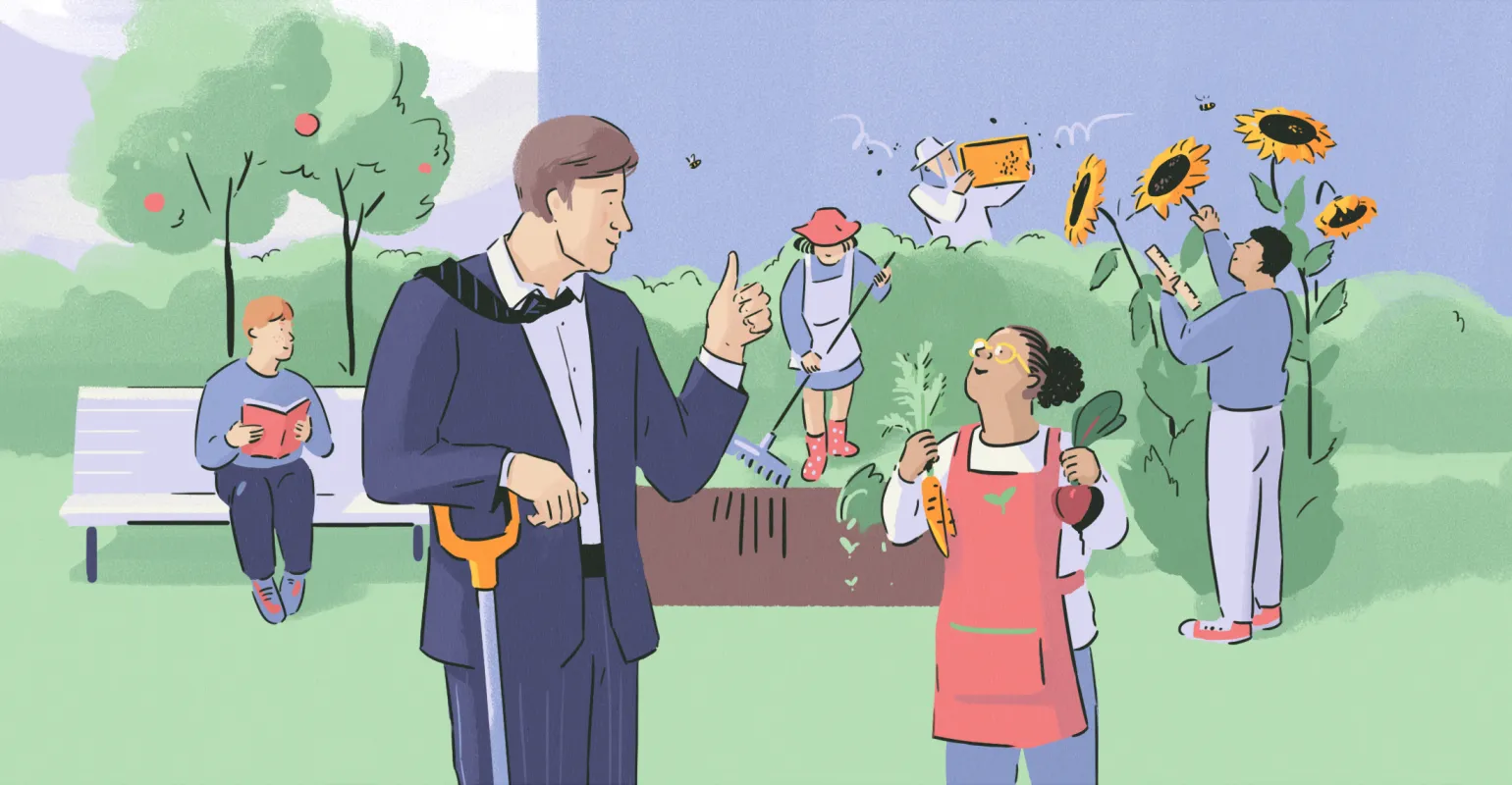

Learn: School with pleasure: how to teach a child to learn
Find out moreHow a school garden changed the approach to teaching
In 2004, Tim Baker, an educator from the UK, took over as headmaster of Charlton Manor Primary School. He faced a serious problem: the school was located in a disadvantaged area of southeast London, home to many low-income families, migrants, and a high crime rate. This created a dangerous environment for children, who were unable to play freely in local parks and squares. The new headteacher began looking for ways to create a safe space for his students where they could interact, develop, and experience nature.
The school grounds included a disused plot of land, which Baker decided to use for his initiative. At the time, he came across alarming research findings showing that many children lack understanding of the origins of their food. For example, they don't know where eggs come from or what happens to vegetables before they reach the table. Baker noted that the main reason for this phenomenon is that the school curriculum doesn't prioritize teaching children about food. He expressed these thoughts in an article for The Guardian.
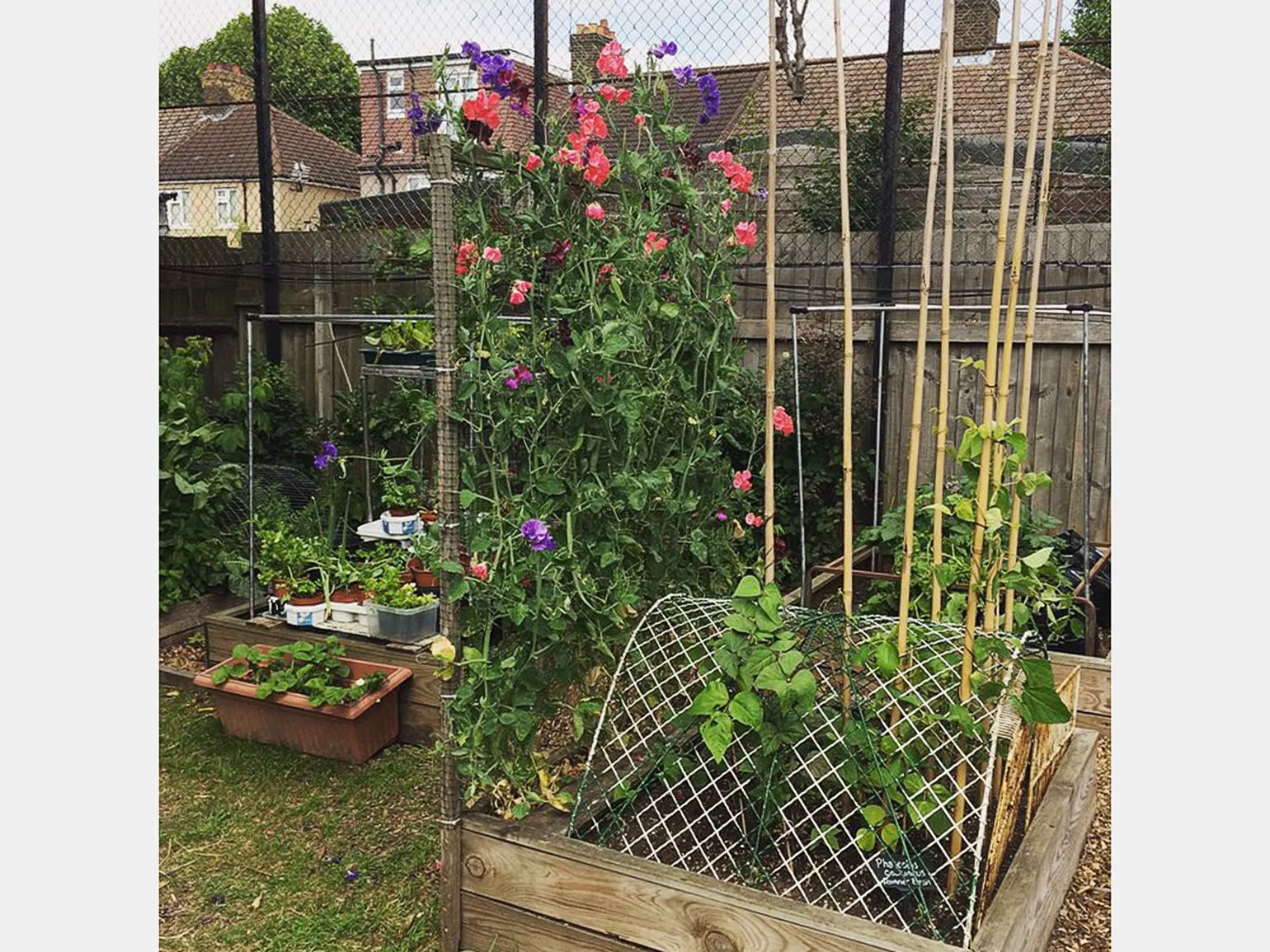
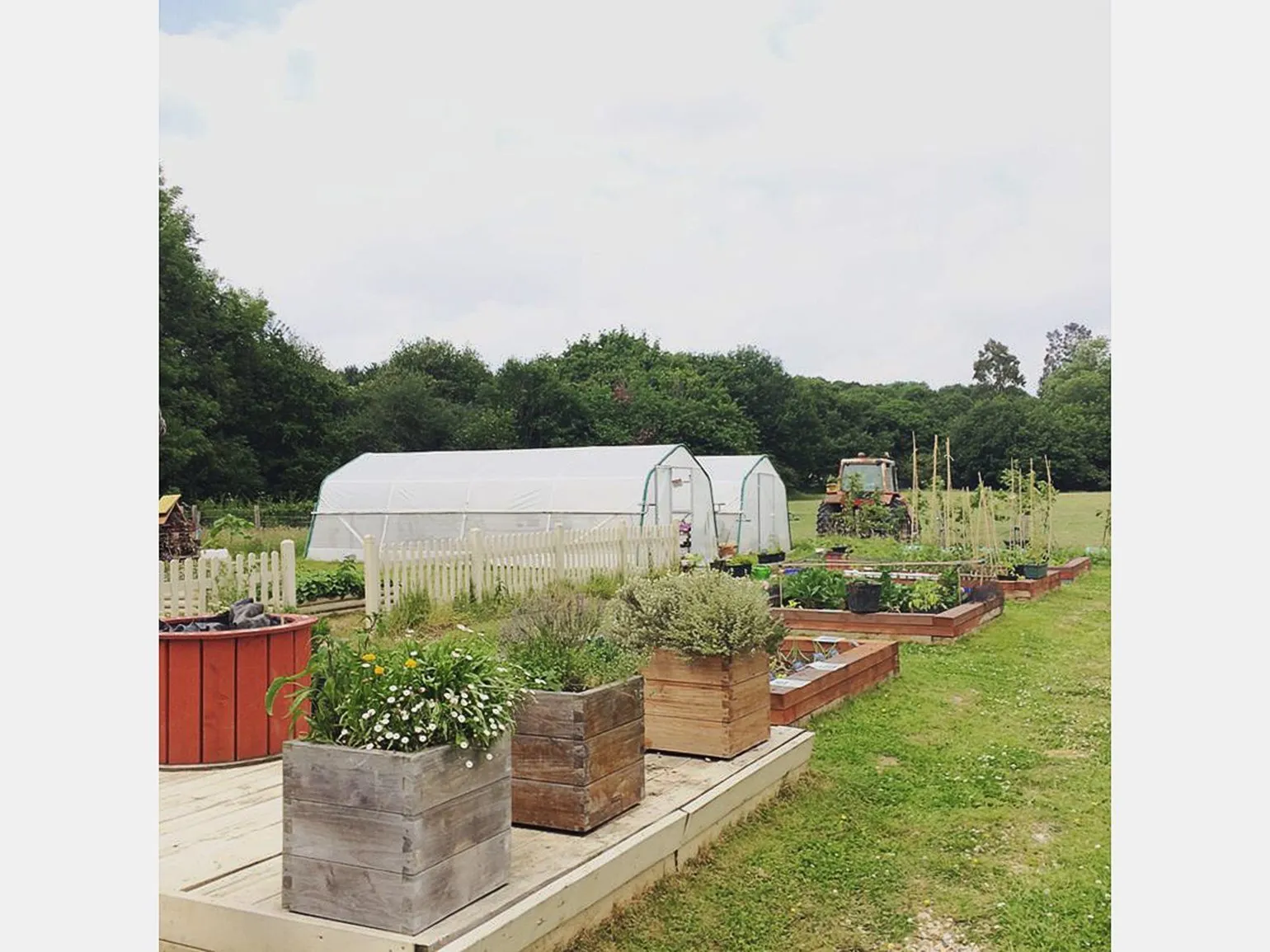
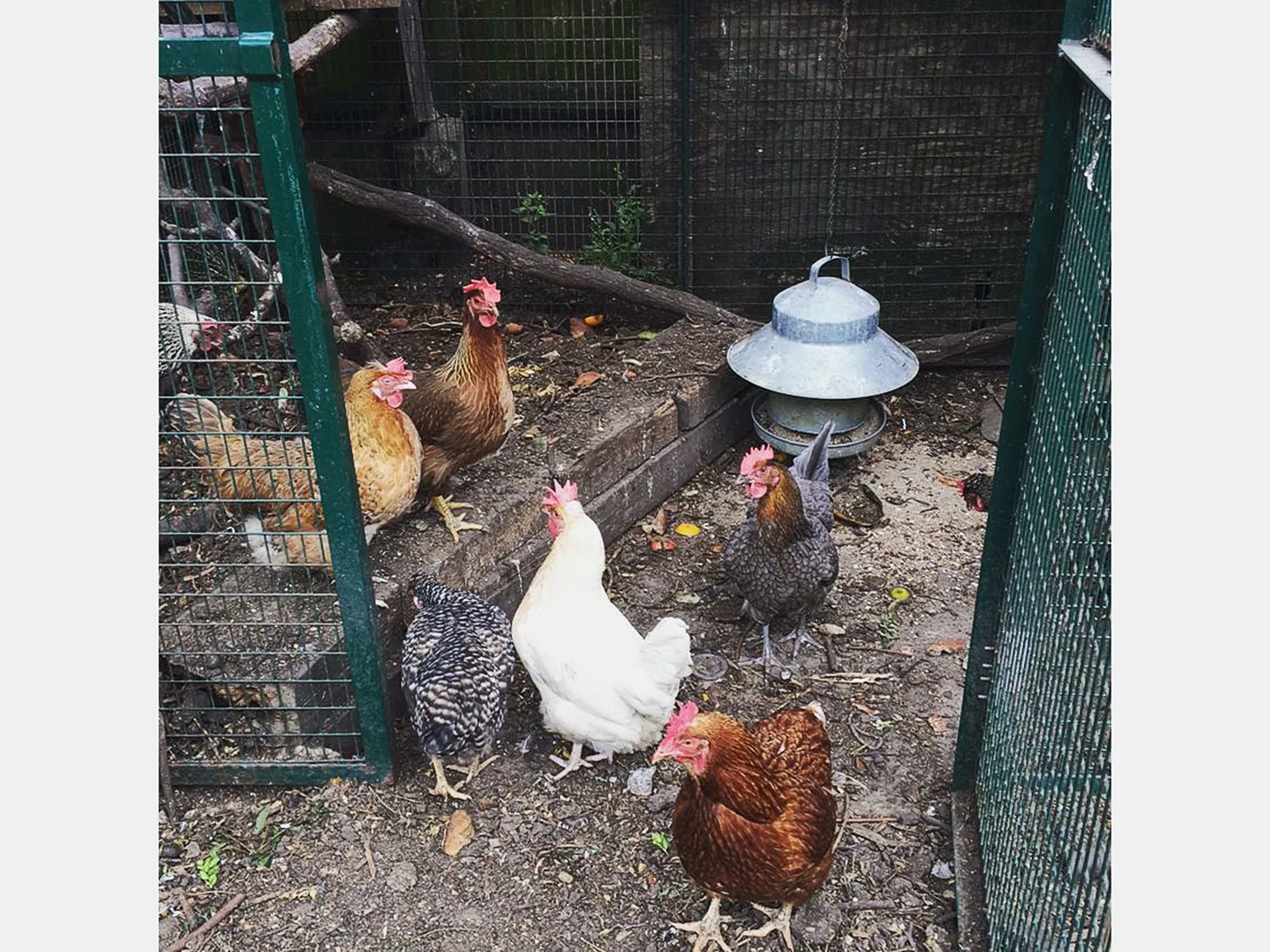
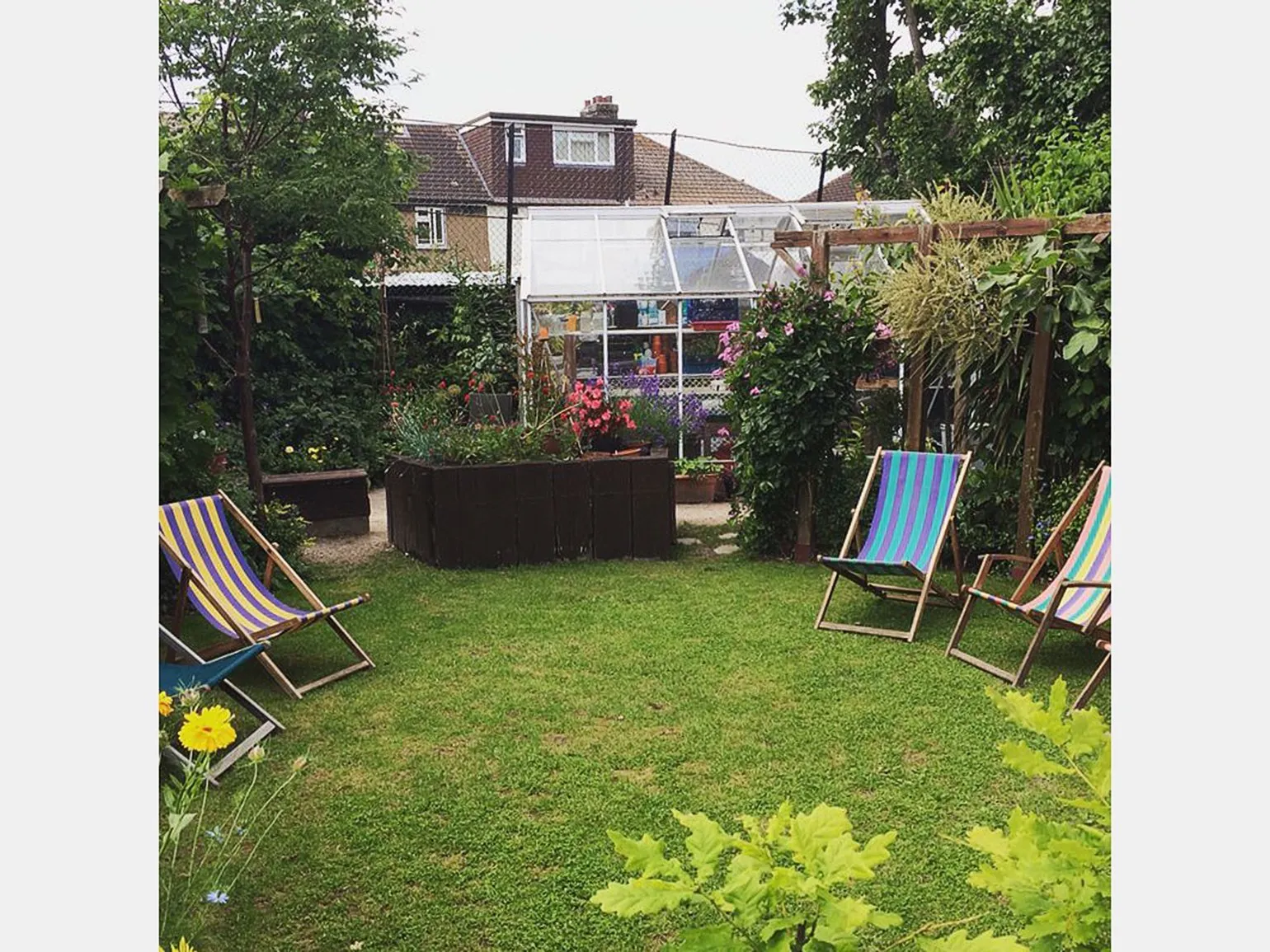
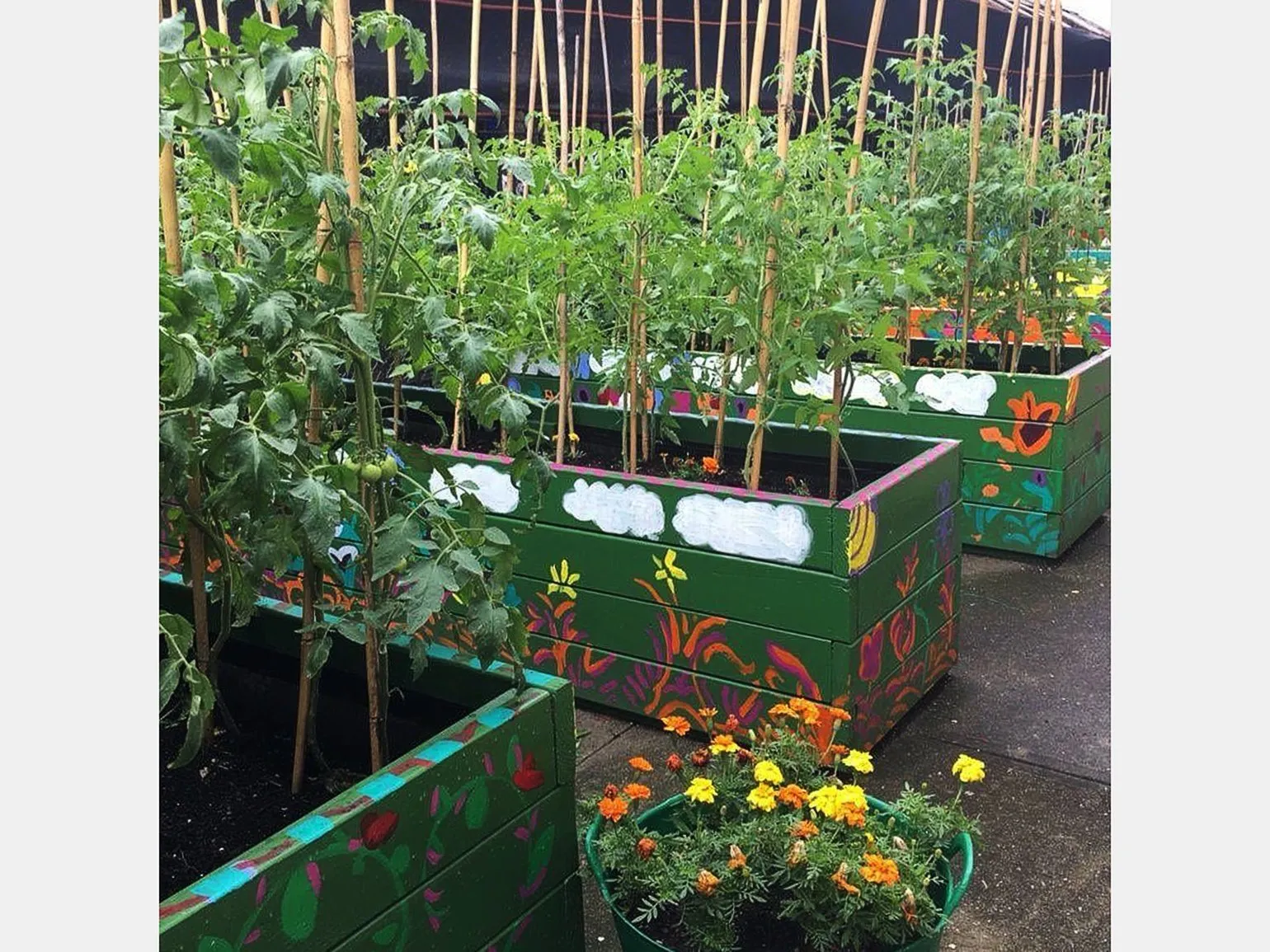
The director decided to create a garden on a free plot of land where children can learn in the fresh air and also learn about the origins of the products that end up on their tables. This garden will not only be an educational space but also a place to foster environmental awareness in children. They will be able to observe plant growth, participate in their care, and understand the importance of healthy eating. Baker noted that the garden can serve not only as a place to study botany but also as a platform for discussing various topics, such as life cycles, flowering plants, pollination, adaptation, creative writing, and report writing. He emphasized that garden activities promote student engagement and encourage teamwork. Importantly, this practice also helps develop a sense of responsibility in children. In a context where many teachers encounter phrases like "It's not my fault" or "It's not just me," using the garden in the educational process becomes an excellent opportunity to foster social responsibility and an active stance. The director received support from colleagues and actively involved students in the development of the school garden project. He presented them with a site plan, organized tours of various community garden plots, and invited the children to contribute their ideas for their vision for the future garden. Based on the students' suggestions, he handed over the collected findings to a landscape designer, who created a design that took into account all the children's wishes.
In addition to beds with herbs, seasonal vegetables, and fruit, the Charlton Manor School garden now includes new elements, such as a labyrinth, a greenhouse, a pond with a bridge, a weather station, a wildlife corner, and a meadow with benches for lessons. Particular attention should be paid to the compost bin with transparent walls, which allows children to observe the process of converting vegetable and fruit scraps into organic fertilizer for future plantings. This approach not only enriches the educational process but also promotes environmental awareness among students.
To ease the workload on teachers, Principal Baker decided to hire a gardener. The gardener is responsible for planning gardening, tending the vegetable garden, and teaching students the basics of gardening. The gardener also assists teachers in developing outdoor lessons. Given the students' busy schedules, the principal integrated gardening into the curriculum, allowing children to gain practical knowledge and skills.
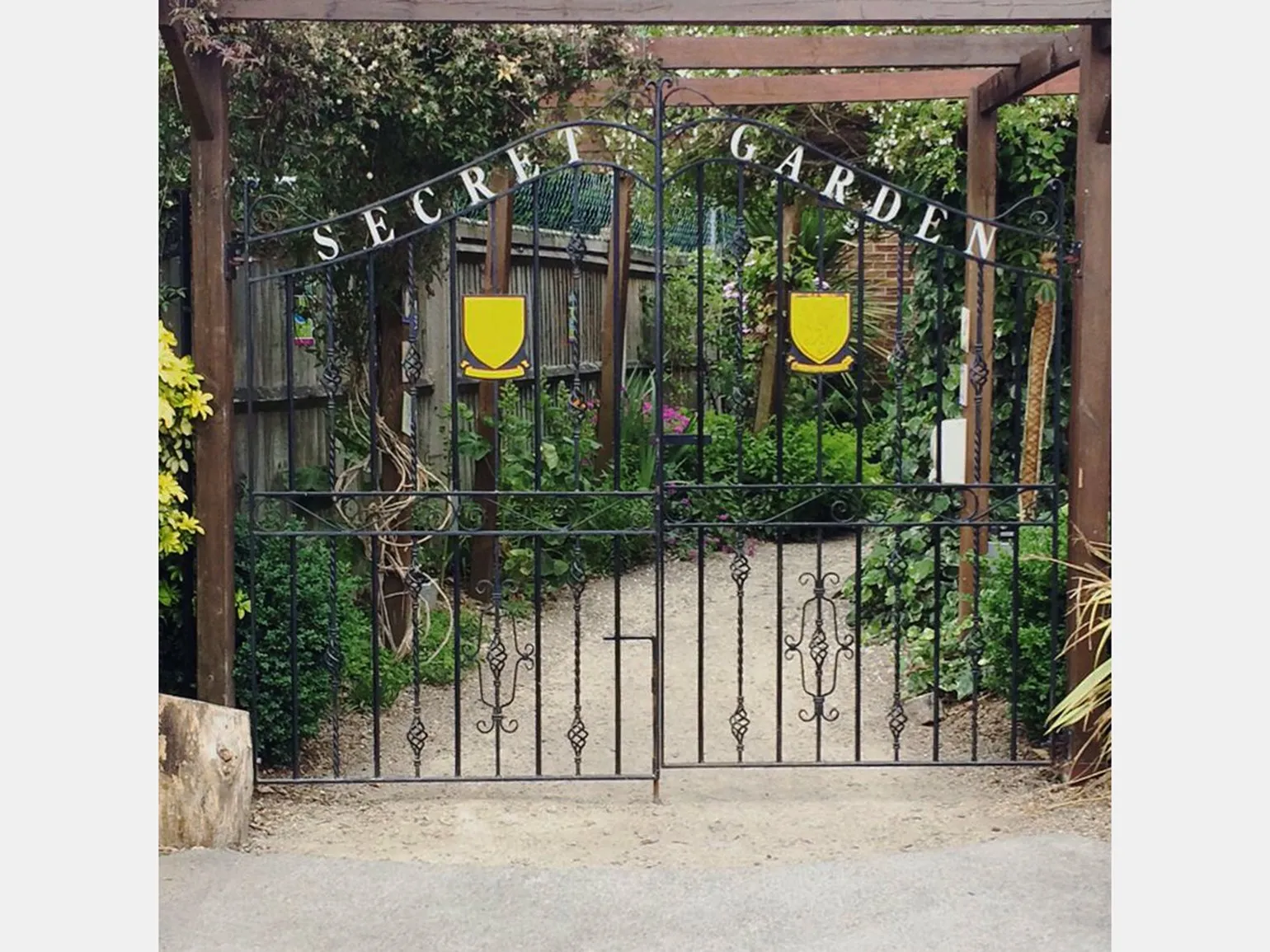
The Charlton Manor School garden, known as "Our Secret Garden," is actively used in the educational process. It serves as a practical tool in science and environmental studies lessons. In math classes, students design flower beds, create graphs and diagrams, measure sunflower growth, and develop addition and multiplication skills by counting plants. Thus, the garden not only enriches the educational process but also promotes the practical application of knowledge in various subjects.
The garden can even play an important role in history lessons. Morgan Hope Phillips, a British environmental education expert, blogs about a hands-on Stone Age cooking lesson organized by the school's chef and gardener for students. This approach helps children better understand historical traditions and culture, while also fostering an interest in ecology and healthy eating. Lessons that integrate gardening and cooking foster deep learning, allowing students not only to explore history but also to practice skills that can be useful in everyday life. Third-grade students will prepare simple dough wrapped around small willow branches. They will then head to the school garden, where they will light a fire. By the fire, they will carefully cook bread over hot coals, exploring Stone Age diets. This engaging experience will not only bring history to life but also help them understand where food comes from and how it impacts the environment. This approach to learning fosters an interest in history and ecology, and also develops food handling skills.
Over time, chickens and several beehives appeared in the school garden. To establish beekeeping, Baker and his colleagues underwent training in safe beekeeping practices. Local beekeepers conducted educational outreach to parents, convincing them of the safety of bees for children. As a result, the school began producing its own honey, and bees have become an important element of the educational process. Children not only observe bees but also use them in their studies: they solve math problems, discuss them in English and science lessons, and integrate information about bees into other subjects. Beekeeping in the school garden has become not only a fascinating hobby but also an effective tool for interdisciplinary learning. The harvest, along with eggs and honey, produced in the school garden are sold in the school store and are actively used in the kitchen for preparing lunches and snacks. This not only reduces purchasing costs but also helps students develop healthy eating habits. Children enjoy the fruits and vegetables they grew themselves, making the process of eating them more engaging and enjoyable. In addition, the school has a culinary class where students learn to prepare healthy food from the harvest, which helps develop their culinary skills and understand the importance of proper nutrition.

Read also:
Unusual practice: how a British teacher Teaches students culinary skills
In the UK, a teacher has implemented a unique teaching method that enables students to become true chefs. Instead of traditional lessons, he organizes hands-on activities where students master culinary skills and develop their creativity.
This innovative program not only teaches children how to cook but also develops important life skills such as teamwork, planning, and time management. Students explore different cuisines around the world, experiment with ingredients, and create their own recipes.
The teaching practice is aimed at making learning more engaging and interactive. This not only increases interest in the subject but also promotes self-confidence in children. As a result, students not only acquire knowledge but are also able to apply it in practice, which significantly expands their horizons and opens up new opportunities for the future.
Thus, the British teacher's approach to culinary education is a shining example of how traditional education can be transformed and made more relevant and in-demand in the modern world.
Tim Baker admits that the path to creating the garden was not easy. To successfully implement his plan, he had to actively seek funding, including organizing a fundraiser. This process required significant effort and a creative approach to attracting the necessary resources to bring the idea to life.
Some teachers expressed concerns that it would be difficult to control students' behavior outside, and that those students who create problems in the classroom might behave even worse in the garden. However, according to the director, the situation turned out to be different in practice. In the garden, children need to work as a team and learn to take responsibility for caring for plants. As a result, their behavior usually improves.
After overcoming the initial difficulties, the garden significantly transformed the learning process at school, the director notes. The new approach to teaching, focused on practical outdoor activities, has a positive impact on students. This teaching method develops responsibility and teamwork skills, promotes self-esteem and self-confidence. Furthermore, outdoor activities foster a love and respect for the natural world, help improve health, and develop both gross and fine motor skills.
Why School Gardening Is Beneficial
Charlton Manor isn't the only school with its own vegetable garden. In fact, there are nearly five thousand school gardens in the United States. This initiative is not new: in the 19th century, countries such as France, Belgium, and Sweden already established gardens at school. For example, in Austria-Hungary, a law on public education was passed in May 1869, which provided for the creation of garden plots at schools and the inclusion of practical classes in vegetable growing, fruit growing, floriculture, and beekeeping in the curriculum. The Russian Empire also took part: by the late 19th century, there were nearly eight thousand schools with garden plots. Today, several educational institutions in Russia, primarily in rural areas, also have their own gardens. School gardens not only help develop practical skills in children but also foster environmental awareness and care for nature.
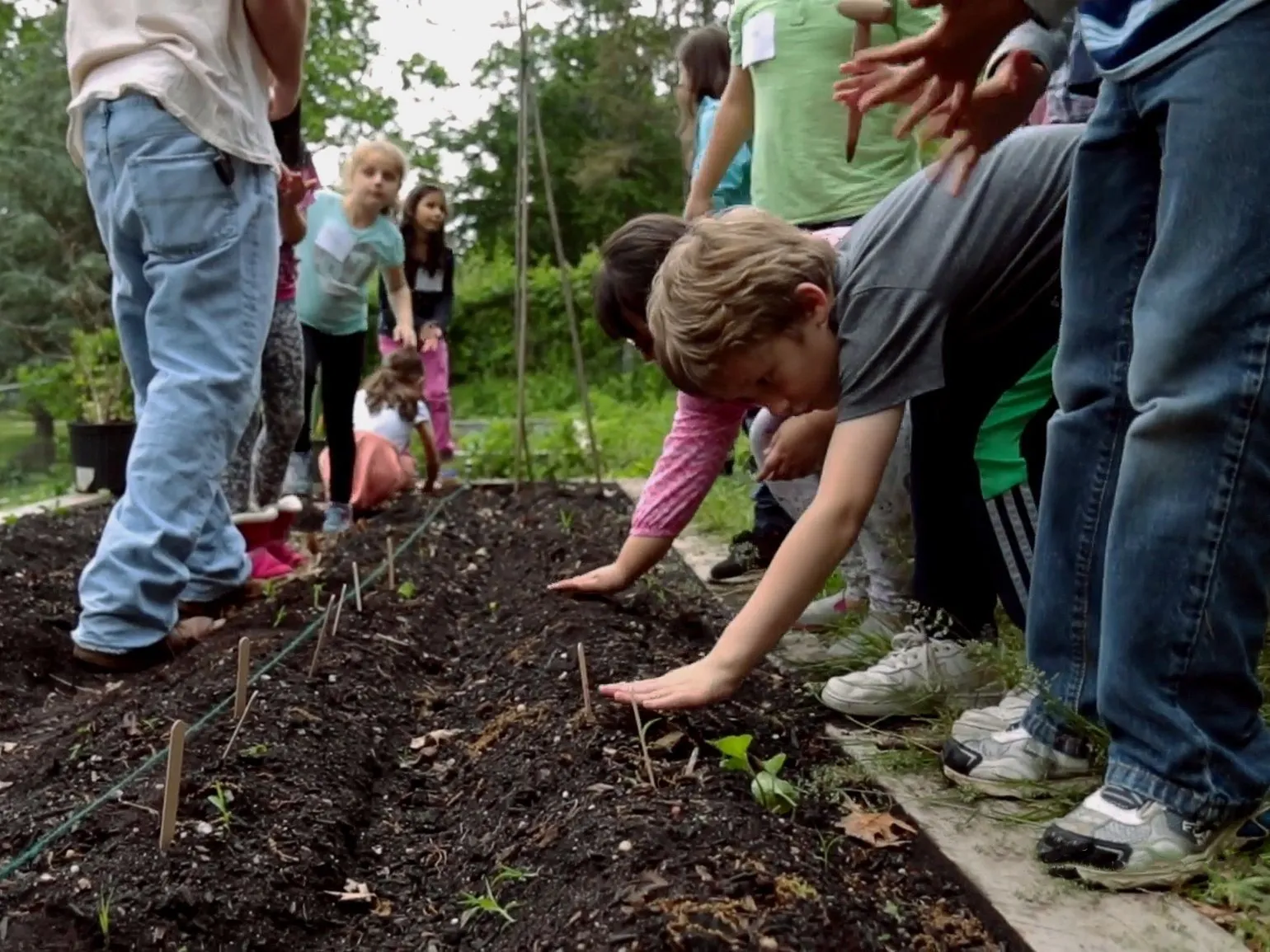
In the 21st century, school gardening is experiencing a resurgence in popularity. Schools are actively implementing programs aimed at developing plant care skills and an awareness of the importance of ecology. School gardening helps students not only study biology and ecology but also develop work skills and foster a responsible attitude toward nature. Participation in gardening projects improves the quality of life in schools and fosters a healthy lifestyle in children. School gardening is becoming an important tool in raising a new generation capable of caring for the planet and actively participating in its protection.
Experts argue that school gardens can effectively address modern issues, such as the sedentary lifestyle of children and adolescents, who increasingly spend time in front of screens instead of engaging in active outdoor activities. One serious problem is excess weight, caused by a diet high in fat and sugar. This situation is becoming increasingly pressing. For example, in the United States, the incidence of childhood obesity more than tripled between 2017 and 2018 compared to the 1970s. In Russia, according to Rosstat data for 2018, 31% of children aged three to thirteen are overweight, and one in nine children in this age group is obese. Creating school gardens can not only increase children's physical activity but also develop healthy attitudes toward nutrition, contributing to improved health and a reduction in obesity.
Even the UN has noted the benefits of school gardens. Several years ago, the Food and Agriculture Organization of the United Nations (FAO) published recommendations for the creation and development of school gardens and vegetable gardens. FAO emphasizes that gardening promotes healthy eating, life skills, and environmental awareness, and can also serve as a foundation for ensuring the health and safety of students. School gardens not only teach children to care for nature but also instill responsibility and hard work in them.
Proponents of school gardening highlight several key arguments in its favor. Firstly, it's an opportunity to teach children the basics of ecology and sustainable agriculture. Students gain valuable insights into plant growth, the importance of biodiversity, and the importance of caring for nature. Secondly, gardening helps develop practical skills such as planning, plant care, and teamwork. Children learn responsibility and patience by watching their efforts grow. Gardening also has a positive impact on health: fresh fruits and vegetables grown at home become readily available and contribute to a healthy diet. Furthermore, outdoor activities promote physical development and improve students' overall well-being. Incorporating gardening into the school curriculum can be an important step toward creating an environmentally conscious generation.
- A school garden helps children develop healthy lifestyle habits: a balanced diet, physical activity, and time outdoors.
- In a garden, students learn more about plants, including vegetables and fruits, how they grow, and the conditions they need.
- A garden helps students connect with nature and teaches them to care for and respect the environment.
- School gardens increase student engagement and help teach them many abstract scientific concepts through hands-on outdoor activities.
- A garden influences sensory development: students are introduced to different textures, smells, sounds, and colors.
- Collaborative, teamwork helps children develop social and communication skills.
- In a garden, children see concrete results of their work, which allows They gain self-confidence and self-esteem, and increase endurance and perseverance.
The benefits of school gardens and vegetable gardens have been confirmed by numerous studies. In particular, a study by Cornell University found that children who regularly garden later consume more vegetables and fruits than their peers who do not have such experience at school. A meta-analysis of scientific papers conducted by scientists at the University of Wisconsin-Madison also confirmed that gardening classes and practical lessons outdoors have a positive impact on student academic performance. Thus, the implementation of school gardening programs not only improves children's nutrition but also enhances their academic results.
A study conducted by scientists in Barcelona revealed a relationship between the time children spent in green spaces and their cognitive development. Over the course of a year, 2,593 schoolchildren aged 7 to 10 years participated in the study. The results showed that the presence of green spaces on the street and near the school helps improve working memory and concentration in children. This finding underscores the importance of access to natural spaces for the harmonious development of the younger generation.
Steven Ritz, a teacher from New York, believes that it is possible to create a school garden even indoors. In his school, he implemented the concept of "edible walls" - structures with vertically suspended pots and planters in which various herbs and vegetables grow. This approach not only decorates the space but also helps teach children about ecology and the basics of sustainable agriculture, allowing them to observe the process of plant growth in an urban environment.
The teacher worked in one of the disadvantaged high schools in New York, where his students faced serious problems in their studies. Some of them were raised in foster families, others were homeless. In such circumstances, not all students could reach graduation.
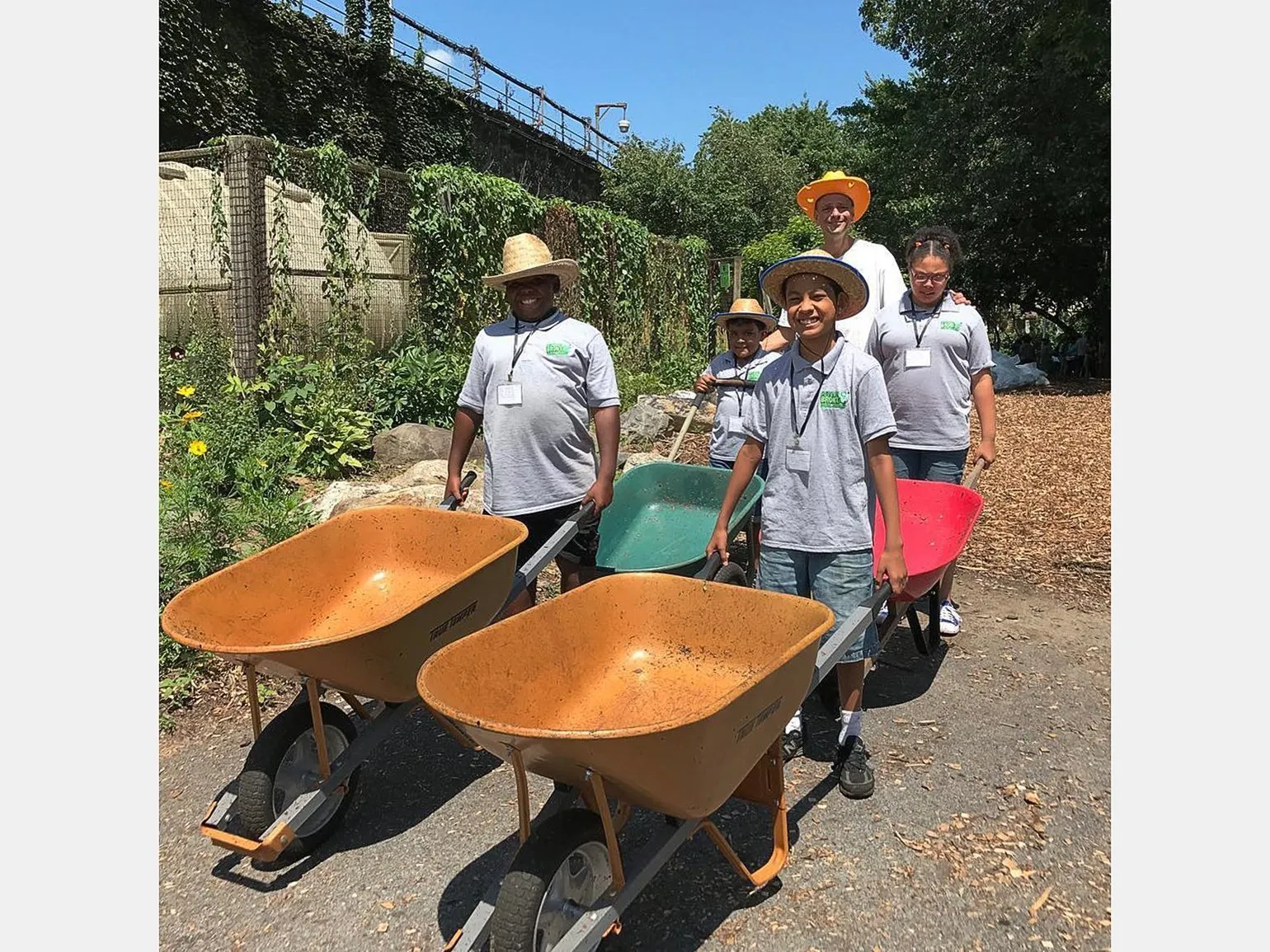
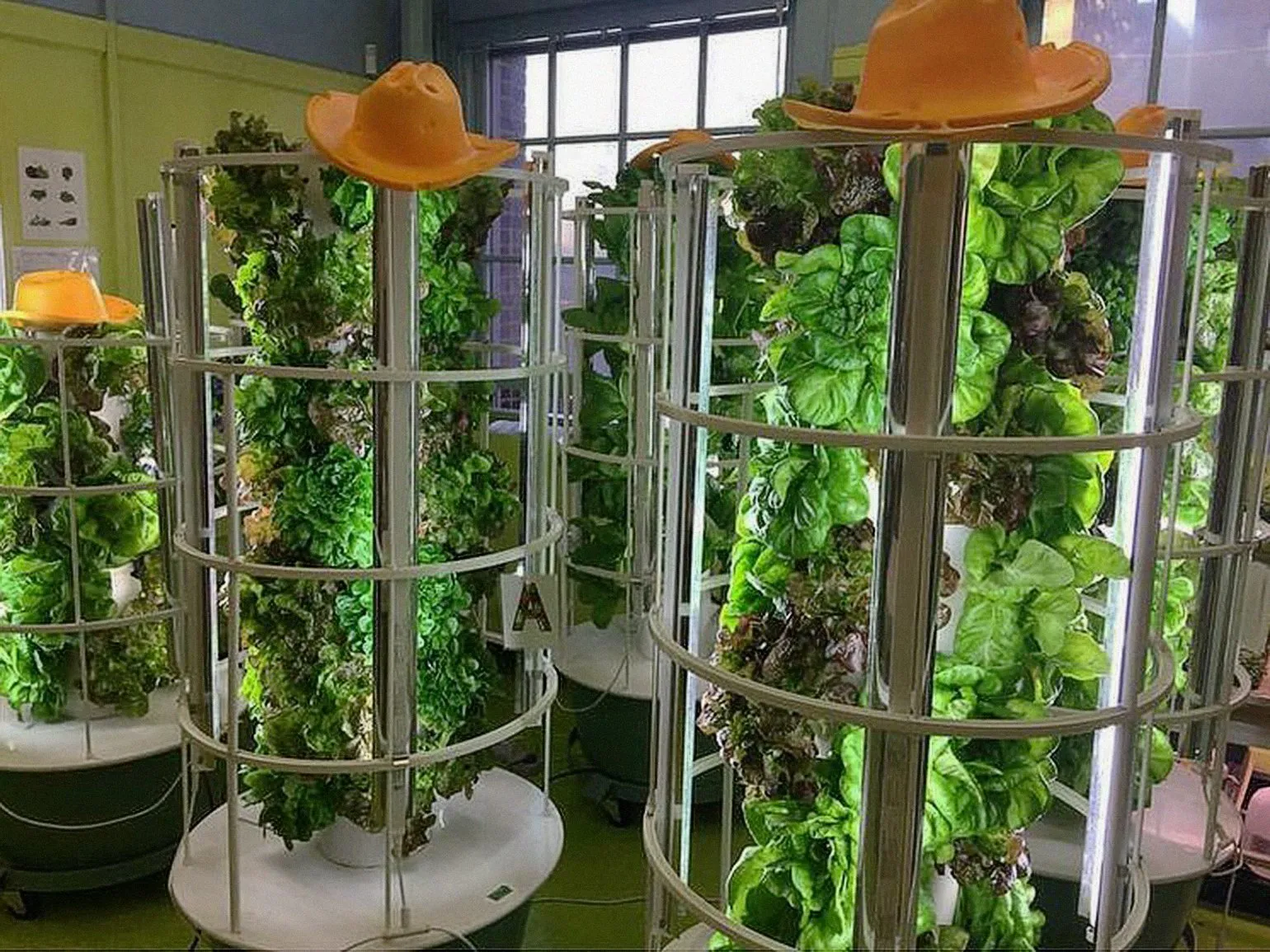
The idea to take up gardening came to the teacher completely unexpectedly. One day, he received a box of daffodil bulbs and, not knowing what they were, hid it behind the radiator in the classroom. Over time, the bulbs sprouted thanks to the warmth and humidity, and beautiful flowers began to bloom in the classroom. This unexpected experience inspired him to use gardening as a way to engage students in learning. Gardening became not only a fun activity, but also a way to teach children to care for nature and develop responsibility. Initially, they focused on landscaping abandoned areas of the neighborhood, planting flowering plants to improve the appearance. Over time, their efforts expanded to growing vegetables and edible herbs, integrating this into the educational process. Teacher Steven Ritz noted that gardening had a significant impact on student attendance and academic performance. "The students realized their responsibility, and attendance increased from 43% to 93%. Students come to school to care for their plants, striving for their prosperity. In the process, they themselves become more successful and develop. "It's wonderful because when my students' bodies are at school, their minds are there," he told The Guardian. Gardening not only improves academic performance but also instills in children a sense of responsibility and care for nature.
Steven Ritz's initiative has evolved into the non-profit Green Bronx Machine. This project supports American schools in creating their own agricultural programs aimed at teaching children the basics of healthy eating, raising environmental awareness, and developing useful life skills. Green Bronx Machine helps children develop a conscious attitude toward food and the environment, and also promotes community through hands-on interaction with nature.
A garden can even be started on a windowsill, which is ideal for small spaces. You only need seeds, planting containers, and a sunny spot. Expert Steven Ritz recommends starting with easy-to-grow crops such as herbs, lettuce, beans, and peas. His colleague, British teacher Becky Taylor, shares how she and her students plant pumpkin seeds in disposable cups in April. After sprouting and reaching the desired size, the seedlings are transplanted into larger containers and brought outside. This way, you can not only decorate your space but also teach children the basics of gardening. In Russia, windowsills are becoming mini-gardens, not only thanks to professional gardeners. In 2019, the educational project "Vegetable Garden on the Windowsill" was launched in five schools and twelve kindergartens in the city of Lobnya in the Moscow Region. As part of this project, children, together with teachers and caregivers, grew onions, basil, peas, and other plants right in their classrooms. This approach not only enriches students' knowledge but also develops their research and work skills, allowing them to immerse themselves in the world of agronomy and ecology. The project fosters responsibility and respect for nature in children, as well as instills an interest in healthy eating. The project has demonstrated its success and continues to gain popularity, attracting participants not only from Lobnya but also from other regions of Russia. Since 2020, it has collaborated with the N.I. Vavilov All-Russian Institute of Plant Genetic Resources, providing educational institutions with herb and vegetable seeds. One of the project's main achievements is fostering a love and interest in gardening in children. In some educational institutions, mini-gardens, previously located on windowsills, have been moved into the courtyards, turning into full-fledged garden plots.
Reworked text:
Also study:
- How student museums develop independence
- How the news agenda is used in teaching
- How drawing is used during non-artistic activities
School with pleasure: how to teach a child to study
You will get acquainted with different forms of education and determine which is right for your child. You will help him overcome academic difficulties and stop worrying about academic performance.
Find out more