
Contents:

Learn: Profession Game Designer from scratch to PRO
Learn MoreSid Meier is a remarkable game designer who is difficult to describe in just one word. He is a passionate fan of games and has been designing for almost 40 years. Meier founded two major game studios and is known for his contributions to the real-time strategy, simulation, and adventure game genres, as well as his interactive music program. His achievements have earned him the nickname "The Godfather of Video Games," emphasizing his influence on the industry and his importance in video game development.
He is the only person who, with a clear mind and a clear memory, can look you in the eye and say that he created civilization.

Early Career
Sid showed a passion for games from an early age. He was drawn to toy soldiers, board games, and card games. While studying computer science at the University of Michigan, he dreamed of running games on classroom computers. This desire became the impetus for studying programming, which opened up new horizons in the world of gaming. Sid aspired to create unique game projects that could inspire others and convey the same love of games he had experienced since childhood.
After completing his studies, he joined General Instrument, where he developed software for department store point-of-sale systems. In 1981, he began working with the Atari 800, which helped improve his programming skills. During this period, he began creating simple video games inspired by classics like Space Aliens and Pac-Man. He also actively studied specialized hacking magazines, which expanded his knowledge of programming and game development.
I once developed a space arcade game and placed it on the corporate network. The game turned out to be so addictive that it distracted employees from their work duties, which led to management demanding that it be removed.

There was a person in the company who highly appreciated Meyer's passion for games - Bill Stealey. During breaks at a business conference, colleagues were playing an arcade game, and Sid Meier's skill impressed him. He couldn't understand how Sid was winning so quickly. Meier explained that he could predict the actions of the artificial intelligence and added that he could significantly improve the game in two weeks. Bill invited him to work on this—this became the first step towards their further collaboration.
In 1982, MicroProse was founded, quickly becoming a renowned computer game developer. The company's founders, thanks to their experience and innovative approach, created a number of landmark projects that had a significant impact on the video game industry. MicroProse established itself as a pioneer in the creation of strategy and simulation games, attracting the attention of players worldwide.
Sid Meier's Pirates! was released in 1987 and has since been reissued several times. The game offers players a wide range of choices, making it unique in its genre. In Pirates! You can choose the historical period, character nationality, and playstyle, ensuring high replayability. Players can decide whether they want to plunder and kill or prefer peaceful trade. They can also become a devoted defender of their homeland or choose the path of a mercenary. All these decisions create a unique gaming experience that depends entirely on the player's choice.
The idea proved successful: Pirates won numerous awards at industry exhibitions and earned high praise from the press. This game had a significant influence on the development of many other projects, including SimCity, which later inspired Sid Meier to create Civilization. Of all the versions of Pirates, Pirates stands out! Gold, where exciting gameplay and updated graphics are harmoniously combined.
Disagreements with a partner, the first protégé, and the search for oneself
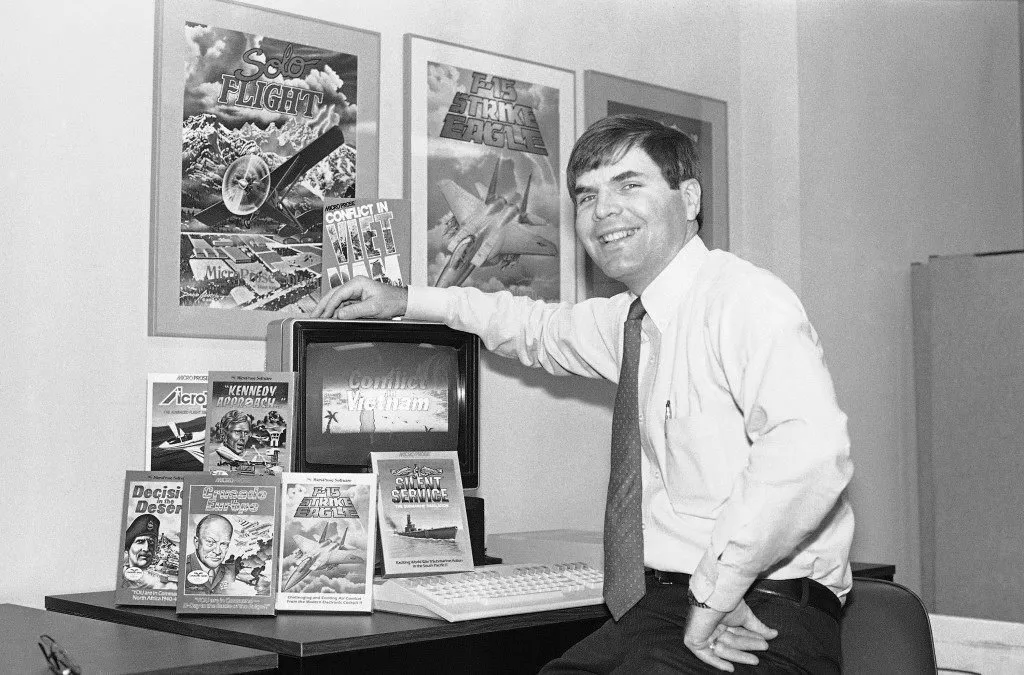
The company was doing well, but Bill Stealey was sure that arcade games would soon become popular again, so he invested heavily in that direction. Sid thought this was the wrong decision, but arguing about it was pointless. It became clear that managing one company was becoming increasingly difficult for him, especially considering that Meyer was more interested in game development than business.
Sure, but you have not provided the text for editing. Please insert the text you want to change, and I will help you with its processing.
We came to an agreement that Bill would buy out my share of the company. This decision will give him freedom of management, and will protect me from possible risks. Outwardly, the situation will remain unchanged, and no one except management will be aware of what is happening. I continued to work in my place, participate in meetings and interact with the same colleagues. However, from a legal perspective, I became an independent contractor and received compensation only for games I developed myself.
Sid Meier is a renowned video game developer who has made significant contributions to the entertainment industry. He rose to popularity through the creation of a series of strategy games, including the renowned Civilization. This game won the hearts of millions of players worldwide, offering engaging gameplay and deep strategy. With his innovative approach to game design, Sid Meier influenced numerous other games and developers. His work continues to inspire a new generation of gamers and developers, and his name has become synonymous with high-quality strategy games.
Sid Meier's Memoir, released in 2020, is a fascinating look at the life and career of one of the most renowned video game developers. In this book, the author shares his memories of the creation of iconic games like Civilization and discusses the impact that games have had on the industry. Memoir covers key moments in Meier's life, his approach to game design, and the philosophy behind his successful projects. Readers will learn about the development process, how ideas emerged, and what inspired him to create innovative game mechanics. This book will be a valuable resource not only for game fans but also for anyone interested in the history of video games and their development. Sid Meier's Memoir is not just an autobiography, but a real workshop on game creation, full of useful advice and inspiration for future developers.
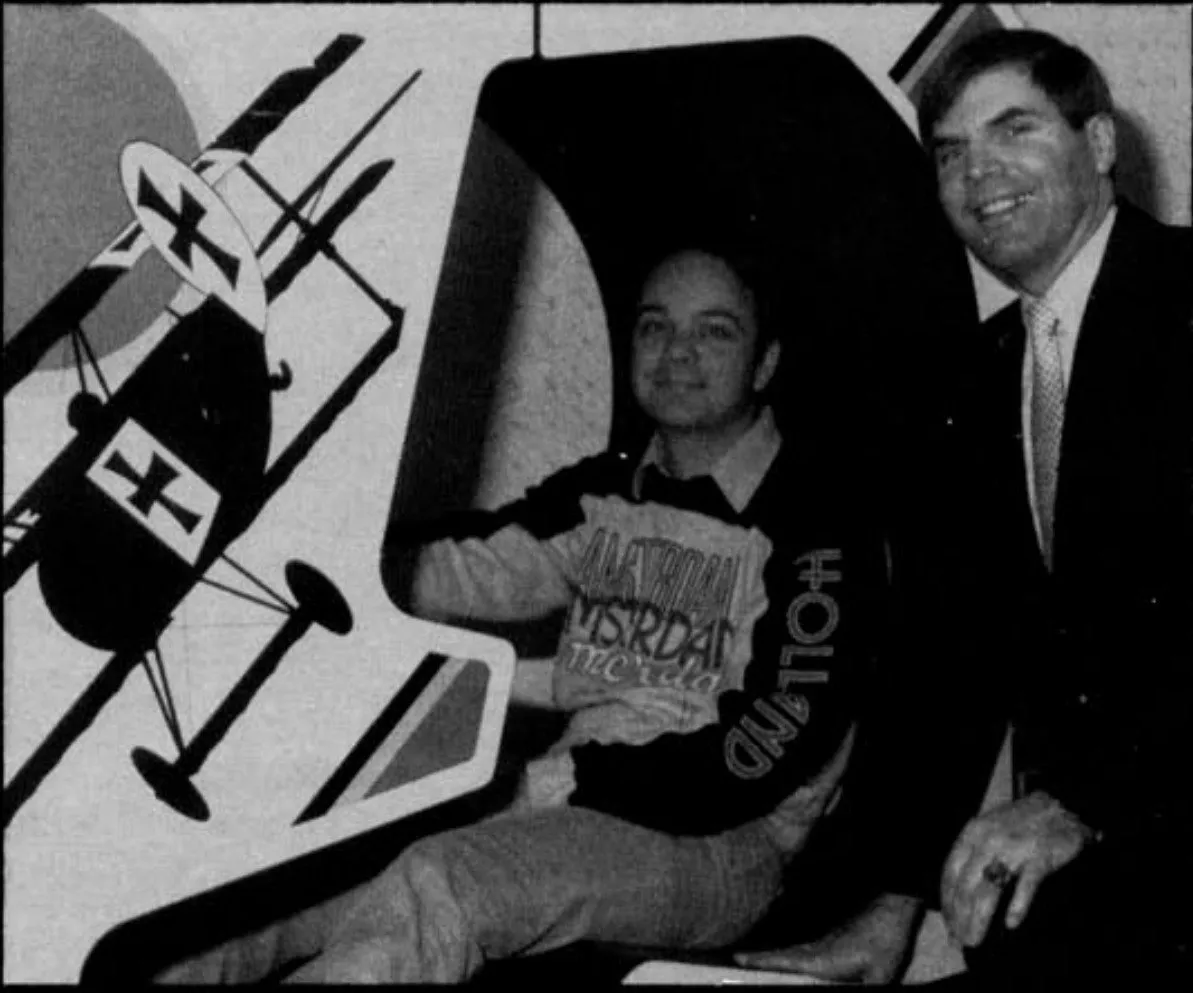
Sid He lost his say in the studio's new projects, but no one interfered with his current work. With the arrival of shareholders, Sid began to fear, which later proved to be true: the management could halt the development of his upcoming game, Civilization. However, having the necessary documents allowed him to focus on his tasks. In reality, no one wanted Sid to leave the studio, but the partnership began to strain.
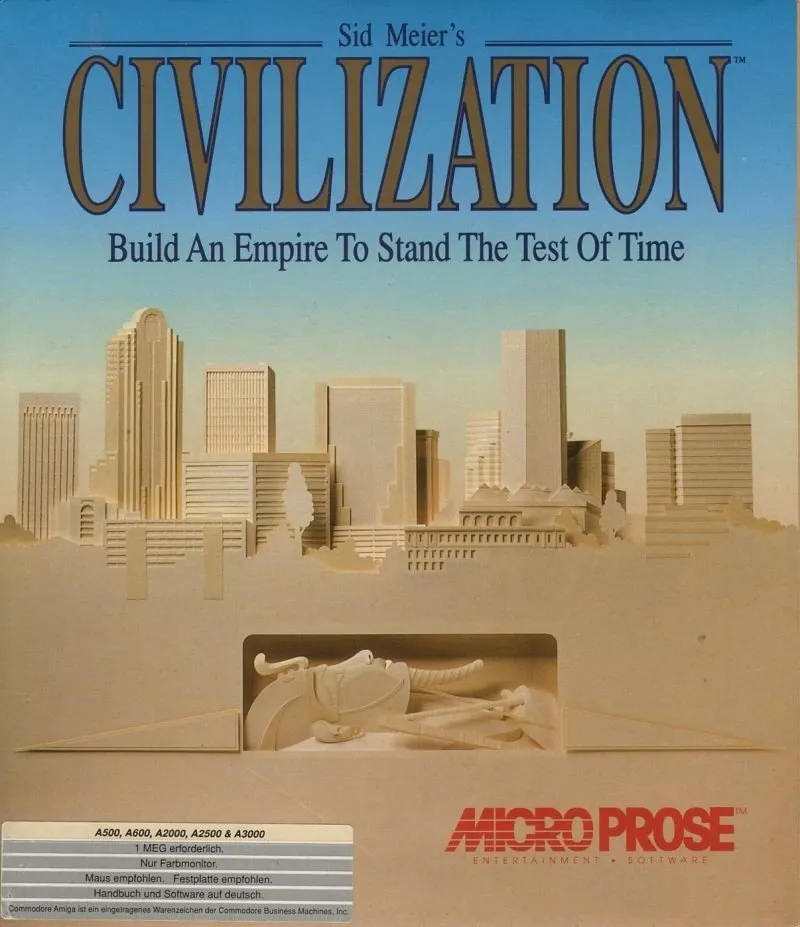
At this time, the game Sid Meier’s Civilization was released - a unique combination of Railroad Tycoon concepts and a number of SimCity mechanics. This game gave players unprecedented freedom to develop great civilizations over millennia. Like Pirates, Civilization offers a variety of strategies for success, including military dominance and victory in the space race.
A team of 8-9 people, including Sid Meier himself, worked on the game for a year. In 1991, another up-and-coming game designer, Brian Reynolds, joined MicroProse. He became one of Sid Meier's first protégés and went on to achieve significant success in the gaming industry.

On the first game, Rex Nebular and the Cosmic Gender Bender, Brian took the position of lead programmer. In 1993, he created several more similar games, such as Return of the Phantom and Dragonsphere. However, these adventures did not enjoy much success in the market. In contrast, Civilization was successful, but after its release, MicroProse focused its efforts on developing flight simulators. This genre was still profitable, although its popularity was declining.
In 1993, Bill Stealey sold MicroProse to his friend Gilman Louie, who at the time was the director of Spectrum HoloByte. This company was known for developing simulators. The deal was an important milestone in the history of both companies and had a significant impact on the video game market.
Brian Reynolds showed no interest in developing arcade games and decided to focus on creating strategy games. As a result, the first prototype was soon developed, combining elements of Civilization and Railroad Tycoon mechanics, with the action taking place during the Age of Discovery on a vast map of the New World, the size of which was approximately 64 times larger than the maps from Civilization. The prototype attracted attention and was presented to Sid Meier, who took Brian under his leadership.
I was engaged in game design, and Sid trained and mentored me. During this period, I learned many important aspects of game development from him. His experience and advice had a significant impact on my understanding of the game creation process.
Brian Reynolds is a renowned professional in his field who has achieved significant success and recognition. His achievements cover many aspects, including innovative projects and significant contributions to the development of the industry. Reynolds actively shares his experience and knowledge, inspiring the next generation of specialists. His work is distinguished by its high quality and creative approach, which makes him one of the leading experts. Stay up-to-date with Brian Reynolds' new projects to stay informed about the latest trends and discoveries in his field.
ARCADEATTACK, October 2019, marks a significant milestone in the development of the gaming industry. This month saw numerous events that impacted the video game market. Developers unveiled new projects and updates, and players were introduced to innovative technologies and game mechanics. Important announcements and releases attracted the attention of both enthusiasts and professionals, fueling a surge in interest in video games. This period became significant for the community, as it opened new horizons for gamers and developers.

Sid Meier, creator of the famous game series "Civilization," Meyer sought to create a project that would surpass his previous achievements. He recognized that working on several large-scale strategy games simultaneously could lead to burnout. Convinced of Reynolds' talent, he handed him the reins of Colonization, allowing him to focus on his own creative pursuits. As a result of this collaboration, Meyer, together with composer Jeff Briggs, developed a music application for the 3DO platform called C.P.U. Bach. This app marks a new step in his career, demonstrating his commitment to innovation and creative expression in the gaming industry.
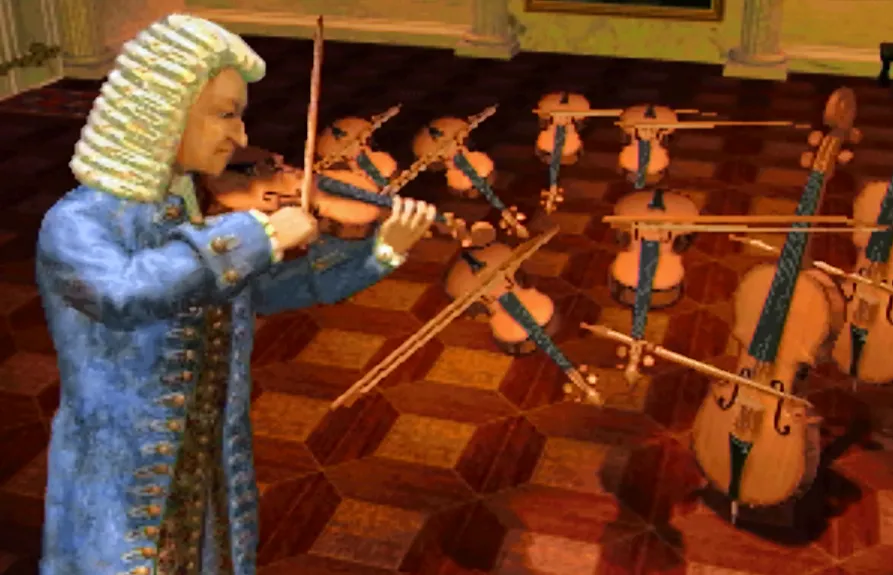
This application allows users to create unique musical compositions in the Baroque style. A wide selection of instruments is available, including choir, piano, cello, oboe, as well as strings, woodwinds, brass instruments, synthesizers, and many others. The ability to customize styles allows the music to adapt to the time of day and the created atmosphere, which makes the process even more engaging and interactive.
C.P.U. Bach offers two modes: a kaleidoscope, which functions as an equalizer, and a visualization mode in which the great composer himself performs works on various instruments. Animations of the musician and instruments are precisely synchronized with the notes, providing a realistic perception of the music. This combination of technology and art creates a unique experience for users, allowing them to dive deeper into Bach's musical work.
Unfortunately, the project was not successful, in part due to insufficient demand for the 3DO console. Meyer continues to call his game a "forgotten treasure," believing it came to market at the wrong time. Currently, when music and rhythm games are at the peak of popularity, C.P.U. Bach could have been a real hit. This game has unique potential that perhaps wasn't properly appreciated at the time.

Colonization, designed by Brian Reynolds, was released in 1994 Directed by Sid Meier, this strategy game puts players in the shoes of colonists seeking to establish and develop their colonies in the New World. Colonization brought new elements to the strategy genre, combining economic management and diplomatic relations. Players face various challenges, including interactions with natives and other colonists, making the game engaging and multi-layered.
The game is largely reminiscent of Meier's creation, but its primary goal is not to create a nation from scratch, but to seize control of an existing colony. The player must manage this colony, directing its efforts for the benefit of the Crown and sending resources to the Old World. Over time, the colonies become self-sufficient, and eventually the player must battle the Royal Navy. The game's successful sales have given Brian Reynolds the opportunity to continue working on similar projects, demonstrating the high audience interest in this genre.
Sid Meier's "Right Hand" and the Difficult Development of X-COM
One of Sid Meier's key students was Jake Solomon, who played a major role in expanding the development directions of Firaxis. Under his leadership, Firaxis began to explore new horizons, introducing innovative ideas and approaches to the gaming industry.

As a teenager, Jake was interested in the game X-COM: UFO Defense, published by MicroProse. His dream of becoming a programmer became a priority, and he even dropped out of medical school to study computer science. As time passed, Jake continued his studies, played X-COM, and dreamed of how he could revive the famous franchise. It's no surprise that he applied to this company.
Jake Solomon's talent and dedication contributed to his rapid career advancement. He took the position of Sid Meier's assistant and became the key link between the game designer and the rest of the team. Sid worked in solitude, focusing on writing code. To ensure the team of artists and programmers could effectively implement this code into the game, Jake Solomon acted as a liaison, explaining the game designer's requirements and wishes to the team. His ability to communicate ideas and concepts contributed to the successful implementation of projects and improved teamwork.
Assistant Meier's passion for X-COM: UFO Defense was well known throughout Firaxis, and his colleagues often made fun of him for it. Nevertheless, Jake remained persistent and persistently asked the management to give him the opportunity to realize his idea. In 2003, he was finally given this chance. Now he had a small team of experts and six months to develop the first prototype.
Of course, I am ready to help you with the text editing. Please provide the text itself that you want to change.
I was impressed by his enthusiasm. The X-COM concept is very close to me, and the idea of developing a new game in this series seems great and exciting to me. The main question is what to keep from the games of 5, 10, and 20 years ago, what to change, and how to successfully implement this in practice. What are X-COM fans' expectations, and how can we meet them?
Sid Meier is a renowned video game developer who has become a symbol of the strategy genre. His work has had a significant influence on the gaming industry, particularly through the Civilization series. Released in 1991, this game changed the face of turn-based strategy games, giving players the opportunity to manage a civilization from ancient times to the modern day. Meier also contributed to other successful projects such as Pirates! and Railroad Tycoon. His approach to game design, based on a deep analysis of historical events and mechanics, made his works not only entertaining but also educational. Sid Meier remains a significant figure in the gaming industry, his ideas inspiring a new generation of developers and players.
Polygon was founded in 2013 and has since become a major player in the world of video games. The platform offers a wide range of content, including reviews, news, and analytical articles, making it a valuable resource for gamers. Since its inception, Polygon has strived to provide up-to-date information on the latest industry trends, as well as in-depth analysis of games and their cultural impact. Through high-quality reporting and a professional approach to journalism, Polygon continues to attract the attention of both players and developers, remaining a leader in gaming media.
Jake Solomon was supposed to provide the answers to these questions.
The Civilization series is clear: it achieved enormous success and worldwide recognition. However, the X-COM revival took about a decade. After six months of working with a small team, Solomon demonstrated his long-awaited prototype, but the result was disappointing.
The engine was developed in-house, and the character models are free assets from Unreal Tournament. The soundtrack is borrowed from the film "Signs." The interface leaves much to be desired, and the game mechanics seem chaotic and lack clear logic.
The project is complete.
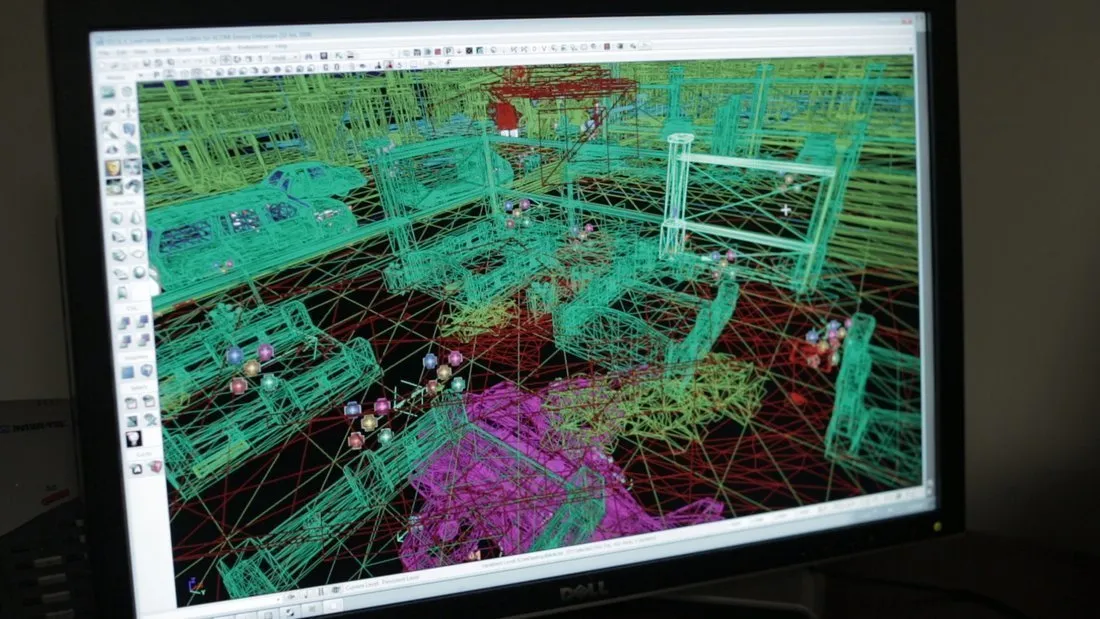
Four years later, when the company needed to develop a new direction, Jake was given a second chance. There were many challenges, and the long-awaited "vertical cut" in 2009 generated mixed reviews among employees. However, this moment proved pivotal for Jake's growth as a game designer. He overcame obstacles and refined his skills, which subsequently had a positive impact on his career and the success of the company's projects.
To combat stress during difficult times, Solomon chose an unusual method: spending hours in his mentor's office. Sid Meier's office reflects the intellect of a man immersed in thought. The shelves are filled with books, board game boxes, photographs, and various trinkets. However, Jake's favorite piece of furniture was a plush, bright green La-Z-Boy chair. Solomon believed the chair had special properties that promoted concentration and clarity of thought. He called it "therapeutic," and in moments of extreme stress, he often spent time there, finding peace and inspiration.
When Meier entered the office and noticed his protégé sitting in the green chair, he knew it was time for an important conversation. Over the years at the studio, Sid and Jake became not only colleagues but also close friends. Both programmers share a passion for games, but their personalities and approaches to work differ significantly. This diversity in personalities and methods creates a unique atmosphere within the team and promotes the development of innovative ideas.
We are all unique and different from each other. It may seem strange, but for me, he has become a father figure and plays a significant role in my life.
Jake Solomon is a well-known figure in his field. He has established himself as a professional with outstanding skills and experience. His achievements and contributions to the development of the industry do not go unnoticed. Jake is actively involved in various projects aimed at improving the quality of work and implementing innovative solutions. His approach to work combines creative thinking and strict discipline, which allows him to achieve high results.
Among his key competencies is the ability to analyze complex situations and find optimal solutions. Jake Solomon also actively shares his experience with colleagues, which contributes to the development of a professional community. His expertise and leadership qualities make him a valuable asset to any team.
In today's increasingly competitive world, Jake's success serves as an example for many. He inspires others to strive for high achievements and not be afraid to face challenges.
Polygon was founded in 2013 and quickly established itself as one of the leading sources of news and analysis in the video game industry. Since its inception, the site has become a platform for discussing current gaming industry topics, reviews, write-ups, and materials on the cultural aspects of video games. Polygon focuses on creating quality content that engages both gamers and the general public seeking a deeper understanding of the world of video games. By constantly updating information and adapting to new trends, Polygon continues to be a vital part of the gaming culture media landscape.
Sid understood Jake's feelings because he had found himself in similar situations many times. He called these moments "the valley of despair." During such periods, life seems joyless, and all efforts seem futile. Sid understood the importance of supporting each other during such difficult times, because it is in the "valley of despair" that we can find the strength to overcome difficulties and reach new levels.
You start your project with high hopes and a clear vision, imagining what your game will be and how it will delight players. However, as you delve deeper into the development process, you may find that not everything is working as expected, and the graphics don't look as attractive as planned. At times like these, you may wonder: are you really the only one who enjoys this game? At this stage, you'll need faith and confidence in your project to overcome the so-called "valley of despair." Keep in mind that many developers face similar challenges, and it's important to keep working on improving your game to achieve your desired outcome.
Sid Meier is a prominent video game developer known for his innovative approaches to strategy games. He is best known for the Civilization series, which has become a classic of the genre and has had a significant influence on the development of strategy games. Meier employs unique gameplay mechanics that captivate players and allow them to immerse themselves in complex historical scenarios. His work has won numerous awards, and he continues to inspire a new generation of developers. Sid Meier remains an iconic figure in the video game industry, his approach to creating engaging content and attention to detail make his games truly unforgettable.
Polygon is a company founded in 2013 that has established itself as a leading player in the video game development and publishing space. Since its inception, Polygon has been actively covering gaming industry news, conducting reviews, and providing analytical materials. The platform attracts gamers with high-quality content, which includes both written and video materials. Polygon's expertise in gaming has made it a trusted source of information for millions of users worldwide. The company continues to evolve year after year, adapting to emerging trends and technologies to stay at the forefront of the entertainment industry.
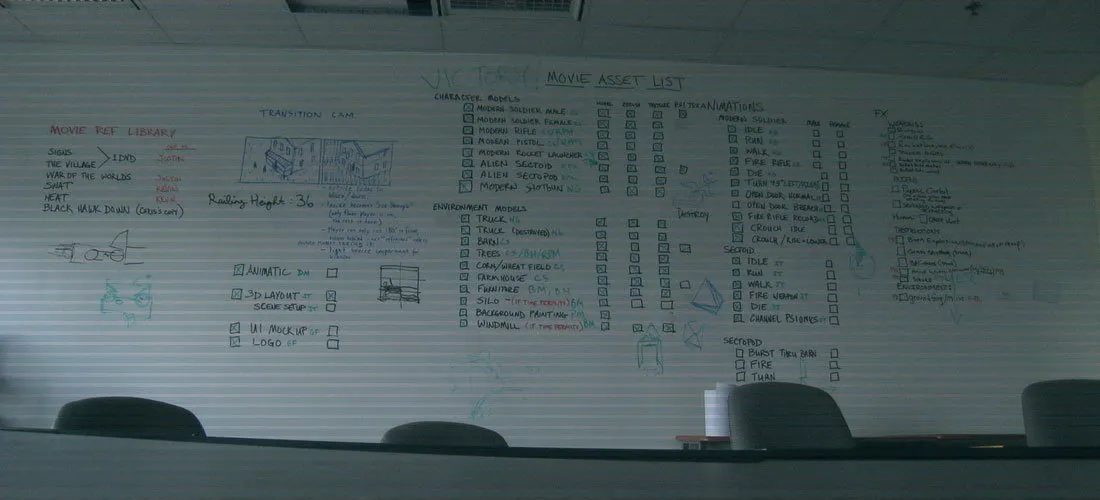
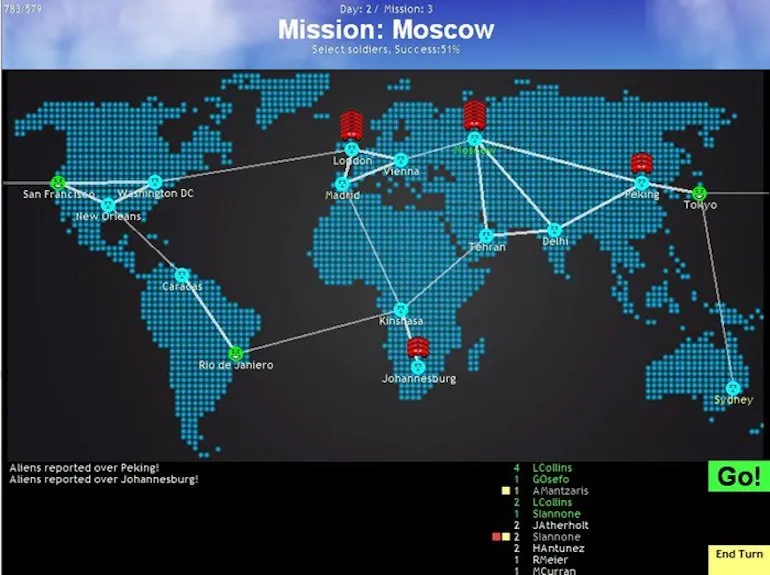
Jake realized he needed to start from scratch after a year of underperforming. This decision upset his colleagues, but it was an important step toward success. With Sid's help, he defined a new concept for the project. Meier and Solomon proposed several ideas that formed the basis of a prototype of the X-COM strategy game. During development, they used maps, tank models, and elements from the board game Risk. The team worked actively, drawing on paper and a whiteboard, planning the alien invasion of Earth and the players' actions in each turn. This approach helped create unique game mechanics and lay the foundation for engaging gameplay.
The designers spent a lot of time playing the homemade board game and analyzing its mechanics. During the discussion, they came to an important decision: whether the new X-COM game would be turn-based or real-time. Meier suggested that Solomon create their prototypes over the weekend and then meet early in the week to compare results. Sid focused on the turn-based version, while Jake developed the real-time prototype. After testing both versions, they concluded that Solomon's build was the more successful. This prototype became the basis for further work, and some elements from Meyer's step-by-step concept were integrated into it. Solomon later noted that without Meyer's support, he would not have been able to achieve such results.
The creator of the original X-COM series, Julian Gollop, expressed high praise for the reboot of the game and admitted that the team Firaxis achieved what he had failed to do for many years. This underscores the significance and success of a new take on a classic strategy game, satisfying both existing fans and attracting new players.
Sid Meier mentored a new game designer who opened a new direction for Firaxis and achieved success on par with the Civilization series. Jake Solomon, unlike Sid's previous students, continues his career at Firaxis Games as Creative Director and is actively involved in the development of the X-COM franchise.
What is Sid Meier doing now?
Sid Meier, who has been actively working in the gaming industry for over 38 years, continues his career at Firaxis as Director of Creative Development. He has not retired and is still involved in developing new ideas and programming. His contribution to game creation remains significant and inspiring for many players and developers.
In an interview with the MinnMaxShow channel, Sid shared that he has continued working from home since the onset of the pandemic. He devotes his morning hours to developing new concepts, mulling them over breakfast, in the living room, and even while showering. In the afternoon, Sid chats with colleagues, discussing ideas that could be implemented in games. He also plays Minecraft occasionally and continues to be fascinated by the game.

In 2020, Sid Meier, together with writer Jennifer Lee Noonan, released a book "Sid Meier's Memoirs: A Life in Computer Games." In this work, he shares stories about his life and career in the computer games industry. The book provides a unique perspective on the author's creative process and achievements, as well as the development of gaming technology and culture.
Meier explains the need to write the book by the fact that in the past, people did not have modern technology such as smartphones for photography or video recording. As a result, many significant moments of his career remained under the radar. In this book, Meier provides a personal perspective on the development of the gaming industry, analyzes the psychology of gamers, and shares his understanding of the creative process. In addition, he reveals his rules of game design, which makes this book a valuable source of information for anyone interested in game development and its peculiarities.
What will happen to the Civilization series? Will Sid Meier return to its development? In an interview with The Independent in September, Sid noted that he probably could not create a similar game now. In the 1990s, the gaming industry and player preferences were vastly different. Civilization emerged at a time when its concept was particularly relevant. Over time, not only games have changed, but also the perception of time by players, which contributed to the popularity of the session format.

Sid Meier made a significant contribution to the gaming industry and became a source of inspiration for many game designers. He has no plans to retire and intends to continue creating games throughout his life. In his opinion, working in the gaming industry is the best job in the world.
Game designer profession from scratch to PRO
A game designer creates the structure of a game. They develop the concept, rules, and gameplay, and decide what emotions the story will evoke in players. You'll master game design principles from scratch and learn how to work with popular engines like Unity and Unreal Engine. You'll learn how to keep players engaged and monetize your games. And we'll help you start a career in the gaming industry.
Find out more