Contents:

Learn: School with pleasure: how to teach a child to study
Learn more
A research fellow at the Laboratory of Educational Law at the Institute of Education at the National Research University Higher School of Economics studies issues related to legal regulation in the field of education. Specialization includes analysis of legislation, development of recommendations for its application and participation in research projects aimed at improving the educational system. An important part of the work is interaction with other researchers and educational institutions to exchange knowledge and implement best practices in the field of educational law.

An analyst at the Laboratory of Educational Law at the Institute of Education of the National Research University Higher School of Economics conducts research and analysis of aspects of educational legislation. The laboratory's specialists develop recommendations and proposals for improving legal regulation in education. Their work focuses on studying current issues in educational law, thereby improving the quality and accessibility of educational services. Analysts actively participate in scientific projects and publish research results, which makes their contribution significant for the development of the educational system in Russia.

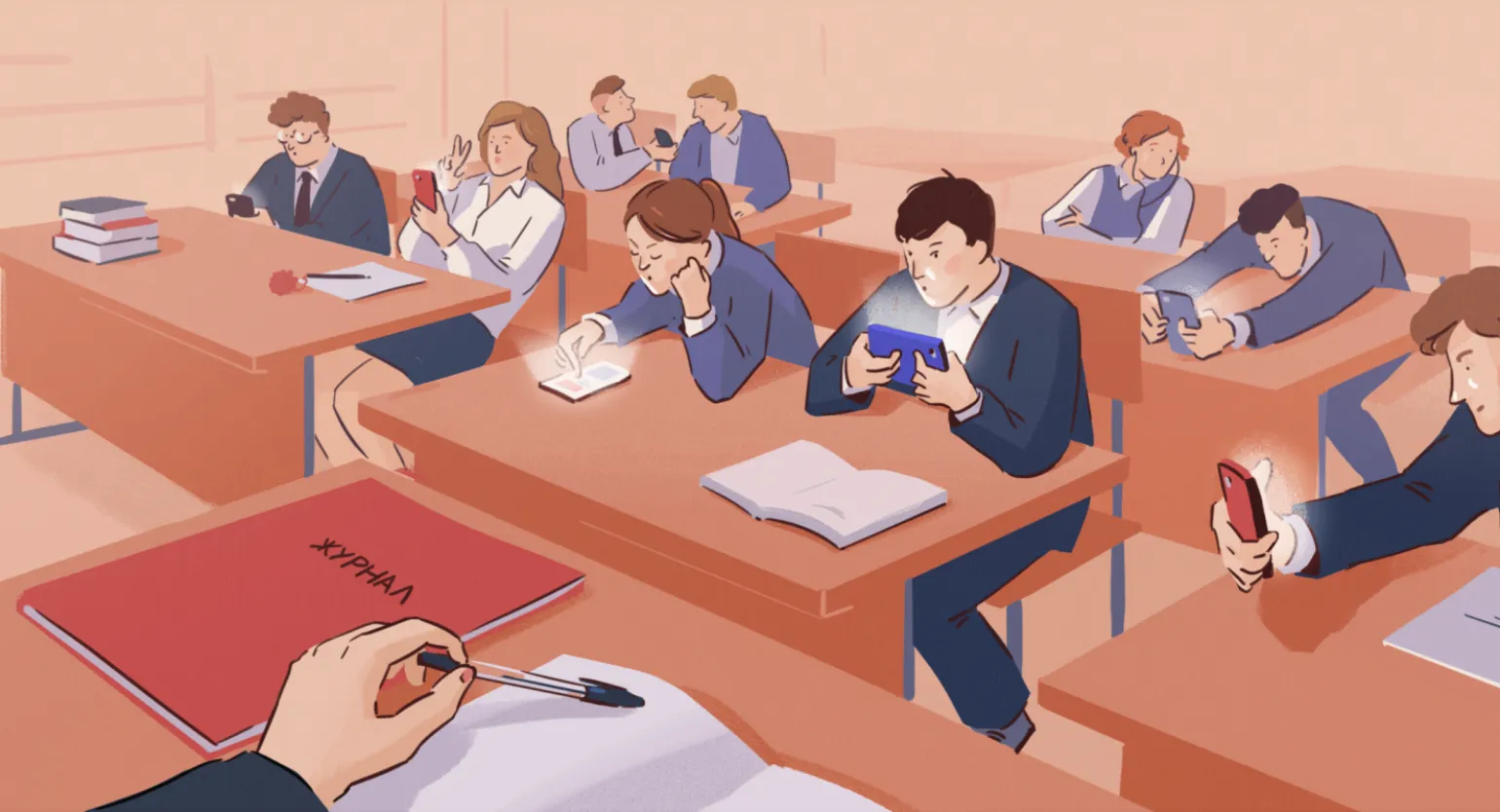
An analyst at the Laboratory of Educational Law of the Institute of Education of the National Research University Higher School of Economics conducts research in the field of educational law, analyzing legislative initiatives and their impact on the education system. The analyst's primary role is to evaluate the legal aspects of educational processes and develop recommendations for improving legislation and enhancing the quality of education. This specialist actively participates in scientific research, publishes articles and reports, and collaborates with educational institutions to implement best practices and enhance legal frameworks governing education. A ban on smartphone use in school is not an obvious step. To ensure compliance, it must be clearly stated in the school's internal regulations. Using vague language, such as "maintaining discipline," can lead to misunderstandings between the school and students' parents. In the event of a dispute and possible legal action, it is unclear whether smartphone use during classes will be considered a disciplinary violation. Currently, there are no registered court cases of this kind. A ban on smartphone use in school is not an obvious solution. If you want such a ban to be enforced, it is important to clearly state it in the school's internal regulations. Using vague language such as "discipline" can lead to conflicts between the school and parents. In the event of a court case, it is unclear whether smartphone use during class will be considered a disciplinary violation. To date, no such cases have been heard in court. Clearly defining rules will help avoid misunderstandings and ensure a stable learning environment.
School rules can prohibit the use of smartphones on school grounds, both during lessons and during breaks. However, compliance with these rules will depend on students' voluntary consent. If a child refuses to put away their smartphone, return it before class, or refuses to bring it to school at all, the administration will have no legal basis for confiscating the device. This creates difficulties in enforcing these rules and requires additional attention to instilling responsibility in students.
There are sanitary regulations that limit the use of mobile communications for educational purposes. These rules relate to the organization of the educational process and are established by school administration and teachers. Simply put, educational assignments that require the use of smartphones are prohibited. However, students having personal phones at school and using them for personal purposes does not violate these rules.
Banning smartphone use at school can cause discontent among parents, who strive to maintain contact with their children in emergency situations. Parents are concerned about not receiving timely information about their children's safety, highlighting the importance of communication tools in the educational process. Such restrictions can lead to conflicts between school administration and families, which requires careful consideration and the search for an optimal solution that takes into account the interests of both parties.
A smartphone, like any other property, is the personal property of the student or their parents. Disposing of someone else's property without permission is illegal. Such actions may result in administrative liability for abuse of power, according to Article 19.1 of the Code of Administrative Offenses of the Russian Federation, if the child's parents decide to contact law enforcement. It is important to be aware of the legal aspects of using and handling personal belongings to avoid unpleasant situations.
Teachers may face serious consequences for violating their duties, including disciplinary action and even dismissal. Such actions may be considered a violation of the legal, moral, and ethical standards established for teaching staff, according to Part 1 of Article 48 of the Law "On Education in the Russian Federation." The likelihood of administrative action depends on the position of the educational institution's management and the teacher's behavior in a particular situation. It is important to remember that compliance with professional ethics and standards of conduct is a key aspect of successful teaching.
Although the school's internal regulations may specify that teachers have the right to confiscate mobile phones, such a condition will be considered illegal. Discipline in an educational institution must be maintained exclusively through legal means. It is important that school rules comply with current legislation and protect the rights of students.
Methods of pedagogical influence may include inviting parents to school or making entries in the diary. In this process, you have the right to rely on the following aspects:
- internal school documents stating that the use of smartphones is prohibited in lessons;
- sanitary rules stating that smartphones are not used for educational purposes (this is in case the child claims that they used the phone in class not for entertainment, but for studying).
According to Article 43 of the Law "On Education in the Russian Federation," students are obliged to comply with the requirements of the school charter and internal regulations. Violation of these rules may result in disciplinary action. If the school's internal regulations clearly prohibit the use of smartphones, then students who violate this prohibition may be subject to measures such as a reprimand or warning. However, the decision to apply disciplinary action is not made by the teacher independently; it is formalized by an order of the school principal in compliance with the established procedure for holding students accountable. This order is communicated to the student and their parents against signature. It is important to note that not every student can be subject to disciplinary action, and this is determined depending on the specific circumstances and the nature of the violation.
According to Article 43 of the Law "On Education in the Russian Federation," disciplinary measures cannot be applied to elementary school students, as well as to students with disabilities, including mental retardation and various forms of intellectual disability. This law protects the rights of the most vulnerable categories of students and emphasizes the importance of an individual approach to their education. Supporting and creating a comfortable educational environment for such children promotes their development and socialization, which is a priority for modern education in Russia.
It is important to consider the specific circumstances surrounding the child's use of the phone. It is necessary to analyze the reasons why the student resorted to this device, their reaction to the teacher's verbal warning, and whether this is the first disciplinary violation. According to the law, when choosing a disciplinary measure, the educational institution must take into account the severity of the disciplinary offense, its causes and circumstances, the student's previous behavior, as well as their psychophysical and emotional state. In addition, it is important to consider the views of student councils and parents to ensure a fair approach to disciplinary measures.
There is a strict procedure for applying disciplinary measures to students, which schools are required to adhere to, both in terms of timing and sequence of actions. This procedure is established by Order No. 185 of the Ministry of Education and Science of the Russian Federation dated March 15, 2013. Adherence to these standards ensures the fair and transparent application of disciplinary measures, which contributes to the creation of a favorable educational environment.
Expulsion from school is an extreme disciplinary measure and should not be applied for smartphone use, as it is too harsh. Expulsion is only possible in certain cases:
- if the child has reached the age of 15;
- with the consent of the juvenile affairs commission;
- for repeated disciplinary offenses;
- if previous measures have been unsuccessful, and the student's continued presence at this school has a negative impact on other children, violates the rights of teachers and the normal functioning of the school.
Explain to children that such actions not only cause you discomfort, but are also illegal. This may lead to legal consequences, which they must understand. It is important to convey to them that respect for others and compliance with the law are the basis for safe and harmonious communication in society.
According to the legislation of the Russian Federation, posting photographs or videos depicting other people on the Internet, including social networks, without their consent is a violation. This rule is based on the provisions of the Civil Code of the Russian Federation and Federal Law No. 152-FZ of July 27, 2006, "On Personal Data." Obtaining consent is mandatory to protect privacy rights and comply with personal data protection regulations. Therefore, before publishing any materials containing images of others, it is important to obtain their permission in advance.
A person's image is an object of civil rights and an intangible asset. The publication of images, including photographs and videos, requires the person's consent in accordance with Article 152.1 of the Civil Code of the Russian Federation. This rule protects the personal rights and interests of citizens, excluding the possibility of using their images without permission. Accordingly, for the lawful publication of images, it is necessary to obtain the consent of the relevant persons in advance.
A person's image, whether a photograph or video, is considered their biometric personal data. This data reflects physiological and biological characteristics that allow for identification of an individual. The Law "On Personal Data" emphasizes the importance of protecting this information, as it can be used to identify an individual and requires special handling. The processing of biometric personal data is regulated by strict rules and is permitted only with the written consent of the data subject. Processing refers to all actions related to data, including collecting, recording, accumulating, storing, distributing, and providing access to this data. The processing of personal data may include photographing or videotaping a person, as well as storing and publishing such materials on social media or other public sources. These actions are aimed at systematizing and long-term storing of information. However, the boundaries between civil law and the rules regarding the protection of personal data may not always be clearly defined, which creates additional difficulties in understanding and applying the legislation. The Law "On Personal Data" and the Civil Code of the Russian Federation contain certain exceptions that do not require consent for the use of photographs and videos. However, cases involving photography and video recording in the classroom during regular classes do not fall under these exceptions. It is important to note that using people's images in such situations requires their consent to avoid violating personal data protection laws.
Publishing offensive videos or photographs online, including derogatory captions, may be classified as an administrative offense under Part 2 of Article 5.61 of the Code of Administrative Offenses of the Russian Federation. Insults carry a fine of 5,000 to 10,000 rubles. This offense may also be classified as petty hooliganism, which carries more serious penalties—a fine of 30,000 to 100,000 rubles. In the case of repeated offenses among minors, the fine may increase to 100,000 to 200,000 rubles, or may result in arrest for up to 15 days. It is important to be aware of the legal consequences of online publications and exercise caution when posting content.
Processing personal data without the subject's written consent is considered an administrative offense. This violation carries a fine of 5,000 to 10,000 rubles, according to Part 2 of Article 13.11 of the Code of Administrative Offenses of the Russian Federation. It is important to remember that compliance with personal data legislation is mandatory for all organizations and individual entrepreneurs to avoid liability and protect the rights of citizens.
It is important to note that only individuals who have reached the age of 16 at the time of the offense may be held administratively liable. This rule regulates the liability of minors and determines the age limit for administrative liability.
In the event of a lawsuit, a teacher has the right to demand compensation for moral damages. However, it is worth noting that courts in most cases award rather modest amounts. However, there is a known case where a court awarded a teacher 100,000 rubles in moral damages from a schoolchild's parents.
If we're talking about younger children, parents can be held liable for failure to fulfill their responsibilities in raising minors in accordance with Article 5.35 of the Code of Administrative Offenses of the Russian Federation. This can serve as a deterrent. However, the penalties are limited: parents can be issued a warning or fined between 100 and 500 rubles. It's important to remember that high-quality parenting requires not only compliance with the law but also responsibility on the part of parents.
The first step is to talk to the students and their parents to request the removal of the video. Be sure to report the incident to school management. If the situation requires further intervention, the Juvenile Affairs Commission should be involved. If the video is posted on social media or video hosting sites, it is recommended to contact the platform's administration and request its removal. This approach will help effectively resolve the issue and protect the interests of all participants.
If the video is not removed, you have the right to file a lawsuit against the site administration under Part 3 of Article 152.1 of the Civil Code of the Russian Federation. In addition, you can seek compensation for moral damages. It is important to note that parents are responsible for the actions of a child under 14, including the obligation to pay compensation. However, it is best to avoid litigation, as this process can be lengthy and costly. Furthermore, there is no guarantee that the court will uphold your claim and award adequate compensation. It is recommended to try to resolve the issue peacefully before resorting to legal action.
Posts of videos or photographs of students online, whether on a blog or social media, must comply with certain rules. It is important to obtain consent for the use of images or video materials. This is especially true for children under 14, who require the consent of their parents or legal guardians. This rule ensures the protection of personal information and the rights of children, which is especially important in today's digital world.
There is an exception to the general rule. If the people in a group photo have clearly consented to being photographed and have not prohibited the publication and use of the image, then one of these people has the right to publish and use the photograph without the need to obtain additional consent from the other participants in the photo. However, this rule does not apply in cases where the image contains private information about the said persons. This information is contained in the Resolution of the Plenum of the Supreme Court of the Russian Federation of June 23, 2015, No. 25 "On the application by the courts of certain provisions of Section I of Part One of the Civil Code of the Russian Federation."
If you are photographing yourself with students who are already 14 years old, then it can be assumed that if none of them object, then this is legal. However, for children under 14, you must obtain parental consent before publishing photos or videos on social media. Otherwise, if parents object to you publishing their child's image, you could be considered a criminal offender. Asking parents for permission will help avoid conflicts and protect you from potential legal consequences. Ideally, it's best to obtain consent in the form of a signed paper document. This will simplify the process of proving consent in the event of a dispute. However, according to the Civil Code, consent can be not only written but also verbal, as well as through implied actions, when a person expresses consent through their behavior. The Supreme Court of the Russian Federation clarified that verbal consent, for example, asking, "Can I publish a video of you on my VK?" "Yes, of course!" may be sufficient. It's important to remember that for children under 14, parental consent is required. If you plan to record part of a lesson and post it on your blog, it's best to announce this in the parent chat and ask, "Do you mind?" This not only complies with the law, but also respects the rights of others.
Even if parents have signed consent forms for the use of their children's images, this does not automatically extend to photos and videos taken by teachers for personal purposes. When you organize filming for your personal blog or archive, you are acting as a private individual, not on behalf of the school. In this case, consents obtained in the name of the school are not valid. Therefore, it is important to clarify the terms of use of children's images to avoid violating rights and data protection laws.
The situation and context of the filming play a key role in determining the legality of recording an incident. Witnesses may record events in the interests of the victim, which would be considered in the public interest. In this case, the video has a right to exist and may serve as the basis for an investigation, including possible action against the teacher if they failed to prevent the humiliation of a child or a fight among students. However, if such a recording is published online, it can become a tool for bullying. In this case, its distribution may be classified as petty hooliganism under Article 20.1 of the Code of Administrative Offenses of the Russian Federation or as an insult under Article 5.61 of the Code of Administrative Offenses of the Russian Federation. A proper assessment of the situation will help avoid legal consequences and protect the rights of all parties to the incident.
Read also:
- Ban on mobile phones for children at school: the opinions of parents and teachers
- Researchers have identified the reason for the development of clip-based thinking in schoolchildren
- Scientists have discovered how the digital environment affects the psyche of schoolchildren
The school's internal regulations may prohibit the use of smartphones both on the premises of the educational institution and during lessons. However, there is a problem with enforcing these rules, as students may not comply with these conditions. If a child decides not to put away their smartphone, not to hand it in before class, or not to leave it at home at all, the school will not be able to legally take the device away from the student. This creates difficulties in maintaining discipline and focusing on the educational process.
There are sanitary rules that limit the use of mobile communications in the educational process. These rules relate to the organization of the educational process, established by the school administration and teachers. In particular, it is prohibited to assign assignments that require the use of smartphones. However, students are not prohibited from having personal phones at school and using them for personal purposes. This allows students to stay in touch without violating established standards.
A ban on the use of smartphones in school can lead to dissatisfaction among parents, since it is important for them to stay in touch with their children in emergency situations. Parents are concerned that lack of access to mobile phones may hinder the ability to quickly contact their child if needed.
A smartphone, like other items, is the personal property of a student or their parents. Unlawful disposal of someone else's property is illegal. Such actions may be classified as an administrative offense, specifically, arbitrary action, under Article 19.1 of the Code of Administrative Offenses of the Russian Federation. If the child's parents contact the police, this may entail appropriate consequences.
Possible consequences for the teacher may include disciplinary action, up to and including dismissal. Such actions may be interpreted as a violation of the duties of teaching staff, including compliance with legal, moral, and ethical standards, as well as professional ethics requirements, in accordance with Part 1 of Article 48 of the Law "On Education in the Russian Federation." However, the likelihood of administrative sanctions depends significantly on the position of school management and the teacher's behavior in a specific situation. It is important to remember that adherence to professional standards and norms is the foundation for a successful career in education.
Although the school's internal regulations may specify that the teacher has the right to confiscate a phone, such a provision would be considered illegal. Discipline in educational institutions should be maintained exclusively using methods that comply with the law. It is important that measures taken to maintain order respect the rights of students and do not violate their legitimate interests. Establishing clear and legal rules will help create a safe and respectful educational environment. Pedagogical intervention methods may include inviting parents to school or recording comments in the diary. In this context, you can rely on the following principles: Internal school documents, which stipulate that smartphones are not allowed in lessons; Sanitary regulations, according to which smartphones are not used for educational purposes (this is in case the child claims that they used the phone in class not for entertainment, but for study). According to Article 43 of the Law "On Education in the Russian Federation," every student is obliged to follow the charter and internal regulations of the educational organization. Violations of these rules may result in disciplinary action. If a school's internal regulations clearly prohibit the use of smartphones, students who ignore this prohibition may be subject to warnings or reprimands. However, the decision to impose disciplinary measures is not solely the teacher's responsibility; this action is formalized by a principal's order. The disciplinary procedure must be followed, and the student and their parents must be notified in writing. It is important to note that not every student can be subject to such discipline, depending on a number of factors, including the nature of the violation and previous disciplinary actions.
According to Article 43 of the Law "On Education in the Russian Federation," disciplinary action against elementary school students and students with disabilities, including mental retardation and various forms of intellectual disability, is unacceptable. This provision emphasizes the importance of creating a supportive and inclusive educational environment where respect and understanding are the fundamental principles of interaction with students. Educational institutions should focus on adapting teaching and learning methods to ensure that every child has the opportunity to thrive in a comfortable environment that fosters personal and social development.
When considering a student's phone use, several factors must be considered. It is important to understand why the child used the device, how they responded to the teacher's reprimand, and whether this was their first disciplinary infraction. According to the law, when deciding on disciplinary action, the school must evaluate the severity of the offense, the reasons and circumstances surrounding it, and the student's previous behavior. Equally important are the student's psychophysical and emotional state, as well as the opinion of the student council and parents. This comprehensive approach allows for a fair assessment of the situation and informed decision-making.
There are strict rules for applying disciplinary measures to students, which the school is obligated to adhere to, both in terms of timing and sequence. This procedure is established by Order No. 185 of the Ministry of Education and Science of the Russian Federation dated March 15, 2013. Compliance with these standards ensures the fair and transparent application of disciplinary measures, which, in turn, contributes to the creation of a favorable educational environment.
Expulsion from school is an extreme disciplinary measure and, in the case of smartphone use, appears as excessive punishment. Expulsion is only possible in the following cases:
- if the child is 15 years old;
- with the consent of the juvenile affairs commission;
- for repeated disciplinary offenses;
- if previous measures have been unsuccessful, and the student's continued presence at this school has a negative impact on other children, violates the rights of teachers and the normal functioning of the school.
Explain to children that such actions not only cause you discomfort, but are also a violation of the law, which can lead to legal liability. It is important to convey to them that understanding the consequences of their actions will help avoid unpleasant situations in the future.
According to Russian law, posting photographs or videos of people online, including on social networks, without their consent is prohibited. This rule is based on the provisions of the Civil Code of the Russian Federation and Federal Law No. 152-FZ of July 27, 2006, "On Personal Data." Consent is required to protect the rights and interests of citizens, as well as to comply with the rules regarding their privacy and image. Therefore, before publishing any materials that include third parties, you must obtain their permission.
A person's image is an object of civil rights and an intangible asset. Publication, including the disclosure and use of images in photo or video format, requires the consent of the person depicted. This rule is enshrined in Article 152.1 of the Civil Code of the Russian Federation. Without appropriate consent, the use of an image may be considered a violation of personal rights, which entails legal consequences. Therefore, it is important to always consider the need for consent when planning publications to avoid legal conflicts and protect citizens' rights.
A person's image, whether a photo or video, is considered biometric personal data. This data contains information about physiological and biological characteristics that allow for identification. This information is regulated by personal data laws, which emphasize the importance of protecting such information. Compliance with the Law on Personal Data guarantees the security and privacy of personal information, including images used for identification.
The processing of biometric personal data is only possible with the written consent of the subject. Processing refers to various actions with data, such as collecting, recording, accumulating, storing, distributing, and providing access to information. Processes related to photography or video recording, storing, and publishing these materials on social media or other public sources also qualify as the processing of personal data. It is important to note that the boundaries between civil law and regulations concerning personal data can be blurred, making it difficult to clearly determine when one rule supersedes the other. Compliance with personal data protection legislation is key in the current environment, especially given the growing importance of biometric information.
The Law "On Personal Data" and the Civil Code of the Russian Federation provide for several exceptions under which consent for the use of photographs and videos is not required. However, situations where photography or video recording occurs in the classroom during a regular lesson do not fall under these exceptions. It is important to note that, to comply with the law, it is necessary to obtain consent from participants for filming in educational institutions to avoid legal consequences and ensure the protection of personal information.
Publishing offensive videos or photographs online accompanied by derogatory captions may result in administrative liability under Part 2 of Article 5.61 of the Code of Administrative Offenses of the Russian Federation. Insults carry a fine of 5,000 to 10,000 rubles. Furthermore, such actions may be classified as petty hooliganism, which carries more serious consequences—a fine ranging from 30,000 to 100,000 rubles. If the teenager has previously committed petty hooliganism, the fine may increase to 100,000 to 200,000 rubles, or they may be sentenced to arrest for up to 15 days. It is important to remember that responsibility for such actions lies not only with adults but also with minors, which emphasizes the need for a conscious approach to publishing content online.
Processing personal data without the written consent of the data subject is an administrative offense. This violation is punishable by a fine of 5,000 to 10,000 rubles, according to Part 2 of Article 13.11 of the Code of Administrative Offenses of the Russian Federation. It is important to remember that compliance with personal data legislation not only protects the rights of citizens but also promotes the development of trusting relationships between organizations and their clients.
It is important to note that only persons who have reached the age of 16 at the time of the offense can be held administratively liable. This rule is fundamental in the administrative legislation system and guarantees that minors will not be held liable for their actions before reaching this age.
A teacher has the right to demand compensation for moral damages in the event of a litigation. However, it is worth noting that the courts usually award small amounts of compensation. However, there is a known case where a court awarded a teacher 100,000 rubles in compensation for moral damages, recovered from the parents of a schoolchild. This precedent highlights that, despite the general trend toward low awards, exceptions are possible.
Parents of young children may be held liable for failure to fulfill their responsibilities in raising minors, as provided for in Article 5.35 of the Code of Administrative Offenses of the Russian Federation. This measure can serve as a deterrent. However, liability for such actions is minimal; parents may be issued a warning or fined between 100 and 500 rubles.
It is important to begin by talking with the students and their parents and strongly requesting that the video be removed. The incident should be reported to school management for further action. If necessary, a juvenile affairs commission can be involved to resolve the conflict. If the video is posted on a social network or video hosting site, it is recommended to contact the platform's administration and request its removal. This will help protect the rights of all parties involved and prevent similar situations from recurring.
If the video is not removed, you have the option of filing a lawsuit against the website administration under Part 3 of Article 152.1 of the Civil Code of the Russian Federation. In this lawsuit, you can also demand compensation for moral damages. If the actions of a child under 14 are involved, liability, including compensation, falls on their parents. However, it is important to remember that legal proceedings can be lengthy and costly. Furthermore, there is no guarantee that the court will uphold your claim and award significant compensation, rather than a nominal amount. Therefore, before going to court, it is recommended that you consider alternative means of conflict resolution.
When publishing videos or photographs of students on a blog or social media, certain rules must be followed. Consent is required for posting such materials. It is important to remember that for children under 14, consent must be obtained from their parents. This is not only a legal necessity, but also an ethical obligation that guarantees the protection of the rights and interests of children.
There is one important exception to the general rule. If a group photo shows individuals who have clearly consented to being photographed and have not objected to the publication and use of the photograph, then one of these individuals has the right to use and publish such an image without the need to obtain additional consent from the other individuals depicted in the photo. However, this rule does not apply if the photo contains information about the private lives of these individuals. This provision is enshrined in Resolution No. 25 of the Plenum of the Supreme Court of the Russian Federation dated June 23, 2015, "On the Application by Courts of Certain Provisions of Section I of Part One of the Civil Code of the Russian Federation."
If you are photographing yourself with students over 14 years of age, it can be assumed that the absence of objections on their part makes it legal. However, for children under 14, parental consent must be obtained before publishing photos or videos on social media. Otherwise, if a conflict arises with parents dissatisfied with the publication of their child's image, you may face legal consequences. Following these rules will help avoid problems and ensure the protection of your interests in the field of educational content. Ideally, consent should be formalized in the form of a signed paper document, as this will simplify proof of its receipt in the event of a dispute. According to the Civil Code, consent is considered a transaction that can be either written or oral. Consent can also be expressed through implied actions, when a person demonstrates their consent through their behavior. The Supreme Court of the Russian Federation clarifies that verbal consent is sufficient, as in the example: "Can I publish a video of you on my VK? - Yes, of course!" However, it is important to remember that in the case of children under 14, parental consent is required. If you plan to film part of a lesson and publish it on your blog, it is advisable to notify them in advance in the parent chat and ask, "Do you mind?" This will help avoid misunderstandings and ensure that the rights of all participants are respected.
Even if parents of children have signed consent forms provided to the school, this does not automatically mean permission to use the children's images in photo and video shoots conducted by teachers in their private capacity. When you organize a shoot for your personal blog or archive, you are not acting on behalf of the school. Therefore, consents obtained from parents for the school do not apply to cases where a teacher uses children's images for their own personal projects. It is important to remember that separate parental permission must be obtained for each project involving images of children.
The situation and context of the filming play a key role in questions of the legality of video recording. Witnesses to an incident may record the event in the interests of the victim, which is often seen as protecting the public interest. In such cases, such filming is lawful and may serve as grounds for an investigation, including possible action against the teacher if they witnessed the humiliation of a child or a fight between children while at school and not intervening. However, if a recording is publicly posted with the intent to ridicule or humiliate, it may be considered bullying. In such situations, the recording may be classified as petty hooliganism under Article 20.1 of the Code of Administrative Offenses of the Russian Federation or as an insult under Article 5.61 of the Code of Administrative Offenses of the Russian Federation. Ensuring the right to protection and respect for the dignity of the individual is an important aspect in matters of video recording and its subsequent distribution.
School with pleasure: how to teach a child to study
You will get acquainted with different forms of education and determine which one is right for your child. Help him overcome academic difficulties and stop worrying about his performance.
Find out more