Content:

Learn: The Profession of a Methodologist from Scratch to PRO
Find out more1917 became a turning point in the history of Russia. Life went on as usual, and we, growing up, moved to the next grade. Studying was easy for us, and there were a lot of funny thoughts in our heads. We amused ourselves by slipping sneezing powder to our friend. In February, a confused literature teacher entered the classroom and announced, "The Tsar has abdicated, there will be no lessons," before leaving. We were left perplexed and then went home. At home, confusion reigned, although everyone congratulated each other on the unexpected news. The future remained uncertain, and no one knew what this historic moment would bring.
Secondary school students united to defend their rights. I remember a rally that took place in a packed theater. The event was led by a student named Rastorguev, possibly a Socialist Revolutionary. We knew something had to be done. As a result, a decision was made to go on strike, demanding self-government, the right to leave class without permission, the abolition of compulsory Latin studies, and other demands. However, we decided not to strike, as our school was considered "revolutionary." Other schools held rallies where students elected their representatives to the teachers' councils. Lenya Ginzburg and Lyova Kozlov became active participants in these processes and sat on the teachers' councils and other school organizations, the names of which I don't recall. At our school, everything remained quiet, and we did not participate in the teachers' council meetings.
In her book "My Life," V. A. Florenskaya shares profound reflections on her personal and professional journey. She describes key moments in her biography, emphasizing the significance of the experience and knowledge she gained along the way. The author emphasizes the importance of self-development and finding one's place in life. The book is not only an autobiography but also a source of inspiration for those striving for self-improvement and understanding their life goals. The book was published in 2022 by the Moscow publishing house "New Literary Review" and became a significant contribution to contemporary literature.
Context
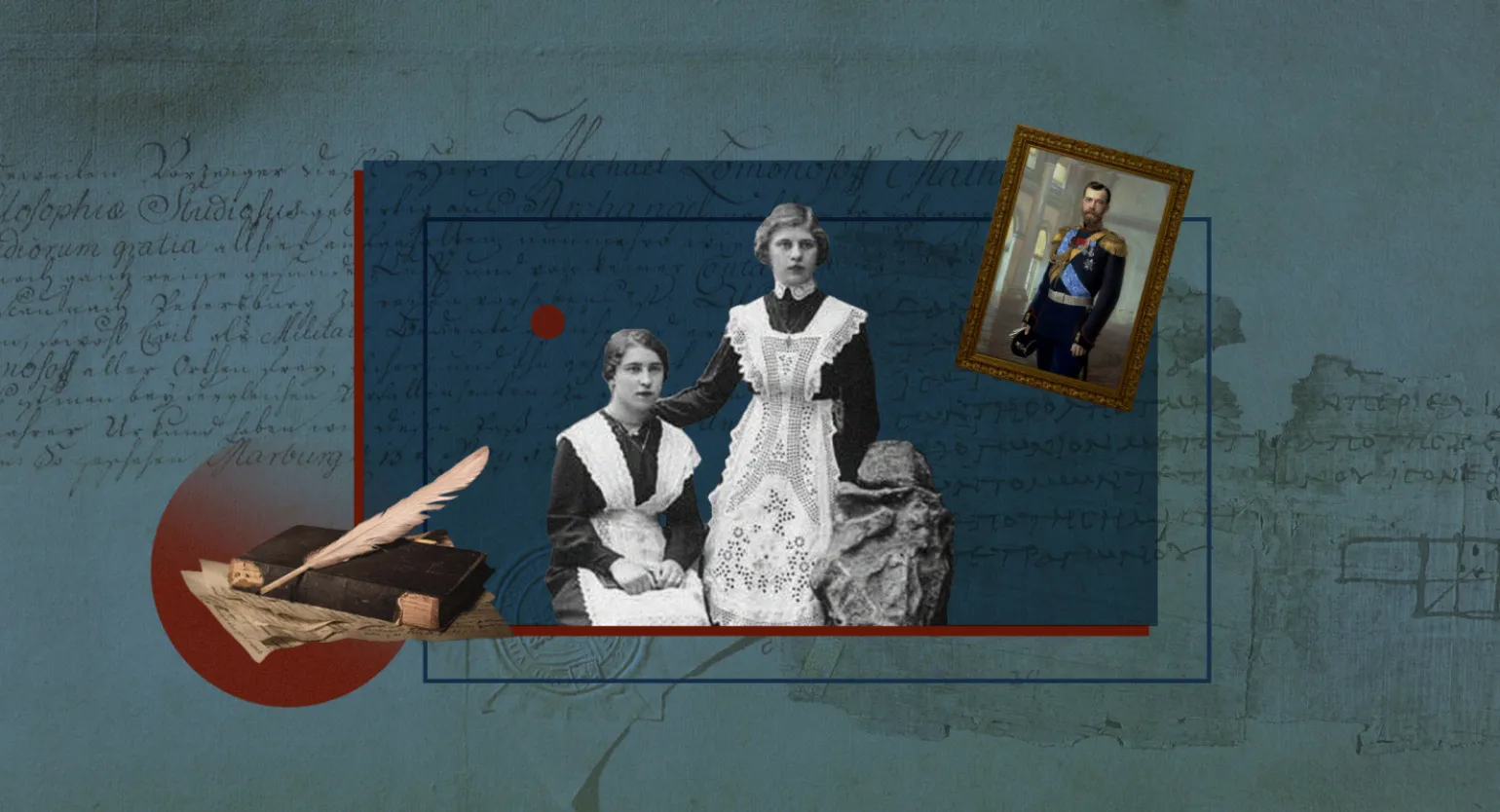
Vera Alexandrovna Florenskaya (1900–1996) is the author of these memoirs. She was born to a priest and an agronomist, and spent her childhood in Krasnoyarsk. Vera attended a private gymnasium known for its "liberal" approach to education. Many former political exiles were among the teachers, which contributed to a free learning atmosphere. Florenskaya notes this uniqueness of her school as revolutionary. Her childhood friend, Lenya Ginzburg, later became her husband and a law professor, which also influenced her life and views. Florenskaya's memoirs are an important historical document, reflecting the spirit of the times and social changes in Russia.
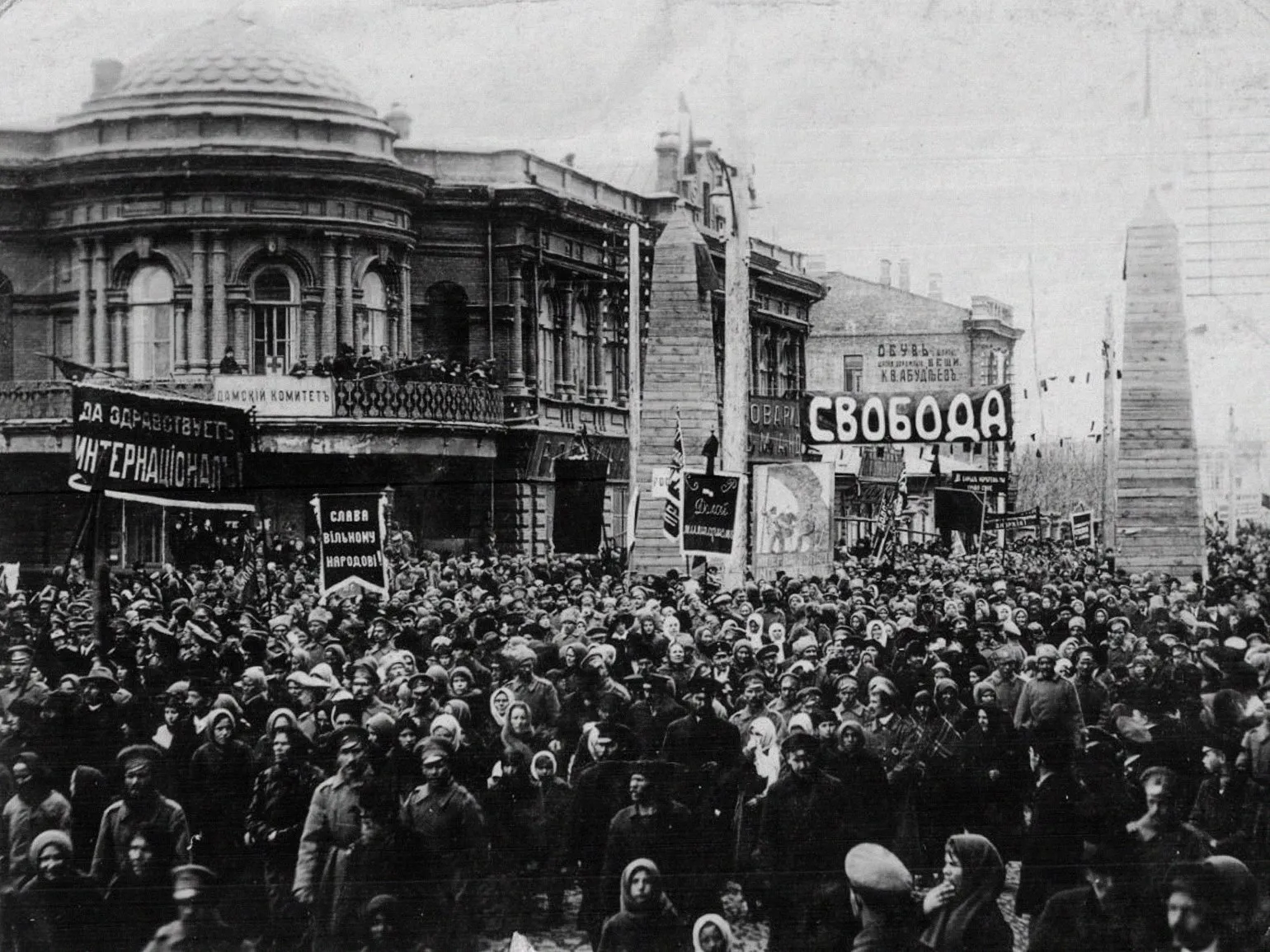
After the 1917 Revolution, a wave of active self-government among students began in Russian educational institutions. Florenskaya's works describe a moderate approach to this process, while in some educational institutions, previous disciplinary norms were completely ignored. This phenomenon was caused not only by the influence of the "revolutionary fever", but also by the outdated and strict rules that existed in both public and private schools during the Tsarist period. Teenagers, taking advantage of their new freedom, began to actively resist the restrictions that oppressed them. This phenomenon became an important stage in the development of the educational system and led to significant changes in approaches to teaching and upbringing.
The diary of Nadezhda Nikolaevna Platonova, wife of the renowned historian Sergei Fyodorovich Platonov, reflected the alarming changes at the Catherine Institute. In 1918, she spoke with an institute employee who had been there for 35 years. He expressed surprise and displeasure at the disgrace that had gripped the institute. Shouting and whistling had become the norm, and smoking in the cafeteria, in his view, had become unacceptable. According to Platonova, the institute was filthy, cigarette butts were strewn about, and no one respected the rules anymore. She believed that the quality of classes under such conditions was pointless. This excerpt from the diary vividly illustrates the decline of the educational institution and the social problems of the time, emphasizing the need to maintain order and discipline in educational institutions.
Self-governing associations such as the Student Affairs Board (Kolduch) and the General Union of Secondary Educational Institutions (OSSUZ) were formed. The writer Lev Vasilyevich Uspensky, in his "Notes of an Old Petersburger," published in 1990 by Lira, shares his recollections of how, at the age of 17, as a high school student, he witnessed a meeting at which one of these societies was born. These associations played a significant role in the formation of student self-government and the development of the educational environment, underscoring the significance of such initiatives in the history of Russian education.
On the second floor of the building, which was not entirely suitable for its purpose, the noise of a multitude of teenagers could be heard. They could have been either boys or girls, but were neither in the true sense of the word. It was a completely new sight for me. I followed the directions of two boys and found myself in a small, crowded hall. At that moment, the first initiative meeting of students from secondary schools on the Petrograd side was beginning in Petrograd. The atmosphere at the meeting was very noisy. Boys and girls, who seemed almost like children, came up to the podium and delivered speeches like those of experienced orators. This event became a landmark moment for the youth and their desire to actively participate in the life of the city.
We decided to create a "general headquarters" in the city center. It happened quite simply. One day in April, four of us, high school students including me, came to the 3rd Gymnasium on Solyanoy Lane and informed the director of our occupation of the building. We canceled classes for three days and announced that we would "run everything" from this place. The director, of course, did not agree and replied: "I will not tolerate it!" However, he ended up locked in his office under "house arrest" by his own students. This incident became a landmark moment in our history, symbolizing the aspirations of youth for freedom and self-government.
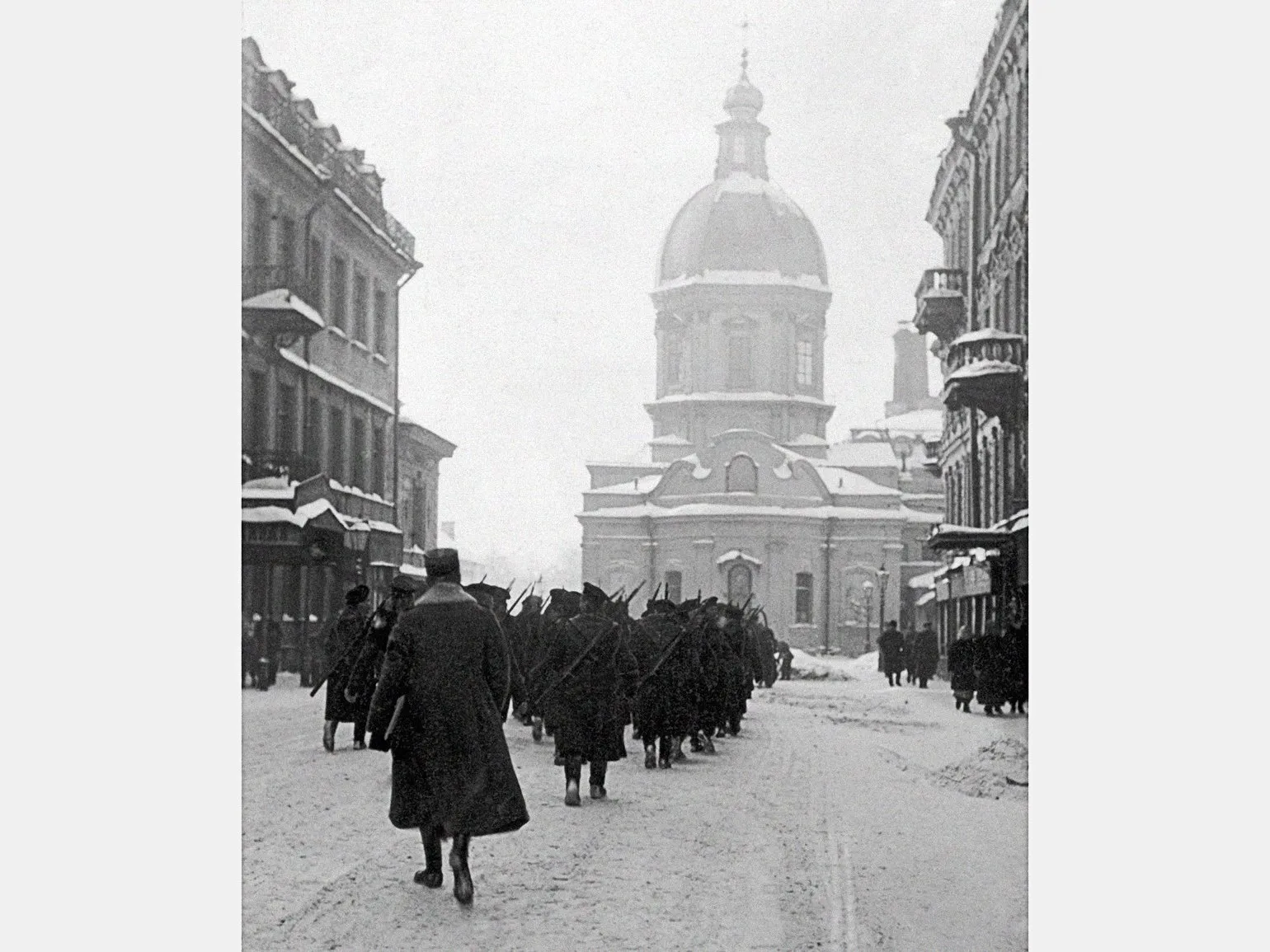
Not everyone was happy with the new order. Platonova described one interesting incident in her diary: “Yesterday evening, Olga Efimovna Kornilovich came to us, and she told us that at the Demidov Gymnasium, where she works, a student deputy is always present at the meetings of the Pedagogical Council to oversee the teachers. At one of the meetings, a funny thing happened: the new director, who constantly and zealously greeted the students, offered to listen to the deputy’s opinion. A girl from the third grade, embarrassed and blushing, expressed two wishes: 1) for a prayer to be read before the start of classes, and 2) for there to be class ladies again, since the current situation was unacceptable for them. This statement was a real shock. The director replied that he could not even discuss this proposal, since the gymnasium could be closed as counter-revolutionary.”
This case highlights the tension between new educational reforms and traditional values that still persist in society.
Reading is an important element of self-development and broadening one's horizons. It helps improve knowledge, develops critical thinking, and fosters emotional intelligence. A selection of quality literature can be an excellent foundation for your personal and professional growth. Studying different genres and authors not only enriches your vocabulary but also helps you better understand the world around you. Don't miss the opportunity to deepen your knowledge and discover new ideas through reading.
- The Past: The Story of a Little High School Student's First F
- Vodovozov - About Studying and Passing Exams at the Smolny Institute
- The Past: How Populist Students Opened Secret Schools 150 Years Ago
- Long Before the Unified State Exam: How University Exams in Tsarist Russia Were Taken
Profession Methodologist from scratch to PRO
You will improve your skills in developing curricula for online and offline courses. Master modern pedagogical practices, structure your experience and become a more sought-after specialist.
Find out more