Contents:
- "As a rule, a teacher's image is formed spontaneously - as it happens"
- "Teachers tend to overestimate the impression they make on students online"
- "Before us are students who grew up on short videos and texts"
- "The lowest grades were given to video lectures in which teachers peeked at notes"
- "Ease of access to information turns into its devaluation"
Learn: The Profession of Methodologist from Scratch to PRO
Learn More
Doctor of Psychology, Professor of the Department of General and Social Psychology, Deputy Director for Research at the Institute of Psychology of the A. I. Herzen State Pedagogical University of Russia. Actively participates in a research project under the supervision of Professor Vladimir Panfyorov, dedicated to the socio-psychological interpretation of the personality of a teacher during online lectures. The study aims to understand student perceptions and their impact on the educational process in a distance learning environment.
In this interview, you will learn about:
- can a teacher consciously influence how students perceive him/her;
- why teachers tend to overestimate the impression they make on students in online lectures;
- why it is impossible to simply transfer the way a teacher conducts a live lecture to an online one;
- what qualities are important for a teacher to demonstrate so that a recording of his/her lecture makes an impression on students, how to dress and gesture.
- how the feeling of the value of online learning can depend on what device a student uses to study - a smartphone or a laptop.
“As a rule, a teacher’s image is formed spontaneously - as it happened”
We are conducting a research project dedicated to the study of Student perceptions of instructors in online classes. This project arose from the need to understand how the distance learning format influences interactions between students and instructors. The primary goal of the study is to identify factors that facilitate or hinder effective learning in a virtual environment. We analyze student opinions on the quality of teaching, interaction methods, and instructor accessibility. The results of our study will help develop recommendations for improving online learning and increasing its effectiveness.
The idea for our project arose in 2018, long before online learning became widespread, even before the pandemic and lockdown. We developed this project as a continuation of the research of my mentor, Professor Vladimir Nikolaevich Panfyorov of Herzen University. He is one of the leading Russian psychologists studying issues of social perception, that is, how people perceive each other. Students' perceptions of instructors are also an aspect of social perception. Vladimir Nikolaevich calls this the socio-psychological interpretation of a teacher's personality in the eyes of students.
Until 2018, we studied this issue offline. With the onset of 2018, we wondered how perceptions of this topic change in video format. It's worth noting that even before the pandemic, our university developed the first video lecture courses, which allowed us to study the impact of video content on learning and information comprehension.
Research into teacher perceptions is key to the educational process. Competence and deep knowledge in the subject area are certainly important, but how students perceive their teacher is no less significant. Emotional connection and trust in the teacher influence student motivation, engagement, and, consequently, the quality of material acquisition. A teacher who can effectively interact with students and create a positive atmosphere in the classroom contributes to improved educational outcomes. Thus, understanding a teacher's personality becomes an important aspect for enhancing learning effectiveness and fostering lasting interest in the subject.
Personality plays a vital role in our profession, especially in areas where human interaction is paramount. In such areas, knowledge is conveyed not only through facts but also through the teacher's personal approach. I believe that a lecture should not simply be a source of information but also a reflection of my personal opinion. The teacher doesn't just transmit data, but shares his or her interpretation of the world, which enriches the learning process and promotes a deeper understanding of the topic by students.

Instructors can consciously influence student perceptions through a variety of methods and approaches. Building a positive image begins with creating a trusting classroom atmosphere where students feel comfortable and willing to openly express their thoughts. Instructors can use active learning methods, such as group discussions and interactive assignments, to engage students and demonstrate their interest in their success.
It is also important to consider nonverbal cues sent by instructors, such as gestures, facial expressions, and intonation. These aspects can significantly influence perceptions of authority and competence. An instructor who demonstrates confidence and passion for their subject is able to inspire respect and interest in students.
Furthermore, regular feedback and support can strengthen the relationship between instructor and students. It is important not only to impart knowledge but also to listen and consider students' opinions and needs. Thus, a teacher's conscious influence on how others perceive their personality and professional qualities is an important aspect of the educational process. Consciously developing and purposefully managing one's personal image is known in psychology as impression management. In the context of our study, pedagogical image plays a significant role because it represents the image formed by those observing us. This image determines how we are perceived by others and influences their opinions of us. Teacher and lecturer image play a significant role in the educational process, yet few are able to manage their impressions on others. Teacher image typically develops spontaneously, without a clear strategy. However, purposefully cultivating a positive self-image in students is a key aspect of effective teaching. Creating a conscious image not only increases student trust but also improves the overall atmosphere in the educational environment, which in turn facilitates deeper learning. It's important to understand that image formation isn't simply an external factor, but a crucial element of pedagogical activity, influencing the success of both the teacher and their students.
There's a common belief that a person's image is formed by their charisma and charm. However, this statement isn't entirely accurate. Image encompasses not only personal qualities but also the perception of others, which can depend on a variety of factors. Clothing style, communication style, behavior, and even nonverbal cues all play a significant role. Thus, image is a more complex and multifaceted concept than simply the result of attractiveness and charm. Creating a successful image requires a conscious approach and an understanding of how it influences interactions with others.
Charisma plays a key role in interpersonal interactions, but measuring it in scientific research is challenging. Charisma is not a single personal quality; it is an overall impression created by a combination of various personality traits and communication skills. Understanding charisma as a complex concept implies that impression management becomes an important mechanism for conveying it. This includes demonstrating one's charismatic traits and skills, which can significantly influence how others perceive one. Charisma is often perceived too narrowly. Many associate it with flamboyant artistry, demonstrative behavior, and pronounced emotionality. However, a charismatic person can also be unemotional, yet still be able to inspire others with their perspective. It's important to be able to present your ideas in an engaging manner to engage your audience. Impression management is a key element in developing charisma from your existing qualities.

Reworked text:
Also study:
Not a chocolate bar, but Director-Scriptwriter: How Changing Teacher Roles Can Increase Student Motivation
In the educational process, the teacher often acts as a transmitter of knowledge, but replacing this role with a director-scriptwriter can significantly increase student motivation. This approach allows for more engaging and interactive lessons, where students become active participants in the educational process.
A director-scriptwriter helps students not only absorb the material but also develop creative thinking, critical perception, and teamwork skills. This contributes to a favorable learning atmosphere, where each student feels important and contributes to the overall process.
The use of theatrical and project-based methods makes learning more lively and interesting. Students, participating in the creation of educational content, feel a sense of responsibility and motivation to learn. Thus, shifting the teacher's role to that of a director-scriptwriter can be an effective tool for increasing interest in learning and improving learning outcomes.
"Instructors tend to overestimate the impression they make on students online"
As part of our research project, we have already discussed several key questions. We analyzed current trends in the chosen field, examined the influence of various factors on certain processes, and evaluated existing theories and practices. We also considered methods of data collection and analysis that can contribute to a deeper understanding of the research subject. These questions help us form a clear and justified structure for our project and also guide further steps in the research.
In our study, we focus on understanding which personality traits students perceive in instructors' behavior in the online environment. It is important to find out which aspects of personality, manifested while watching video lectures, are perceived by students similarly to face-to-face interactions, and which are perceived differently. This study will help identify key factors influencing instructor perceptions in digital formats, which, in turn, can improve the quality of online education.
The key questions remain the fundamental aspects of video lectures. All other issues, such as optimal lecture length and instructor behavior during broadcasts, are practical details. We examined each of these aspects in detail through experiments.
Does your project involve multiple studies?
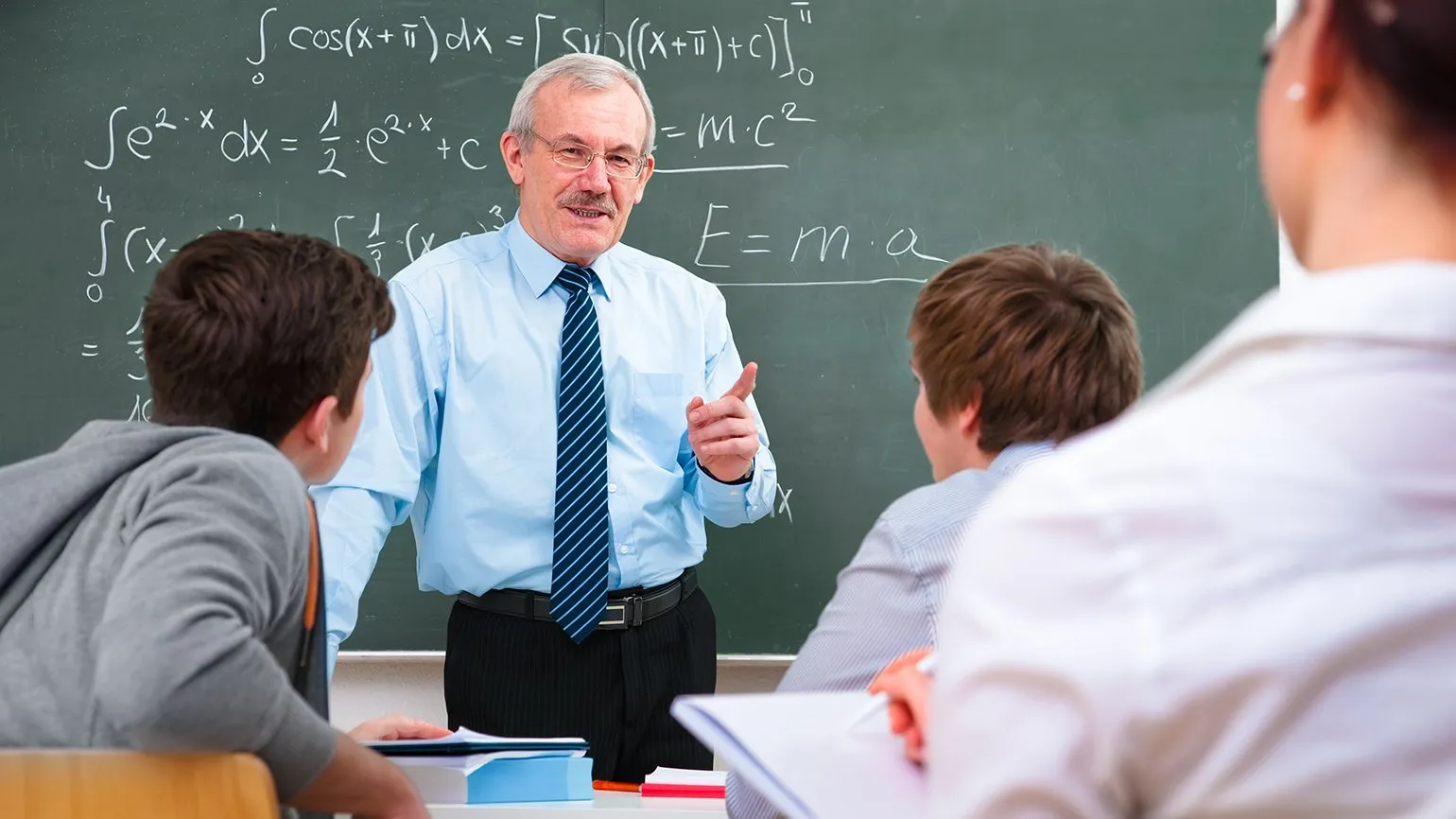
Research shows that instructors often overestimate their impact on students in online formats. Meanwhile, in offline teaching, they tend to underestimate their impact on students. This finding highlights the importance of considering students' perceptions across different learning environments and may contribute to improved teaching practices.
The reason is The point is that many factors influence the situation. This could be related to economic conditions, changes in legislation, or even shifts in consumer preferences. Understanding these factors helps us better adapt to current realities and make more informed decisions. It's important to analyze each situation individually to identify the root causes and find optimal solutions.
We can only speculate. Our interpretation is that even those instructors who have created numerous video lectures still have significantly more experience with in-person teaching. This is especially true for the participants in our study. Therefore, it is much easier for instructors to evaluate the effectiveness of their lectures by interacting face-to-face with students than through video. In-person communication allows for a better understanding of how students perceive the material and tailors the teaching approach.
The impression a professor makes on students depends largely on their experience in online teaching. Professors with good training and practical experience are better able to interact with students, adapt their teaching methods to the virtual environment, and utilize modern technologies to enhance learning. Experienced professors are able to create an engaging atmosphere, maintain student interest, and respond to their questions in real time, which facilitates deeper learning. Therefore, a professor's level of online experience plays a key role in shaping a positive impression of their work and the overall quality of the educational process.
We assumed that the experimental results would confirm our expectations, so we included the variable "Your experience participating in recorded video lectures" in the study. However, we did not find a significant effect of this factor. In other words, students' perceptions of a professor in a video lecture format were not dependent on their experience delivering such lectures. We attribute this to the fact that the experience of recording video lectures alone is not a decisive factor in shaping students' impressions.
Recording video lectures is an important stage of the educational process, but the lack of student feedback can lead to instructors missing key points that require attention. Interacting with students allows for adapting material, clarifying complex topics, and improving the quality of instruction. Feedback helps identify weaknesses in the course and adjust the approach to presenting information, which ultimately leads to more effective learning.
At our university, there was no feedback on video lectures at the beginning. We began recording lectures and posting them on YouTube and VKontakte, but comments and feedback from students began arriving much later. This slowed the process of improving content and adapting materials to student needs. Feedback is an important tool for improving the quality of the educational process, and we actively work to obtain it in a timely manner and take student opinions into account. Student feedback can significantly improve the quality of the educational process. It allows instructors to better understand student needs and expectations. Collecting student opinions on courses, teaching methods, and learning materials allows us to identify program strengths and weaknesses. This, in turn, helps improve the learning experience, adapt courses to current requirements, and increase overall student satisfaction. Furthermore, feedback helps create a more open and productive atmosphere in the educational institution, which positively affects student motivation. Feedback plays an important role in the reflection process. The effectiveness of our activities largely depends on understanding what works well and what needs improvement. In the classroom, during a lecture, we can observe students' reactions: their attention, comprehension of the material, and level of engagement. However, when we record a lecture on video and show it later, we lose the opportunity to immediately assess students' perception of the information. This highlights the importance of feedback for improving the educational process and adapting content to the needs of the audience.
As educators, we often strive to transfer familiar classroom interaction methods to the online environment. However, this doesn't always lead to the expected results, and this is where mistakes occur. Understanding the specifics of online learning allows us to create more effective interaction methods that take into account the needs and preferences of students in the virtual space. The use of adapted approaches helps improve the learning process and increase student engagement.
Read also:
The experience of distance learning has become a significant stage in the life of university teachers. The phrase "What doesn't kill us makes us stronger" vividly illustrates how the difficulties and challenges associated with the transition to an online format contributed to the professional and personal growth of teachers. Teachers learned to quickly adapt to new technologies, master various platforms, and find effective methods of interacting with students in the virtual space. This experience not only improved their digital skills but also served as an impetus for rethinking the educational process, allowing for the implementation of innovative approaches to teaching. Ultimately, distance learning opened new horizons for teachers, contributing to their career development and improving the quality of education at universities.
"We are dealing with students who grew up on short videos and texts"
The experience of working with students in person cannot simply be transferred to a distance format for several reasons. First, personal interaction between teacher and students creates a unique atmosphere that promotes a deeper understanding of the material. Secondly, in-person learning often involves nonverbal cues that are difficult to capture in a virtual environment. Furthermore, distance learning requires specific interaction and assessment methods that can differ significantly from traditional approaches. It's important to recognize that different learning formats have their own advantages and disadvantages, and successful adaptation requires a thoughtful approach and innovative solutions.
In modern culture, ideas about what constitutes educational video content and how it should be structured have become well-established. Traditional universities began actively adopting this format later than science popularization bloggers. As a result, when universities began implementing video lectures, audiences already had certain expectations regarding the content and format of such content. This creates specific challenges for educational institutions, which must adapt to established viewer demands and offer high-quality and engaging video content.
In one of our experiments, we compared two video lecture formats. Instructors recorded the first set of lectures in a classroom with students, and the second, alone in front of a camera. Content analysis revealed that in the classroom, lecturers interacted more frequently with the audience, giving the lectures a conversational quality. Meanwhile, when recording lectures privately, instructors primarily presented information in a monologue format. Interestingly, students who viewed both sets of lectures reported finding the latter type of recordings more useful, informative, and engaging than the conversational lectures. This study highlights the importance of choosing the delivery format to maximize student engagement and retention. Choosing between the two types of video lectures requires careful consideration, and instructors should consider the advantages of informational video lectures. Informational video lectures provide students with a structured presentation of the material, which promotes better knowledge retention. They emphasize key concepts and facts, making the learning process more effective. Thus, by opting for informational video lectures, instructors can ensure a deeper understanding of the topic and increase student engagement.
Students expect video lectures to be packed with useful information. The length of the material also plays a significant role. For example, the first video lectures on general psychology, recorded by Moscow State University instructors in the late 20th and early 21st centuries, lasted from one and a half to three hours. At the time, such lengthy lectures were perceived positively and contributed to a deeper understanding of the subject.
Today's students, raised on short videos and texts, require a new approach to learning. To successfully absorb information, it is necessary to adhere to a tight timeframe. Previously, students could devote an hour to an hour and a half to studying the material, but today this format is no longer relevant. Research shows that an effective educational video should be between 5 and 15 minutes long. Longer videos often lead to decreased concentration and loss of interest. Therefore, when creating educational content, it is important to take into account the modern preferences of young people and adapt the format for presenting information.
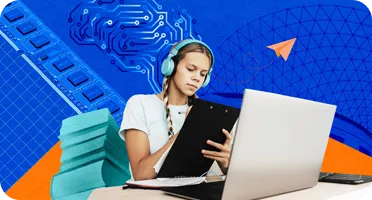
Managing cognitive load in learning is an important aspect of pedagogy and psychology. Cognitive load refers to the amount of information a student can process simultaneously. Effectively managing this load helps improve retention and promotes quality learning.
To optimize cognitive load, several key aspects must be considered. First, it is important to break information into small, easily digestible chunks. This approach allows students to focus on each individual concept, which promotes better understanding and retention.
Second, a variety of teaching methods should be used, such as visual materials, hands-on activities, and interactive elements. This variety helps maintain students' attention and facilitates their absorption of information.
Also, it is worth paying attention to the difficulty level of the materials. Students should be provided with tasks appropriate to their level of preparation to avoid unnecessary workload and, as a result, frustration. A gradual increase in difficulty helps students develop their skills and confidence.
Furthermore, it is important to consider the individual characteristics of each student. Different people have different learning styles and abilities to perceive information, so adapting teaching methods to the specific needs of students can significantly improve the effectiveness of the learning process.
In conclusion, effective cognitive load management in learning requires a comprehensive approach that includes breaking down information, using a variety of methods, and individualizing instruction. This helps create optimal conditions for knowledge acquisition and high performance.
The type of video lecture a student prefers may indeed depend on their age and level of knowledge. Younger students tend to be more inclined to interactive formats, such as conversations, where they can ask questions and participate in the discussion. Conversely, more mature students or those who already have a certain level of knowledge may prefer monologue lectures in which information is presented sequentially and structured.
It is also worth noting that a student's level of preparation can influence their preferences. Students with a higher level of knowledge may seek more in-depth content and prefer formats that allow them to focus on complex topics. While beginners may feel more comfortable with a conversational format, which promotes better assimilation of the material.
Thus, understanding students' preferences for video lecture formats can help instructors adapt their teaching methods to achieve the best results.
Any assumptions require empirical verification, and this requires experimental data that will confirm or refute the initial hypotheses. As part of our project, we did not examine students' knowledge level, as we did not have this opportunity. However, the results of research conducted in another project on the characteristics of online information searches by students and schoolchildren while completing educational tasks allow us to conclude that student competence is an important factor that significantly influences the perception of different types of video lectures. These data emphasize the need to consider students' level of preparation when developing educational materials to improve their effectiveness and improve the quality of information comprehension.
Competence promotes a more selective approach to the material and helps people focus on more concise and specific messages. Based on my own experience, I can say that in the areas I understand best, I prefer to receive information in a concise format. This allows me to quickly assess whether the new information complements my existing knowledge or is already known. As a result, such targeted delivery of material becomes more effective and useful.
The degree to which students perceive different types of video lectures directly depends on their motivation. Motivation plays a key role in the educational process, influencing their attention and interest in the material. Highly motivated students tend to be more active in perceiving information, better absorbing knowledge, and applying it in practice. At the same time, low motivation can lead to decreased interest and poor learning outcomes. Therefore, understanding the relationship between motivation and perception of video lectures is an important aspect for improving the educational process and developing effective teaching materials.
We conducted a study on the motivation factor, and the results showed that highly motivated students cope significantly better with difficult learning formats. Motivated students typically benefit more from long lectures and conversations recorded by the instructor in the classroom, while unmotivated students require a more convenient and accessible format to absorb information. This underscores the importance of creating a motivating learning environment to enhance learning effectiveness.
"The lowest ratings were given to video lectures in which instructors peeked at their notes."
Let's turn to the instructor's personality and consider which qualities play a key role in how students perceive their video lectures. First and foremost, the instructor's expertise in the subject area is important. Knowledge of the material and the ability to explain complex concepts in simple language contribute to a better understanding of the information. Communication skills are also of great importance, as the ability to establish rapport with students helps create a trusting atmosphere and engage them in the learning process. The instructor's emotional engagement with the lecture topic makes their presentation more lively and engaging. Furthermore, the ability to adapt their lectures to the needs of the audience is important, allowing them to accommodate students of varying levels of preparation. All of these qualities contribute to video lectures being more effective and memorable.
According to our data, demonstrating professionalism and confidence in the material during a lecture is a key element of successful learning. For students watching a video lecture, it's crucial to feel like it's being taught by a specialist with deep knowledge in their field. This creates an atmosphere of trust and promotes more effective comprehension.
When discussing the qualities associated with effective communication and establishing rapport with students, it's worth noting the importance of perceiving the instructor as fair and honest. These aspects are also significant. However, professionalism and confidence remain the primary characteristics. A teacher's professionalism includes deep knowledge of the subject matter, the ability to convey information in an accessible language, and a commitment to continuous self-improvement. Self-confidence helps create an atmosphere of trust and openness, which in turn contributes to more productive learning.
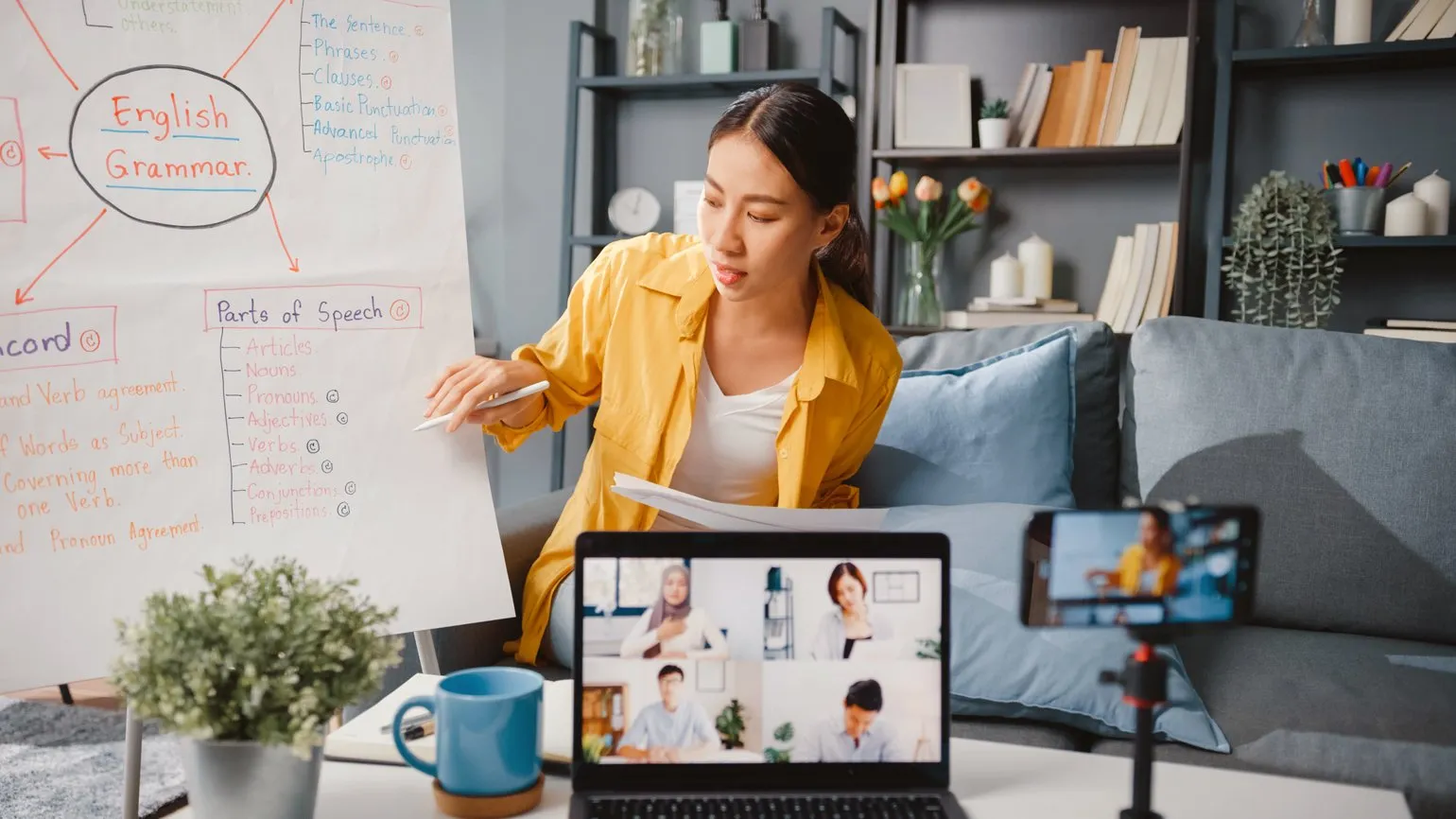
In our experiment, video lectures in which instructors frequently referred to notes during their presentations received the lowest student ratings. This suggests that this approach negatively impacts student comprehension. Students prefer a more natural and confident delivery of information, emphasizing the importance of preparation and topic knowledge. This aspect must be taken into account when creating educational content to improve its quality and effectiveness.
Charisma also plays an important role in the online space. Virtual interaction requires us to be able to attract attention and generate interest. People tend to pay attention to those who can convey their personality through text, images, or video. Effective communication and the ability to evoke emotion can significantly increase your attractiveness and memorability online. Therefore, charisma remains a significant factor, even when interaction occurs through a screen.
Emotionality and artistry are well received in in-person lectures, but in the online format, cognitive and professional charisma are significantly more valued. A virtual classroom requires instructors to be able to maintain attention and convey knowledge analytically and confidently. This helps create effective interactions and enhance learning. Teachers can demonstrate their professionalism in a variety of ways. First, they can use modern technologies and teaching methods to make the process more effective and engaging. Second, they can actively participate in professional communities, discussing new trends and sharing experiences with colleagues. Third, instructors can share their knowledge through published articles, conferences, and seminars, which enhances their authority in the educational field. It's also important to note the importance of student feedback, which helps evaluate the quality of teaching and identify areas for improvement. Overall, demonstrating professionalism involves continuous self-development and a commitment to improving their skills. In our study, external attributes of professionalism played a key role, with business attire being particularly prominent. This creates a certain paradox, since, observing video bloggers, one might assume that the audience is accustomed to a more casual style. However, the results showed that business attire remains an important factor in the perception of video lectures.
A professional image is formed through the use of scientific terminology and examples, not just personal stories. For example, instead of saying, "Something happened in my life that illustrates this pattern," it is more effective to give an example: "This pattern is confirmed by Ivanov and Petrov's experiment." Objective data and scientific facts carry more weight than subjective opinions, which helps build trust and authority in the professional environment.
This raises the question of whether a teacher can effectively convey their worldview and personal opinion through video. I have serious doubts about the feasibility of such an approach. Video can limit the depth of interaction and doesn't always convey the nuances of a teacher's personal perception.
The speaker's communication skills play a key role in the perception of video lectures, even if they are presented in an asynchronous monologue format. To effectively demonstrate these skills, it is necessary to emphasize the clarity of presentation, intonation, and expressiveness of speech. It is important to use varied pacing and pauses to maintain audience attention and emphasize key points. It is also worth including visual elements, such as slides or graphics, to help illustrate main ideas and make the lecture more visual. Equally important is maintaining eye contact with the camera, which creates a sense of engagement for viewers. Thus, even in an asynchronous format, it is possible to effectively convey information and establish a connection with the audience, significantly improving the perception of the video lecture.
The results of our study show that demonstrating open communication is key. Open gestures, such as open palms, are perceived online in the same way they are in offline interactions. Proper gestures help students recognize that they are not just a "talking head" but a real person, which facilitates deeper interaction and increases trust.
In psychology, there are several opinions regarding the need for a teacher's presence on camera during a video lecture. Some experts believe that the visual presence of the lecturer facilitates better perception of information and creates a more personal connection with the audience. Others argue that the primary focus should be on the lesson content, and therefore it is more appropriate to show the presentation while keeping the teacher off-camera. This approach can help avoid distracting viewers from the key points of the lecture. Considering these aspects is important for creating effective educational content in the video lecture format.
It is hypothesized that the presence of a person on camera increases the cognitive load on the viewer, adding social aspects that require analysis. As a result, students may spend time and mental resources trying to interpret the instructor's intentions and messages instead of focusing on the content of the information provided. This can distract from the learning process and reduce learning effectiveness.
Our study found evidence that including social information in video content is significant. It not only enhances the instructor's image but also contributes to their perception as a professional. Social elements in videos help establish a deeper connection with the audience, which can positively impact the learning process and build trust in the teacher.

Read also:
Bookshelf: "Online Communication"
This collection of books is dedicated to online communication and covers various aspects of interaction in the digital space. In today's environment, the importance of effective online communication is difficult to overestimate. The books in this section will help you better understand the principles of online communication, learn how to build relationships in a virtual environment, and master the skills of interacting with an audience.
By studying the materials, you will learn about best practices for business correspondence, the specifics of communication on social networks, and methods for creating engaging content. The books also touch on topics of online communication etiquette, reputation management, and crisis situations in a digital format.
This collection will become an indispensable resource for marketers, PR specialists, journalists, and anyone seeking to improve their online communication skills. Read, learn, and apply the acquired knowledge in practice to achieve success in the online space.
The perception of a lecture can significantly depend on its format. A synchronous format, where the lecture takes place in real time, allows participants to ask questions and receive immediate feedback, which promotes greater engagement and better understanding of the material. An asynchronous format, which is a recorded lecture, provides flexibility, allowing attendees to revisit difficult points and study the material at their own pace. Both approaches have their advantages and disadvantages, and the choice between them may be determined by learning objectives, audience preferences, and the nature of the material being presented.
Unfortunately, we do not have such data. At the time of our project's development, the practice of conducting webinars was not as popular as it is today. We hope to fill this gap in future research.
The issue of gender differences in perceptions of lectures given by instructors of different genders is of interest and requires careful analysis. Research shows that students may respond differently to lectures depending on the instructor's gender. Some data indicate that lectures given by men may be perceived as more authoritative, while female instructors may create a more comfortable atmosphere for discussion. These differences may be due to biases, stereotypes, and expectations that exist in the educational environment. It is important to consider these aspects when developing curricula and choosing teaching methods to create an inclusive and effective learning environment.
In our study, we did not find any significant differences; however, we did find that students rated male lectures slightly higher than female lectures on a number of parameters. This difference may be explained by the fact that men and women use different self-presentation strategies. Women are more often focused on establishing contact with the audience, while men seek to demonstrate their professional skills. Perhaps these typical male approaches to self-presentation are more in line with the expectations of online lecture audiences.
"Ease of access to information results in its devaluation"
The prospects for further research in this area look promising. Given the constantly evolving technologies and scientific discoveries, there are many areas that require in-depth study. One of the key areas is an in-depth study of the mechanisms underlying existing processes. This will not only improve existing methods but also develop new approaches to solving current problems.
It is also worth noting the importance of interdisciplinary research, which can open up new horizons and facilitate the integration of knowledge from various fields. The introduction of innovative technologies such as artificial intelligence and machine learning can significantly accelerate the process of research and data analysis.
Therefore, the future of research in this area promises to be rich and fruitful, opening up opportunities for new discoveries and practical applications.
At the beginning of our project, we intend to focus on analyzing key aspects that needed to be studied in advance. An important question is the impact of online lecture content on its perception. For example, should the perception of lectures in technical and humanities disciplines be differentiated? It is also important to find out how webinars are perceived compared to recorded lectures. These aspects will help us better understand how to improve the educational process and increase its effectiveness for different audiences.
The prospects for education today are truly enormous. New technologies in this field are developing every day, and it is important to keep up with this progress. However, it is worrying that many innovations are being implemented without due consideration and preparation. This highlights the need for a more in-depth analysis and a reasoned approach to the implementation of new technologies in the educational process. It is important to monitor trends and use them wisely to improve the quality of learning.
When a new technology appears, we often rush to start using it without understanding how it works and its educational potential. This approach can be ineffective, as improper use of technology not only reduces its value but also leads to frustration among both teachers and students. It is important to approach the integration of new technologies into the educational process consciously in order to fully realize their potential and ensure high-quality learning.
Before implementing technological innovations, it is essential to thoroughly study their operating principles, including a research-based approach. I hope that by addressing the research questions outlined above, we will be able to not only keep up with the times but also offer relevant solutions. At this point, this is more a process of understanding existing experience than a step into the future.
What specific technology do you want to study for educational purposes?
Decisions regarding the organization of student collaboration in an online format present an important question. Is it possible to create the same effective collaborative activities in a virtual space as in a traditional offline setting? It is well known that online communication differs from face-to-face communication in terms of quality, depth of contact, and level of participant involvement. What educational benefits can this form of interaction provide? What technical tools can be used to optimize online interaction?
It is important to note that significant educational results can be achieved with the proper organization of online collaboration. The use of video conferencing platforms, shared documents, and virtual classrooms helps create conditions for active student participation. Effective integration of technologies such as interactive whiteboards and learning management systems can improve the quality of the learning process and increase student engagement.
The issue of technical devices is relevant not only in the context of online interaction. As part of our parallel project, we collected data showing that learning experiences differ depending on the device used. For example, devices with wide screens and keyboards, such as desktops and laptops, provide different learning experiences and outcomes than smartphones. These differences are important for understanding how technology influences the learning process and the effectiveness of information absorption.

The question of which educational technologies should be adapted for mobile applications and which may prove ineffective remains relevant. It is important to consider that not all educational methods are suitable for a mobile format. Some technologies require deep concentration and prolonged interaction, which can be difficult to implement on mobile devices. Other formats, such as interactive educational games or short video lectures, can significantly benefit from a mobile app, offering users access to learning anytime, anywhere. Optimizing educational content for mobile devices requires careful analysis and an understanding of the needs of the target audience.
The perception of information on different technical devices differs significantly due to the features of screens, interfaces, and content formats. For example, on mobile devices, users most often interact with text and images through a touchscreen, which requires a more compact and concise presentation of information. Meanwhile, on computers with larger screens, more complex layouts and voluminous content are possible.
Furthermore, differences in information perception are also due to the conditions in which the devices are used. Mobile users are often on the move and have limited time to absorb information, while computer users can devote more attention and time to analyzing content. This affects the structure of texts and visual elements, which should be adapted to specific devices.
It's also worth considering that differences in content types, such as text, images, video, and interactive elements, require different approaches to design and information presentation. For example, videos and graphics may be more effective at conveying information on mobile devices, while long articles and in-depth analyses are better perceived on desktop computers.
Therefore, to effectively perceive information, it is necessary to consider the characteristics of each device and adapt the content accordingly. This will help provide a higher-quality experience of interaction with information and improve its digestibility.
Different technical devices that provide us with access to the digital environment have different functionality. This is obvious at the everyday level. Each of these devices is designed with specific tasks and user needs in mind, which determines their characteristics and capabilities.
I am speaking exclusively about the use of smartphones for educational purposes, which is an important aspect. A smartphone provides easy access to information, always being at hand. You can take it out of your pocket at any time and find the necessary data. However, this accessibility of information can lead to its devaluation. Users often process information superficially, which reduces the level of meaning and impairs memorization. Therefore, it is important to find a balance between using smartphones for knowledge acquisition and deep understanding of the material being studied.
When it comes to a computer or laptop, accessing information requires several steps. You need to open the device, turn it on, and wait for the operating system to load. Although this may seem strange, such actions represent a kind of ritual that helps transition from everyday activity to the learning process. Each of these steps plays an important role in setting the working mood and focusing on tasks.
The process of obtaining information truly gives it special value in the perception of students. When students actively engage in research and data mining, they not only absorb the material but also develop a deeper understanding of the topic. This interaction with information fosters critical thinking and analytical skills, making knowledge more meaningful and memorable. Thus, active participation in the learning process increases the value of information and motivates students to continue learning.
We first discovered this data accidentally during a study on the impact of lockdown on student motivation and satisfaction with the quality of education.
The results of the study showed that student motivation and satisfaction were significantly lower in online learning than in face-to-face learning. The most noticeable decline in these indicators was observed among students using smartphones for learning. In contrast, students who prefer computers or laptops did not show such a pronounced decrease in motivation and satisfaction with the learning process. This highlights the importance of choosing the right device for online learning, which can significantly impact the quality of the educational experience.
In our sample of 1,000 students, we observed a general trend toward declining academic performance, largely explained by the preference of nearly two-thirds of students to use smartphones for learning. This suggests that device choice partially devalues the learning process and its outcomes. Similar findings have been obtained in studies among schoolchildren, highlighting the relevance of this issue in the educational environment.
A smartphone should not be viewed as a negative element. This device is primarily intended for communication. Using smartphones for educational purposes offers many advantages over using devices with larger screens. The different functional capabilities of these devices require appropriate integration into the educational process. Effective use of smartphones for communication purposes in education can significantly increase interaction and engagement of students, which confirms the need for their competent inclusion in the educational process.
Reading is an important aspect of personal growth and development. It helps broaden horizons, increase knowledge, and improve critical thinking skills. Regularly reading books, articles, and other materials improves memory and concentration, and develops imagination. Don't forget to devote time to reading to enrich your inner world and improve your quality of life.
Phubbing: What It Is and How It Affects Education
Phubbing is a behavior in which a person ignores others while engrossed in using a mobile device. In the educational environment, this phenomenon is becoming increasingly common and can negatively impact the learning process.
Phubbing distracts students from lessons, reduces their concentration, and interferes with interactions with teachers and classmates. This behavior leads to poor learning and a decline in the quality of education. Studying a subject becomes less effective, as students' attention is distracted by irrelevant notifications and social media.
Furthermore, phubbing can contribute to technology addiction and decreased social skills. Students immersed in their devices miss out on the critical thinking and analytical skills needed to succeed.
To minimize the negative impact of phubbing on education, it is important to establish clear guidelines for mobile device use in educational institutions and encourage students to focus on the learning process.
This finding likely contradicts current trends observed in corporate training, where mobile learning is actively used. With the rapid development of technology and the increase in mobile users, companies are increasingly choosing mobile platforms to improve the effectiveness of employee training. However, this finding may indicate the need to rethink approaches to training, considering the variety of methods and their impact on information comprehension.
There is a certain contradiction regarding the provision of information for different purposes. If the goal is simply to familiarize oneself with a topic, then this can be done in an everyday setting, for example, in the kitchen over a cup of coffee or while brushing your teeth, watching educational videos on a smartphone. In this case, a person remembers the main points: “Yes, I saw this, I was told about this.” However, it's important to understand that deep learning requires a more focused approach.
When it comes to the need to learn new material, the situation changes. Imagine brushing your teeth or riding the subway and watching a short video about calculating integrals. If you're unfamiliar with the solutions to such mathematical problems, you'll need to concentrate to understand them. However, this will be difficult if your attention is distracted by other activities. Effective learning requires complete immersion in the material, which is impossible in the presence of distractions.
The issue of engagement in the process of learning information and the quality of this learning is becoming increasingly relevant. Research shows that students who use smartphones to search for information while preparing reports, for example, on social studies, learn the material less effectively than their peers who prefer computers. This may be due to differences in device interfaces and capabilities, as well as how different equipment affects concentration and information comprehension. Using computers typically allows for more in-depth analysis of data, which contributes to better comprehension and retention of the material being studied. Understanding these factors can help develop more effective teaching methods and the use of technology in the educational process.
Searching and viewing content on a smartphone is significantly faster, but the quality of comprehension appears to be reduced. This suggests that it is wiser to use different devices depending on the purpose: smartphones are better for quickly familiarizing themselves with information, while larger screens such as tablets or computers are preferable for a deeper understanding of the material. Choosing the right device can significantly improve the efficiency of information comprehension and the learning process.
Learn more about education by subscribing to our Telegram channel. Here you will find current news, useful tips, and interesting materials to help you in your studies and professional development. Don't miss the opportunity to stay up-to-date with the latest trends in the educational field.
Optimizing text for search is an important aspect of content creation. Proper use of keywords, proper title and meta description structure, and the creation of unique and informative content help improve a website's visibility in search engines. Primary attention should be paid to the quality of the text and its relevance to user queries. Avoid overuse of keywords and ensure a natural flow of the content. It's also important to maintain the relevance of information and regularly update the content. Read also about SEO best practices and methods for improving your website's ranking.
- How the same teacher is perceived depending on the lecture format
- Emptiness and pleasure: what influences attitudes toward the digital educational environment?
- How psychological factors influence the effectiveness of online learning
- Research: students speak little in online seminars
- Hybrid learning format and HyFlex: how do they differ?
The Profession of Methodologist from Scratch to PRO
You will improve your skills in developing curricula for online and offline courses. You will master modern pedagogical practices, structure your experience and become a more sought-after specialist.
Find out more