Contents:

Learn: School with Fun: How to Teach Your Child to Learn
Learn MoreModern schoolchildren are often perceived as being solely interested in entertainment. Indeed, the attention of children and adolescents today is captured by a powerful entertainment industry. Instead of condemning their interests, it is worth considering the possibility of using their passion for games and activities for educational purposes. Traditional teaching methods, such as lectures and retelling paragraphs from textbooks, are no longer effective for the new generation. Recognizing this fact paves the way for the introduction of more interactive and engaging forms of teaching, which can increase student interest in the learning process and help them better absorb the material. The use of game elements and active learning methods can significantly enhance the educational experience and make it more attractive to students.
What options are available to the average teacher? Here are some effective ideas that can be useful.
Turn the lesson into Investigation
Human nature is such that we are naturally drawn to solving mysteries. This explains why millions of people who showed little interest in school can immerse themselves in detective novels late into the night, eager to unravel the mysteries and solve the riddles. The intrigue and tension inherent in the detective genre capture attention and hold interest, allowing readers to enjoy the process of finding the truth.
The phenomenon of active engagement can be effectively applied to the educational process. American educator Kevin Wroughton, who once counted the number of crows in class, recognized the importance of engaging learning for his students. He developed the concept of the "Historical Mystery Lab," where students become detectives. As part of this series of lessons, they research historical events such as the assassination of Julius Caesar or the assassination attempt on the head of the Medici dynasty in Florence. This approach significantly increases interest in the educational material compared to traditional methods. Furthermore, students not only immerse themselves in the topic being studied but also develop critical thinking, learn to analyze information, and use a variety of sources. This helps children develop the necessary skills for successful study and life in the modern world.
This teaching method is suitable not only for history but also for other subjects. We've explored various ways to use it in detail in a dedicated article.
Take a Popular Story as a Basis
A geography teacher decided to capitalize on children's popular interest in zombies to engage them in their subject. As a result, a unique "zombie apocalypse survival" program was developed, which combines geography with engaging game elements. This program helps students not only master geographic concepts but also develop critical thinking, teamwork, and strategic planning skills in a survival setting.
Students explored important topics such as the structure of countries and cities, resource distribution, and climate change and its impact on the environment. This knowledge became the basis for developing an action plan to rebuild the world after the anticipated disaster. Participants were actively involved in the process, as the context reminded them of scenarios from popular zombie games.

The program's curriculum is generally similar to the traditional one, but David Hunter, the author of this method, has developed a number of teaching aids in comic book format. These materials make the learning process more engaging for children. Find out more about what these aids look like and how they can enrich the educational process.
Create an environment for excitement
Research shows that public rankings of top students, such as lists on the classroom board, were previously perceived as an effective way of motivation. However, in practice, they do not always bring the expected result and can even be harmful. For example, students with low self-esteem may not receive additional motivation to study, but rather doubt their abilities. There is a more complex but effective approach to increasing academic interest among students, which can be useful in the educational process.
The teaching method developed by mathematics teacher Benjamin Siegel is based on the concept of "flipped mastery." Lessons are transformed into engaging quests, where each student must master several topics at their own pace. This approach allows students to support each other, and the teacher's role is limited to mentoring and consulting. Special sheets with topic titles are placed around the classroom, and when a student completes one, they place a sticker with their name next to it. This allows the entire class to track each other's progress and helps everyone recognize when they are falling behind. For solving difficult problems or achieving outstanding results, students can earn rewards that can be used in class, such as candy. This method not only promotes a deeper understanding of the material, but also develops cooperation and motivation among students.
This method can be adapted for teenagers and younger students. We have already examined in detail how such systems function.
Bringing History to Life
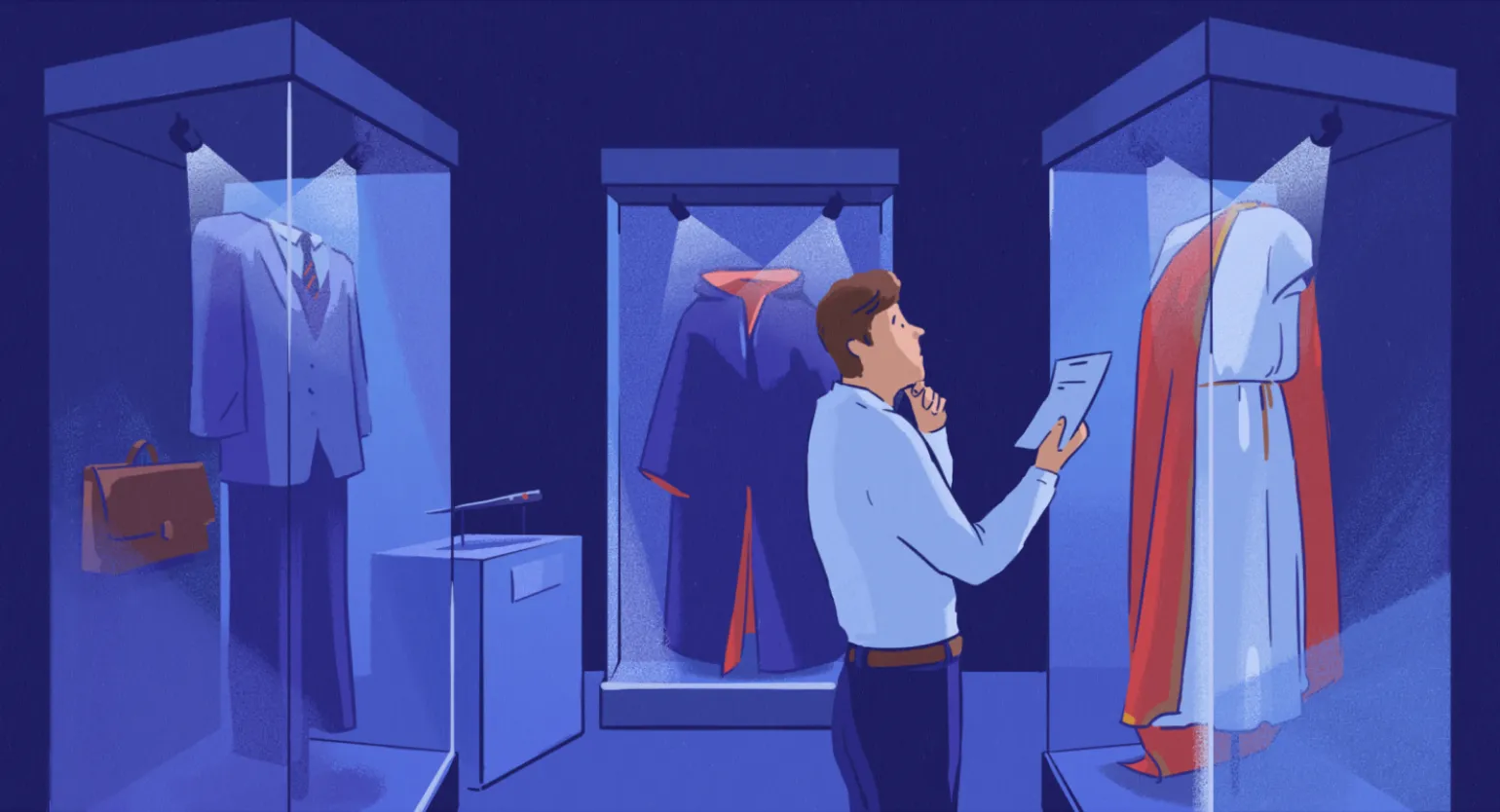
Teachers are increasingly using methods that allow students to immerse themselves in a specific atmosphere or context. For example, Moscow history teacher Alexander Odjo teaches lessons on the history of Ancient Greece dressed in a chiton. British educator Neil Bates, for his part, dresses as a slave ship captain or famous English politicians to make lessons more memorable. However, these are only a few approaches. A number of schools and universities organize reenactments of historical events and unique role-playing games that promote a deeper understanding of the material being studied and develop critical thinking in students. These practices help make the educational process more interactive and engaging, which in turn promotes better knowledge acquisition.
Instructor Steven Volk has developed a unique educational game set in Chile during the dictatorship of Augusto Pinochet. Volk's students take on the roles of various citizens of the country: soldiers, journalists, and ordinary workers. Each student is given a card with the main aspects of their character's biography, while they must invent the detailed details themselves. Concealing their real names, participants write in a separate blog from the perspective of their characters. This approach to learning allows students to consider historical events from multiple perspectives and develop empathy for even the most complex and controversial figures of that time. Volk's method not only deepens historical understanding but also fosters critical thinking in students.
It's important to note that this teaching method has its drawbacks. Over-immersion in context can cause psychological trauma in participants. We've also discussed the advantages and disadvantages of this approach in detail.
Embrace the magic
Physics and chemistry teachers truly possess unique abilities, reminiscent of wizards. They can make objects levitate or create real ice whiskers. These impressive tricks are actively used in lessons, as students' admiration encourages them to delve deeper into the subject and participate in experiments. This context opens up a wide field for educational and creative experiments, which contributes to the development of an interest in science and a better understanding of physical and chemical processes.
In Yekaterinburg, chemistry teacher Vyacheslav Stebenkov stands out among his colleagues for his unconventional approach to teaching. He dons a robe to create an atmosphere of magic and engage students in the learning process. This method helps him successfully compete with distractions like cell phones. The use of robes and spectacular chemistry experiments makes lessons engaging, which helps increase student interest in the subject.
In our article, you'll find many interesting examples of magic, as well as recommendations for the best books on the topic.
Learn more about education by subscribing to our Telegram channel. Here you'll find current news, useful tips, and interesting materials related to learning and development. Don't miss the opportunity to stay up-to-date on all the latest developments in education. Subscribe!
Pay attention to the following materials:
- How to create a gamification system: cases and tips
- Debunking myths about gaming practices: interview with a game educator
- John Keller's motivation model: how it works and why it is useful
School with pleasure: how to teach a child to study
You will get acquainted with different forms of education and determine which is right for your child. You will help him overcome academic difficulties and stop worrying about academic performance.
Find out more