Contents:

Course with employment: "Profession Methodologist from scratch to PRO»
Learn moreWaldorf schools and kindergartens differ significantly from traditional educational institutions. The main focus in these institutions is an individual approach to each child. The emotional state of students plays a more important role than academic achievement, which helps create a comfortable and inspiring learning atmosphere. In such institutions, there is no grading system, which contributes to the development of intrinsic motivation and creativity in children. Waldorf education is aimed at the harmonious development of the individual, which makes it unique in the modern educational space.
In 2021, more than 1,000 Waldorf schools and about 2,000 kindergartens teaching according to the principles of Waldorf pedagogy operated worldwide. The Association of Waldorf Schools, uniting more than ten educational institutions from various regions of the country, is active in Russia. Waldorf education emphasizes the individual development of the child, creativity, and harmonious interaction with the surrounding world, which makes it increasingly popular among parents and teachers.
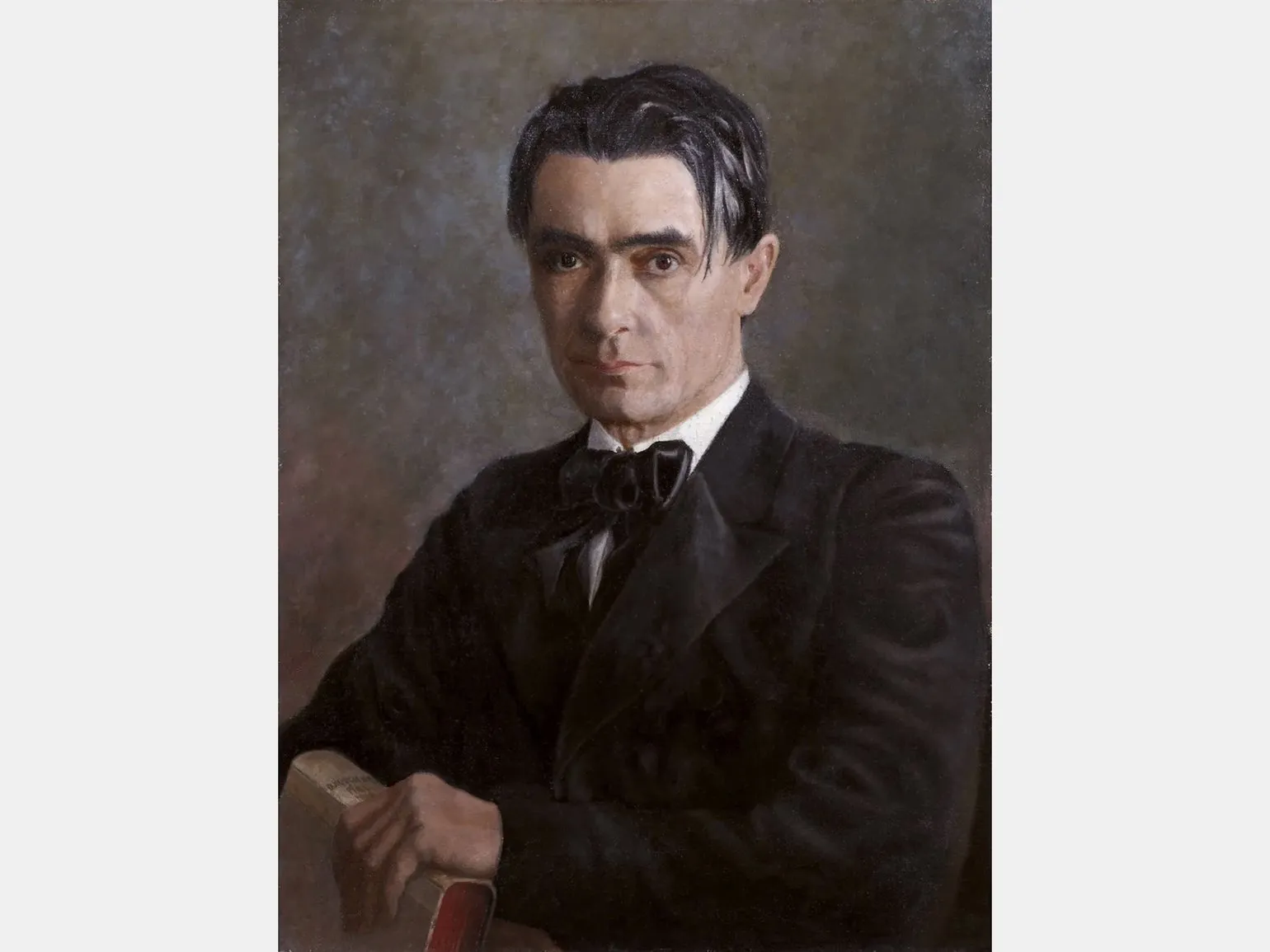
Waldorf education has been controversial in society, largely due to its roots in the religious and mystical teachings of the Austrian occultist Rudolf Steiner. It is important to examine the basic principles of this educational system and determine whether elements of occult teachings are retained in modern Waldorf schools. Waldorf education emphasizes an individual approach to each student, which promotes the development of creative and critical skills. This educational system strives to create a harmonious learning environment that takes into account not only academic but also emotional and social aspects. We explore how these principles are applied in practice and how they influence the educational process.
How Waldorf Education Came About
After the First World War, many European cultural and scientific figures sought to rethink the world and seek new paths for social development. One of these thinkers was the Austrian occultist, philosopher, and educator Rudolf Steiner. His ideas and concepts had a significant influence on philosophy, education, and art, offering alternative approaches to understanding human existence and its role in the world. Steiner emphasized the importance of spiritual development, individuality, and social responsibility, which continues to be relevant in modern society.
Between 1900 and 1920, Rudolf Steiner actively lectured in Germany on anthroposophy, a religious and mystical teaching that asserts the existence of a special spiritual world and hidden human potential. Steiner emphasized that the process of spiritual self-development has the power to transform human consciousness and open access to this unique spiritual dimension. His ideas about the relationship between inner development and the expansion of the perception of reality continue to attract the attention of researchers and practitioners in the fields of spirituality and philosophy.
In 1919, Rudolf Steiner gave a lecture at the Waldorf-Astoria tobacco factory in Stuttgart. In his speech, he presented a new approach to the educational process, emphasizing the creative and emotional development of children rather than traditional rote learning. Steiner's ideas sparked great interest among the workers, leading them to approach his colleague Herbert Hahn for help in creating a school focused on these innovative principles for their children. This was the beginning of the education system that was later called the Waldorf School, and continues to evolve, drawing attention to the importance of an individual approach and creative expression in learning.

Read also:
150 years ago, populist students opened secret schools, Seeking to disseminate knowledge and education among the general population, these educational institutions were an important step in the struggle for education and social change in Russia. Inspired by ideas of equality and justice, the Narodniks organized classes in various subjects, including literature, mathematics, and science. These secret schools not only taught but also shaped people's consciousness, promoting critical thinking and social activism. This movement became an important part of the history of education in Russia, laying the foundations for future reforms and education. Narodnik students, risking their freedom, fought for the right to knowledge and development, which had a significant impact on the society of the time. The factory director, Emil Molt, who was actively interested in anthroposophy at the time, supported his employees' initiative to create a new school. At a board meeting, he announced his decision and invited Rudolf Steiner to serve as a pedagogical consultant. That same year, Steiner developed the first Waldorf pedagogy program, which was approved by the German Ministry of Education and Culture. The Waldorf School, founded on the principles of anthroposophy, marked an important step in the development of alternative education, offering a unique approach to teaching and raising children.
The first Waldorf School was founded in September 1919 as an independent and experimental educational institution. Based on the pedagogical principles of Rudolf Steiner, Waldorf education offers a unique approach to learning, emphasizing the holistic development of the child. This school became the foundation for the creation of a network of Waldorf schools around the world, which continue to follow the principles of a humanistic and comprehensive education.
Steiner identified four key conditions necessary for the effective operation of this educational institution. These conditions contribute to the creation of an optimal educational environment and ensure the comprehensive development of students. It is important to take into account their importance for the formation of a high-quality and harmonious educational process.
- the school should be open to all children, regardless of the social status of their families;
- children of both sexes can study at the school;
- education lasts 12 years;
- control over the educational process lies primarily with teachers, and the state and funding sources can interfere in pedagogical issues only minimally.
The Waldorf school in Germany became a pioneer in the field of education, providing an opportunity for education for children from different social groups. It was also the first secondary school where boys and girls studied together. This innovative approach to education promoted integration and equality in the educational process, which made the Waldorf school a unique educational and cultural institution in the country.
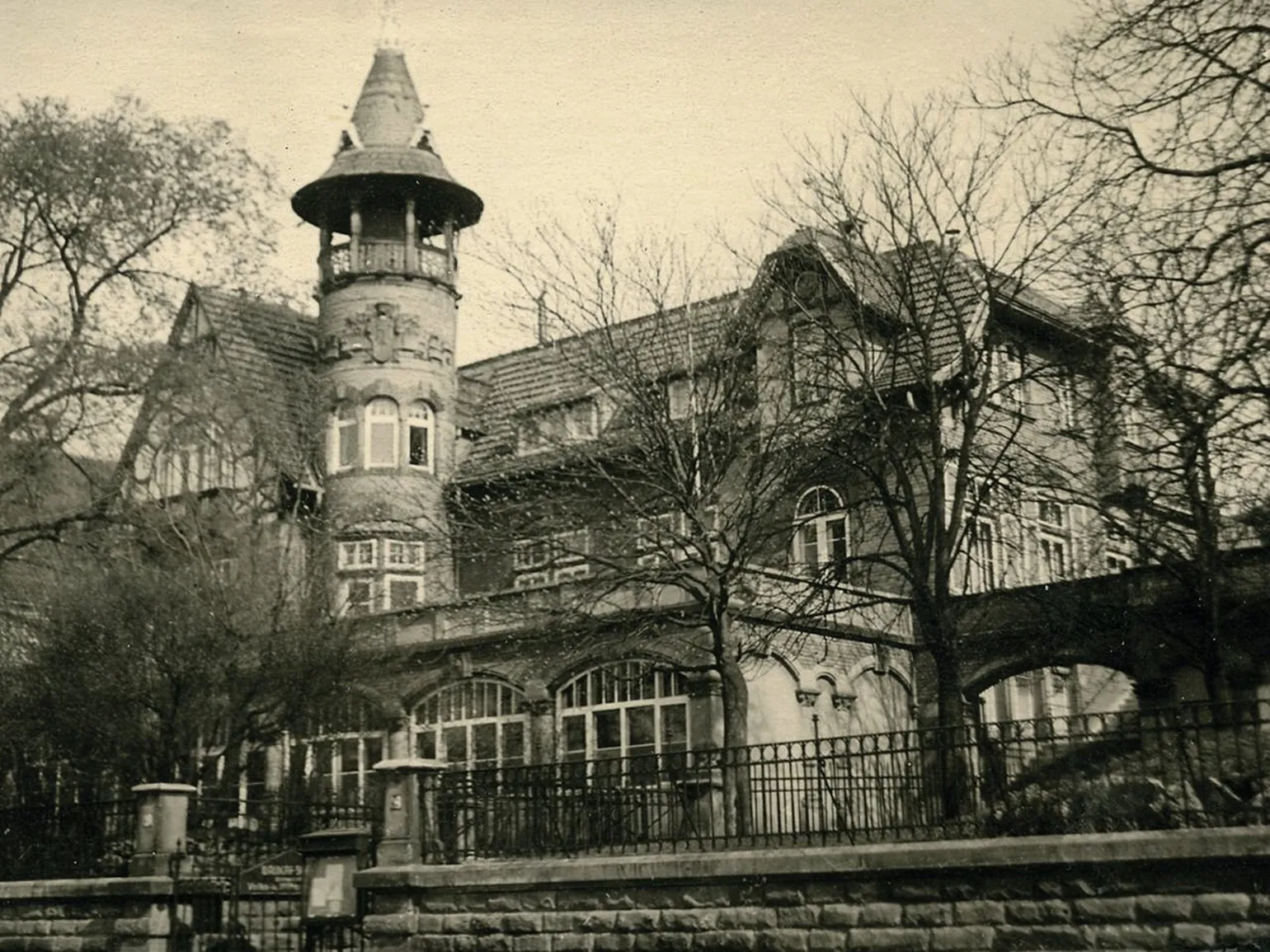
The school was originally founded for the children of factory workers "Waldorf Astoria," which is where its name came from. Soon, news of the effectiveness of Waldorf education began to spread throughout Germany. Rudolf Steiner's successful presentation at a conference in Oxford in 1922 drew attention to Waldorf schools beyond the country's borders, which contributed to their popularization and development in other regions. Waldorf education, based on the principles of comprehensive personal development, continues to attract the interest of parents and educators around the world.
Basic Principles of Waldorf Education
The fundamental principle of Waldorf education is "non-leadership," which implies that learning occurs in accordance with the individual rhythm, inclinations, and temperament of each student. In this educational system, the emphasis is not on the accumulation of knowledge, but on identifying and developing personal strengths. The main goal is to realize the unique potential of each child, which contributes to his or her harmonious development. Waldorf education focuses on developing self-awareness and creative thinking, which enables students to successfully adapt to the modern world.
Waldorf schools prioritize the initial development of emotions and creativity, followed by intellectual abilities. This approach aims to cultivate not only intellectually developed individuals, but also well-rounded individuals with a clear understanding of their capabilities and the skills to effectively interact with others. This creates the foundation for developing confident and responsible citizens capable of collaboration and creative thinking.
Waldorf education achieves its goals through six core principles. These principles are aimed at developing the individuality of each child and creating a harmonious educational environment. The primary focus is on cultivating creativity, emotional intelligence, and social skills. Waldorf education promotes a lasting interest in learning and a deep understanding of the world around them.
Instead of memorizing facts, children in Waldorf schools engage in independent research. Based on the results obtained, they describe phenomena in the surrounding world and establish relationships between them. Waldorf education emphasizes project-based activities, which fosters a deep understanding of the topics being studied. At the initial stages of education, these schools completely eliminate textbooks, and in the upper grades, there are no grades. This allows students to focus not on their results, but on the learning process itself, which promotes the development of critical thinking and creativity.

Reading books is an important aspect of personal and professional development. Books enrich our vocabulary, improve critical thinking skills, and broaden our worldview. They help us immerse ourselves in new cultures and ideas, strengthening our capacity for empathy. Furthermore, regular reading improves concentration and memory, which is especially valuable in today's information-saturated world.
It's important to choose a variety of genres and authors to develop your interests and find new sources of inspiration. Reading can also serve as an excellent stress reliever, allowing us to temporarily escape from everyday worries.
Remember that reading not only entertains but also shapes our personality and thinking. Choose books that interest you, and make reading an integral part of your life.
Modern educators are increasingly advocating for the abolition of grading in the educational process. The main reason is that the traditional grading system can negatively impact student motivation. Grades often create stress and fear of failure, which, in turn, can reduce learning. Instead, educators propose implementing alternative assessment methods, such as formative assessment, which focuses on the learning process and skill development rather than the final outcome. Eliminating grades creates a more trusting classroom atmosphere, where students can freely express their thoughts and ask questions. This approach allows children to develop critical thinking and creativity, as well as foster a lasting love of learning. Educators emphasize the importance of an individual approach to each student, which is impossible within a rigid grading system. Thus, the transition to grade-free learning opens new horizons for the development of both students and teachers, contributing to a more humane and productive educational environment. Supporters of Waldorf education argue that limiting the use of gadgets promotes the development of imagination and creative thinking in children. In kindergartens and elementary grades, the use of electronic devices is completely prohibited. Prefabricated plastic toys are also discouraged, as the emphasis is on children demonstrating creativity and creating things from available materials on their own. This approach helps develop not only artistic skills but also critical thinking and problem-solving abilities.
In Waldorf schools, education is organized according to children's biological development, which helps avoid feelings of rejection. In the early grades, emphasis is placed on developing fine and gross motor skills, which promotes a child's harmonious development. The process of developing abstract thinking begins as students approach adolescence. This approach creates a comfortable educational environment where each child can develop at their own pace, which has a positive impact on their learning and psychological well-being.
Parents are actively involved in school life, participating in holidays and various events, and helping with decorating the premises and creating toys. A Waldorf school becomes not only an educational institution but also an extension of the family for students, creating a unique atmosphere of collaboration and support. This approach fosters deeper interactions between parents, children, and teachers, which positively impacts the overall development of students.
Waldorf schools emphasize creative and physically active activities, such as dance, theater, and musical performances. Educational material is seamlessly integrated into these activities. Maintaining a balance between mental and physical activity is important—various activities are alternated throughout the day, helping children expend energy efficiently and reducing fatigue. This approach promotes the comprehensive development of students, fostering creativity and physical endurance.
Education in Waldorf schools is organized around the concept of "eras" rather than traditional subjects. Each era lasts three to four weeks and focuses on one core subject, such as chemistry, biology, or history. During this time, students spend one and a half to two hours a day studying the core subject, which becomes the central theme of their studies. All other activities are adapted to the theme of the era. For example, in chemistry, students delve into theory, conduct experiments, and solve problems. They might also create molecular models in dance classes or prepare reports on famous chemists in history classes. This approach not only deepens knowledge but also develops creative thinking and interdisciplinary connections.

Reading is an important aspect of personal and professional development. It is not only a way to obtain information, but also an opportunity to expand your horizons, improve critical thinking skills, and increase your literacy level. In today's world, where information is readily available, the ability to process text quickly and efficiently is becoming essential. Reading also promotes empathy and understanding of different perspectives, which is especially important in a diverse and multicultural society. Invest time in reading books, articles, and scientific research to enrich your inner world and become a more knowledgeable and successful person. An Unusual Practice: How Teachers and Scientists Have Begun to Incorporate Dance into the Scientific Process In recent years, an interesting trend has emerged in which teachers and scientists have begun to integrate dance into educational and scientific processes. This trend has attracted the attention of both researchers and students, as dance is becoming not only a means of self-expression but also an effective tool for exploring complex scientific concepts. Dance creates a unique visual and emotional experience that promotes learning. Teachers are using choreography to illustrate physical laws, biological processes, or mathematical concepts. Thus, dance becomes a means of transmitting knowledge, promoting the development of creative thinking and improving memory.
This practice is not limited to educational institutions. Scientists are also beginning to incorporate dance into their research, using it as a method for visualizing data and presenting results. This makes scientific achievements more accessible and understandable to a wider audience.
The integration of dance into science opens new horizons for interdisciplinary collaboration, uniting such fields as art, science, and education. This creates a platform for the exchange of ideas and inspiration, which in turn can lead to new discoveries and innovations.
Thus, dance becomes an integral part of the scientific process, promoting not only learning but also cultural exchange, expanding the boundaries of the traditional perception of science.
Supporters of the Waldorf education system claim that this approach promotes a deeper understanding of topics than traditional 40-45 minute lessons. The integration of the core discipline with other subjects helps engage a wide range of students. For example, students interested in the humanities may discover a passion for chemistry through studying history or literature. This method fosters a cohesive and holistic educational experience, which increases motivation and interest in the learning process.
Is Waldorf Education Effective?
In 2015, Stanford University presented the results of a study on Waldorf education. Over several years, experts analyzed the intellectual, emotional, physical, and creative development of thousands of students from traditional and Waldorf schools. As part of the study, the students also took standardized tests, which allowed the researchers to assess the children's level of engagement in the educational process and identify the presence of behavioral problems and other difficulties. The findings highlight the importance of the Waldorf approach to children's comprehensive development. Students in Waldorf schools demonstrate a high level of engagement in learning, which is reflected in better discipline and minimal absences. It is particularly noteworthy that positive results are observed even among children from disadvantaged families and vulnerable social groups. This demonstrates that the Waldorf education system effectively supports and develops motivation for learning, creating a favorable atmosphere for all students.

Read also:
A person-centered school is an educational institution in which the emphasis is on the learning process, rather than traditional teaching methods. In such a school, children are active participants in their educational journey, which fosters a deeper understanding of the material and the development of critical thinking. The main principle is to create an environment in which each student can realize their potential, rather than simply following the teacher's instructions. Thus, in a person-centered school, the emphasis is on the individual needs and interests of children, making learning more effective and engaging.
A study conducted by the Heinrich Heine University of Düsseldorf in the early 2010s confirmed similar results. According to the data obtained, the level of academic motivation among Waldorf students is 13% higher than that of their peers in traditional educational institutions. Waldorf students demonstrated motivation scores of 80%, while students in conventional schools showed a motivation score of 67%. These results highlight the benefits of the Waldorf educational model in fostering interest and a desire to learn in children.
A study by Austrian researchers demonstrated the effectiveness of the Waldorf education system, which emphasizes inquiry-based learning. This approach fosters motivation for learning and an interest in science, an important aspect of modern education. Although the academic performance of Waldorf students is slightly lower than that of their peers in traditional schools, the researchers found no connection between this and the educational system itself. Thus, the Waldorf system can be beneficial for student development, despite some differences in academic performance.

Be sure to check out our articles on this topic. We offer up-to-date information and helpful tips to help you better understand the subject. Our content is tailored to our readers and optimized for search engines so you can easily find the information you need. Don't miss the opportunity to expand your knowledge and gain valuable recommendations.
Constructivism in Teaching: Reasons Why This Effective Pedagogical Approach Has Not Been Widely Adopted
Constructivism is a pedagogical approach that emphasizes student participation in the learning process. It emphasizes that knowledge is formed through interaction with the environment and personal experience. Despite its advantages, constructivism has not become a widespread phenomenon in the educational system.
One of the reasons for the limited spread of constructivism is the traditional education system, which is focused on the transfer of knowledge from teacher to student. In this model, students often act as passive listeners, which contradicts the principles of constructivism. The introduction of active learning methods requires changes in the educational structure, which causes resistance from teachers and administrators.
Furthermore, the lack of teacher training in constructivist methods also hinders the implementation of this approach. Many teachers do not have sufficient knowledge and skills to implement constructivist practices in the classroom. This creates a barrier to the use of more modern and effective teaching methods.
Another factor is the lack of resources and materials necessary for organizing constructivist education. Educational institutions often face funding problems, which limits their ability to provide the necessary tools for implementing this approach.
Despite these difficulties, constructivism has significant potential for improving the quality of education. Understanding the principles of constructivism and implementing it in the educational process can lead to a deeper assimilation of knowledge and the development of critical thinking in students. Therefore, it is important to continue researching and developing this approach to make it accessible to a wider range of educational institutions.
What is Waldorf Education Criticized For?
Waldorf education is often criticized for its allegedly low quality of education, as well as for its associations with esotericism and sectarianism. For example, Alexander Dvorkin, deputy chairman of the expert council for conducting state religious studies examinations under the Ministry of Justice of the Russian Federation and a professor at St. Tikhon's Orthodox University, expressed his opinion on Waldorf schools in an interview with the Izvestia newspaper, highlighting their controversial aspects. It is important to note that proponents of Waldorf education emphasize the individual development of children and a creative approach to learning. Despite criticism, many parents choose Waldorf schools, hoping for a more harmonious development for their children in an atmosphere free from the rigid constraints of traditional education. Children may face a lack of necessary education, as anthroposophical ideas may be subtly imposed on them. As a result, some of them, although possessing certain skills, may become involved in sects and begin to spread their teachings. It is important to provide children with a comprehensive and critical education that will enable them to independently form their views and make informed decisions. Dvorkin emphasized that Waldorf schools often misrepresent concepts, and parents overlook sectarian signs, captivated by attractive advertising and attention from teachers. The professor noted that, despite their friendly attitude toward children, these institutions lack the most fundamental elements—quality education and the comprehensive development of students. This raises concerns, as important educational standards may be neglected, which could negatively impact children's futures.
Research has shown that Waldorf education does not negatively impact students' academic performance. On the contrary, it promotes students' emotional well-being and stimulates their interest in learning. These aspects should not be considered disadvantages, as they positively impact the overall educational process. Waldorf education offers a unique approach that emphasizes the harmonious development of the individual, which is important for the formation of successful and motivated students.

Why is the sea polluted? Phenomenon-based learning as a way to address real-world environmental issues.
Pollution of the seas and oceans is one of the most pressing environmental issues of our time. Understanding why the sea is dirty requires a holistic approach and in-depth analysis of the causes. Phenomenon-based learning provides a unique opportunity to explore this topic, helping students not only understand the causes of pollution but also develop effective strategies to address it.
Using real-world examples and data, students can explore the impact of human activity on the marine ecosystem, including litter dumping, oil spills, and plastic use. This approach fosters the critical thinking and problem-solving skills needed to develop sustainable environmental solutions.
Through phenomenon-based learning, students can engage in hands-on projects aimed at cleaning beaches, protecting marine species, and developing initiatives to reduce plastic use. This not only develops their awareness of the issues but also inspires them to take action to protect the environment.
Thus, phenomenon-based learning is becoming an important tool for developing environmental responsibility and engaging young people in solving marine pollution problems.
In the 1980s, three independent researchers from the German Ministry of Education conducted a study that showed that graduates of Waldorf schools born in 1946–1947 were significantly more likely to receive the Abitur, a certificate required for admission to higher education. The proportion of such graduates among Waldorf students was 22%, which is three times higher than the same figure among graduates of public schools. These data highlight the advantages of the Waldorf educational model and its impact on students' academic success.
In Russia, accredited Waldorf schools develop curricula in accordance with the recommendations of the Ministry of Education. Students at these schools are certified in the 4th, 9th, and 11th grades, and also take mandatory exams - the Basic State Exam (OGE) and the Unified State Exam (USE). Waldorf education combines traditional teaching methods with an individualized approach to each child, which promotes the comprehensive development of students.
Representatives of Waldorf schools have repeatedly denied accusations of sectarianism, emphasizing that their educational program is not religious. The official website of the Association of Waldorf Schools of North America explains that Waldorf education was originally based on the teachings of Rudolf Steiner, but emphasizes only the humanistic aspects. Waldorf education aims to develop students holistically, including both the intellectual and emotional aspects of their growth. This creates a harmonious educational environment that takes into account the needs and mental state of each student.
Read also:
- This is not a toy! 5 Montessori Pedagogy Ideas to Help in Teaching Adults Unusual Teaching Methods: 5 Ways to Make Lessons Fun and Engaging 5 Books on Modern Pedagogical Approaches and Teaching Methods What Motivates Children to Learn and How to Maintain Interest in Learning Bookshelf: Discipline Without Stress, Punishments, and Rewards