
Contents:

Course with employment: "The profession of a Methodologist from scratch to PRO"
Find out moreWe got the opportunity to better understand the Digital Departments project thanks to its curator Pavel Golosov, who represents the Russian Presidential Academy of National Economy and Public Administration (RANEPA). The project aims to introduce digital technologies into the educational process, thereby improving the quality of education and training of specialists. Initiatives like Digital Departments help educational institutions adapt to the demands of the modern labor market and provide students with relevant knowledge and skills.

Pavel Golosov
PhD in Technical Sciences, Dean of the Faculty of Information Technology and Data Analysis at the Institute of Economics, Mathematics, and Information Technology of the Russian Presidential Academy of National Economy and Public Administration (RANEPA). He has significant experience in information technology and data analysis and is actively involved in research and training specialists in this field. Under his leadership, projects are implemented aimed at integrating modern technologies into the educational process and developing students' analytical skills.
"Digital Departments" are an initiative aimed at implementing professional retraining programs. These programs are a key element of the federal project "Development of Human Resources in the IT Industry," which is integrated into the national program "Digital Economy of the Russian Federation." All information about the project and its implementation is set out in the corresponding concept. The goal of this project is to train highly qualified specialists for the dynamically developing information technology sector, thereby strengthening the country's human resources potential in the field of digital technologies.
The project aims to provide students at universities with digital departments with the opportunity to obtain additional qualifications in information technology alongside their main specialization. This affects two groups of students: those already studying IT specializations and those choosing other fields but interested in mastering digital skills. Such initiatives contribute to the increased competitiveness of graduates in the labor market and meet the growing demand for specialists with IT competencies.
- Students in specializations and fields of study that are not related to the IT field. For example, future economists, lawyers, and managers. They will be able to acquire competencies in the digital departments in creating algorithms and computer programs, as well as working with databases.
- Students in IT programs. The training will also help them acquire additional competencies and expand their professional capabilities.
Students of both categories who complete their studies at the digital department will receive a diploma of professional retraining. This document confirms the successful completion of the program. However, it is worth noting that the additional qualification will not be included in the higher education diploma that the student will receive upon graduation.
Digital departments are an initiative aimed at implementing professional retraining programs in the field of information technology. These programs are an integral part of the federal project "Development of Human Resources in the IT Industry," which is part of the national program "Digital Economy of the Russian Federation." All necessary information about the project and its implementation is set out in the corresponding concept. The main goal of the project is to train qualified specialists capable of working effectively in the rapidly developing IT sector.
The project is aimed at providing students of universities with digital departments with the opportunity to obtain additional qualifications in the field of information technology in addition to their main specialty. This offer is valid for two categories of students. Participants will thus be able to expand their professional skills and improve their competitiveness in the labor market, which is especially important in the rapidly evolving digital world. Students will gain access to modern knowledge and practical skills, enabling them to successfully integrate into the IT sector and adapt to employer requirements. Students in specialties and fields of study not related to IT, such as future economists, lawyers, and managers, will be able to acquire competencies in creating algorithms and computer programs, as well as working with databases, in digital departments. Students in IT programs will also be able to acquire additional competencies and expand their professional capabilities. Students studying in the digital department will receive a diploma of professional retraining upon completion of their studies. This diploma confirms successful completion of the program and is a separate document. It's important to note that this additional qualification will not be reflected in the higher education diploma students receive upon graduation. Therefore, the professional retraining diploma serves as an important supplement to their education, highlighting professional skills and knowledge in digital technology.
Of course, I am ready to help with text editing. Please provide the source text you wish to revise.
The Digital Departments project is being implemented in 115 universities that are participants in the Priority 2030 program. This initiative is aimed at digitalizing the educational process and introducing modern technologies into educational activities.
In the future, new departments will be created at other universities that have joined the Priority 2030 program. The Ministry of Science and Higher Education of the Russian Federation predicts that by the end of 2025, more than 385,000 people will have completed their studies in digital departments. By 2030, 1 million 135,000 students will have received additional qualifications in IT. This significant number reflects the growing interest in IT specialties and the importance of digital technologies in modern education.
The Digital Departments project is being implemented in 115 universities that are participants in the Priority 2030 program. Not all universities are participating in this initiative, but those that are are actively integrating digital technologies into their education.
In the future, departments are planned to open at other universities that have joined the Priority 2030 program. The Russian Ministry of Science and Higher Education predicts that by the end of 2025, more than 385,000 students will have completed their studies in digital departments. By 2030, 1,135,000 students will have received additional IT qualifications. This will create new opportunities for students and improve the training of IT specialists.
In 2023, training in the digital department will be open to everyone. The rules for participation may change in the future, so it is recommended to stay tuned.
The Presidential Academy now accepts applications from students not involved in IT specialties. Enrollment is currently underway for the course "Data Analysis in Python and Databases (SQL)." The first groups will begin classes in September. This course provides a unique opportunity to master in-demand data analysis skills, which will significantly improve your competitiveness in the job market. Don't miss the chance to improve your knowledge and expand your career prospects.
This year, training in the Digital Department is available on a voluntary basis. The rules may be changed in the future, which will expand opportunities for students.
Students from non-IT fields can apply for training at the Presidential Academy. Enrollment is currently open for the "Data Analysis with Python and Databases (SQL)" course. The first groups will begin classes in September, providing an excellent opportunity to master in-demand data analysis skills. The course covers the basic aspects of working with Python and SQL, allowing students to expand their competencies and improve their competitiveness in the job market.
To receive a diploma, you must confirm your competencies and defend a project. Specific defense formats are determined by the educational institution. For example, students in the "Data Analysis with Python and Databases (SQL)" program undergo independent digital skills assessments during and after their studies at an assessment center established at Innopolis University. During their studies, students also implement and present their IT projects, which allows them to demonstrate their acquired knowledge and skills in practice.

To receive a diploma, you must confirm your knowledge and skills, as well as defending a project. Assessment formats vary by university. For example, students in the "Data Analysis with Python and Databases (SQL)" program undergo independent assessment of digital competencies during their studies and at a final assessment center hosted by Innopolis University. In addition, they will have to develop and present their IT projects, which will allow them to demonstrate the practical application of their acquired knowledge.

Bachelor's degree students, starting from the second Undergraduate students, starting in their second year, and specialist students, starting in their third year, will be able to study in the Digital Department. This applies to those who are in their second or later years of study from September 1, 2022. The project does not provide for competitive selection, making the training accessible to all students who meet the requirements.
Undergraduate students, starting in their second year, and specialist students, starting in their third year, will be able to study in the Digital Department. This applies to those who are in their second or later years of study from September 1, 2022. The project does not provide for competitive selection for those wishing to enroll in the Digital Department. Studying in this department will provide students with unique opportunities to develop skills in digital technology and prepare for the modern demands of the labor market.
The project is not intended for other categories of citizens. It is specifically designed for students from universities participating in the Priority 2030 program so that they can obtain additional IT qualifications without interrupting their studies. For non-students, other government initiatives, such as "Digital Professions" and "Employment Promotion," offer opportunities to obtain IT qualifications.
This project is designed to provide students at universities participating in the "Priority 2030" program with the opportunity to obtain additional IT qualifications while continuing their studies. For all other citizens, other government initiatives, such as "Digital Professions" and "Employment Promotion," are also available, promoting training and professional development in information technology.
Each university independently develops educational programs for additional professional development. The most popular areas are data analysis, digital product development, web application development, Big Data, and other related fields. These programs help specialists improve their skills and adapt to the modern demands of the labor market.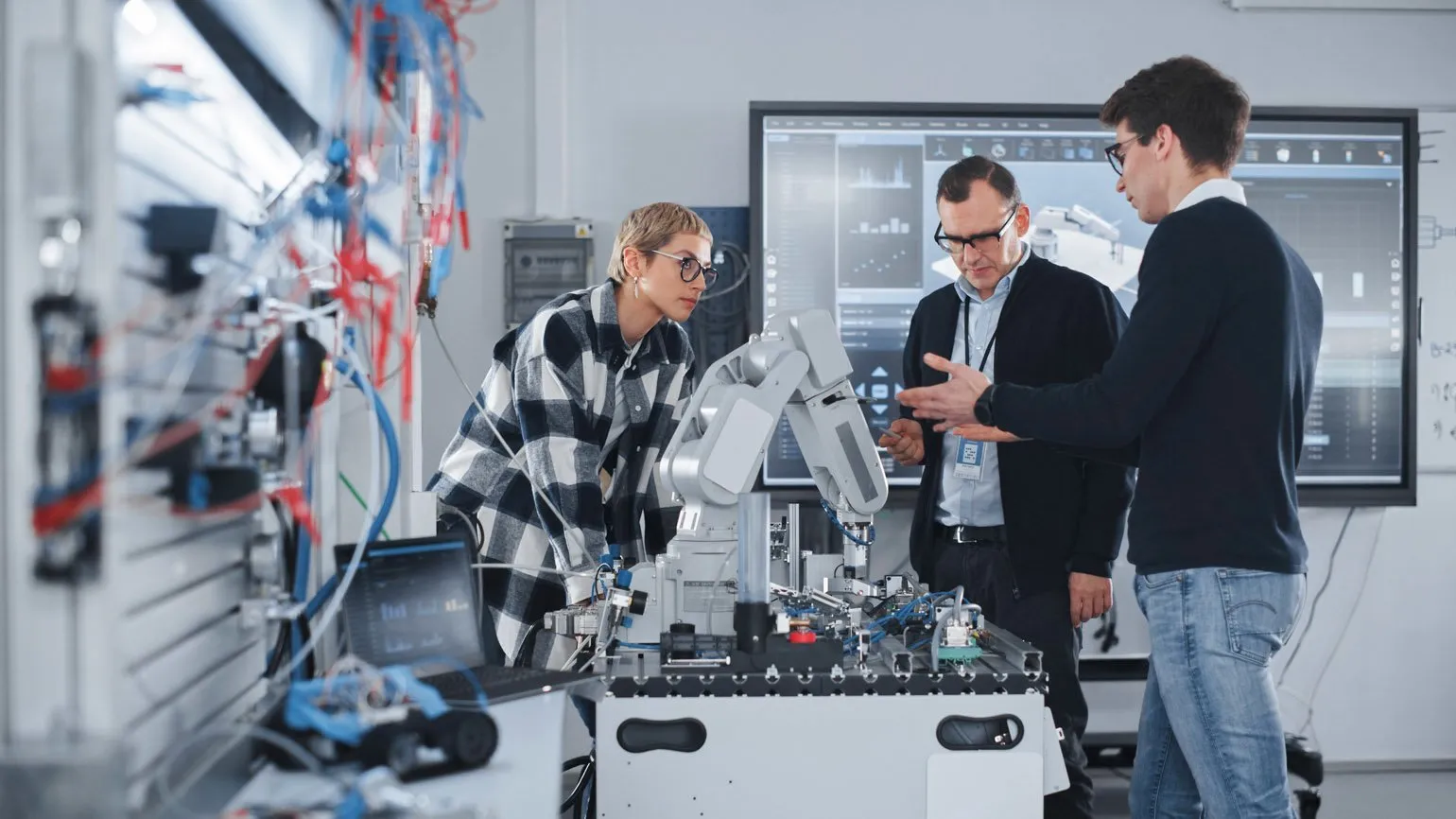
On the course "Data Analysis in Python and Databases (SQL)" At RANEPA, students will learn the fundamentals of programming machine learning (ML) algorithms using Python. They will be introduced to real-world neural network applications and learn how to configure them. The course also covers key skills in managing modern relational databases, enabling students to effectively process and analyze data in various applications. Participants will gain the practical experience necessary for working in data analysis and developing machine learning solutions. Each higher education institution develops its own educational programs for additional professional development. The most in-demand areas are data analysis, digital product development, web application creation, working with Big Data, and other related fields. These programs help specialists adapt to the modern demands of the labor market and acquire new skills.
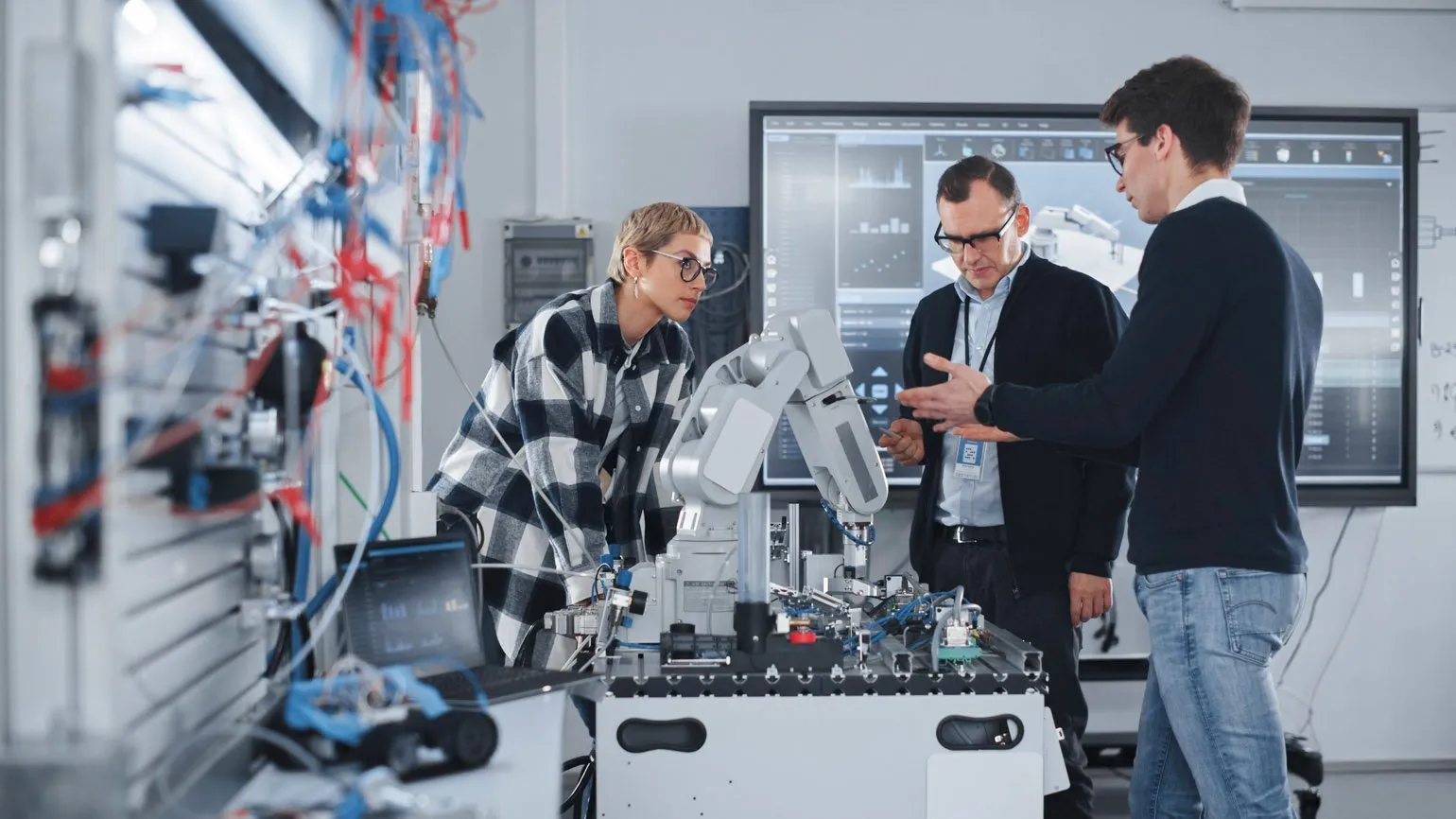
On the course "Data Analysis in Python and Databases (SQL)" in At RANEPA, students will learn the fundamentals of programming machine learning algorithms in Python. They will be introduced to practical examples of neural network technologies and learn how to configure them to solve various problems. Additionally, course participants will master key skills in managing modern relational databases, enabling them to effectively work with data in various fields.
The Digital Department offers the opportunity to earn an additional qualification that complements the core educational program. Applicants initially choose a major or specialization, and in their second year, they have the opportunity to complete an additional professional program. The decision to create programs is made by the university, and students can choose from the proposed options, allowing them to tailor their education to their personal career goals and labor market demands.
This year, the RANEPA Digital Department will offer a program in data analysis. It is open to students from all majors and specializations not related to information technology, eliminating any restrictions. In the future, we plan to expand the range of courses, which will allow even more students to master in-demand skills in the field of data analysis.
The Digital Department offers the opportunity to obtain a qualification that complements the main educational program. Applicants initially choose a major or specialty, and in their second year, they have the opportunity to choose an additional professional program. The decision to create these programs is made by the university, and students can choose from existing offerings. This allows them to deepen their knowledge in a specific field and increase their competitiveness in the labor market.
This year, the RANEPA Digital Department will only offer a program in data analysis. It is designed for students from all fields and specialties not related to IT, allowing them to gain knowledge in this in-demand field without restrictions. In the future, we plan to expand the range of courses, which will create additional opportunities for training and development in the field of digital technologies.
The minimum program volume for this project is at least 250 hours. Such a course can be completed within one academic year. However, universities have the opportunity to develop longer programs. Project participants are not limited in their approaches to creating educational courses: they can develop a program from scratch, as was done at RANEPA, or adapt existing continuing professional education programs or courses from external partners.
The minimum program volume for the project is at least 250 hours. A course of this duration can be completed within one academic year. However, higher education institutions have the opportunity to develop longer programs. Project participants are not limited in their approaches to creating educational courses: they can develop a course from scratch, as was done at RANEPA, or adapt an existing continuing professional education (CPE) program at the university, or use a course offered by an external partner.
According to the current project rules, during their studies at the university, they are provided with the opportunity to obtain one additional qualification under the Digital Department program.
According to the current project rules, during their studies at the university, students have the opportunity to obtain one additional qualification under the Digital Department program.
The issue of personnel is a key aspect on the path to the development of the digital economy. To successfully integrate digital solutions, it's essential to supply the labor market with qualified specialists. These specialists must not only possess core professional skills but also confidently use digital tools. This will enable industries to effectively implement innovative technologies, increase productivity, and create new growth opportunities. Therefore, developing a workforce capable of adapting to digital change will be a crucial step toward achieving sustainable economic development.
The Digital Departments project aims to prepare students to obtain additional qualifications in IT alongside their core competencies. In today's world, digital skills are highly valued by employers across various industries. This will enable graduates to become competitive professionals, prepared for success in the emerging technology and economy.
The human resources sector is a key aspect of the transition to a digital economy. It is essential to provide the labor market with specialists who possess not only core knowledge in their field but also skills in using digital tools. This will pave the way for more effective integration of digital solutions across various industries, increase productivity, and open up new opportunities for growth. Training and retraining employees in digital technologies is becoming essential for the successful development of businesses and the economy as a whole.
This objective is being addressed through the Digital Departments project. Upon completion of their studies, students will receive additional qualifications in IT, which will be a significant advantage alongside their core competencies. In today's environment, employers highly value digital skills across various fields. Thus, graduates will be able to successfully integrate into the labor market and become competitive specialists prepared for the challenges of new technological and economic realities.
The project's key requirement is that at least 50% of classes must be taught by employees of organizations in the real sector of the economy and practicing experts with at least three years of experience working at universities or in the IT industry. At RANEPA, for example, we actively engage faculty from business organizations, which ensures high-quality training and the relevance of materials. This approach helps develop practical skills in students and improve their readiness for professional activity.

Of course, I am ready to help with the text revision. Please provide the source text, which must be adapted for SEO.
The project's primary requirement is that at least 50% of the classes be taught by employees of the real economy and experts with at least three years of experience in universities or the IT industry. For example, at RANEPA, we actively engage faculty from business circles. This ensures that the training is practical and the knowledge imparted to students is relevant. This approach helps students develop the skills necessary for a successful career in the modern labor market.

According to the requirements of the Ministry of Digital Development, Communications and Mass Media, universities are obliged Conclude agreements with IT companies. This is necessary for organizing internships at these companies. For example, RANEPA will collaborate with the S. A. Lebedev Institute of Precision Mechanics and Computer Engineering, a specialized scientific organization. This collaboration will allow students to gain practical experience and deepen their knowledge in the field of information technology.
To improve the visibility of your content in search engines, it is important to optimize the text with keywords and phrases. Make sure your text contains relevant words and phrases, but remains natural and readable.
Reading is an important aspect of personal growth and development. It enriches our inner world, helps expand our horizons, and contributes to the improvement of critical thinking skills. Regularly reading books, articles, and scientific research allows you to deepen your knowledge in various fields, be it science, art, or business.
Furthermore, reading helps improve memory and concentration. Immersing yourself in text helps develop imagination and emotional intelligence, as we learn to empathize with characters and understand different points of view.
It's important to choose a variety of genres and topics for reading to expand your horizons and discover new interests. Devote time to reading every day, and you'll notice how it positively affects your thinking and perception of the world.
Read also:
- I want to retrain for another profession for free. How can I do this?
- High school students will study programming for free
- How to develop additional vocational education at universities
- Individual educational trajectories: what they are and how they work
According to the requirements of the Ministry of Digital Development, Communications and Mass Media, universities are required to enter into agreements with IT companies. This is necessary for organizing internships at these companies. One of the partners of RANEPA will be a specialized scientific organization - the S.A. Lebedev Institute of Precision Mechanics and Computer Engineering. Collaboration with such organizations will allow students to gain practical skills and deepen their knowledge in the field of information technology.