Contents:
Learn: The Profession of Methodologist from Scratch to PRO
Find out moreThe Academic Ranking of World Universities (ARWU) was first presented in 2003 by the Institute of Higher Education, Shanghai Jiaotong University, China. Since 2009, the ranking has been compiled and published by the independent agency ShanghaiRanking Consultancy. The ARWU ranking is considered one of the most authoritative and widely used indicators of higher education quality, allowing for international comparisons of universities. Its core value lies in its emphasis on research excellence. In addition to traditional metrics such as the citation rate of research articles, the oldest of the three leading global rankings also takes into account the number of Nobel Prize and Fields Medal winners among faculty and alumni. These criteria account for 30% of a university's overall score. Russian universities rank low in international rankings. The 2024 Shanghai Ranking of World Universities includes only seven Russian universities, none of which are among the top 100 globally. Four Russian universities are featured in the same publication's subject rankings, highlighting their limited influence on the international stage. Measures are needed to enhance the competitiveness of Russian educational institutions and improve their positions in global rankings.
In the 2023 Shanghai Subject Rankings, four Russian universities took places in the top 100. This success underscores the high level of education and research conducted in Russia. The Shanghai Academy ranking is one of the most authoritative in the world and allows us to assess the quality of educational institutions in various disciplines. It is important to monitor such achievements, as they contribute to the enhancement of the international status of Russian universities and draw attention to their research programs and opportunities for students.
The British company Quacquarelli Symonds (QS) is the creator of one of the most renowned university rankings in the world. The first ranking was published in 2004 in collaboration with Times Higher Education (THE) magazine. Since 2009, QS and THE have maintained their rankings separately. In 2022, both companies announced the end of their collaboration with Russian educational institutions. Nevertheless, Russian universities remain in the QS rankings, as the company believes that their exclusion could negatively impact students and graduates.
An important aspect of the QS university rankings is the significant influence of reputational indicators. About 50% of the scores in the ranking are formed on the basis of surveys of scientists, university professors, and employers around the world. It should be noted that many universities, including Russian ones until 2022, invest in advertising and consulting services from QS. One of the goals of such collaborations is to improve university recognition among survey participants. However, a number of studies indicate that commercial relationships between universities and ranking compilers can distort the assessment results, raising questions about the reliability of the data obtained.
In the main QS World University Rankings 2025, Russia is represented by 47 universities, among which the highest position is occupied by Moscow State University, in 94th place. However, in recent years, there has been a tendency for the positions of Russian educational institutions to decline. At the same time, in the QS World University Rankings by Subject, Russian universities demonstrate more successful results compared to similar data from the Shanghai Ranking, as 19 Russian universities entered the top 100 in various disciplines.
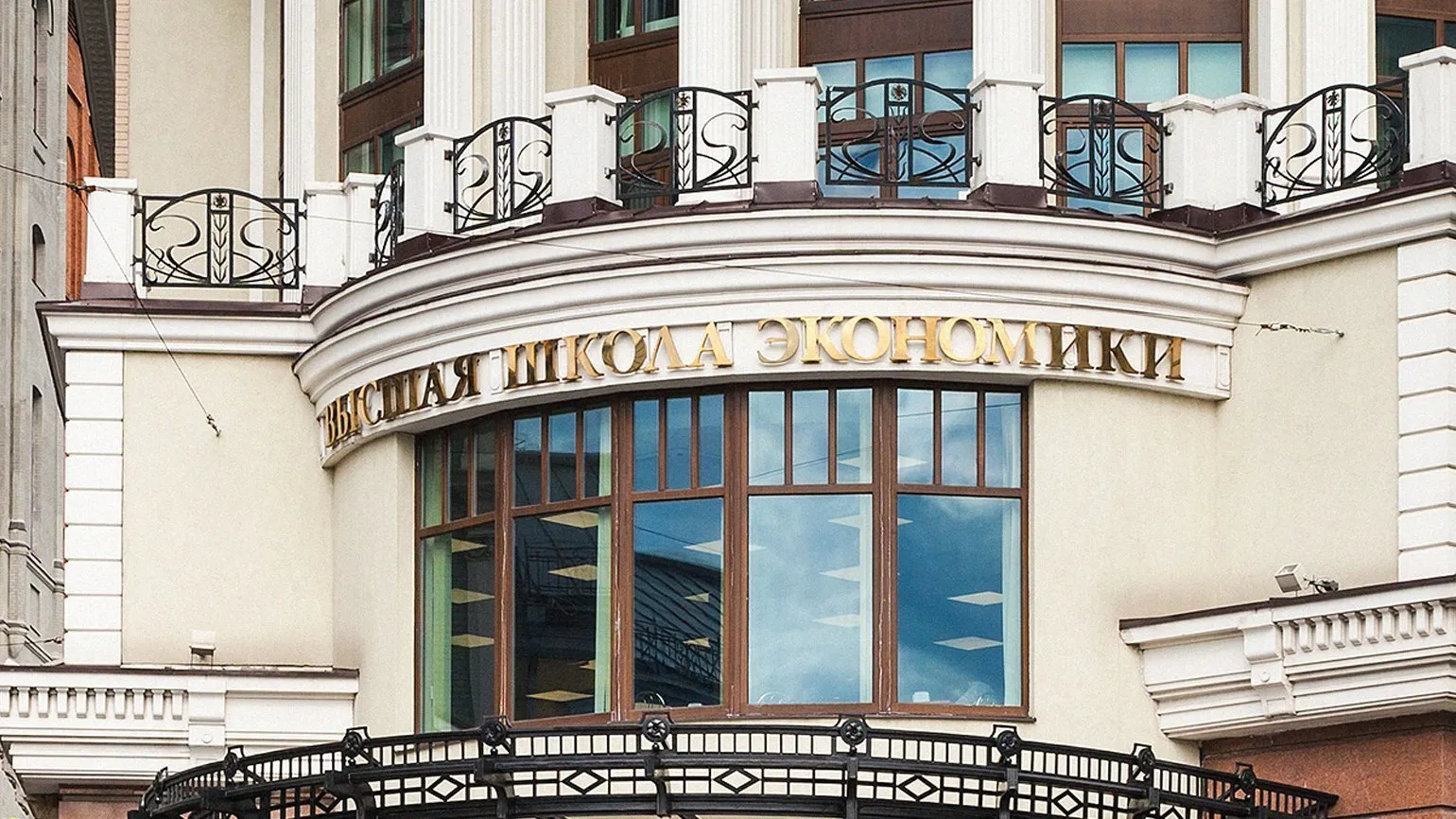
Learn about Russian universities in the authoritative QS ranking. This ranking is an important indicator of the quality of education and research at universities. It allows you to evaluate the position of Russian educational institutions on the international stage and compare them with universities in other countries. Find out which universities are among the top and what factors influence their success.
The British publication Times Higher Education (THE) separated from the QS project in 2009 and created its own university ranking. The new ranking was developed with the aim of improving the methodology, offering a more balanced approach compared to the joint ranking with QS. The new list places less importance on reputational indicators, which allows for a more accurate assessment of the quality of universities and their educational programs.
The essence is a comprehensive assessment. The THE methodology adds an indicator of the transfer of scientific knowledge to practice in addition to traditional criteria such as "Education", "Research", and "International Activity". This aspect of a university's activities is assessed based on annual revenue from the commercialization of technologies and their sale to businesses. This approach allows for a more accurate assessment of universities' contribution to the economy and innovative development.
Since 2022, Russian universities have been featured in the Times Higher Education (THE) rankings without detailed profiles or active links to their websites. In 2023, Moscow State University (MSU) entered the top 100 of the main ranking for the first time and also improved its position in subject categories. However, in the 2024 ranking, the positions of Russian universities have declined: MSU fell to 107th place, and other participants also generally show a decline in the rankings. This raises concerns about the competitiveness of Russian educational institutions on the international stage.
Moscow State University (MSU) and the National Research University Higher School of Economics (HSE) took places in the top 100 of the Times Higher Education (THE) subject rankings for 2025. This achievement underlines the high level of education and research conducted at these educational institutions. Inclusion in international rankings demonstrates the competitiveness of Russian universities on the global stage.
The Center for World University Rankings (CWUR) is a consulting organization specializing in the analysis of education and science. The organization was founded in the Middle East and initially developed its rankings in Saudi Arabia. Currently, its activities are concentrated in the United Arab Emirates. CWUR provides independent and objective assessments of universities worldwide, enabling students and researchers to make informed choices in higher education.
The CWUR ranking is based on objective indicators of academic achievement. Unlike other rankings, it does not conduct surveys. Education quality is determined by the number of significant global scientific awards received by faculty, as well as the number of alumni holding management positions in large companies. Research activity accounts for 40% of the total score in the ranking, which emphasizes its importance in the assessment of educational institutions.
Russian universities do not occupy the highest positions in global rankings. Moscow State University (MSU) ranks 233rd, and only three educational and research institutions from Russia are represented in the overall top 500 list. It's important to note that these aren't just universities. One of the distinctive features of the CWUR ranking is that research institutes are also included due to their high research output and the quality of their graduate student training. This underscores the importance of research and academic training at Russian educational institutions.
The RUR (Round University Ranking) rating agency is the first international university ranking developed in Russia. Its operations are currently concentrated in Georgia, where it continues to compile up-to-date rankings of higher education institutions.
What makes this approach unique? It focuses primarily on financial indicators. Along with the global ranking, RUR publishes four specialized rankings that evaluate the quality of teaching, research results, international activity, and financial sustainability of educational institutions. When assessing financial stability, a university's income per student and faculty member, the ratio of scientific publications to research expenditures, and a number of other parameters not typically considered in international university rankings are taken into account.
Russian universities occupy respectable positions in global rankings. For example, Moscow State University (MSU) is in 76th place, while MEPhI, MIPT, and Tomsk State University are in the top 200. In the 2024 RUR subject rankings, Russian universities performed well, placing in the top 100 of most subject lists, with the exception of the social sciences ranking. MEPhI stands out, taking fifth place in the Nuclear Education and Technology ranking. This demonstrates the high level of education and research in Russia, making Russian universities competitive on the international stage.
Russian universities have significantly improved their positions in the RUR rankings. This demonstrates the growing quality of education and research in the country. Improving the international competitiveness of universities is an important step in attracting international students and researchers. As a result, Russian higher education institutions are becoming increasingly attractive to young people seeking a quality education. Improving their rankings also strengthens the reputation of Russian universities and expands their opportunities for collaboration with international partners.
The founder of the Moscow International University Ranking "Three University Missions" is the Russian Rectors' Union, which has been headed by Viktor Sadovnichy, Rector of Moscow State University, since 1994. The list of universities is compiled by the Association of Ranking Compilers. This ranking serves as an important tool for evaluating universities based on three key missions: teaching, research, and social responsibility.
The key feature of this ranking is its name. It not only takes research and education into account but also emphasizes the "third mission" of universities, which implies their active role in society and in the development of regions and industries. The ranking methodology does not include reputational indicators, as the compilers completely refrain from conducting surveys. This allows us to focus on real data and the actual contribution of educational institutions to social and economic development.
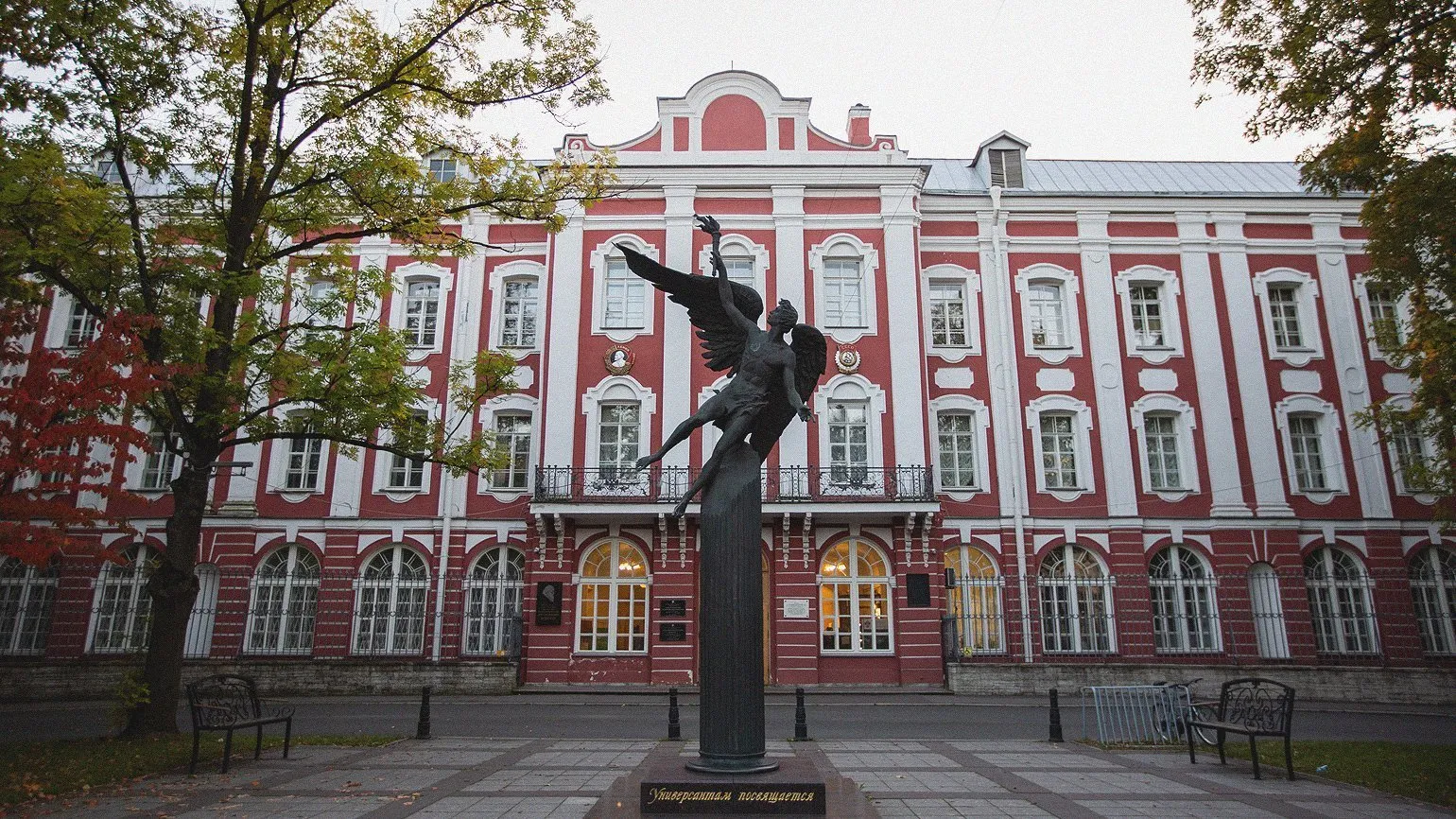
Russian universities occupy respectable positions in international rankings. The top 100 includes universities such as Moscow State University (MSU), St. Petersburg State University (SPbSU), and the Moscow Institute of Physics and Technology (MIPT). In addition to the main ranking, a database is available where you can view the performance of participating universities and compare them with each other. In 2024, a pilot list of the best universities in the BRICS countries was also released, which included 24 Russian educational institutions. This underscores the importance and competitiveness of Russian universities on the international stage.
The American media company U.S. News & World Report is a well-known source of various rankings. It publishes assessments in the field of education, including the best schools, colleges, and MBA programs both in the United States and around the world. U.S. News & World Report also ranks hospitals, financial services, automobiles, and many other categories, making it a valuable resource for consumers and professionals across industries.
The secret lies in the depth of its assessments. The Best Global Universities Rankings' university rankings are based on two reputational metrics: academic assessments of institutions at both the global and regional levels. Additionally, the publication activity assessment takes into account both books and conference presentations. In addition to the overall ranking, lists are also created for major regions and individual countries, providing a better understanding of universities' positions in the global educational landscape.
The ranking includes 27 Russian universities, but the highest position among them is only 317th, which corresponds to the fourth hundred. Surprisingly, this place belongs not to Moscow State University, but to South Ural State University. This fact highlights the growing influence and quality of education in Russia's regions, which may influence the choice of students and their parents when choosing an educational institution.
Domestic Rankings
These lists include only Russian higher education institutions. No comparison with foreign universities is made.
The Interfax Group has been publishing the ranking since 2009. This ranking has become an important tool for assessing and analyzing certain indicators in various fields. Since its inception, it has attracted the attention of specialists and experts, ensuring the transparency and reliability of information. Thanks to regular data updates, the ranking continues to remain relevant and in demand among professionals.
The key is that the most important criteria for assessing a university are its social environment and its brand. In the Interfax composite ranking, a university's score is determined based on a comprehensive assessment that includes such indicators as educational quality, research, brand reputation, international activities, social environment, and innovation level. This assessment system provides a complete picture of the university's status and its impact on the educational community.
Moscow State University (MSU) consistently leads Russian university rankings. The Moscow Institute of Physics and Technology (MEPhI) and the National Research Nuclear University (MIPT) also consistently rank among the top three. These institutions have maintained their positions in the top 20 for many years, demonstrating the high level of education and research at these universities.
The National University Ranking 2024, published by Interfax, is an important indicator of the quality of higher education in the country. This ranking allows applicants and parents to better navigate the choice of an educational institution based on objective data. Importantly, the ranking takes into account many factors, such as academic reputation, the level of scientific research, and the employment of graduates. The research results help universities identify their strengths and weaknesses and improve their educational programs. Explore the full list of universities and their rankings to make an informed choice for your future education.
Since 2012, the RAEX rating agency has annually compiled and published a ranking of the top 100 universities in Russia. This list serves as an important reference point for applicants and their parents, helping them choose a quality educational institution.
The key feature is the emphasis on the educational process. The "Conditions for Obtaining a Quality Education" criteria group accounts for 50% of a university's overall score in the RAEX ranking. This set includes a variety of indicators, including traditional university rankings such as the faculty-to-student ratio, the proportion of international students, the number of full-time students, success in Olympiads, and tuition. These factors play a key role in determining the quality of educational services and can significantly influence a university's attractiveness to applicants.
In 2024, Moscow State University, Bauman Moscow State Technical University, and Moscow Institute of Physics and Technology (MIPT) lead the Russian university rankings. According to RAEX, within the "Three University Missions" ranking system, the largest number of subject lists were formed by Moscow State University, HSE, Bauman Moscow State Technical University, MEPhI, Tomsk Polytechnic University, and Sechenov University. These educational institutions are distinguished by the high quality of education and scientific achievements, confirming their status among the best universities in the country.
RAEX and the Association of Ranking Authors publish local rankings of the best regional universities in Russia. These lists represent a ranking of universities within federal districts that are not included in more well-known global and national rankings. Local rankings help applicants and their parents make informed choices when applying, taking into account the level of education in their regions.
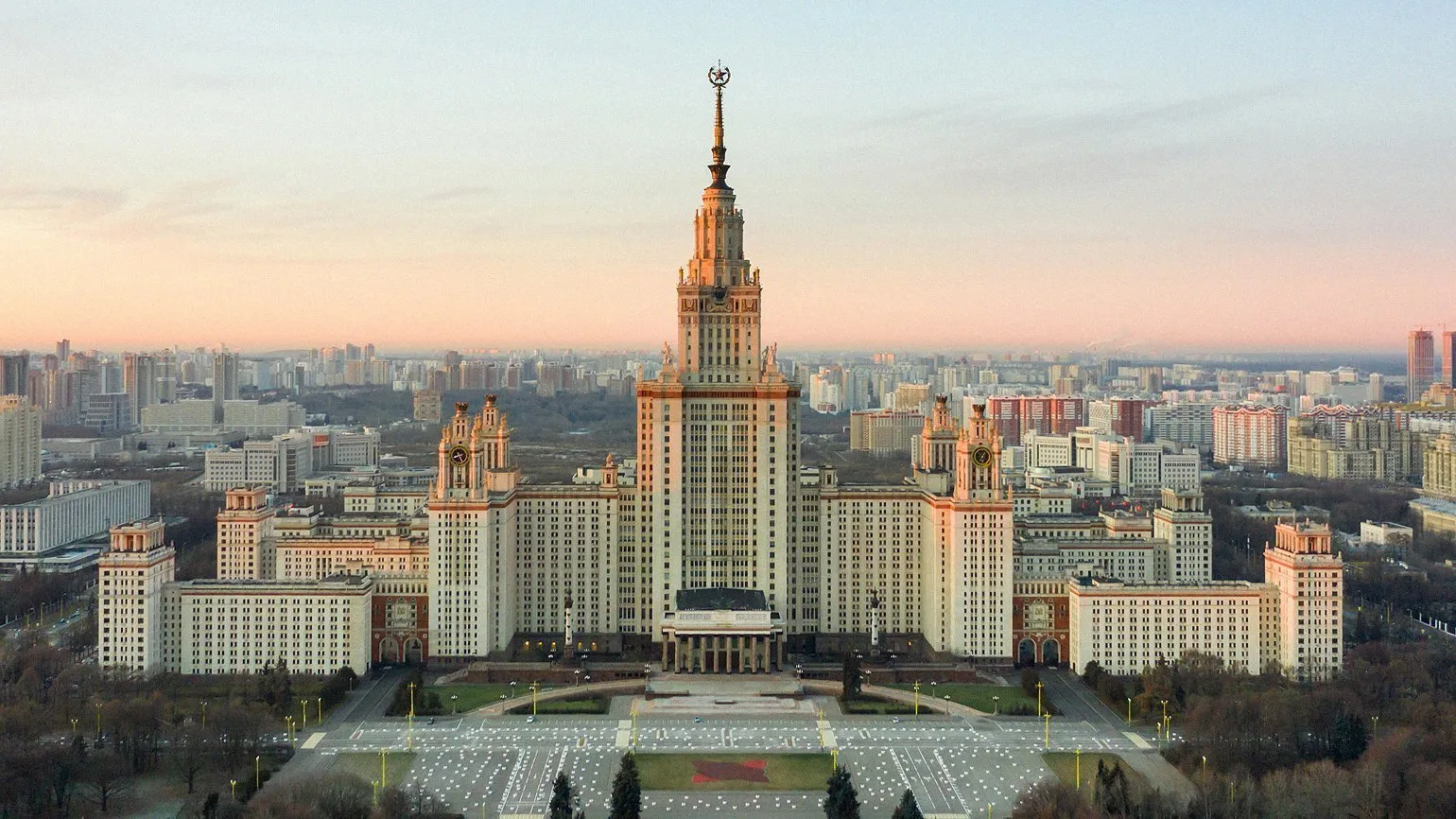
The RAEX rating presented a list of the 100 best universities in Russia for 2024. This list will help applicants and students choose an educational institution, taking into account the quality of education, academic achievements, and other important criteria. Studying the ranking will help you understand which universities offer the best conditions for study and development.
The Russian edition of Forbes has been published since 2018.
The key feature is that the Forbes factor is included in the university evaluation. This factor is based on the scores received by educational institutions whose graduates are among the richest businessmen in Russia and winners of the "30 under 30" ranking. The compilers of the ranking aim to identify universities whose graduates have the greatest chance of becoming part of the country's wealthiest elite or the Russian political system. This approach allows potential students and their parents to better navigate the choice of educational institution, taking into account career prospects and the influence of graduates on the economy and politics of the country.
In 2024, the ranking of higher education institutions is topped by Moscow State University (MSU), in second place is the National Research University Higher School of Economics (HSE), and in third place is the Moscow Institute of Physics and Technology (MIPT). The ranking methodology has undergone several changes, which has led to significant fluctuations in the positions of some universities. For example, in 2019, the National University of Science and Technology MISiS It held first place, then dropped to 16th place, but in 2021 it rose again to fifth place.
Special rankings
There are specialized rankings, both international and Russian, that evaluate universities not only by educational achievements but also by other important criteria. We will not list them all, but will focus on a few examples. Some of these rankings have significant influence. For example, the Webometrics ranking analyzes the online presence of universities, the transparency of their websites, and openness on other platforms. Similar rankings have recently appeared in Russia, focusing on the effectiveness of university communications. This data helps applicants and stakeholders better understand how universities interact with society and what information they provide.
The Ministry of Education and Science published a ranking of university media activity for July 2022. This ranking presents the performance of higher education institutions in the area of information interaction and their presence in the media space. Analysis of the media activity of universities allows us to evaluate how they use various communication channels to promote educational programs and scientific achievements. The ranking can be useful for both students and potential applicants wishing to make an informed choice when applying.
The Leiden Ranking and Nature Index Ranking are based on an analysis of data on the scientific publications of university researchers. These rankings serve as an important indicator of scientific activity and the influence of institutions on global scientific progress.
Another category of ranking systems is online portals that evaluate universities according to various parameters, but do not compile an overall ranking based on the sum of points. For example, the European U-Multirank system allows for comparison of universities from different countries both overall and by specific disciplines. However, it does not provide information on how many positions Harvard is ahead of Moscow State University. Therefore, this format does not correspond to the traditional definition of a ranking.
The rankings on the hh.ru recruiting platform are not based on academic indicators such as student performance or research results. The primary evaluation criterion is the success of graduates in the labor market, which leads to significant discrepancies with academic rankings. Furthermore, this list only includes Moscow universities, which limits its coverage and may not reflect a complete picture across all regions of Russia.
The text will be updated to reflect the new rankings.
Revised text:
Be sure to check out the additional materials and resources to help you gain a deeper understanding of the topic. These materials contain valuable tips and recommendations that can significantly improve your knowledge and skills in this area. Don't miss the opportunity to broaden your horizons by studying the sources presented.
- Why is the Forbes university ranking special?
- Is it prestigious to be included in the CWUR and RUR rankings?
- 16 Russian universities in the top 100 QS subject lists
- MBA programs at St. Petersburg State University and MGIMO are among the best in the world
- We compare the positions of Russian universities in the QS world ranking and in the national RAEX ranking.
The Profession of Methodologist from Scratch to PRO
You will improve your skills in developing curricula for online and offline courses. Master modern teaching practices, structure your experience, and become a more sought-after specialist.
Find out more