
Contents:
- What do psychologists and psychometricians call a construct?
- What do psychologists and psychometricians call a construct?
- What types of constructs are there?
- What types of constructs are there?
- How do psychometricians know exactly what components are included in a particular complex construct?
- How do psychometricians know exactly what components are included in a particular complex construct?
- What constructs are the most important for educational research?
- What constructs the most important for educational research?
- Where do we begin to measure a construct?
- Where do we begin to measure a construct?
- How do researchers understand what indicators to use to assess a construct?
- How do researchers understand what indicators to use to assess a construct?
- Why are different tests with different sets of indicators needed for the same constructs?
- Why are different tests with different sets of indicators needed for the same constructs?
- How are instruments for measuring constructs selected? What is it usually - a questionnaire, a test?
- How are instruments for measuring constructs selected? What is it usually - a questionnaire, a test?
- Are there any advantages of digital measurement tools over "regular" ones?
- Are there any advantages of digital measurement tools over "regular" ones?
- Which constructs are the most difficult to measure?
- Which constructs are the most difficult to measure?
- And what qualities in education have already been reliably measured?

Learn: Profession Methodist from scratch to PRO
Learn moreCritical thinking, digital literacy, and engagement in learning are important concepts in the field of psychometrics, which deals with the measurement of various human qualities. These concepts refer to theoretical or latent constructs that help assess and analyze the cognitive and behavioral aspects of an individual. Developing these skills is paramount for successful adaptation to the modern world, which makes them important objects of research in the educational and psychological sciences.
The term in question implies a set of knowledge and skills that can be applied in practice. It is important not only to understand its essence theoretically, but also to be able to develop and administer tests and questionnaires based on this understanding. In this article, we will consider how to translate theoretical concepts into practical tools that will help you effectively collect and analyze data. We will offer step-by-step recommendations and examples so that you can easily implement these methods in your practice.

We received help from professionals who helped us understand complex issues. Their experience and knowledge became a valuable resource for us. Thanks to their support, we were able to overcome difficulties and find effective solutions. We are grateful for the guidance and advice provided, which significantly simplified our work process.
PhD in Education, Academic Director of the Master's program "Teaching and Assessment as a Science", and Research Fellow at the Center for Psychometrics and Measurement in Education at the Institute of Education at the National Research University Higher School of Economics. Specializes in methods of assessing and analyzing educational processes, which helps improve the quality of education.
What do psychologists and psychometricians call a construct?
A construct is any unobservable characteristic of individuals or groups of people that cannot be directly seen, felt, or measured with a ruler. For example, the concept of "good mood" is a construct. If this state becomes the object of our research, it is transformed into a construct, allowing us to study its influence and manifestations. Such unobservable characteristics play a key role in the social sciences and psychology, as they help understand internal processes, emotional states, and behavioral tendencies.
A construct is an important element in scientific research. First of all, its definition must be based on a theoretical foundation, which implies the existence of one or more scientific theories that support this characteristic. This helps ensure the scientific validity and reliability of the constructed concepts, which plays a significant role in conducting research and interpreting the obtained data.
It is important to emphasize that theory is not an abstract concept or simply the ideas of great thinkers. We are talking about data-confirmed concepts that explain the reasons for certain human behavior or the nature of differences between people. Theory is based on facts and research, which makes it an important tool for understanding human psychology and sociology.
To study a construct, it is necessary to measure it, which requires the use of observable indicators. For example, mood, as an abstract concept, cannot be measured directly, but one can observe a person's facial expressions, such as a smile. A smile in this case will be one of the key indicators of mood.
What do psychologists and psychometricians call a construct?
A construct is a characteristic of a person or group of people that is not directly observable. It is something that cannot be seen, touched, or measured with a ruler. For example, "good mood" is a construct if it is the object of our study. Understanding such constructs is important for the analysis of psychological and social phenomena, as they help us interpret the internal states and qualities of people that cannot be expressed in tangible form.
There are two main aspects. First, the construct must be defined theoretically, which means that any definition of a given characteristic must be based on one or more scientific theories. This ensures the scientific validity and reliability of the construct, which is important for its application in research and practical work.
A theory is not just an abstract concept or the ideas of famous philosophers. It is a data-backed understanding of the causes of human behavior and the nature of differences between people. Theories are formed on the basis of observations and research, which allows for a deeper understanding of why people act in certain ways and what factors influence their behavior.
To study a construct, it is necessary to measure it, which requires observable indicators. For example, mood cannot be measured directly, but indirect signs such as a person's smile can be used. A smile in this case serves as an important indicator of mood.
What types of constructs are there?
A construct is an important concept not only in psychology, but in all social sciences. Almost all objects of research in these fields are constructs. Constructs can be classified as simple and complex. Simple constructs are characterized by basic characteristics, while complex constructs include numerous interrelations and aspects, making them more multifaceted and difficult to analyze. Understanding and classifying constructs is key in researching social phenomena.
A simple construct is a monosyllabic concept. For example, length of service can be considered a construct because it cannot be assessed visually. To obtain information about length of service, a question must be asked. The definition of a construct is quite simple, and asking just one question is sufficient to understand it.
Complex constructs consist of several components. For example, academic motivation is divided into intrinsic and extrinsic. To fully assess such a complex construct, asking just one question is insufficient. A comprehensive approach is required that considers the various aspects and factors influencing motivation. This will allow us to obtain more accurate and complete analysis results.

Complex constructs include critical thinking and social-emotional skills. Theories regarding critical thinking emphasize that it is a multifaceted construct, including components such as the ability to search for and analyze information, as well as the ability to draw informed conclusions. Developing critical thinking plays a key role in learning and personal growth, as it promotes a deeper understanding of the world around us and improves problem-solving skills. Social-emotional skills are also important, as they help us interact with others, manage our emotions, and build healthy relationships. These skills, taken together, form the foundation for a successful life and career. Digital literacy encompasses many aspects, including computational literacy, digital communication literacy, and digital security and technology literacy. These components are key to effectively interacting with modern technology and information. Understanding and mastering these skills helps users safely and productively use digital resources, which is becoming increasingly important in our technology-driven society. These constructs can reflect not only personal qualities but also environmental characteristics. For example, you can assess the comfort of the work environment or determine whether the culture is collectivist or individualistic. This understanding helps better adapt work processes and improve teamwork, which ultimately leads to increased productivity and employee satisfaction.
What are constructs?
Construct is a term that is widely used not only in psychology but also in other social sciences. All objects studied in these fields can be considered constructs. They are usually classified as simple and complex. Simple constructs can be easily measured and described, while complex constructs require deeper analysis and understanding, as they include many interconnected elements. Correct understanding and use of the construct concept is an important aspect in social research, as it allows for a more accurate interpretation of data and the identification of patterns in human behavior and interaction.
A construct is a single-component concept. For example, work experience can also be considered a construct. It cannot be assessed visually, so it is necessary to ask the person the appropriate question. Since the definition of the construct is quite simple, a single question is sufficient to clarify it.
Complex constructs represent a combination of several elements. For example, academic motivation is divided into intrinsic and extrinsic. To fully assess such a complex construct, asking a single question is insufficient. Multiple factors must be considered and a variety of assessment methods must be used to obtain a complete understanding of motivation. This will allow us to better understand what motivates students and how we can improve the learning process.

Critical thinking and Social-emotional skills are examples of complex constructs. Theories regarding critical thinking emphasize its composite nature. This construct includes such important components as the ability to search for and analyze information, as well as the ability to draw informed conclusions. Developing critical thinking helps people more effectively evaluate information and make informed decisions in various life situations. Social-emotional skills, in turn, facilitate better interaction with others and understanding their emotions, which is also an important aspect in the process of learning and personal growth.
Digital literacy encompasses several key aspects, including computational literacy, digital communication skills, knowledge of the basics of digital security, and technological literacy. These components play a vital role in the modern world, where the ability to effectively use digital technologies is becoming a necessity. A deeper understanding of these aspects allows users not only to safely interact with information but also to develop the professional skills necessary for successful work in the digital economy.
Constructs can reflect not only individual personality traits but also environmental characteristics. For example, one can assess the comfort of a workspace or determine the nature of a culture: whether it is collectivist or individualistic. These aspects play an important role in shaping interactions between people and their perception of the surrounding reality.
How do psychometricians know exactly what components are included in a particular complex construct?
Understanding the structure of a specific construct is formed on the basis of previous research. For example, the construct of social-emotional skills can be defined through the Big Five model, which includes such traits as conscientiousness, extroversion, openness to new experience, neuroticism, and agreeableness. These characteristics play a key role in understanding and assessing social-emotional skills, which, in turn, can contribute to the development of programs and strategies for their improvement.
This model continued research aimed at describing personality through verbal characteristics existing in language. The first person to study personality traits was the American psychologist Gordon Allport. In the 1960s, factor analysis was used to group personality traits into groups known as factors. These studies provided the foundation for further understanding of personality structure and contributed to the development of psychological science. Factor analysis has made it possible to systematize and organize personality traits, which has made it possible to more deeply study individual differences and their influence on behavior.
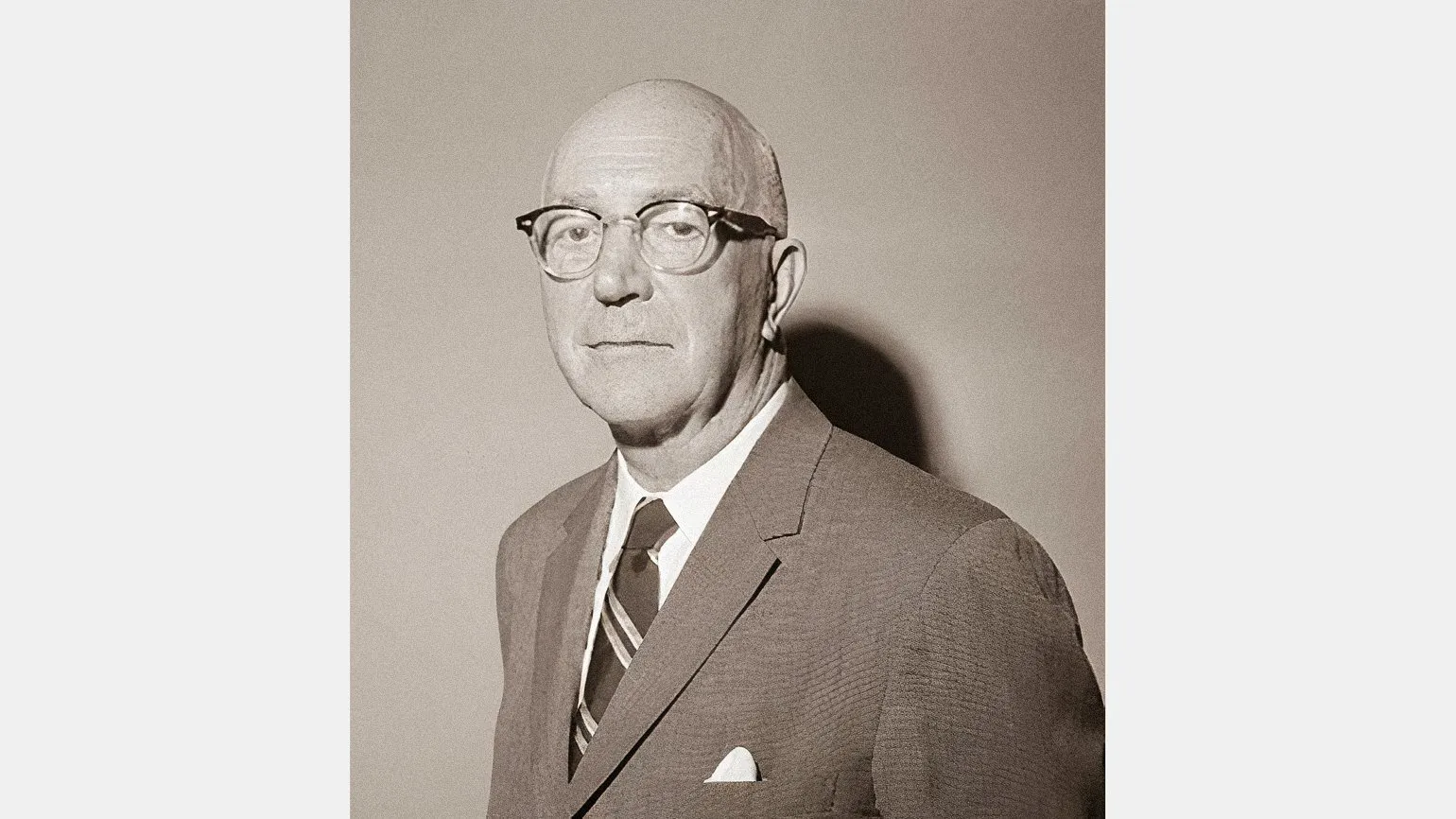
The final and most widely accepted description of the Big Five was given by Lewis R. Goldberg, who presented the five-factor model of personality in 1992. This model, based on extensive empirical data, has been confirmed in various samples spanning different cultures and age groups and has demonstrated high validity. The five-factor model includes such dimensions as openness to experience, conscientiousness, extroversion, agreeableness, and neuroticism, which allows for a deeper understanding of individual differences in personality and the prediction of human behavior in various situations.
How do psychometricians know exactly which components are included in a particular complex construct?
Understanding the structure of a particular construct is formed on the basis of previous research. For example, social-emotional skills can be defined using the "Big Five" model, which includes five key personality traits: conscientiousness, extroversion, openness to experience, neuroticism, and agreeableness. These aspects provide a deeper understanding of how individuals interact with the world around them and with each other, which is important for developing effective teaching and parenting methods.
This model continued research aimed at describing personality through verbal characteristics existing in language. The first to conduct such studies of personality traits was the American psychologist Gordon Allport. In the 1960s, using factor analysis, personality characteristics were systematized and grouped into factors. These studies formed the basis for further study of personality and its measurement, which allowed for a deeper understanding of various aspects of human behavior and interaction.
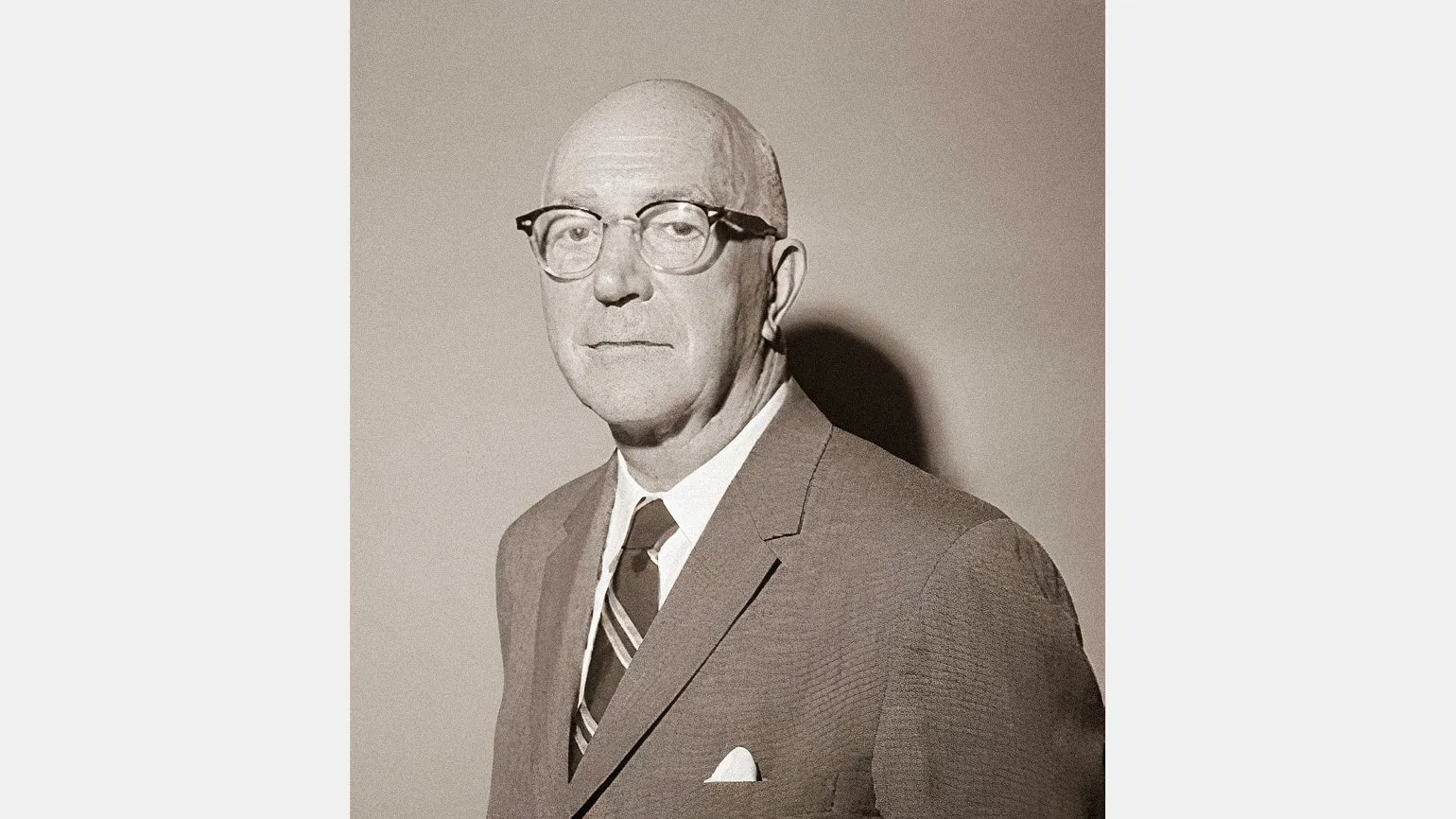
The final and most authoritative description of the "Big Five" belongs to Lewis R. Goldberg. In 1992, he presented a stable five-factor model of personality, which has received extensive empirical support in samples from different cultures and age groups. This model has demonstrated high validity and became the basis for further research in the field of personality psychology.
Which constructs are most important for educational research?
There are four main groups of constructs. The first group includes subject-specific competencies that are associated with knowledge acquisition in various academic disciplines. These are not only learning outcomes in specific subjects, but also more general characteristics, such as the length of study in years.
The second category includes universal competencies, such as critical thinking, creativity, collaboration, self-regulation, and a number of other skills. These competencies are essential for modern education and professional practice, promoting personal development and improving teamwork. Improving these skills helps adapt to changing conditions and effectively solve complex problems.
The third group of characteristics includes personality traits that can be characterized using the Big Five model. This model identifies five key personality dimensions: openness to experience, conscientiousness, extroversion, agreeableness, and neuroticism. Each of these dimensions plays a significant role in shaping a person's behavior and interactions with the outside world. Understanding personality characteristics allows for a deeper understanding of individuals' motivations and reactions in various situations, which can be useful in both personal and professional life.
The fourth group includes characteristics that have become the subject of active research in the field of education in recent years. These include learner agency, autonomy, agency, and proactivity. These dimensions play a key role in shaping the educational process and contribute to the development of students' active participation in learning. Focusing on these characteristics helps improve the quality of education and prepare students for success in the modern world.
Which constructs are most important for educational research?
There are four main groups of constructs. The first group includes subject-specific competencies, which are associated with knowledge in specific areas. These include not only educational achievements in individual subjects, but also broader characteristics, such as the number of years of study and the level of material assimilation. It is important to consider that subject-specific competencies form the basis for further development and integration of knowledge in interdisciplinary areas.
The second type of competencies includes universal skills, such as critical thinking, creativity, collaboration, and self-regulation. These skills are the basis for successful interaction in various areas of life and work. The development of universal competencies contributes to increased adaptability and effectiveness in a rapidly changing world.
The third group includes personal characteristics that can be analyzed through the prism of the Big Five model. This model encompasses five key personality traits: openness to experience, conscientiousness, extroversion, agreeableness, and neuroticism. Studying these characteristics provides a deeper understanding of individual differences between people and their behavior in various situations. Personality analysis is important not only for psychology but also for practical applications in areas such as human resources management, marketing, and personal development. Understanding one's own personality and the characteristics of others allows for improved interactions and more effective communication.
The fourth group of characteristics includes aspects that have recently become important for educational research. These include learner agency, autonomy, agency, and proactivity. These qualities promote deeper student engagement in the learning process and enhance their ability to learn independently. Developing these characteristics allows learners not only to actively participate in the educational process but also to effectively apply their acquired knowledge in practice.
Where does construct measurement begin?
Any research and measurement begins with a clear statement of purpose. Understanding the purpose of an instrument or study directly influences the choice of an appropriate theory. Having defined the goals, it is possible to determine, based on existing theories, which specific parameters need to be measured. This will not only structure the research process but also increase its efficiency, ensuring more accurate and relevant results. Correctly formulating research goals is a key step to successfully completing scientific work.
Referring to theory is a key aspect in scientific research. Some scientists express skepticism about using digital traces to study human behavior. The main reason for this doubt is that digital data is often not supported by a theoretical basis. Without a reliable theory, interpretations of such data become subjective and can lead to erroneous conclusions. Therefore, it is important to integrate theoretical models into the analysis of digital traces to ensure more accurate and valid research findings.
Students learning remotely often pause video lectures. At first glance, this may be due to them taking notes on important information or thinking about the material. However, this interpretation may not be entirely accurate. Perhaps the reasons lie in frequent distractions or problems with the internet connection. To provide valid explanations for this behavior, it is necessary to conduct research on the online learning experience. This will help identify the main factors influencing the learning process and develop theoretical models explaining student behavior during distance learning.
Where does the measurement of a construct begin?
Any research and measurement begins with a clear statement of purpose. Defining the goals and understanding the purpose of an instrument or study directly influences the choice of theory. Once the goals are understood, existing theories can be effectively used to determine what exactly should be measured. This approach allows us to focus on key aspects of the study and achieve more accurate and meaningful results.
Theory plays a key role in scientific research. Some scholars express skepticism about the use of digital traces in human studies. The main reason for this mistrust is the lack of a theoretical framework for analyzing digital data. Without such a theory, data interpretations become subjective and prone to distortion. This underscores the importance of a theoretical foundation for objective and reliable analysis in digital research.
Students learning remotely often stop video lectures. One possible reason is the desire to take notes and reflect on the material. However, this assumption can be challenged, as students may experience distractions or internet connection issues. To understand this behavior, research on online learning experiences is needed. Based on the data obtained, it is possible to formulate theoretical explanations that will help better understand how students interact with educational content in a distance learning format.
How do researchers understand what indicators to use to assess a construct?
Operationalization of a construct is the process by which a theoretical definition is transformed into a set of observable operations or indicators. This process is important for measuring concepts that cannot be directly observed. For example, human creativity cannot be explicitly captured, so it is necessary to determine the specific actions through which it can be manifested. These actions will become indicators that allow us to assess the level of creativity. This approach provides a more accurate and objective measurement of complex psychological constructs and promotes a deeper understanding of the phenomena under study.
Operationalization often involves a re-analysis of the scientific literature. If previous studies have already described the construct of interest, it is likely that they also present data on its manifestations. However, sometimes theoretical constructs may be contradictory or inconsistent with specific conditions, requiring the development of one's own operationalization. This allows for a more precise adaptation of the research approach and ensures the reliability of the results.
The difficulty in assessing the same construct is that it can be measured using different sets of indicators, which depend on the theory and purposes of assessment. For example, the standard Torrance Creativity Test asks participants to come up with as many uses for one object as possible. However, there are also alternative methods of measuring creativity, such as the task of assembling a picture of a non-existent animal from various elements. Both methods are effective for assessing creativity, although the operationalization of the construct differs in each.
How do researchers understand what indicators to use to assess a construct?
Operationalization of a construct is the process of translating a theoretical definition into a specific set of operations and indicators that can be observed. Since human creativity cannot be measured directly, it is necessary to determine what observable actions it can be manifested in. These actions will become indicators of creativity. The process of operationalization allows researchers and practitioners to more accurately assess abstract concepts, making them accessible for analysis and interpretation. Correct operationalization plays a key role in research, as it ensures the reliability and validity of the obtained data. Operationalization often requires a re-analysis of the scientific literature. If the construct of interest has already been described in previous studies, then most likely, they contain data on its manifestations. However, theoretical approaches may be contradictory or not meet your requirements. In such cases, it is necessary to develop your own operationalization. This allows you to create more accurate and relevant research instruments, taking into account the specific aspects and context of your project. The difficulty in measuring a construct is that it can be assessed using different sets of indicators, which depends on both the theoretical basis and the purposes of the assessment. For example, the standard Torrance Creativity Test asks participants to come up with as many uses for the same object as possible. However, other methods for assessing creativity exist. For example, in one study, participants are asked to create a picture of a non-existent animal using various elements. Both approaches effectively measure creativity, but the construct is operationalized differently in each case. This highlights the importance of choosing the right indicators to adequately assess creativity.
Why are different tests with different sets of indicators needed for the same constructs?
The social sciences study a variety of concepts, such as characteristics, skills, and abilities. Depending on the goals of the study, different aspects of the same construct can be analyzed, allowing for a deeper understanding of its nature and influence on individual and social behavior. Understanding these aspects is important for developing effective training and professional development methods, as well as for formulating strategies in the field of human resource management.
The purpose of the study takes into account the characteristics of the selected sample. For example, for different age groups, even within the framework of the same theory, it is necessary to select different indicators for the same construct. Indicators of critical thinking in university students and primary school students differ significantly. This highlights the importance of tailoring research methodology to a specific audience to obtain more accurate and relevant results.

Why are different tests with different sets of indicators needed for the same constructs?
The social sciences analyze a variety of concepts, such as characteristics, skills, and abilities. Depending on the research goals, different aspects of the same construct can be examined, which allows for a deeper understanding of social phenomena and human behavior. This approach contributes to a more complete understanding of the interaction of individual and social factors, which is key to qualitative analysis in the social sciences.
The purpose of the study takes into account the specific characteristics of the selected sample. For example, for different age groups, even within the framework of the same theory, it is necessary to select different indicators for the same construct. Critical thinking indicators for university students and primary school students differ, which requires an individual approach to their development and application. This allows for a more accurate assessment of the level of critical thinking depending on age and educational context.

How are instruments for measuring constructs selected? What is usually a questionnaire or a test?
The choice of research instrument depends on the nature of the construct and the goals of the study. For example, when measuring social-emotional skills, it is more effective to use scenario-based methods rather than standard questionnaires. Scenario-based methods are text-based tests in which participants are asked to suggest behavioral options in various situations, rather than simply answering questions about themselves. This approach allows for a more accurate assessment of the participant's skills and reactions, making it more suitable for research in this area.
In surveys about themselves, people often tend to give socially desirable answers or adhere to a single style, for example, agreeing with most statements or choosing extreme options. In scenario-based tasks, participants are offered stories about other people, which helps avoid response distortion. The complexity of perceiving the statements in such tasks contributes to more objective answers, since respondents cannot rely on their own social expectations and stereotypes. This makes scenario-based tasks a more reliable tool for obtaining honest information and analyzing behavior. Educational research uses more complex and engaging testing formats than traditional questionnaires. These methods aim to increase the motivation of participants, who often don't understand why they need to complete tests. Scenario-based and game-based tasks can be engaging and engaging, making the research process more appealing. Using such formats not only helps increase engagement but also improves the quality of the data collected.
A standard questionnaire may be ineffective due to the age of the respondents. Currently, the HSE Institute of Education is developing a scenario-based method for assessing the social-emotional skills of first-graders. This tool consists of a comic or cartoon, narrating the story through voice and illustrations. The child must answer questions about whether their actions at school are similar to the behavior of the characters in the story. This approach allows for a more accurate assessment of children's skills, as it takes into account their age characteristics and interests.
Pictures play an important role in the learning process, as they help children maintain attention and better perceive information. Without visual materials, children have difficulty focusing on large volumes of text and drawing informed conclusions. Furthermore, children's level of reflection is not yet developed to the point where they can consciously analyze their behavior and express agreement or disagreement with the statements of a traditional questionnaire. Visual elements help children more easily master the material and form their own opinions.
How are instruments for measuring constructs selected? What is usually a questionnaire or a test?
The choice of research instrument directly depends on the nature of the construct and the goals of the study. For example, scenario-based methods are more effective than traditional questionnaires in assessing social-emotional skills. Scenario-based methods are text-based tests in which the participant does not simply answer questions about themselves, but offers options for their behavior in various situations. This approach allows for a deeper understanding of the subject's emotional and social reactions, which makes the results more informative and applicable in practice.
In self-reported surveys, people often answer based on social norms, which biases the results. They may tend to give socially desirable answers or adhere to a uniform style, for example, agreeing with most statements or choosing extreme options. In contrast, scenario tasks offer respondents stories about others, which reduces the influence of social approval on responses. The statements in such tasks are less obvious, which encourages more sincere and varied responses. Educational research uses more complex and engaging forms of testing than standard questionnaires. These methods aim to increase participant motivation, as it is sometimes unclear to them why they need to take the test. Scenario and game-based tasks can be engaging and attractive, which encourages more active participation in the study. Using such formats not only makes the process more interactive but also improves the quality of the data obtained. Standard questionnaires may be ineffective due to the age of the respondents. Currently, at the HSE Institute of Education, we are developing a scenario method for assessing the social-emotional skills of first-graders. This tool is presented in the form of a comic or cartoon, where the story is voiced and accompanied by vivid illustrations. The child answers questions by comparing their behavior at school with the behavior of the characters in the story. This approach allows us to better understand the emotional state and social skills of children, taking into account their age-related characteristics.
Pictures play an important role in the learning process of children. On the one hand, they help hold attention and simplify the perception of information, which allows children to draw conclusions. On the other hand, the level of reflection in children is still low, and it is difficult for them to understand their behavior and formulate agreement or disagreement with the statements of classic questionnaires. Therefore, visual elements are becoming an essential tool for effective learning and the development of critical thinking in children.
Are there any advantages to digital measurement tools over "regular" ones?
Digital tools offer significant advantages in analyzing user behavior. Previously, it was only possible to guess how people perceive the screen, but modern technologies make it possible to track cursor movements, eye movements, and other aspects of interaction. This data provides objective information that can be recorded and quantified, leading to a deeper understanding of user experience and interface optimization.
If the digital data collected is not linked to a specific theory, its interpretation becomes impossible. For example, we learned that a child, when solving problems, pays attention first to the upper-left corner of the screen, and then to the lower-right. But what does this mean? The key is that technology must be integrated with theory to fully analyze and understand the data.
Are there any advantages to digital measurement tools over "regular" ones?
Digital tools offer a significant advantage in analyzing user behavior, allowing the collection of a variety of indicators. Previously, assumptions about screen perception were based on guesswork, but now it is possible to track not only cursor movements but also the user's gaze. This objective information can be recorded and quantified, allowing for a more accurate understanding of user interactions with content. Using such data helps improve user experience and increase the effectiveness of interfaces.
To reiterate, without a theoretical basis, it is impossible to interpret the obtained digital data. For example, we learned that a child, when solving a problem, first pays attention to the upper left corner of the screen, and then to the lower right. But what does this tell us? The key is that technology must be inextricably linked to theory to achieve a complete understanding and analysis.
Which constructs are the most difficult to measure?
Measuring a phenomenon for which there is no clear theory is very difficult. In such cases, creating a set of interrelated indicators becomes difficult. Without a solid theoretical basis, it is difficult to determine which indicators will be relevant and how they can be related to each other. This complicates the analysis and interpretation of data, which in turn affects informed decision-making.
Autonomy and agency are relevant research topics, and their study is a relatively new area of study. There are many different theories regarding these concepts, but there is currently no generally accepted foundation on which to create effective tools for their analysis. This opens up opportunities for further research and development in this area, which may lead to a deeper understanding of these concepts and their impact on individuals and society as a whole.
Universal competencies and meta-subject skills in education represent a relatively new area that lacks established measurement models. To date, there are no clearly developed models of these competencies. They are mainly borrowed from other fields, such as economics and organizational psychology, with the aim of adapting them to the educational context. This creates significant opportunities for the development of new models and tools that can improve the learning and assessment of skills.
Which constructs are the most difficult to measure?
Measuring phenomena for which there is no well-developed theory is a significant challenge. In such conditions, it becomes difficult to create a set of interrelated indicators that can effectively reflect the aspects of the study.
Autonomy and agency are important concepts that are actively studied in contemporary research. This area is still in its formation, and although many different theories exist, a generally accepted model has not yet been developed that allows for the creation of a universal tool for their assessment and application. The study of these concepts opens new horizons in understanding human behavior and interaction in various areas of life.
Universal competencies and meta-subject skills in education represent a new area that is characterized by the lack of established measurement models. Currently, clear models of these competencies have not been developed, and they are often borrowed from other fields, such as economics and organizational psychology, and then adapted to the educational context. This opens up ample scope for improving both models and assessment tools, which is especially important for increasing the effectiveness of the educational process and meeting modern labor market requirements.
What qualities have already been reliably measured in education?
Academic achievements and subject knowledge are important aspects of the educational process. The tradition of measuring them has a long history, and today, sufficiently high-quality assessment methods have been developed. However, with the development of technology, new incentives arise to improve existing assessment tools. This allows not only to increase the accuracy of measurements but also to adapt them to the modern requirements of the educational environment. Innovative approaches to knowledge assessment can significantly impact the quality of education and the training of specialists in various fields.
Learn more about modern education in our Telegram channel. Join us and stay up-to-date with the latest news and trends in education.
Reading is an important aspect of development and education. It not only allows you to acquire new knowledge but also helps improve critical thinking skills. Books, articles, and other forms of literature can broaden your horizons and deepen your understanding of various topics. It's important to choose quality sources and regularly devote time to reading. This will help you stay informed about the latest trends and discover new horizons. Don't forget that reading is not only useful, but also fascinating.
- Psychometrics: what is it and why is it needed in education?
- Developing educational tests: instructions on how to do it?
- Why can't you just translate a good foreign test into Russian?
- What is proactivity and can it be learned?
- Why do teachers need to analyze student data?
Profession Methodologist from scratch to PRO
You will improve your skills in developing curricula for online and offline courses. Master modern teaching practices, structure your experience, and become a more sought-after specialist.
Find out more