
Contents:

Learn: Profession Methodist from scratch to PRO
Learn moreAdaptive learning is a methodology aimed at individualizing the learning process based on the unique needs of each student. This approach allows for the content and pace of learning to be adapted, which promotes more effective learning. Adaptive learning takes into account students' knowledge levels, interests, and preferences, ensuring deeper engagement and motivation in learning. As a result, students are able to develop at their own pace, significantly improving the quality of education.
Adaptive learning is now associated with the use of adaptive educational systems. These technologies interact with students in real time, providing personalized support based on their needs and level of learning. Adaptive learning systems analyze student progress and, based on the data collected, offer personalized recommendations and resources, promoting more effective learning. An adaptive learning system uses student information, including knowledge level, motivation, and learning pace, to personalize the learning process. If a student successfully solves several problems in a row, the system suggests more challenging tasks. If frequent errors are made, the system recommends reviewing the material covered or practicing with simpler problems. This approach maximizes the development of each student's skills and knowledge. Before we begin our analysis, let's delve deeper. It's important to consider key aspects that will help you understand the topic more deeply and comprehensively. We will focus on the essential elements that are essential for successful comprehension and application of information. This will allow us to create a clear and useful picture necessary for making informed decisions.
- How adaptive learning began;
- How adaptive learning systems are structured;
- Why is such learning needed at all and who is engaged in it in Russia;
- Why has this technology not yet become (and is unlikely to become in the near future) widespread and what difficulties does it create for those who teach.
How adaptive learning systems appeared
Modern adaptive learning and programmed learning systems are often associated with the names of the American psychology professor Sidney Leviat Pressey and the famous behavioral psychologist Burrhus Frederick Skinner. Their contribution lies in the development of the first teaching machines, which became the basis for the further development of educational technologies. These innovative approaches to learning formed the basis of modern adaptive learning methods, allowing for personalization of the educational process and improved effectiveness.
Pressey developed the first teaching machine in 1923. By modern standards, it had a fairly simple design. The student selected one of several suggested answers, and if the correct answer was chosen, they moved on to the next question. The scientist believed that with proper organization of educational material, such a machine can act as a teacher, and also provide the opportunity to study at an individual pace.
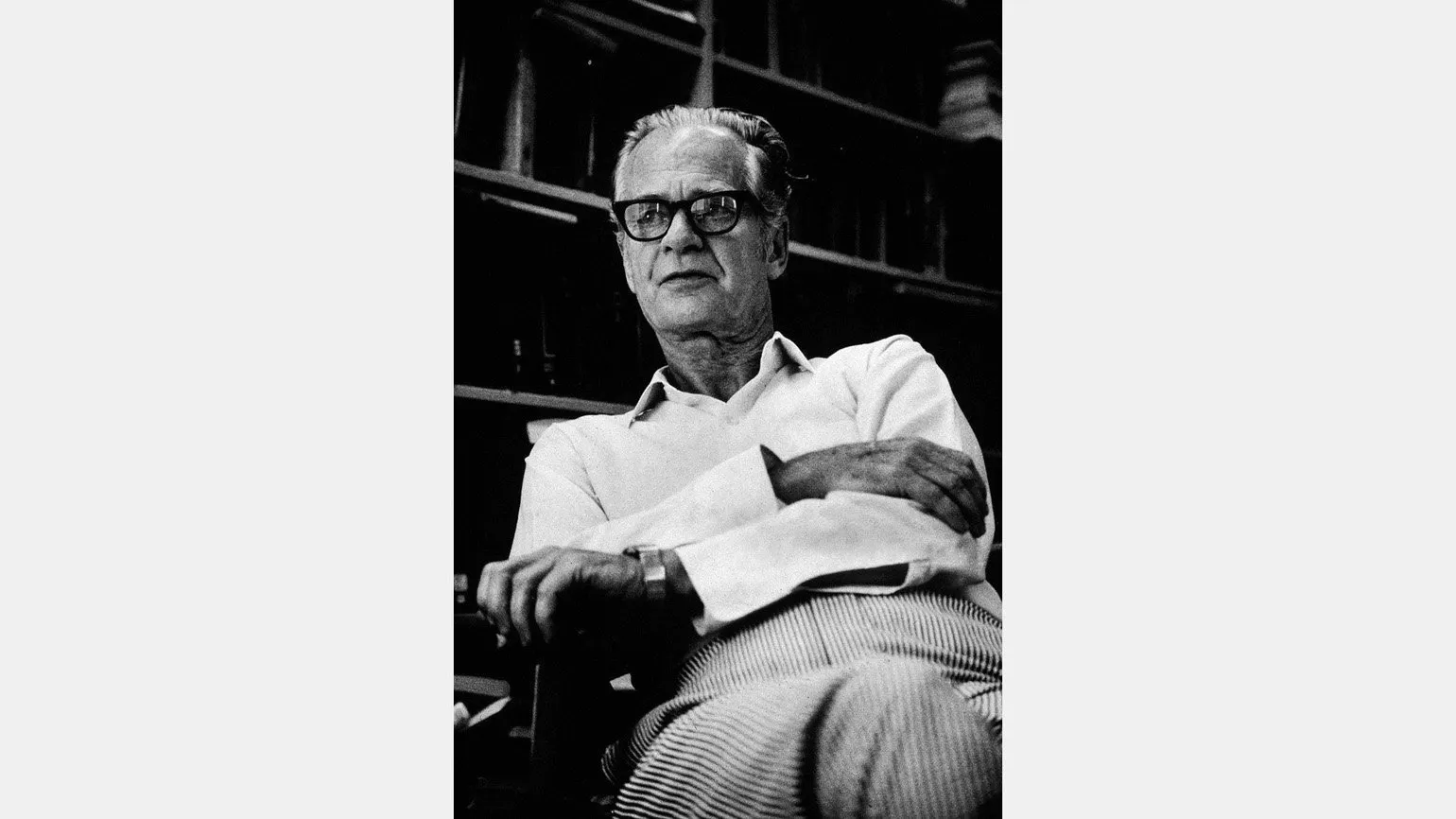
Skinner continued to develop the ideas of his predecessors, but with an emphasis on the role of teaching machines. He considered them not teachers, but assistants and tutors. Skinner emphasized that students should formulate their own answers, rather than choosing from suggested options. After a student gave the correct answer, they received an instant reward, which contributed to increased motivation and deepened knowledge.
The creation of the first machine with adaptive learning functions is associated with the name of the famous English scientist, inventor, and educational theorist Gordon Pask. He is also considered the author of the term "adaptive learning", which became fundamental in the field of educational technology.
In 1956, Pask patented the SAKI device, designed for teaching how to use tabulators and punch cards. This device was a trainer whose screen displayed problems with a button number. The student had to press the corresponding buttons, while the system recorded the response time and the correctness of the task. If a participant successfully memorized the locations of buttons 1 and 2, they were given less time to respond. If the participant had difficulty remembering button 3, the system provided additional time for reflection and prompts. Thus, SAKI facilitated effective learning and improved skills with tabulators and punch cards.
The uniqueness of Pask's invention lies in the fact that SAKI, for the first time, adapted to the needs of students, rather than simply stopping or continuing the learning process. This system was the first to be produced on a commercial basis, which opened up new possibilities for the educational process.
Revised text:
Study additional materials and expand your knowledge. Immersing yourself in new topics helps deepen your understanding and improve your skills. Regularly reading specialized articles, books, and research will help you stay up-to-date with the latest trends and innovations in your field. Don't miss the opportunity to familiarize yourself with relevant resources to improve your skills and competitiveness in the market.
Robot teachers: prospects and real benefits
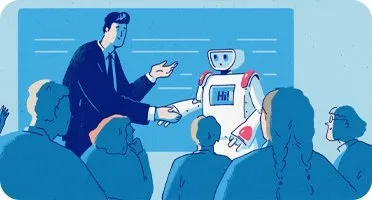
Robot teachers are becoming an increasingly relevant topic in the educational field. They have the potential to change the approach to learning and make it more accessible and effective. It is important to consider the prospects opened up by the implementation of these technologies and the real benefits they can bring.
Modern robot teachers can adapt to the individual needs of students, offering personalized learning programs. This allows them to take into account the knowledge level and pace of assimilation of material by each student. As a result, students are able to study in a way that is convenient for them, which contributes to a deeper understanding of the subject.
Furthermore, robot teachers can help reduce the workload of teachers, allowing them to focus on the more creative and complex aspects of teaching. Automating routine tasks, such as checking homework and organizing the learning process, makes teachers' work more efficient.
However, it is worth noting that the introduction of robots into education does not mean a complete replacement of the human factor. The empathy, understanding, and motivation that only human teachers can provide remain indispensable. Therefore, it is important to view robot teachers as a complement to traditional teaching methods, not as a replacement for them.
In conclusion, robot teachers have significant potential to transform the educational process. Their use can significantly improve the quality of learning, making it more personalized and accessible. However, to achieve maximum effect, it is important to properly integrate technology into the existing educational system.
In the United States, the founders of programmed and adaptive learning were behaviorists, while in Russia this field was developed by cognitive scientists.
Among the scientists who have had a significant influence on the development of this field, several key figures stand out. Their work and research formed the basis for further discoveries and innovations in this area. These researchers not only demonstrated high scientific qualifications but also proposed new approaches that changed understanding of the subject. Their contributions remain relevant and in demand both in academia and in practice.
- Psychologist Lev Naumovich Landu - he introduced the concept of the "algorithm of mental actions" into psychology and attempted to describe how to measure mental processes and how to subsequently structurally influence them.
- Psychologist Petr Yakovlevich Galperin. He developed a theory of the stage-by-stage formation of mental actions, and this, in turn, became the basis for the principles of programmed learning.
- Psychologist Nina Fedorovna Talyzina. Her idea was to formulate a measurable learning goal, divide the material itself into small blocks and give it to students in stages. Each stage was followed by self-assessment. This idea was based on the use of a teaching machine.
With the development of digital technologies, the concept of teaching machines was transformed into digital platforms. One of the first such platforms was Lexia Learning, founded in 1984 by financier Robert Lemire. Lemire was inspired to create this platform after encountering the challenges his son, who suffers from dyslexia, was experiencing. Thanks to Lexia Learning's personalized approach, many children have significantly improved their reading skills. The platform offers adaptive learning solutions that are tailored to each student's individual needs, making learning more effective. As a result, Lexia Learning has become an essential tool in the educational field, helping overcome learning difficulties and promote reading development in children with diverse needs. Lemire recognized that not every family has the same opportunities to support their children's education. Therefore, he decided to develop a personalized learning platform in collaboration with technology and medical experts, including a neurologist. This initiative aims to create an accessible and effective educational resource that will help children develop their skills and potential. As computer technology advances, education and business professionals are increasingly beginning to recognize how these technologies can be used to enhance learning. This has resulted in systems such as Pearson, Smart Sparrow, and others. These platforms are based on different principles, which we will discuss below, but they are all united by one key idea: supporting an individual approach to the educational process. This approach takes into account the unique needs and abilities of each student, which significantly improves learning outcomes.
Check out additional materials:
Data analysis technologies can radically change the role of teachers, turning them into educational engineers. With powerful analytics tools, educators can more accurately assess the needs of their students, adapting teaching methods to their individual needs. Data analysis allows them to identify weaknesses in understanding of the material and develop targeted strategies to address them.
Furthermore, thanks to analytics, teachers can evaluate the effectiveness of their teaching methods, which facilitates continuous professional development. Using data to personalize learning not only improves academic performance but also makes the learning process more engaging and adapted to modern requirements. Integrating data analytics technologies into the educational process opens new horizons for teachers and their students, creating a higher-quality and more effective educational space.
How Adaptive Learning Works
Adaptive learning is based on a model that takes into account the individual needs and characteristics of each student. To achieve this goal, two key data sources are used:
The first source is testing and assessment results, which help identify the strengths and weaknesses of the student. The second source is student feedback, which helps us understand which learning methods are most effective for each student.
This information helps us make the necessary changes to the learning process, adapting it to specific needs and requests. This approach ensures deeper learning and promotes successful learning. Adaptive learning is becoming an important tool in the educational environment because it allows us to use the time and resources of both students and teachers as efficiently as possible.
- Subject Area Model — this includes data about the subject being studied: topics, projects, references, and so on. The system allows us to link different elements of the discipline and build a transition between them.
- Student Model — that is, the student’s current knowledge, information about how they learn (what mistakes they make, how quickly they complete tasks, and so on), and their characteristics (for example, preferences and level of motivation).
The objects of adaptation can vary depending on the context. In its classification, Pearsons distinguishes various categories reflecting the diversity of approaches to adaptation. These objects can include both physical and virtual elements that require modification to function optimally in new environments. The Pearsons classification offers a structured approach to understanding adaptation and its components, which can be useful for businesses and educational institutions seeking to effectively respond to environmental changes.
- Content.
A content adaptation system based on student responses allows for individualized learning. In case of errors, the system provides hints and divides complex skills into smaller, manageable units. This allows for a more flexible learning pace, allowing each student to master the material at their own pace.
After an incorrect answer, the student is provided with specific help. This may be a reminder that X depends on Y, feedback pointing out missed points, or additional resources such as texts, videos, and step-by-step instructions. In certain situations, the system recommends contacting the teacher for more detailed information. One of the most sophisticated mechanisms used in adapted learning is scaffolding, which helps students gradually develop skills and confidence in their knowledge.
- Testing.
The system adapts the difficulty level of questions depending on the student's answers. If the user answers a question correctly, they are offered the next, more difficult one. In case of errors, the system provides easier questions. This approach effectively assesses and develops student knowledge, ensuring an individualized learning process.
Pearsons researchers classify testing into two types: "practical" and "leveled." Practice testing is conducted after a short block of information, which allows you to check the assimilation of the material immediately after studying it. Leveled testing, in turn, is offered at the completion of a specific module or several blocks, standing out from other formats. This testing structure facilitates a more in-depth analysis of students' knowledge and skills, providing high-quality feedback and the opportunity to adjust the learning process.
- Order of Material Presentation.
This system is the most complex of the three available. As the student interacts with the learning material, the system collects a variety of information, including answers to questions, number of attempts, and other metrics. This data is thoroughly analyzed, after which the system offers the student personalized content tailored to their needs and level of preparation. This approach promotes more effective learning and improves material assimilation.
A simple example: a student missed an explanation of an important topic due to illness. A year later, he begins to study a new topic based on the one he missed. An adaptive system that analyzes the student's level of knowledge will identify this gap and offer to first master the missing information. This will allow the student to successfully continue learning and avoid difficulties later. Adaptive technologies in education help optimize the learning process by providing a personalized approach to each student.
An adaptation system can include various tools that allow for personalized learning. For example, Knowre, an American service designed for learning mathematics, provides both adapted content, including videos and instructions, and an adapted sequence of tasks. The platform analyzes user actions and offers them appropriate practice, which promotes more effective learning.
Each level of education has its own adaptation requirements. In school education, the emphasis is on adapting educational content to meet the individual needs of students. In universities, the main emphasis is placed on adapting the procedure for providing educational materials, which contributes to more effective assimilation of information by students.
Find out more:
By 2023, artificial intelligence will take over the task of selecting educational content for educational lessons. This will allow teachers to focus on more important aspects of learning, such as student engagement and individualized learning. Using AI to select materials will ensure more effective and personalized learning, as algorithms will be able to analyze the needs and knowledge level of each student. Thus, artificial intelligence will become an essential tool in the modern educational system, helping to improve the quality of learning and increase student motivation.
What types of adaptive learning are there?
There are several classifications of adaptive learning, among which the most detailed and accessible was proposed by a specialist from Arizona State University (USA). This classification allows for a deeper understanding of the principles and methods of adaptive learning, as well as their application in the educational process. Adaptive learning focuses on the individual needs of students, providing a personalized approach to learning and taking into account different styles of information perception. This approach helps improve learning outcomes and increase student motivation, which makes it a relevant tool in modern educational methods.
- Based on machine learning (machine-learning-based).
The system uses pattern recognition, predictive analytics and statistical models, as well as a number of other complex technologies. This allows for the formation of a user profile that takes into account their demographic characteristics, learning style, preferences, as well as strengths and weaknesses. This approach helps optimize the educational process and adapt it to the individual needs of each user, significantly increasing the effectiveness of learning. Machine learning systems provide high accuracy and prompt feedback, adapting educational material to the individual needs of each student. This approach makes learning more effective and personalized, which promotes better information absorption and skill development. However, such systems also have disadvantages: high cost, development difficulties, managing large volumes of data, and scalability issues. Advanced algorithms. The system analyzes behavioral factors such as clicks, reaction time, number of attempts, and other parameters. This data is compared with the results of other students, which helps identify those lagging behind. If necessary, the system provides hints, feedback, or additional content in real time to help the user improve their results. This approach improves the learning process and increases the effectiveness of training, providing a personalized experience for each student.
- Rules-based.
The learning system is based not on algorithms, but on a clear set of rules and several predetermined trajectories. Depending on the student's level of preparation, he or she follows one of these trajectories and receives feedback at the end of the learning block. This system does not collect students' personal data, which allows for anonymity and focus on the quality of the educational process.
- Decision tree-based.
A system based on fixed rules operates on the "if..., then..." principle. This approach is similar to conventional electronic tests or simple branching quests. Such systems allow users to make sequential decisions based on specified conditions, which makes the process interactive and understandable. Understanding these rules is essential for creating effective learning platforms and gamified apps where users can explore different scenarios and receive instant feedback based on their choices.
Why Adaptive Learning and Where It's Used
Adaptive learning has many advantages. It adjusts to the knowledge level, speed of information acquisition, and individual preferences of each student, allowing the learning process to be tailored to their individual needs. This means that learning becomes personalized, significantly increasing the chances of successful mastery of various subjects. This approach ensures a deeper understanding of the material and promotes the development of the skills necessary for high achievement. Adaptive learning also allows for efficient use of time by focusing on those aspects that require more attention and practice.
This approach to educational systems provides teachers with effective tools that help optimize the learning process. Automated assignment marking significantly saves teachers' time and allows them to focus on more important aspects of learning. In addition, such a system eliminates the need to adapt educational material to different classes or groups, which makes the learning process more standardized and accessible to all students.

Why is the dream of such a system not realized in our in the technological world? This question is intriguing and prompts reflection on the factors hindering its widespread adoption. Despite the rapid development of technology and innovation, many ideas remain at the conceptual level. Potential obstacles may include technical difficulties, high development and implementation costs, and the need to change public perception. It is important to understand that for such systems to be successfully implemented, many barriers must be overcome to make them accessible to a wide range of users.
The implementation of adaptive learning poses certain challenges. Adaptive learning involves an individual approach to each student, which requires significant effort from both teachers and educational institutions. It is necessary to carefully develop educational materials and use modern technologies to ensure the effectiveness of this approach. In addition, it is important to take into account the differences in student preparation levels and their unique needs. This process requires time, resources, and ongoing evaluation of results, which can become a serious obstacle to the successful implementation of adaptive learning.
Adaptive learning systems are most often used in the exact and natural sciences. This is explained by the fact that student success and achievements in these fields are easier to measure and analyze. However, integrating humanities disciplines into such systems is a more complex, though achievable, task. The use of adaptive technologies in the humanities can significantly improve the learning process by taking into account the individual needs and characteristics of each student. Any subject that can be presented in microcontent format and assessed using objective questions can be a candidate for adaptive learning. Adaptive learning systems are ideal for introductory courses in various fields of knowledge, as their primary goal is to create a solid foundation for further mastery of the subject. According to Dmitry Bubnov, CEO of ENBISYS and developer of the adaptive learning platform Plario, such technologies allow for the effective adaptation of the learning process to the individual needs of each student. Adaptive learning helps improve retention and fosters a deeper understanding of the topics being studied. Adaptive learning systems have their limitations, particularly in areas that require physical skills. For example, ENBISYS specialists point out that such systems are incapable of teaching medical students how to administer injections. At the same time, they can be useful for mastering theoretical foundations, such as an introductory biology course. This limitation is characteristic of any distance learning format, where practical skills cannot be developed without direct participation. Adaptive learning is ideal for the theoretical part of the educational program. This approach allows for individualization of the learning process, which promotes deeper understanding of the material and improves knowledge acquisition. Adaptive technologies analyze the level of preparation of each student and tailor the course content to their needs, making learning more effective and targeted. Adaptive learning systems are currently being actively implemented around the world. The United States, Australia, and the United Kingdom are among the countries most actively participating in this process. These countries have demonstrated significant achievements in the individualization of the educational process, which improves learning outcomes and increases student engagement. Adaptive learning is becoming an important tool for facilitating the effective acquisition of knowledge and skills, as well as providing flexibility in learning, which is particularly relevant in the face of modern educational challenges.
Adaptive systems, including adaptive learning, are being actively implemented in Russia. Examples of such systems can be seen in Skysmart and Yandex.Practicum, which use elements of adaptive learning to improve the effectiveness of the educational process. Higher education institutions are gradually joining this trend, demonstrating a growing interest in individualized approaches to learning. Adaptive technologies allow for the unique characteristics of each student to be taken into account, which facilitates deeper learning and improves learning outcomes.
MISiS has developed and tested a new technology for the General Chemistry course, based on the "flipped classroom" model. In this model, students independently study the core theoretical material, allowing them to use classroom teaching for deeper interaction with the instructor and in-depth study of the subject. This approach promotes active learning and better assimilation of the material.
As a result, significant progress was made in improving student academic performance and leveling their knowledge, as noted by the university. Furthermore, the developers emphasize that students began to show active interest in a subject they had previously shown little enthusiasm for. This demonstrates the positive impact of new methods of teaching chemistry on student engagement and motivation.

Please note the following useful materials:
Creating innovations in education is a key factor in improving the quality of teaching and training future specialists. It is important to integrate modern technologies, methodologies, and approaches to ensure students have access to relevant knowledge and skills. One way to implement innovation is through the use of digital platforms and online courses that allow students to study at their own pace.
Project-based learning, which promotes critical thinking and teamwork, is also worth considering. Using interactive teaching methods, such as gamification, can significantly increase student motivation and improve learning.
Furthermore, it is important to actively collaborate with educational institutions, businesses, and research organizations to share experiences and resources. This will help create a more flexible and adaptive educational environment capable of addressing the challenges of the modern world. Innovations in education not only make learning more engaging but also help develop the competencies necessary for a successful career in the future.
The Plario platform is one of the most well-known Russian developments in educational technology and was created in collaboration with Tomsk State University. The platform's core concept is to use artificial intelligence to assess a student's initial knowledge level. The system then automatically adapts instruction, bringing their knowledge level up to the required average. This is achieved by creating a personalized learning track for each user, streamlining the learning process and increasing its effectiveness. Plario is an innovative solution for the educational process, allowing each student to develop at their own pace and achieve better results.
The system automatically grades assignments, allowing the instructor to focus on monitoring student progress and explaining complex topics, which are easily identified through the provided statistics. This frees instructors from routine tasks and gives them more time for research and creative work with gifted students, noted Dmitry Bubnov.
Plario was originally developed as a mathematics training tool, and the educational content for the platform was created by TSU specialists using their own methodology. The choice of mathematical disciplines as the main focus is due to the diverse knowledge of students at the initial stage of their studies.
The developers are confident that the platform effectively fills users' knowledge gaps. Additionally, its performance is assessed by the speed of material assimilation, which increases by 25% when using the platform. This makes it an ideal tool for rapid and high-quality learning.
An analysis of international studies conducted by HSE specialists confirms the positive impact of adaptive systems on student motivation and academic performance. However, the researchers note that assessing the actual impact of adaptive learning is currently difficult, and existing publications on this topic have identified certain shortcomings. It is important to continue research to better understand how adaptive technologies can improve the educational process and enhance the quality of learning.
What is Criticism of Adaptive Learning?
Despite the presence of more than a dozen EdTech companies offering learning adaptation services and adapted courses, adaptive learning has not yet become widespread. The implementation of adaptive learning technologies in the educational process takes time and significant effort, which is one of the reasons for the slow adoption of this approach.
There are two main reasons.
- Adaptive learning is expensive.
Systems of this kind require significant financial investment, and only a few educational institutions can afford them. This is confirmed by experts in the EdTech field, pointing out the high costs of implementing and supporting such technologies. With limited budgets, many schools and universities face challenges integrating modern educational solutions. Creating an adaptive learning system requires significant investment, which can reach 100 million rubles. In the current environment, this is becoming unaffordable for most educational institutions, such as universities and schools. Therefore, the optimal solution is collaboration between educational institutions and IT companies with experience in developing such systems. This symbiosis will allow for the effective implementation of projects and the introduction of innovative solutions into the educational process. Company representatives emphasized that educational institutions can take advantage of more cost-effective solutions. For example, they can develop adaptive courses based on their existing technical infrastructure and then offer these courses to other educational institutions. This will not only reduce costs but also increase revenue through the sale of educational products. Adaptation requires considerable effort from educational institutions and teachers. Adaptive learning cannot develop in isolation. This presents a significant challenge for school administrators, teaching staff, and faculty. First and foremost, educational content must be created, which requires significant effort in conjunction with new technologies. Furthermore, traditional teaching methods must be modified to effectively integrate adaptive approaches into the educational process.
Colorado Technical University implemented adaptive learning in several courses, which posed a significant challenge for faculty. Their primary tasks included monitoring student progress, providing feedback within two days, conducting face-to-face consultations with students, and transferring grades to a specialized system. This required faculty to be highly organized and manage their time effectively to ensure high-quality interactions with students and maintain their motivation.
Many faculty, both international and Russian, are wary of new technologies. A study conducted by the Higher School of Economics in collaboration with Yandex shows that educators are not particularly interested in integrating digital tools into the educational process. This phenomenon raises questions about teachers' readiness to adapt to modern requirements and embrace innovative teaching methods. There is a need to improve digital literacy among educators so they can effectively integrate technology into their practice and improve the quality of instruction. Researchers and business leaders agree that adaptive learning is key to the future of educational technology. However, based on current trends, its widespread adoption may take longer than expected. Optimizing text for SEO involves using keywords and improving content structure. Make sure you use relevant phrases to improve your text's visibility in search engines. It's also important to create unique and informative content to attract and retain readers' attention. Don't forget the importance of headings and subheadings to structure the text and make information easier to digest. Write responsibly and strive to provide valuable information that will be useful to your audience.
Read also:
- EdTech in Russia: what is the state of affairs and what are the development prospects
- How to integrate EdTech with public education: expert opinions
- How problem-based learning uses digital data to assess quality
Profession Methodologist from scratch to PRO
You will improve your skills in developing curricula for online and offline courses. Master modern teaching practices, structure your experience, and become a more sought-after specialist.
Find out more