
Contents:

Learn: Educational program methodologist
Find out more
Candidate of Sciences in Education, Director of the Department of Educational Programs at the Institute of Education of the Higher School of Economics, and also the academic supervisor of the master's program "Evidence-Based Development of Education". His work focuses on integrating scientific methods into educational practices, which contributes to improving the quality and effectiveness of educational processes. Tatyana Khavenson shares photographs from her personal archive. These images reflect unique moments in her life and work. Tatyana's personal archive is more than just a collection of photographs; it's the story of her journey and inspiration. Each photo tells of significant events and emotions that have become an integral part of her life. You can see how her style and approach to photography have evolved over time and experience the atmosphere of the moments she captured. Tatyana Khavenson's personal archive is not only a visual experience, but also a source of inspiration for many.
- What is "evidence-based education" and why there is very little research on teaching methods
- How is the evidence-based approach used in educational policy and why there are no successful examples of directly copying reforms from country to country
- Why is the evidence-based approach taking root better in some countries than in others
- Is it possible to definitively prove anything in education: "This approach definitely works, but this one doesn't"
- What examples of changes in education based on the evidence-based approach are known in the world
What is evidence-based education?
Evidence-based education is a concept that combines managerial and pedagogical approaches, and also serves as a general principle for the development of the educational system. This approach is based on the use of scientific evidence and empirical research to substantiate educational practices and management decisions. It assumes that educational institutions should rely on proven teaching and learning methods to improve the effectiveness of the educational process. The implementation of evidence-based education contributes to the improvement of the quality of learning and also helps teachers and administrators make informed decisions, which ultimately leads to a more successful formation of the educational environment.
The evidence-based approach began to develop in various fields before being applied to education. The main idea of this approach is that decisions should be based on the results of scientific research. This principle contributes to the more effective development of educational methods and the improvement of the quality of learning. The use of evidence allows teachers and administrators to justify their actions, increasing the effectiveness of the educational process and ensuring better preparation of students.
Modern medicine has undergone significant changes, becoming more evidence-based. Unlike previous times, when the experience of individual specialists played a key role in the choice of treatment methods, today the main focus is on rigorous scientific research. In Russia, it's still common to see certain medications or treatments considered effective simply because they're recommended by an influential professor. However, in most developed Western countries, this practice is virtually nonexistent. Here, medical professionals, including professors, are guided by research results, and treatment choices are based on clear protocols and evidence. This ensures higher quality medical care and increases patient confidence in treatment.
The approach to education in question began to emerge in the 20th century, when educational models began to consider the individual needs and abilities of students. Over time, it has evolved, adapting to modern requirements and technologies. As a result, many educational institutions today implement this approach, focusing on actively engaging students in the learning process and developing critical thinking. This improves the quality of education and increases student motivation.
The history of research in education began around the end of World War II. However, it is important to note that the evidence-based approach to education differs significantly from similar approaches in medicine and other fields. In education, emphasis is placed on a diversity of methods and strategies that can vary depending on the context and student needs. This requires careful analysis and adaptation of approaches that take into account the unique conditions of the educational process. In education, conducting experimental research faces significant challenges. It is impossible to randomly assign children to different educational programs and teachers and then analyze the results after a significant period of time. Ethical considerations become an insurmountable barrier at the very beginning of such research, limiting the ability to obtain objective data on the impact of various methods on student achievement and development. As a result, researchers are often forced to rely on observations and surveys, which may not always reflect the true effectiveness of educational approaches.

In the field of education Correlational studies predominate, as opposed to experimental ones. These studies do not establish causal relationships between methods and results, but only document stable relationships. An example is the link between parents' higher education and higher educational achievement of their children. Such correlations highlight the importance of social context and family background in the learning process, which can be useful for educational developers and policymakers.
Parental education is not a direct cause of children's success, but it creates certain attitudes and values that contribute to high academic achievement. Families with a high level of education often have a clearer understanding of the opportunities available in the field of education and can choose the most suitable options for their children. This allows them to create a favorable environment for learning and development, which in turn has a positive impact on academic achievement.
Cities with a developed educational infrastructure have a higher proportion of people with higher education. This is due to the presence of a greater number of educational institutions and educational programs. The causes of this phenomenon can be attributed to specific factors, but their influence is difficult to measure experimentally due to ethical issues. We can only indirectly assess these factors and draw conclusions based on the available data.
What does this mean in practice?
Research on teaching methods in the broad sense remains limited. Although experiments are conducted, their results often concern a narrow range of issues. More extensive research is needed to understand which teaching approaches are the most effective and universal.
Internal and external validity of a study are key aspects determining its quality and applicability. Internal validity implies that the study was conducted in compliance with all methodological standards, which ensures the reliability of its results. This means that the conclusions drawn from the data obtained in the study can be considered justified and reliable. External validity, in contrast, assesses the extent to which the study results can be applied to other situations or populations. High external validity allows us to claim that the findings are relevant not only within the study group but also beyond it. Both types of validity play an important role in scientific research, balancing the precision and applicability of results.
Experimental validities often conflict with each other. To ensure high internal validity in an experimental study, all parameters of the situation must be captured. However, this leads to the study becoming narrowly focused, and its results may only be applicable to situations with similar conditions. This limitation emphasizes the importance of balancing internal and external validity to ensure more generalizable conclusions and the applicability of the findings across different contexts.
There are experimental studies confirming the positive impact of parental involvement in the educational process of children through regular text messages. These studies demonstrate that this practice contributes to improved academic performance of students. However, the results do not guarantee a similar effect in other countries, with children of different age groups, or with parents from different social backgrounds. Further research is needed to determine how these factors may influence the effectiveness of this approach in different contexts.

The existing contradiction between The lack of internal and external validity limits the possibility of large-scale evidence in the field of education, making it virtually unattainable. Despite this, many individual correlational studies can be combined into meta-analyses that demonstrate high validity of their results. This emphasizes the importance of careful data analysis and interpretation to form well-founded conclusions in educational research.
An evidence-based approach in educational policy involves the use of empirical data and scientific research to make informed decisions. This includes the analysis of statistics, test results, and feedback from participants in the educational process. The main goal is to improve the quality of education and make it more accessible.
The implementation of an evidence-based approach helps identify effective teaching methods and programs, which helps optimize educational resources and improve student success. Policymakers and administrators use this data to develop strategies aimed at improving educational standards and achieving goals.
Furthermore, an evidence-based approach promotes a more transparent decision-making process, as it is based on factual data rather than subjective opinions. This allows for the creation of a more sustainable and effective education system that meets the modern requirements and expectations of society.
Thus, an evidence-based approach to educational policy is a key tool for achieving high results and ensuring quality education for all.
To properly understand the context of reforms, both large and small, it is necessary to take into account the cultural characteristics of education. New educational practices and approaches are difficult to adapt from one country to another, as they are deeply rooted in local traditions and conditions. It is important to identify common features and characteristics in order to justify the possibility of successfully implementing practices that have proven themselves in one country in another. This will help avoid mistakes and increase the effectiveness of educational reforms.
Reform requires not only a clear main goal but also intermediate stages. It is important to develop a plan that will allow the transition from the current state to the desired result. To do this, it is necessary to identify sequential steps, assess their feasibility, and predict possible consequences. This approach will help minimize risks and ensure the successful implementation of changes.
An evidence-based approach truly plays a key role in convincing teachers, parents, and students of the necessity and feasibility of reforms in the education system. This method is based on the use of facts, data, and research, which makes arguments more persuasive and substantiated. Applying an evidence-based approach not only increases trust in reforms but also creates the conditions for their successful implementation, as all stakeholders will be able to see the real benefits and positive impact of changes on the quality of education.
There is a widespread belief that evidence-based policy is necessary for increasing persuasiveness. It allows for a reliance on facts and data, which makes arguments more compelling and substantiated. The use of evidence-based policy helps not only persuade the audience but also make informed decisions based on real results and research. This is especially relevant in a context where information is becoming increasingly accessible and diverse, and trust in data sources plays a key role in shaping public opinion.
Suppose a school principal is planning to implement a new change, for example, opening a specialized class. Simply declaring, "We'll do this and everyone will be happy" would be based solely on his authority. However, if the principal provides a rationale for his decision and explains the resources and steps required to implement the changes, he will be able to convince all stakeholders: teachers, students, parents, and higher-level organizations. This approach will not only increase the credibility of his initiative but also create greater opportunities for the successful implementation of the innovation.
When an Evidence-Based Approach is Needed
Evidence-based education focuses on the development and testing of innovative teaching methods. However, classical didactic approaches are also becoming the subject of debate and criticism. In the modern educational process, it is important to evaluate the effectiveness of both new and traditional methods to ensure the best results for students. This need to rethink traditional approaches is driven by rapidly changing requirements for educational standards and teaching methods.
If previous decisions have never been evaluated for effectiveness, we consider them new and conduct a thorough review.
Every decision requires thorough review. This is an important step that helps avoid mistakes and misunderstandings. Regardless of the field of activity, be it business, science, or everyday life, reviewing decisions helps confirm their effectiveness and appropriateness. Decision auditing not only minimizes risks but also promotes more informed and informed decision-making in the future. Without proper review, serious consequences can arise, which underscores the need for this process.
There are decisions that are so familiar that they don't require much thought—they are already well-known. However, sometimes there are situations where the requirements for evidence may be unnecessary.
There is a situation when the decision-making method loses its significance. This happens when you have unlimited resources and the consequences of mistakes do not affect other people. In such conditions, it is possible to experiment and take risks without fear of negative consequences.
In a typical school situation, a principal requires an evidence-based approach to defend their strategy to stakeholders and obtain status or a grant. When the need arises to open additional clubs or specialized classes, the principal can make decisions not only based on personal experience but also using additional data to justify them. This will allow them to more effectively justify their actions and increase the chances of successfully implementing new initiatives. Using facts and research in the decision-making process helps increase stakeholder trust and strengthens the reputation of the educational institution.
Where can I gather the necessary information?
Bringing together four key components is essential for achieving a successful outcome. These elements can serve as both the foundation for a project and as necessary components in any area of activity. Combining these parts will create a balanced and effective system that facilitates the development and improvement of the final product. The four key components discussed must work in harmony to ensure synergy and maximum impact. Research data plays a key role in educational initiatives. Conducting your own empirical research is not essential, as numerous publications exist on various topics. For example, if we are planning to implement the CDIO project-based learning model, which was previously popular in Western engineering education, at a university, it is important to study the experience of other institutions. It is necessary to find out who has already implemented this model, what studies were conducted, and what conclusions were reached. This will help make informed decisions and avoid potential pitfalls. When developing large programs at the national level, in-house research is often conducted. Higher education institutions can afford this, while schools do so less often. However, schools have the opportunity to leverage existing developments. In the context of school education, international comparative studies are a valuable source of information that allows for the analysis and improvement of educational practices. These studies help identify best teaching methods and adapt them to local conditions, thereby improving the quality of education in schools.
The second important component is data obtained from practical experience. It is impossible to ignore the fact that every management team has valuable experience related to previous changes and work performed. This experience can serve as a basis for making more informed decisions and improving management processes. Analyzing past changes allows us to identify successful strategies and mistakes, which in turn facilitates more effective planning and implementation of future projects.
The third important aspect is the values and practices of the organization or stakeholders. Decisions are made in the context of existing conditions and historical experience. Each organization has its own unique background, and even if there is a desire for change, completely ignoring accumulated knowledge and practices is impractical. This can lead to serious consequences and even collapse. When making decisions, it is necessary to consider established values and established routines to ensure the sustainability and effectiveness of changes.
The fourth component is the data available within educational organizations, known as "educational analytics" or "learning analytics." Educational institutions have accumulated a wealth of data that can be useful for making informed decisions. Various reports are posted on the websites of schools and universities, but, unfortunately, many of them are perceived as simply a set of numbers, necessary only for reporting to higher authorities. In most cases, these institutions have valuable data, but they do not use it to improve the educational process and enhance the quality of learning. The use of educational analytics can significantly change the approach to managing the educational process, help identify problems and propose effective solutions.
At the level of entire countries, these four components are also of great importance. They influence economic development, social well-being, and the resilience of states. It is important to consider the interaction of these factors, as they can both facilitate and hinder progress. Analyzing these aspects at the global level allows us to more accurately assess the state of countries and identify key areas for their further development.
This is a universal framework. In the case of major reforms, it is especially important to take into account scientific data and adapt it to suit not only the values and experience of the organization, but also the characteristics of the country.

History shows, There are no examples of successful direct replication of reforms between countries. However, there are examples within countries where one region adopts the experience of another. Cultural differences, labor market characteristics, the interaction of the education system with the social sphere, and economic conditions vary significantly across countries. Despite this, when implementing major reforms, it is important to study the experience of those who have already implemented similar changes. This will help avoid mistakes and adapt successful practices to the unique conditions of a particular country.
The values and experience of an organization play a key role in the decision-making process. This phenomenon is not limited to the educational sphere; it is evident in all industries. It is important to understand that routines and established practices are formed on the basis of these values, which affects the effectiveness and quality of decisions. Thus, the importance of values and experience prevails in various sectors, shaping unique approaches to management and interaction.
An evidence-based approach is significant in all fields, including medicine. From a biological perspective, people are generally similar, but treatments may differ depending on the country. Approaches to medical problems vary, and methods used in one country may not be effectively transferred to another. This highlights the importance of considering cultural, economic, and social factors when developing and implementing medical decisions.
The COVID-19 epidemic has demonstrated that treatment regimens developed in one country can be effectively applied in others. However, the methods of their implementation may differ; for example, confidence in vaccination varied by region. Social and cultural values also significantly influenced the perception of medical recommendations and strategies to combat the virus.
How Evidence-Based Approaches Take hold
The evidence-based education movement has become a hot topic in recent years. However, what, if not evidence, are educational decisions based on? Often, it is tradition. Traditions may shape approaches to learning and determine teaching methods, but they do not always correspond to modern requirements and scientific evidence. A balance must be found between traditional practices and evidence-based methods to ensure effective and relevant education for students.
In Russia, the focus is on experience and values, while other data is often overlooked. However, until recently, Russia was one of the few countries actively participating in international research. Compared to other countries, such countries can be counted on one hand. This underscores the importance of accumulated experience and values in shaping public opinion and decision-making at various levels.
While an evidence-based approach may not be widely used in our practice, we value research and recognize the importance of participating in it, as well as the significance of data collection.
There are many examples of countries with effective education policies, particularly among Anglo-Saxon countries such as the UK, USA, Canada, and Australia, as well as in Western European and Scandinavian countries. In these regions, research is commissioned significantly more often by government agencies. Here, the effectiveness of implemented educational reforms is actively analyzed, contributing to improving the quality of education and adapting it to modern requirements.
Some countries are more successful in implementing an evidence-based approach due to a combination of factors. Firstly, this may be due to the level of education and public awareness of the importance of scientific data in decision-making. Secondly, the presence of effective institutions and healthcare systems contributes to a better perception and application of evidence-based methods. A culture that supports critical thinking and openness to new ideas also plays a significant role. Furthermore, active collaboration between scientists, government agencies, and civil society organizations allows for the creation of sustainable mechanisms for implementing an evidence-based approach. These aspects contribute to a deeper understanding and implementation of scientific evidence in practice, making the evidence-based approach more widespread in certain countries.
In the countries under consideration, the need for evidence-based education policies has become urgent due to high levels of accountability to both the electorate and the leadership. Every step and every amount spent requires justification. This situation promotes the development of scientific research and the improvement of the quality of education, enabling the application of effective methods and approaches in the educational field.
A master's program in psychometrics was launched at the Institute of Education, and classes were taught by leading experts, including an American specialist in the field of high-stakes examinations. His discussion of how the judicial system has significantly influenced the development of psychometrics was particularly memorable. He explained how the development of questions for the SAT and ACT exams and approaches to measuring knowledge quality were significantly improved through interaction with legal norms and practices. This underscores the importance of psychometrics in education and its role in creating fair and effective examination systems.
If a child does not score sufficiently for university admission, parents often turn to the courts. In such cases, the author of a test or assessment instrument must provide justification for every hundredth of a point. This circumstance makes the development of assessment instruments a serious scientific challenge. Furthermore, the need for detailed analysis of results requires a high degree of accuracy and fairness in the assessment process, which emphasizes the importance of high-quality test preparation and their compliance with educational standards.
An evidence-based approach requires accountability in research and decision-making. For example, to justify the need for funding electronic diaries, it is necessary to provide data on the problems they solve, the number of children who will benefit from their use, and the extent to which they will relieve teachers' workload. An analysis of such data will help to convincingly demonstrate the effectiveness of introducing electronic diaries into the educational process.

What studies can be considered In medical journalism, a hierarchy of evidence is often mentioned, with the opinions of individual doctors at the bottom and meta-analyses at the top. A similar hierarchy exists in the field of education. At the bottom are the subjective opinions and observations of educators, and at the top are systematic reviews and meta-analyses of data obtained from numerous studies. Such meta-analyses allow for the generalization of results, identifying the most effective methods and approaches in the educational process. Thus, understanding this hierarchy contributes to more informed decision-making in education based on scientific evidence.
A similar hierarchy is used in education, with meta-analyses of experimental studies at the top. However, conducting experiments in educational practice is extremely difficult. As a result, meta-analyses in this context often summarize data from correlational studies that do not involve an experimental approach. This limits the ability to draw reliable and valid conclusions about the influence of various factors on educational outcomes.
In education, the scale of evidence is narrow. It would be beneficial if expert opinion were valued less highly in our country, as is the case in developed medical systems. This could contribute to a more objective approach to education and improve the quality of educational processes. It is important to consider various sources of information and research data to form a more complete and informed understanding of teaching methods and approaches. Unfortunately, many decisions are made based on values rather than objective data. The need for a unified textbook is currently being actively discussed. However, its introduction will not necessarily improve the educational process, and this aspect is often overlooked. The main arguments in support of a unified textbook are based on other factors that are not always related to educational effectiveness. The term "informed decision" actually has multiple meanings and can be interpreted differently depending on the context. It is often used in the legal, economic, and managerial fields. In a legal context, an informed decision implies the presence of clear and reasoned grounds on which the decision is based. In economics, this can mean a decision based on the analysis of data and facts, which helps minimize risks. In management, an informed decision involves taking into account opinions and facts, which contributes to more effective decision-making. Therefore, it is important to consider the context in which the term is used to correctly interpret its meaning.
When discussing the body of research on distance education, it is important to consider decisions from different perspectives. This allows for a deeper understanding of all the aspects and benefits of distance learning, as well as to identify possible disadvantages and limitations. In the context of modern educational trends, distance education is becoming increasingly relevant, and analyzing its effectiveness requires a comprehensive approach. Research shows that distance learning can offer flexibility and accessibility, but it is also necessary to consider factors affecting the quality of education, such as the interaction between teachers and students, as well as the technical capabilities of participants.
Research may find that distance learning demonstrates better indicators of the quality of educational outcomes. It is possible that it provides results comparable to traditional offline learning, but at a lower cost. This raises the question of the need to implement distance learning formats. However, it is important to consider how the regional social system will react to the transition of universities to distance learning and staff reductions. Ignoring such social consequences when developing sound educational policy is unacceptable. It is essential to find a balance between educational innovation and the preservation of social structures to ensure the sustainable development of the region.
An informed decision implies a comprehensive evidence base and consideration of various factors. This term has multiple meanings and is used in a positive context. It is important that each decision is based on reliable information and a thorough analysis of the circumstances, which contributes to its correctness and effectiveness.
In education, definitive proof is truly difficult to achieve. Each conclusion of scientific research depends on the specific context, making the statement "This approach is always right, it definitely works" incorrect. Scientific research in education demonstrates that the effectiveness of methods can vary depending on many factors, such as the age of students, their individual characteristics, and the learning environment. Therefore, it is important to view research as guidelines rather than as universal solutions applicable to all situations.
In the field of education, there is interest in applying methods from the natural sciences and neuroscience. Many specialists expect that these approaches will provide new knowledge and evidence based on universal biological processes. Dynamics in this direction are already beginning to appear, which is a positive sign for the development of educational practices and the improvement of their effectiveness.
Social factors have a significant influence on educational outcomes. In the struggle between genetic predispositions and social environment, the latter usually prevails. In everyday life, we often assert: "You have talent, but it takes work to reveal it." This emphasizes the importance of effort and support in the learning and development process.
Initially, if we have two children with good musical or mathematical abilities, but one of them is active and the other is not, their educational outcomes will differ. Moreover, even if we take a child with less genetic talent for music, but who has persistence and hard work, and provide him with the opportunity to study intensively, he can surpass someone who initially had more striking talents. This emphasizes the importance of effort and conditions for the development of abilities, and also demonstrates that success in learning depends not only on innate abilities, but also on the desire for self-improvement.
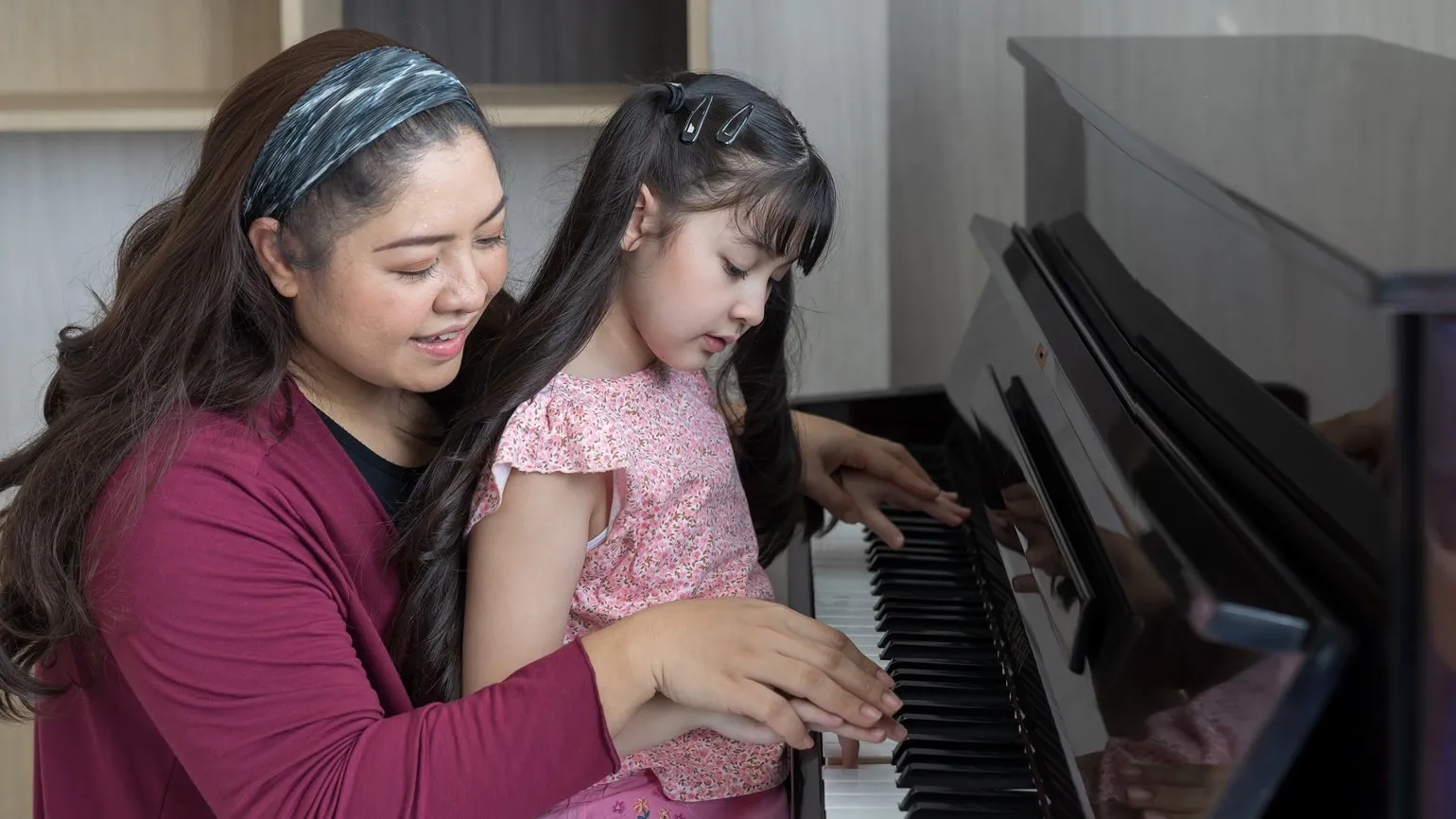
Evidence-based education makes several key points. First, it emphasizes the importance of using scientific evidence to make educational decisions. Second, it emphasizes the need for continuous analysis and evaluation of the effectiveness of teaching methods. Evidence-based education also promotes the development of strategies based on evidence, which improves the quality of education and increases its accessibility. As a result, such approaches help create a more effective educational environment that takes into account the needs of students and the demands of modern society.
States must actively combat social inequality, as it hinders the development of society as a whole. Gifted children can come from any family, but those born into environments where education is valued and accessible have far greater opportunities to realize their potential. In contrast, children from poor and uneducated families face significant barriers to success. Removing these barriers and creating equal opportunities for all children is a key step toward social progress and economic development.
States strive to maximize human potential, so it is important to create an education system that allows every child to fully realize their abilities. Although no country has achieved perfect equality in education, many are successfully working to minimize differences and close the educational gap. This requires the implementation of innovative teaching methods, an individualized approach, and support for talented children, which ultimately contributes to the development of society as a whole.
Changing education based on an evidence-based approach occurs through the introduction of scientifically sound methods and technologies that help improve the learning process and increase its effectiveness. An evidence-based approach allows the use of data and research to make decisions in educational practice.
There are many examples of the successful application of an evidence-based approach in education around the world. For example, in Finland, the education system focuses on the individual needs of students, which is based on research confirming that personalized learning significantly improves results.
In the UK, evidence-based programs help teachers implement effective teaching strategies such as active learning and formative assessment. These methods were developed based on data analysis of how students learn information.
Thus, the implementation of an evidence-based approach in education allows for systematic improvement in the quality of teaching, adapting it to modern requirements and student needs.
One of the key factors contributing to the development of evidence-based education was James Coleman's research in the 1960s in the United States. Coleman is considered the founder of the concept of educational inequality, as he was the first to demonstrate that a child's educational success depends not only on the quality of the school but also on the socioeconomic status of the family. Entry to university and successful completion of school are largely determined by the presence of higher education in parents, and not only by the educational conditions at the educational institution. This discovery formed the basis for further research in the fields of educational policy and sociology, emphasizing the importance of the family context in shaping educational opportunities.
The research had a significant impact on the American educational system, leading to important reforms, albeit with varying success. One large-scale project was No Child Left Behind, which became the subject of widespread discussion. A central element of this project was the regular testing of students to assess their educational achievements. As a result, an entire generation of schoolchildren grew up subjected to constant knowledge testing. However, despite criticism, this practice provided valuable information about the state of educational institutions, increased their accountability, and justified funding.
There are numerous examples of evidence-based policy, particularly in the context of international research on school education. After receiving unsatisfactory results in the PISA tests, many countries began active reforms of their education systems. These changes are aimed at improving the quality of education and increasing the competitiveness of students in the international arena. Reforms include the introduction of new teaching methods, updated curricula, and advanced training for teachers.
PISA is a study conducted by the Organisation for Economic Co-operation and Development (OECD), which attracts more attention than TIMSS and PIRLS. Unlike these studies, PISA was originally developed not only for scientific purposes but also to shape educational policy. Many participants experience difficulties completing PISA tasks, which highlights its unique approach to assessing educational outcomes.
During school, our children become accustomed to the fact that textbook problems present only the necessary information. It is important to use only what is given in the problem statement to find a solution. PISA problems are formulated in such a way that students not only understand the problem but also need to be able to identify important data for the solution. In response, many countries, including Finland, Estonia, and Russia, have begun to revise the content of their educational programs, focusing on the indicators measured by PISA. This demonstrates the need to adapt educational processes to modern requirements and standards, which can lead to more effective learning and preparation of children for real-life situations.
In recent years, several decisions based on the results of scientific research have been made in Russia. One striking example is the introduction of new healthcare standards aimed at improving the quality of medical services. Scientific data on morbidity and treatment effectiveness have become the basis for changes in treatment and diagnostic protocols.
Also worth noting is the development of environmental protection programs, where scientific research helps shape policies in the field of ecology and sustainable development. The results of studies on the state of ecosystems and the impact of anthropogenic activities contribute to the creation of more effective measures for environmental protection.
In the field of education, the introduction of modern teaching methods and the adaptation of educational standards are also based on data obtained from scientific research. This allows for more effective training of specialists who meet the demands of the labor market.
Thus, examples of decisions taken in Russia emphasize the importance of scientific research in shaping public policy and improving the quality of life of citizens.
In one of the uluses of Yakutia, an interesting social impact project was implemented, which, over the course of three years, contributed to the development and improvement of educational outcomes for children. A similar project is currently planned for Kamchatka, focusing not only on improving academic performance but also on more informed choices of educational paths. This project is developing specific solutions at the regional and municipal levels that are already showing positive results.
Currently, there are a number of areas and topics of educational research in Russia that remain understudied. One such area is the impact of digital technologies on the educational process. Despite the active implementation of IT solutions, research into their effectiveness and impact on the quality of education requires more in-depth analysis.
Aspects of inclusive education, especially in the context of adapting educational programs for students with special needs, are also understudied. It is important to explore how such programs can be integrated into the general education system and which methods are most effective.
Another relevant topic is teacher training. Research in this area can help identify gaps in teacher qualifications and propose new approaches to training future specialists.
Equally significant is the topic of an interdisciplinary approach to education and its impact on the development of critical thinking in students. This area requires further research to identify best practices and teaching methods.
Thus, there are many topics requiring the attention of researchers, which opens up new opportunities for the development of education in Russia.
The field of pedagogy is lagging behind. In the daily practice of teachers, an evidence-based approach is insufficient. Although much research is being conducted, its quality leaves much to be desired. We continue to follow outdated models, ignoring modern realities. New methods and approaches based on current data and research are needed to improve the educational process and meet the demands of the times.
The problem of educational inequality remains insufficiently studied, as the state does not recognize its importance for taking significant measures. Despite the accumulated research in this area, its results are not being properly applied in practice. The need for action to eliminate educational inequalities is becoming increasingly clear, and it is essential that research be translated into concrete initiatives and programs.
The methods and organization of instruction in higher education play a key role in developing student competencies. Effective educational programs based on modern teaching methods promote deep understanding of the material and develop critical thinking. It is important to consider a variety of approaches, including interactive classes, practical work, and research projects, which allow students not only to assimilate knowledge but also to apply it in real-world situations. Thus, the quality of higher education directly depends on the thoughtful organization of the educational process and the implementation of innovative teaching methods.
A study of online learning in higher education institutions is necessary. There is evidence indicating a decline in the quality of education during the pandemic, but this data is based on surveys of faculty and students. It is important to note that these data were collected during the crisis, when the transition to an online format was hasty and accompanied by numerous difficulties. This doesn't mean we should abandon online learning entirely. On the contrary, we must continue research and develop new methods to maintain high quality standards. Furthermore, accumulated experience in EdTech cannot be easily transferred to universities, as students have different goals, motivational strategies, and resources.
In recent years, special attention has been paid to specialist, master's, and bachelor's degrees. About a year ago, we launched a research program for master's degrees, as this level of education remains understudied. We strive to deepen the understanding and analysis of Master's programs in order to improve their quality and compliance with modern requirements.

In the area of individual educational trajectories, there is still no deep Scientific understanding. Large-scale studies demonstrate that 80% of undergraduate students and 70% of master's students do not have a real choice in their studies. Despite the widespread discussion of individualization, the vast majority of students did not have the opportunity to explore elective courses. This underscores the need for serious analysis and the development of programs that truly provide students with the opportunity to shape their educational paths.
Why Evidence Is Important to Learn
The search for evidence in education is not always a good thing. While this approach contributes to improving the quality of educational programs and increasing their effectiveness, it can also lead to a number of problems. One of the main mistakes is an overreliance on quantitative indicators, which do not always reflect the real picture of the educational process.
Furthermore, an emphasis on evidence can lead to ignoring the context and unique characteristics of individual educational institutions or groups of students. This can lead to the standardization of educational methods and a decrease in their adaptability. It is important to remember that education is not only about data and statistics, but also about the human factor, which is difficult to measure.
Therefore, the search for evidence in education requires a balanced approach, taking into account both quantitative and qualitative aspects, to avoid negative consequences and ensure a high level of education for all participants in the process.
In the UK, there is a peculiar joke associated with the introduction of a law requiring empirical justification for decision-making. As a result, significant budgetary funds began to be allocated for replication studies. For example, in yet another region, a program for providing children with nutrition is launched, and a new study is conducted confirming that proper nutrition contributes to improved educational outcomes. However, it is obvious that if a similar reform has already been implemented in a neighboring region and a corresponding study has been conducted, then its results can be used as a guide. Ultimately, the law required a revision of the wording.
A common mistake is relying on unreliable research or replacing scientific data with expert opinion. In addition, there is the problem of defining what exactly should be included in the evidence base. It's important to understand that values can also be part of this foundation, but relying solely on scientific results is not enough. To draw sound conclusions, it's necessary to consider both empirical data and moral aspects, which will allow for a more complete and objective understanding of the subject of study.
The school principal decided to open tenth-grade classes focused on economics and medicine, while ignoring the interests of the rising ninth-grade class, which expressed a desire to study journalism, chemistry, and biology. Ignoring the interests of students is the wrong approach, even if the principal has certain reasons for her choice, such as the availability of qualified teachers. It's important to consider the opinions and preferences of students to ensure they have the opportunity to develop their talents and interests. This decision should contribute not only to the educational process but also to the development of harmonious personalities in adolescents.
As examples from other countries that have long used an evidence-based approach in education show, there are effective methods for combating errors. First, an important aspect is the implementation of a systematic analysis of errors, which helps identify their causes and minimize their recurrence. Secondly, the use of modern technologies and tools, such as learning platforms and analytical programs, makes it possible to track student progress and adjust curricula. Regular training for teachers is also important so that they can adapt their teaching methods to evidence-based practices. Thus, many countries have already achieved significant success in improving the quality of education through the implementation of an evidence-based approach and effective error management.
The development of evidence-based education in Western countries has led to the creation of a comprehensive infrastructure that allows practitioners to effectively use research results. Important elements of this infrastructure include university partnerships that develop special digests that provide officials with brief overviews of the latest research. In addition, guides are being created to teach how to correctly read, commission, and evaluate research. Mastering these skills is becoming essential for professionals seeking to apply scientific evidence in their work.
When implementing any reform, it is necessary to immediately begin research to evaluate its future effectiveness. The story of the Unified State Exam (USE) is an example: when it was introduced, no analysis of attitudes toward the entrance exams was conducted. While the Unified State Exam (USE) is currently being criticized, many forget that the previous system had even more complexities that weren't taken into account. Therefore, it's important not only to implement innovations but also to conduct comprehensive research to understand their impact and identify potential shortcomings.
In countries where evidence-based approaches have become the norm, research is funded on a consistent basis. Why do officials in such countries require a PhD? It's not just a formality—having an academic degree demonstrates a developed research mindset, which is essential for making informed decisions. Officials with such skills are able to consider scientific data and research, enabling them to make more informed and effective decisions in the interests of society.
The HSE Institute of Education aims to create an effective infrastructure for the development of education in Russia. This includes the introduction of new technologies, support for innovative approaches, and improvement of the quality of educational programs. The Institute actively works to ensure access to modern educational resources and create conditions for students' successful learning and professional growth.
The Institute for New Educational Research (INOBR) is one of the few centers that houses a comprehensive research base in the field of education. Although the Russian Academy of Education and several universities also work on this topic, INOBR stands out as the largest research and expert center. We are not just an educational organization, but an institution focused on in-depth analysis and expertise in the field of educational processes and technologies.
Read also:
- What research to conduct before designing a course
- How to search for and read research on education
- Why do teachers need knowledge about the brain: an interview
- Do schools need pedagogical research?
Educational Programs Methodologist
You'll go through the full cycle of creating an educational product from scratch. Learn to design curricula for online and offline courses. Become a versatile specialist—you can launch your own project or find a job as a methodologist at a large company.
Find out more