Contents:
Learn: Educational Programs Methodologist
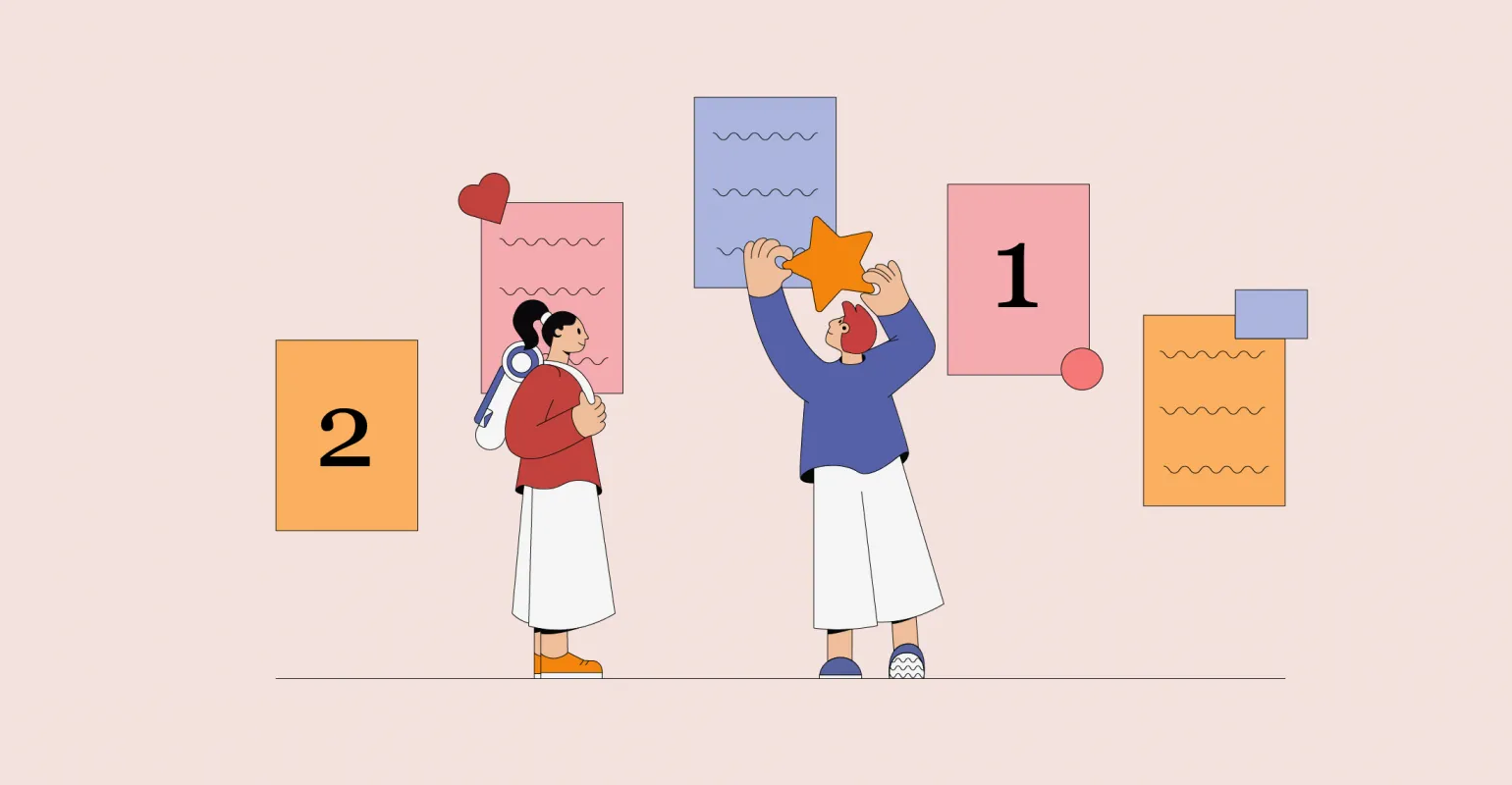
Learn MoreIn the classroom of Benjamin Siegel, a teacher of algebra and geometry at a Bronx school, sheets of paper with inscriptions decorate the walls. These sheets feature colorful stickers in the shapes of hearts, stars, and squares with students' names. This unique design element is called the "Candy Land Pass." It creates a warm and supportive atmosphere, helping students feel more engaged in the learning process. This resource is not intended for young children, as it might seem at first glance, but is aimed at high school students. The pages contain topics to be learned and mastered, as well as tasks such as tests and quizzes. Students move their stickers around the stations with tasks, allowing them to track their progress, understand what steps they still need to complete, and observe the success of their classmates. This is a rating system that allows each student to compare their personal progress with the achievements of others. Although research indicates that such systems do not always promote effective learning, Siegel takes the opposite point of view. He believes that the ability to compare results with their peers can motivate students to improve their performance and increase their level of academic engagement. Children often misunderstand themselves by believing they are fully aware of their knowledge and current status in the learning process. In a typical classroom, they may feel they can easily sit in the back row and study only the topics that interest them. They may believe they are moving at the same pace as their classmates. However, this learning system does not give them the full picture. They begin to recognize the work their peers are doing and see that they are lagging behind in some areas. This awareness can become an incentive to improve their academic results and become more actively involved in the learning process. The teacher emphasizes that the "Sweet Road" project has a significant impact on students, inspiring them to achieve success. Students strive to keep up with their most successful classmates and take the initiative to request additional assignments to catch up with their academic leaders. This desire to compete and develop indicates a high level of motivation and a desire to succeed in the educational process.
Those who are lagging behind in their studies begin to realize that they are significantly behind their classmates. This realization can become motivation for them to return to school and improve their knowledge.

What led to the "Sweet Road"
The technique used by Siegel is known as "flipped mastery." This method is based on a combination of two educational models.
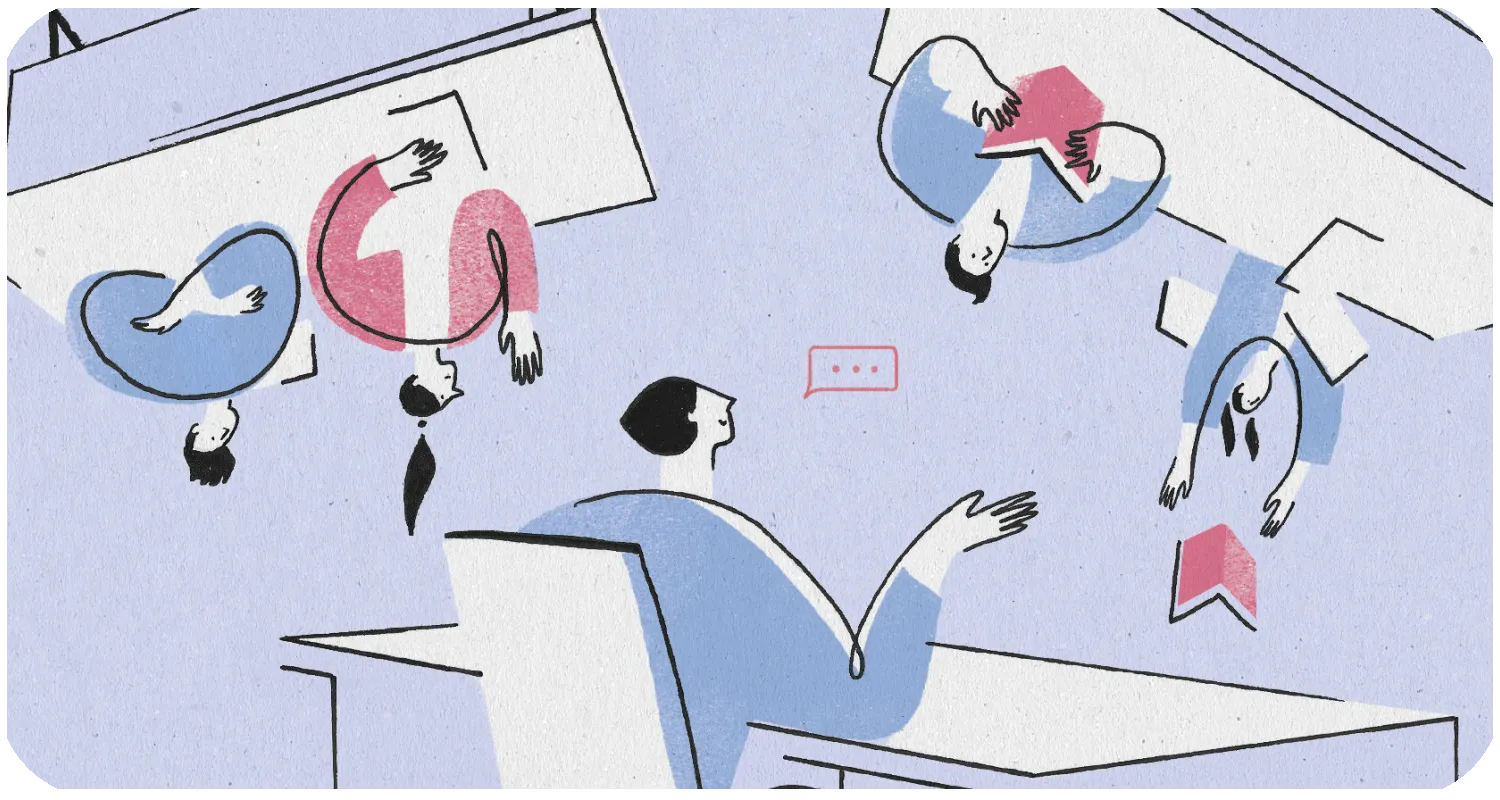
- Flipped learning is a pedagogical approach in which students independently master theory and, under the teacher's supervision, apply it in practice and discuss it together in class.
- Mastery-based learning (or mastery learning) is a teaching method that allows everyone to learn at their own pace. The student's goal is not simply to memorize material, but to delve into it, carefully study it, and be able to apply their knowledge. A unique feature of this method is that a new topic can only be covered after mastering the previous one; it is not possible to "gallop across Europe" as in traditional school programs. The speed of learning depends only on the desire, motivation and abilities of the student.
Pay attention to the following materials:
Flipped learning: what it is and how it works
Flipped learning is an educational approach that changes the traditional teaching scheme. Instead of learning in class, students study new material at home, and use class time for discussion, practice, and assignments. This method allows students to gain a deeper understanding of the material and develop critical thinking.
The key benefits of flipped learning include active student engagement and the opportunity for a personalized approach. Students can study at their own pace, which promotes better retention. Instructors, in turn, can focus more on problem areas and support students throughout the learning process.
Flipped learning is especially effective in distance learning settings, where access to resources and materials is easier. It also promotes the development of self-study skills and responsibility for one's own learning.
Implementing flipped learning requires a thoughtful approach to organizing the learning process and preparing materials. It is important that students have access to high-quality resources and understand how to effectively use their time outside of class for study. As a result, flipped learning can significantly increase student engagement and academic performance.
The description may seem complex, but it's actually a simple process consisting of a few steps.
- Teenagers watch pre-recorded video lessons (prepared by Siegel himself). They are published on the school's website.
- Afterwards, they complete exercises or work through assigned problems.
- During the process, the students receive personalized consultations and support from the teacher. It's worth noting that the system is designed for classes of 22-28 students (although Siegel also has an assistant).
- After mastering a topic, students take short tests and a "mastery test" if they feel they've understood the material and are ready to apply their knowledge.
- If they pass the test, they can move on to the next topic, but if they fail, they'll have to complete new assignments before taking the test again.
Siegel argues that there are no intermediate stages in learning and knowledge: either you have the necessary skills or you're in the process of acquiring them. This approach emphasizes the importance of continuous learning and self-improvement.
Mastery-based learning significantly changes the approach to assessment. In this context, both tests and homework are used. However, the main focus is on the "Sweet Road," which helps the student focus on the educational process and personal progress, rather than on how to get a legitimate C and feel safe. This approach not only deepens knowledge but also develops self-esteem and motivation skills, which ultimately contributes to better learning and preparation for future challenges.
How Theory Was Complemented by Practical Tips
"The Sweet Road" is just one of Siegel's many findings. In his practice working with teenagers, he uses a variety of effective tools that help establish rapport and create a trusting atmosphere. These methods contribute to the development of emotional resilience and social adaptation in adolescents.
Each lesson includes about 30 minutes of group work, which is an important element of "flipped" learning. Students interact with each other, providing support and discussing topics or solutions to problems. In addition, teacher Siegel offers game tasks, such as "Pop the Bubble". This format promotes improved communication between students and helps them better absorb the material through active participation and collaborative problem-solving.
- Students are divided into small teams (two to four people).
- Each team has five bubbles. The teacher writes the team's name on the board and draws bubble circles.
- Students are given questions that they must answer in two minutes. For this, Siegel and his colleagues use the Kahoot! platform, which offers group quizzes for schoolchildren. Typically, such a quiz or test is displayed on a shared screen, with each student answering multiple-choice questions on their own devices (in Siegel's class, the students have tablets).
- If a team answers correctly, they can "pop" the bubble of one of the opposing teams, meaning the teacher erases it from the board.
- The team with the most bubbles remaining wins.
The game, of course, isn't entirely fair: as Siegel himself notes, the bubbles of the top students "pop" first. However, it is precisely this quality that makes the game particularly appealing and popular. Both the top students and even the underachievers have a real chance of winning, and the outcome becomes unpredictable. This element of surprise attracts players and makes the process exciting.
Read also:
Games for developing attention and concentration in children: 7 effective solutions for teachers
In the modern educational process, an important aspect is the ability of children to concentrate and pay attention to the educational material. Teachers should pay attention to special games that are not only entertaining but also help improve students' concentration. In this article, we will look at seven games that help develop attention and focus in children.
1. The "Silence" game helps children learn to listen and focus on the sounds around them. The teacher can ask students to close their eyes and try to identify the sounds they hear.
2. "Verbal Dictation" develops attention and memory. The teacher reads the text, and the children write it down, trying not to miss a word. This exercise helps them focus on details.
3. "Spot the Difference" is a game where students compare two similar pictures and look for the differences. This game trains observation and concentration.
4. "Assemble the Puzzle" promotes the development of logical thinking and attentiveness. Students need to focus on details to assemble the picture correctly.
5. "Battleship" is a classic game that requires players to be attentive and strategically thinking. It helps develop the skills of planning and concentration during the game.
6. "Who am I?" is a game in which students ask questions to guess who they are. This exercise develops social skills and requires concentration on questions and answers.
7. "Secret Word" – a game where one student thinks of a word, and the others ask questions to guess it. This helps develop attention and critical thinking.
Using these games in the educational process not only improves children's attention and concentration but also creates a positive atmosphere in the classroom. Teachers should include such activities in their lessons to achieve better learning results.
Siegel's system includes an interesting element called Scholar Dollars, which translates into Russian as "educational dollars." Students who successfully pass the midterm test receive five academic dollars, while those who successfully pass the "mastery test" receive $15. Depending on the conditions, the system can be modified, and students can earn a significant amount of this school currency in a single lesson. Scholar Dollars not only motivate students to study but also promote more active participation in the learning process.
"With these funds, children can buy sweets and school supplies. "We also have healthier options, but students don't show much interest in them," Siegel notes. In flipped learning, learning can become routine, so it's important to find ways to motivate students. One effective method is to use small rewards. For example, in a math teacher's reward system, pizza is the most expensive option, costing $200. This not only stimulates interest, but also makes learning more engaging and memorable.


Check out additional materials:
Online classes for children have their own unique features that teachers and methodologists should consider to increase their effectiveness. Firstly, it is important to adapt materials to the online learning format, which helps keep children's attention and facilitates the perception of information. Secondly, it is necessary to use interactive elements, such as polls and games, which promotes the active involvement of children in the process. Third, it's important to consider the differences in how children of different age groups perceive information, selecting an appropriate approach and methods. The fourth feature is the need to create a comfortable atmosphere during classes, which will help children feel free and relaxed. Finally, the fifth important characteristic is regular feedback, which allows teachers to adjust the learning process and effectively maintain children's interest. Taking these aspects into account, the quality of online classes for children can be significantly improved.
How else is "Sweet Road" used?
Siegel's idea caught the attention of Canadian mathematics teacher Lauren Thurber. Her goal was to inspire children to learn, so that they would stop perceiving annual grades as the sole result of their work. In response, Thurber changed the traditional grading system, introducing a more effective approach adapted for younger students. This new methodology allows students to focus on the learning process and skill development, not just on grades.
She realized that in elementary school, students depend on their teachers for knowledge. Developing executive functions such as independence, self-control, and organization of learning takes time and effort. Thurber's program was developed using a simple system she called WARP. This system aims to develop children's skills for successful learning and self-regulation, which contributes to their personal and academic growth.
- Work your way. Students begin working on a learning task independently: they watch a video with theory, read notes, and receive prompts from the teacher.
- Assess your learning. Students are asked to understand and independently evaluate how well they have mastered a particular skill.
- Reflect on your growth. Children are asked to consider whether their abilities have truly changed with the acquisition of new knowledge.
- Plan your next steps. Students evaluate what actions they will take next and how to achieve their goals.
The Thurber system structures each topic into four key blocks: theory, practice, testing, and reflection. The learning process is organized as follows: first, theoretical material is presented, which provides basic knowledge on the topic. This is followed by the practical application of this knowledge, where students can consolidate their acquired skills. After this, there is a testing stage, during which the assimilation of the material is assessed. The process concludes with reflection, during which participants analyze their experiences, identify strengths and weaknesses, which contributes to a deeper understanding of the topic and further development.
- Students acquire theoretical knowledge. Thurber uses recorded video lessons, which he calls a "clone teacher." The advantage of this approach is that students have constant access to the theory and the opportunity to refer back to explanations.
- Practice and testing follow. Students complete exercises and check their knowledge using tests and online surveys. They are assessed for this, but only at the initial stages of training—later, such testing is replaced by solving problem-solving tasks and puzzles.
- The final stage is reflection. Thurber encourages children to independently evaluate whether they understood everything from the topic covered and what problems they encountered.
A child can begin studying a new topic only after fully completing all units of the previous topic. This ensures better assimilation of the material and promotes a deeper understanding of the subjects being studied.
Thurber has developed a unique motivational path based on Siegel's concept, inspired by elements of video games. The stations and stages of this road are distinguished by their creativity and interactivity, which makes the learning process more engaging for the children. Subsequently, the teacher adapted her methodology taking into account the RAMP model of intrinsic motivation, which identifies four main types of players, allowing for more effective engagement of students in learning and development of their interest in the educational process.
- Socializers;
- Free-spirited;
- Careerists;
- Philanthropists.
The game becomes truly engaging when it includes attractive elements for different types of players and students. Thus, Thurber has introduced opportunities into the educational process that take into account the interests of all categories of students. Children who are socializers can participate in friendly competitions, which contributes to the development of team spirit. Careerists find motivation in turning the stages of learning into game "levels", which makes the process more exciting. For those who are free-spirited, creative projects are provided, allowing them to demonstrate their talents. Philanthropists, in turn, can solve real-world problems and help other students master topics they already know. This approach allows everyone to find something interesting while enjoying the learning process. The main benefit is the development of intrinsic motivation—the desire to learn for the process itself, not for external rewards.
The teacher noted that her students already had the executive function skills she expected of them. She just needed to find the right words and approach to establish effective interaction and reach them.
Thurber's final grading system has undergone changes. Initially, tests were used, and students who completed the course early were given the opportunity to choose a day to take them. However, Thurber subsequently abandoned tests and switched to assignments that more accurately reflected student skills. This approach ensured high-quality feedback and allowed for better assessment of the level of mastery of the material.
To effectively promote your content in search engines, it is important to pay attention to text optimization. Make sure your text contains keywords that match the topic and interests of your target audience. Structure your content so it's easy to read and logically coherent. Including headings and subheadings will help improve the information's readability and improve search engine rankings. It's also helpful to use internal and external links to increase the authority of your content and provide additional value to readers. Don't forget about meta tags and descriptions, which also play an important role in SEO. Update content regularly to keep it relevant and attract new readers.
- An American teacher turned history lessons into detective stories
- What is eduScrum and how is it used in education?
- How schools and universities organize a zombie apocalypse
- How the news agenda is used in teaching
Educational Program Methodologist
You will go through the full cycle of creating an educational product from scratch. Learn to design curricula for online and offline courses. Become a versatile specialist — you can launch your own project or get a job as a methodologist in a large company.
Find out more