Contents:
Learn: Mentoring and Management Coaching
Learn moreProactivity is becoming an important quality for schoolchildren, students, and employees. But what really lies behind this concept? Is it possible to measure a person's level of proactivity? And is it possible to develop this competence, or is it an innate personality trait, available only to a few? Researchers from the Higher School of Economics' strategic project "Human Success and Independence in a Changing World" answer these questions. The project aims to study various forms of independence and develop tools to support and develop them, which allows for a better understanding of how proactivity affects success in life and career.
Who supported our understanding of the situation?
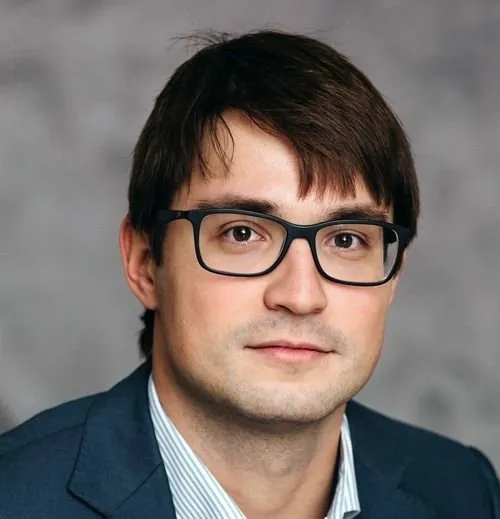
Leading Researcher and Head of the Laboratory for Human Potential and Education Research, Institute of Education, Higher School of Economics (HSE). He also leads the "Proactive Behavior and Independence" program within the strategic project "Human Success and Independence in a Changing World." The main objectives of the laboratory include studying the factors contributing to the development of proactive behavior in people, as well as researching methods of increasing independence in the context of modern educational systems.

Researcher at the Laboratory of Continuous Adult Education at the Institute of Education of the Higher School of Economics. Coordinator of the strategic project dedicated to the success and independence of a person in a rapidly changing world. In my work, I research modern approaches to adult learning, as well as develop effective methods to facilitate adaptation and personal development in a rapidly changing social and economic environment.
Proactivity, also known as agency, active autonomy, or strategic autonomy, is a set of characteristics that are particularly relevant in various areas of life, including economics and entrepreneurship. Simply put, proactivity is the ability to act effectively in conditions of uncertainty, when clear regulations and behavioral patterns are absent. In such situations, a person must make independent decisions and take actions aimed at strengthening their capabilities, transforming the environment, and adapting to macrostructural changes. In today's marketplace, proactivity is becoming a key success factor, allowing not only to adapt to change but also to anticipate it, which is especially important for achieving sustainable growth and competitive advantage.
Proactivity, or autonomy, is divided into two main categories: executive and strategic. Executive autonomy in the workplace implies the ability to independently solve current tactical problems. This includes prompt decision-making, which facilitates the effective performance of duties. Strategic autonomy, in turn, is associated with long-term planning and the development of an action strategy. It includes the willingness to independently set new goals and find ways to achieve them. Both of these forms of proactivity play a key role in professional development and success in the workplace.
Proactivity also includes personal development and the desire for self-improvement. The willingness to change oneself to gain new opportunities is an important aspect of a proactive approach. The ability to recognize one's weaknesses and choose effective methods of self-development is a key characteristic of a proactive person. This skill helps not only in achieving personal goals but also in improving one's professional life, opening up new horizons and prospects.
Proactivity, also known as agency, active autonomy, and strategic autonomy, is a set of characteristics that are becoming especially relevant in modern conditions, including the economy and entrepreneurship. Simply put, proactivity is the ability to act effectively in conditions of uncertainty, when clear regulations and behavioral patterns are absent. In such situations, people need to make independent decisions and act, strengthening their capabilities and transforming both their immediate environment and macrostructures. Developing proactivity allows them not only to adapt to change but also to anticipate it, which is a key factor in success in business and other areas.
Proactivity can be classified as executive and strategic. Executive independence in the workplace implies the ability to independently solve current tactical problems. Strategic independence, on the other hand, involves developing a long-term strategy, the willingness to independently set new goals, and determine the path to achieving them. Both forms of proactivity are important for the effective completion of tasks and achieving success in professional life. Developing these skills promotes increased personal responsibility and overall productivity.
Proactivity also includes a willingness to change one's personality to achieve greater opportunities. The ability to recognize one's shortcomings and choose appropriate methods for self-development is an important aspect of proactive behavior. This not only allows one to improve personal qualities but also opens new horizons for professional and personal growth. Proactive people actively seek ways to improve themselves, which contributes to their success and development in various areas of life.
Proactivity involves creating something new, which is important not only for the sake of fresh ideas but also for achieving both individual and collective well-being. This trait allows people and organizations to actively influence their environment, anticipating change and creating opportunities to improve the quality of life. A proactive approach fosters innovation and effective solutions that ultimately contribute to the success and satisfaction of the needs of both individuals and society as a whole.
As part of our strategic project "Proactive Behavior and Independence," we explore not only new forms of action but also their beneficial effects. We have found that a child's ability to create an online community is an indicator of their success in independent and distance learning. Such skills indicate a high degree of independence and adaptability, which is especially important in today's environment.
Proactivity involves creating something new not only for the sake of innovation but also with the goal of achieving both individual and collective well-being. This trait allows people and organizations not only to react to change but also to actively shape their future by making informed decisions and developing strategies. A proactive approach contributes to a better quality of life and increased productivity, as it is focused on long-term goals and sustainable development.
As part of our strategic project "Proactive Behavior and Independence," we conduct research aimed at identifying new forms of action and their beneficial effects. We have found that a child's ability to create an online community indicates high effectiveness in independent learning and distance education. Thus, proactive behavior and the ability to interact in a digital environment are becoming key factors for successful learning.
Of course, I am happy to help you with editing the text. Please provide the text itself to be changed.
An example of proactive behavior among schoolchildren is the creation of online communities on social networks such as VKontakte, dedicated to various topics - from hobbies to additional education. Research has shown that middle and high school students who initiated new online communities during the pandemic coped significantly better with the challenges of this period. They developed improved skills and found new opportunities for self-development. Proactivity promotes not only personal growth but also the formation of social connections, which in turn has a positive effect on psychological well-being and academic success.

An example of proactivity in the family can be seen in research conducted during the pandemic. Around one-third of Russian families began consciously forming new rules of behavior during this time. In some of these families, children actively participated in this process. Instead of simply following parental instructions, such as "We now always wash our hands before and after meals" or "We don't touch the door handles in the entryway without gloves," parents and children discussed these issues together, developing joint solutions, which contributed to an improved family atmosphere and strengthened mutual understanding.
Schoolchildren, when creating online communities on VKontakte, demonstrate proactivity, regardless of the topic, be it a hobby or additional education. Research has shown that middle and high school students who initiated the creation of new online communities during the pandemic adapted significantly more successfully to challenging conditions. This active participation contributed to the improvement of their skills and the discovery of new opportunities for self-development.

An example of proactivity in the family can be seen on the basis of a study conducted during the pandemic. It showed that about a third of Russian families consciously developed new rules of behavior. In some of these families, children were actively involved in the process of formulating these rules. This means that decisions were made not only based on parental direction but also through joint discussion. For example, families discussed the need to wash hands before and after meals or the use of gloves when handling door handles in the entryway. This approach contributed to a more conscious and safe environment for all family members.
It would be a serious exaggeration to claim that all business initiatives are beneficial. In fact, only those ideas and actions that can improve time efficiency and attract new investment in the company are truly important. A focus on performance and process optimization allows for better financial performance and a stronger market position.
According to interviews with employers, self-organization is most often expected from entry-level employees. Employers value the ability to organize their time and cope with emerging challenges within the framework of assigned tasks. However, as employees advance to management levels, they are increasingly required to demonstrate active independence and strategic thinking. This underscores the importance of developing planning and decision-making skills for career advancement. Strategic vision becomes a key factor for successfully fulfilling responsibilities in more senior positions.
To claim that all business initiatives are beneficial would be a serious exaggeration. It is important to understand that the effectiveness of business initiatives is determined by their ability to increase returns per unit of time and attract new investment. Only such measures can truly contribute to the company's growth and improve its financial performance.
According to interviews with employers, self-organization is primarily expected of entry-level employees. Employers value the ability to effectively cope with difficulties within the framework of assigned tasks. However, when employees reach management positions, they are required to demonstrate active independence and a strategic vision of future prospects. This emphasizes the importance of developing planning and decision-making skills for career advancement.
Perception of change depends on one's perspective. Attempting to change the external structure always creates discomfort in others, which generates tension. Anyone who proposes innovation, especially in bureaucratic systems, inevitably encounters resistance, which negatively impacts their own well-being. Overcoming this resistance requires persistence and determination. Only in the final stages, when a person overcomes all difficulties, does both individual and collective well-being increase, and proactive initiatives begin to yield real benefits. Proactivity, from a tactical perspective, can have negative consequences for both the individual and the environment. It can lead to conflicts with others and create tension in interpersonal relationships. However, from a strategic perspective, proactivity ultimately benefits both the individual and the environment. Proactive people foster positive change, which improves the atmosphere in society. Furthermore, gaining experience in proactive actions helps a person more effectively cope with unexpected problems in various areas of life and cope with difficult situations more easily. This development of proactive skills allows you to increase your resilience to stress and promotes personal growth.

Changes in the external structure are always perceived differently, depending on the point of view. When a person strives for innovation, it can create discomfort in those around them, leading to tension. Proposing new ideas, especially within bureaucratic organizations, often encounters resistance, which negatively impacts the personal well-being of the change initiator. Successfully overcoming these difficulties requires persistence and determination. Only in the final stages, after overcoming all obstacles, does both individual and collective well-being increase, and proactive actions become truly effective and beneficial. Tactically, proactivity can have negative consequences for both the individual and the environment. Proactivity sometimes leads to conflicts and misunderstandings with others. However, strategically, proactivity brings significant benefits. Proactive people contribute to the improvement of the environment around them, creating positive change. Furthermore, accumulated proactive experience helps individuals cope with unexpected difficulties in various areas of life, allowing them to manage complex situations more effectively. Thus, proactivity is an important quality that contributes to personal growth and development.

Currently, there are three main approaches to assessing proactivity. The first approach is based on performance-based assessment, which involves analyzing human-generated results. This approach is currently considered the most effective. However, there is a problem: it is impossible to develop a universal set of performance-based assessments that would be relevant for assessing the proactivity of schoolchildren, university students, and employees performing a variety of work tasks. This limitation complicates the assessment process and requires an individual approach for each group.
The second approach to assessing proactivity involves using questionnaires that assess various indicators, such as self-efficacy, locus of control (external or internal), positive attitude, and innovative behavior. Validated questionnaires have been developed for each of these indicators and can serve as a tool for assessing proactivity levels. However, it is worth noting that one of the main drawbacks of such questionnaires is the tendency of respondents to give socially desirable answers. This effect can be partially mitigated by increasing the number of respondents, but it cannot be completely eliminated. Furthermore, based on the research conducted, it can be argued that questionnaires do not cover all aspects of proactivity, which limits their usefulness in fully assessing this quality.
We are developing a new approach to assessing proactivity. The idea is to create a computer game that will incorporate behavioral patterns reflecting different levels of this quality. By analyzing the player's decisions, their strategy and goals, as well as the results achieved, we will be able to assess the level of proactivity. Implementing this game is a future challenge, and we are confident that this approach will form the basis for the further development of proactivity assessment.
Currently, there are three main approaches to assessing proactivity. The first approach involves assessment through activity indicators, that is, based on the results a person has created. This method is considered the most effective, as it allows for a clear demonstration of the level of proactivity. However, there is a challenge in creating a universal set of activity indicators that would be relevant for assessing the proactivity of both schoolchildren and university students, as well as employees performing a variety of work tasks. This makes the assessment process less flexible and difficult to apply across different contexts.
The second approach to assessing proactivity involves the use of questionnaires based on various indicators. The main ones include self-efficacy, locus of control (external or internal), positive attitude towards life, and innovative behavior. Validated questionnaires have been developed for each of these indicators that can be used to measure the level of proactivity. However, it is worth noting that one of the drawbacks of questionnaires is the tendency of respondents to give socially desirable answers. This effect can be partially reduced by surveying a large number of people, but it cannot be completely eliminated. Furthermore, based on our research, it can be argued that existing questionnaires do not cover all aspects of proactivity, which limits their effectiveness in fully assessing this quality.
We aim to develop a new approach to assessing proactivity. Our idea is to create a computer game that will contain behavior patterns corresponding to different levels of this quality. By analyzing the decisions made by the player, their strategy and goals, as well as the results achieved, we will be able to determine their level of proactivity. Developing such a game is a future challenge, and we are confident that this approach will become the basis for further proactivity assessment.
Practitioners are encouraged to identify examples of individuals and teams within their environment, such as their company, who demonstrate proactivity. These examples can serve as action indicators that help determine how successful career trajectories are created in your field. Other employees can be assessed in a similar manner to these examples. This will help not only understand which strategies work but also implement them in your own practice to achieve similar results.
In every field, there are both real examples of successful experience and situations created merely for show, when actions are carried out formally without true proactivity. Therefore, it is necessary to focus on real cases that serve as reliable role models and inspiration. This will allow for more effective use of successful practices and avoid a superficial approach in work.
Questionnaires can be useful tools, but at this stage, the scientific understanding of proactivity is in its infancy. Therefore, it makes more sense to rely on the opinions and needs of the process participants themselves—that is, the people who exhibit proactive behavior. During our interviews with HR specialists from various companies, we repeatedly encountered the statement: "There are various tests, but we've learned to independently determine what proactivity and independence mean for our organization." This definition is very important to them, but these qualities are often assessed intuitively.
Practitioners are encouraged to look for examples of proactive individuals and teams in their professional environment, such as their own company. By analyzing these examples, you can identify key indicators of success and understand how effective career trajectories are formed in your field. This will allow you to evaluate other employees by analogy with successful behaviors and approaches.
In every field, there are both genuine examples of successful interactions and window dressing, where actions are taken merely to create the appearance of proactivity. It is important to be able to distinguish real cases from formal approaches in order to use them as role models. Real examples demonstrate true proactivity and are the basis for the effective development and implementation of best practices.
Questionnaires can also be useful, but it is important to keep in mind that the scientific understanding of proactivity is still in its infancy. Therefore, it is important to rely on the needs of the participants themselves – the people demonstrating proactivity. During our interviews with HR specialists from various companies, we often hear the following statement: "Yes, there are many tests, but we have already learned to independently determine what proactivity and independence mean for our company." For them, this is a key aspect, but they often define these qualities intuitively, without strict criteria. It is important to develop methods for assessing proactivity to improve the recruitment process and enhance team performance.
The influence of biological factors on a person's proactivity is difficult to definitively assess, as heredity remains an unknown area. However, it can be assumed that there are genes that create the basic conditions for the development of proactivity. This implies that each person may have a genetically predetermined level of proactivity, which serves as a kind of ceiling. Research in this area can help better understand how heredity and genetic factors interact with the environment and personal experiences to shape proactive attitudes and behavior.
Proactivity develops throughout life, and this process can be influenced. Educational institutions play a key role in developing a person's desire for active participation. It is important that educational programs promote the development of initiative and responsibility, which in turn helps to develop a proactive approach to life.

Proactivity is determined by two main aspects. The first is external conditions, including family, educational institutions, social groups, and various public institutions with which a person interacts. The second aspect is internal conditions, shaped by the external environment. In the modern world, social structures are destructuring, becoming more flexible and changeable, requiring each individual to be increasingly proactive. A proactive approach allows for successful adaptation to change and effective response to new challenges.
Our research shows that there are currently no guaranteed methods for developing proactivity. Everyone has the potential for this, but the specific triggers that promote proactive behavior in certain situations and with different people remain unknown to science.
Human proactivity may be partly determined by biological factors, but the question of heredity remains complex and requires further study. There are suggestions that certain genes may influence the development of proactive qualities. This suggests that each individual may have their own genetically predetermined level of proactivity. It's important to consider that both heredity and environment play a significant role in shaping proactive behavior. Proactivity develops throughout life, and this process can be influenced. Educational institutions play a key role in instilling in people a desire for proactive action and initiative. Developing proactive thinking not only promotes personal growth but also improves professional skills, making a person more competitive in the labor market.

Proactivity is determined by two main sets of characteristics. The first set is associated with external conditions, such as family, education, social environment, and various social institutions a person has attended. The second set of characteristics is formed internally and is influenced by external factors. In the modern world, social structures are destructuring, making them more flexible and changeable. As a result, each person is increasingly required to be proactive in order to successfully adapt to new conditions and cope with challenges.
Our research shows that there are no universal methods for developing proactivity. Everyone has the potential to grow in this area. However, science has not yet established which specific triggers and in which situations are most effective for each individual.
Based on observations and general recommendations, it is important to create tasks for a person that promote their development, serving as testing situations. HR specialists at various companies use a metaphor, comparing this process to placing a person not in the open sea, but in a shallow channel with branches. This avoids a situation where they "drown," while also providing an opportunity to assess whether they are moving forward and how they are choosing their direction. Such approaches not only facilitate professional growth but also develop self-confidence, which significantly impacts work effectiveness and overall motivation.
It is important to note that there are no universal tools or guarantees. The key role is played by the individual's motivation. Influencing motivation is possible, but it is easier with children than with adults. Creating a suitable environment and using reward methods can contribute to the development of sustainable motivation to achieve goals.
In educational processes, it is important to provide students with maximum freedom. However, this freedom should not degenerate into anarchy, where students do whatever they want. A key aspect is the presence of gentle control from the teacher, who helps guide students and create a productive learning atmosphere. An effective balance between freedom and control promotes deeper understanding of the material and the development of student independence.
The traditional education system is often based on the stimulus-response principle, where students answer questions to achieve high grades. In this model, students are motivated not by the desire to learn, but by the desire to avoid a low grade. This devalues the learning process, and students focus on the bare minimum to avoid a failing grade. It is important to rethink the teaching approach to emphasize the true value of knowledge and the development of critical thinking.
The development of active student learning depends on a system that provides them with more freedom and opportunities for independent action. It is important for teachers to provide ongoing feedback, helping students determine the correct direction for their efforts. Such a system creates conditions for self-expression in the learning environment and the demonstration of personal effectiveness. The more self-confident students are, the higher the likelihood of their further growth and development.
A study by the A. A. Pinsky Center for General and Supplementary Education showed that there are schools with a high level of resilience in poor and disadvantaged areas. Despite the fact that these educational institutions are attended by children from socially vulnerable families, where most parents do not have higher education, students actively participate in Olympiads, demonstrate good results on the Unified State Exam, and enter universities. These schools are distinguished by their principle: providing each student with the opportunity to demonstrate their talents and abilities. This approach contributes not only to the development of the individual qualities of children, but also to raising the overall level of education in difficult social conditions.
Based on our analysis and findings, it is useful to set tasks for a person that contribute to his development. These are a kind of test situations. HR specialists from different companies use a metaphor according to which one should not throw a person into the open sea, but rather place him in a shallow channel with branches. This allows you to avoid "drowning" and observe how a person copes with tasks, what their choices are, and what directions they take. This creates conditions for the effective development and assessment of skills, which in turn contributes to the growth of both the employee and the company as a whole.
It should be noted that there are no universal tools and guarantees. The key role in this process is played by the person's motivation. Influencing motivation is possible, but with children this is easier than with adults. Motivation is an important factor determining success in achieving goals.
In educational situations, it is important to provide students with maximum freedom of action. However, such freedom should not degenerate into anarchy, where the student can do whatever they want. Gentle control from the teacher is necessary, who will help direct the learning process and ensure its effectiveness. Establishing a balance between student independence and teacher control promotes deeper learning and the development of critical thinking.
The traditional education system is often based on the "stimulus-response" principle: the student answers correctly and receives a high grade in return. In this model, student motivation is focused not on knowledge acquisition but on avoiding low grades. This creates an atmosphere in which the primary goal is not understanding the material, but rather the desire to earn an A. It is important to rethink the approach to learning, shifting the emphasis from grades to genuine knowledge acquisition and the development of critical thinking. Active development of student learning independence is achieved through a system that provides greater freedom and opportunities for independent action. In this process, the teacher regularly provides feedback, allowing the student to assess their learning trajectory. This environment fosters individuality and demonstrates self-efficacy. Student self-confidence directly impacts their future development and academic progress. The more a student believes in their abilities, the greater the likelihood of successful and independent learning in the future.
A study by the A. A. Pinsky Center for General and Supplementary Education showed that resilient schools exist in poor and disadvantaged areas. Despite the fact that these schools serve children from socially disadvantaged families and the majority of their parents lack higher education, students actively participate in academic competitions, successfully pass the Unified State Exam, and enroll in universities. These schools stand out for their principle of providing equal opportunities for self-realization for every student.
Teaching in which teachers assert their opinion as the only correct one does not foster proactivity in students. When students are forced to simply repeat information on exams, this limits their critical thinking and creativity. Instead, it is important to create an educational environment that encourages discussion, exploration of diverse perspectives, and active participation in the learning process. This approach helps students develop the skills necessary for successful life and work in the modern world.
A study by the "Russia – Land of Opportunity" platform revealed that among the universal competencies developed in Russian students throughout their first to fourth years of study, the only skill that develops systematically is the ability to follow established rules and procedures. This underscores the importance of a structured approach to learning and the need to emphasize other universal competencies to achieve more comprehensive student development.
Stress tolerance, planning, and teamwork skills all decline over the four years of study, while rule compliance improves. This fact points to the ineffectiveness of the traditional education system, necessitating its revision. One possible way to improve the situation is to introduce individualized educational trajectories that will help develop key skills in students and tailor learning to their needs. This approach will improve motivation and performance, creating a more flexible and productive educational environment.

Using the example of a popular entrepreneurship training course in Russia from RBC - "Innovative Economics and Technological Entrepreneurship"—it can be seen that increasing the instructor's time spent on knowledge assessment does not always lead to better results. The more time spent monitoring students' mastery of the material, the fewer entrepreneurial initiatives they demonstrate. Thus, the learning effectiveness is higher for instructors who focus on working with students' projects rather than on excessive theoretical overload. This underscores the importance of a practical approach in entrepreneurship education programs. When instructors stand at the board and assert their opinion as the only correct one, this does not foster a proactive approach in students. In such a teaching system, students are forced to merely reproduce information on exams, rather than develop critical thinking and active participation in the educational process. Effective learning requires interaction, discussion, and the opportunity for students to express their thoughts, which ultimately contributes to their personal and academic growth.
A study conducted by the "Russia – Land of Opportunity" platform revealed that among the universal competencies developed by Russian students during their first to fourth years of study, the skill of following rules and procedures receives the most attention. This demonstrates the importance of a formal approach to the education and training of future specialists, which can impact their professional performance. Developing this skill is key to students' successful adaptation to the modern labor market.
Stress resistance, planning, and teamwork are important skills that, unfortunately, show a decline over the course of four years of study. At the same time, adherence to rules becomes more pronounced. This points to the ineffectiveness of the traditional education system, which requires change. One promising solution is the introduction of individual educational trajectories, which will adapt the learning process to the needs and abilities of each student, as well as promote the development of key skills necessary for successful professional activity.

Using the example of RBC's popular entrepreneurship course in Russia, "Innovative Economics and Technological Entrepreneurship," we discovered an interesting pattern: instructors who spend more time testing students' knowledge to ensure they have mastered the material encounter fewer entrepreneurial projects among their students. This suggests that instructors who focus on practical work with students' projects, rather than excessive theoretical information, are more effective. This approach promotes the active development of entrepreneurial skills and initiative among future entrepreneurs.
Of course, I am happy to help you with editing the text. Please provide the original text you wish to change.
It is impossible to say for sure. For example, the results of the Super Project study (also known as Super Test), which involved engineering students at technical universities, as well as data from other international studies, allowed us to hypothesize a positive relationship between project activities and the level of critical thinking in students. However, our data suggest the opposite.
During interviews with faculty, we identified the reasons for this paradox. Project-based learning at universities is often organized as follows: students are assigned to a project at a center, lab, or department, with a clear set of tasks. The student is told to complete specific actions, such as A, B, and C. As a result, the student completes the specified tasks and submits the completed result to the instructor.
This approach to teaching at universities limits opportunities for creativity and critical thinking. As a result, such activities become quasi-project-based. Students are not exposed to real external challenges and do not interact with real customers, which leads to the reproduction of routine processes. The "Startup as a Diploma" program vividly illustrates this problem: it has transformed into the preparation of presentations that have no connection to the real market. This highlights the need to integrate practical work and interaction with real projects so that students can develop their skills and prepare for work in today's marketplace.
It cannot be definitively stated that project-based activities always contribute to the development of students' critical thinking. For example, the Super Project study, which involved engineering students at technical universities, as well as other international studies, suggested a positive relationship between project-based activities and critical thinking. However, our data showed that this relationship may be weak or even inverse.
In interviews with faculty, we identified the reasons for this paradox. Project-based activities at universities are organized in such a way that students typically participate in projects conducted in centers, laboratories, or departments. They are given a clear set of tasks with instructions: complete A, B, and C. Students complete the assigned actions and present the results to the instructor. This approach limits students' creative thinking and initiative, which can negatively impact their professional development.
With this approach, opportunities for creativity and critical thinking are virtually nonexistent, making university activities largely quasi-project-based. Students do not engage in real external tasks or interact with real clients, but merely reproduce routine processes. For example, the "Startup as a Diploma" program ultimately boiled down to preparing presentations unrelated to current market needs. This leads to students being underprepared for real-world challenges and business needs, highlighting the need to revise curricula and implement more practice-oriented approaches.
Early research in the Soviet Union, particularly the work of Boris Ananyev, emphasizes that age-related changes can be overcome with the proper motivation and active social practice. In today's conditions, when humanity and social structures are experiencing a fundamentally new evolutionary phase, it is inappropriate to claim that insurmountable limitations exist for people of mature age. This opens up opportunities for personal growth and self-development, regardless of age.
Read also:
- What is active learning and how effective is it?
- How to develop critical thinking and other 4K competencies in schoolchildren?
- What teaching style helps develop critical thinking?
- How students are taught not to give up in the face of difficulties: a selection of practices.
Mentoring and Management Coaching
Master the mentoring and coaching approach. You will be able to share your experience with others, effectively manage employees, and lead yourself and your team to the desired results.
Find out more