
Contents:
- Will universities become more effective with learning analytics?
- Why does modern education need product managers?
- Is it possible to predict who will be in demand in the future?
- Why is the profession of a methodologist so popular now?
- What will education be like in the future?
- What is changing in Russian teacher education?

Course with employment: "Profession Methodologist from scratch to PRO"
Learn moreWill universities become more effective with learning analytics?
Skypro CEO Mikhail Sverdlov, Tyumen State University Vice-Rector Taisiya Pogodaeva, and host Konstantin Kokarev are key figures in the discussion of current issues in education and technology. Their joint participation highlights the importance of interaction between educational institutions and businesses to develop innovative solutions in the field of training and development.
In the final episode of the first season of the Tyumen State University podcast "Ask Humboldt," listeners will be able to learn many interesting facts and insights that will help them better understand the topics discussed. The podcast offers a unique opportunity to immerse themselves in the world of science and education, as well as hear the opinions of experts and participants. Don't miss the final episode, which will be the culmination of the season and will wrap up all the previous episodes.
Educational analytics plays a key role in modern educational institutions, including universities and online platforms. It allows for the collection, analysis, and interpretation of learning data, which contributes to the improvement of the quality of education. In universities, educational analytics helps educators track student progress, identify problem areas, and adapt curricula for greater effectiveness.
In online education, analytics provides the opportunity to study student behavior, preferences, and engagement levels. This allows course developers to create more personalized and effective educational programs that meet student needs. The use of analytical tools also helps predict academic performance, allowing for timely intervention and the necessary support. Thus, educational analytics is becoming an integral part of the strategies of both universities and online education platforms, contributing to improved learning quality and student satisfaction. "Ask Humboldt" is a podcast dedicated to questions surrounding changes in higher education. The latest episode discusses two perspectives on education: the product-based approach characteristic of modern EdTech and the traditional position of the classical university. This is an interesting episode that will help us understand how data-driven management influences the educational process and whether universities really need such innovations. The episode explores key topics related to these approaches.
- Why university professors don't like analytics;
- At what levels is learning analytics applied;
- Why having more data isn't always a good thing;
- Why do people go to university today;
- How many universities don't provide good educational content;
- What's more important for a professor—charisma or technical expertise;
- Will the university get lost behind a barrage of professional courses;
- Why is the education system so inert?
All episodes of the "Ask Humboldt" podcast are available in audio format, allowing you to listen to them anytime, anywhere. The podcast covers a variety of topics, providing interesting and informative material for listeners. You can easily find and listen to all episodes on a convenient platform.


Reading books is not only a form of entertainment but also an opportunity to gain new knowledge and skills. Each genre offers unique perspectives and inspiration. By immersing yourself in the world of literature, you can broaden your horizons and improve your critical thinking skills. Books have the power to enrich your life by offering new ideas and approaches to solving everyday problems. The variety of topics and styles allows everyone to find something to their liking, and regular reading helps develop vocabulary and improve memory. Don't miss the chance to make reading a part of your life and discover the richness it has to offer.
The question of whether higher education can give way to vocational courses is becoming increasingly relevant in the modern world. With the development of technology and changing labor market demands, vocational courses offer specialized knowledge and skills that may be more relevant and in demand. Many companies today prefer candidates with practical experience and specific skills that can be obtained through courses, rather than just a university degree.
Vocational courses often have a shorter duration of study and focus on practical aspects, allowing for faster adaptation to the demands of the professional environment. However, higher education still plays an important role, providing in-depth theoretical knowledge and developing critical thinking.
Ultimately, the choice between higher education and vocational courses depends on individual goals, career aspirations, and the specifics of the chosen industry. Both forms of education have their advantages and disadvantages, and in some cases, a combination of both approaches may be the optimal solution for a successful career.
Why Modern Education Needs Product Managers
The event will feature leading experts and executives in the EdTech field.
The School of Education channel offers unique educational materials and resources. Here you will find a variety of video tutorials, lectures, and seminars that will help you deepen your knowledge in various fields. Join our community to stay up-to-date with the latest trends in education and receive relevant information from experts. Don't miss the opportunity to develop and learn with School of Education.
Product managers in education play a key role in the development and implementation of educational products. Their main task is to create effective and in-demand solutions that help students and teachers achieve their goals. Product managers analyze user needs, research the market, and develop strategies to improve the educational process.
A key aspect of product managers' work is collaborating with various teams, including developers, designers, and educators. They coordinate project work, ensuring the product meets user requirements and educational standards. Additionally, product managers monitor trends in educational technology to implement innovative approaches and solutions.
Product managers also collect and analyze user feedback, enabling continuous product improvement and adaptation to changing conditions. In this way, they contribute to the creation of more effective and engaging educational solutions, which ultimately impact the quality of education and student success.
EdTech has borrowed heavily from IT practices, including the role of the product manager. What is the difference between a product manager and a methodologist or producer? What skills and knowledge are needed to successfully fulfill the responsibilities of these positions? These questions were discussed by experts from Skypro, the Higher School of Economics, and the Webium online school. This discussion provides valuable insights that will help better understand the requirements and career prospects in the EdTech field.
- Who is a product manager?
- What is considered a product in education?
- What competencies are unique to product managers?
- Where to look for product managers for education?
- And how to train them for your educational project.


Reworked text:
Explore additional materials:
Improving an educational product after its release is key stage in the development process. It's important to collect and analyze user feedback to identify the strengths and weaknesses of your product. Regular surveys and user experience analysis will help you understand which aspects require improvement.
Also, it's worth monitoring changes in educational standards and technologies to ensure your product remains relevant and competitive. Introducing new features and updates based on user needs will increase its value and improve learning outcomes.
It's also helpful to build a community around your educational product, where users can share experiences and receive support. This will not only increase loyalty but also provide an opportunity to identify new ideas for improvement. Effective marketing and promotion of updates will also play a vital role in attracting a new audience.
In summary, the continuous improvement of an educational product after its release requires active interaction with users, adaptation to changes in the educational field, and the introduction of innovations, which will ultimately lead to its success in the market.
Is it possible to predict who will be in demand in the future?
Oksana Moroz is a cultural scientist and digital researcher who studies the impact of technology on culture and society. Her work focuses on the analysis of user interactions with digital platforms, as well as on the study of changes in cultural practices in the age of digitalization. Oksana actively shares her knowledge and research, contributing to the understanding of how the digital environment shapes modern social and cultural processes.
In this section, we present the "Blog of an Evil Cultural Scientist," where current issues of culture, art, and public life are discussed. Here you'll find in-depth analytical articles and critical reviews that will help you better understand contemporary cultural trends. We analyze societal phenomena and provide a unique perspective on cultural events. Join us to expand your horizons and stay informed about the most significant shifts in the cultural sphere.
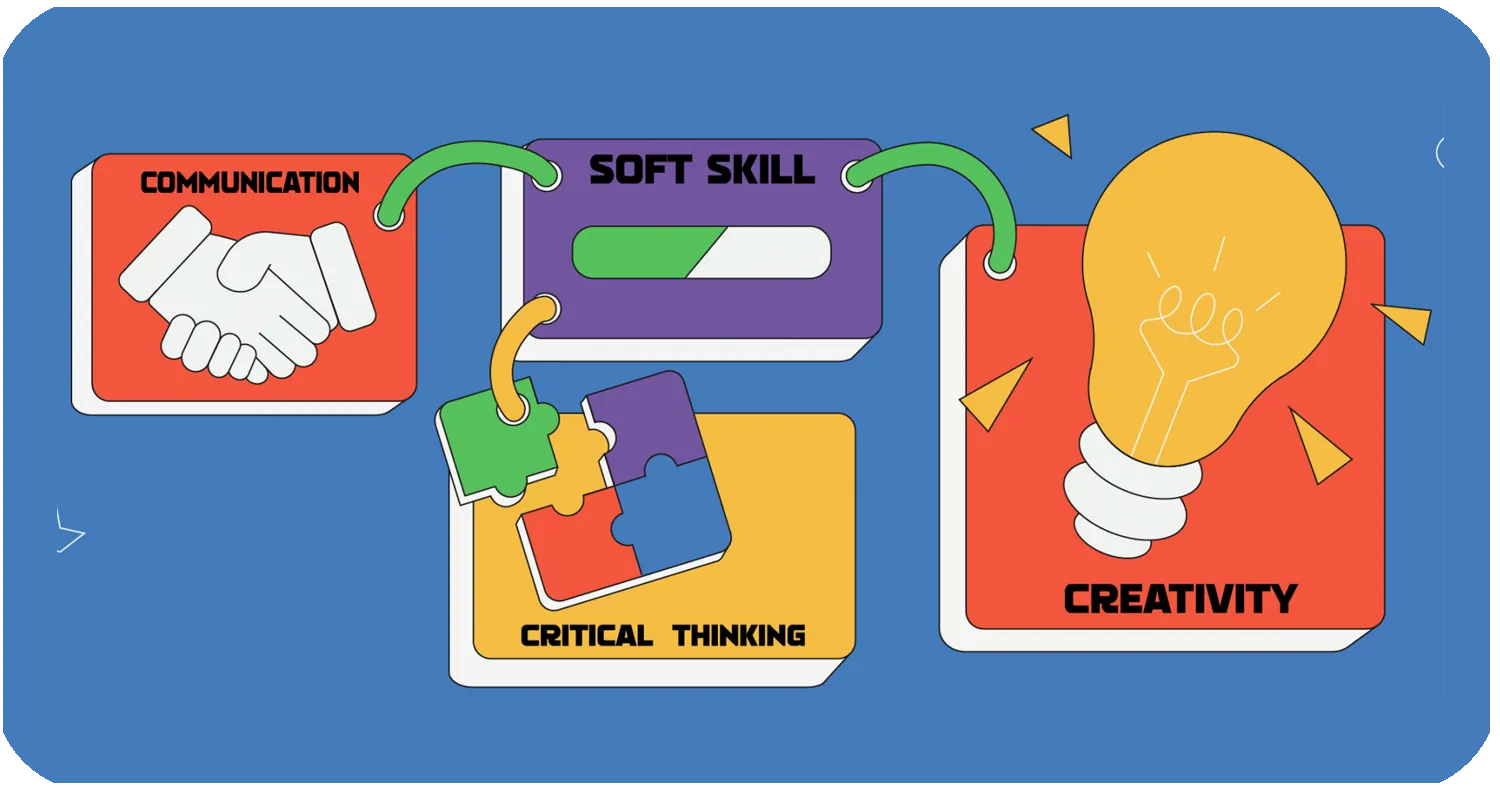
Future skills are becoming key factors for a successful career in a rapidly changing world. With the development of technology and the globalization of the labor market, the ability to adapt and master new competencies is becoming essential. The most important skills that will be in demand in the future are critical thinking, creativity, emotional intelligence, and digital literacy. These skills allow you not only to solve complex problems but also to effectively interact with colleagues and clients.
Critical thinking helps you analyze information and make informed decisions. Creativity is becoming essential for developing innovative solutions and improving processes. Emotional intelligence allows you to find common ground with different people, which is especially important in diverse teams. Digital literacy encompasses skills in working with new technologies and tools, making professionals more competitive.
Also worth noting is the importance of continuous learning and a willingness to change. Successful professionals will be those who can quickly master new technologies and approaches. Therefore, developing the skills of the future is the key to a successful career and the opportunity to stay one step ahead in the modern world.
In this short video, Oksana Moroz analyzes futurologists' attempts to predict key competencies for 2030. The video will be of interest to anyone tired of uncertain forecasts and anxiety about the future. The episode explores key ideas and critiques current trends to help viewers better understand what skills and knowledge may be relevant in the coming years.
- What do stereotypes about the skills of the future sound like?
- Are the reports from the Institute for the Future and the World Economic Forum just cool words?
- Do you need to be a Renaissance man in the 21st century?
- Why universal advice doesn't work.
- How to find your development path.

Read also:
21st Century Skills: Are They Taught Today?
In the context of rapid changes in the world, 21st century skills are becoming increasingly relevant. Educational institutions, companies, and organizations recognize the need to develop key competencies in students and employees, such as critical thinking, creativity, collaboration, and digital literacy.
Modern educational programs are adapting to new requirements by introducing innovative teaching methods such as project-based learning, distance learning, and interdisciplinary projects. However, the level of preparation varies across countries and regions. Some educational institutions are already actively integrating these skills into their courses, while others still adhere to traditional approaches.
An important aspect is the role of technology in education. Digital tools and platforms provide students with the opportunity to develop skills that meet the demands of the modern labor market. However, a lack of access to such resources in some regions may create barriers to comprehensive education.
Thus, the question of whether 21st-century skills are being taught today remains open. Further efforts are needed from educational institutions and employers to ensure high-quality education that meets the demands of the times.
Why the profession of a methodologist is so popular now
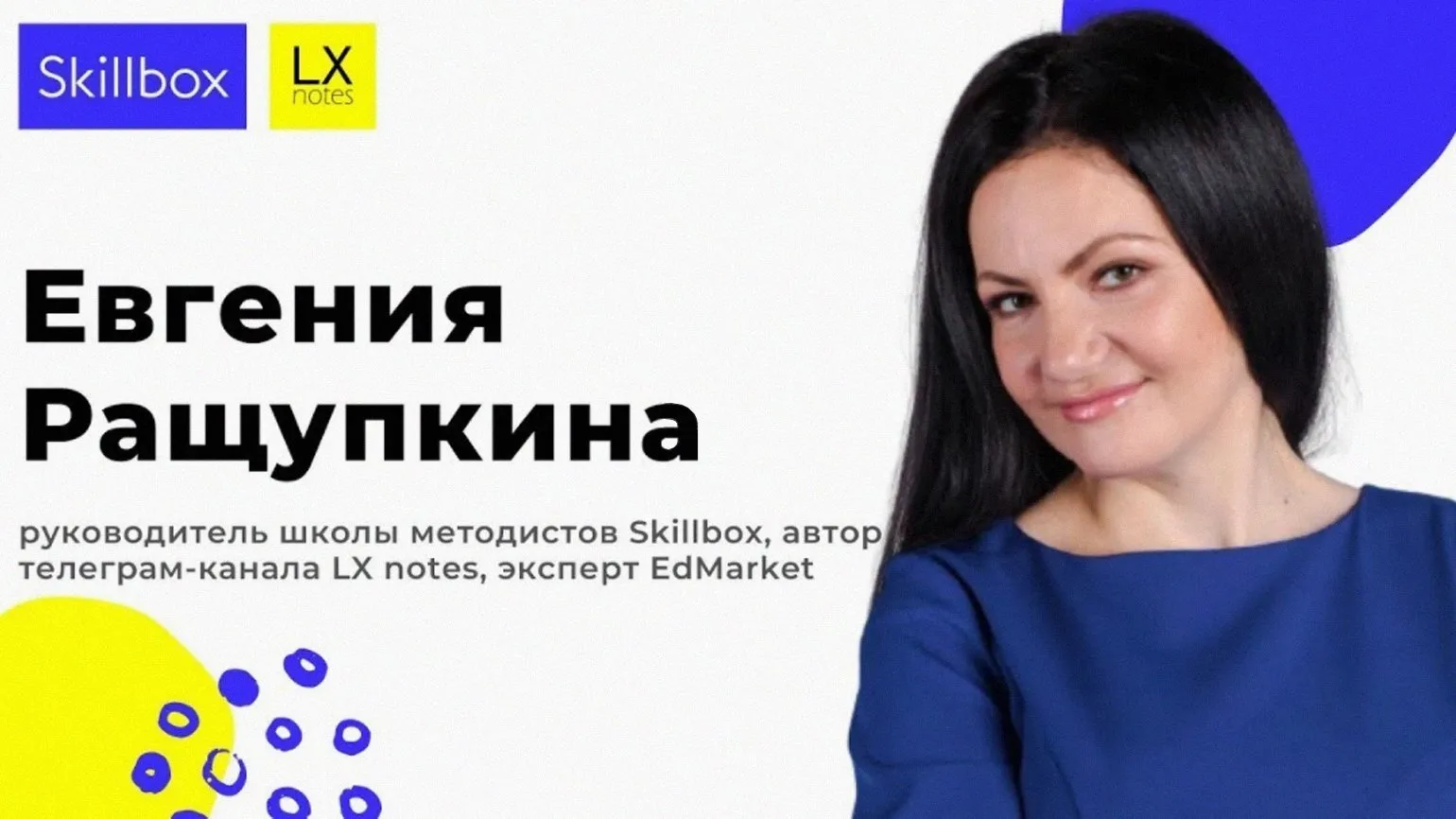
The head of the Skillbox school of methodologists, Evgeniya Rashchupkina, is an expert in education and digital technologies. Under her leadership, Skillbox offers innovative teaching methods that help students effectively acquire new skills. Evgeniya actively develops educational programs, adapting them to the modern labor market and student needs. Her experience and knowledge make Skillbox a leader in online education, providing high-quality content and support for students at every stage of their learning.
Visit the LMS-Service channel for up-to-date information and news. We share expert materials, training videos, and helpful tips in the fields of learning management and staff development. Subscribe to stay up-to-date with important updates and expand your knowledge of LMS.
To become a sought-after methodologist, you need to develop key skills and knowledge that meet modern requirements. First and foremost, it's crucial to have deep knowledge of your subject area. This will allow you to create relevant and engaging curricula that will engage students and educational institutions.
Furthermore, a methodologist should master modern educational technologies and methodologies. Using digital tools in teaching, such as online platforms, interactive tutorials, and multimedia resources, will significantly increase your competitiveness in the job market. Knowledge of current methods for assessing student knowledge and skills is also an important aspect of a methodologist's work.
Developing communication skills is equally important. Teamwork, negotiation, and training skills will help you effectively interact with colleagues and students. Participation in professional communities and conferences will allow you to share experiences and stay abreast of the latest trends in methodological work.
Furthermore, it is worth paying attention to ongoing self-education. Reading professional literature, taking continuing education courses, and participating in webinars will help you stay current in your profession. I recommend actively applying the acquired knowledge in practice to strengthen your position in the educational field.
Therefore, to become a sought-after methodologist, you must combine deep knowledge of the subject area, skills in working with modern educational technologies, developed communication skills, and a desire for continuous learning. This will ensure a successful career and high demand for your services in the educational environment.
In an interview with Evgeny Rashchupkin, valuable aspects of working in education are discussed, including personal experience, implementing his own projects, and the key competencies required of methodologists. This interview will be useful both for those seeking qualified methodologists for their projects and for those just starting their careers in this field. The issue touches on the most important topics that will help better understand the profession and the requirements for specialists.
- How does the work of a methodologist differ in Russia and abroad;
- What projects for methodologists does Evgeniya lead;
- What does the popularity of the profession lead to;
- How to find a good methodologist;
- Advice for beginners in the profession.

Reading is an important aspect of personal growth and development. It not only helps broaden horizons but also improves cognitive functions. Regularly reading books, articles, and other materials helps develop critical thinking skills and improves vocabulary. In the digital age, access to information has become easier, and everyone can choose a genre or topic that interests them. Reading also promotes concentration and improves memory, making it an indispensable tool for learning and self-improvement. Therefore, it is important to set aside time for reading and integrate it into daily life. Being a "newbie" is beneficial for a methodologist for several reasons. Firstly, this approach helps develop creative thinking and openness to new ideas. When a methodologist views themselves as a beginner, they can more objectively evaluate existing methods and approaches, which facilitates the implementation of innovative solutions. Secondly, being a "newbie" allows a methodologist to better understand the needs and challenges faced by students. This understanding helps in the creation of more effective educational programs and materials adapted to the level of knowledge and skills of students. Furthermore, this approach promotes continuous self-education. A methodologist who admits to being a beginner will strive to learn new technologies and methods, which directly impacts the quality of the educational process.
Finally, the ability to remain a "dummy" helps the methodologist be more accessible and understandable to listeners, creating an atmosphere of trust and mutual understanding. This, in turn, improves interaction in the educational process and increases its effectiveness.
Thus, the status of a "dummy" opens up many opportunities for the development of a methodologist and the improvement of the educational process.
What will education be like in the future?
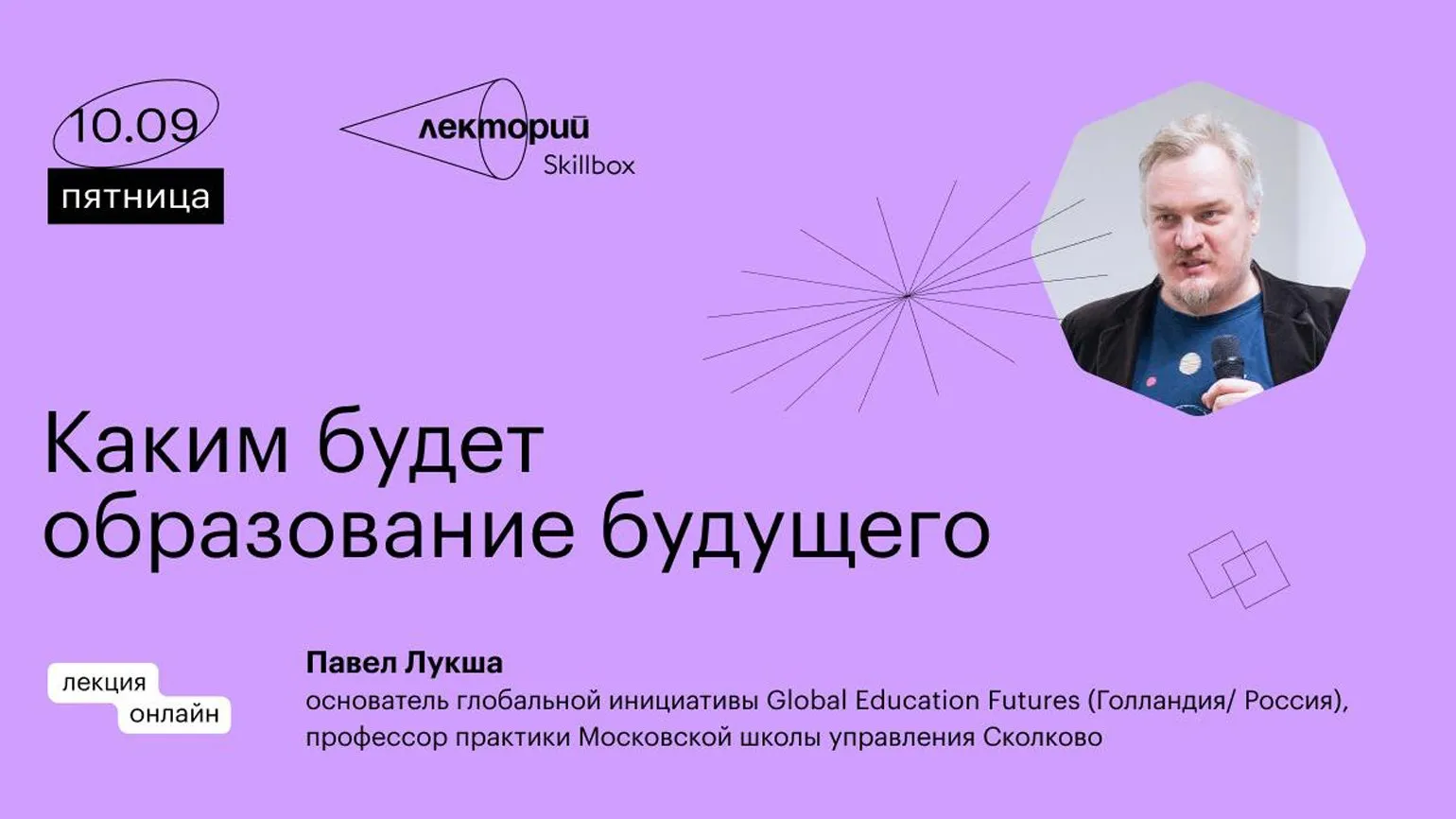
Founder of the Global Future of Education initiative, member of the expert council of the Agency for Strategic Initiatives and the board of trustees of the University 20.35 - Pavel Luksha. He actively works on the development of educational technologies and reforming the education system, striving to create innovative approaches to teaching and training specialists of the future. Pavel Luksha shares his experience and knowledge, influencing the formation of new educational standards and methods that meet the demands of the times and the challenges of the modern world.
You can find us on the "Skillbox Education" channel. Here you will have access to high-quality educational content that will help you develop in various fields. Our channel offers a variety of courses, webinars, and master classes to help you master new skills and improve your qualifications. Join a community of like-minded people and begin your training today.
Experts predict that the future of education will be shaped by a number of key factors, including technological innovation, individualization of the learning process, and the globalization of knowledge. With the development of technologies such as artificial intelligence and virtual reality, educational institutions will be able to offer more interactive and adaptive learning methods. This will allow students to acquire knowledge at their own pace and format.
Furthermore, the emphasis on individualization of education will become increasingly noticeable. Considering the unique needs and interests of each student, educational programs will be designed to accommodate a variety of learning styles and approaches. This will ensure deeper learning and increase student motivation.
Globalization will also play a significant role in the future of education. Collaboration between educational institutions across borders, student exchange, and access to online courses will open new horizons for knowledge acquisition. This will create the conditions for the formation of a global community that can effectively solve complex problems.
Thus, the future of education will be characterized by the integration of technology, a personalized approach to learning, and global opportunities. These changes promise to significantly improve the quality of education and make it more accessible to everyone.
In this talk, Pavel Luksha revisits the future of education, emphasizing that it will not be determined by individual public or private institutions, but will be the result of the interaction of various ecosystems of organizations, communities, and companies. This talk is worth listening to, even for those who disagree with his opinions, as it offers a unique perspective on the process by which futurologists form their forecasts. The presentation discusses key topics related to the transformation of the educational environment, the role of technological change, and the need for knowledge integration in modern conditions.
- What global problems influence the future in general and the future of education in particular;
- What does all this mean for competencies;
- How the education system is being “turned inside out” towards student-centricity;
- Why online will become “smart online”;
- How education can be organized in the future;
- How modern educational institutions are learning to be an ecosystem.

Reading is an important part of our lives, contributing to the development of thinking and expansion broaden your horizons. It not only helps you gain new knowledge but also improves your ability to perceive information. It's important to choose a variety of sources to enrich your experience.
Books, articles, and blogs offer a wide range of information on various topics, allowing everyone to find something interesting. It's especially beneficial to read materials that promote personal growth and the development of professional skills.
Regular reading improves concentration, develops imagination, and critical thinking. It's a healthy habit that fills the mind with new ideas and inspiration. Don't forget to share your impressions of what you've read; this will help deepen your understanding and discuss interesting aspects with others.
Ecosystems in education are integrated approaches that bring together various educational institutions, organizations, and communities to create a sustainable and supportive learning environment. These ecosystems include schools, universities, nonprofits, businesses, as well as families and communities. The main goal of ecosystems in education is to ensure a more effective and accessible educational process that takes into account the needs of all participants.
Educational ecosystems facilitate the exchange of resources, ideas, and experiences, which contributes to the development of innovative teaching and learning methods. Such ecosystems can include partnerships between different institutions, joint projects, and programs aimed at improving the quality of education and expanding opportunities for students.
Creating an effective educational ecosystem requires active interaction between all participants, which contributes not only to educational but also to social development. It is important to understand that ecosystems in education shape not only the academic environment, but also social connections that can have a positive impact on the lives of students and communities as a whole.
What is changing in Russian pedagogical education
Rectors of pedagogical universities play a key role in shaping the educational environment and training future specialists. They are responsible for the strategic development of educational institutions, the implementation of innovative teaching methods, and improving the quality of education. Rectors are also actively involved in research activities, aligning universities with current labor market demands, and collaborating with other educational institutions. Effective leadership and resource management enable rector to ensure a high level of student training and strengthen the university's reputation nationally and internationally.
The "Time of Education" forum in Russia is a key event in the field of education. This international forum discusses current issues and trends related to educational practices and innovations. Forum participants, including experts, teachers, and representatives of educational institutions, have the opportunity to exchange experiences and ideas, thereby contributing to the development of the educational environment in the country. This event aims to improve the quality of education and the introduction of new technologies into the educational process, making it meaningful for all participants.
Modern global trends significantly impact the requirements for teacher training. In the context of globalization and rapid technological development, there is a need to adapt educational programs. Teachers must be prepared to implement innovative teaching methods that meet the current needs of society.
One of the key aspects is the integration of digital technologies into the educational process. Teachers must be proficient in using modern educational platforms and tools, enabling them to effectively interact with students and maintain high levels of engagement.
Furthermore, individualization of learning is an important trend. Teachers must be able to adapt their methods to the unique needs of each student, which requires a deep understanding of psychology and personal development.
The importance of an interdisciplinary approach is also worth noting. Teachers must be prepared to collaborate with colleagues from various fields, which contributes to the creation of a more comprehensive and holistic educational environment.
Thus, changing global trends pose new challenges for teachers and open up opportunities for professional growth, which requires constant updating of knowledge and skills in the field of education.
Discussion of problems in teacher education is an integral part of every professional conference. At a forum organized by the Ministry of Education before the start of the academic year, a discussion was held among rectors of pedagogical universities. This event provides a unique opportunity to learn about the key trends and innovations that university leaders are paying attention to. During the discussion, participants touched on a number of important issues and topics related to the reform of teacher training, the introduction of modern technologies in the educational process, and improving the quality of education.
- what to do about the teacher shortage in the regions;
- what is it time for pedagogical science to do;
- how should selection for pedagogical universities take place;
- why technology parks, competence centers, and other new tools are needed in pedagogical education;
- what tracks should appear in teacher training;
- why Russia needs a unified concept for training teaching staff for the education system.

Read also:
- What awaits school education: results of the meeting of the Presidium of the State Council
- Who is a methodologist of educational programs
- Why do teachers need data analysis?