Contents:
- How universities were formed in Europe
- Independence and academic freedom of the first universities
- How education was structured in medieval universities
- A new model of universities in the Renaissance and Enlightenment
- How universities appeared in Russia
- How control over universities was structured in Russia

Learn: Educational Methodist English: programs
Learn moreIn this article, you will get information about…
- when and how universities appeared in Europe;
- how people studied and taught there in the Middle Ages;
- why the university crisis occurred and how universities had to change;
- when universities began to open in Russia.
How universities were formed in Europe
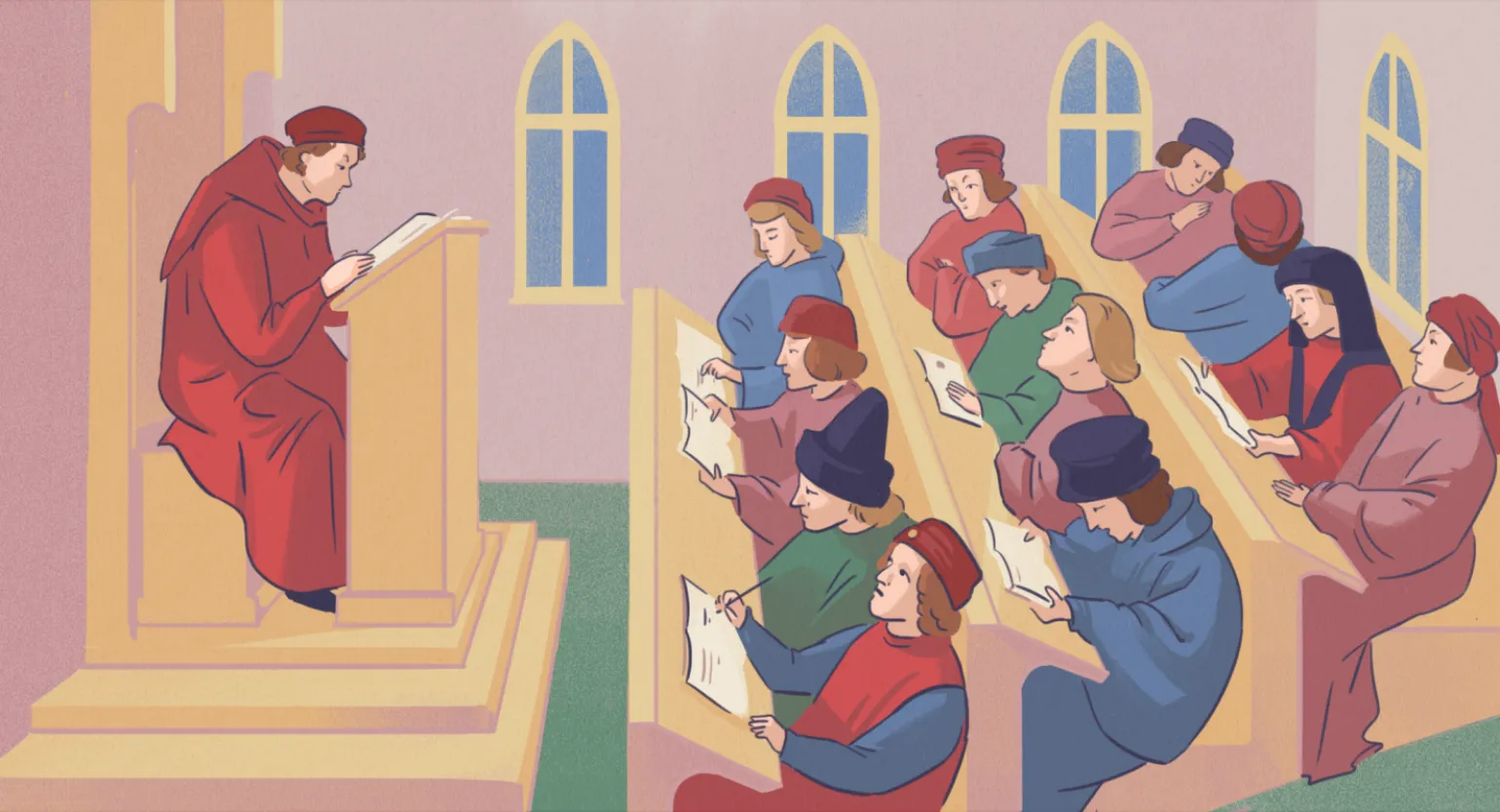
European universities began to form in the 11th-13th centuries. It is difficult to establish exact dates, since the process of their creation was not always official. Universities arose as communities of people striving for education and study of sciences, and only later received official status. In addition, many universities developed from cathedral schools, which also complicates the determination of a specific time frame. This period marked a significant stage in the development of higher education in Europe, laying the foundations for modern universities.
Cities were rapidly developing in Europe, creating a demand for qualified personnel such as lawyers, physicians, and theologians. Training these specialists required a rethinking of the lost and forgotten knowledge of the ancient heritage. By this time, ancient ideas and teachings were beginning to return to the West from the East, contributing to the renewal of the educational system and the development of cultural life.
Communities of those seeking to learn formed around practitioners, such as doctors and lawyers, who became masters. These specialists trained their assistants and successors, which contributed to the creation of strong bonds between students and teachers. The word "university" (Latin: universitas) originally meant an "association" or "corporation" of people bound by mutual oaths. The name was applied to a variety of communities, including urban and artisan ones, but it was only towards the end of the 14th century that higher education institutions became associated with the term. Thus, universities became centers of knowledge and learning, uniting people with a common goal - to get an education and develop their skills.
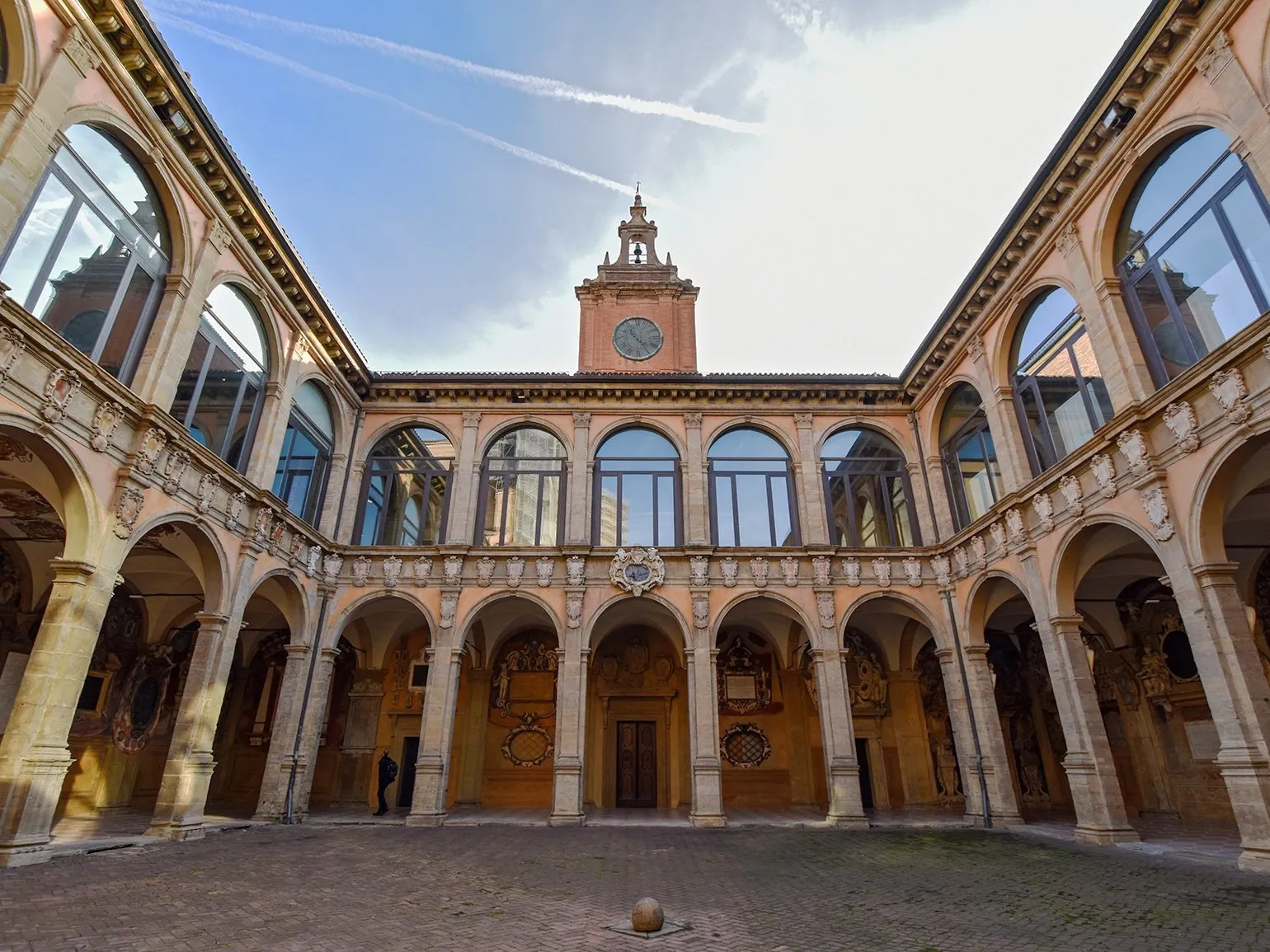

The oldest University of Bologna, founded in 1088, became an important center for the study of law, separated from the influence of the church. During the power struggle between state institutions and ecclesiastical authorities, law played a key role. This was recognized not only by scholars but also by rulers, who understood the importance of legal knowledge for strengthening their positions and controlling society. The University of Bologna became a symbol of academic independence and an important stage in the development of higher education in Europe. Initially, the Bolognese "community" of legal scholars had no official status. Only in 1158 did the Holy Roman Emperor Frederick Barbarossa approve a document called the Privilegium Scholasticum. This document granted certain privileges to those studying and teaching law in Bologna. They received a special status, similar to that of the clergy, guaranteeing them freedom of movement and the opportunity to travel for the purpose of study. To this end, like clergy, legal scholars were required to wear special clothing, which led to the development of professorial and bachelor's gowns. This step contributed to the development of legal education and the strengthening of academic traditions in Bologna.
This document did not yet discuss the university as an organization.
In 1217, the University of Bologna was officially recognized by Pope Honorius IV. In 1291, the Roman pontiff granted it the right to award academic degrees, which was an important step in the development of higher education in Europe. This recognition strengthened the university's authority and made it a center of academic thought, attracting students and scholars from across the continent. The University of Bologna became the basis for the further development of the university system in other countries, which had a significant impact on the formation of the modern educational process.
From the 13th century, many universities, such as those in Valencia, Salamanca, Prague, Vienna, Heidelberg, Erfurt, and Cologne, began to be founded on the initiative of kings, emperors, and pontiffs. These rulers realized that the creation of educational institutions brought them certain advantages. Universities became centers of knowledge and culture, promoting the development of science and education, which, in turn, strengthened their political power and influence.
The characteristic features of European universities began to take shape in medieval educational institutions and continued to evolve over the centuries. These features, including academic freedom, course structure, and traditions, became the basis for the modern educational process in Europe.
Independence and Academic Freedom of the First Universities
Unification in the form of a corporation was necessary not only for joint education, but also for survival in the conditions of medieval cities. Corporations allowed their members to protect their rights and interests, as well as support each other in conflicts with local residents, of which there were many. Such a community provided protection from arbitrariness and contributed to a more effective adaptation to the complex socio-economic realities of the time.
Universities strove for independence in the management of their internal and external affairs. As a result of this struggle, they achieved significant autonomy, receiving support from state authorities. This allowed them to effectively become "states" within the state. Members of university corporations were exempted from various obligations, and their property was protected from outside attacks. Legal proceedings against students and faculty were conducted exclusively within the university court, which became the basis for the development of the punishment cell—a kind of university "prison." As the French historian Jacques Le Goff notes, members of these corporations were able to demand fair prices from local merchants and landlords, underscoring their influence on the economic life of the cities where the universities were located. Universities usually received the right to award degrees from the pope, and less often from secular monarchs. They also received other privileges from the authorities, often through blackmail. In the Middle Ages, a university could simply pack up and leave the city, as it was often merely an association of people and did not have its own building. This emphasized the importance of universities as independent educational and cultural institutions capable of influencing the government and society.

In 1229, members of the Corporation of Paris left the city in response to conflicts with local residents and a standoff with the French king. Two years later, the king recognized the university's right to strike and agreed not to interfere in its internal affairs. This decision was an important step in the history of universities, strengthening the autonomy of educational institutions and their independence from monarchical authority.
According to one version, the University of Cambridge was founded in England as a result of a conflict that occurred in 1209. That year, a group of Oxford students and professors left the city in protest against local authorities. This event became the catalyst for the creation of a new educational institution, which later became known as the University of Cambridge. Since then, it has become one of the world's leading educational institutions, attracting students and scholars from all over the world.
Authorities generally sought to avoid conflict with universities, as they had a positive impact on the city's economy and provided qualified specialists for state needs. Universities contributed to the prestige of the region in which they were located, attracting the attention of investors and creating conditions for cultural and scientific development. Cooperation with educational institutions allowed authorities to strengthen their position and develop infrastructure, which ultimately contributed to the prosperity of local communities.
Universities enjoyed autonomy in governance, which contributed to the formation of horizontal ties between community members rather than hierarchical relationships. Members of the university corporation, for example, independently elected the rector and carefully guarded this right. In most universities, the leadership role belonged to masters, reflecting the Parisian model of governance, while in some institutions preference was given to scholars, consistent with the Bologna model. The Paris model was more widespread and became the standard for most European universities. The Bologna model arose from the University of Bologna's focus on law, attracting more mature students with life experience. Bologna students were able to independently negotiate contracts with faculty outside the university corporation, which facilitated a more flexible educational process. Faculty at medieval universities were independent of the authorities, as they did not receive funding from them. Students paid masters for their tuition, which drew criticism from ordinary citizens. At that time, the transmission of knowledge was considered a godly activity, and many believed that it should not be paid for. Anyone could become a student at medieval universities, regardless of their social status. Although financial support was required for tuition, special support measures were eventually introduced for students with low incomes. These included exemptions from tuition fees, stipends from the church and secular authorities, and the opportunity to live in dormitories known as collegia. Students also had the opportunity to earn extra money, including copying books, which allowed them to partially cover their tuition costs.
A unique community of scholars and intellectuals emerged from representatives of diverse social groups and nationalities. This caste united people striving for knowledge and scientific discovery, regardless of their origin.
The complete freedom and independence of universities could not last forever. The first educational institutions, established independently, often became centers of freethinking, sometimes bordering on heresy. The secular authorities needed jurists, and the church needed educated theologians well-versed in philosophy. Thus, universities were of interest to both sides: the church sought to turn them into instruments for disseminating its dogmas, while the secular authorities sought qualified specialists capable of supporting their interests.
Materialistic science faced serious obstacles in its development, especially during the Middle Ages. The universities of that time were dominated by scholasticism—a religious philosophy that subordinated rational thought to theological dogma. This influence significantly limited the possibilities for scientific progress and hindered the development of the critical thinking necessary for the objective study of nature. As a result, many important scientific discoveries and ideas remained unnoticed or undeveloped for a long time.
How Education Was Structured in Medieval Universities
According to the Russian medievalist Pyotr Uvarov, the key function of the medieval university as a corporation was the awarding of academic degrees. The highest of these was considered the licentia ubique docendi, which translates as "the right to teach everywhere." This degree was already recognized throughout the Western Christian world. For example, after receiving an education in Salamanca, Spain, a graduate could easily move on to teach at such renowned universities as Bologna, Paris, or Oxford. Thus, medieval universities played an important role in the dissemination of knowledge and ensured the mobility of academic personnel in Europe.
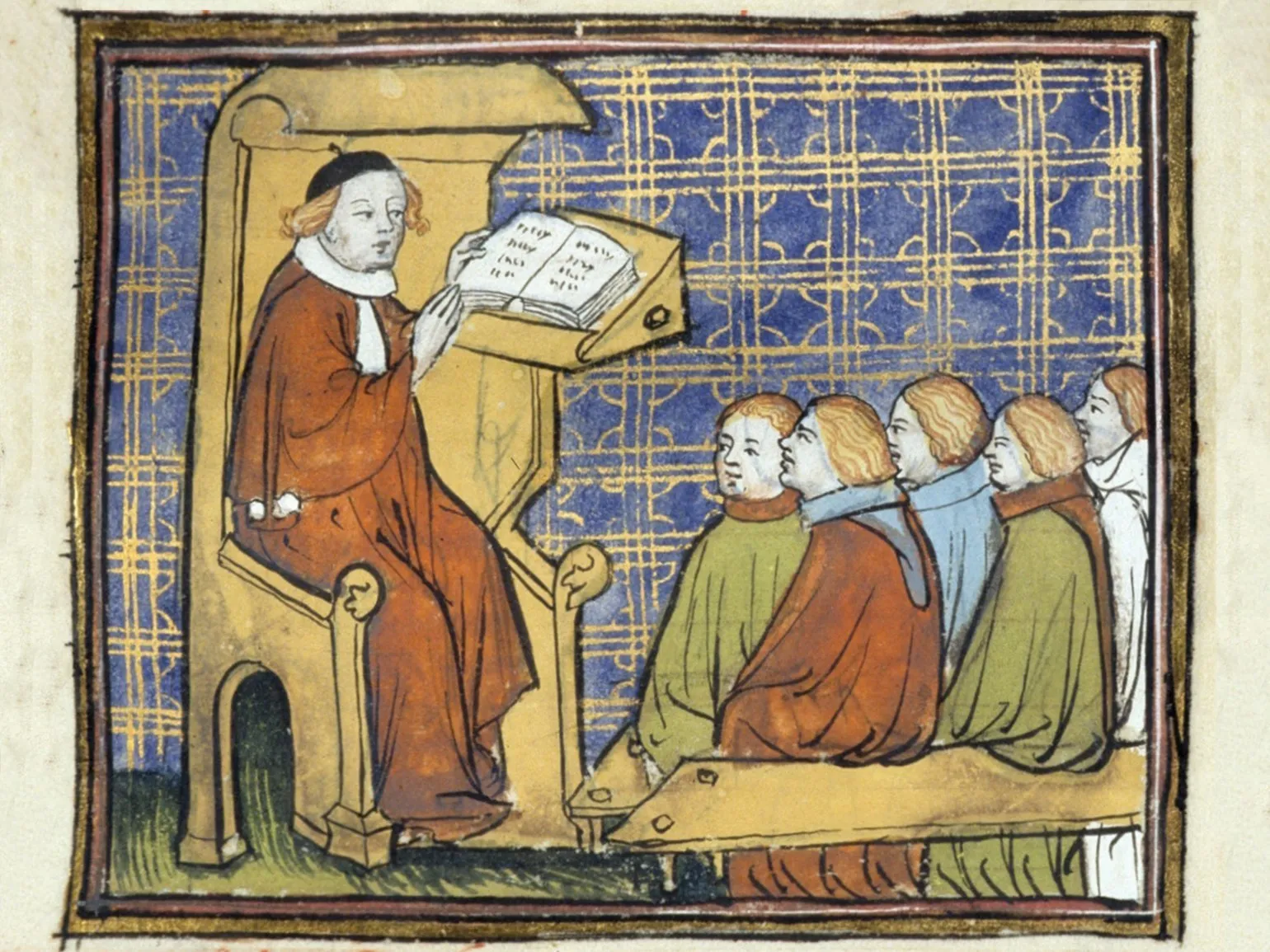
Students had the opportunity to transfer from one university to another, which facilitated the exchange of knowledge and cultures. Studying abroad became popular due to the need to gain access to unique lectures and rare books. Before the invention of the printing press, books were copied by hand, which made them very expensive and accessible only to a few. Under these conditions, students traveled to other educational institutions to hear lectures from different professors and become familiar with literature not available in their libraries. The practice of giving lectures arose precisely because of the shortage of books: professors read texts aloud, raised topical issues, and organized discussions. This contributed to a deeper understanding of the subject and broadened students' horizons.
Studying and teaching in a foreign country did not present any particular difficulties, as instruction was conducted in a single language—Latin. In Cambridge and Prague, students and faculty followed a similar routine: morning lectures covering key topics, followed by evening classes to review what had been covered and address complex issues. Each week, disputations—intellectual contests that fostered a deep understanding of the material and developed critical thinking—were held. The structure of European universities developed a uniform format, comprising four key faculties: liberal arts, law, medicine, and theology. The liberal arts faculty represents the foundation of education and encompasses the study of the seven "arts." In the first stage, known as the trivium, students master grammar, rhetoric, and dialectic. They then move on to the quadrivium, where they study arithmetic, geometry, astronomy, and music. Upon completion of the trivium, students receive a Bachelor of Arts degree, and upon completion of the quadrivium, a Master of Arts degree. Upon reaching these educational levels, graduates can continue their studies in law, medicine, or theology. Upon completion of these programs, they are awarded master's and doctoral degrees in the relevant field. This traditional approach to higher education in Europe continues to influence modern university systems, providing students with the necessary knowledge and skills for successful careers.
Prior to the implementation of the unified Bologna system, a number of European countries, such as France and Switzerland, offered the academic degree of licentiate. This degree occupied a position between the bachelor's and doctoral degrees and granted the right to teach. The licentiate became an important stage in the educational system, providing students with additional opportunities for further study and professional work.
The faculty of theology was traditionally considered the most difficult in educational institutions, while the faculty of law enjoyed the greatest popularity due to its extensive career opportunities in the secular sphere. Over time, the Faculty of Liberal Arts was transformed into a philosophical one, which reflected changes in educational values and the needs of society.

Read also:
The bookshelf presents a collection of articles "The Educational Model of Liberal Arts and Sciences". This work is devoted to current issues and concepts related to the development of educational programs in the field of liberal arts and sciences. The collection presents studies analyzing approaches to teaching and education, as well as practical recommendations for educational institutions. The authors consider various aspects of the integration of humanities and natural sciences, emphasizing the importance of an interdisciplinary approach in modern education. The collection will be useful for educators, researchers and anyone interested in the development of educational initiatives.
A New Model of Universities in the Renaissance and Enlightenment
From the 14th-15th centuries, the development of universities faced serious obstacles. Under the dominance of scholasticism, science could not fully develop. Clergymen were absorbed in the endless analysis of metaphysical questions and citing authorities, which hindered progress. They neglected the advanced humanistic thoughts and experience of practitioners of their time, simply because they were not part of the university environment. This resistance to innovation slowed scientific progress and limited opportunities for the advancement of knowledge. Universities lost their ability to produce outstanding thinkers and often became an obstacle to the dissemination of new knowledge. In some countries, national academies began to form, which led to the transfer of centers of scientific research to these new institutions. With the strengthening of central authority, universities lost their independence and corporate culture, becoming increasingly elitist institutions. Academic degrees were often awarded not for scientific achievement, but for membership in the upper class. Departments were passed on by inheritance, and graduates from humble backgrounds found it significantly more difficult to put their education to use. Universal Latin was replaced by instruction in national languages, which reduced the opportunities for students to study abroad. In this process, universities lost their original purpose - to be a place for the free exchange of knowledge and culture.
At the beginning of the 19th century, as a result of the crisis, two main university models began to emerge: the French, known as Bonapartist, and the German, called Humboldtian. In addition, other models, such as the English and Austrian, also existed. These academic approaches significantly influenced the development of higher education and determined many aspects of the educational systems in different countries.
The university system that emerged after the French Revolution (1789–1799) was formed during the reign of Napoleon Bonaparte. This system was characterized by strict state control over curricula, the process of awarding academic degrees, and student life. The Imperial University united all educational institutions in the country, creating a unified system for training personnel in the interests of the state. Obtaining the highest degree directly affected the possibility of appointment to government positions. This model of higher education in France persisted until the second half of the 19th century, demonstrating the significant role of the state in shaping the educational environment of the time.
The German educational model became more popular and dominant in the West. Its founder is considered to be the German scholar and linguist Wilhelm von Humboldt, who headed the education department at the Ministry of the Interior. In 1809, he founded the University of Berlin, where he sought to implement his ideas on the educational system. However, there is an opinion that Humboldt only generalized and systematized the already existing concepts of academic culture, which were actively developing in German universities, such as Göttingen, and were reflected in the philosophical views of that time.
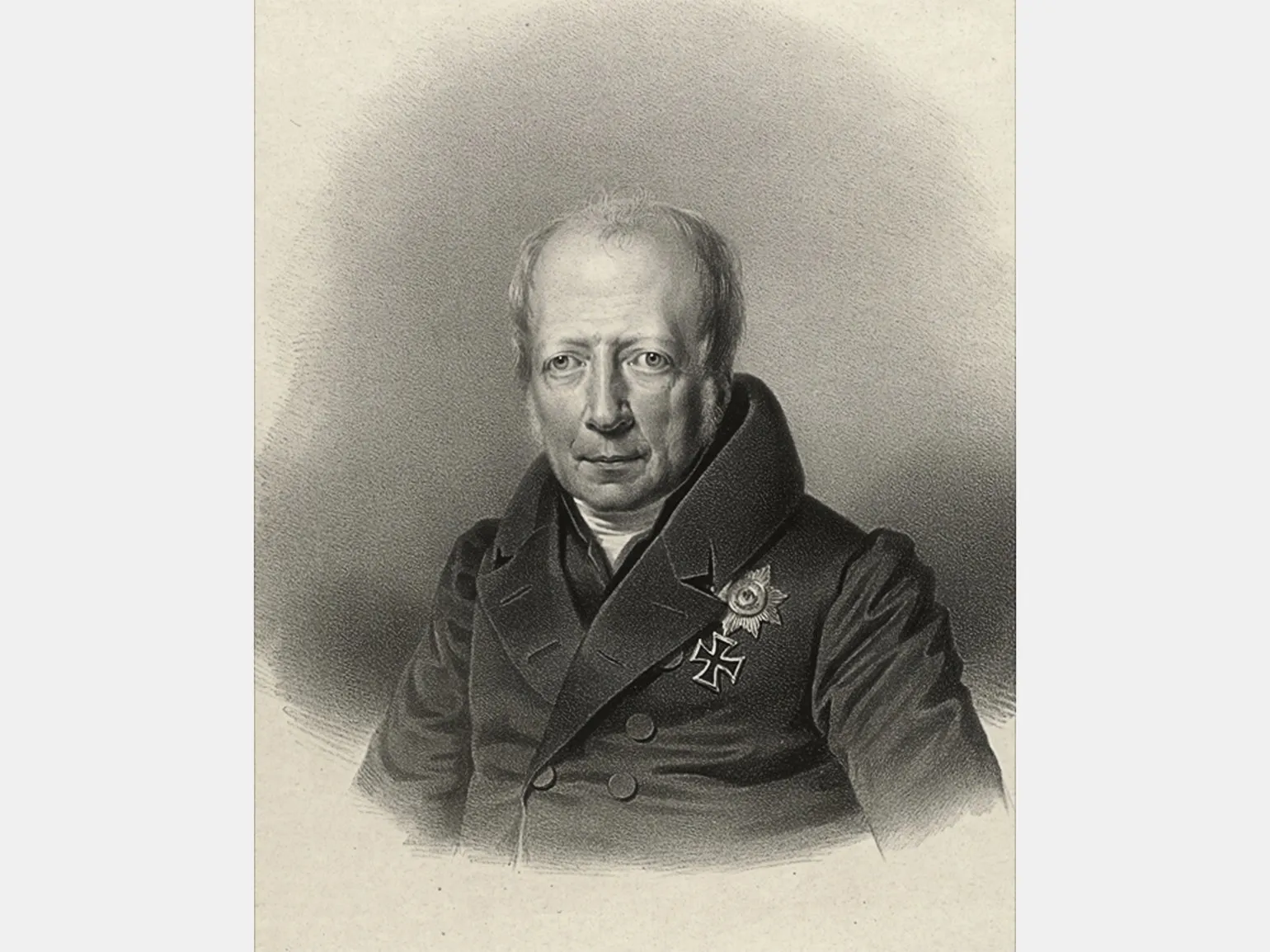
Humboldt's university model is based on the principle of the unity of teaching and research. The ideologist of this model emphasizes that true education is possible only in the context of creative interaction with science. Teachers should not only transmit existing knowledge, but also actively participate in the creation of new knowledge together with students. Humboldt emphasized the need to open universities not only to research scientists, but also to new disciplines, covering both the natural sciences and the humanities, emphasizing the importance of philosophy in the educational process. This educational model promotes the development of critical thinking and research skills in students, making it relevant in the modern educational context.
Humboldt opposed the purely applied approach to education characteristic of the French model, which viewed higher education institutions merely as factories for training future officials. He believed that universities should not only meet the needs of the state by training specialists and promoting national culture, but also create conditions for the development of fundamental science free from utilitarian goals. Thus, he proposed a compromise model of education that would harmoniously combine practical and theoretical aspects, ensuring the full development of the individual and society as a whole. Humboldt recognized that academic freedom is the foundation for full-fledged scientific activity, and it is the state that must ensure its protection. This principle had a significant impact not only on university governance but also on teaching methods. A balance had to be found in governance: the state funds and oversees universities, including the appointment of professors, but self-governance principles must apply within the educational institution. Professors and associate professors have the opportunity to independently determine the topics, goals, and objectives of their courses, and students can choose their subjects and instructors without following a mandatory curriculum. These freedoms are based on the mutual participation of professors and students in the scientific process, which promotes a deeper understanding and the development of knowledge.
This approach is only possible if students have a solid foundation of knowledge. In this regard, Humboldt proposed reforming gymnasiums to improve the quality of fundamental education. Admission to universities should be limited to those who successfully passed the gymnasium final exam. This would ensure a high level of preparation for applicants and improve the quality of higher education.
The ideal Humboldtian university model in its purest form almost never existed, even at the University of Berlin. However, it had a significant influence on the perception of the role of the university and its mission. Humboldt's concept emphasized freedom of scientific inquiry and the importance of the relationship between teaching and research. This vision of the university as a center of knowledge and intellectual development continues to shape modern educational systems and their approaches to teaching. Thus, despite the lack of an ideal, the Humboldtian model remains an important reference point for understanding university culture and its purposes.
Medieval universities in different countries had a similar structure and organization. However, by the 17th–19th centuries, educational institutions in different countries began to acquire unique features that reflect the particularities of each country. Nevertheless, common elements remained between them, indicating the influence of historical traditions and educational practices.
French and German universities have been mentioned earlier, but universities in England have a unique feature. Since the Middle Ages, they have maintained the format of self-governing corporations independent of the state. Unlike educational institutions in other European countries, these universities initially did not aim to advance scholarship, but rather focused on educating the nobility. Education at British universities became a privilege for the elite, and only members of the most noble families studied at the most prestigious institutions. Thus, English universities played an important role in the formation of the society's elite, which significantly distinguishes them from other educational systems in Europe.
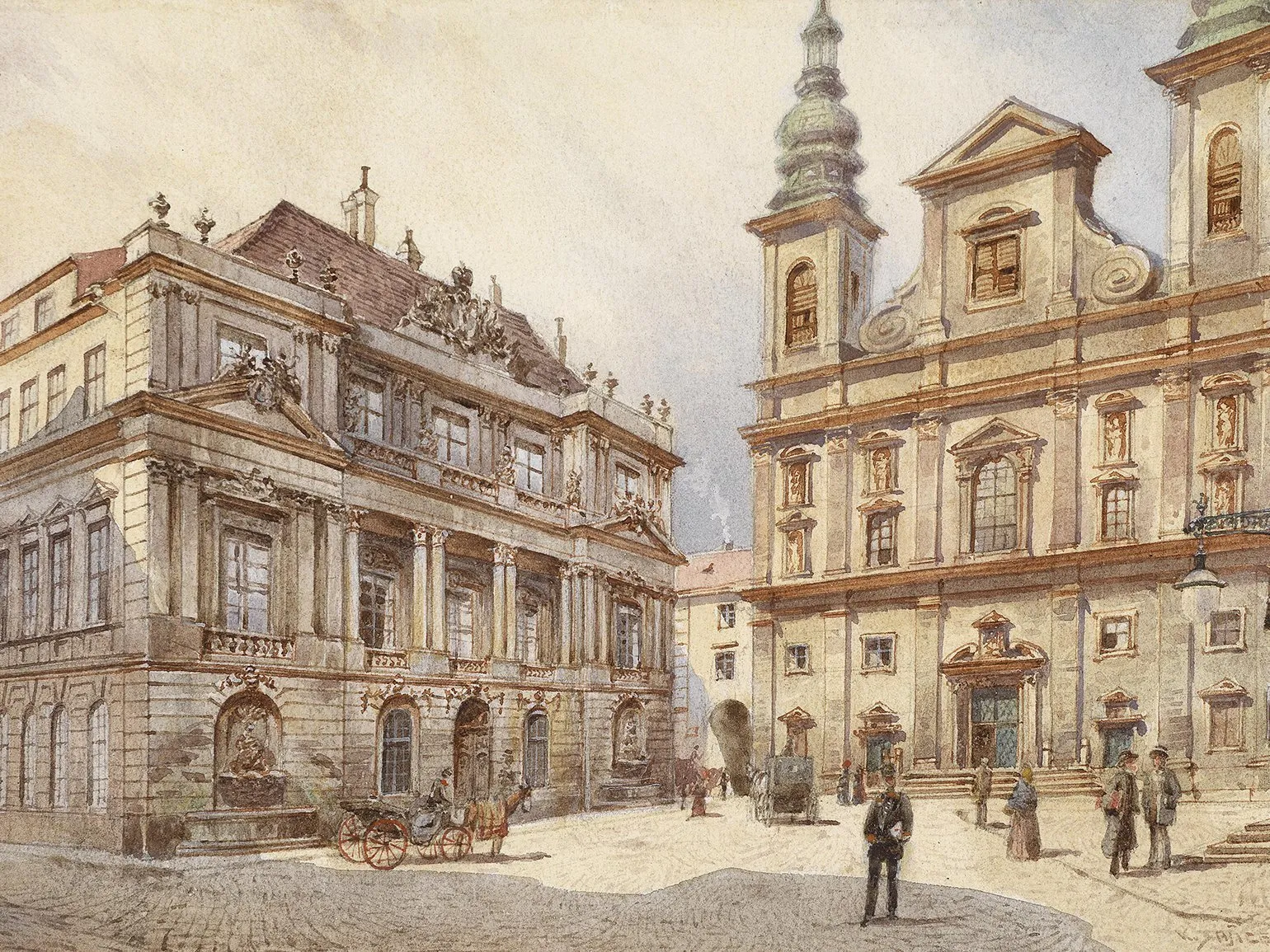
Universities in the Austrian Empire were under complete state control and censorship by the Catholic Church. Academic freedom was a distant dream, as the government determined the content and methods of instruction. The educational system retained medieval traditions, beginning with a mandatory philosophy department, which served as a preparatory stage, followed by departments of theology, law, or medicine. This structure limited the development of universities and did not promote freedom of scientific inquiry.
Austrian universities subsequently felt the influence of their German neighbors. This influence affected both academic traditions and educational programs, which contributed to the deepening of cooperation between the educational institutions of the two countries. As a result, Austrian universities became more open to new ideas and teaching methods, which had a positive impact on the quality of education.
How Universities Appeared in Russia
There were no universities in medieval Russia. The first higher education institutions began to appear only in the 18th and 19th centuries, while in Europe, universities had already existed for six or seven centuries and had already survived various crises. This time gap highlights the lag of the Russian educational system behind European standards and traditions, which had a significant impact on the development of science and culture in the country.
The authors of the monograph "Universities in Russia: How It Works" emphasize that, unlike in European countries, Russian universities did not arise naturally. Their creation was the result of a government initiative seeking to develop the educational system and raise the level of science in the country.
The Slavic-Greek-Latin Academy, opened in Moscow in 1687, became the first institution of higher education in Russia. In 1701, Peter the Great established it as a state institution. The Academy was distinguished by its all-class character, which allowed Mikhail Lomonosov, the son of a Pomor peasant, to receive an education in 1731. This event marked an important step toward the democratization of education in the country and marked the beginning of a tradition of education for representatives of various social strata.
Students at these educational institutions studied Latin and Greek, as well as such disciplines as grammar, poetics, rhetoric, logic, and physics. Higher education institutions placed an emphasis on philosophy and theology, which contributed to the development of deep knowledge and critical thinking. These subjects played a key role in the educational system, providing students with the necessary skills for further study and professional careers.
In 1724, Peter the Great founded the St. Petersburg Academy of Sciences, which included a gymnasium and a university to train young scientists. Teachers were invited from Germany, and the first students numbered only eight. Between 1726 and 1733, the number of students increased to only 40. The Academy became an important center of education and science in Russia, contributing to the development of the domestic scientific community and the training of qualified personnel.
This attitude toward education was likely due to a lack of awareness of its practical value. For example, obtaining a higher education did not ensure career advancement according to the Table of Ranks. Moreover, the pursuit of scientific achievement as a primary motivator was not characteristic of most people at that time.
To replenish the ranks of the University of the Academy of Sciences, the best students from the Slavic-Greek-Latin Academy and theological schools began to transfer to the institution. Among these talented students was Mikhail Lomonosov, who continued his education in St. Petersburg.
The Academic University failed to live up to expectations and was closed in 1766. Subsequently, universities began to be established independently of the Academy of Sciences, under the control of the Ministry of Education. This change marked a new stage in higher education, where the emphasis shifted to more practical and accessible training.
Read also:
Princess Dashkova: the path to the director of the Academy of Sciences
Princess Ekaterina A significant figure in Russian history, Princess Dashkova left a significant mark on the development of science and culture. She became the first woman to head the Russian Academy of Sciences, marking a significant milestone not only for her but for society as a whole. Dashkova demonstrated outstanding organizational skills and a passion for education, which enabled her to successfully lead the Academy during challenging times. Her work at the Academy of Sciences focused on supporting scientists and advancing scientific research. The Princess actively promoted the translation and publication of scientific papers and attracted foreign specialists for collaboration. Thanks to her efforts, the Academy became a center of science and education in Russia. Princess Dashkova is also known for her reforms, which contributed to the enhancement of the Academy of Sciences' status and authority. Her personal connections and influence in high society enabled her to implement numerous initiatives aimed at developing the scientific community.
Thus, the story of Princess Dashkova is not only a tale of her personal achievements, but also an important chapter in the history of Russian science, inspiring future generations on the path to knowledge and discovery.
Moscow University, founded in 1755 by Empress Elizabeth Petrovna, is the first full-fledged university in Russia. Early in its existence, it faced a shortage of students, so the first teachers were invited from abroad. This situation was so critical that professors sometimes lectured to each other in the absence of students. Moscow University played a key role in the development of higher education in Russia and became the foundation for the creation of many other educational institutions.
By the beginning of the 20th century, there were 11 universities in the Russian Empire, most of which were founded in the 19th century. At this time, higher education institutions specializing in vocational training, such as medical, pedagogical, and polytechnic institutes, as well as private universities, also began to open. In total, their number approached one hundred. As the number of those seeking higher education increased, a trend toward applied specialties was observed. The most sought-after faculty was law, which offered broad prospects for careers in the civil service. At the same time, the history and philology departments faced a shortage of applicants and used various incentives to attract students.
In pre-revolutionary Russia, the term "university" was used exclusively to refer to imperial higher education institutions under the control of the Ministry of Public Education. These institutions played a key role in the country's educational system, providing access to knowledge and scientific research.
Russian universities initially borrowed the organizational structures of medieval German educational institutions. From the early 19th century, they began to adapt to the Humboldtian educational model. However, Russian universities soon began to develop unique characteristics that distinguish them from their Western counterparts. These changes contributed to the development of the higher education system in Russia and reflected the cultural and social realities of the country.

To increase the visibility of your content in search engines and improve its structure, it is important to pay attention to keywords and phrases related to the topic. Well-optimized text not only attracts users' attention but also contributes to better search engine rankings.
Don't forget about the importance of internal linking. Use links to other pages on your site to increase user dwell time and improve navigation. This will create additional opportunities for interaction with your content.
It's also important to keep in mind that the quality of the text is of paramount importance. Make sure your content is informative, useful, and answers questions your readers may have. Use simple and clear wording to make the information accessible to a wide audience.
Regularly update your articles with fresh data and relevant facts. This will help maintain interest in your content and improve its ranking in search engines.
To summarize, create high-quality and unique content, use keywords, take care of internal linking, and keep the information current. Such actions will significantly impact the success of your website online.
Long before the introduction of the Unified State Exam, university entrance exams in Tsarist Russia had their own characteristics and traditions. At that time, the education system differed from today's, and exams took various forms, including oral and written tests. Applicants had to demonstrate knowledge in several subjects, such as mathematics, literature, and foreign languages.
Examination committees consisted of teachers who assessed not only knowledge but also students' ability to think critically. The admissions process was rigorous and competitive, requiring applicants to prepare thoroughly. Importantly, the exams not only tested knowledge but also formed future specialists capable of contributing to the development of science and culture in the country.
Thus, exams in Tsarist Russia served as an important milestone in the educational system and influenced the further development of university education in the country.
How Control Over Universities Was Structured in Russia
Russian universities were initially distinguished by limited academic freedom and were perceived as corporate structures. Their creation occurred on the initiative and at the expense of the state, unlike the first European universities, which developed independently over several centuries. The state controlled the activities of universities by establishing model statutes, which were adopted in 1804, 1835, 1863, and 1884. These documents defined the structure and functions of educational institutions, which significantly influenced their development and academic autonomy.
The first universities in Russia arose not so much out of societal needs, but on the initiative of the state. Their creation was not caused by cultural development or the growth of public consciousness. Universities served the interests of the state and became an important instrument in its policy and governance.
Nikolay Zagoskin is a distinguished historian whose research illuminates important aspects of Russian history. His work is frequently cited in scholarly publications, such as Ya. I. Kuzminov and M. M. Yudkevich's book "Universities in Russia: How It Works." These sources underscore the significance of his contribution to the study of the educational system and the role of universities in the development of society. Zagoskin analyzes not only the historical context but also contemporary trends, making his research relevant for understanding current changes in the Russian educational landscape.
University statutes across eras and rulers have repeatedly altered the balance of academic freedom. Over the years, there have been both restrictions and expansions, demonstrating recognition of the importance of a certain degree of academic independence. For example, the statute approved in 1835 under Nicholas I significantly limited the opportunities for faculty and students to implement the educational process. In contrast, the charter created in 1863 under Alexander II significantly expanded these freedoms and became known as the most liberal in the history of Russian universities. These changes highlight the dynamics of the authorities' attitude towards education and its role in society.
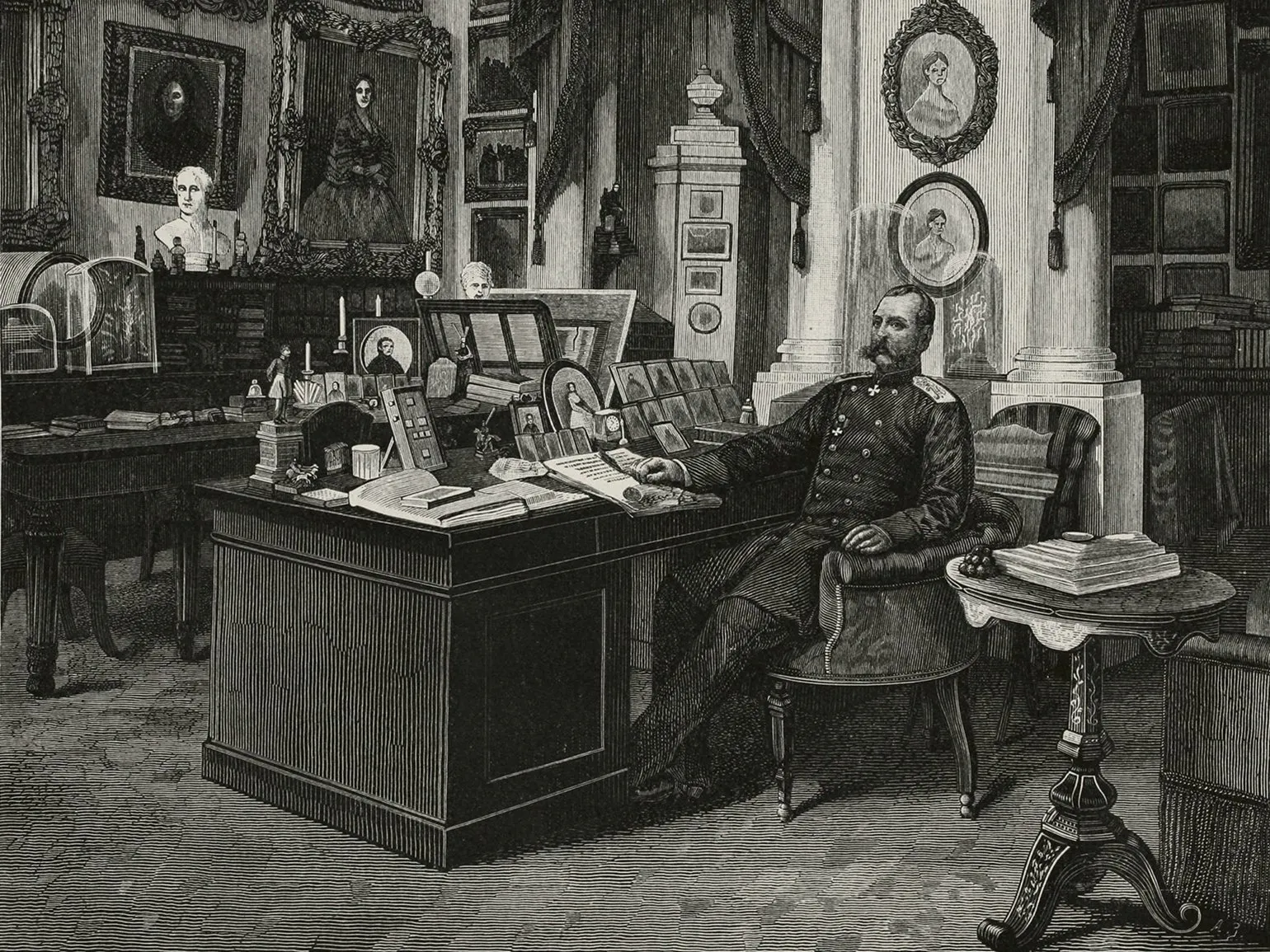
State control over higher education in Russia increased throughout the 19th century. The 1804 Charter granted professors the opportunity to independently develop curricula, and students the relatively free choice of courses. However, in 1819, a course system was introduced that limited this freedom. The new system established a mandatory set of subjects for each course, obliging teachers to follow pre-approved plans approved by the Minister of Public Education. As a result, students lost the opportunity to freely choose their courses, which negatively impacted the flexibility of the educational process.
The rigidity of rules in education is often offset by their non-mandatory implementation. In practice, the syllabi of the same courses at different universities can vary significantly. Professors are free to approach the content of their courses freely, which sometimes leads to problems on exams. As a result, students may face unpredictable requirements and assessment criteria, complicating the process of preparing and mastering the material.
The last imperial charter of 1884 significantly reduced the autonomy of Russian universities. The university corporation lost the right to independently elect professors, as appointments became dependent on the Ministry of Public Education. Candidates proposed by the university board now also had to be approved by this ministry. Universities' curricula were to be developed in accordance with recommendations, after which their final approval also depended on the Minister of Education. As a result, Russian universities lost their individuality and began to resemble not Humboldtian, but Bonapartist institutions.

Read also:
In the Russian Empire, students were required to comply with a number of rules aimed at maintaining order and discipline in educational institutions. The main requirements were attending classes, completing assignments, and adhering to internal regulations. Faculty, deans, and special university commissions monitored compliance with these rules. Violating these regulations could result in disciplinary action, including expulsion. It is important to note that these rules not only ensured the educational process but also contributed to the development of moral and ethical standards among students. Thus, adherence to these rules became an integral part of the educational process in the Russian Empire. Students were viewed as potential employees of the state apparatus. From the adoption of the 1804 charter, obtaining a diploma became an integral part of the system of government positions. Upon graduation, graduates received the appropriate rank according to the Table of Ranks: Class 10 (Collegiate Secretary) for candidates and Class 9 (Titular Counselor) for masters. In addition, students studying at state expense were required to serve a certain period of time in the civil service, amounting to one and a half years for each year of study. This emphasized the importance of higher education in the context of public service and created a system of obligations for students.
Higher education not only enhances social status but also creates certain obligations. Obtaining a diploma opens doors to new career opportunities and improves the chances of successful employment. However, with this status comes the demands associated with professional activity that must be met to maintain and strengthen the achieved position. Thus, higher education becomes not only a tool for achieving success but also a factor requiring responsibility and self-discipline.
University professors received various ranks and privileges depending on their professional achievements. Until 1845, scholars with a doctorate became collegiate assessors, which automatically granted them the status of hereditary nobility, regardless of their origin. This system contributed to the elevation of scientific activity and drew attention to the role of education in society.
Universities in Russia and Europe were founded with different approaches, which leads to noticeable differences in the educational systems. Rustem Vakhit, a PhD candidate in philosophy, emphasizes that the fundamental difference lies in attitudes toward knowledge. In the West, there is a dynamic exchange of knowledge between faculty and students, while in Russia, knowledge is perceived as a resource controlled by the state. This difference in approaches shapes different personality types among graduates: at Russian universities, a collectivist personality type predominates, submissive to the majority, while Western universities cultivate proactive individualists. Thus, the educational traditions of the two regions significantly influence students' personal development and their subsequent adaptation to society. Whether this is true is more relevant to sociologists than to historians. Nevertheless, the historical characteristics of university development are important and deserve attention. Universities have been shaped by various social, cultural, and economic factors, which have shaped their structure and functions over the centuries. These characteristics are key to understanding the modern educational process and its evolution.
Learn more about education by subscribing to our Telegram channel. Here you will find current news, useful tips, and interesting facts about various aspects of the educational process. Don't miss the opportunity to stay up-to-date with the latest trends in education.
Primary sources of information play a key role in building knowledge and understanding of various topics. These sources can include research studies, articles, books, databases, and other resources that provide reliable and up-to-date information. Using reliable sources helps avoid the spread of misinformation and promotes in-depth study of the subject.
The importance of primary sources lies in their ability to provide the facts, data, and analysis necessary to draw informed conclusions. When choosing sources, consider their authority, relevance, and reputation. This helps ensure that the information received is high-quality and verified.
In today's environment, when access to information has become wider, it is critical to be able to distinguish reliable sources from unreliable ones. This requires critical thinking skills and careful analysis of the presented data. Thus, the primary sources of information can be considered not only those available on the Internet, but also traditional printed publications, which continue to remain relevant and valuable.
Understanding and correctly using primary sources of information contributes not only to personal development, but also to improving the quality of education as a whole.
- Avrus A. I. History of Russian Universities. - Moscow, 2001.
- Andreev A. Yu. Humboldt's Model of the Classical German University // Modern and Contemporary History. — 2003. — №3.
- Vakhit R. R. Higher education in Russia: educational handout // Philosophical and literary journal "Logos".
- Dushenko K. V., Vakhit R. The fate of the university in Russia: imperial, Soviet and post-Soviet distributing multi-institute // Bulletin of Cultural Studies.
- Komleva Yu. E. European universities in the early modern period (1500-1800). — Yekaterinburg, 2013.
- Kuzminov Ya. I., Yudkevich M. M. Universities in Russia: how it works. — Moscow, 2021.
- Le Goff J. The Other Middle Ages: time, labor and culture of the West. — 2000.
- Le Goff J. Intellectuals in the Middle Ages. — St. Petersburg, 2003.
- Lipatnikova G. I. Documents on the history of European universities in the 12th–15th centuries. — Voronezh, 1973.
- Miroshnikova O. Kh. Formation of the language infrastructure of the European university. — Rostov n / D, 2014.
- Naletova I. V. Humboldt University in the dynamics of university education development // TSU Bulletin. — 2010. — No. 9 (89).
- Novikov M. V., Perfilova T. B. University Charter of 1884: the illusion of academic freedom (part I) // Yaroslavl Pedagogical Bulletin.
- Uvarov P. Yu. University / Dictionary of medieval culture edited by A. Ya. Gurevich. — M., 2003.
- Shushlyaeva O. N. Development of the idea of a classical university in the concepts of German scientists // Cultural Studies. — 2008. — №1 (67).
Educational Programs Methodologist
You will go through the full cycle of creating an educational product from scratch. Learn to design curricula for online and offline courses. Become a versatile specialist – you can launch your own project or get a job as a methodologist at a large company.
Find out more