
Content:

Learn: The Profession of Methodologist from Scratch to PRO
Learn More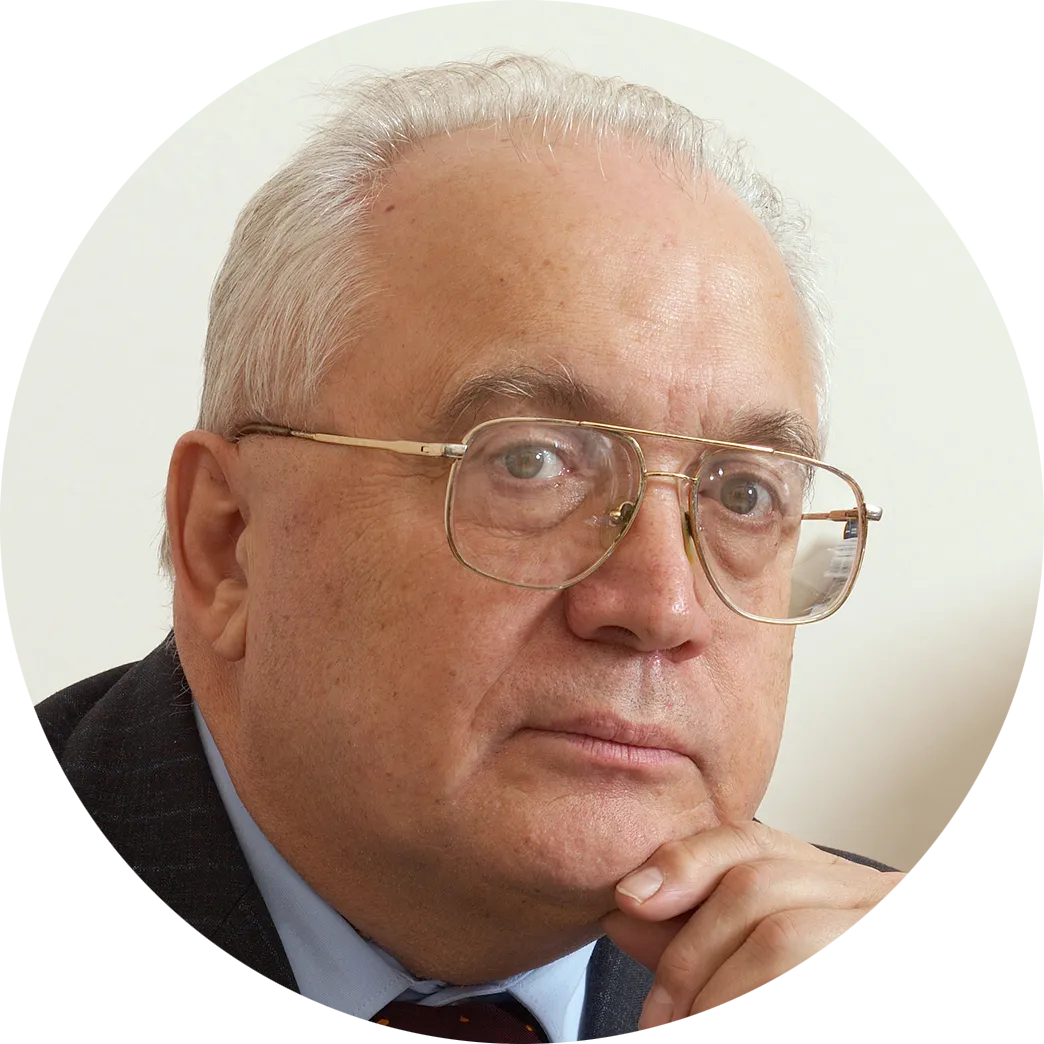
The rector of Lomonosov Moscow State University plays a key role in the management of one of the leading educational institutions in Russia. He is responsible for the strategic development of the university, scientific research and educational programs. The rector also represents the university on the international stage, strengthening its position in the global educational arena. An important task of the rector is to maintain high standards of teaching and research, as well as attract talented students and faculty. The rector's role includes interaction with government agencies, businesses, and other universities, which facilitates the development of scientific and educational initiatives. The rector of Lomonosov Moscow State University develops and implements the university's strategy aimed at increasing its competitiveness and strengthening its status as a center of scientific and educational activity in Russia and abroad.
RIA Novosti reports on an important event in the economic sphere. Recently, there has been growing investor interest in new technologies and startups. Experts note that the development of areas such as artificial intelligence, blockchain, and green energy is attracting increasing funding. This creates new business opportunities and fosters innovative progress. Importantly, successful investments in technology can significantly improve companies' competitiveness in the market. Therefore, entrepreneurs should pay attention to current trends and adapt to changes to avoid missing opportunities for growth and development.
The transition from five to four years of education in some specialties, as experience has shown, took approximately eight years. The reverse transition will likely take slightly less time, but educational standards and requirements have changed. It is important to make education more practice-oriented by increasing the number of practical classes in senior years. This transition is expected to take approximately three to four years.
Context
Viktor Sadovnichy shared the results of the Rectors' Union council, which discussed education development strategies and the possible abandonment of the Bologna system. He noted that more than one hundred rectors unanimously supported the idea of further improving the educational system based on the Soviet experience. According to him, the main goal is to make the education system more efficient and ensure its successful development.
On June 6, an extended meeting of the Federation Council Committee on Science, Education, and Culture was held. During the discussion, the participants unanimously supported the reform of higher education. The main goals of the reform were clearly outlined, and the key reasons for abandoning the Bologna system were also named. The reform of higher education is aimed at improving the quality of education, adapting curricula to modern requirements, and increasing the competitiveness of Russian universities in the international arena. Meeting participants noted the need to create a more flexible and effective educational environment that meets the needs of students and employers.
The reform's timing was discussed without specific dates or deadlines. Participants agreed that abrupt actions should be avoided and that thoughtful decisions should be made. However, the reform cannot be postponed; the process must begin as soon as possible.
Deputy Chairman of the Federation Council Konstantin Kosachev noted that the upcoming decisions will be of a mobilization nature. In turn, First Deputy Chairman of the State Duma Committee on Education and Science Oleg Smolin emphasized the need for a number of decisions to be made promptly, while others will require more in-depth analysis. Given the planning cycle of the KTP, the launch of a new list of training areas, and the updated FSES model, it is also important to amend the professional standards system, which will require the involvement of the Ministry of Labor. This represents a significant amount of work. It is necessary to start immediately, and then you should work through each aspect consistently and carefully.
Be sure to read additional materials:
- UNESCO called for a rethink of higher education
- Why the Bologna system is being canceled in Russia and what will be the consequences
- Quotes for May: on the rejection of the English and Bologna systems
- Quotes of the week: "This does not mean that now we should destroy everything to the ground"
The Rector of Lomonosov Moscow State University is a key figure in the educational and scientific life of Russia. He is responsible for the strategic development of the university, the management of its academic activities and the implementation of scientific research. The Rector ensures high standards of education, attracts talented faculty and students, and develops international cooperation. An important task of the Rector is to support innovative activities and the introduction of modern educational technologies, which helps increase the university's competitiveness on a global level. The role of the MSU rector also includes interaction with government agencies, research institutions, and businesses, which allows the university to successfully adapt to changing conditions in higher education.
RIA Novosti provides up-to-date and reliable news covering a wide range of topics. The site is distinguished by its high level of journalism and prompt delivery of information. Users can learn about the latest developments in politics, economics, culture, and sports. Analytical materials and interviews with experts form an important part of the content, allowing for a deeper understanding of current events. Furthermore, RIA Novosti actively utilizes modern technologies for user convenience, including mobile applications and real-time updates. Reading news on this resource helps keep abreast of all significant changes both in the country and abroad.
The transition from five to four years of education in some specialties has shown that this process takes approximately eight years. The reverse transition will likely be somewhat faster, but changes in educational standards and requirements will still occur. It is necessary to make education more practice-oriented and increase the number of practical classes in senior years. It is expected that such a transition may take from three to four years.
The Methodologist profession from scratch to PRO
You will improve your skills in developing curricula for online and offline courses. Master modern teaching practices, structure your experience, and become a more sought-after specialist.
Find out more