Contents:
Learn: Online Tutor
Learn MoreThe Skillbox lecture hall hosted a discussion among young teachers dedicated to the issues and not always obvious benefits of distance learning, which they faced as a result of the pandemic. We present the key points of the discussion, and the full recording of the conversation is available on YouTube. This discussion highlights the importance of exchanging experiences and ideas in education, as well as the need to adapt to new learning conditions.
The First Transition to Distance Learning
Evgeny Lichkin, an English teacher from Moscow School No. 1570, shared how his students compared the unexpected transition to distance learning in the spring of 2020 to exploring the Wild West. Like American settlers on the prairies, both teachers and students faced uncertainty, with no one knowing how to navigate it. This experience became a true test for everyone involved in the educational process, requiring rapid adaptation and the development of new approaches to teaching. According to Evgeny, distance learning became the most extensive professional development course for all teachers. He was interested in observing the emergence of horizontal connections between colleagues. Those who mastered new technologies more quickly actively supported others, publishing advice and sharing their experiences. As Evgeny emphasizes, there was a role reversal: typically, young teachers seek help from more experienced colleagues, but in this situation, "newcomers," with greater technological knowledge, supported their senior colleagues. This demonstrates the importance of mutual assistance and exchange of experience in the educational process, which contributes not only to professional growth, but also to the creation of a friendly atmosphere in the team.
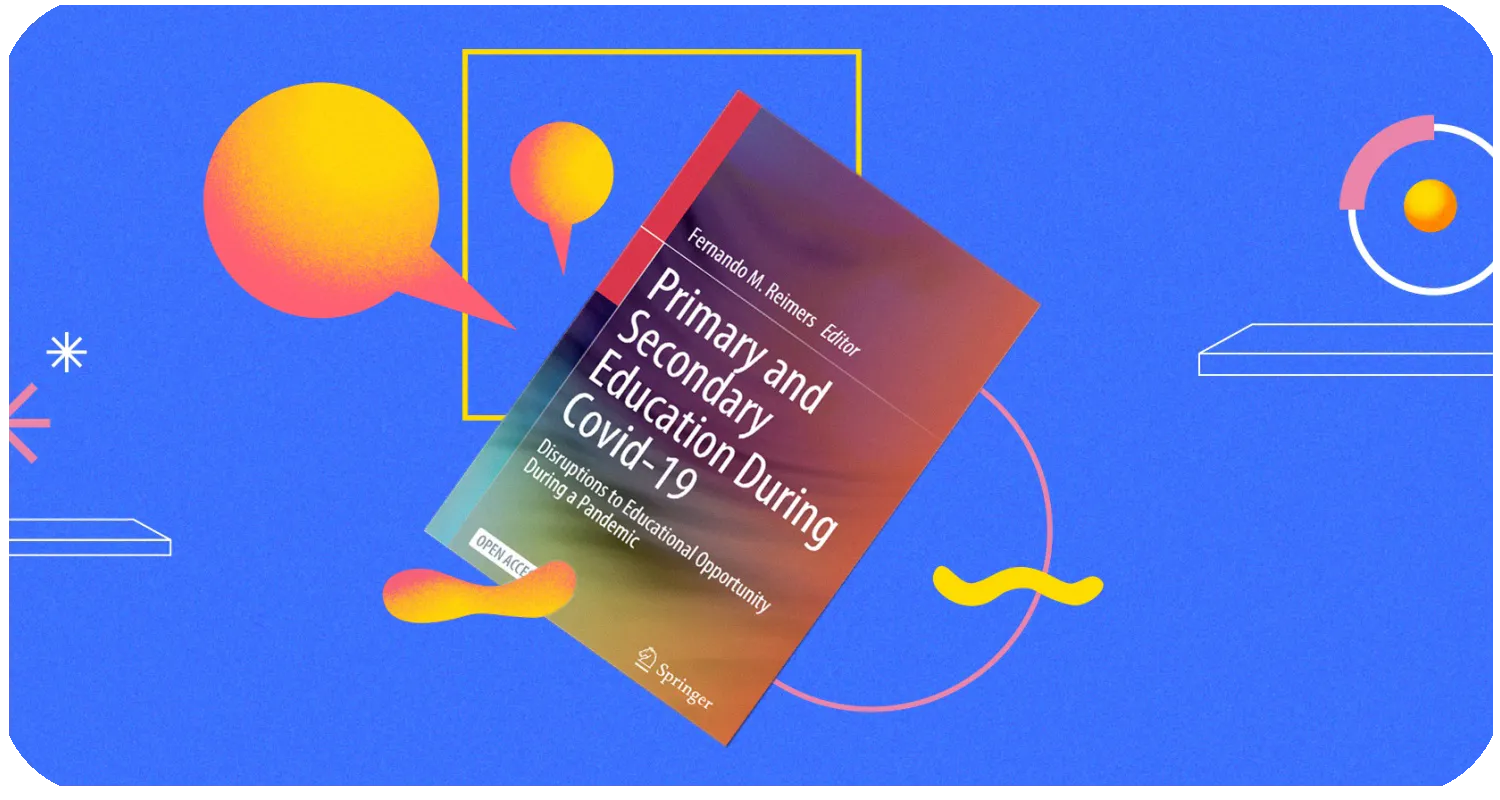
Reading is an important part of our lives. It not only develops thinking, but also enriches the inner world. Books, articles, and blogs provide us with new knowledge and ideas, helping us expand our horizons. It's important to choose quality content that will stimulate interest and inspiration. Don't forget the value of reviews and recommendations to help you find the best works. Join discussions and share your thoughts on what you've read; this will enrich your experience and make reading even more engaging.
Primary and secondary education have undergone significant changes during the COVID-19 pandemic. The sudden closure of schools and the transition to distance learning presented educational institutions with numerous challenges. Teachers had to quickly adapt to the new conditions, mastering online platforms and modern technologies.
Students, in turn, faced difficulties mastering the material without the usual interaction with teachers and peers. This necessitated the development of effective distance learning methods that would maintain student interest and ensure a high-quality education.
Parents also found themselves involved in the educational process, requiring new skills and knowledge. Importantly, this experience led to a rethinking of the role of technology in education and the need to integrate digital tools into the learning process even after the end of the pandemic.
Thus, primary and secondary education during the COVID-19 period became a starting point for introducing innovations and improving the quality of education, opening new horizons for the future of education.
Ekaterina Dodonova, a methodologist at the National Technology Olympiad (NTO) project office, was a computer science teacher at Moscow School No. 1533 LIT at the beginning of the pandemic. During this challenging time, she was given the important task of supporting her colleagues in mastering digital technologies. Ekaterina actively shared her knowledge and experience, which contributed to the successful transition to distance learning and increased digital literacy among teachers. Her contribution to adapting the educational process during the pandemic was a significant step towards the introduction of innovative teaching methods in Russian schools.
In the spring of 2020, I added the contacts of all LIT staff to my phone. Every teacher who had previously shown an interest in technology became a key growth point for the others. This interaction significantly improved the educational process and facilitated the exchange of experiences in using modern technology.
In Ekaterina's experience, age is not a decisive factor in technology use among teachers. Confident computer and gadget users are found among teachers of all age groups. The main difference is that some teachers are constantly looking for new and effective working methods and are actively interested in both digital and pedagogical technologies, while others do not.

Turned-off cameras and other difficulties
In addition to difficulties with mastering technical tools, other significant problems arose. Evgeny Lichkin emphasizes that in a distance learning environment, it is necessary to find a foundation – to define the key values of education and identify those aspects that cannot be abandoned. It is important to transfer these values to the online format. According to the teacher, it was difficult for him to adapt the process of interacting with students to build trusting relationships in a remote format.
Ekaterina Dodonova does not consider the aspect of distance learning to be particularly difficult. In her opinion, by the time of the transition to the online format, relationships with students had already been formed. Maintaining an emotional connection through a computer screen was not a new challenge for her. The ability to maintain contact and interaction with students in a distance learning environment allows for the effective transfer of knowledge and maintain student motivation, which is key to successful learning.
According to experts, the main problem of the first distance learning in the spring of 2020 was that all participants in the process – teachers, children, and parents – experienced significant stress due to the uncertainty of the situation. It was important to find familiar landmarks, and for many, school lessons became such a "relief of stability." Despite the online format, children logged into classes as scheduled, interacted with classmates and teachers, and continued to study the material and solve problems. This helped to maintain the usual educational process during the crisis.
Read also:
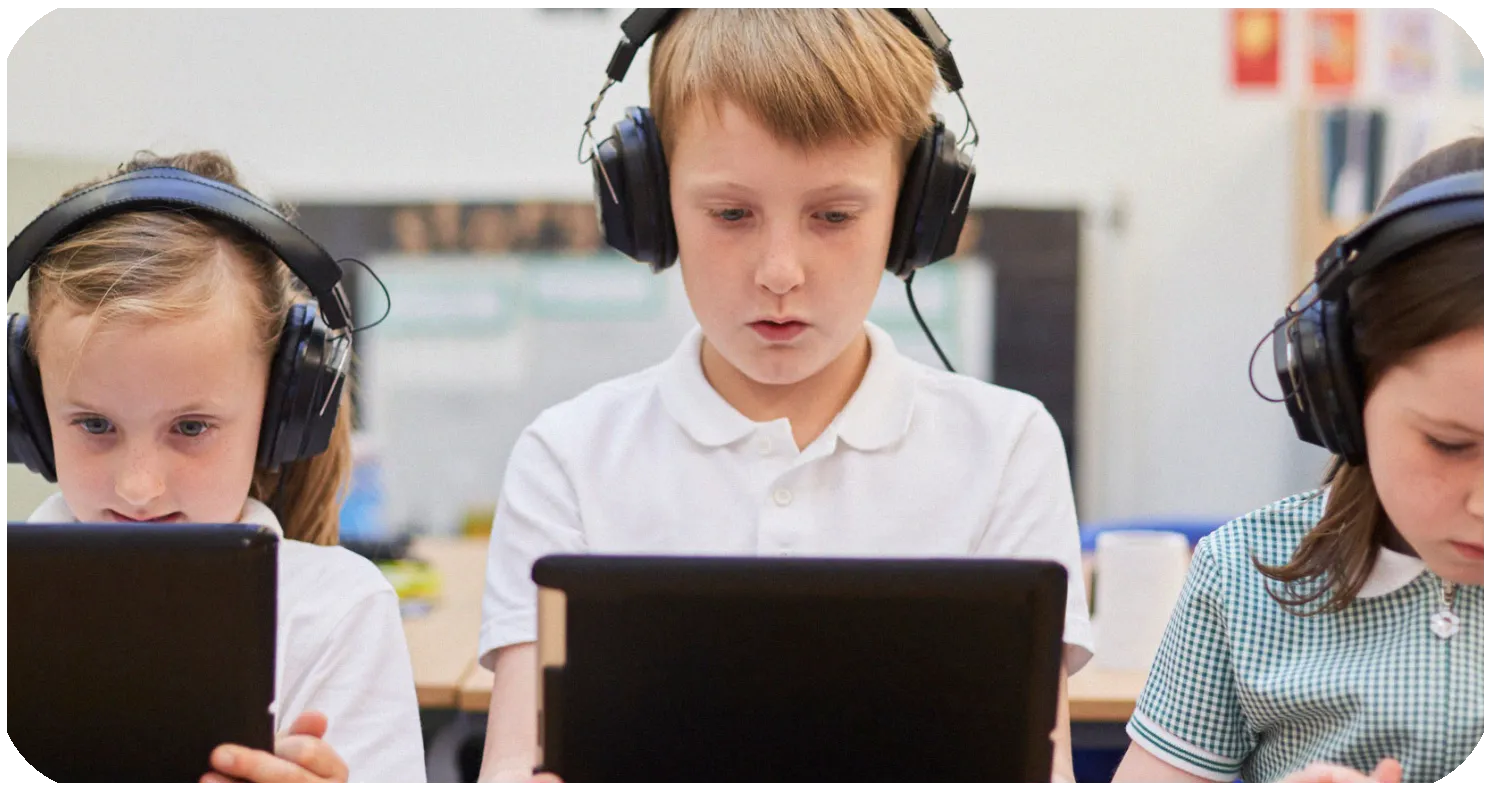
The online learning experience has significantly impacted traditional offline classes. During the transition to distance learning, many students and teachers encountered new methods and technologies that changed the approach to learning. The online format offers flexibility, allowing students to study at their own time and in a comfortable environment. This has created the opportunity for a more personalized approach to learning, allowing each student to progress at their own pace.
Furthermore, online learning has expanded access to educational resources and materials. Students can now use video tutorials, interactive platforms, and online libraries, significantly enriching the educational process. Instructors, in turn, have adapted their methods, using modern technologies such as webinars and virtual classrooms, allowing them to interact more effectively with students.
Finally, online learning also impacts the social aspects of education. Students can connect with peers and instructors from around the world, facilitating knowledge sharing and cultural interaction. Thus, the online learning experience not only transformed traditional in-person classes but also created new opportunities for development and learning.
The speakers discussed a pressing issue in distance learning: what to do if children refuse to turn on their cameras. Kirill Prudnikov, head of pedagogical practices programs at Skillbox and a former social studies teacher, cited the results of a survey among teachers. These data revealed that many of them experience discomfort and a sense of loss of control due to this student behavior. It is important to understand that active student participation in learning, including the use of video cameras, promotes more effective learning and interaction in the learning process.
Evgeny Lichkin doesn't view "black squares" as a serious problem. He emphasizes that such visual elements don't affect the overall functionality or aesthetic value of the content. He believes it's important to focus on more meaningful aspects that truly matter to users and their experience with the materials.
School has suddenly appeared on every student's doorstep, and not everyone is ready to open up their home environment. Some teachers claim that establishing contact with students is impossible without a camera on. However, I believe that turning off the camera isn't an insurmountable obstacle. There are many other ways to assess a child's engagement in the educational process and build rapport. It's important to use alternative methods of interaction that will help create a comfortable atmosphere for learning and communication.
Ekaterina Dodonova shared an interesting psychological effect related to perception of the educational process. She noted that if a teacher focuses on three students in a class for several weeks, they may feel as if they are interacting only with them. However, she agrees that seeing all students' faces isn't necessary for effective learning. She explains that in both online and traditional classrooms, interaction between teacher and student occurs through educational materials: workbooks, textbooks, or presentation slides. This emphasizes the importance of subject-matter communication in the educational process.
Kirill Prudnikov noted that distance learning has significantly increased the importance of methodological competencies. In an online education environment, teachers must possess in-depth knowledge of teaching methods to effectively engage with students and motivate them. This requires not only professional excellence but also the ability to adapt educational materials to digital formats and utilize modern technologies to create an interactive and engaging learning experience. Thus, methodological competencies are key to the successful implementation of distance learning programs.
Of course, I will help you with editing. Please provide the original text to be revised.
Teachers who formulate assignments for students in advance understand the expected results and therefore easily adapt to the online format. In such a setting, the problem of supervising students does not arise, since students, having clear assignments, understand exactly what they are supposed to do. This allows for the creation of an effective educational environment where students manage their own learning, and teachers can focus on supporting and developing their skills. When properly organized, online learning not only doesn't reduce the quality of education but also opens up new opportunities for interaction between teacher and student.
Technology as a tool, not an end in itself
Not all educational methods can be successfully adapted to the online format. For many teachers, the transition to distance learning was a challenge caused by a sense of uncertainty and confusion when familiar tools stopped working. Evgeny Lichkin argues that uncertainty is a natural part of the educational process. He emphasizes that a teacher who takes into account the individual characteristics of each student and differentiates instruction will never teach two identical lessons. It is precisely those teachers who use variable approaches who have managed to adapt more quickly to the new conditions, where instability has become the accepted norm. It is important to remember that flexibility in learning and readiness for change are key factors for successful adaptation in the modern educational environment.
Read also:
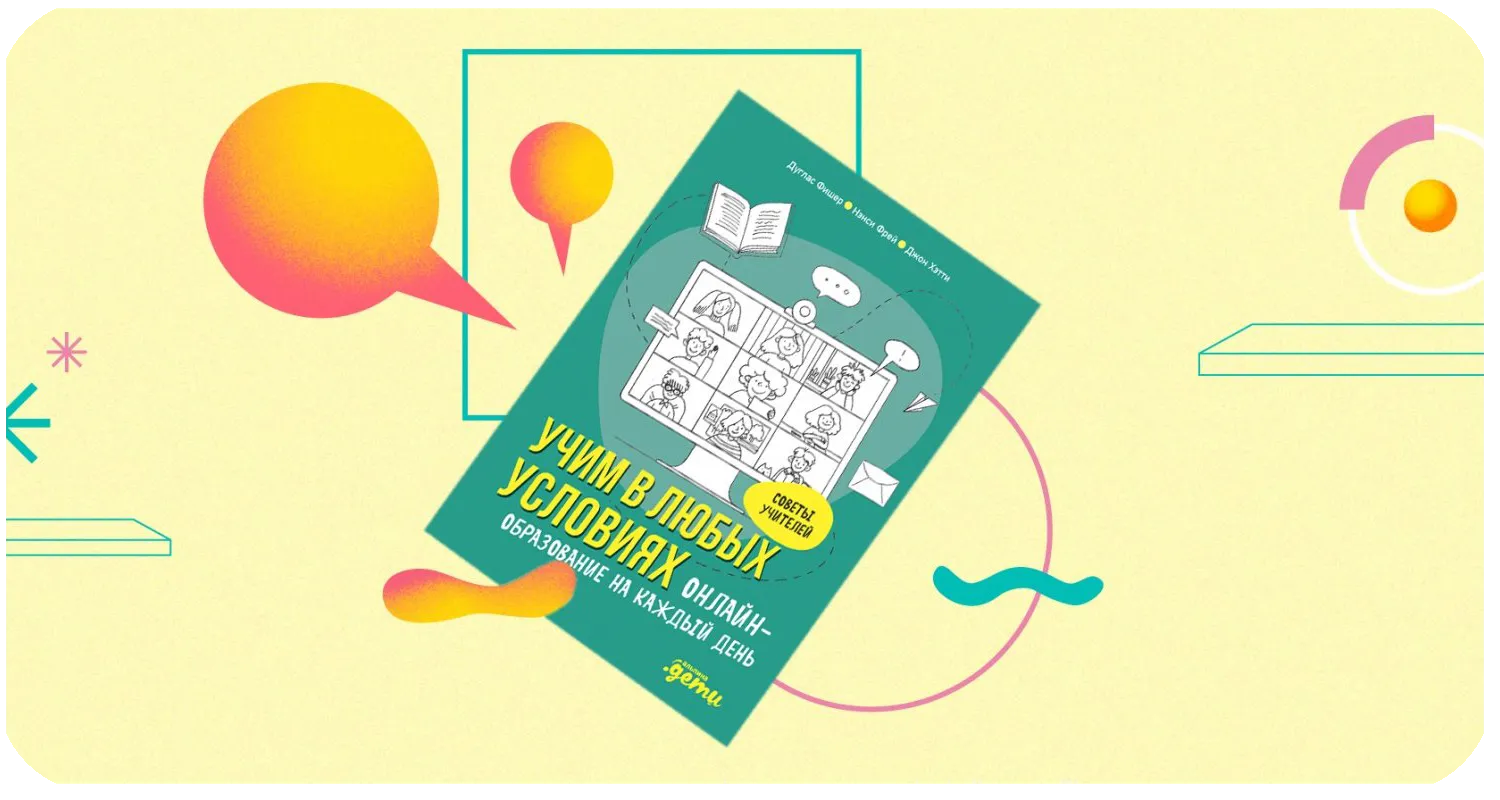
The book "Teaching in Any Conditions" by Douglas Fisher, Nancy Frey and John Hattie offers an in-depth analysis of methods learning approaches applicable in a variety of settings. The authors emphasize the importance of adapting educational approaches to different situations and student needs. They explore how teachers can effectively implement strategies that promote student engagement and improve their academic performance. The book explores practical examples and research demonstrating how effective instruction can occur in any setting, whether a traditional classroom or online learning. This publication will be a useful resource for educators striving to improve the quality of education and create conditions for the successful learning of all students.
The discussion participants considered the situation when technology begins to act as a "crutch" in the face of uncertainty. For example, a teacher becomes familiar with the Kahoot! platform, recognizes its convenience, and instead of exploring diverse solutions for various educational tasks, begins to rely solely on this one tool. As a result, children's interest and motivation for learning decreases. It is important to remember that the effectiveness of the educational process depends not only on technology but also on its diverse application in teaching practice.
Ekaterina and Evgeny understood that before using any method, it is necessary to clearly define its purpose. If a new technology truly expands a teacher's toolbox, this is a positive development. However, if technology is used merely for convenience rather than to solve specific educational problems, it quickly loses its methodological value and becomes routine. It is important to recognize that the effective use of technology in education should be aimed at improving the learning process and achieving the set educational goals.
The Educational Function of Schools in Distance Learning
In the context of distance learning, the educational function of schools has undergone changes. Ekaterina Dodonova emphasizes that personal communication and non-verbal contacts are especially important for children. However, she notes that socialization in virtual communities can partially compensate for this need, but at the same time, it requires new approaches and solutions from teachers. It is important to adapt educational methods to modern conditions in order to maintain connection and interaction between students and teachers, despite physical distancing.
Digital etiquette plays an important role in online communication. In the context of modern communication, new rules have emerged that determine what is acceptable and what is unacceptable. The virtual environment requires us to be attentive and respectful of our interlocutors, as education and norms of behavior have adapted to new conditions. Understanding the basics of digital etiquette will help create a comfortable atmosphere for online interactions and avoid misunderstandings. It's important to develop digital communication skills to meet modern requirements. Evgeny Lichkin shared his experience interacting with students, noting that the initiative came directly from the children. Unlike traditional events, such as holidays or competitions organized by school administration, during distance learning, students began to show activity and a desire to gather for joint activities. Adults simply had to channel this enthusiasm and help with organization. For example, his school held online events suggested by students: meetups with bloggers, cooking battles, and eSports tournaments. Even the final bell for graduates, held remotely, was no less emotional and touching than in pre-COVID times. Thus, distance learning has opened up new opportunities for children to interact and organize themselves.
The speakers emphasize that the primary goal is to preserve the most important and valuable experiences children receive in school. The format of instruction, whether in-person or distance, is not crucial. The most important thing is the quality of education and the opportunity to develop the skills needed for a successful future.
Read also:
- How teachers are mastering hybrid learning tools
- What good things the terrible distance learning has taught us: stories of teachers from outside the capital
- What a school should be like in the digital age: expert opinions
- Distance learning practices that should be retained in hybrid learning
Online Tutor
It doesn't matter what you teach—English, CrossFit, yoga, vocals, or culinary arts. Everything you previously taught in schools, studios, and offices can now be taught online. Promote your knowledge and skills and earn money from anywhere in the world.
Find out more