
Contents:

Learn: Educational Programs Methodologist
Find out moreIn March, the issue of a possible abandonment of the Bologna system was not seriously considered, but today a bill is being prepared that proposes a return to traditional educational principles. In this article, we will take a detailed look at the reasons and consequences of a possible transition from the Bologna system to classical teaching methods.
- what happened to the Bologna system in Russia;
- what preceded it — the desire to return to "the best educational model in the world";
- what the Bologna system and the Bologna process are and why they are now being criticized;
- in summary: what will change in connection with the abolition of the Bologna system and what will it affect;
- what will happen to bachelor's and master's degrees? And with admission to master's programs?
What happened to the Bologna system
Just two months ago, in March, the Russian Ministry of Education and Science told the Interfax agency that the issue of refusing to participate in the Bologna educational process was not being considered. The Ministry emphasizes the importance of maintaining alignment with international educational standards, which helps improve the quality of education in the country.
This year, there has been an unscheduled increase in the number of state-funded places in master's programs in priority areas such as engineering, industrial technology, and digital transformation. This bill was adopted on May 17 by the State Duma and submitted to the Federation Council for further consideration. This is an important step aimed at developing educational infrastructure and training specialists who meet the modern demands of the labor market. The increase in state-funded places will allow more students to receive a high-quality education in in-demand fields, which, in turn, contributes to the development of the economy and innovative technologies in the country.
On May 24, Minister of Science and Higher Education Valery Falkov, in an interview with Kommersant, noted that the Bologna system of education is "a thing of the past." This statement underscores the need to revise existing educational standards and approaches. Given the rapid changes in the educational environment, it is important to adapt the system to the modern requirements and demands of students, as well as the realities of the labor market. Discussions about new formats and models of education are becoming increasingly relevant, potentially leading to significant changes in the Russian educational process.
The Bologna process should be viewed as a stage we have already passed. The future of Russian education should be based on a unique model that takes into account the interests of the national economy and provides ample opportunities for every student. This will create a system that meets modern requirements and labor market needs, providing individualized paths for development and growth for young people.
On May 25, Anzor Muzaev, head of Rosobrnadzor, expressed his opinion in an interview with TASS about the need for a gradual abandonment of the Bologna process. He believes this process should take at least two years to ensure a smooth transition and minimize potential negative consequences.
The statements we are hearing confirm that the minister is committed to a gradual transition to new educational standards. This is an important step, since without a competent approach, we risk making mistakes that will ultimately negatively impact students and the quality of their education. All aspects of the changes must be considered to ensure stable and effective education.
That same day, the issue of withdrawing from the Bologna Process was brought up for discussion in the State Duma. The Duma TV Telegram channel published a video in which State Duma Speaker Vyacheslav Volodin stated that his information confirms support for this position from all factions. He emphasized: "We need to withdraw from the Bologna Process." This opinion was also echoed by Sergei Kabyshev, Chairman of the State Duma Committee on Science and Higher Education, noting that this is the result of the committee's consistent and principled position. The discussion of this important issue underscores the desire to reform the country's educational system and return to more traditional approaches in higher education.

Read other materials on our website to expand your knowledge and get more information on topics that interest you. We offer a variety of articles to help you gain a deeper understanding of current issues and trends. Don't miss the opportunity to improve your skills and discover new ideas.
May's quotes raise important issues regarding the abandonment of the English language and the Bologna process, as well as discuss other relevant topics. These statements emphasize the need to revise educational standards and approaches, which could have a significant impact on the quality of education. Discussing these issues is essential for the development of effective educational policy and the creation of conditions for deeper and more meaningful learning. It is important to pay attention to how changes in the educational system can contribute to the development of critical thinking and students' cultural identity.
Vyacheslav Volodin held a vote on his Telegram channel, in which over 9,000 subscribers participated. 90% of them expressed support for leaving the Bologna process. This is not surprising. If a vote were held on abolishing the Unified State Exam, the majority would likely also support this initiative. The Unified State Exam (USE) and the two-tier education system, including bachelor's and master's degrees, have long been a part of our educational practice, yet many still perceive them as something new and alien. Even among education workers, and especially among those unfamiliar with its internal aspects, there is a tendency to attribute the causes of problems to "foreign reforms," while idealizing the old system. This phenomenon can be explained by nostalgia and a natural human resistance to change. The plans of officials and members of parliament do not envision a complete abandonment of the two-tier education system based on the Bologna process. Bachelor's and master's degrees may continue to exist, but there is a possibility that the transition between these levels will become less flexible. In the future, admission to a master's program may only be possible in specialties similar to a bachelor's degree, which differs from current practice, where this requirement is not mandatory. This assumption is based on the words of Sergei Kabyshev's First Deputy, Oleg Smolin, who informed Kommersant about the draft law's preparation. According to this draft law, specialist degrees will become the primary, but not the only, form of higher education.
Smolin noted that higher education institutions will be able to implement educational programs using a two-tier system. This is especially relevant for fields that do not require highly qualified specialists. Such a system would also be useful in cases where undergraduate and graduate programs are integrated, allowing students to continue their studies in a master's degree in the same specialty. The introduction of a two-tier education system facilitates deeper knowledge acquisition and the improvement of students' professional skills, which in turn increases their competitiveness in the labor market.
On May 26, Sergei Karbyshev posted on his Telegram channel about a meeting of the State Duma Committee on Science and Higher Education, which discussed the implementation of the roadmap for the formation of a nationally oriented strategy for the development of the higher education system in the Russian Federation. In his message, he explained the committee's position on this strategy, emphasizing its importance for the future of the country's educational system.
- When improving the education system, it is important to take into account both the positive aspects of the Soviet education system and the "lessons" of the Bologna process;
- The education system must correspond to the rapid changes in the economy and society in order to ensure the sovereignty of the Russian state.
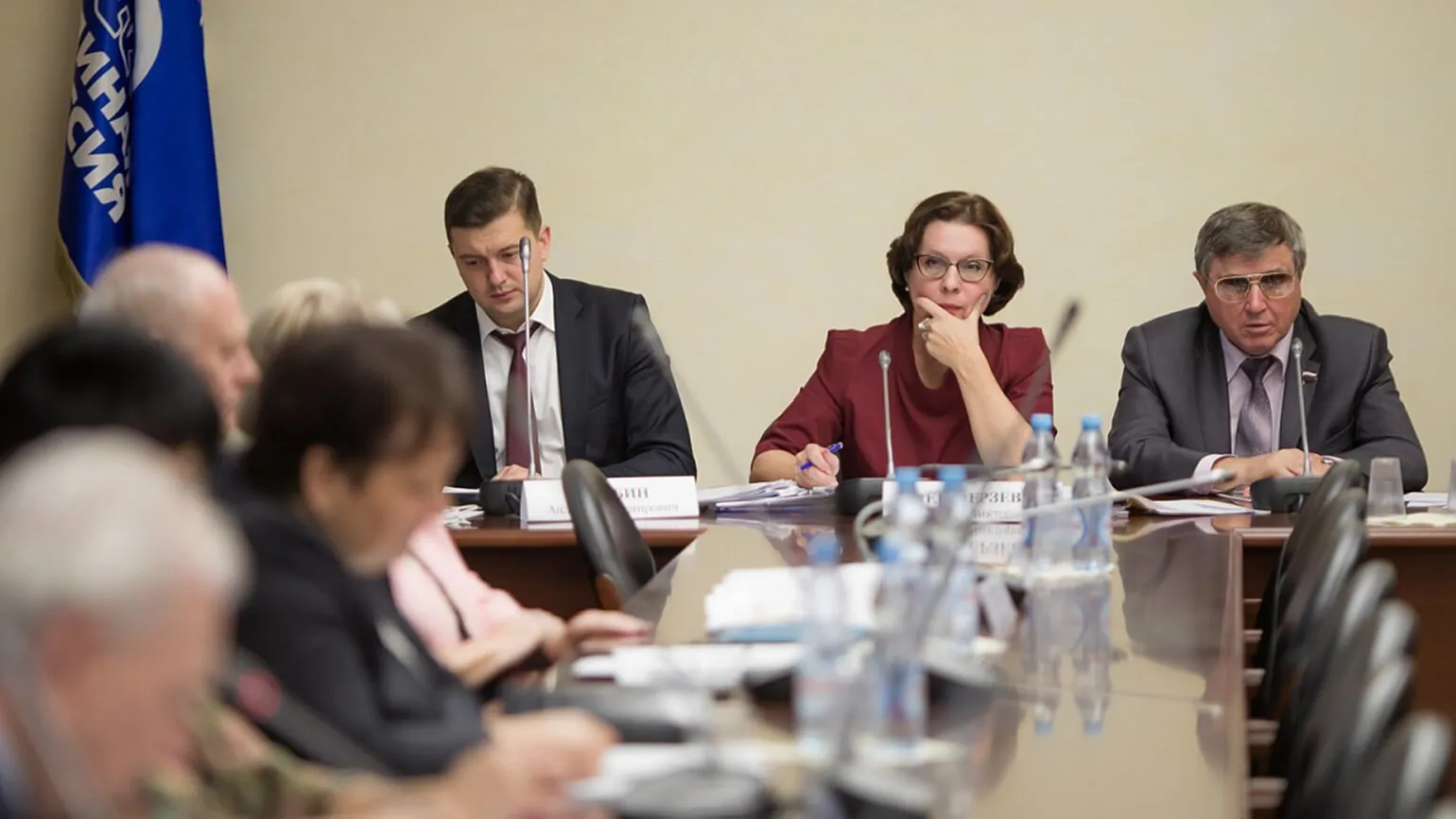
Lilia Gumerova, Chair of the Federation Council Committee on Science, Education, and Culture, said in an interview with TASS that the process of preparing changes to create a domestic higher education system will take at least one year. It is important to note that at least a four-year cycle will be required before the full implementation of the new system. This means that students admitted this year must first complete their undergraduate studies. Gumerova also noted that the issue of a possible abandonment of the Bologna system will be discussed on June 6 at an extended meeting of the committee. The discussion of this topic underscores the urgency of reforming the educational system in Russia and the need to adapt to modern requirements.
Olga Vasilyeva, head of the Russian Academy of Education, expressed support for the idea that the five-year specialist degree should occupy a key place in the structure of higher education programs in Russia. She noted that for a number of programs, including programs for international students, the implementation of a two-tier system of education is advisable. However, Vasilyeva also emphasized the importance of taking into account the interests of graduates with bachelor's degrees, so that they do not end up at a disadvantage.
What preceded this: the desire to "return to roots"
Criticism of the Bologna system and calls for its abolition have been discussed for a long time, remaining relevant topics in the education sector, along with dissatisfaction with the Unified State Exam and the desire to abolish it. Previously, these issues were not taken seriously, but after the change in the geopolitical situation caused by the armed conflict in Ukraine, such calls have become more insistent. However, the transition to concrete action did not happen immediately. It is important to remember that the Bologna system, like other educational reforms, requires careful analysis and discussion to develop optimal solutions for improving the quality of education in Russia.
In March, Sergei Mironov, leader of the "A Just Russia - For Truth" faction, expressed his opinion on the need to abolish the Bologna system and return to classical principles. In response, Prime Minister Mikhail Mishustin noted that the Bologna system operates in Russia while taking into account national characteristics. He emphasized that alongside this system, there are specialty programs in specific educational programs. Mikhail Mishustin also acknowledged that the Soviet education system had its advantages, but in modern conditions approaches to learning have changed significantly.
Reading is an important part of our lives, as it enriches knowledge and broadens horizons. Research shows that regular reading improves cognitive function and increases intelligence. Furthermore, books and articles can serve as a source of inspiration and motivation, helping us cope with everyday challenges. It's important to choose a variety of genres and topics to maximize the benefits of reading. Consider literature related to your professional work, as well as works of fiction that stimulate the imagination. Reading is not only entertaining but also promotes personal growth, so it's worth making time for this beneficial activity. Nostalgia plays a significant role in shaping our perception of past education. It creates an idealized image of a time when knowledge and values were perceived differently. In this context, nostalgia can mythologize the learning experience, imbuing it with a more meaningful and appealing meaning. Past education is often associated with high standards and moral values that society believes were more vibrant and clear. This leads to the creation of myths about "golden times" when the learning process was more effective and meaningful.
People reminisce about teaching methods they believe fostered deep understanding and the development of critical thinking. Nostalgia also influences public perceptions of educators and professors, creating images of wise mentors who possessed not only knowledge but also life wisdom. These myths become part of cultural memory and, as a result, influence contemporary approaches to education.
Thus, nostalgia not only shapes individual perceptions of the past but also creates collective understandings of the role of education in society. This underscores the importance of analyzing the historical context to better understand how myths about the past continue to influence contemporary educational practices and values.
Over the past year, a new experimental education system, "2 + 2 + 2," has been actively discussed. This system combines undergraduate and graduate degrees, but offers a unique and flexible approach to the structure of the undergraduate program. This learning format allows students to tailor the educational process to their individual needs and career goals, making it more attractive to modern students.
In April, Moscow State University Rector Viktor Sadovnichy, who initially expressed doubts about Russia's entry into the Bologna Process, noted that borrowing this educational system had negatively impacted the quality of education in the country.
On May 17, State Duma Deputy Speaker Pyotr Tolstoy announced the need to abandon the Bologna education system and return to the traditional Russian system. This statement raises important questions about the future of educational policy in Russia and its impact on the quality of specialist training. A return to classical teaching methods could mean rethinking approaches to higher education, which in turn requires analyzing the experience of past generations and adapting it to modern realities. Discussion of this topic is becoming especially relevant in light of the current challenges facing Russian education.
On May 24, Arguments and Facts published an interview with Nikolai Patrushev, Secretary of the Security Council of the Russian Federation. During the conversation, he presented his assessment of current events and their impact on national security. Patrushev discussed the key challenges facing Russia and outlined priority areas for national security. The information in this interview may be useful for understanding current geopolitical processes and Russia's domestic politics. In today's environment, students and teachers are being actively excluded from Western academic and educational institutions. I believe it would be wise to abandon the Bologna education system and return to an effective domestic educational model, which has proven itself to be one of the best in the world. This will help maintain a high level of quality in education and research, as well as ensure integration with international standards.
On the same day, Valery Falkov published a statement about the completion of a certain stage of his activities.

Redesigned English:
We recommend that you familiarize yourself with additional materials on this topic. They will help you better understand the content presented and expand your knowledge.
Quote of the week: "Russian universities are support institutions for young people." Russian universities are developing not only an educational base, but also a community that supports the personal and professional development of students. Universities play an important role in training qualified personnel capable of working effectively in various sectors of the economy. They contribute to the development of critical thinking, creativity, and the formation of leadership qualities in young people. Thus, Russian universities are key institutions that help young people adapt to the modern challenges and demands of the labor market.
What is the Bologna system and why is it now being attacked
The Bologna system of higher education is based on the international declaration "European Higher Education Area", signed by the education ministers of 29 European countries in 1999 in Bologna. Over time, other states joined this declaration, leading to the formation of the Bologna Process. Currently, 49 countries participate in this process, including Russia, which signed the declaration in September 2003. The Bologna system aims to harmonize educational standards and simplify the recognition of diplomas and qualifications between participating countries, thereby facilitating the mobility of students and faculty within Europe.
The Bologna Process is a key element of European integration, aimed at bringing together and harmonizing the educational systems of European countries. The goal of this process is to create a single European Higher Education Area. This ensures the comparability of diplomas, improves the quality of education, and increases the mobility of students and faculty within Europe. The Bologna Process promotes the integration of educational standards and practices, which in turn strengthens cooperation between universities and research institutions on the continent.
What is the Bologna Process
The main goals of the Bologna Process are to create a single European educational area that ensures comparability and quality of higher education. This includes improving the mobility of students and teachers, the introduction of the ECTS credit system to simplify the recording of educational achievements, and the development of joint programs and diplomas between universities. In addition, the Bologna Process promotes the modernization of educational systems, increasing their competitiveness in the international arena and the active involvement of students in the learning process. The implementation of these goals is aimed at creating conditions for more flexible and accessible education that meets the requirements of the modern labor market.
- to build a European Higher Education Area as a key area for developing citizen mobility with employment opportunities;
- to improve the quality of education;
- to ensure the competitiveness of European education;
- to achieve the greatest compatibility and comparability of national higher education systems;
- to form and strengthen the intellectual, cultural, social, scientific and technical potential of European countries, to increase the prestige of European higher education in the world;
- to enhance the central role of universities in the development of European cultural values (universities are considered as bearers of European consciousness).
The Bologna system in Russia implies a two-tier education, consisting of a bachelor's degree and a master's degree. However, the convergence of the educational systems of different countries goes beyond these two levels. Furthermore, it includes aspects such as uniform standards and criteria for assessing the quality of education, the development of academic mobility for students and faculty, and the implementation of a credit system that allows for a more flexible approach to education and facilitates the recognition of diplomas. These measures facilitate the integration of Russian educational institutions into the international space and increase the competitiveness of Russian graduates in the global labor market.
- Adopt a system of comparable degrees, including through the introduction of a diploma supplement, to ensure the employability of European citizens. Simply put, a diploma or degree obtained in one Bologna country should be recognized in other countries that have joined the declaration.
- Implement uniform criteria for assessing the quality of education and teaching.
- Maintain and develop the traditional European approach to higher education, particularly in the areas of curriculum development, interinstitutional cooperation, mobility schemes, and joint study programs, practical training, and research.
Study at a university in any country that has signed the Bologna Agreement should be comparable in content with the educational systems of other countries. This allows students to participate in joint programs, easily transfer from one university to another, and have their courses credited. In addition, bachelor's degree graduates can easily continue their studies in a master's program in another country and find work with their degree. The Bologna Agreement system promotes the harmonization of educational standards and facilitates student mobility, an important aspect of modern education. Implementing the goals set out in the declaration is a long-term process. Every few years, participating states review and update their priority actions for the coming years. This allows us to adapt to changing conditions and effectively achieve our goals.

Read also:
University rectors express different opinions on the future of higher education, viewing it through the prism of fundamental classical approaches and the need for radical reforms. Some experts believe that traditional teaching methods and the classical university structure should remain the foundation of the educational process. They emphasize the importance of preserving academic values, scientific research, and deep knowledge in the chosen field.
At the same time, other rectors argue that modern challenges require a radical revision of approaches to education. They insist on the introduction of innovative technologies, interdisciplinary learning, and the adaptation of educational programs to the demands of the labor market. Such changes may include the development of online education, the use of artificial intelligence in the educational process, and cooperation with business.
Thus, the future of universities depends on whether they can combine classical traditions with modern requirements, creating flexible and adaptive educational models. This discussion underscores the importance of strategic planning and openness to change for the successful development of higher education.
Why the Bologna system is criticized in Russia
Russia joined the Bologna Process in September 2003. Since then, the country has adopted a four-year bachelor's degree and two-year master's degree system. However, for a number of fields, such as medical and engineering specialties, the "Soviet" specialist degree system, which requires five to six years of study, remains in place. It should be noted that for other countries participating in the Bologna system, Russian specialist degrees are equivalent to bachelor's degrees. This creates certain advantages for graduates, allowing them to continue their studies or work abroad, making education in Russia competitive internationally. Supporters of the Soviet educational system often criticize the Bologna system, particularly focusing on its two-tier structure. They argue that this approach leads to a simplification of the educational process and a decrease in the quality of specialist training. A lowering of educational standards, in their opinion, makes graduates less competitive in the labor market. Critics also point to a lack of practical skills among students, which can negatively impact their professional performance. These arguments raise the question of the advisability of implementing the Bologna system in educational institutions, especially in countries with traditionally high educational standards.
- The shorter period of study for a bachelor's degree compared to a specialist's degree. The fact is that not all bachelor's degree holders go on to a master's degree (this level is optional), and then their higher education is limited to four years. Opponents of the system believe this is insufficient for a comprehensive education, and bachelor's degree holders are viewed as "underachievers," while bachelor's degrees are criticized for their lack of fundamentality;
- The fact that one can enroll in a master's degree in a field other than their bachelor's degree (for example, having received a bachelor's degree in economics, one can enroll in a master's degree in law—provided, of course, that one passes the competitive selection process). Some see this flexibility as an advantage, while others see it as a disadvantage, considering those who pursued master's programs in fields "out of their league" to be "dropouts" because they lacked a relevant foundation.
State Duma Deputy Speaker Irina Yarovaya noted the shortcomings of the Bologna system, particularly the insufficient duration of undergraduate studies. She emphasized that the main problem is the lack of equal, continuous, and, consequently, high-quality education. Every year, 60% of undergraduates face the choice of whether to pursue a master's degree on a fee-paying basis or stop at the bachelor's level. This underscores the need to overhaul the education system to ensure higher standards and opportunities for students.
The Deputy Speaker likely indicates that the number of state-funded places in master's programs does not meet the needs of all applicants. Those who were unable to secure a state-funded place and lack the financial means to study on a fee-paying basis find themselves in a difficult situation. Without a master's degree, the level of undergraduate training may be insufficient for a successful career. This raises an important question about the need to increase the number of state-funded places and improve access to higher education.
The argument about the insufficient number of places in master's programs appears controversial. Indeed, fewer places are allocated for master's programs than for bachelor's programs, but this is explained by the fact that a bachelor's degree is perceived as a complete educational level, while a master's degree is intended for those who want to delve into research or specialized fields. Not everyone requires a master's degree, and for many, a bachelor's degree is sufficient for a successful career.
Regarding the quality of training, it is not true to claim that this applies to all bachelor's programs. In cases where deeper specialization is required, the introduction of a specialist degree can be considered. This is especially relevant in fields where a four-year course of study is insufficient to obtain the full range of knowledge necessary for high-quality professional development.
If the main criterion is the duration of study, then the possibility of extending the bachelor's degree to five years could be considered in areas requiring more in-depth training. At the same time, for some applied specialties, three years may be sufficient for successful professional development.
Shortened study periods may not always be detrimental from a national perspective. Recently, the president ordered the development of accelerated training methods for IT specialists, allowing them to enroll in a five-year higher education program immediately after ninth grade. This entails integrating the school curriculum for grades 10-11 with the bachelor's degree, which would allow for the current six-year program to be compressed into five years. This creates the opportunity to more quickly develop qualified personnel in the field of information technology, which meets modern labor market requirements and contributes to the development of the country's economy.

Find out more:
In the future, the duration of basic training at higher education institutions may be reduced to two years. This change could significantly impact the educational process and prepare students for professional work. Reducing the duration of training will allow students to more quickly acquire the necessary knowledge and skills, which meets the current demands of the labor market. Furthermore, such a reform could increase the accessibility of higher education and improve its quality, providing students with relevant knowledge in the shortest possible time.
Irina Yarovaya noted the importance of high-quality training for targeted recruitment, emphasizing that bachelor's degree preparation is insufficient to achieve this goal. She emphasized the need for in-depth education and professional training, which will ensure a high level of qualifications for future specialists.
The most likely reason for the abrupt change in the position of officials and members of parliament regarding the Bologna process is that the desire for European unification of the educational space has become irrelevant for Russia against the backdrop of the complex geopolitical situation. This was clearly stated by Olga Kazakova, head of the State Duma Committee on Education. Changes in educational policy may be associated with the need to adapt to new challenges and realities, which in turn emphasizes the importance of developing national educational standards that reflect the interests and needs of the country.
It is necessary to decisively and quickly overcome the norms and standards imposed by Europe on our society in difficult times under the pretext of modern benefits. In reality, this concealed the goals of globalization aimed at tearing young people away from their homeland and introducing alien values.
The bottom line: what will change and how will it affect?
If, as a result of the reverse reform, the two-tier system (bachelor's and master's degrees), as well as specialist degrees, remains, then what will be the difference between the new system and the one currently in effect? Oleg Smolin emphasizes that a clear understanding of the changes that may occur is necessary. It is important to consider that the reform should not only maintain existing levels of education but also improve their quality, adapting them to modern labor market requirements and educational standards. The primary focus should be on the effectiveness of training and the preparation of specialists who meet the current challenges of the time.
The ratio of specialist and bachelor's degree programs will likely change in the future. Currently, the list of higher education specializations significantly exceeds the number of specialist programs (186 versus 125). The share of specialist programs is expected to gradually increase, and bachelor's programs may become an exception. This will lead to the need to revise Federal State Educational Standards (FSES), programs, and curricula in various areas of training.
The question of whether this is a good or bad thing depends on the approach to implementing the changes. If a longer period of study (specialist) is thoughtfully reintroduced in those areas where it is truly needed, this could lead to an improvement in the quality of education. The transition to a four-year bachelor's degree under the Bologna Process was not always justified, and the reintroduction of the specialist degree could correct these mistakes.
However, if the changes are implemented in a one-size-fits-all manner and the specialist degree is implemented without taking into account real needs, the outcome could be negative. The optimal solution would be to create a variety of educational opportunities that address the specific requirements and needs of different fields of study.
The reduction of the bachelor's degree could lead to a reduction in the number of master's programs. This change in the higher education system will impact the accessibility of further education for students. Fewer bachelor's degrees could reduce demand for master's degrees, which in turn will impact educational institutions and their offerings. It is important to take into account that changes in the educational system require careful analysis and adaptation in order to maintain the quality and accessibility of vocational education.
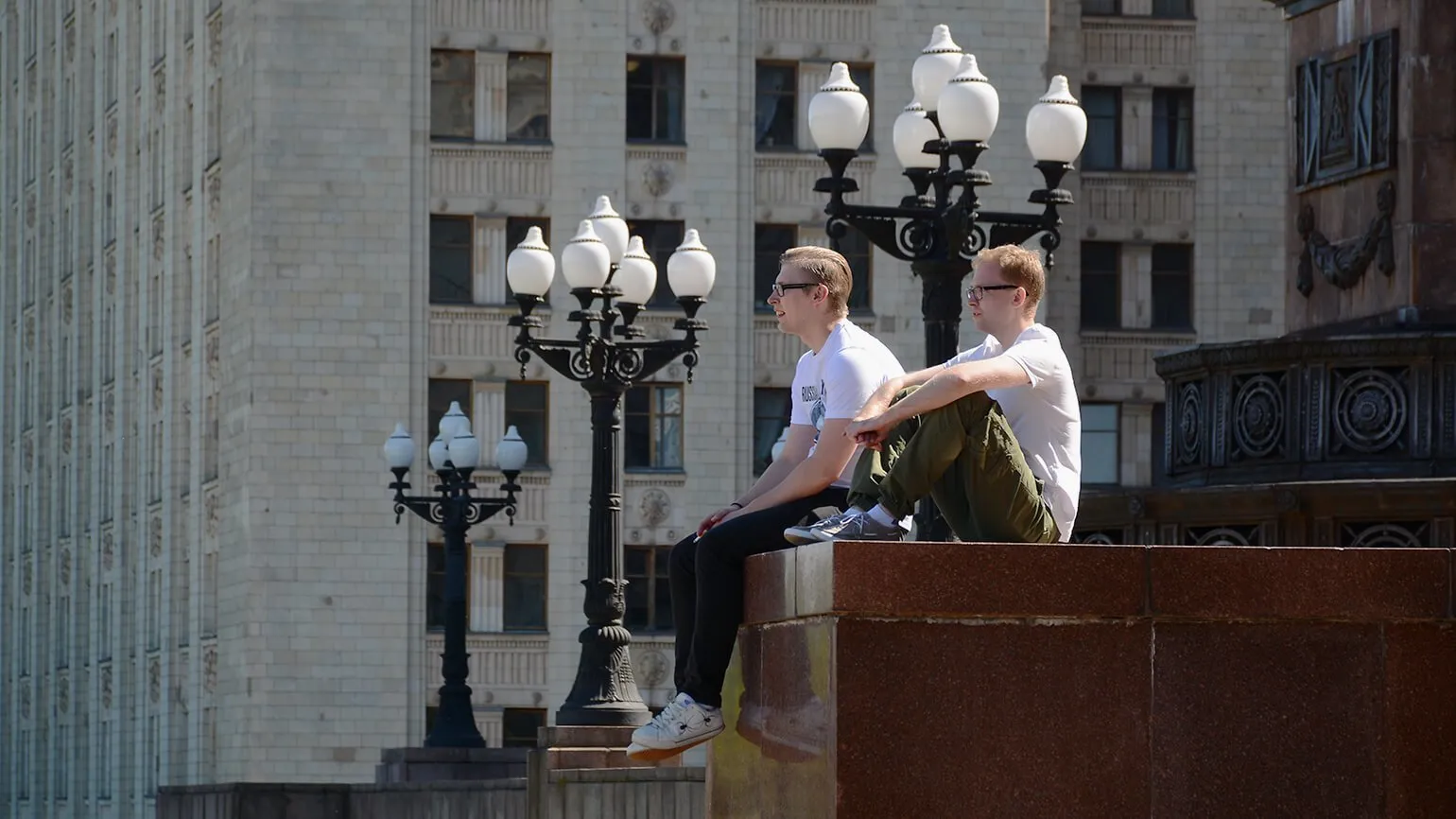
Russia's withdrawal from the Bologna Process and from the international declaration "European Higher Education Area" will be a significant step, indicating a rejection of the integration of our national higher education system with European standards. Nevertheless, Russian higher education continues to develop independently. This is reflected in increased attention to the educational role of universities and the unification of history studies across all areas of training. This approach allows us to create a unique educational environment that corresponds to the national interests and cultural traditions of the country.
Pay attention to our content:
Sadovnichy noted that international university rankings are based on criteria that are not always of primary importance for Russian educational institutions. In his opinion, it is important to consider the specifics and needs of the country's educational system, rather than relying solely on external assessments. This underscores the need to create our own criteria for evaluating universities that will be more relevant and useful for Russian students and faculty.
The process of recognizing Russian diplomas in Europe is likely to become more complex in the near future. This is important not only for those planning to find employment abroad but also for students seeking to continue their education in master's or doctoral programs. Problems with diploma recognition can impact career prospects and opportunities for academic advancement. Therefore, it is important to familiarize yourself in advance with the requirements and procedures that may arise regarding diploma recognition in European countries.
Joint educational programs between Russian universities and partner universities from Bologna countries may be at risk. This also applies to plans to attract international students to study at Russian universities. Prospects for international cooperation with European universities already look bleak. The question arises how abandoning the Bologna system will affect opportunities for interaction with Asian universities. In particular, it is worth noting that China has a two-tier higher education system, although the country is not formally part of the Bologna Process. This creates additional challenges and opportunities for the Russian educational system in the context of global changes.
There is uncertainty regarding the future of plans for the "2 + 2 + 2" educational model. It is currently unclear whether these plans will be maintained for programs with a two-tier education system. At the same time, the emphasis on specialist degrees as the primary form of study could lead to a reduction in the flexibility and individualization of educational trajectories. If the Soviet specialist degree is taken as a reference, it implied a single educational path for everyone, aimed at training standardized specialists. Time will tell how this will develop. The new list of specializations and areas of training at universities, approved in March 2022 and scheduled to come into effect in September 2024, aimed to increase the flexibility of higher education programs and create the basis for implementing the "2 + 2 + 2" model. In this list, the number of bachelor's degree programs, as is currently the case, exceeds the number of specialist degrees (154 versus 124). Given the changes, it is possible that this list may lose its relevance.

Read also:
At the first all-Russian conference on innovative educational technologies (IET) for universities, key issues related to the implementation of modern teaching methods in higher education institutions were discussed. Participants exchanged experiences and ideas on how to effectively integrate digital technologies into the educational process. Attention was also paid to the development of new educational programs aimed at preparing students for the demands of the modern labor market. Experts shared successful practices in using distance and blended learning formats and discussed potential challenges and solutions. The conference has become an important platform for interaction between representatives of educational institutions, which contributes to the development of an innovative approach to teaching and improving the quality of education in Russia.
Educational Programs Methodologist
You will go through the full cycle of creating an educational product from scratch. Learn how to design curricula for online and offline courses. Become a versatile specialist – you can launch your own project or get a job as a methodologist at a large company.
Find out more