Contents:

Learn: Who am I and what Want to?
Learn MoreThis article will introduce you to key aspects of the topic, which will help you gain a deeper understanding of the subject matter. We will cover important details, provide helpful tips and recommendations, and share relevant information. This material will be useful for both beginners and those with experience in this field. Read on to gain valuable knowledge and improve your skills.
- What was the system of female education in the Russian Empire until the second half of the 19th century;
- How women were allowed to become auditors at universities, and then changed their minds;
- How young ladies went to Paris not for the high life, but for a diploma, and what ultimatum the authorities gave them;
- Why even an alternative to universities - higher courses for women - was opened and then closed;
- What did it cost female students to get a full university degree;
- How one prince caused a public scandal about women's education;
- How women were allowed into universities again, and then - you won't believe it! — changed their minds again;
- who finally signed the document on women's right to study equally with men?
What was the system of female education in Russia like before the second half of the 19th century?
Until the second half of the 19th century, Russian women had access only to secondary education. This education was provided in girls' gymnasiums, institutes for noble maidens—closed educational institutions where girls lived permanently—as well as in public and diocesan schools. Unfortunately, many girls did not receive a systematic education at all and were taught only at home, depending on the financial capabilities of their parents.
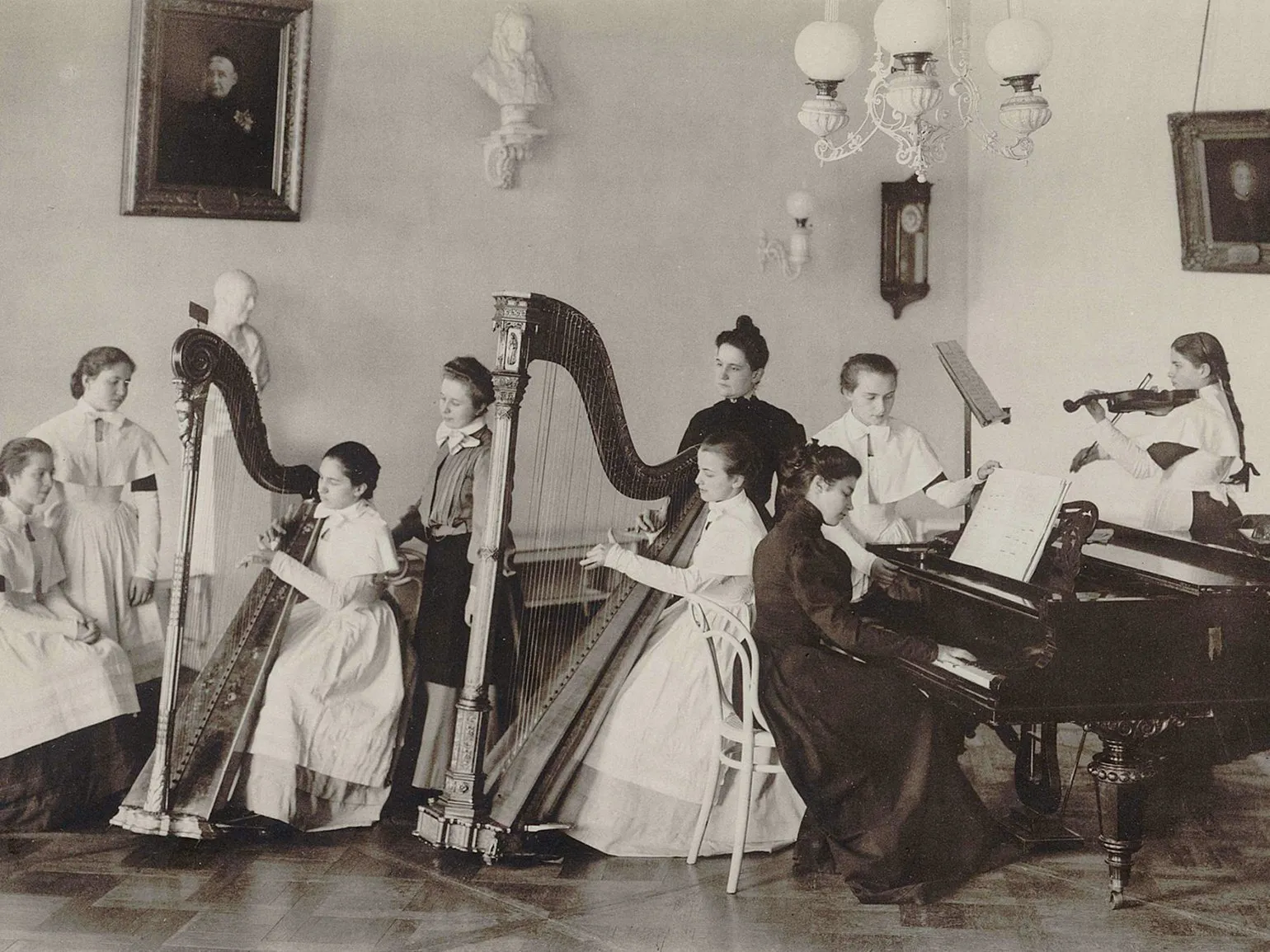
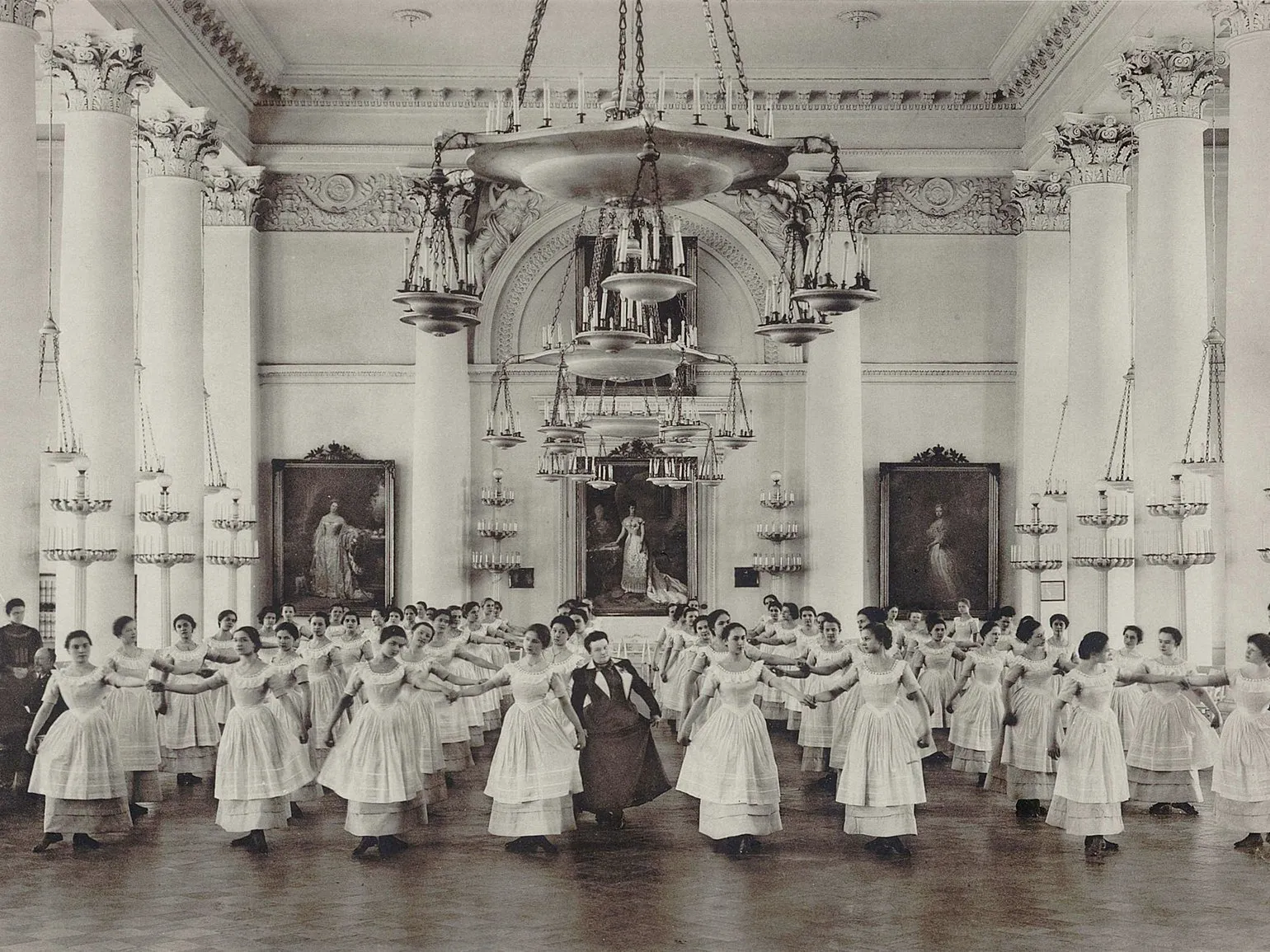
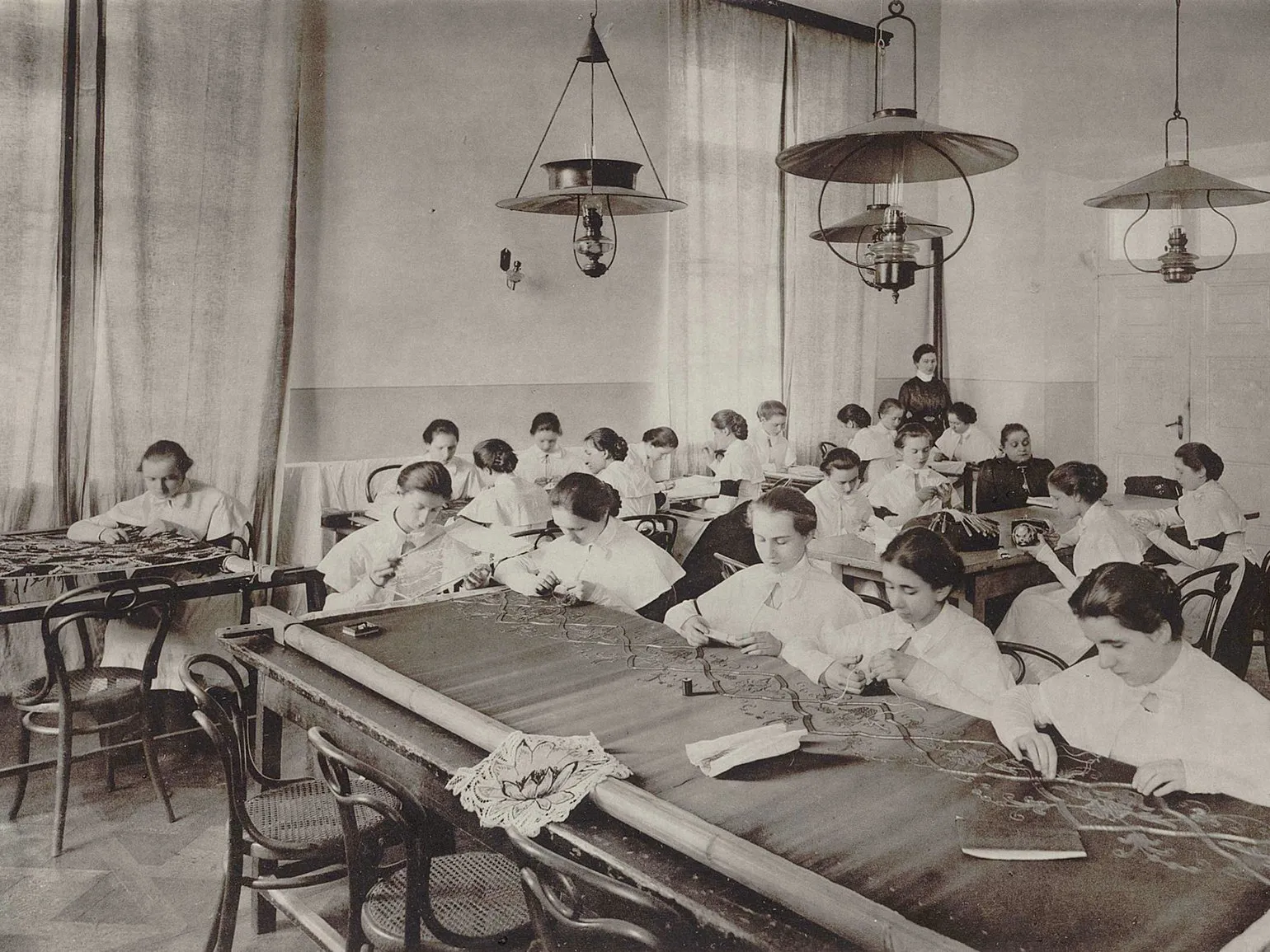
The quality of female education at that time left much to be desired. The curricula in women's secondary educational institutions were significantly inferior to those offered in boys' classical gymnasiums. In some institutions, girls were not taught foreign languages, either ancient (Greek, Latin) or modern (German, French). These subjects were optional and required additional tuition. This created an unequal educational environment for boys and girls. Courses in mathematics and physics, as well as natural sciences and humanities, were perceived as significantly easier. There was a perception that girls had difficulty coping with complex problems. Instead, emphasis was placed on additional classes in home economics and handicrafts. In institutes for noblewomen, the emphasis was on teaching good manners and etiquette. The teaching was often of poor quality. As a result, after graduating from boarding schools, girls could only master the skills of beautiful clothes, dancing, singing and other superficial skills.
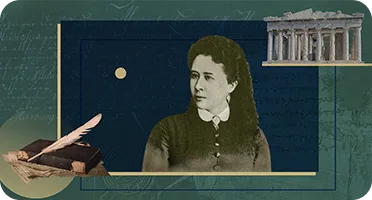
Read also:
Elizaveta Vodovozova shares her experience of studying and passing exams at the Smolny Institute. She discusses the exam preparation process, the specifics of the curriculum, and how the atmosphere at the institute influences students. It is important to note that Smolny Institute offers a unique learning environment that promotes in-depth understanding of materials and the development of critical thinking. Elizaveta emphasizes that exams at the institute require not only theoretical knowledge but also practical skills that students acquire during the course of their studies. This approach helps students better prepare for their future professional careers and builds self-confidence.
The renowned educator D. D. Semenov noted the importance of this issue in his works and emphasized that... (continue the text if necessary). His ideas remain relevant to this day, providing valuable information for modern education. Semenov believed that the key aspect of education is not only the transfer of knowledge but also the development of critical thinking and independence in students. These principles can serve as a foundation for creating effective educational programs and methods.
A schoolgirl of the past, leaving the artificial environment of her educational institution, usually felt alienated from her family. She felt helpless and weak in her familiar life circumstances. As for home education, it either required significant expenses to hire governesses and teachers of dubious qualifications, or was completely devoid of a rational approach, or was dependent on the whims of servants. This state of affairs emphasizes the importance of quality education and upbringing, which must be based on sound principles and not on random circumstances.
Some private girls' gymnasiums operated with educational programs similar to those of classical gymnasiums for boys. For example, the Speshneva General Education School for Girls, opened in 1868, and the Fisher Private Girls' Gymnasium, opened in 1872, offered their students a high-quality education that met the standards of the time. These institutions became important centers of education for girls, providing access to the knowledge and skills necessary for their future lives and careers. Male and female gymnasiums awarded different educational credentials: men received a matriculation certificate, while women received a certificate of completion. A matriculation certificate was required for admission to university. This difference in credentials highlighted the inequality in the educational system and affected the subsequent opportunities for men and women to obtain higher education. Graduation from a girls' gymnasium granted the title of "teacher of public schools." This qualification opened the door to low-prestige and low-paying jobs. Despite the knowledge and skills they acquired, many graduates faced limited employment opportunities, which negatively impacted their professional development and financial well-being.
In high schools and institutes, girls had the opportunity to study in the eighth, two-year "pedagogical" class. This offered the opportunity to become a home teacher or governess, as well as continue teaching at their educational institution. This path opened up prospects for them in the field of education and contributed to the development of teaching skills.
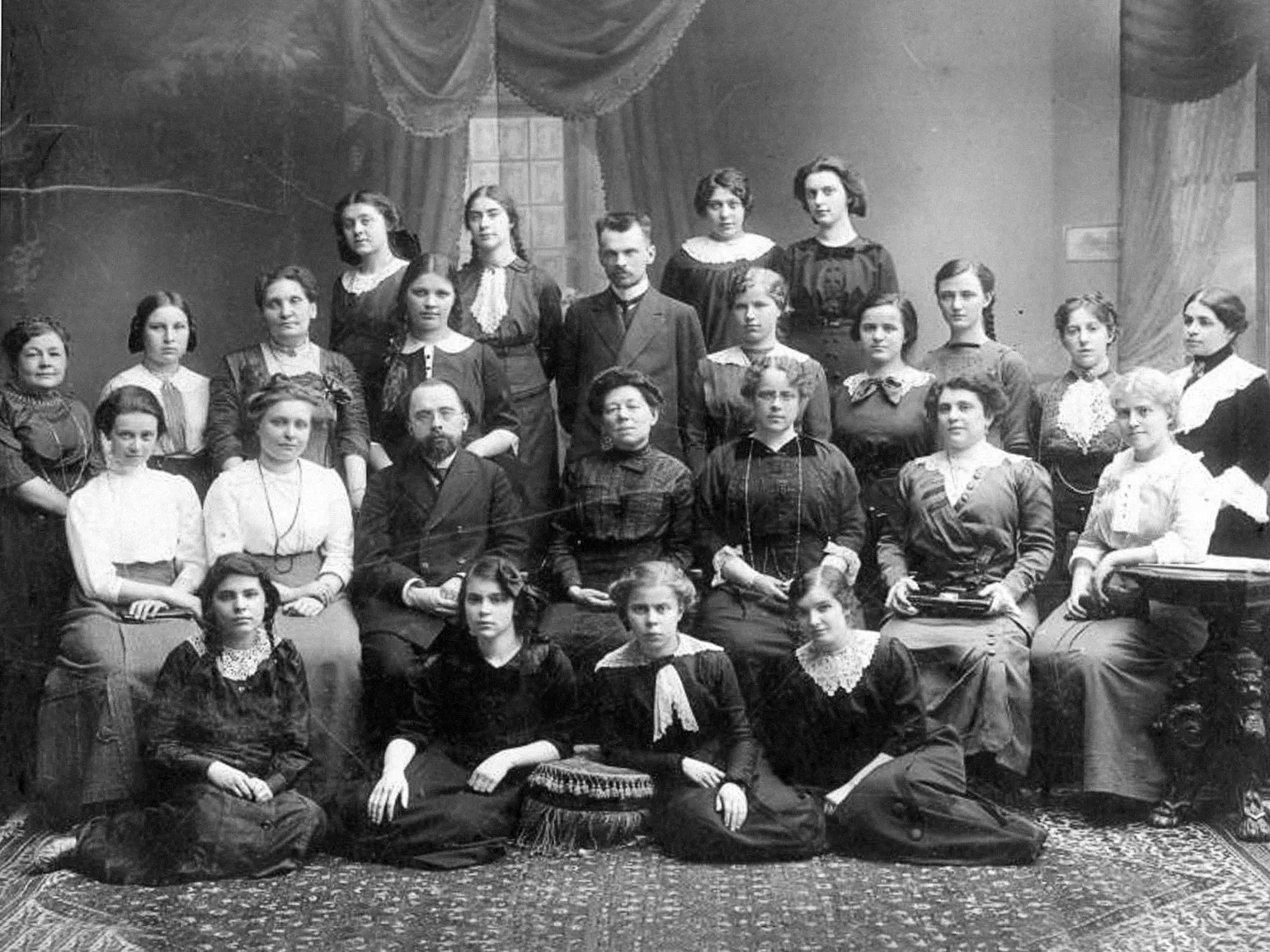
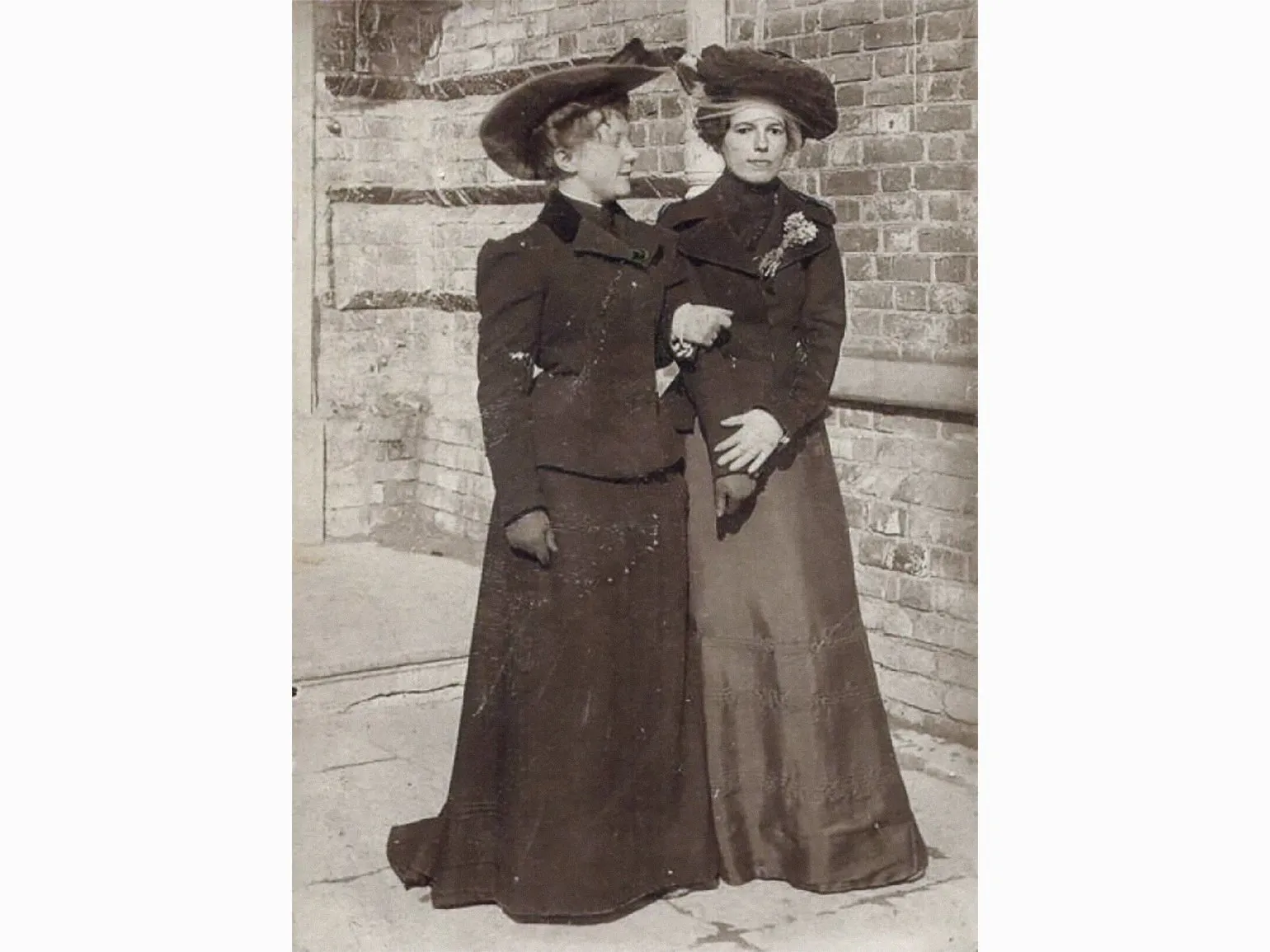
Even representatives of the privileged classes did not have passports. They could begin education only with the permission of their father, husband, or brother. Women did not have the same rights as men to work and economic independence. For example, they could not enter the civil service, and it was impossible to become a full-fledged doctor, since this required a university degree.
This meant that women had virtually no opportunities for self-realization outside of areas such as raising and teaching children, medicine (mainly as midwives and paramedics), unskilled labor, and various part-time jobs. Such restrictions significantly narrowed the horizons for women's activity and professional advancement.
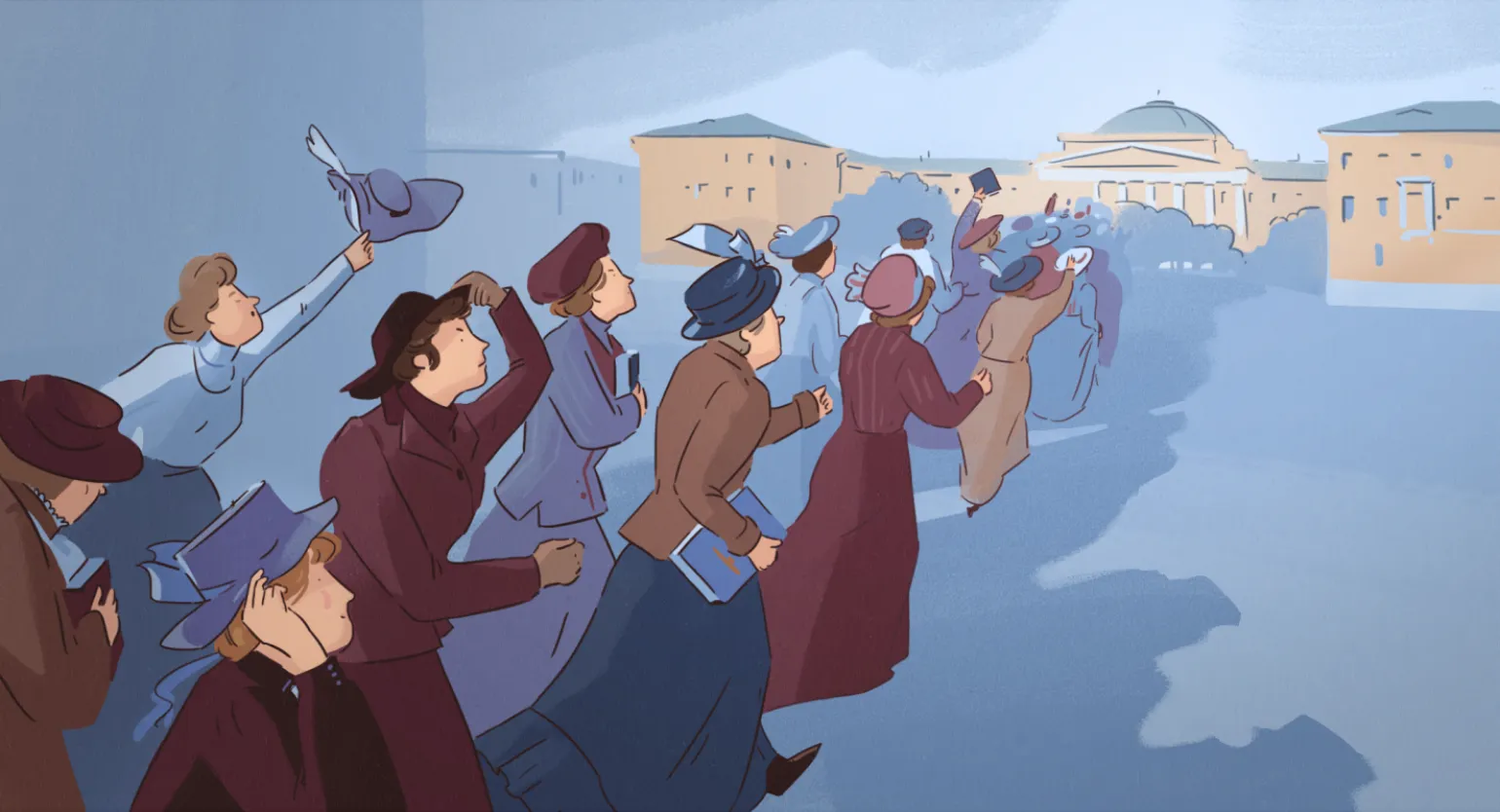
By the 1860s, women began to actively protest their second-class status in society. Their struggle for equal rights to university education and the opportunity to work in a profession continued for six decades. This movement became an important stage in the history of feminism and played a significant role in changing public consciousness about the role of women in society. Women sought not only education, but also professional self-realization, which ultimately led to changes in legislation and the improvement of their social status.
How women's struggle for the right to higher education began
In Russia, discussion of the "women's question" began in newspapers and at secular forums in the second half of the 1850s. This topic quickly gained relevance, especially in the context of women's access to higher education. The issue of education for women became an important aspect of public debate and contributed to changes in the social status of women in the country.
In 1871, women were allowed to enroll in the University of Helsinki. This step marked a significant moment in the history of education, although it was an exception due to the Grand Duchy of Finland's special status within the Russian Empire and its own legal system. In 1906, Finland took another significant step toward equality by becoming the first country in Europe to grant women the right to vote. This progressive approach to women's rights became a model for other countries and influenced the further development of the feminist movement in Europe. In the mid-19th century, women began actively seeking access to universities for several reasons. First, significant social changes were taking place at the time, promoting an increased role for women in society. Second, a growing desire for education and professional advancement encouraged women to demand equal rights with men, including the right to higher education. Education began to be seen as the key to independence and an opportunity to influence social and economic conditions. These factors, combined with a number of social movements, created fertile ground for women's intensified struggle for their rights in education.
The state structure of the Russian Empire increasingly clashed with developing social and political ideas, particularly those concerning individual freedom. At this time, nihilism began to gain popularity, one of its key ideas being the desire to "be oneself" regardless of social norms and boundaries. For example, many sought ways to free themselves from parental control, sometimes resorting to sham marriages. This desire reflected profound changes in society and people's desire to assert their individuality in the face of rigid traditions and prejudices.
This era was saturated with the struggle for individual liberation, especially for women. Educated women sought to free themselves from the traditional roles of governesses or hangers-on in families. Information about women's first steps in the workforce and manifestations of equality inspired the provinces, while the capitals, where these changes were taking place, were perceived as the promised land.
S. G. Svatikov, "Russian Student" (1860-1915), is a significant work that reflects the realities of the lives of female students in Russia in the late 19th and early 20th centuries. In this context, it is important to note that Svatikov's work provides a unique perspective on the social and cultural changes taking place in the country during this period. Ivanov's study, "Students in Russia in the Late 19th - Early 20th Centuries: Social and Historical Destiny," emphasizes how Svatikov's work helps understand the place and role of women in the educational system of that era. This work not only illustrates the fates of individual students but also serves as an important source for studying the women's education movement and its impact on society.
The country is seeing a rise in social movements aimed at democratization and women's equality. Activists are launching active educational work, striving to raise awareness of women's rights and their importance in society. These initiatives contribute to the formation of a more just and equal society where women's voices are heard and taken into account.

Read also about current topics that will help you better understand the issue under consideration. Our materials contain useful information and tips that you may find interesting and useful. Be sure to review them to gain a full understanding of the topic.
There was a time 150 years ago when Narodnik students opened secret schools in an effort to spread knowledge among the people. These educational institutions became an important element in the struggle for education and social change in Russia. Young people, inspired by Narodnik ideas, understood that education was the key to improving the lives of the peasantry. They organized classes in various subjects, including history, mathematics, and literature, to enable ordinary people to develop their knowledge and skills. Secret schools became a symbol of resistance and hope for a better future for many. These efforts of Narodnik students played a significant role in shaping educational traditions and raising awareness of the importance of knowledge in society.
In the second half of the 19th century, life forced many women to seek paths to independence. After the abolition of serfdom, many noble families faced financial difficulties. As a result, a large number of educated, unprofessional women emerged, needing to provide for themselves and sometimes care for elderly parents or younger siblings. This period became a catalyst for changing women's roles in society and facilitated their entry into the labor market.
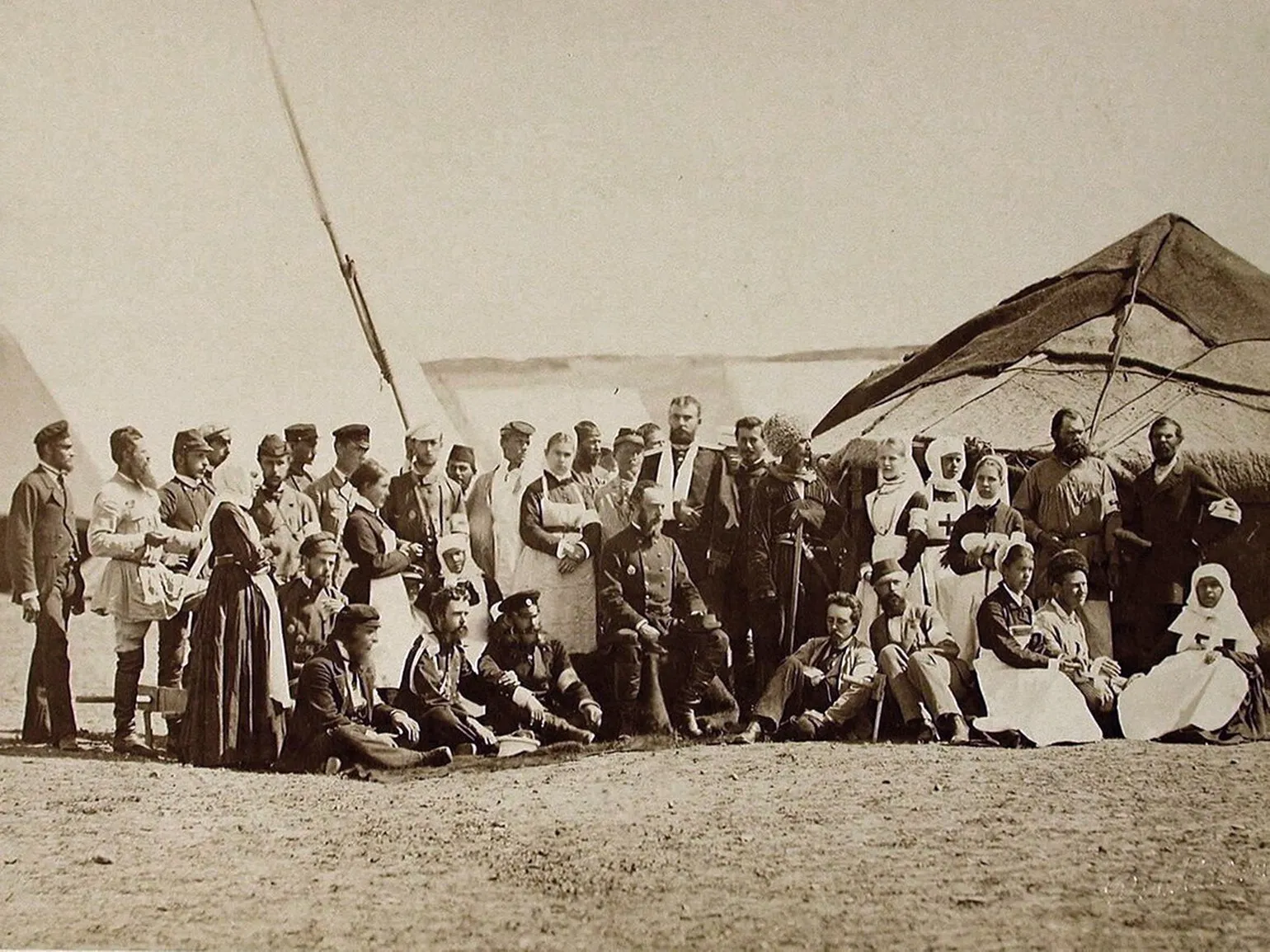
The experience of the Crimean War (1853–1856) had a significant impact on public perceptions of women's roles. During this conflict, women actively participated for the first time as nurses, demonstrating their dedication and professionalism. Their contribution to medical care and caring for the wounded was an important step towards recognizing the role of women in society, which helped change stereotypes and strengthen the position of women in various spheres of life.
Важным фактором было влияние примера развитых западных стран, которое наблюдала российская образованная элита. С шестидесятых-семидесятых годов XIX века во Франции, Швейцарии, США, Германии и Италии женщины имели возможность получать высшее образование, становясь бакалаврами и затем докторами наук. Это стало стимулом для изменения взглядов на роль женщин в образовании и науке в России, что способствовало их активному вовлечению в образовательные процессы и научную деятельность.
Многие ожидали, что реформы Александра II приведут к либерализации и улучшению порядка в университетах. Эти изменения должны были способствовать развитию образовательной среды, обеспечивая более свободный обмен идеями и мнениями. Реформы затрагивали не только структуру учебных заведений, но и методы преподавания, что в конечном итоге могло привести к более качественному образованию и подготовке студентов.
Женщины активно добивались возможности учиться наравне с мужчинами. Это стремление находило поддержку среди демократически настроенных студентов и либеральных профессоров. Образование для женщин стало важным шагом к равенству в обществе, способствуя не только их личностному развитию, но и прогрессу всего сообщества.
Университетский устав, действовавший с 1835 года, не содержал прямого запрета на посещение высших учебных заведений женщинами, но и не предоставлял им официального разрешения. Пользуясь этой неясностью, некоторые университеты начали допускать девушек на лекции в статусе вольнослушательниц. Вольнослушатели представляли собой отдельную категорию учащихся: они, как и полноценные студенты, оплачивали свои занятия, однако не имели права на получение диплома без специального разрешения для сдачи экзаменов. Это открытие образовательных возможностей для женщин стало важным шагом к их дальнейшему вовлечению в высшее образование и расширению прав.
В Петербурге, Харькове и Киеве стартовали «женские походы» в университеты. Эти события привлекают внимание общественности и подчеркивают важность образования для женщин. Участницы стремятся получить доступ к знаниям и расширить свои возможности в профессиональной сфере. Такие инициативы помогают изменить стереотипы и способствуют равенству в образовательной среде. Важно поддерживать движение, направленное на улучшение условий для женщин в высшем образовании.
Первой женщиной, которая начала обучение на юридическом факультете Петербургского университета, стала 19-летняя Наталья Корсини. В 1860 году она начала посещать лекции под руководством профессора Константина Дмитриевича Кавелина. Его влияние в совете университета оказалось значительным: благодаря этому Наталья смогла стать вольнослушательницей, что в то время было настоящим прорывом. Появление девушки в мужском учебном заведении воспринималось как смелый шаг, и для её сопровождения в аудиторию назначали ректора или преподавателя. Этот исторический момент открыл новые горизонты для женщин в высшем образовании и стал символом борьбы за равные права.
За Корсини последовали и другие выдающиеся женщины, такие как Надежда Суслова, Мария Бокова, Антонина Блюммер и Мария Коркунова. Многие из них стали первыми женщинами-врачами в России. Интерес к медицинскому образованию среди девушек был обусловлен тем, что государственная служба для женщин была закрыта, и докторская практика в то время представляла собой одну из немногих доступных свободных профессий. Однако их интересы не ограничивались только медициной; вольнослушательницы стремились развивать свои знания и в других областях.
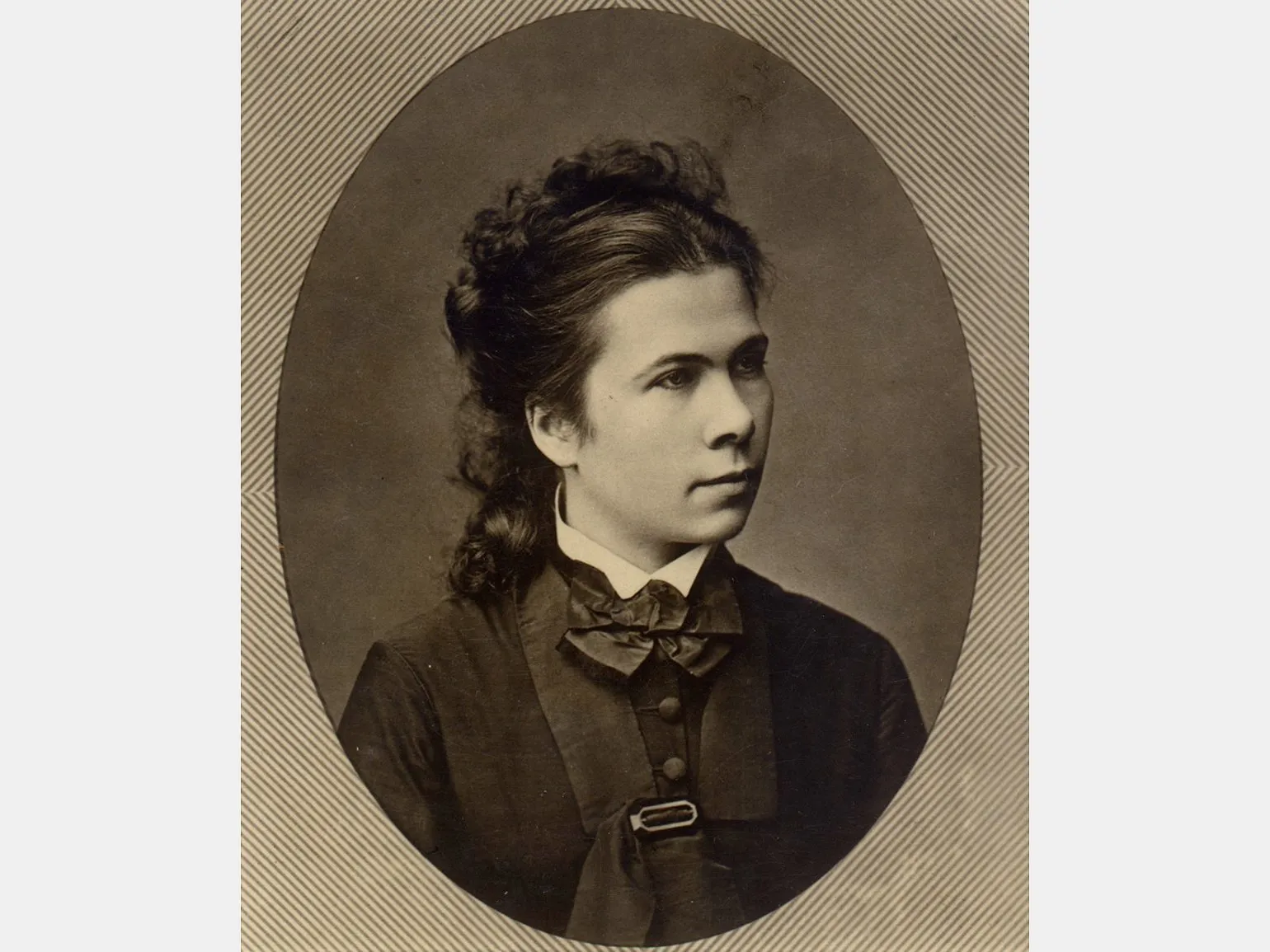
Некоторые девушки регулярно посещали лекции, сосредотачиваясь на определённой области, например, юриспруденции. Другие же предпочитали разнообразие и приходили на занятия различных известных учёных, чтобы расширить свои знания в разных сферах. Такое разнообразие подходов к обучению позволяет каждому выбирать наиболее подходящий стиль обучения и углубляться в интересующие темы.
Отношение к появлению женщин в университетских аудиториях варьировалось. Советы Харьковского и Киевского университетов выступали за полное уравнивание прав женщин и мужчин в области образования и получения научных степеней. В то же время, другие университеты высказывали резкое несогласие с этим. Московский и Дерптский университеты даже отказались принимать девушек в качестве вольнослушательниц. Такие противоречивые мнения свидетельствуют о том, как сложен был путь женщин к высшему образованию в разные исторические периоды.
В 1861 году в России произошли первые студенческие волнения, в которых участвовали вольнослушательницы, такие как Наталья Корсини. Многие из них были связаны с радикальными кружками, например, с организацией «Земля и воля». После раскрытия и преследования этой группы Министерство народного просвещения издало указ, запрещающий женщинам поступать в университеты. Эти события стали значимой страницей в истории образования и социальной борьбы женщин в России.
In 1863, the adoption of a new university charter finally shattered hopes for equality between men and women in education. Universities were declared exclusively male-only institutions, limiting women's access to higher education and hindering their professional development. This decision had a significant impact on the educational and social structures of the time and created long-term barriers for women in academia.
After this, women were admitted to universities only as an exception. In the 1864/1865 academic year, only one woman, Varvara Kashevarova, studied at the Faculty of Medicine at St. Petersburg University. Her admission was supported and financed by the Orenburg Governor-General, who needed a female doctor to provide medical care to the local Muslim population.
After the adoption of the new university charter, debates about higher education for women in Russian society did not subside. Opponents of women's presence in universities advanced arguments that are perceived as absurd and offensive today, but even then they provoked discontent among many. Questions about women's role in education and their right to higher education remained relevant and continued to spark public debate. E. F. von Bradke, an official in the Ministry of Education, argued that women lacked the physical and intellectual abilities necessary to study anatomy, medicine, law, or philology. He believed that women's natures were unsuited to the demands of these disciplines due to their complexity and strict logic. This view reflected outdated stereotypes about women's potential in science and education. It is important to reconsider such attitudes and recognize that women are capable of achieving high results in any field of knowledge, including medicine, law, and philology.
Professor P. I. Georgievsky of St. Petersburg University expressed concerns that the introduction of female student admission could contribute to an increase in the number of premature and unequal marriages, and also negatively impact the stability of family relationships.
There were concerns that women would take places at universities that, in the opinion of some, should belong to men, supposedly better prepared and more deserving of the right to admission. This was expressed, in particular, by Professor G. F. Voronoi of the University of Warsaw. Such opinions reflect outdated stereotypes about gender roles in education and emphasize the importance of equal access to higher education for all, regardless of gender.
Some expressed concern about the future of science.
The moral character of the majority of students still retains certain problems. The rapprochement of different social groups within the walls of higher education institutions can negatively affect both the students themselves and the educational process. As a result, educational institutions can turn into places of unrest and conflict, and scientific research and educational achievements will be relegated to the background. It is important to ensure harmonious interaction between students to create a favorable educational environment.
Professor G. A. Timme, in his address to the Ministry of Public Education, raised important issues concerning the educational system in Russia in the late 19th - early 20th centuries. In this context, he emphasized the need to reform educational institutions and improve conditions for students. His ideas became significant for shaping the socio-historical fate of students during this period. In the work of Ivan A. E. "Students in Russia in the late 19th - early 20th centuries. Socio-historical fate" The book examines key aspects related to the impact of educational reforms on young people, as well as their role in the social changes of the time.
Representatives of the anti-women's camp, according to Professor V. M. Khvostov, expressed concerns that with the attainment of equal rights, women could lose their unique qualities and become more like men. These fears underscore deep-seated stereotypes about the role of women in society and the perception of gender differences. It is important to understand that equal rights do not mean the loss of individuality, but, on the contrary, open up new opportunities for self-expression and development.
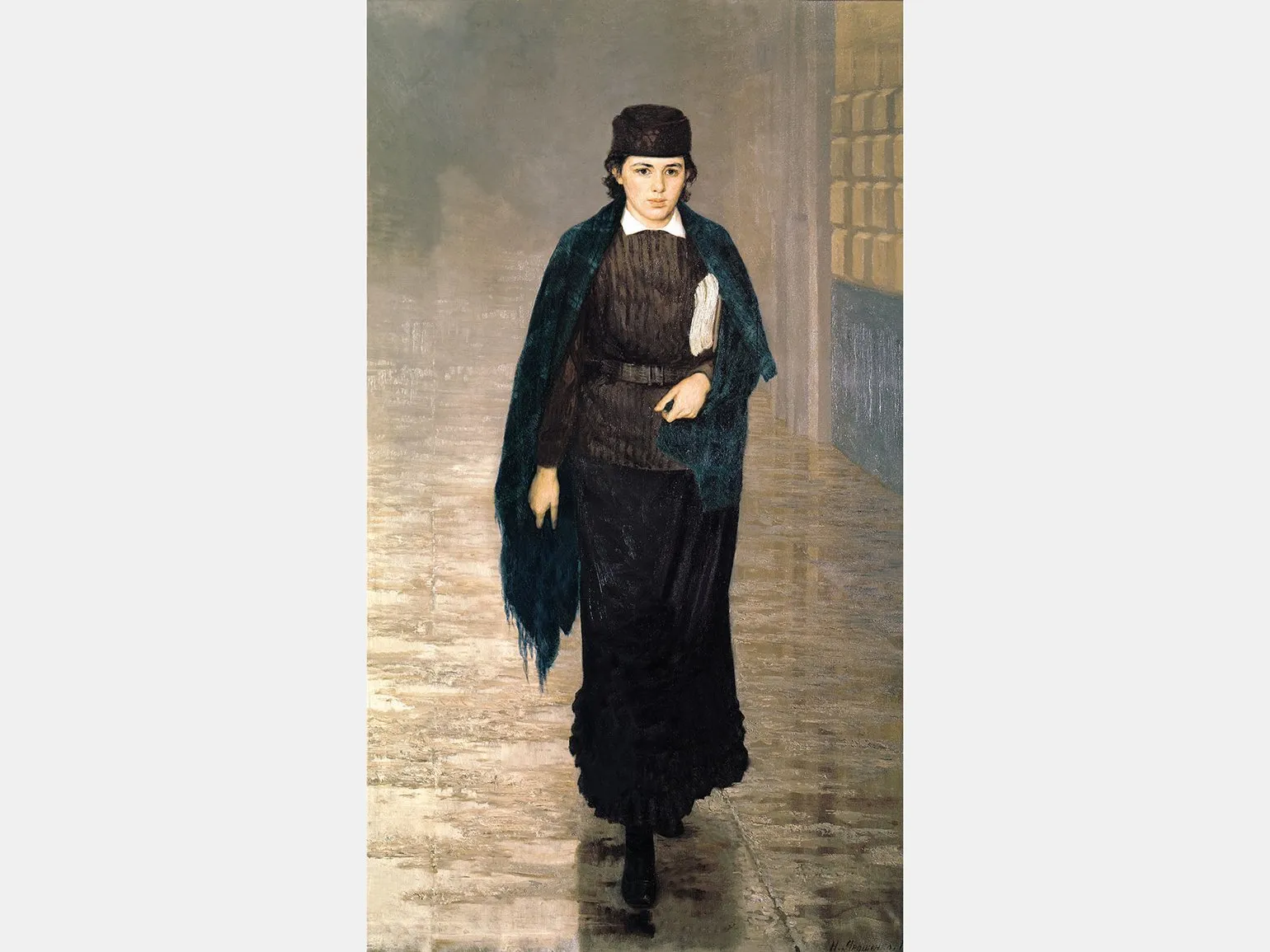
Proponents of female education considered all arguments against it unconvincing and viewed women's education as an important benefit to society. Female education opens up new opportunities and contributes to the development of not only the women themselves, but also of society as a whole. Investment in the education of girls contributes to the improvement of social and economic conditions, raising the standard of living and creating a more equal society.
Education is an important aspect for women, and its opportunities should not be limited. A woman should have equal opportunities with a man, since this will give her strength that will be useful in various spheres of life and enhance her inner dignity. An educated woman, possessing developed mental interests and independent thinking, is capable of making a significant contribution not only to physical work, but also to intellectual spheres. This creates a true benefit for the society in which she finds her place, diversifying it with her talents and callings.
M. In his work "On Women's Education," published in the Moskovskie Vedomosti newspaper on August 31, 1873, N. Katkov examines the importance of education for women in late 19th-century Russia. Katkov emphasizes that quality education is key to the development of the female personality and its role in society. The work also touches on the social and cultural aspects that influence women's education, as well as the need for reform in this area. The study of this issue is also relevant in the modern context, allowing us to understand how women's place in society has changed and how education has become an important tool for achieving equality. Quoted from: A. E. Ivanov in his book "Students in Russia in the Late 19th - Early 20th Centuries: Social and Historical Fate." Despite the clear position of the tsarist government, activists continued their attempts to secure the right to attend universities. They organized congresses, wrote petitions, and personally appealed to education officials, but all efforts proved fruitless. These persistent actions demonstrated women's desire for education and equality, which in turn underscored the importance of the discussion of women's rights in Russia at that time.
In 1867, women from cities such as St. Petersburg, Smolensk, Moscow, Tiflis, Kyiv, Yekaterinoslav, and Kerch appealed to the Ministry of Public Education with a request to be allowed to study at universities. The Minister of Education, D. A. Tolstoy, met with representatives of this movement, but their initiative did not lead to positive results.
The minister noted the lack of funding and expressed the opinion that women did not need education, since they would eventually get married, and all knowledge would lose its meaning. In response, he was presented with signatures under a note arguing that such views were meaningless. "These are just words that have no meaning. People do not care what is happening around them, only the news is important to them - that's all," the document read.
N. V. Stasov shares his impressions of a conversation with the Minister of Public Education, D. A. Tolstoy. This conversation, reflecting important aspects of 19th-century educational policy, emphasizes the significance of education in the development of Russian culture. N. I. Yakovkina, in her work "History of Russian Culture: 19th Century," analyzes this dialogue in detail, highlighting key points regarding educational reforms. Stasov emphasizes the need to improve the educational system, which was crucial for the formation of Russia's cultural environment during that period.
The following year, journalist E. I. Konradi, together with D. I. Mendeleyev and I. M. Sechenov, initiated an appeal by 400 women to the administration of St. Petersburg University. They called for negotiations with the Ministry of Public Education with the aim of creating specialized joint courses. However, the authorities' response was that Russian women were not sufficiently prepared to study university programs. This situation highlights the problem of women's access to higher education in Russia and the need for changes in the educational system.
The authorities made a slight concession, permitting the establishment of higher female pedagogical and obstetric courses at the St. Petersburg Imperial Medical-Surgical Academy. These courses, later renamed the "Higher Women's Medical Courses," lasted only five years and were closed in 1881. The education received in these courses did not open up opportunities for career advancement, limiting women to the zemstvo institutions that emerged as a result of the liberal reforms of the 1860s. Zemstvo doctors and teachers, as a rule, faced low wages and often worked on enthusiasm, without receiving decent compensation for their work.
Faced with an acute shortage of doctors, teachers, and other specialists, Zemstvo councils actively advocated for granting women the right to higher education. This decision was an important step towards improving the quality of education and meeting society's need for qualified personnel. Recognition of the need to attract women to the professional sphere contributed to the development of the educational system and an increase in the standard of living in the region.
Women's access to higher education remained limited until the revolution of 1905-1907. However, women did not lose hope and continued to fight for their rights. In 1901, a group of 300 women appealed to the council of Tomsk University with a request to allow them to attend lectures together with students. However, this appeal did not receive the support of the rector.
Where could women study before the revolution?
When the state closed women's access to universities, they were left with two main ways to obtain higher education: studying abroad or enrolling in higher women's courses. However, such courses only began to open in the 1870s. This restriction created serious barriers for women seeking knowledge and led to the need to seek alternative avenues of education. As a result, the women's higher education courses played a significant role in women's education and facilitated their integration into academic and public life.
This option was available only to a select few—those with sufficient financial resources and family support.
In 1873, 103 Russian women were studying in Zurich. They also went to Berlin, Paris, and Königsberg for their education. However, obtaining a diploma in these countries was only the first step. In order for their diploma to be recognized in Russia, female graduates of foreign universities had to retake university course exams upon their return.
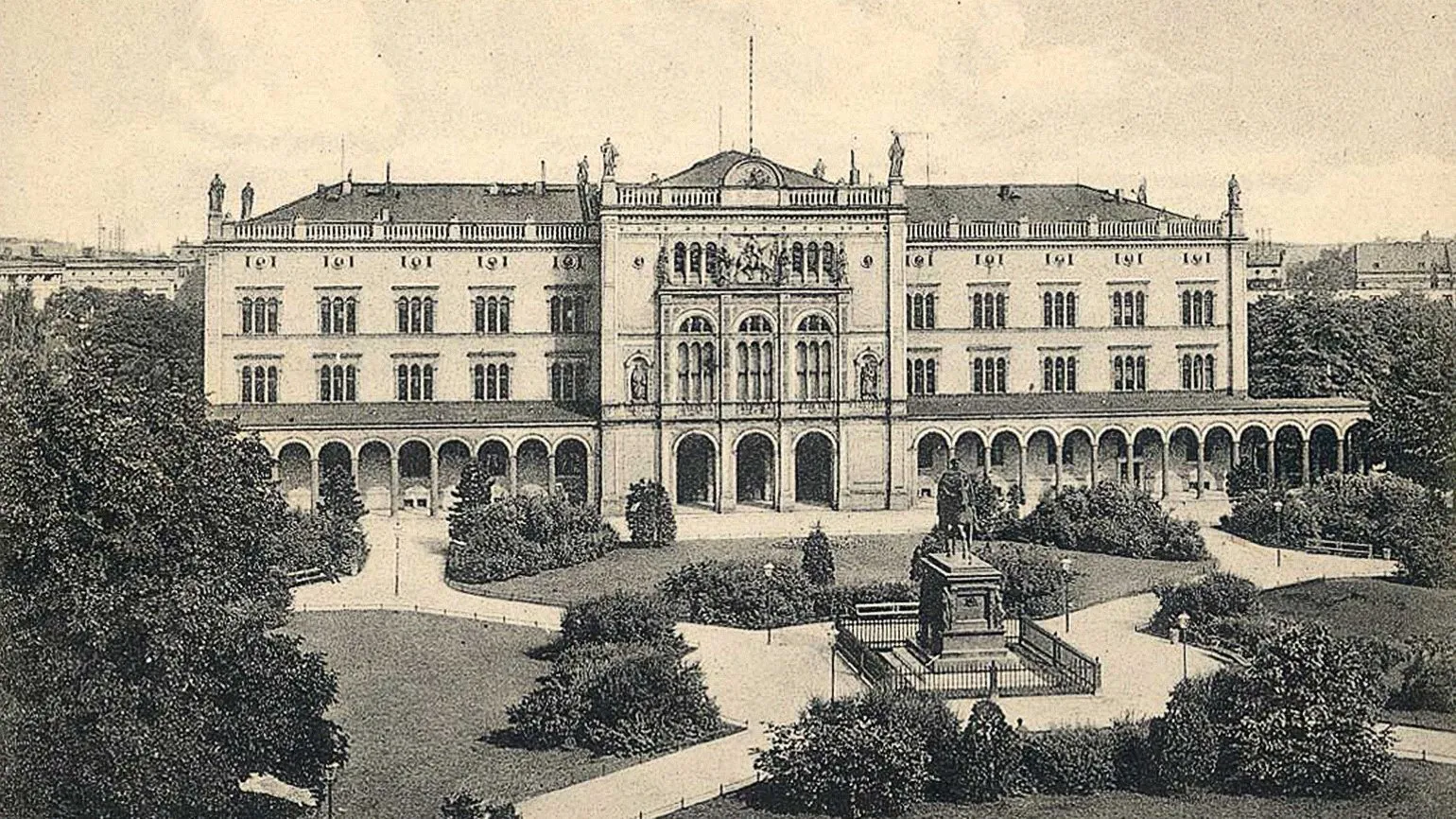
Such outstanding women as Sofia Kovalevskaya in mathematics, Nadezhda Suslova in medicine, Yulia Lermontova in chemistry, Sofia Pereyaslavtseva in zoology, and Anna Evreinova in law received doctoral degrees abroad. These achievements highlight the significant contribution of women to science and education, as well as their role in the development of various disciplines on the international stage.
The desire of young women to receive an education abroad was so strong that they sometimes traveled without sufficient financial means, hiding their intentions from their relatives and without completing secondary education. Unfortunately, not everyone was able to achieve their goal.
Russian authorities have drawn attention to the problem associated with female pilgrimages for education. Some Russian female students, while studying abroad, went beyond their academic interests and actively interacted with political émigrés. They even became members of the First International, an international workers' union. This behavior raised concerns among the authorities, as it could contribute to the spread of political ideas and the activism of social movements.
In 1873, a special commission was created, consisting of the ministers of internal affairs and public education, as well as the heads of the third and fourth sections of the Chancellery of His Imperial Majesty. The first section dealt with political investigation and censorship, while the second was responsible for charity. The commission decided to establish women's courses at universities, with a strictly defined historical and philological focus. These courses were intended to distract Russian women from the negative influence of Western higher education institutions, promoting the development of national education and the strengthening of traditional values in society.
Following this, a scandalous event occurred—an ultimatum from the Russian government. In the document, the authorities accused Russian women studying in Zurich of immoral behavior and demanded that all students abroad return to their homeland by January 1, 1874. This move caused a wide resonance and became a subject of public debate. The ultimatum reflected not only the political but also the cultural views of the time, raising questions about the role of women in education and society.
The girls were threatened with being unable to enter service in their field in Russia, which in reality was practically impossible. They were also prohibited from taking exams. During this time, they were persuaded that they would be able to obtain high-quality scientific knowledge in Russia. The decree was repealed only in 1886, 13 years later, after which female students from Russia began to enroll in Swiss universities again.
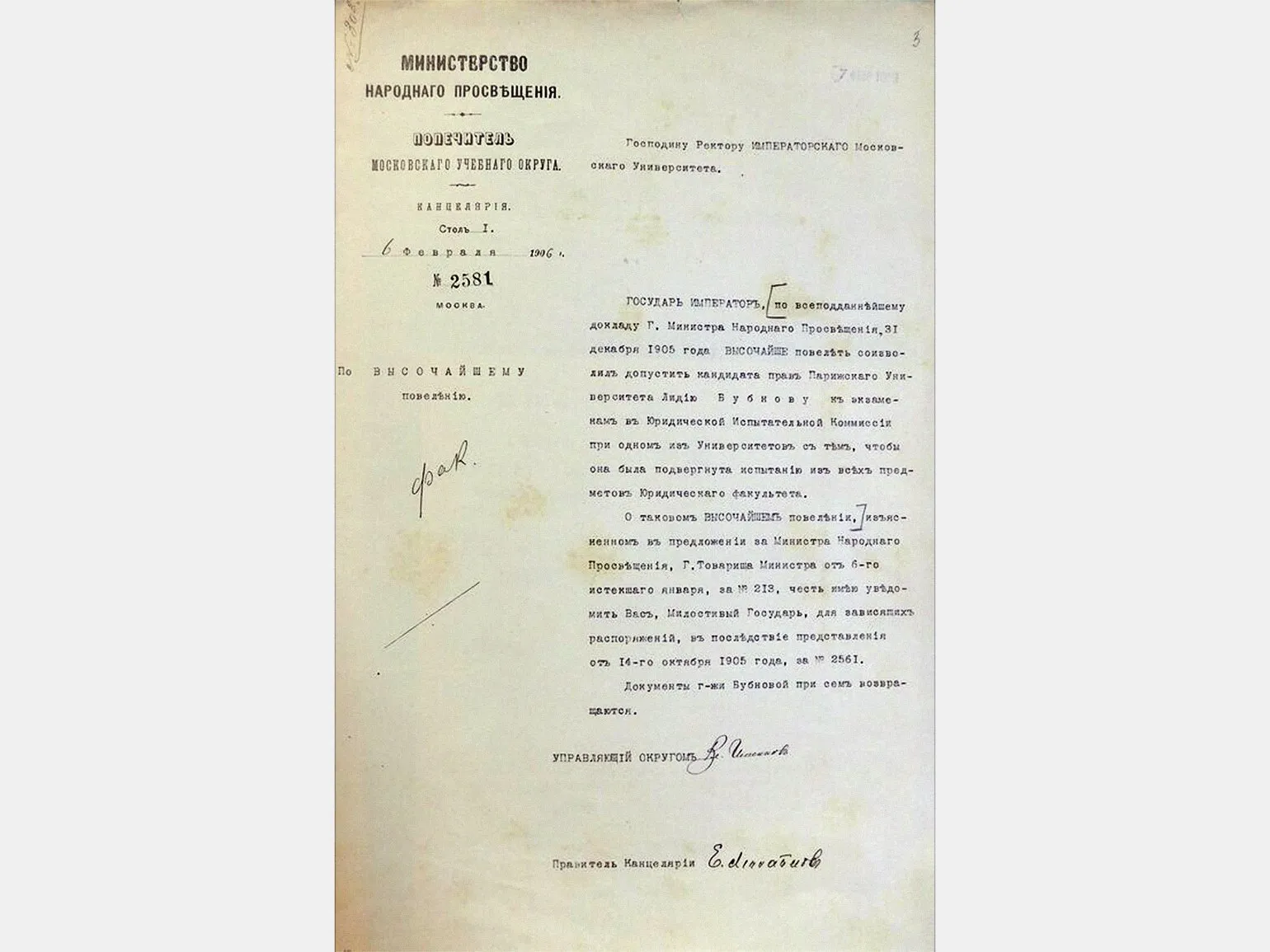
During the First Russian Revolution, which spanned the period from 1905 to 1907, many women studying abroad began to hope for the opportunity to complete their studies in their homeland. In connection with this, they began to submit imperial petitions requesting the opportunity to return and continue their education in Russia. This process became an important step in the struggle for women's educational rights and contributed to a change in public opinion about the role of women in society.
Allow me to congratulate you on the adoption of the constitution, which Your Imperial Majesty generously granted for the well-being of your subjects. I am a fourth-year student at the University of Bern and I feel deep regret and pain at having to leave my free homeland to study in a foreign country, especially with limited financial resources. I urgently request that you consider the possibility of enrolling me as a student at the University of St. Petersburg or another educational institution in the empire.
In this telegram, a Russian student addresses the Emperor, expressing her thoughts and feelings about the situation of students in the country. In this message, she raises important social and educational issues concerning the youth of that time. Student life in Russia in the late 19th and early 20th centuries was a time of significant change and social transformation. Young people strove for new knowledge and freedom, reflecting the general mood of society. This period is characterized by the active participation of students in public life and political movements, which, in turn, influenced their fate and the future of the country. The research presented by A.E. Ivanov allows for a better understanding of the socio-historical context of the student body and its role in shaping new social ideas.
The response to such appeals was always unambiguous: "The law does not allow women to enter university."
Many women educated in Europe never returned to Russia. A case in point is Sofya Kovalevskaya, who successfully pursued a scientific career and taught abroad. Ее достижения вдохновили многих и продемонстрировали потенциал женщин в научной сфере, что стало значимым вкладом в развитие образования и науки в России.
С конца шестидесятых годов XIX века начали возникать курсы, которые стали альтернативой недоступным университетам и ответом на запросы женских обществ. Первые образовательные учреждения такого рода, Лубянские курсы в Москве (открыты в 1869 году), а также Аларчинские (1869–1872) и Владимирские курсы (1872–1877) в Петербурге, предоставляли возможность обучения как для мужчин, так и для женщин. Учебные программы этих курсов были ближе к уровню средних учебных заведений. Среди курсов, ориентированных исключительно на женщин, выделялись московские курсы профессора В. И. Герье, открытые в 1872 году, и Высшие женские курсы в Петербурге, известные как Бестужевские, которые начали свою работу в 1878 году. В 1876 году правительство разрешило открытие курсов и в других университетских городах, что привело к появлению новых учебных заведений в Казани и Киеве. Эти курсы сыграли важную роль в образовании женщин и способствовали развитию их прав и возможностей в обществе.
На эти заведения почти сразу начали нападать противники женского образования, включая некоторых чиновников. Их критика подрывала доверие к инициативам, направленным на расширение образовательных возможностей для женщин. Это противостояние подчеркивало существующие предвзятости и ограничения, с которыми сталкивались женщины в стремлении к образованию.
В официальном докладе, представленном императору, отмечалось, что курсы Герье «не обладают завершённой структурой и, несмотря на свою полезность, едва ли достигают поставленных целей». На тот момент данное учреждение функционировало менее года. Аналогичную оценку получили ещё не открытые Бестужевские курсы от чиновников в сфере просвещения.
Курсы представляли собой частные учебные заведения, и их завершение не предоставляло никаких официальных прав. Выпускницы не получали дипломов или специальностей, поэтому обучение проходило в основном для личного развития и самообразования.
Учеба была платной, стоимость составляла от 50 до 150 рублей за полугодие. Многие девушки жертвовали своими средствами и испытывали финансовые трудности. Около 40% студенток питались в основном простыми блюдами, такими как суп и каша, стоимость которых была минимальной. При этом 12,7% из них не могли позволить себе полноценный обед каждый день.
Приезжие из провинции, оплатив 50 рублей за полугодие, часто остаются с небольшими суммами в кармане. Многие студентки не имеют теплой одежды или качественной обуви, о покупке необходимых учебных материалов не может быть и речи. Это приводит к активным поискам способов заработка. В газетах появляются объявления от слушательниц, предлагающих уроки, услуги переводчиков, корректоров и счетоводов. Как только появляется возможность заработать хоть немного денег, не бросая учебу, студентки спешат воспользоваться ею. Многие из них работают по 12–14 часов в сутки: утром на курсах, а вечером на различных подработках, что позволяет им улучшить свое финансовое положение. Однако есть и те, кто, несмотря на все усилия, не может найти работу.
Из записки «Общества для доставления средств высшим женским курсам» следует, что данный документ отражает важные аспекты развития женского образования в России в XIX веке. В это время женские курсы становились все более востребованными, что способствовало повышению уровня образования женщин и расширению их возможностей в обществе. Важность финансирования таких учебных заведений подчеркивает стремление общества к обеспечению равного доступа к знаниям для женщин, что в свою очередь способствовало их социальной активности и участию в культурной жизни страны. История русской культуры того времени неразрывно связана с вопросами образования и роли женщин, что делает изучение таких материалов особенно актуальным для понимания социальных изменений в обществе.
Курсы функционировали исключительно на общественные средства, включая оплату за обучение, ведомственные финансирования, такие как от городских дум, и частные пожертвования. В результате, финансовое состояние этих учебных заведений часто оставалось на уровне, сопоставимом с материальным положением самих курсисток.
Преподаватели нередко работали без оплаты, а порой даже вкладывали собственные средства в развитие курсов. Существовала острая нехватка помещений, необходимого оборудования, мебели и учебных материалов, включая книги и пособия. Часто случалось, что студентки записывали лекции, находясь на коленях перед стульями, что подчеркивало сложные условия обучения.
Некоторые курсы арендуют помещения ночных клубов, что заставляет воспитанниц по утрам убирать последствия ночных вечеринок перед началом занятий.
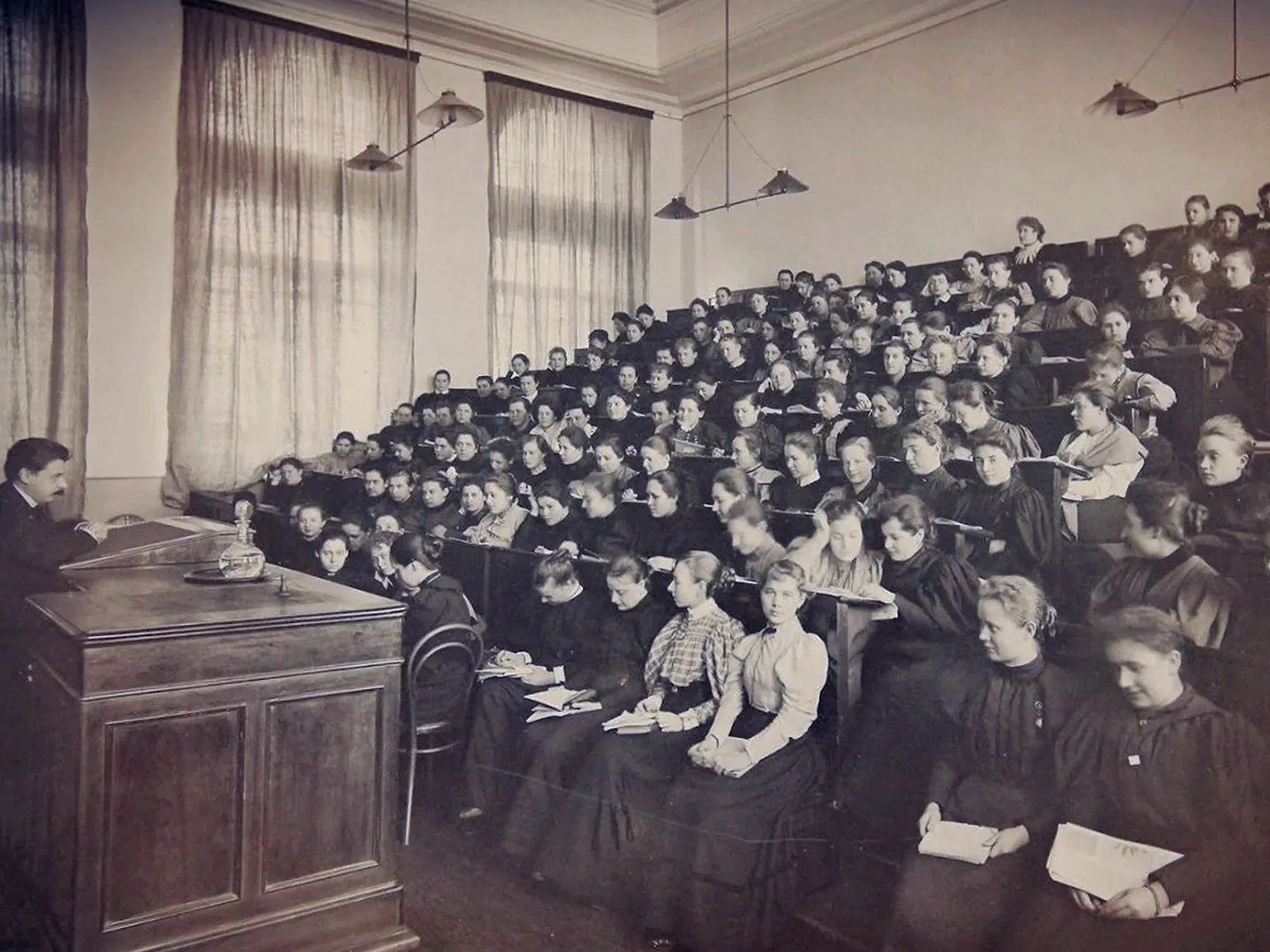
Лекторы на курсах часто отличались высоким уровнем профессионализма. Например, химию на Аларчинских курсах преподавал Д. И. Менделеев, а историю на Владимирских и Лубянских курсах читали Т. Н. Грановский и В. О. Ключевский. На курсах Герье занятия вели профессора Московского университета, тогда как на Бестужевских курсах преподавали специалисты из Петербургского университета. Такой состав лекторов способствовал качественному обучению и углубленному усвоению материала студентами.
Despite efforts to preserve the courses, they soon encountered obstacles from the authorities. In the late 1970s and early 1980s, Minister of Public Education D. A. Tolstoy banned the creation of similar educational institutions in other cities, such as Odessa, Warsaw, and Kharkov. In 1886, student admission to the existing courses was suspended, and the last graduates completed their studies in 1888. This was a significant step backwards for the educational system of the time.
This was due to the spread of freethinking ideas related to democratization and equality among the female students. These ideas significantly influenced the formation of new views and approaches to social issues, facilitating the discussion and promotion of the values of equality and freedom.
Soon, high-ranking authorities began receiving requests to restore the work of women's educational institutions. In 1889, representatives of the Bestuzhev Courses and the Guerrier Courses appealed to the Ministry of Public Education with a request to resume educational activities for women. This was an important step towards improving women's access to education and professional development. Fearing increased social tension, the government decided to continue the operation of the first educational institutions, but only under the conditions established by the Ministry. As a result, new regulations were introduced: the rector was dismissed and tuition fees were increased. Nevertheless, the number of students studying under Bestuzhev's program continued to grow every year. Authorities continued to exercise rigidity in matters of education. Guerrier's Moscow courses prevented the restoration of the educational process to the previous 11 years—before 1900. Petitions from other university cities were regularly rejected by officials. Only under the influence of the revolutionary events of 1905 did the government give the green light to the opening of private higher education courses. As a result, 72 such educational institutions were founded in various cities, but only 59 of them continued to exist by 1917. Of these institutions, 30 were exclusively female, while the remaining 29 had a mixed student body, with female students making up the majority. These changes in the educational system reflected the broader social transformations of the time and opened up new opportunities for women to obtain higher education.
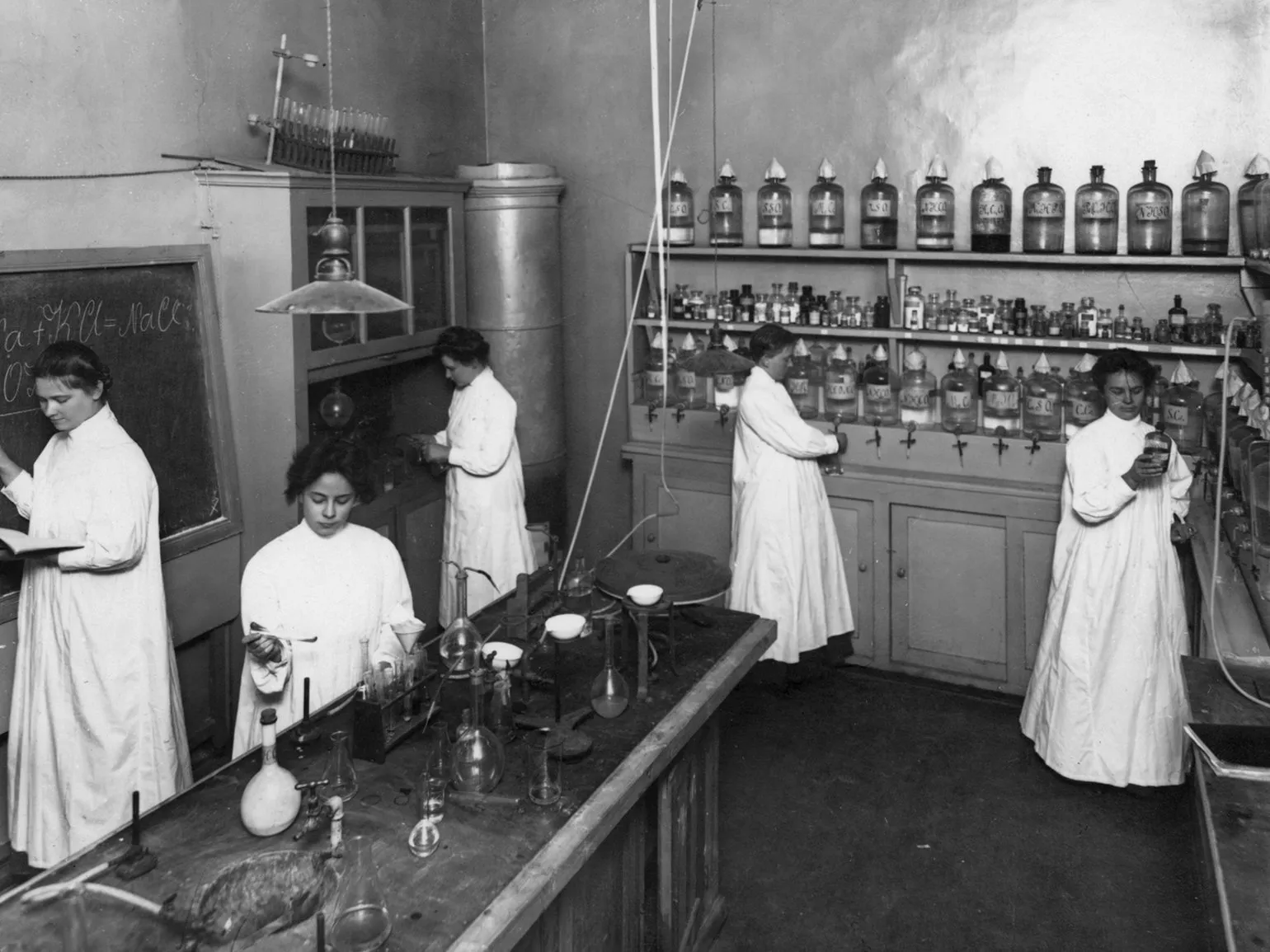
Female students received an education in both traditional university disciplines such as history, philology, physics, mathematics, and medicine, as well as more practical areas, including agronomy, engineering, and commerce. The Faculty of Law was founded only in 1906 at the Bestuzhev Courses, and later at V.A. Poltoratskaya's private higher women's courses in Moscow. The teaching was carried out with a high level of diligence and responsibility.
All professors and teachers express admiration when observing the female students' classes. Their zeal and serious attitude toward study are a distinctive feature of all female students. In this regard, they significantly surpass their male colleagues. This demonstrates high motivation and dedication, which makes their education more effective and productive.
Professor E. L. Zubashev, in an article published in the newspaper "Sibirskaya Zhizn" in 1912, shares his observations of the students of the Siberian Higher Women's Courses in Tomsk. In his analysis, he emphasizes the importance of higher education for women in Siberia at the beginning of the 20th century. This topic is examined in detail in the study by E. F. Kuzminova and S. A. Nekrylov, "Higher Women's Education in Siberia at the Beginning of the Twentieth Century," published in the journal "Problems of Education." The importance of this material lies in its illumination of the development of women's education in the region and its impact on social and cultural changes in society.
For a long time, efforts aimed at education did not yield tangible results. The courses did not allow students to obtain a full diploma, and the only prospect remained the possibility of further study abroad. Professors at the Bestuzhev Courses identified the most talented female students, offering them the opportunity to complete their education and earn a degree outside the country. Initially, such trips were unfunded, limiting access for students with limited financial means. However, over time, they began to be covered, opening new horizons for talented young women. Graduates of the Bestuzhev Courses were given the opportunity to teach in the senior grades of girls' gymnasiums from 1904. From 1906, this right was expanded, and they were also able to teach fourth-grade classes at boys' educational institutions. This significant achievement contributed to an improvement in the quality of education and expanded opportunities for women in the teaching profession. In 1910, the State Council officially recognized the Bestuzhev Courses as an institution of higher education, granting them status comparable to universities. This was a significant step forward, although it did not completely resolve the issue. Completion certificates from the Higher Women's Colleges were equal to university graduation certificates, but remained inferior in status, as they did not correspond to diplomas.
Since 1911, with special permission from the minister, female students had the opportunity to take state examinations at St. Petersburg University. To do this, they had to pass additional tests according to the program of male gymnasiums. The exams covered all the compulsory subjects stipulated by the faculty curriculum during the course of study. This process became an important step towards ensuring equal educational opportunities for women in higher education.
Of course, I am ready to help you with the text editing. Please provide the original text you wish to change.
According to the law of 1911, graduates of women's courses, whose curricula were officially recognized as equivalent to university ones, were given the opportunity to take "final examinations" before state commissions at universities on an equal basis with male graduates. To do this, each graduate had to obtain special permission from the ministry. In addition, girls were required to pass all required courses included in the faculty's curriculum during their years of study, as well as pass exams according to the curriculum of boys' gymnasiums. These measures marked a step toward equality in education and opened the door for women to enter higher education.
The appearance of women on university examination boards, where students took exams, raised an interesting issue. Nadezhda Platonova, wife of the renowned historian S. F. Platonov, mentioned this in her diaries in 1915. This fact highlights important changes in the educational system and public perception of the role of women in higher education. The inclusion of women on university boards not only changed the dynamics of the examination process but also opened up new opportunities for equality in the academic environment.
Students have expressed dissatisfaction with women on university examination boards, claiming that they seem to set higher standards for exams. This means that women prepare more thoroughly and hold students to higher standards of knowledge. In her diary, covering the period from 1889 to 1921, N. N. Platonova provides a unique perspective on the events and changes taking place in Russia at the beginning of the 20th century. This work represents valuable historical evidence that can be useful both for researchers and for the general public interested in modern Russian history. Published in Ryazan in 2020, the edition contains carefully compiled materials that help better understand the cultural, social, and political processes of that time. Platonova's diary is not only a document of her personal life, but also an important source of information about significant events that shaped the face of modern society.
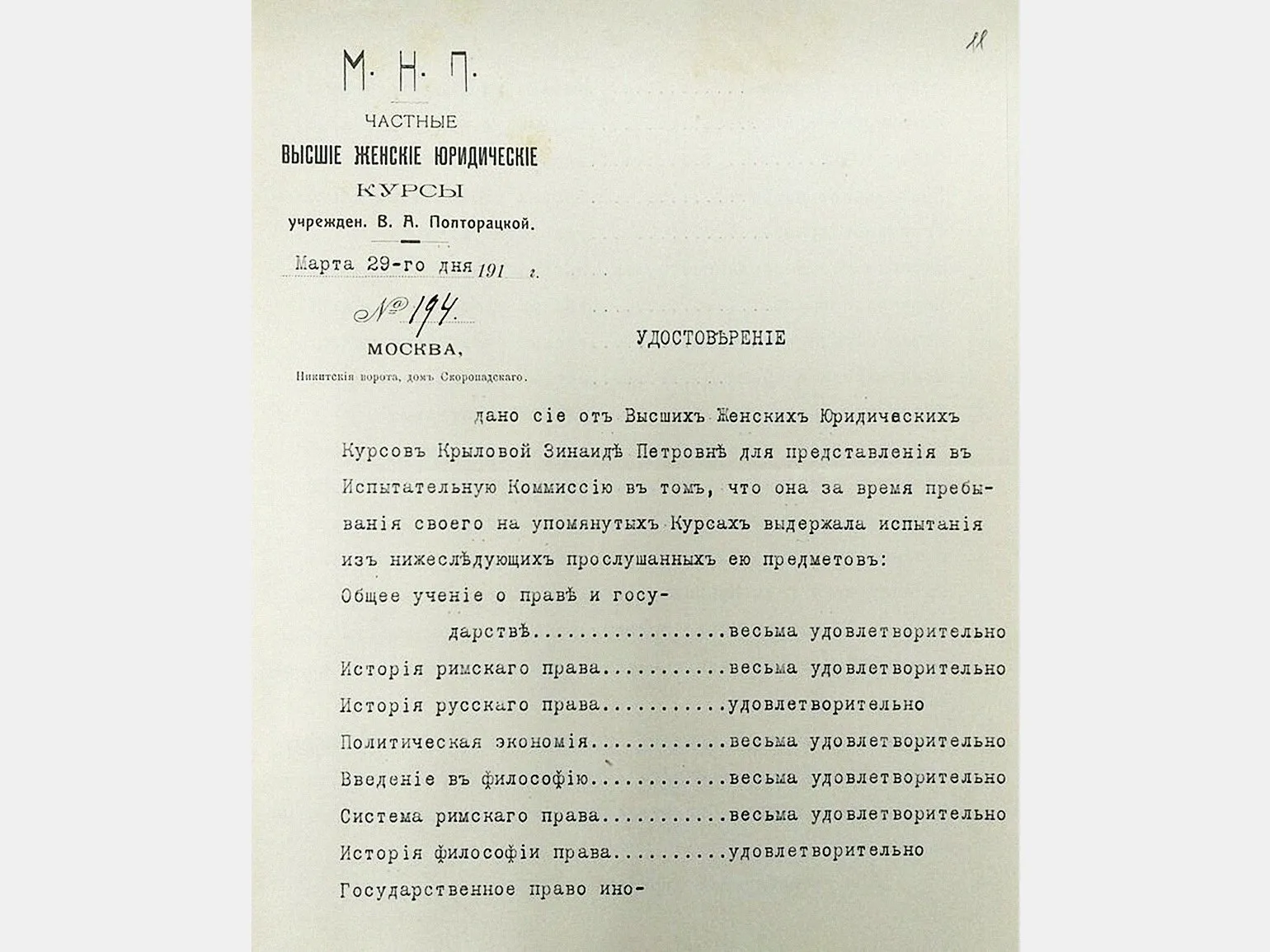
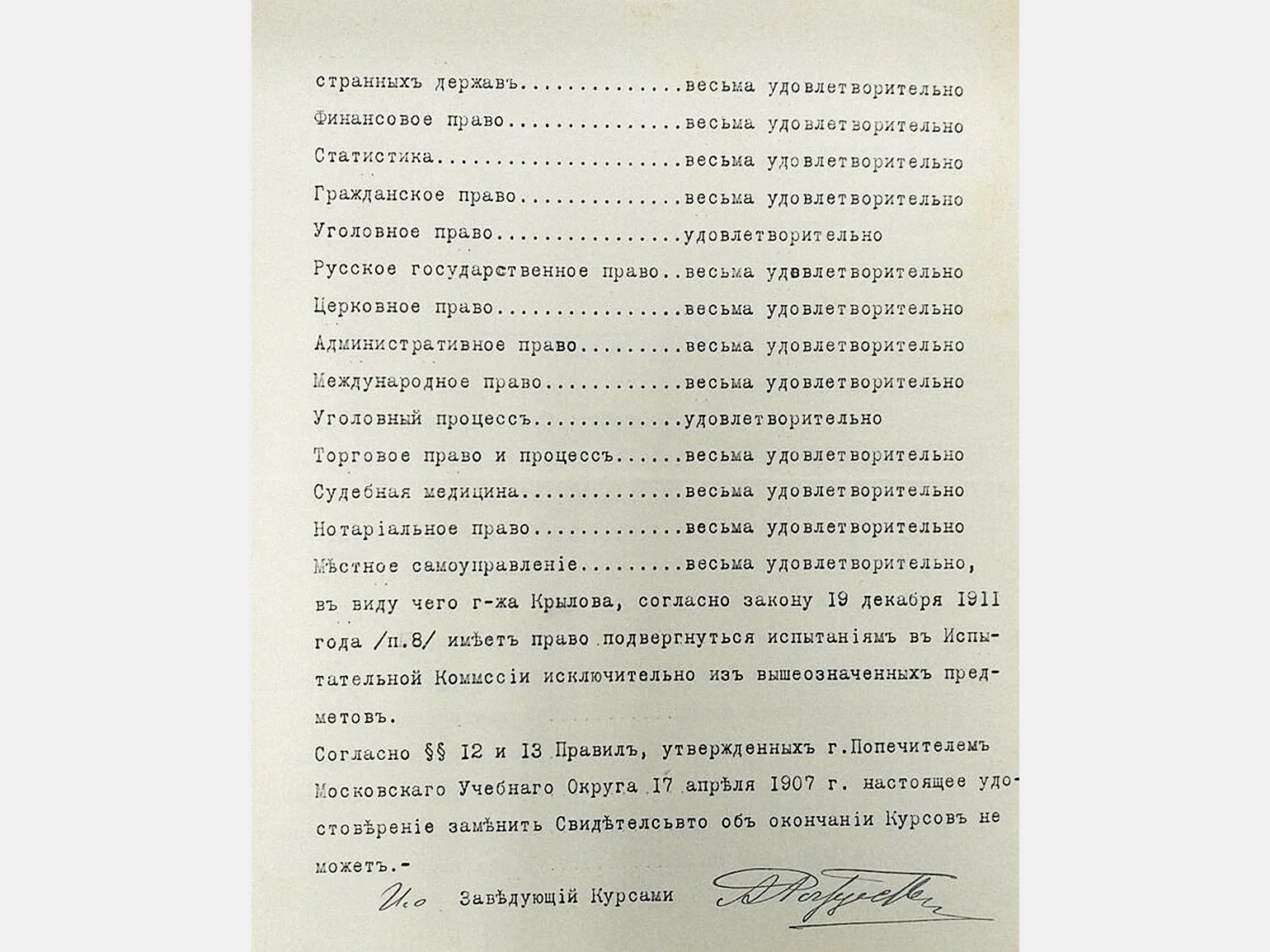
After successfully passing the exams, women received a diploma and the corresponding title, which allowed them to enjoy certain rights and benefits associated with diplomas from male-only educational institutions, with the exception of service and class privileges. This meant that, despite possessing a diploma, women were still prohibited from holding government positions or working in professions such as lawyers. However, they could find employment in private enterprises, handling documents and bookkeeping. Some graduates became assistants or instructors in their courses, but most had to settle for low-skilled work, such as telephone and telegraph operators. These restrictions highlight the inequality in access to professional activities and career opportunities for women during this period.
Study also:
Teachers in the Russian Empire: standard of living and earnings
Teachers in the Russian Empire had a variety of income levels and living conditions, which largely Dependence on the region, the type of educational institution, and the educational level of the teachers themselves. In large cities such as St. Petersburg and Moscow, teachers' salaries were higher than in the provinces. However, even in these central regions, teachers often experienced financial difficulties.
The average salary of a gymnasium teacher ranged from 300 to 600 rubles per year, while primary school teachers could earn significantly less. An important aspect of a teacher's life was the availability of social benefits, such as housing and pensions, which were not always provided.
Teachers, especially in rural areas, often took on additional activities to provide themselves and their families with a decent standard of living. This could include private tutoring, work in manufacturing, or farming.
Educational reforms in the late 19th century, such as the introduction of compulsory primary education, also impacted teachers' working conditions. Teachers became more in demand, but this was not always reflected in their income.
Thus, the lives and earnings of teachers in the Russian Empire were complex and varied, reflecting the social and economic realities of the time.
Among the instructors of the women's courses, there were differing opinions regarding whether this education should provide not only knowledge but also professional rights. For example, Nadezhda Platonova described in her diaries the position of I.M. Grevs, Dean of the History and Philology Department of the Bestuzhev Courses. She noted that Grevs believed that his students should study "for the soul," and any opportunity to apply the knowledge gained in the courses in practical work evoked a negative reaction from him. This highlights the gap between educational goals and the demands of the practical world, which remains a pressing issue in modern education.
At the end of the Russian Empire, the first state educational institutions for women were opened in St. Petersburg—a medical institute in 1897 and a pedagogical institute in 1903, as well as the Higher Women's Theological and Pedagogical Courses in Moscow in 1914. Although these educational institutions could not compete with universities, they still provided women with the opportunity to gain professional qualifications. The pedagogical institute trained future teachers, and the theological courses trained instructors for women's diocesan schools. Graduates of the medical institute initially received the qualification of "doctor of women and children," which limited their opportunities in public service. However, they could conduct private practice and work in women's wards of hospitals. Since 1904, the situation has changed: female graduates of the institute began to have the right to work on an equal basis with men in medical institutions of all specialties and could apply for academic degrees in the field of medicine. This was a significant step towards ensuring equality for women in the professional sphere and improving their opportunities in medicine.
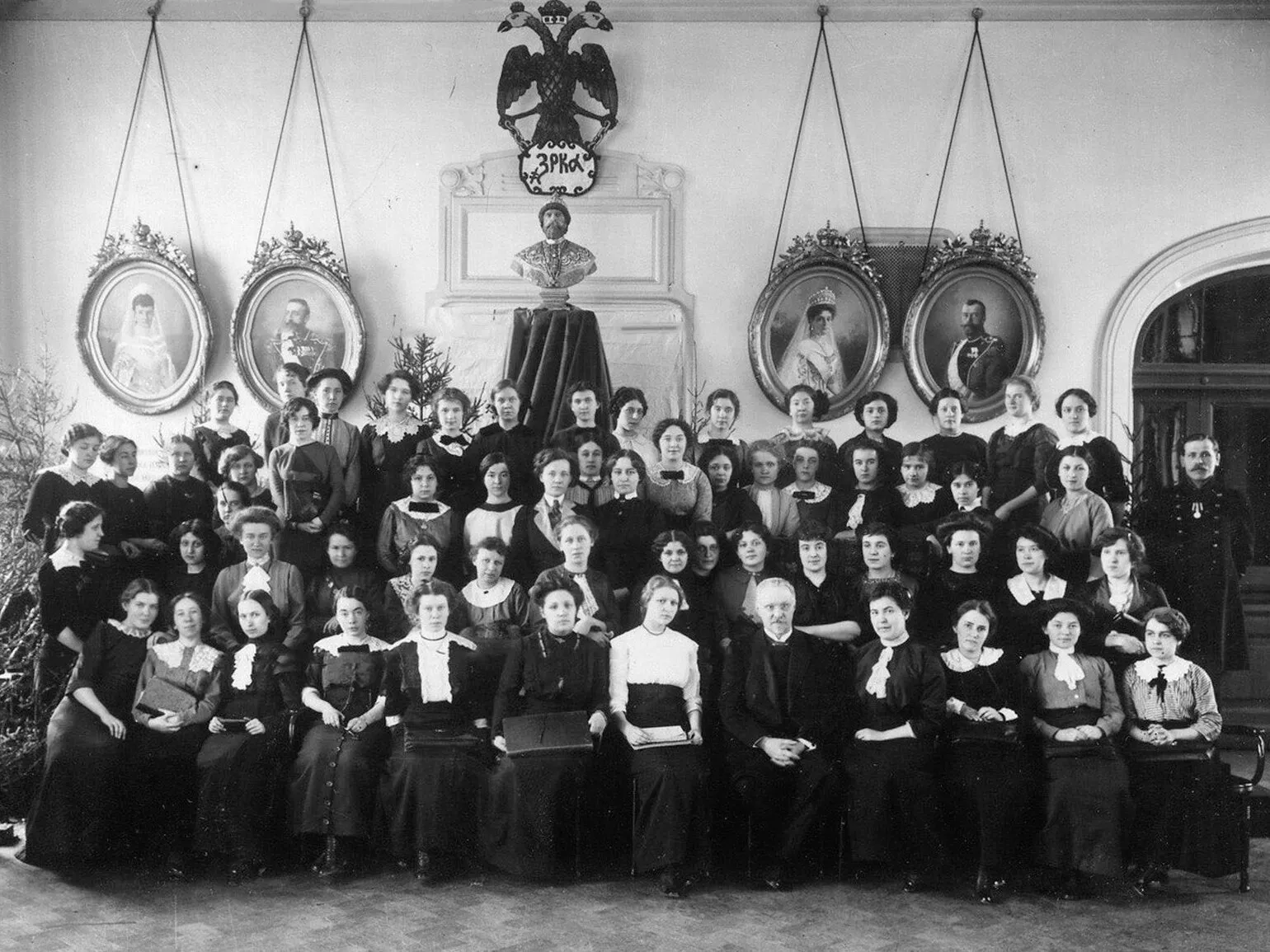
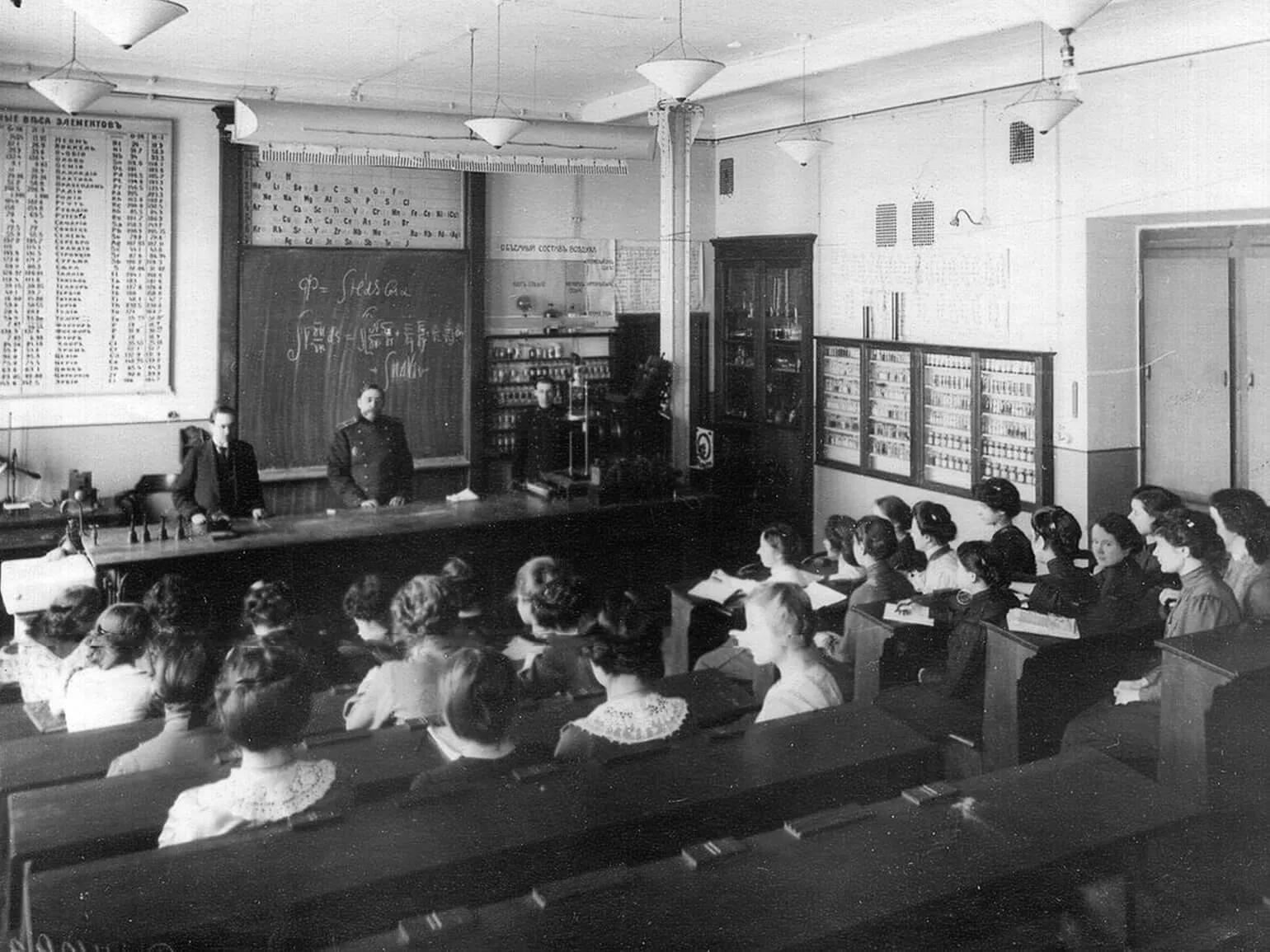
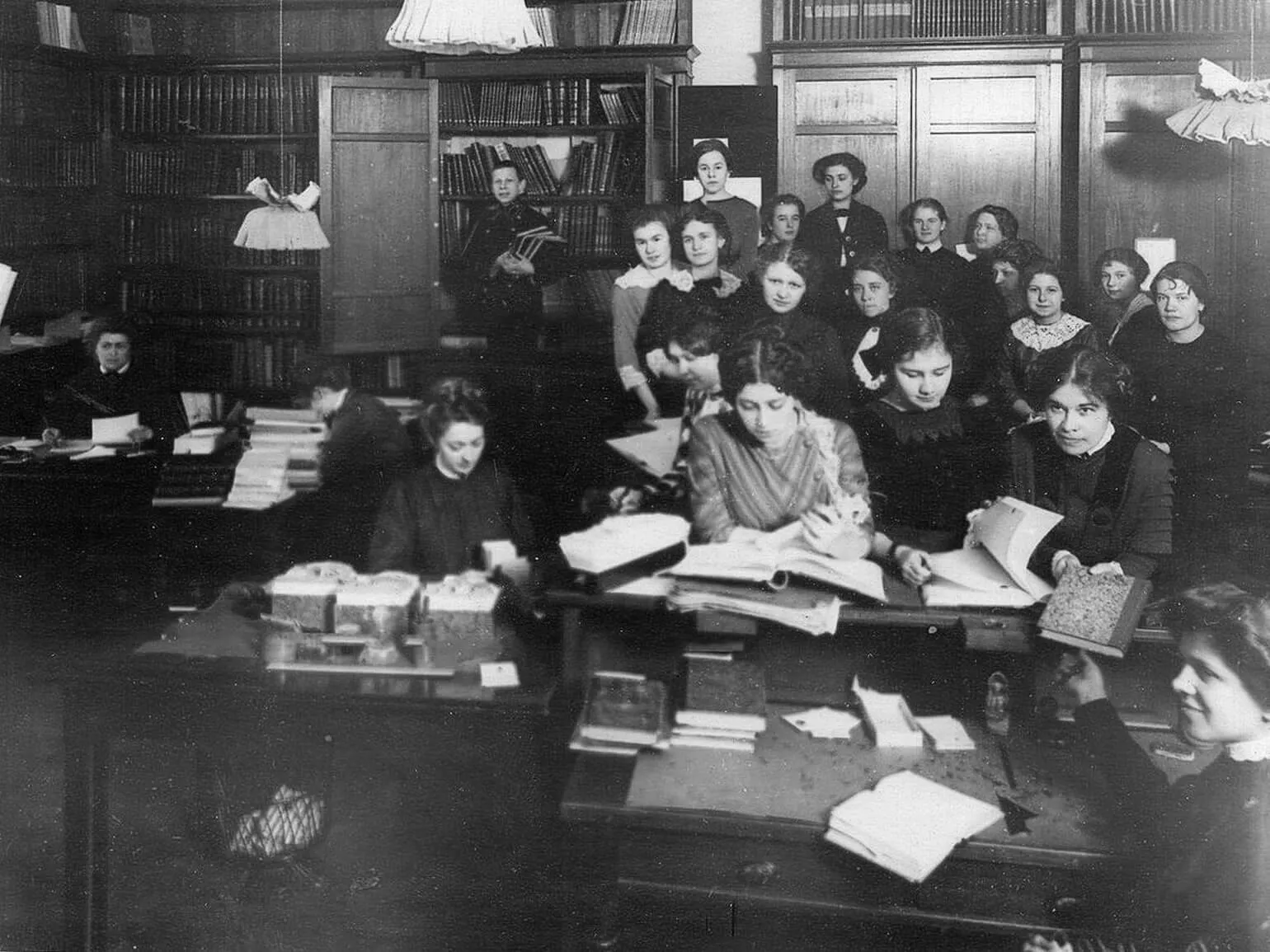
By 1917, the number of female students in Russia was only about three thousand, which corresponded to 4% of the total student population. At that time, approximately 65 thousand students were studying at state universities. This indicates a significant imbalance between the number of men and women in higher education at that time.
How women became university auditors for the second time
Traveling abroad remained inaccessible to most. Private courses, despite their popularity, were not affordable for everyone. They did not provide full diplomas and often did not correspond to the university level of education. Although the Bestuzhev Courses were in demand, their capabilities were limited, and not everyone could study there. Therefore, many women continued to seek university education, hoping for a higher quality of instruction and recognition of their degrees.
A new wave of discussions regarding women's higher education was sparked by a statement by the Minister of Public Education, P.S. Vannovsky. He announced his intention to revise the 1884 university charter, which raised hopes among advocates of equal rights for possible changes in women's access to higher education. This statement spurred renewed debate about women's place in academia and their right to receive an education equally with men.
Forty years ago, most Russian universities were willing to admit women. Today, when women have proven their aptitude for scientific study and successfully apply their acquired knowledge in practice, barriers to university education have become meaningless. Women actively participate in scientific endeavors and make a significant contribution to the development of society. Необходимо продолжать поддерживать и развивать доступность высшего образования для женщин, чтобы обеспечить равные возможности и способствовать прогрессу в науке и образовании.
Выпускники Московского университета 1901 года обратились к министру народного просвещения П. С. Ванновскому. Данная информация представлена в работе А. Е. Иванова «Студенчество России конца XIX — начала XX века. Социально-историческая судьба». Этот период в истории России был значимым для студенческого движения, которое играло важную роль в формировании общественных и образовательных инициатив. Обращение выпускников университета отражает их стремление к улучшению системы народного просвещения и активному участию в общественной жизни страны.
В высоких кабинетах оптимизм не находил поддержки. На страницах газеты «Гражданин» князь В. М. Мещерский открыто высказывал свои негативные взгляды, выступая против допуска женщин в университеты. Он утверждал, что это приведет к деградации учебных заведений, превратив их в «притоны разврата». Мещерский также критиковал «учёных женщин» и «курсисток», обвиняя их в «гадких манерах» и «распущенности». Его резкие высказывания подчеркивали его позицию и вызывали широкий общественный резонанс.
С увеличением числа женщин в аудиториях, для них станет комфортнее слушать лекции, находясь на коленях студентов. Это создаст атмосферу веселья и взаимопонимания для всех участников учебного процесса.
Газета «Гражданин», издание от 11 сентября 1901 года, стала важным источником информации о социальных и политических изменениях в России в конце XIX — начале XX века. В работе Ивана А. Е. «Студенчество России конца XIX — начала XX века. Социально-историческая судьба» рассматриваются ключевые события и тенденции, повлиявшие на студенческую молодежь того периода. В этом контексте газета предоставляет ценные сведения о настроениях и проблемах, с которыми сталкивались студенты, а также о их роли в общественных движениях. Исследование подчеркивает значимость студенчества как активного участника социальных изменений в России в начале XX века.
С 1899 года студенческие забастовки не утихают, и статья Мещерского произвела неожиданный резонанс. Волнения усилились, и студенты начали организовывать протесты, направленные против высказываний Мещерского. Реакция на его слова стала катализатором для новых акций протеста, что подтверждает растущее недовольство среди студентов.
Важно задуматься о том, что каждый недоброжелатель или провокатор может безнаказанно критиковать и унижать самые ценные и светлые надежды русского общества. В данном контексте не следует обращать внимание только на конкретные личности, такие как г. Мещерский; гораздо важнее понять, какие силы стоят за ними и придают им уверенность и смелость высказываться. Это требует от нас осознания более глубоких проблем, связанных с манипуляцией общественным мнением и подрывом доверия к жизненно важным ценностям.
Согласно резолюции «Союза студентов Петербургского университета», отражается важное положение о роли студенчества в социально-историческом контексте России конца XIX — начала XX века. В этом документе подчеркивается значимость активного участия студентов в общественной жизни и их влияние на формирование гражданского общества. Студенческое движение того времени стало важным этапом в борьбе за права и свободы, а также в развитии образовательных и социальных реформ. Исследование, проведенное Ивановым А. Е., анализирует эти процессы, рассматривая судьбу студенчества как ключевой элемент в контексте исторических изменений России.
Мещерский получил «высочайшее порицание» за свою публикацию. Однако предмет критики заключался не в содержании статьи, а в стиле изложения автора.
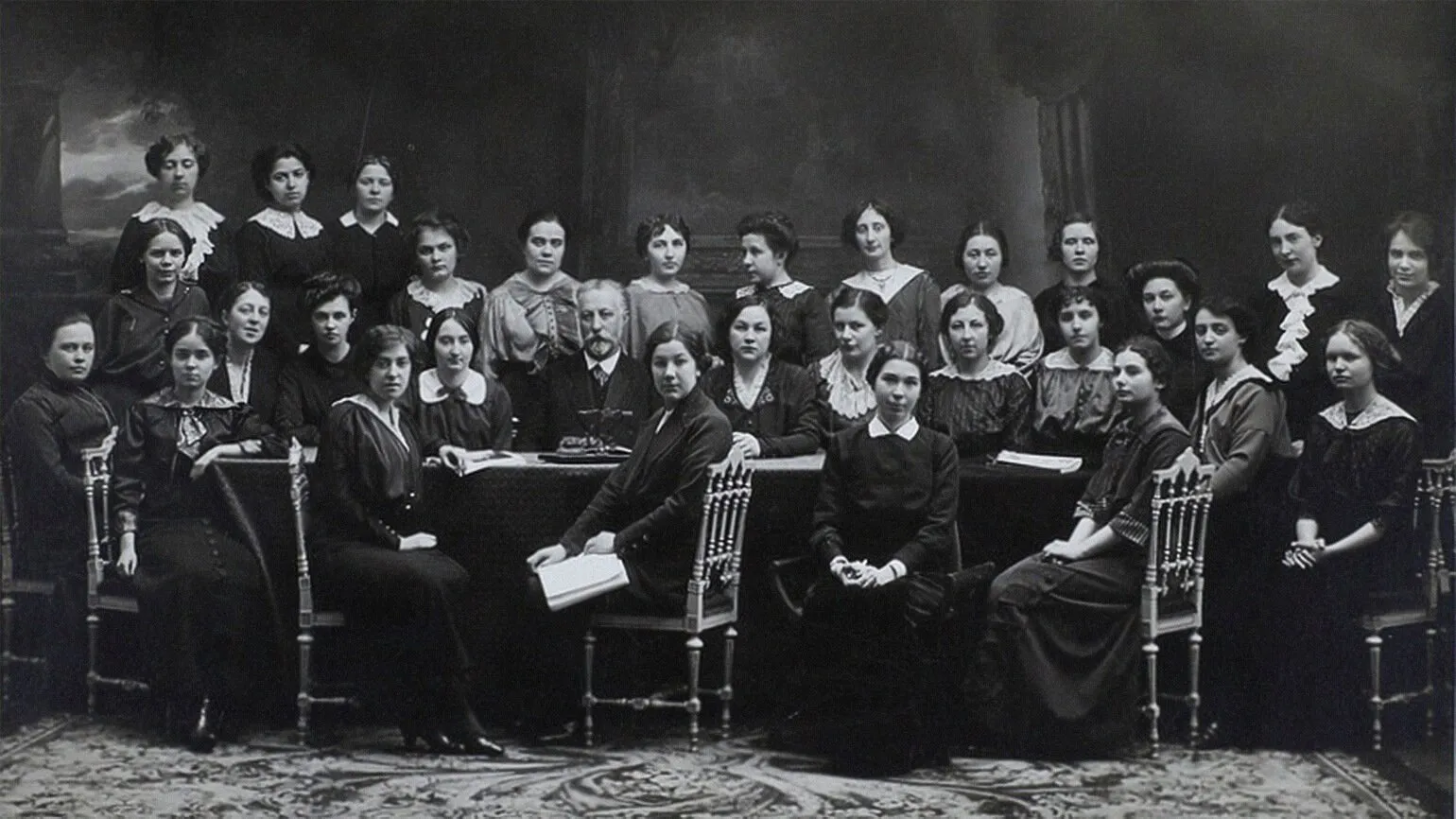
Протестующие добились важного шага в признании дипломов докторов медицины, полученных женщинами за границей. Однако для этого выпускницам иностранных вузов всё равно необходимо было заново подтверждать свои знания. В 1902 году их допустили к сдаче экзаменов при императорских университетах и Петербургском женском медицинском институте, что открыло новые возможности для профессиональной реализации женщин в медицине. Это событие стало важной вехой на пути к равноправию в медицинском образовании и карьере.
Первая революция 1905 года стала важным событием, которое не только способствовало возрождению высших женских курсов, но и запустило новый «женский поход» в университеты. В этом процессе значительную роль сыграли женские организации, такие как «Союз равноправия женщин», «Русское женское взаимно-благотворительное общество» и «Женская прогрессивная партия». Например, Русское женское взаимно-благотворительное общество активно направляло прошения о допуске женщин в качестве вольнослушательниц в университеты по всей стране. Эти инициативы стали важным шагом к расширению образовательных возможностей для женщин в России и способствовали дальнейшему развитию феминистского движения.
К 1906 году большинство российских университетов, за исключением временно закрытого Варшавского университета, начали допускать женщин в качестве вольнослушательниц. Это нововведение стало возможным благодаря временным правилам, введенным правительством в 1905 году под давлением революционного движения. Эти правила предоставили университетам ограниченную автономию, что способствовало расширению образовательных возможностей для женщин. Таким образом, открытие университетских дверей для женщин стало важным шагом на пути к равенству в образовании и общественной жизни в России.
University councils are increasingly beginning to recognize the absurdity of the situation in which auditors cannot take exams and receive diplomas without special permission. This restriction raises questions about fairness and equal opportunity for all students.
A woman should not feel any constraint in her pursuit of education, regardless of her social and legal status. Education is a fundamental right, and every woman has the right to access knowledge and learning. This right must be protected and supported, as education opens new opportunities and promotes personal and professional development. Removing barriers to education for women is an important step toward achieving equality and improving society as a whole.
In his work "Woman on the Eve of a New Era: Two Studies on the Women's Question," Professor of Law at Moscow University V. M. Khvostov examines current issues related to the position of women in society during the transition period. This work explores the social and legal aspects of women's issues and focuses on the changes occurring in the consciousness and role of women in society. Khvostov analyzes the impact of these changes on social and cultural processes. The text is cited from the source: Ivanov A.E. "Students in Russia in the Late 19th - Early 20th Centuries. Socio-Historical Fate", which emphasizes the importance of research devoted to the women's movement and its impact on the development of the Russian socio-cultural environment. Despite existing restrictions, a significant number of women, including married and unmarried women, mothers and widows, actively took advantage of the opportunity. In a short period of time, approximately 2,130 non-matriculated students registered in Russia. They constitute 5.5% of the total number of students in higher education institutions and approximately a third of the total number of non-matriculated students. This indicates a growing interest among women in education and self-improvement, which in turn contributes to the development of society and the economy of the country.
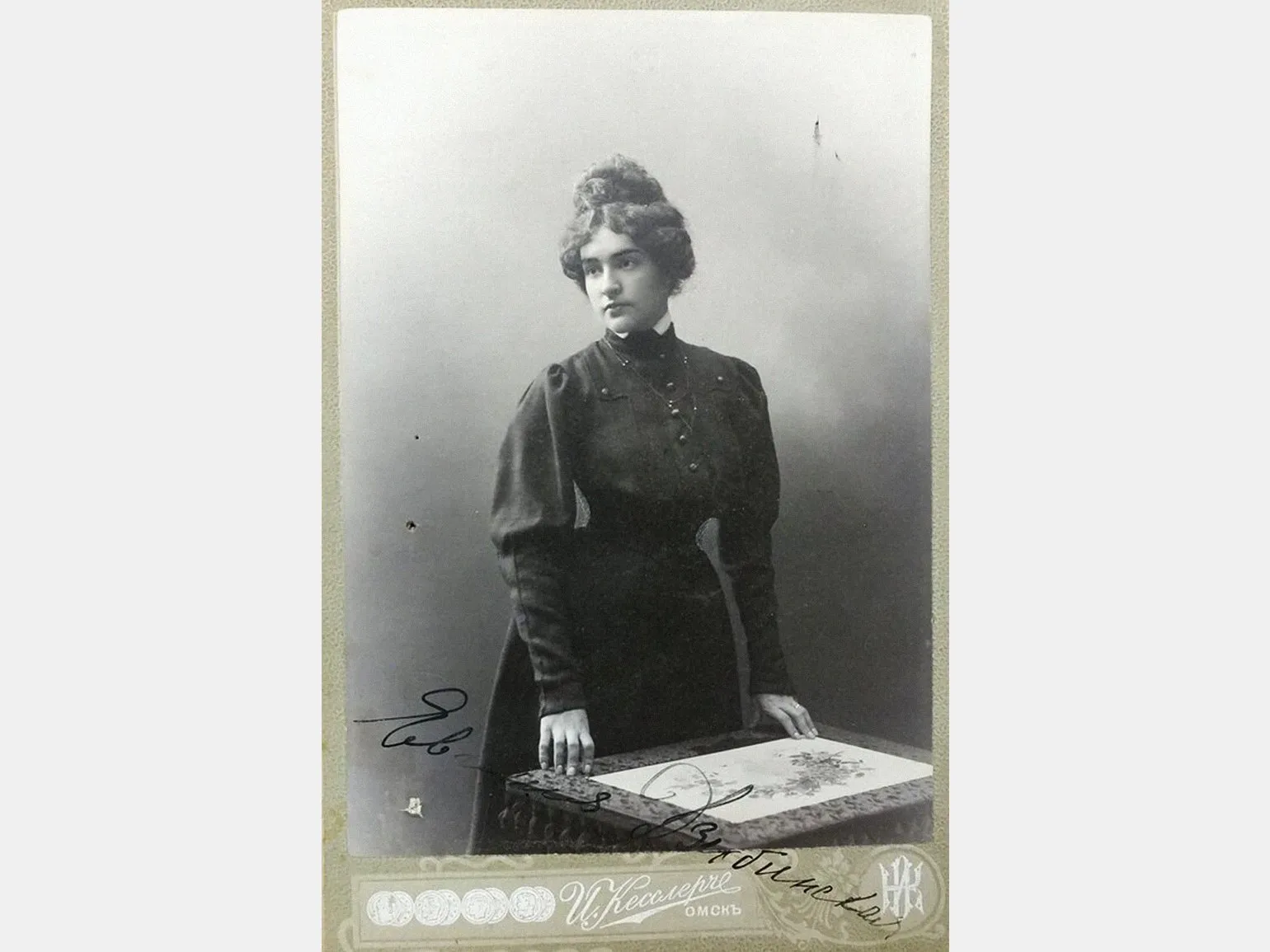
Becoming an auditor at universities was a complex process. Many educational institutions, striving to maintain high admission standards, introduced additional exams for women, despite the fact that they studied on unequal terms compared to men. These were primarily tests in mathematics and ancient languages. Since most girls' schools either lacked these subjects entirely or taught them at a more superficial level, applicants had to prepare for the exams on their own. This created additional difficulties, but many women overcame them through persistence and determination in their pursuit of education.
Among girls, the most popular programs were law and medicine. These faculties accounted for 70.4% of female auditors. There were also those wishing to enroll in engineering and industrial, polytechnic, and agricultural institutes. The choice of educational program depends on the interests and career aspirations of girls, which underscores the diversity of professional opportunities in the modern world.
Teaching, for which students in the history, philology, and physics and mathematics faculties prepared, was not particularly popular among women. Despite the fact that the state considered this profession the most suitable for them, many women did not aspire to a career in education.
Teachers expressed satisfaction with the auditors. Professor M.N. Sobolev of Tomsk University emphasized that the students were well-prepared, confident in their grasp of theoretical concepts, clearly articulated their thoughts, and demonstrated diligence in their studies. The non-credit students had the opportunity to earn a full diploma by applying for admission to examinations before the testing committees. This allowed them not only to confirm their knowledge but also to improve their qualifications in their chosen field. This opportunity opened up new prospects for professional growth and career.
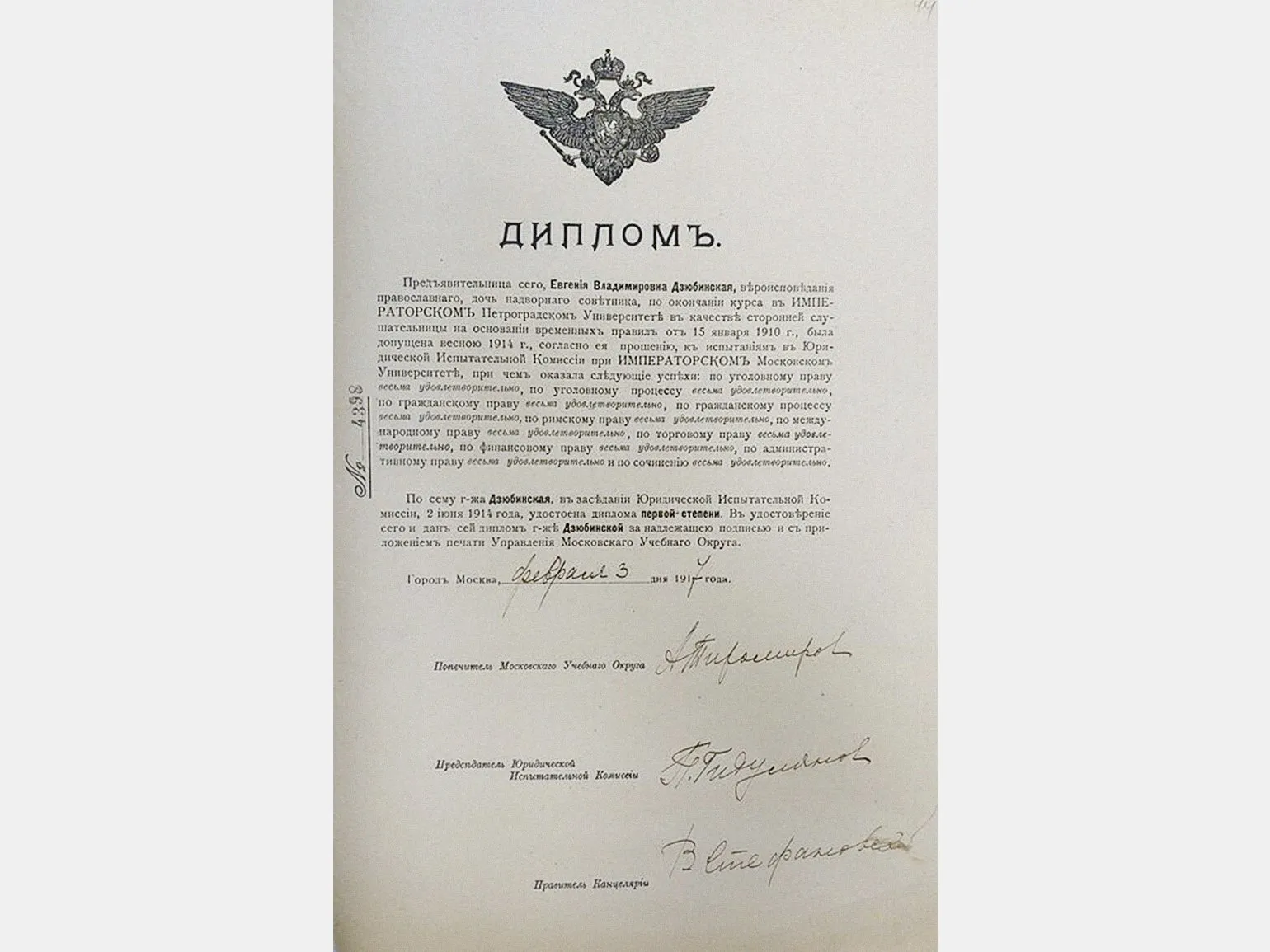
The liberal Minister of Public Education, I. I. Tolstoy, did not create obstacles for female auditors. He even proposed to the Chairman of the Council of Ministers, S. Yu. Witte, to introduce equal rights and admit women to universities on the same terms as men. This decision was an important step towards gender equality in higher education.
Witte did not appreciate the proposed idea. He believed that coeducation could radically change higher education, since women, in his opinion, were the bearers of destructive ideas and the inspirers of change. He argued that, having access to science, women would begin to consider themselves "developed" and would become opponents of any routine and backwardness. None of Tolstoy's arguments could convince the chairman of the tsar's cabinet.
The issue of women's rights was actively discussed in the State Duma from the moment of its creation. Democratically minded deputies insisted on the complete abolition of all restrictions regarding women's rights, including in the field of education. 111 deputies from various factions voted in favor of this proposal. These discussions reflected a desire for equality and justice in society, which emphasized the importance of gender equality issues on the political agenda of the time.
Among the deputies of the State Duma, there were many opponents of women's emancipation, representing a wide range of political forces. These opponents included both right-wing Octobrists and left-wing Cadets and Democrats, which emphasizes the diversity of opinions on this issue.
The new university charter, allowing women to become students and auditors, was not approved by the Council of Ministers. This decision left the status of women in higher education unchanged, limiting their opportunities for knowledge and scientific activity. It is important to note that the absence of this charter continues to affect gender equality in the educational sphere, emphasizing the need to discuss and reform existing norms.
In 1908, A. N. Schwartz, who held conservative views, became the Minister of Education of Russia. During his reign, women's right to become auditors was revoked, marking one of many steps back in the democratic gains achieved as a result of the first Russian revolution. A special circular banned the admission of female auditors to universities, limiting women's access to higher education and exacerbating gender inequality in education.
Auditors were allowed to complete their courses, but professors were required to teach them only during free time. This restriction prevented women from participating in lectures with full-time students, placing them in a vulnerable position. Some conservative professors refused to teach additional classes, thereby impairing the educational opportunities of auditors.
Women began actively appealing to the government and members of the State Duma, sending them letters. Among these appeals was a petition addressed to P.A. Stolypin.
Of course, I am ready to help you with editing the text. Please provide the original text you wish to change.
Many of us face serious moral dilemmas before entering university. We risk great risks, change our lifestyles, face financial difficulties, and abandon previous passions in order to devote ourselves entirely to science. All this effort is aimed at the fact that after two years of intensive study and work at the university, when our interest in science has already strengthened, we are suddenly deprived of the opportunity to continue in-depth study. This underscores the importance of protecting students' rights and ensuring access to educational resources, which ultimately determines the future of scientific research and the development of society as a whole.
Siberian Life. June 8, 1908.
On this day, many events took place in Siberia, reflecting the peculiarities of life in this region. Siberia, known for its harsh nature and rich culture, continues to attract the attention of researchers and writers. In 1908, agriculture, industry, and transport were actively developing in Siberia.
Local residents faced difficulties related to climate conditions and their remoteness from the central regions. However, despite this, Siberians preserved their traditions and customs, which contributed to the formation of a unique culture.
Siberian life at the beginning of the 20th century was characterized by a desire for development and overcoming difficulties. This period became an important stage in the region's history, as it was then that the foundations for future changes were laid. Interest in Siberia continues to grow, and the study of its history is becoming increasingly relevant.
Professors are also actively involved in the discussion of the situation. At Tomsk University, the faculty council made a bold decision, allowing female auditors to attend regular classes. This decision was prompted by the faculty's lack of time to organize additional classes. Such measures underscore the commitment to inclusive education and support accessibility of education for all.

Check out additional materials:
Students in the Russian Empire were required to adhere to a number of rules governing their daily lives and the educational process. The main requirements concerned academic performance, conduct on campus, and participation in social life. Faculty, school administration, and special student committees enforced these rules.
Student academic performance was assessed through exams and assessments. Students were required to adhere to the class schedule and complete all assignments. Violations of discipline, such as being late for class or absent without a valid reason, were punishable by strict penalties, including reprimands and even expulsion.
Furthermore, students were required to adhere to the moral and ethical standards accepted by society. This included treating faculty and other students with respect, as well as adhering to standards of conduct outside the classroom.
Thus, control over compliance with the rules was multi-level and involved both administrative and student structures, ensuring the maintenance of order and discipline in the educational institutions of the Russian Empire.
As a result of a special decree of Nicholas II, female auditors were given the opportunity to complete their studies on an equal basis with men. This decision was an important step towards equality in education, opening new horizons for women and preparing them for active participation in society.
Despite this, the number of female auditors decreased by more than half, and there were less than a thousand left. Most of them were eliminated under the pretext of an insufficient educational level. Moreover, they were unable to transfer to another university, since this decision was made by order of Stolypin, with which Nicholas II agreed.
An inspection of female auditors revealed multiple shortcomings in the admissions processes. A specially created commission found that higher education institutions admitted girls under excessively lenient conditions. In particular, knowledge was assessed based on criteria related to passing exams for a traditional all-male gymnasium, which called into question the quality of training. The report also noted the issue of political reliability. There were also hints of anti-Semitism: the presence of an "excessive" number of Jewish women among non-matriculated students was noted, indicating bias against certain groups of students. This situation raises important questions about equality and fairness in the educational system.
Nearly a thousand girls were given the opportunity to continue their education.
In 1915, against the backdrop of World War I, many university faculties experienced a shortage of students, which led to unexpected changes in the educational system. Women began to be admitted to some faculties, including the medical and physics and mathematics faculties in Kazan, the medical faculties in Saratov, and the medical and law faculties in Tomsk. At the beginning of the 20th century, it was the medical field that provided women in the Russian Empire with the opportunity to obtain a full-fledged higher education, which became an important step towards their social and professional integration.
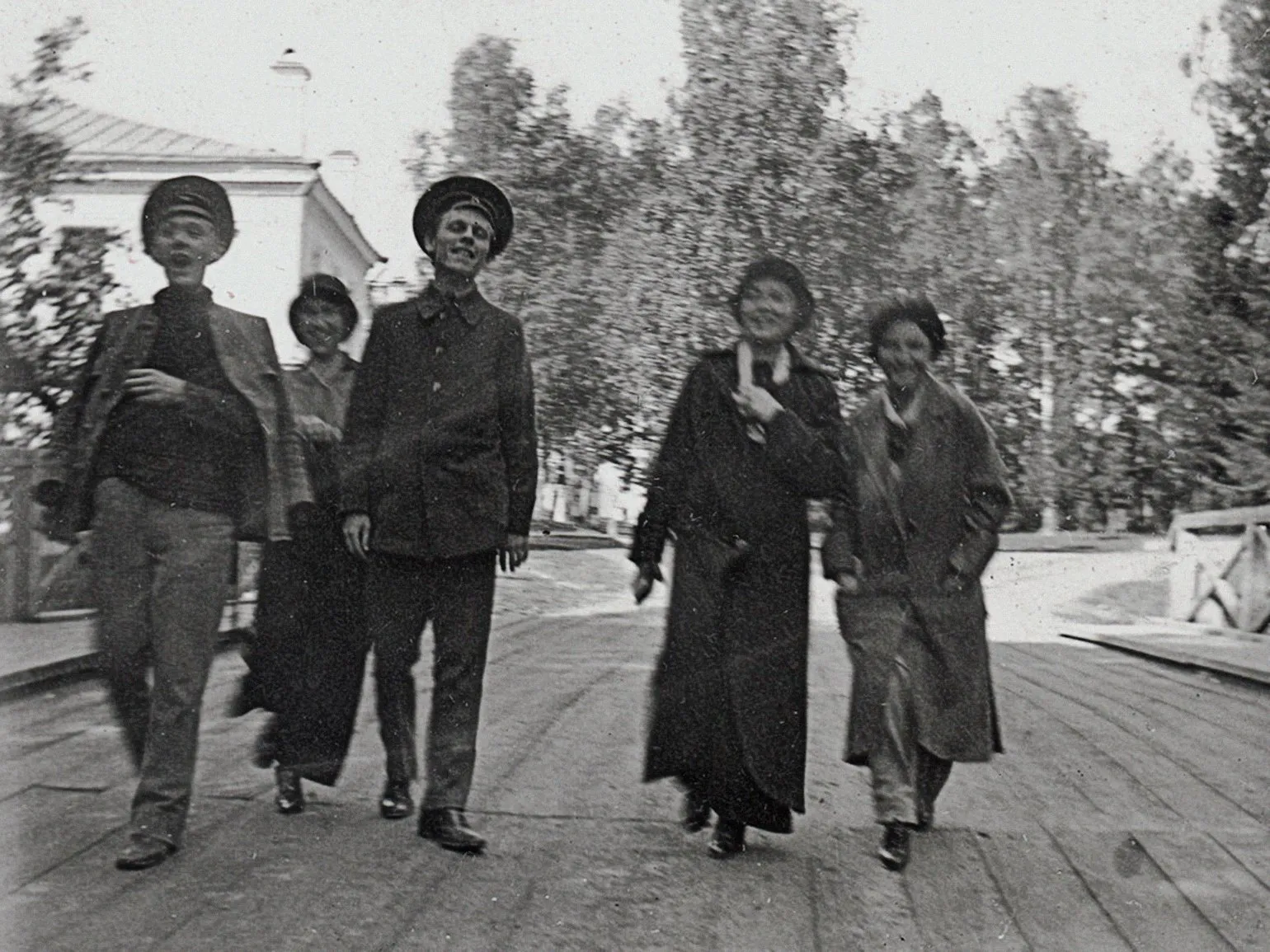
Those who did not manage to enter universities as non-matriculated students before the ban was introduced had only one option: higher courses for women or the Moscow City People's University, which opened in 1908. This educational institution was private and created with funds from the philanthropist A. L. Shanyavsky. The founders of the university had to overcome many obstacles to obtain permission to open it, as the concept of the university was revolutionary for its time. Admission did not require proof of previous education, there were no restrictions on gender, social status, property qualifications, or religion. Tuition was quite low, since Shanyavsky sought to educate society, and not commercial gain. In the 1910/1911 academic year, women made up 56% of students in the academic department, and in 1915/1916, they already made up 68%. Unfortunately, this university did not have the right to issue state diplomas, which limited the opportunities for its graduates.
The issue of female education only became relevant after the 1917 Revolution. On May 31, 1918, the People's Commissariat of Education adopted a resolution "On the introduction of compulsory co-education." This decision marked an important step towards equal educational opportunities for women and men, promoting the integration of women into the educational process and public life. The introduction of compulsory co-education contributed not only to the improvement of educational standards but also to the change of social stereotypes, opening up new opportunities for women in various fields.
All educational institutions are implementing a co-education system, allowing students of both sexes to study together. This innovation is aimed at creating an equal educational environment where boys and girls can develop their skills and knowledge in the same class. Совместное обучение способствует улучшению коммуникации между полами, формированию уважения и сотрудничества, а также помогает подготовить учащихся к жизни в мультикультурном обществе.
С момента публикации данного постановления все учебные заведения обязаны принимать учащихся обоего пола на свободные вакансии на равных условиях. Это решение направлено на обеспечение равноправия и доступности образовательных возможностей для всех студентов. Важно, чтобы учебные заведения придерживались данных принципов, создавая инклюзивную образовательную среду, где каждый имеет шанс на полноценное образование независимо от пола.
В августе того же года Ленин утвердил декрет «О правилах приёма в высшие учебные заведения». Этот документ гарантировал, что каждый, кто достиг 16-летнего возраста, мог стать слушателем любого высшего учебного заведения, независимо от гражданства и пола. В то же время, декрет отменил требования к базовому уровню образования для поступления, включая обязательное наличие аттестата или свидетельства об окончании средней школы. Это решение открыло новые возможности для образования и стало значительным шагом в реформировании системы высшего образования в стране.
Основные источники информации играют ключевую роль в процессе получения знаний и принятия обоснованных решений. Они могут включать в себя как первичные, так и вторичные данные, которые обеспечивают необходимую базу для анализа и исследования. К первичным источникам относятся оригинальные документы, исследования, интервью и опросы, которые предоставляют непосредственную информацию. Вторичные источники, такие как статьи, книги и обзоры, обобщают и интерпретируют данные, собранные первичными источниками.
Использование надежных источников информации крайне важно для достижения точности и достоверности. При выборе источников следует обращать внимание на их авторитетность, актуальность и объективность. Это поможет минимизировать риск распространения недостоверной информации и повысит качество получаемых результатов.
В условиях быстрого потока информации, особенно в цифровую эпоху, критическое мышление и умение различать качественные источники становятся важными навыками. Полезно обогащать свои знания, используя разнообразные источники и подходы, что способствует более глубокому пониманию изучаемой темы.
- Аврус А. И. История российских университетов. — М., 2001.
- Артемьева Е. В. Вопрос о женском образовании в публицистике «Вестника Европы» (1866–1918) / Манускрипт.
- Буланова М. Б. К истории становления высшего женского образования в России / Вестник РГГУ. Серия «Философия. Социология. Искусствоведение».
- Васильева С. П. Женское образование в России в середине XIX–XX вв.: процесс становления и развития. Типы женских учебных заведений // Вестник Тамбовского университета. Серия: Гуманитарные науки.
- Вахабова А. А. Женское образование во Франции и России: сопоставительный аспект // Международный журнал экспериментального образования.
- Вахромеева О. Б. Основные факторы «Женского вопроса» в России на рубеже ХІХ–ХХ вв. // Вестник Санкт-Петербургского университета. История.
- Иванов А. Е. Высшая школа России в конце XIX — начале XX века. М. 1991.
- Иванов А. Е. Студенчество России конца XIX — начала XX века. Социально-историческая судьба. — М., 1999.
- Казанцева Ю. Бунт против министра просвещения // Родина.
- Колос Л. Н. Женское освободительное движение в России: русские женщины в борьбе за образование (1861–1917) // Вестник Костромского государственного университета.
- Кузьминова Е. Ф., Некрылов С. А. Высшее женское образование в Сибири в начале ХХ века / Вопросы образования.
- Мартыненко Н. К. Общественные инициативы женского образования как фактор институциализации гражданского общества в России в конце XIX — начале XX веков // Вестник Волжского университета им. В. Н. Татищева.
- Патрикеева О. А. Курсистка или вольнослушательница университета: выбор россиянок в начале ХХ столетия // Локус: люди, общество, культуры, смыслы.
- Попова О. Высшее женское образование и русская православная церковь // Высшее образование в России.
- Пономарёва В. В. От «сопутницы человека» до слушательницы университета: «толстые» журналы 1860-х гг. о женском образовании // Вестник Московского университета. Серия 10. Журналистика.
- Регалюк М. М. Становление и развитие высшего женского образования в России в историко-педагогическом контексте // Вестник Московского университета МВД России.
- Рушанина Н. П. Женский вопрос в России и основные подходы к его изучению в дореволюционный период // Вестник Челябинского государственного университета.
- Санкт-Петербургские высшие женские (Бестужевские) курсы, 1878–1918. Сборник статей. Издание 2-е, исправленное и дополненное. — Издательство Ленинградского университета, 1973.
- Семенкова Т. Г. Высшее образование для женщин в России ХIX века (страницы истории) // Финансы: теория и практика.
- Сосновская О. А. Вольнослушательницы университетов начала 1860-х гг. Из окружения Достоевского // Неизвестный Достоевский.
- Сухова Н. Н. Общая характеристика женского образования в России XVIII–XX вв. // Общество: социология, психология, педагогика.
- Халиев Р. А., Легеза Л. А. Исторический аспект государственно-правового состояния юридического образования женщин в России // Гуманитарные науки.
- Яковкина Н. И. История русской культуры: XIX век. — СПб, 2002.
Кто я и чего хочу?
Вы разберётесь в себе, своих желаниях и ценностях вместе с профессиональными психологами. Научитесь рефлексировать, отстаивать личные границы, замечать эмоции и совершать осознанный выбор. Определите настоящие желания и найдёте путь к внутреннему благополучию.
Узнать подробнее