
Contents:

Practical course: "Personal finance: investments and trading"
LearnWhat is considered passive income and what is not
There are numerous materials in open sources that discuss passive income as an opportunity to earn money from various sources, including the purchase of shares, cryptocurrencies, and intellectual property. However, in practice, many of the tools mentioned in such articles do not provide truly passive income. Passive income implies a stable cash flow without active participation, and not all investments bring the expected results. It is important to carefully analyze each opportunity and understand which of them are truly capable of providing financial independence without constant control and participation.
There are three main criteria by which income is classified as passive. First, such income is generated without the active participation of the owner, which means that a person does not have to constantly work to earn it. Second, passive income is often created based on an initial investment, be it money, time, or resources that have been invested previously. Third, it's important that this income has the potential for a stable and regular flow, regardless of the investor's current activity. By considering these criteria, we can more clearly define what constitutes passive income and how it can be generated effectively. Minimal time investment is a key aspect of passive income. Passive income should remain simple and not become a side hustle, taking up all of your free time. A classic example is a bank deposit, which doesn't require frequent monitoring. You can leave your funds in the deposit until maturity without worrying about their safety. The bank is guaranteed to accrue interest, regardless of whether you check the account balance. This way, you can focus on other aspects of your life while still receiving a stable income. Stock market trading, aiming to profit from selling shares, requires constant attention and engagement. An investor must regularly monitor market changes, analyze current trends, and make informed decisions about buying or selling assets. Success in this field depends on the ability to quickly respond to market fluctuations and changing conditions, making active portfolio management a key aspect of profitable trading.
The high reliability of low-risk assets ensures their stability and minimizes the risk of losses for investors. Bonds of large companies, such as Gazprom, are considered low-risk investment instruments. The probability of their depreciation is virtually zero, making them attractive for long-term investments. The prices of such bonds are not subject to significant fluctuations, further confirming their reliability as a source of income. Investing in low-risk assets allows you to preserve capital and receive a stable income, which is especially important in times of economic instability.
Cryptocurrencies are high-risk investments. Their value can fluctuate significantly, making such investments unpredictable. Furthermore, the lack of legal regulation creates additional risks for investors, leaving them vulnerable to fraud. Therefore, before investing in cryptocurrencies, it is important to carefully analyze the market and assess potential threats.
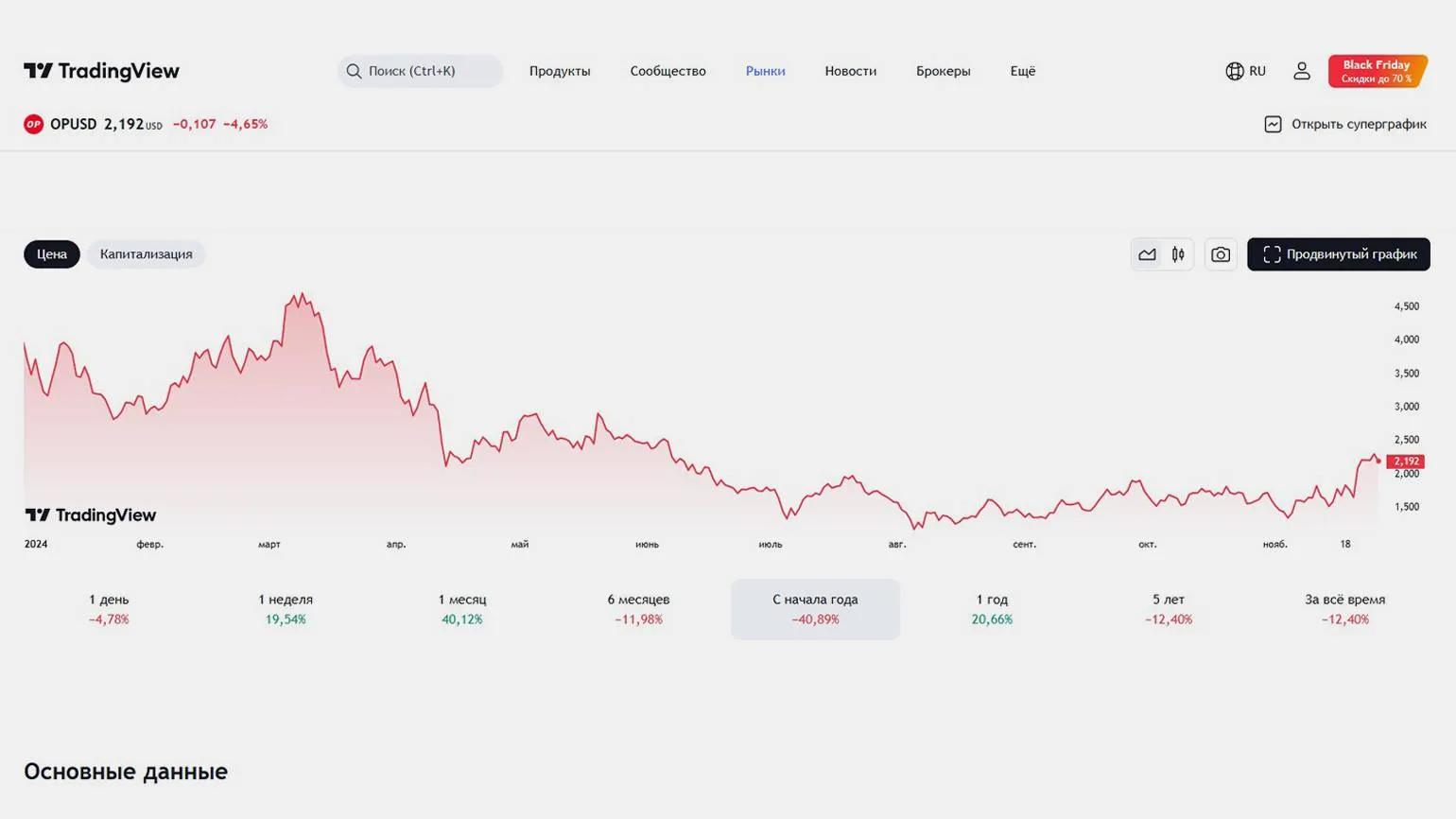
Rent, interest, or dividend payments are types of passive income. However, it is worth noting that an increase in the value of an asset alone does not mean passive income. For example, shares may temporarily rise in price, but then fall sharply, which can lead to losses for the investor and the loss of the initial investment. Therefore, it is important to consider not only the growth in the value of assets, but also the stability of their income.
If an investor receives income in the form of interest on a deposit or rent from real estate, without spending significant effort and time, this can be classified as passive income. Passive income is the ability to receive financial resources without active participation in the process. These income streams allow investors to focus on other aspects of their lives while still providing a stable cash flow.
Why Investing is the Best Way to Generate Passive Income
Investing plays a key role in increasing personal capital and creating a stable source of passive income. Investing can be started with small amounts, making this approach accessible to a wide range of people. Investing is the optimal tool for building capital and ensuring future financial independence. Proper investment management allows you to not only preserve but also grow your funds, making them an important component of your personal financial strategy.
You don't need large sums of money to purchase mutual fund shares or bonds. You can set aside small amounts regularly, for example, every month or quarter, and invest them in new assets. This approach will allow your capital to grow over time and generate income. Regular investing can be an effective way to accumulate and grow financial resources, even with a small initial investment.
Reinvesting investment profits can significantly increase capital over 10-15 years. The more money a person saves in savings or invests, the higher the potential return. These funds can become a reliable source of income for the investor, ensuring financial independence both in retirement and earlier. Effective investment management and consistent reinvestment of profits are key to achieving financial goals and creating sustainable wealth for the future.
Choosing the right investment instruments is crucial. For example, income from equipment rental or car advertising is limited. To make rentals more profitable, it needs to be developed into a full-fledged business. You are unlikely to decide to purchase a second vehicle solely for advertising. Therefore, we did not include such income methods in our list.
Passive income is indeed accessible to most people. This type of income involves receiving financial income without actively participating in the earning process. There are many ways to generate passive income, including investing in real estate, stocks, building an online business, or selling digital products. However, it's important to understand that successfully generating passive income requires an initial investment of time, effort, or capital. With the right approach and persistence, anyone can establish a system that generates regular income without constant involvement.
Generally speaking, yes. The key is choosing the optimal earning method that aligns with your goals and capabilities. For example, investing in securities or purchasing real estate is available to anyone with the appropriate capital.
Earning from intellectual property involves many nuances. Firstly, not everyone is capable of creating a successful work, be it a song or a book. Secondly, there is no guarantee that the author will profit from their creation. The work may go unnoticed and fail to gain popularity, which eliminates the possibility of generating income. That is why the topic of earning money from intellectual property requires careful consideration and analysis.
What to invest in to generate passive income
We have selected instruments that meet the previously listed criteria. Our choice included bank deposits, savings accounts, bonds, mutual funds (MUFs), dividend-paying stocks, and real estate investments. In this article, we will take a detailed look at how these financial instruments function and how they can be used to achieve your investment goals.
A deposit is money that a client transfers to a bank for safekeeping for a predetermined period, which can be, for example, six or twelve months. For the entire time the money is in the deposit, the client is accrued interest set by the bank. Deposits are a popular savings tool, as they not only ensure the safety of funds but also allow you to earn income based on the interest rates offered by financial institutions.
Interest rates on deposits depend on the key rate and terms offered by banks and may change over time. For example, in January 2023, the average deposit rate was 8%, while in November 2024, it increased to 20%. The bank reserves the right to unilaterally change the interest rate, which may be caused by sharp fluctuations in the key rate. This emphasizes the importance of monitoring changes in the financial market to optimize the profitability of your deposits.
The minimum amount for opening a bank deposit can be as little as 1,000 or 5,000 rubles, depending on the terms set by the financial institution. It is important to note that as the deposit amount increases, the depositor can expect a higher interest rate. Banks often offer better terms for those willing to deposit a larger amount. Therefore, choosing a wise deposit amount can significantly increase your investment return.
You can open a deposit and transfer money to it in minutes through the banking app. After this, no action is required with the invested funds until the deposit is closed. This approach allows you to conveniently manage your finances and minimize efforts, while maintaining interest income.

In accordance with Federal Law No. According to Federal Law No. 177-FZ of December 23, 2003, deposits of individuals up to 1.4 million rubles are insured against bank bankruptcy. To ensure your savings are protected, check whether your bank is a participant in the insurance program. Information about the bank's status can be found on the official website.
A savings account is a banking product that allows clients to deposit funds into an account at interest. Unlike deposits, savings accounts offer flexibility in financial management: clients can top up their accounts and withdraw funds at any time without penalties. The minimum amount for opening a savings account is often lower than for a deposit, making it accessible to a wider range of clients. This account is ideal for those who want to accumulate funds while maintaining quick access to their finances. Savings accounts are a profitable option for those who plan to save money and earn interest.
The interest rate on savings accounts is based on the Central Bank's key rate. In July 2024, the average interest rate on savings accounts was 18% per annum. The bank reserves the right to change the interest rate on savings accounts at its discretion at any time. This allows clients to obtain current terms and conditions, but may also lead to changes in the return on savings.
Opening an account takes just a few minutes, and a minimum deposit of 1,000 rubles is sufficient. Many banks offer free maintenance for these accounts. The account will remain active indefinitely until the owner decides to close it. This makes the process of opening an account convenient and accessible for clients, allowing them to manage their finances without unnecessary costs.
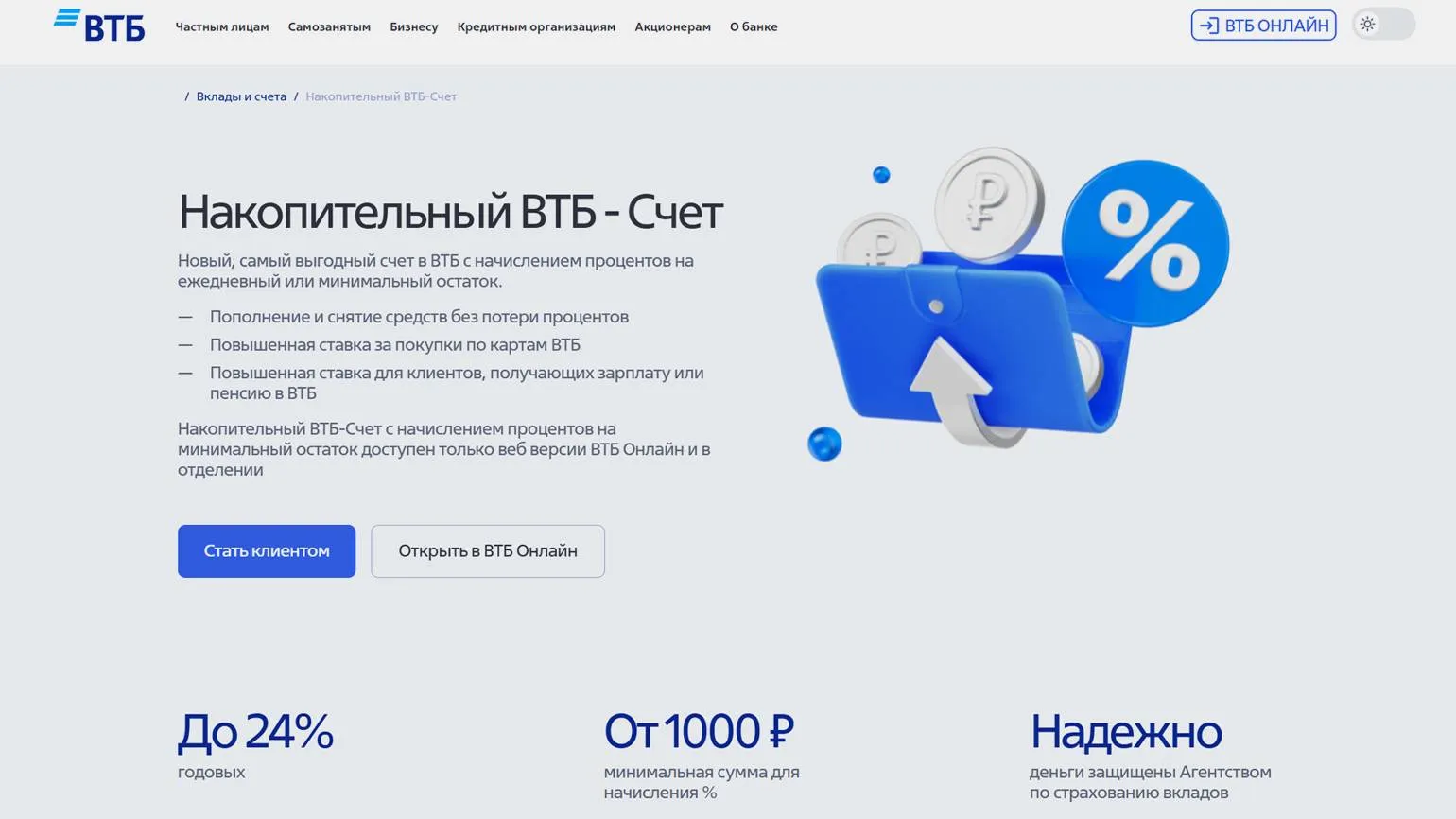
Savings accounts, like bank Deposits are subject to insurance in accordance with Federal Law No. 177-FZ. This ensures the protection of clients' funds and guarantees their safety in the event of a bank's financial difficulties. Investing in savings accounts is a reliable solution for those seeking safe ways to grow their savings. Bonds are debt securities issued by both public and private companies. By purchasing bonds, you are essentially lending funds to the issuer and receiving income in the form of coupons—the interest they pay. Furthermore, profit is possible from changes in the bond's price between the time of purchase and sale. Investing in bonds can be an attractive option for those looking for stable income and minimized risk in their portfolio.

Please note the following materials:
Bonds are debt instruments that are issued by government agencies or corporations to raise capital. By purchasing bonds, investors effectively provide a loan to the issuer and receive the right to repay the loan at a specified date, as well as to receive interest.
Income from bonds comes from coupon payments and changes in their market value. Coupon payments are periodic interest payments that the issuer makes to bondholders until maturity.
Investors can earn income by holding bonds until maturity or by reselling them on the secondary market, where bond prices can fluctuate depending on market conditions and interest rates. When market interest rates decline, bond prices can rise, allowing investors to profit from their sale.
It is important to keep in mind that bond yields depend on a number of factors, including the issuer's credit rating, maturity, and the current economic situation. Choosing the right bonds and investing strategy can significantly increase your potential income.
To successfully invest in bonds, it is important to carefully analyze risks and economic conditions, as well as stay informed about changes in the financial markets.
Bond yields are directly dependent on their current market value and the interest rate set by the issuer. In particular, the yield on federal loan bonds (OFZs) issued by the Russian government is closely tied to the Central Bank's key rate. For example, in November 2024, the zero-coupon yield on OFZs with a maturity of one year was 21.62% per annum. Investors should consider these factors when assessing the attractiveness of bonds as an investment instrument.
Bonds, especially bonds of large companies and federal loan bonds (OFZs), are a conservative and reliable investment instrument. The main risk of losing invested funds arises only in the event of default by the issuer, which occurs if they are unable to meet their debt obligations. The likelihood of default by governments or large companies is extremely low, making bonds an attractive choice for investors seeking stable income and capital protection. Investing in bonds allows you to reduce risks and ensure predictability of financial results.
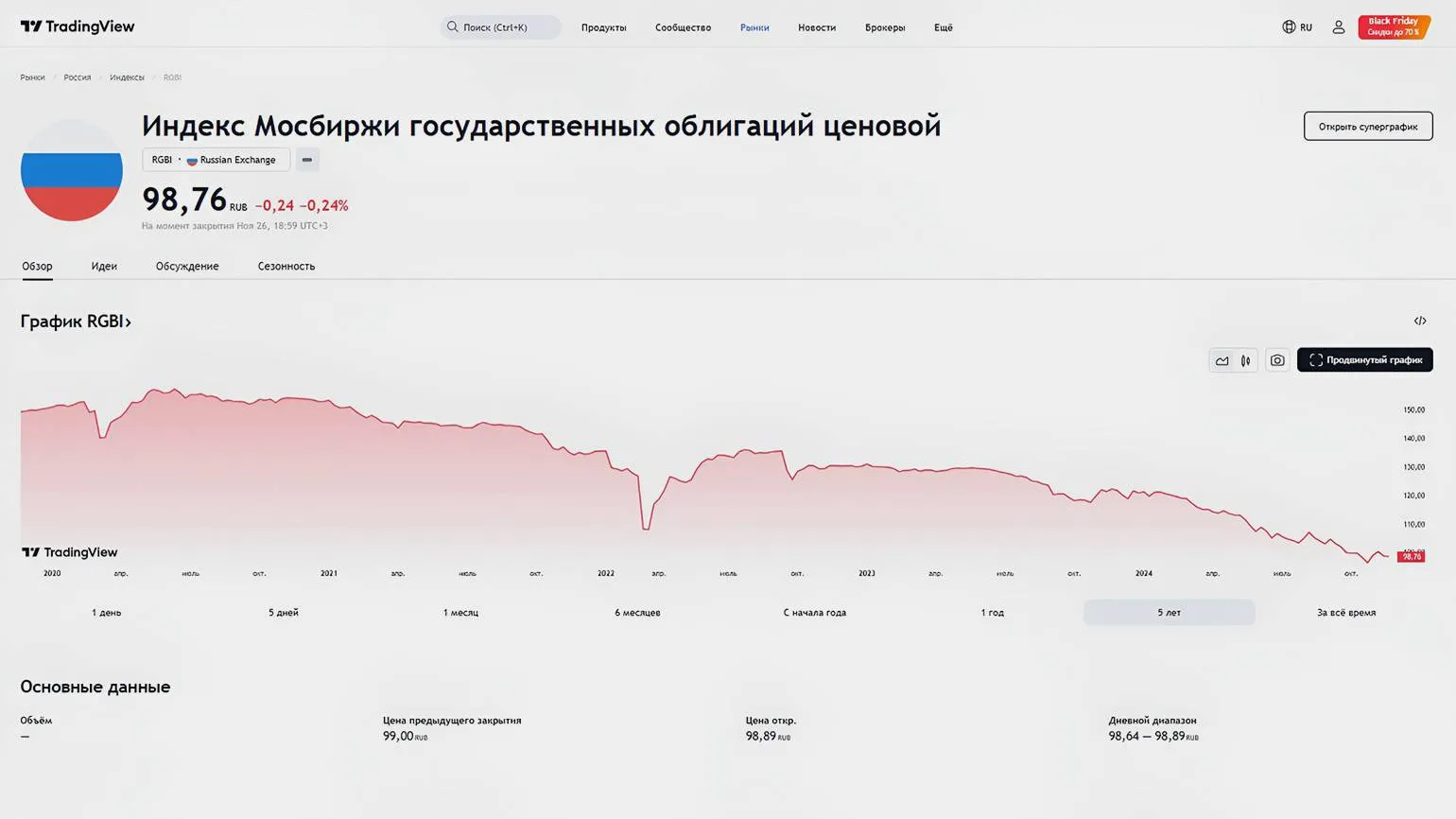
Bonds can be purchased and sold exclusively through a broker who acts An intermediary between the buyer and the exchange. A broker can be either a bank or a specialized brokerage firm. To conduct transactions, you must register in the mobile app or on the chosen broker's website and open a brokerage account. Brokers charge a small commission for their services, which should be taken into account when planning investments.
Income from real estate can be generated in various forms, including apartments, houses, land, and commercial premises. One of the most effective ways to generate passive income is long-term rentals. By renting out your property, you can receive regular rent, providing a stable cash flow. Investing in real estate is not only a reliable way to increase capital but also provides protection against inflation. By choosing the right rental property and monitoring its condition, you can significantly increase the return on your investment.

Revised text:
Explore additional materials to expand your knowledge. We offer a variety of resources for an in-depth understanding of the topic. Don't miss the opportunity to get useful information and recommendations. Materials like these will help you better understand the issues and find answers to the topics that interest you.
Real Estate Investing in 2024: Is It Worth Investing and Which Strategies Are Most Effective
In 2024, the real estate market continues to be attractive to investors. Given current economic conditions and trends, it is important to evaluate the profitability of investing in real estate and which strategies can generate the greatest returns.
Demand for housing is currently growing, creating opportunities for profitable investments. Investors can consider various strategies, such as buying properties to rent out, participating in new developments, or purchasing properties for resale. Each of these strategies requires careful market analysis to minimize risks and maximize returns.
Buying properties to rent remains one of the most popular strategies. The rental business provides a stable cash flow and can be a reliable source of income. It is important to choose properties in areas with high rental demand, which helps ensure long-term occupancy and property value growth.
Investing in new developments also has its advantages. Purchasing a home during the construction phase can lead to significant savings and capital gains as the project is completed. However, it is important to consider the potential risks associated with market delays and changes.
Reselling real estate can be a riskier strategy, but with the right approach, it can yield significant profits. It is important to monitor market trends and select properties that are likely to be in demand in the future.
In conclusion, real estate investing in 2024 can be profitable with the right strategy and thorough market analysis. Investors must be prepared for change and adapt to new conditions to succeed in this segment.
Rental and property sales income are determined by factors such as the area, location, and condition of the property. According to Yandex Real Estate, apartment rentals in Moscow are almost twice as expensive as those in St. Petersburg. However, the Northern Capital has seen a more significant increase in prices over the year, due to a decrease in supply on the real estate market. This emphasizes the importance of analyzing the market situation when choosing an investment object.

Real estate has a significant drawback as an investment method - a high entry threshold. Unless you received the property as a gift or inheritance, acquiring it will require an investment of several hundred thousand or millions of rubles.
If you don't have sufficient funds to invest in real estate, consider taking out a mortgage. In this case, you must first pay off the loan before the property can begin generating income. This process can take several years, and in some cases, decades. Investing in real estate with a mortgage requires careful planning and patience, but can lead to significant returns in the future.

Read also:
Mortgages in 2024: advantages and disadvantages
Deciding whether to take out a mortgage in 2024 requires careful analysis. On the one hand, mortgage rates may remain low, making lending more affordable. This could be an excellent opportunity to purchase your own home. Furthermore, with rising real estate prices, purchasing an apartment or house could be a profitable investment.
On the other hand, the real estate market may face uncertainty due to economic changes. Possible rate fluctuations and instability in the labor market could impact borrowers' financial situation. It is also important to consider additional costs associated with a mortgage, such as insurance and taxes.
Before deciding to take out a mortgage in 2024, you should carefully evaluate your financial capabilities, study current market conditions, and consult with an expert. This will help you avoid potential risks and make an informed choice.
Dividends are a portion of a company's profits distributed among shareholders. Investors receive dividends for as long as they own the shares. To ensure passive income, it is advisable to purchase dividend shares of large and stable companies, which will allow you to receive regular payments. Investing in dividend stocks is a strategy that not only increases income but also potentially leads to capital growth.
Shares of large companies that pay dividends are considered more stable than stocks of startups, which can be subject to significant price fluctuations. Investing in dividend stocks provides a greater degree of reliability and predictability, which makes them attractive to long-term investors seeking financial stability and regular income.

Read also:
Dividends are a portion of a company's profit that is distributed among shareholders. This is one way companies reward their investors for their capital. For beginning investors, understanding dividends and their potential is a key aspect of successful investing.
Earning dividends is possible by purchasing shares of companies that pay regular dividends. Investors can receive income in the form of cash payments, making dividend stocks attractive to those seeking a stable income. It is important to keep in mind that not all companies pay dividends. More often, dividend payments are made by mature companies with a strong financial position.
To succeed in investing in dividend stocks, it is important to conduct in-depth company research. Evaluate financial metrics such as the dividend payout ratio, profit growth, and business stability. Dividend stocks can become part of a long-term investing strategy, allowing you to receive regular income and accumulate capital.
Investing in dividends also involves reinvesting received payments into the purchase of additional shares. This allows you to increase your investment and potential future income. Choosing the right dividend stocks and understanding their role in your investment portfolio will help you achieve your financial goals and ensure a stable income over time.
Investor income is determined by two main factors: share price and dividend yield. For example, Lukoil shares grew by 29% from 2018 to 2024. This demonstrates the company's stability and its attractiveness to investors. Increased share price and regular dividends can significantly increase an investor's overall income, making analysis of these metrics important for investment decisions.
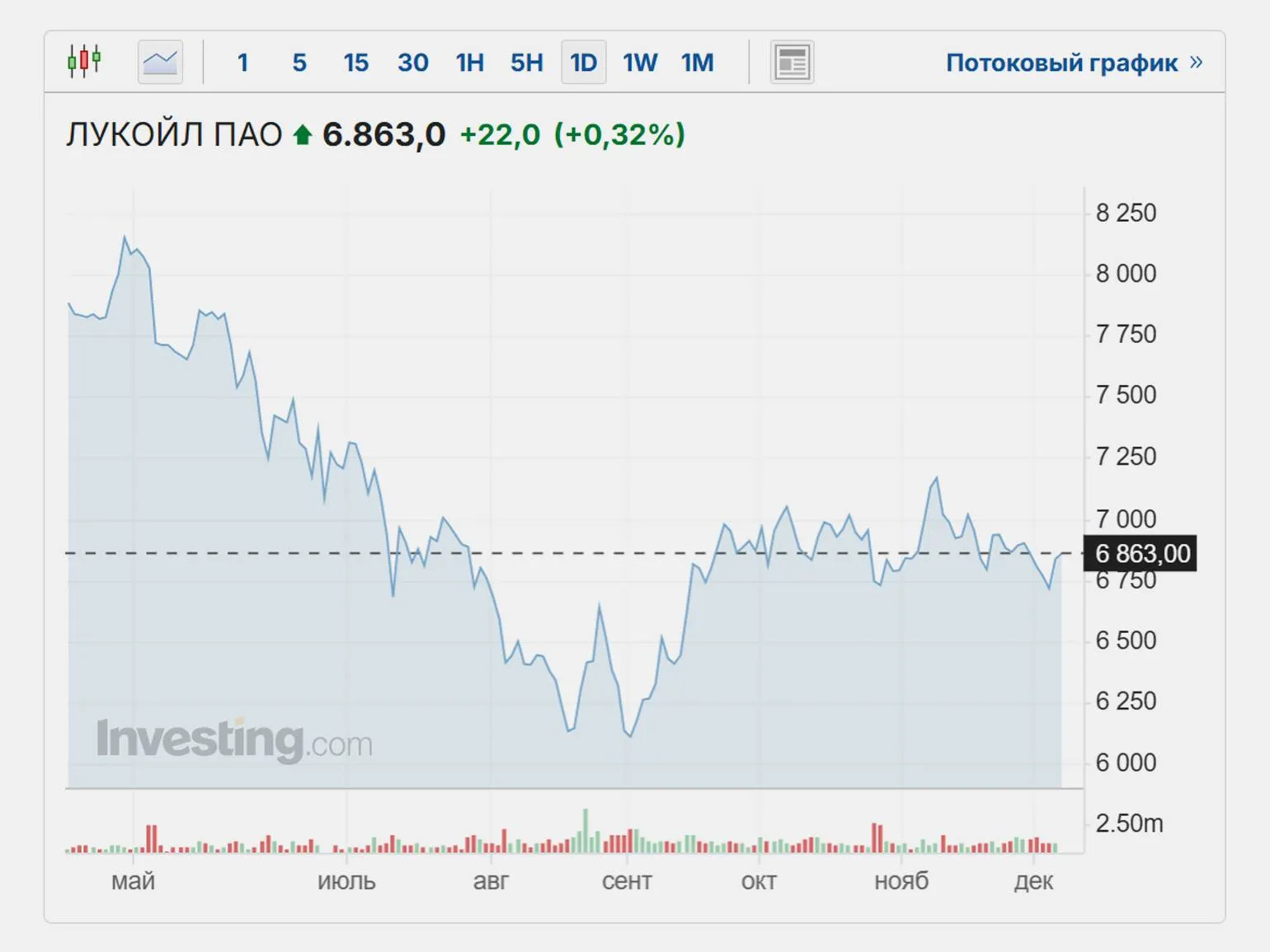
The size and frequency of dividend payments depend on the company's decision, which determines when and how much funds will be paid to shareholders, and also decides on the appropriateness of these payments. Dividends can be paid annually, quarterly, or semi-annually. In addition, the dividend yield is directly related to the share price at the time of purchase. Typically, this figure ranges from 7 to 15%, but in some cases it can reach 20%. Investors should consider these factors when choosing stocks for a stable income.
In a crisis, a company may temporarily suspend payments to shareholders. An example of this is the situation with Sberbank in 2022. However, in 2023, the bank demonstrated stability and paid a record 752 billion rubles to its shareholders. This emphasizes the possibility of restoring financial performance and confidence in the future.
Stocks and bonds can only be purchased through a broker. This intermediary provides access to financial markets and helps investors effectively manage their portfolio. Choosing a reliable broker is an important step for successful investing in stocks and bonds.
What instruments will help increase capital
Investing isn't always about generating passive income. Often, the goal is to increase savings or protect them from inflation. There are a number of low-risk investment instruments that can help you achieve these goals. Let's consider the most suitable options for preserving and increasing your funds.
A mutual investment fund (MIF) is a financial structure that collects funds from investors and directs them into a variety of assets, including currencies, stocks, bonds, real estate, and business shares. To become a member of a MIF, you must purchase a unit, which is a share in the fund's total assets. Investing in a MIF allows you to diversify risks and gain access to professional capital management. Choosing a MIF can be an effective solution for those looking for ways to increase their capital with minimal effort.

Read also:
Mutual funds and exchange-traded funds: a basic guide for a beginning investor
Purchasing mutual funds (MUFs) and exchange-traded funds (ETFs) is becoming increasingly popular among investors. These instruments provide an opportunity to diversify investments and reduce risks. Mutual funds are managed by professional management companies, allowing investors to access markets that may be inaccessible to individual investors. Mutual funds, in turn, are traded on the stock exchange, ensuring their liquidity and the ability to buy or sell at any time.
When investing in mutual funds and mutual funds, it is important to consider your investment objectives, risk level, and time horizon. Mutual funds often have a fixed term and can be less liquid, while mutual funds offer flexibility due to the ability to quickly exit investments. Before choosing a specific fund, it is worth examining its investment strategy, fees, and past performance.
For a beginning investor, it is also useful to familiarize yourself with the legislation and tax aspects associated with investing in mutual funds and mutual funds. This will help avoid potential mistakes and improve the effectiveness of your investments. Choosing the right fund and understanding its mechanisms can be the key to successful investing.
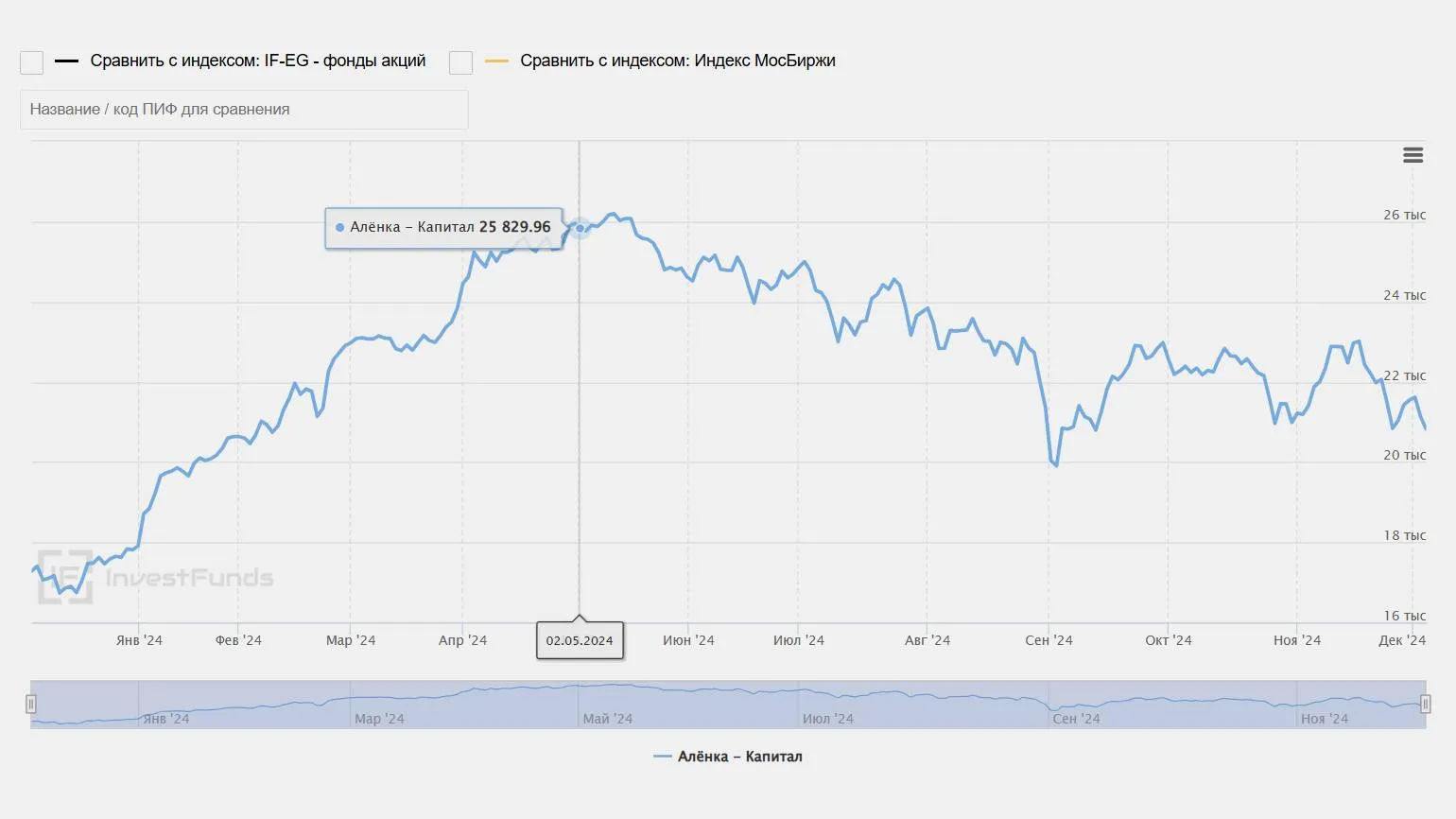
The management company (MC) is responsible for managing the invested funds. It monitors asset values and analyzes risk levels, making decisions about buying or selling assets based on market conditions. The management company charges a commission for its services, which is typically included in the mutual fund's price. Earnings on shares are made possible by their growth in value. The level of income depends on the quality of the assets managed by the fund and their market value. For example, from January to November 2024, one of the most profitable open-end mutual funds in Russia, Alenka Capital, provided its shareholders with a return of 123.49% per annum. This confirms the effectiveness of investing in mutual funds, which can become a profitable tool for increasing capital.
The Federal Law "On Investment Funds" dated November 29, 2001, No. 156-FZ, protects equity holders from fraud. This law regulates the activities of investment funds and establishes strict rules to help prevent financial abuse. The Central Bank of Russia oversees the fund, and a specialized depository ensures compliance with all norms and standards. This creates additional guarantees for equity construction participants and promotes greater transparency in the real estate market.
A share can be purchased both on the fund's website and on the stock exchange. Minimum contribution amounts vary: they can start from 100 rubles and reach 100,000 rubles.
Owners of mutual investment funds (MIFs) containing dividend stocks or bonds can receive coupons and dividends as a source of passive income. However, most often, profit is achieved through the growth in the value of assets and the subsequent resale of shares at a higher price. Therefore, mutual funds are viewed primarily as a tool for increasing personal capital, which can then be reinvested, for example, through bank deposits to generate stable passive income.
Cumulative life insurance (CLI) is an effective tool for preserving capital and protecting life and health from unforeseen situations. By purchasing a policy from an insurance company, you have the opportunity to make regular payments, whether annual or monthly, over the term specified in the contract. CLI not only provides financial protection but also helps accumulate funds for future use. This approach allows you to be confident in the future and create a financial safety net for yourself and your loved ones.
If the contract expires without an insured event occurring, the insurance company will refund the entire accumulated amount. In the event of an insured event, the company pays both the insured amount specified in the contract and the funds accumulated by the client during the term of the contract.

Investment life insurance (ILI) is a financial instrument that combines elements of insurance and investment. The client enters into an agreement with the company, under which they contribute a certain amount. The insurance company not only provides life protection for the client but also uses their funds to invest in various assets, selecting the most attractive options based on market conditions. At the end of the contract, the insured receives not only the initial payment but also the potential profit from the investment. However, it is worth noting that the return on ILI is not guaranteed, as the investments may not live up to expectations.
The main advantage of endowment life insurance (ELI) and investment life insurance (ILI) is the ability to preserve funds. Even if you do not receive income exceeding the amount paid for the policy, it can serve as an effective savings account. However, it is worth keeping in mind that the insurance company does not refund the entire deposited amount in the event of early termination of the contract. Therefore, it is important to carefully evaluate the terms of the policy and your financial goals before deciding to purchase it.
Cumulative and investment life insurance is an effective way to build capital for future passive income and also provides life and health protection in the event of unforeseen situations. This financial instrument combines elements of insurance and investing, allowing you to benefit from both savings and insurance coverage. By investing in such policies, you not only create a financial safety net but can also expect your funds to grow, making this option attractive for those planning to secure a stable future.
You can purchase an insurance policy either online through the insurance company's website or in person by visiting an office. It is crucial to carefully read the terms of the insurance contract. It is recommended that you not only consult with an insurance agent but also seek legal advice. Insurance company contracts often contain various nuances that can significantly affect the terms, terms, and amounts of payments. Therefore, to avoid unpleasant situations and misunderstandings, it is worth paying special attention to each clause of the agreement.
The Key to Passive Income in 3 Points
- Passive income is income that does not take up much of an investor's time. In most cases, low-risk investments require minimal attention from the investor. Investing in high-risk assets requires knowledge, time, and a willingness to lose money. In this case, investments cease to be passive and require more attention.
- You don't have to invest large sums at the start. You can start with one thousand rubles and then gradually increase your investment. This approach will allow you to gradually increase your personal capital, which after 10-15 years could become your primary source of income.
- Passive income can be generated through bank deposits, savings accounts, bonds, mutual funds, dividend-paying shares, savings and investment life insurance, as well as by selling real estate or renting it out long-term. Each method of earning passive income has its own characteristics.
Personal Finance: Investments and Trading
You will understand how to allocate a budget for investments and profitably trade securities. Learn how to earn money and not lose money on investments. Start your journey to financial freedom. The course speaker is Yulia Afanasyeva, a stock market investor with a personal trading account of over $1 million.
Find out more