
Contents:

Free test: which digital profession is right for you? Find out the answer in 15 minutes and try your hand at a new specialties.
Learn moreWhat is shopaholism
Shopaholism, also known as oniomania, compulsive shopping, or pathological shopping, is a behavioral addiction characterized by uncontrollable and impulsive shopping. People suffering from shopaholism often do not realize the extent of the problem and continue to spend money on unnecessary things, which can lead to financial difficulties and negative consequences for their personal lives. This addiction can arise for various reasons, including the desire to fill emotional voids or avoid stress. Understanding the nature of shopaholism and its consequences is an important step to overcoming this problem and regaining control over your finances and behavior.
The ICD does not provide for a standalone diagnosis of "shopaholism". Shopping addiction is generally classified as a disorder of habits and cravings. The most closely related disorders to shopaholism are ludomania, characterized by gambling addiction, pyromania, associated with a compulsion to set fires and fire, and kleptomania, manifested by a compulsion to steal. Understanding shopaholism as a mental disorder helps better understand its impact on a person's life and the need for professional help.
Anna Burova is a professional expert in her field, possessing significant experience and knowledge. She specializes in providing high-quality services that meet client needs. Anna actively develops her skills and applies modern methods, which allows her to remain competitive and attract new audiences. Her approach to work is based on attention to detail and a commitment to excellence, making her an indispensable specialist. Throughout her career, Anna has established herself as a reliable partner, ready to offer individual solutions for each client. Shopaholism differs from other addictions in that it does not attract such overt social stigma. Theft, arson, and gambling are clearly condemned as they pose obvious threats. In contrast, shopping addiction is perceived as less dangerous. However, this is a misconception, as shopping addiction can have serious consequences for both the individual and those around them. Shopping addiction can lead to financial problems, deteriorating relationships, and even mental disorders. It is important to recognize that shopaholism is not a harmless hobby, but a serious problem that requires attention and support. The first case of shopaholism was recorded in 1915 by the German psychiatrist Emil Kraepelin. However, the problem of shopping addiction remained in the shadows for a long time and did not attract the attention of scientists until the 1980s. This is because the findings of research on shopaholism could negatively impact the interests of large companies and corporations that profit from consumer behavior. The resurgence of shopaholism research in recent decades is linked to growing awareness of mental disorders and the consequences of excessive consumption. Some scientists argue that shopaholism can be viewed as a socially acceptable drug, which partly explains its similarities to alcoholism. The problem with shopaholism is that it is difficult to assess from an external perspective. The line between pathology and norm in the context of hyperactive shopping is often blurred. Moreover, many television shows, articles, and public opinion contribute to the normalization of shopaholism, further complicating the process of diagnosing this disorder. Therefore, it is important to realize that excessive spending can be a sign of a serious problem that requires attention and understanding.
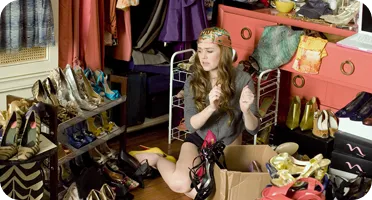
Reading is an important part of our lives and a key aspect of personal growth. It enriches our horizons, develops critical thinking and helps improve communication skills. It is important not only to read, but also to choose high-quality sources of information. Pay attention to books, articles and research that will help you deepen your knowledge in areas of interest. Reading a variety of genres, from fiction to nonfiction, opens new horizons and allows us to better understand the world around us. Don't forget to share what you've read with others; it encourages the exchange of ideas and fosters discussion.
Impulsive Buying: How to Prevent It
Impulsive buying can significantly worsen your financial situation and create unnecessary problems. To avoid spontaneous spending, it's important to understand the factors that influence our desire to buy things without thinking.
First of all, make a shopping list before going to the store. This will help you focus on what you really need and avoid the temptation to buy unnecessary things. Set a shopping budget and try to stick to it to control your spending.
Also, avoid shopping alone, as company can encourage impulsive decisions. Instead, choose a time to shop when you're in a good mood and can better control your desires.
Try to be mindful of the shopping process. Before making a purchase, give yourself time to think about whether you really need this item. This can be 24 hours or even more, which will help you avoid spontaneous decisions.
Finally, analyze your habits. Understanding the reasons why you make impulse purchases will help you better control your financial decisions and reduce unnecessary spending. With these simple strategies, you can significantly reduce the number of impulse purchases and improve your financial situation.
How to understand that I'm a shopaholic
Today I ordered a new cup, because pleasing yourself is important. The next day, my mood became sad, and I wanted something new. Then my dog got sick, and I needed a distraction. As a result, a new shelf with toys from the pet store appeared in the house. This approach not only helps improve your mood but also creates a comfortable environment for your pet. New items in the home and caring for your beloved friend make your days brighter and more fulfilling.

A person gradually gets used to acquiring things not out of real need, but for pleasure or as a way to distract themselves. This behavior may be normal in some cases, but in others, it may indicate a shopping addiction. Recognizing whether your behavior is cause for concern can be difficult. It's important to understand that healthy shopping should be based on real needs, not emotional impulses. Understanding your desires and motivations will help you avoid unnecessary spending and develop a more mindful approach to shopping.
The most common and reliable method for studying shopping addiction is the diaries of people who have recognized their shopping addiction. There are no clear criteria or stages of this disorder, making it difficult to diagnose. Most people exhibit varying degrees of interest in shopping, and identifying the onset of deviations from the norm is often extremely difficult.
Anna Burova is a professional in her field, possessing deep knowledge and experience. She is actively engaged in her work, striving for continuous development and improvement. Anna not only successfully achieves her goals but also inspires others with her approach to work. Her ability to find innovative solutions and adapt to change makes her a valuable specialist. If you need a reliable and qualified expert, Anna Burova is an excellent choice. The analogy is simple: a glass of wine with dinner a few times a week isn't alcoholism, but there's no guarantee it won't develop into daily bottles. The same applies to shopping: if a person regularly orders household goods from a marketplace and can afford it without breaking the bank, that's not shopaholism. It is important to know your limits and control your habits to avoid potential problems in the future.

Study additional materials:
Coffee Addiction: Symptoms, Consequences, and Ways to Get Rid of It
Coffee is one of the most popular drinks in the world. However, despite its prevalence, some people can develop a dependence on caffeine. Symptoms of coffee addiction include a constant craving for coffee, restlessness and irritability when coffee is not available, and headaches.
The consequences of coffee addiction can be serious. Caffeine overindulgence can lead to sleep disturbances, increased anxiety, and even cardiovascular disease. People suffering from addiction may experience difficulties in daily life, giving up social activities and active pursuits to satisfy their coffee craving.
To overcome coffee addiction, it is important to gradually reduce caffeine intake. Abruptly stopping can cause unpleasant symptoms such as headaches and fatigue. It is recommended to replace coffee with less caffeinated beverages, such as herbal teas or chicory. It is also worth paying attention to your sleep and diet to maintain energy levels and avoid breakdowns.
Ultimately, coffee addiction can negatively impact your health and quality of life. A mindful approach to caffeine consumption and the use of methods to reduce it will help you overcome the addiction and improve your overall health.
Small expenses in online shopping carts can easily develop into an addiction, which in turn can lead to credit card charges and debt. It's important to understand how small purchases can accumulate and impact your finances. Monitoring your spending and understanding their consequences will help you avoid unpleasant situations related to loans and debt.
In modern marketing, many techniques are aimed at quickly delivering dopamine, a hormone that causes euphoria and joy. We see advertising, make a purchasing decision, and experience instant gratification. It's especially nice that we can now order goods with delivery to our door on various dates. This creates a sense of celebration every day, reminding us of New Year's gifts and unexpected joys. This approach not only simplifies the shopping process but also makes it more emotionally charged and enjoyable.
Discounts and limited offers are powerful triggers for quick purchases. They activate two key mechanisms: the need for a quick solution and the desire to receive something that can bring joy. Using such methods in sales significantly increases the chances of a successful transaction. Creating an atmosphere of urgency and scarcity helps motivate buyers to take action, making offers even more attractive.
Anna Burova is a professional in her field, possessing significant experience and knowledge. She specializes in creating content that attracts attention and increases visibility in search engines. Anna has an excellent understanding of SEO optimization, which allows her to effectively promote projects online. Her work is distinguished by its originality and high quality, making her a sought-after specialist. Anna Burova actively monitors the latest trends in digital marketing and constantly improves her skills to provide clients with the best results.
The complex combination of these factors creates circumstances in which it becomes extremely difficult to avoid purchasing a product. A person experiences satisfaction from receiving something unique and advantageous, feeling successful. This easy access to pleasure leads to a desire to make frequent and larger purchases.
Every ordinary consumer has a compulsive side. Even the most rational people sometimes make impulsive purchases. However, those who regularly give in to their impulses and cannot control their spending can be classified as shopaholics. Shopaholism is a problem that affects an increasing number of people, and understanding this addiction is becoming important for preventing financial difficulties and improving quality of life.
If you are still unsure whether you are a shopaholic, we recommend taking a test. If the result is negative, the only way to overcome this problem is to develop mindfulness. A mindful approach to shopping will help you better understand your needs and control your desires.
The shopaholic's emotional cycle includes tension or anxiety before a purchase, elation and excitement at the moment of purchase, and feelings of guilt and shame afterward. If you recognize yourself in this description and notice that difficult days or difficult experiences often result in you filling your cart (even without actually making a purchase), it's worth carefully considering what emotions you're trying to avoid by spending time window shopping in stores, both in-store and online. Understanding your emotional triggers can help you find healthier ways to cope with stress and improve your quality of life.

Read also:
Seeking help from a psychologist can be a difficult step for many people. There are several reasons why we experience difficulties in this process. First, the fear of judgment from others can keep us from seeking professional help. We are afraid that someone will find out about our problems and judge us for it. Secondly, many believe that turning to a psychologist is a sign of weakness. This misconception makes people hide their experiences and avoid help.
The third reason is insufficient information about how the therapy process works. The unknown can cause anxiety and doubt. The fourth reason is the high financial cost of a psychologist's services. This can be a significant barrier for those who are already going through difficult times.
The fifth reason is stereotypes about mental health. Many people believe that only "special" or "crazy" people need help, which prevents them from seeking support in difficult times. The sixth reason is related to a feeling of vulnerability. Opening up to a stranger and talking about your problems requires tremendous courage.
The seventh factor is lack of time. The modern pace of life often leaves no time for visiting a specialist, which can lead to delays in seeking help. Finally, the eighth factor is the fear that therapy will not bring the expected results. We may doubt the effectiveness of psychological help and fear disappointment. Understanding these reasons can help us overcome internal barriers and take the first step toward improving our psycho-emotional state. Seeking help from a psychologist is an important step towards personal growth and harmony.
What causes shopaholism?
When sadness sets in, our hands involuntarily reach for the phone, and our fingers automatically open the marketplace. This happens because shopping can bring pleasure and cause a feeling of mild euphoria. The psychology of shopping plays an important role in our lives, and we often seek solace in new acquisitions. The desire to buy something new can be a way to lift your spirits and take your mind off your problems.

People who want to create a comfortable atmosphere in their home often find it difficult. Comfort and improvement of space do not have clear boundaries, and this process can be complex. There's a common misconception that home shopping is an exclusively feminine activity. However, this isn't true. Many men enjoy shopping, but are sometimes afraid to admit it for fear of ridicule and judgment. It's important to understand that home care is a shared responsibility, and both men and women can enjoy the process of choosing home furnishings.
Men can also experience shopping addictions, although this phenomenon is less noticeable than in women. The main difference is that women are more likely to seek help when they realize their behavior is becoming problematic. It's important to understand that shopping addiction can affect people of any gender, and recognizing the problem is the first step to overcoming it.
Anna Burova is a name that can conjure up different meanings depending on the context. If you're looking for information about her professional activities, it's worth noting that Anna Burova is an expert in her field, possessing significant experience and knowledge. She can actively participate in various projects, share her knowledge through articles or speeches, and influence the development of her field. If you require additional information about Anna Burova, please feel free to clarify the context in which you require information so that we can provide the most relevant data.
Shopaholism often arises from the desire to experience pleasure from shopping, which is associated with the release of dopamine, as well as from the habit of making small purchases, which can develop into a serious addiction. However, in some cases, the cause of the problem may be deeper and more complex.
Self-esteem and self-image significantly influence the formation of addictions and obsessive desires. Often, people seek to fill the gap between their current state and their desired image through shopping. The desire to be interesting and noticeable pushes us to buy new clothes. The desire to look more beautiful and younger leads to the purchase of cosmetics. The need for self-development and knowledge drives us to invest in online courses and books. Thus, shopping becomes not just an act of consumption, but also a way to satisfy psychological needs and develop a positive self-image.
The idea that shopping and material things can make us a better version of ourselves is an illusion. Shopping will not lead to the development of talents, improved communication skills, or increased happiness. To achieve these goals, you need to work on yourself, acquire new skills, and, if necessary, seek professional help. This path, although it requires effort, is more effective than the temporary pleasures of shopping. Despite this, many choose the easy and short-term option—shopping—which does not solve the problem of self-improvement.
Of course, I am ready to help with text editing. Please provide the original text you wish to change.
Marketers effectively exploit our desire for self-improvement by advertising images of the ideal body, leisure, and lifestyle. We may think the model's happy smile in the image is due to her luxurious swimsuit, but in reality, it's simply a marketing ploy to attract attention and encourage purchases. This tactic highlights how advertising shapes our expectations and perceptions of happiness, creating the illusion that material things can lead to satisfaction and success.
Anna Burova is a professional in her field, possessing significant experience and knowledge. She is actively involved in developing projects aimed at improving quality of life and increasing work efficiency. Anna always strives for new challenges and uses innovative approaches to achieve her goals. Her work is characterized by a high level of responsibility and attention to detail. Anna's experience in project management and teamwork allows her to successfully implement complex tasks and find optimal solutions. She is open to collaboration and willing to share her knowledge with others. Anna Burova is a name associated with professionalism and reliability in her field.
Developing the external self through shopping can lead to a vulnerable inner self. Increasing dependence on external factors, such as material things, often leads to a depleted inner world. It's important to realize that true happiness and satisfaction do not depend on material possessions, but are formed within us. Maintaining inner balance and harmony helps avoid dependence on external factors and enables the development of healthy relationships with oneself and the world around us.
Shame, guilt, and depression often accompany people suffering from various addictions. True happiness must be formed within a person, not dependent on external factors. Temporary joys can only create the illusion of happiness for a short period, but to achieve a stable internal state, you need to work on yourself and overcome internal conflicts.

Reworked text:
Pay attention to other interesting materials:
Dopamine is an important neurotransmitter that plays a key role in brain function, contributing to the processes of pleasure, motivation, and learning. It is responsible for transmitting signals between nerve cells and affects emotional state, mood, and overall productivity. Dopamine levels in the body can vary significantly under the influence of various factors, such as diet, physical activity, and stress.
To increase dopamine levels, it is important to pay attention to several aspects. First, a balanced diet rich in tyrosine, an amino acid necessary for the synthesis of dopamine. Foods containing tyrosine include meat, fish, eggs, dairy products, beans, and nuts.
Second, regular physical activity promotes the production of dopamine. Exercises such as running, swimming, or yoga not only help improve physical condition but also increase levels of this neurotransmitter.
It is also important to pay attention to the quality of sleep. Lack of sleep can negatively affect dopamine levels, so it is recommended to maintain a sleep-wake schedule.
Don't forget about social interactions. Positive emotions and spending time with loved ones can significantly increase dopamine levels. Furthermore, meditation and other relaxation techniques help reduce stress, which also has a positive effect on dopamine production.
Increased dopamine levels can contribute to improved overall well-being, increased motivation, and improved productivity. A healthy lifestyle and taking care of your mental health are key factors in maintaining optimal levels of this important neurotransmitter.
A third reason for the development of shopaholism is the desire to compensate for insecurities and self-doubt, as well as to satisfy unmet needs in a quick and affordable way. However, there is also a fourth reason: depression and loneliness. Research by Polish scientists led by Anna Maria Cybulska and Kamila Rahubińska shows that as the intensity of depressive symptoms and feelings of loneliness increases, the risk of developing shopping addiction increases. This highlights the importance of understanding the psycho-emotional factors influencing consumer behavior and the need to seek professional help if such problems arise.
The fifth reason is individual predisposition and family history. These factors can significantly influence a person's health and behavior. Studying family history helps identify hereditary diseases and predispositions, which allows for the adoption of preventative measures. Understanding personal and family characteristics is an important step toward improving quality of life and maintaining health.
The development of addictions is often linked to family history. This is not always a matter of heredity, but rather a combination of genes and ingrained behavior patterns. The risk of developing shopaholism is also influenced by factors such as income level, self-esteem, and overall mood. Furthermore, there is cross-addiction, when a new addiction develops based on an existing one. Understanding these aspects can aid in the prevention and treatment of addictions, as well as in the development of effective strategies for overcoming them.
Anna Burova is a renowned figure in her field, offering a unique approach to her work. She has extensive experience and deep knowledge, which allows her to effectively solve assigned tasks. Anna actively shares her experience and developments, which helps others achieve success. Her professional qualities and commitment to excellence make her a sought-after specialist. If you are looking for an expert who can make a significant contribution to your project, Anna Burova is the ideal candidate.
Shopaholism can be a result of upbringing. If parents demonstrated their love through material gifts, this increases the likelihood that the child will develop a shopping addiction.
Compulsive shopping is positively correlated with three key aspects of impulsivity: persistence, low motivation, and problems with planning. Individuals who exhibit pronounced manifestations of these characteristics are more susceptible to shopaholism. Understanding these relationships can help develop strategies for managing impulsive buying and improving financial behavior.
Shopaholism in the early stages often manifests itself selectively. For example, a beginning shopaholic might focus solely on buying clothing or fishing gear, ignoring promotions at other stores. Individual preferences and characteristics have a significant impact on the manifestation of this disorder. However, over time, interests lose their significance, and shopaholism encompasses more and more categories of goods. This indicates the progression of the problem and the need to pay attention to one's shopping habits.
The dangers of shopaholism
Shopaholism can lead to serious financial problems, leaving people without the funds for essential needs. In today's world, where credit cards, installment plans, and split payments have become commonplace, the risks increase. These financial instruments create a false sense of security: although cash is not available, a credit card balance is available. This leads to spontaneous purchases, for example, a visit to the mall after work. It is important to realize that such habits can negatively affect financial well-being and lead to debt. Therefore, it is essential to control your spending and avoid impulsive purchases.
Installment plans and credit cards may seem less dangerous than traditional debt, but at their core, they are the same debt with deferred payments. It is important for people prone to impulsive purchases to remember this. Recognizing that even an installment plan or using a credit card leads to financial obligations will help avoid unnecessary spending and debt addiction. It is important to carefully plan your purchases and consider all possible consequences to avoid finding yourself in a difficult financial situation.
Shopaholism has a negative impact not only on your financial situation but also on your overall mental health. Like other addictions, shopaholism depletes a person's internal resources, leading to emotional burnout. As a result, the sufferer begins to rely on shopping as a way to improve their mood, which only worsens the situation. The constant need to shop can lead to stress, anxiety, and depression, causing a person to seek solace in material things, which in the long run leads to even greater discomfort.
Shopaholism is not dependent on income level, as a person suffering from this addiction will spend more than they earn, regardless of their financial situation. In some cases, a compulsive shopper may hide their spending from family members, especially if they have previously expressed concerns about their excessive shopping habit. This highlights the seriousness of the problem of shopaholism and the need to seek help to overcome this addiction.
Anna Burova is a talented specialist in her field. She has extensive experience and deep knowledge, which allows her to effectively solve complex problems and achieve her goals. Anna actively participates in professional events and shares her experience and knowledge with colleagues. Her approach to work is distinguished by attention to detail and a commitment to continuous improvement. Thanks to this, she has established herself as a reliable partner and professional, capable of contributing to the development of projects and teams. Anna Burova demonstrates high results and attracts attention thanks to her determination and innovative ideas. Shopaholics often resort to throwing away unnecessary purchases or donating them to charity. This only increases the feeling of guilt over wasted money and again triggers the desire to make purchases that will help improve their mood. Shopping addiction creates a vicious cycle in which a person's emotional state is directly linked to their shopping habits. Shopaholism is a vicious cycle in which a person finds themselves. Initially, they feel vulnerable and uncomfortable, which leads to impulsive shopping. This brings momentary relief, but soon guilt and shame for the money spent return. These emotions contribute to further purchases, and the cycle continues. Over time, the time spent in this state only increases, exacerbating the problem. Understanding the mechanics of shopaholism can help you overcome it and regain control over your finances and emotions.

Reworked text:
Be sure to check out our additional information.
Bad Habits: 12 Habits You Should Break
Bad habits can negatively impact our health, mental state, and quality of life. Eliminating them is an important step toward improving overall well-being. Let's look at 12 habits you should quit.
Smoking is one of the most dangerous habits, leading to serious illnesses. Quitting smoking significantly improves health and increases life expectancy.
Excessive alcohol consumption is also a bad habit. It can cause problems with the liver, cardiovascular system, and mental health. Reducing alcohol consumption will help improve overall well-being.
Overeating and poor diet lead to obesity and other diseases. A sensible approach to nutrition and portion control will help you achieve a healthy weight and improve your quality of life.
Lack of physical activity negatively impacts health. Regular exercise strengthens muscles, improves cardiovascular health, and increases energy levels.
Social media addiction and constant smartphone use can distract you from real life and impair your social interactions. Limiting your time online can help restore balance.
Lack of sleep is also a bad habit. Chronic sleep deprivation negatively impacts your health, performance, and mood. Establishing a regular sleep schedule can help improve the quality of your rest.
Constantly procrastinating interferes with your personal and professional development. Using time management techniques can help you be more productive.
Negative thinking and constant self-limiting behaviors can hinder your goal achievement. A positive attitude and self-confidence contribute to successful development.
Excessive anxiety and stress can lead to various illnesses. Learn to manage your emotions and find ways to relax.
Consuming too much caffeine can cause anxiety and sleep problems. Reducing its consumption will help improve overall well-being.
Poor financial management and excessive spending create financial problems. Budgeting and planning expenses will help establish financial stability.
Ignoring the need to take care of yourself and your health can lead to serious consequences. Regular medical checkups and paying attention to your condition will help maintain good health.
Getting rid of these bad habits takes time and effort, but the results are worth the effort. A healthy lifestyle and positive changes in habits will help you become happier and more successful.
Shopping addiction is a serious problem that requires attention to a person's psychological state. This form of addiction can negatively affect various aspects of life, such as career, family relationships, and self-fulfillment. Shopaholism, as a way of avoiding reality, tends to progress, and eventually a person can become locked in a cycle of shopping, considering it the only meaningful activity in their life. Moreover, shopping addiction can be a sign of other illnesses that remain undiagnosed, as shopaholics often ignore the accompanying symptoms. It is important to recognize the consequences of this addiction and seek ways to overcome it in order to restore harmony in life and return to a fulfilling existence.
Shopaholism is a serious problem that negatively impacts a person's life. Above all, it is important for the person themselves to recognize the detrimental impact of their shopping on their financial and emotional well-being. Without this recognition, behavioral changes will be unlikely. Loved ones can play an important role in this process by suggesting the possibility of participating in family, individual, or group therapy. Such approaches can lead to significant improvements and help overcome shopping addiction.
Anna Burova is a professional in her field, possessing significant experience and skills. She is actively involved in various projects, demonstrating a high level of competence and a creative approach to work. Anna strives for continuous development, staying abreast of the latest trends and technologies. Her ability to effectively interact with her team and clients makes her a valuable professional. Thanks to her tenacity and determination, Anna achieves her goals and actively strives for new heights in her career.
How to Fight Shopaholism
The problem with shopaholism is that, as with other addictions, the first step is awareness of the problem and the desire to break free from an unhealthy attitude toward shopping. For shopaholics, this can be a difficult task. Even simply recognizing that something is wrong with them requires significant effort. If mindfulness and reflection skills are not developed, it can be difficult for a person to understand that their behavior is problematic. Developing self-awareness and critical thinking is a crucial step on the road to recovery, helping you identify and overcome shopping addiction.
Reflecting on your shopping behavior is essential if you want to improve your financial habits, optimize your spending, and understand how your purchases impact your budget. By analyzing your purchases, you can identify ineffective spending, prioritize product and service categories, and learn to make more informed decisions. This will not only save you money but also increase your shopping satisfaction, as you'll be buying exactly what you need. Understanding your shopping habits will help you achieve your financial goals and improve your quality of life.
- You notice that you spend more time and money on shopping than necessary;
- You think about shopping almost constantly;
- You spend every evening in the company of an online store;
- When meeting with friends, at work, and during leisure, you are often distracted by thoughts of upcoming purchases;
- You feel that shopping is displacing other household chores, stealing time from your loved ones, and becoming a full-fledged hobby, a way to spend leisure time and relax.
Recognizing shopaholism is an important first step towards overcoming addiction. Without awareness and recognition of an existing problem, it is impossible to achieve successful recovery. Understanding your addiction helps to identify its roots and find effective methods for solving it.
Shopaholism is often a symptom of other disorders, rather than an independent disease. For example, shopping addiction can arise from obsessive-compulsive disorder, in which a person fixates on certain actions and repeats them incessantly. In this context, shopping can become a form of compulsive behavior. Understanding the connection between shopping addiction and other mental disorders is important for effective treatment and support for people suffering from this addiction.
Shopaholism is often associated with anxiety and depressive disorder. People begin to compulsively acquire things to relieve, at least a little, the psychological pressure of the present moment and the uncertainty of the future. The thought of a package arriving tomorrow and the joy of unpacking it can temporarily calm them. Additionally, excessive spending and debt accumulation are often observed in people with bipolar disorder, which also indicates manic episodes.

Read also:
Anxiety disorder: causes, symptoms and treatments
Anxiety disorder is a mental condition characterized by a persistent feeling of worry and anxiety. It can manifest itself in various forms, such as generalized anxiety disorder, social anxiety, panic attacks, and phobias. The causes of anxiety disorders can be varied. These include genetic predisposition, chemical imbalances in the brain, stressful life events, and trauma.
Symptoms of anxiety disorders can range from mild anxiety to severe panic. Common signs include rapid heartbeat, sweating, tremors, difficulty concentrating, irritability, and sleep disturbances. These symptoms can significantly impact quality of life and the ability to perform daily tasks.
Treatment for anxiety disorders may include psychotherapy, medication, and self-help techniques. Psychotherapy, especially cognitive behavioral therapy, helps patients change negative thoughts and behavior patterns. Medications, such as antidepressants and anxiolytics, may be prescribed to reduce anxiety symptoms. Additionally, regular exercise, relaxation techniques, and a healthy lifestyle can help reduce anxiety.
It is important to seek professional help if you or a loved one is experiencing symptoms of an anxiety disorder. Early diagnosis and proper treatment can significantly improve quality of life and help cope with this condition.
Treatment of shopaholism requires consideration of concomitant mental conditions and diagnoses. An effective strategy for overcoming shopping addiction should be developed in collaboration with a doctor and psychotherapist. This will ensure a comprehensive approach to therapy and help achieve lasting results.
There are many methods in therapy that can effectively cope with the problem of impulsive shopping. It is recommended to start with keeping a diary in which you record the moments when the desire to buy arises. This will help identify the triggers that cause urges and become aware of your emotional states at these moments. Ask yourself questions that can help you understand the reasons for your purchases. What is the emotional basis of your impulse? Is it related to certain situations or stress? How often do you experience similar urges? Answering these questions will help you better understand your habits and develop strategies for changing them. Keeping a journal not only helps you become more aware of your actions but is also the first step to controlling your financial habits.
- When do you most often reach for shopping?
- What events and feelings are most often associated with this?
- Which of these moments would you like to devote to something else?
Motivational interviewing is an effective method of working with addictions that helps a person recognize the impact of addiction on their life. During this process, a person develops an understanding of the importance of change and the need to fight the addiction. This approach helps increase motivation to work on yourself and improve the quality of life.
First of all, it is important to determine exactly why shopping has become a problem for you. Not all cases of shopaholism are obvious. Regular small purchases for yourself are normal, as is decorating your home with interesting and practical solutions. By understanding your motivations, you'll be better able to understand how to control your spending and become more mindful of your shopping.
In today's world, giving up shopping can be a real feat. Marketing traps are everywhere, and consumption is becoming the foundation for the functioning of entire economies. It's important to maintain balance and not let shopping take center stage in our lives. A conscious approach to consumption will help you avoid unnecessary spending and focus on what's truly important.