Contents:
Learn: The Profession of Narrative Designer
Learn MoreThe work of a narrative designer differs from the craft of writing and screenwriting in its goal and approach to storytelling. Narrative designers focus on integrating plot into gameplay, creating interactions that captivate the player and promote their immersion in the game world. Unlike traditional writers, who often work with linear plots, narrative designers develop non-linear stories that consider player choice and its impact on the plot.
Success in this field requires a variety of skills. First, it's important to have excellent storytelling skills and an understanding of plot structure. Second, a knowledge of game design and how game mechanics can support or develop narrative is essential. Dialogue and character skills are also helpful in creating memorable and witty lines that will resonate with players.
When creating names for items, such as chests, and dialogue, it's important to consider the game's context and tone. Witty names can highlight the uniqueness of an item and add depth to the experience. To create brilliant dialogue, it's important to research the characters' personalities and motivations so that the lines flow naturally and fit the overall tone of the game. Remember that every detail matters when creating a captivating and memorable narrative in the gaming world.
Skillbox Media's Gamedev editorial team is launching a new column in which we ask simple and sometimes naive questions to professionals in the gaming industry. Our goal is to dispel myths and misconceptions about game development professions and provide readers with a better understanding of this fascinating field. We strive for honest and open dialogue to dispel doubts and provide useful information to those interested in a career in game development.
In our new article, we asked Anton Radus, narrative designer at Dreamside Interactive, 15 engaging questions. These questions reveal the unique aspects of working on games and the creative process behind creating engaging stories. Learn more about Anton's approach to narrative development and the ideas that inspire his work.
Narrative is a multifaceted concept that can have various interpretations. However, two key aspects can be identified. The first aspect refers to the story a video game presents to the player. The second aspect relates to the experience the user has while interacting with the game. Both of these elements play a vital role in creating an engaging gaming experience and fostering an emotional connection between the player and the game world. An effective narrative can not only capture attention but also immerse the player in a unique atmosphere, making each gaming session memorable. Narrative is the interaction between the story created by the writer and the player's perception of that story. The writer develops the script, and the narrative designer implements it into the game environment, using various game mechanics to convey the story. As a result, the player forms their own perception of what is happening, which may differ from the author's original intent. For game development professionals, the most significant narrative is the one that develops in the player’s mind.
Narrative is a polysemantic concept that can Narrative can have various interpretations. The primary meanings can be divided into two categories. The first meaning refers to the story the game offers, including its plotlines, characters, and their development. The second meaning is associated with the player's experience of interacting with the game world. This experience includes emotional reactions, decision-making, and immersion in the game's atmosphere. Thus, narrative in the context of a game represents both a story and a unique experience that shapes the player's interaction with the game. Narrative is the relationship between the story created by the writer and how the player perceives that story. The writer develops the scenario, and the narrative designer implements it into the game environment, using game mechanics to convey the story. As a result, each player develops their own perception of what is happening. For game development professionals, the most significant narrative is the one that the player develops, since it determines the emotional response and engagement with the game.
Interesting question. To understand what unites these two professions, it's worth noting their differences. Interior designers and UX designers perform different tasks and work in different fields. I don't have experience as an interior designer and am not familiar with the intricacies of this profession. However, it can be argued that user experience design is important in both fields. Ultimately, the goal of each of these professions is to create a comfortable and functional environment for users, whether it's a physical space or a digital interface.
The professions of game developers and screenwriters have interesting overlaps. One of the most effective methods of game storytelling is environmental storytelling. Instead of telling a story directly, a space is created in which traces of previous events are left. The player, interacting with the environment, begins to form an independent idea of what might have happened in this place. A clear example is a spilled bucket of paint, bare footprints of the same color, and an unfinished fence. This approach not only enriches the gameplay but also allows players to become more immersed in the story, creating a unique experience and emotional connection with the game.
An interior designer creates narrative through the environment. While there are some similarities with other fields, the differences are significant. First and foremost, an interior designer is not a game developer. Instead, his primary focus is on creating functional and aesthetically pleasing interiors that reflect his clients' personalities and meet their needs.
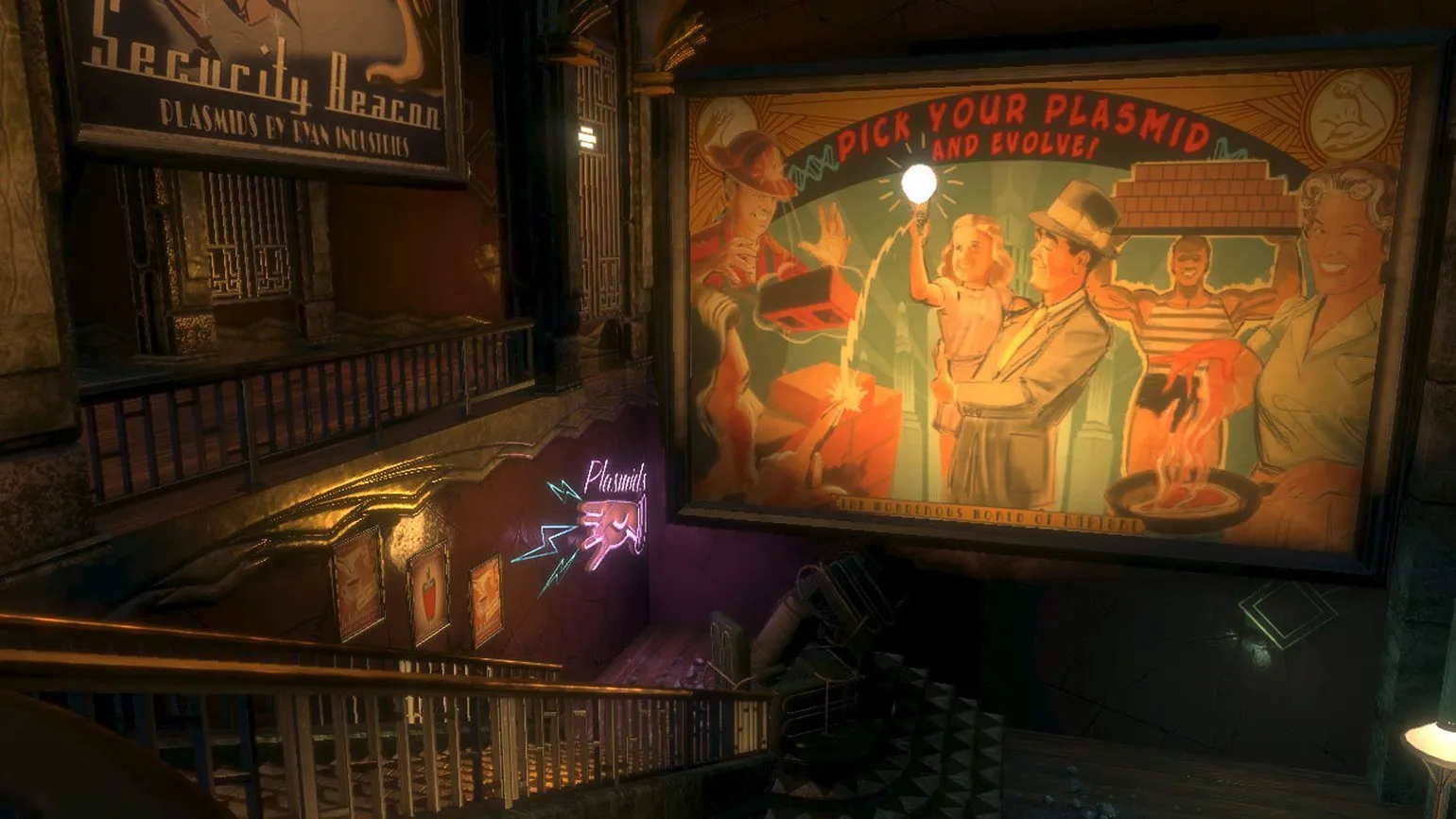
This is an interesting question. It's easiest to identify the commonalities between these professions. In fact, interior designer and UX designer are completely different professions. I don't have practical experience in interior design, so I'm not familiar with the intricacies of this field. However, it's worth noting that user experience design has its elements in both fields. It's important to keep in mind that each profession requires a unique approach and skillset, making them distinct but not devoid of common aspects in terms of understanding end user needs.
These two professions have many overlaps. One of the most effective methods of game storytelling is environmental storytelling. Instead of directly telling the plot, you create a space and leave traces of past events within it. The player, exploring this environment, independently forms a story based on what they see. A simple example: a spilled bucket of paint, footprints of the same color, and an unfinished fence. This approach not only engages the player but also fosters a deeper understanding of the plot, making the gaming experience more rich and memorable.
An interior designer creates atmosphere and narrative through space. In this context, certain parallels can be drawn with other creative professions, but the differences are significantly greater. First and foremost, an interior designer does not develop game worlds. Its task is to create a comfortable and aesthetically pleasing space, taking into account the functionality and individual wishes of the client.
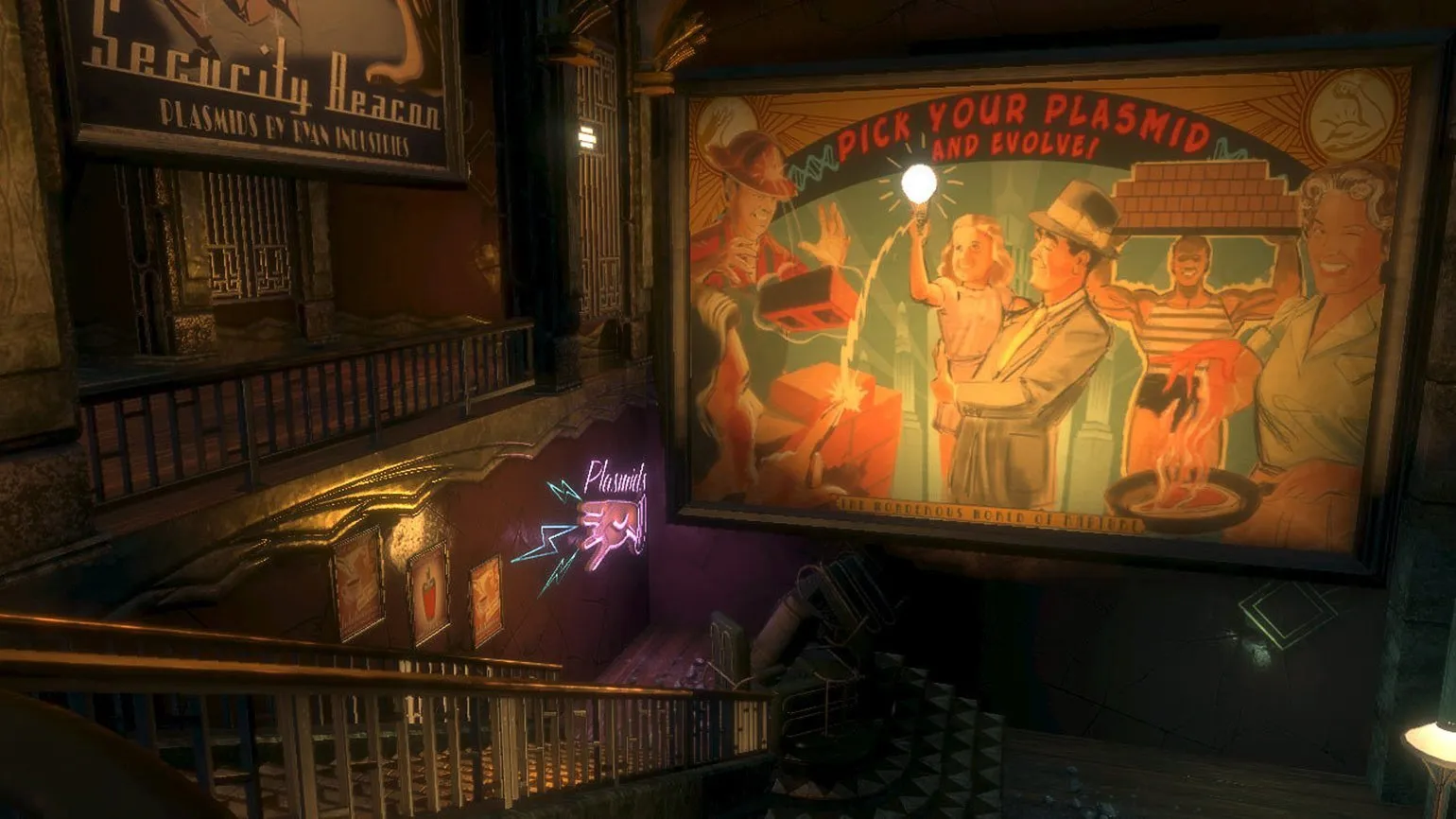
In game development Terminology remains ambiguous. Different studios may use the same titles to describe different roles. For example, a job titled "narrative designer" may encompass similar responsibilities to a game writer. The main difference is that a writer primarily develops the story, creates the overall concept, describes characters, and writes dialogue. Unless a team is divided into a game copywriter or writer, a writer is responsible for all text in the game. A narrative designer is a specialized field within game design. The primary task of a narrative designer is to create a compelling narrative within a game. They are responsible for ensuring that the story developed by the writer is conveyed to the player in the most effective manner. A narrative designer works to integrate the story into gameplay, developing dialogue, character development, and atmosphere, allowing players to become more immersed in the game world and experience an emotional connection with the story. This field requires a combination of creativity and technical understanding to ensure a harmonious interaction between story and game mechanics.
Terminology in the gaming industry remains fragmented, and different studios may refer to completely different roles under the same title. For example, a narrative designer position may, in practice, correspond to the position of game writer. The main difference is that a writer focuses on creating the story, developing the overall plotline, describing characters, and writing dialogue. In the absence of a distinction between game copywriters or writers, a writer is responsible for all textual elements of the game.
A narrative designer is a specialized game designer who focuses on creating high-quality storytelling in video games. Their primary task is to effectively convey the story written by the writer using various game mechanics and design elements. A narrative designer ensures that storylines, characters, and dialogue integrate harmoniously with gameplay, thereby creating an engaging and memorable experience for the player.
A good narrative designer must not only be able to write but also be able to distinguish high-quality writing from low-quality writing. However, for a writer working on books, narrative design skills may not be as relevant. It's important to understand that narrative design involves creating compelling plots and developing characters, which can significantly enrich a literary work. Therefore, even if a writer is focused on writing books, knowledge of narrative design principles can improve their work and make the text more engaging for the reader.
A good narrative designer must have writing skills and the ability to distinguish high-quality writing from low-quality writing. However, for a writer working on books, narrative design skills may not be as relevant. It's important to understand that narrative design involves creating engaging and interactive stories, which requires a unique approach to structure and presentation. While skill in working with text is key in this field, it doesn't always align with traditional writing. It's essential to integrate two key areas of development—game design and scriptwriting. I started as a game designer, balancing and tweaking game engine functionality. Later, I transitioned to a scriptwriter, developing plots, naming game units, and describing characters. Ultimately, I began to develop as a narrative designer, which allows me to more deeply integrate scripted elements into gameplay. This synergy between game design and writing opens new horizons for creating engaging and immersive game worlds.

Reworked text:
Don't miss the opportunity to get acquainted with useful information and relevant materials. We offer you valuable tips and recommendations that will help you solve various problems. Stay tuned to stay updated with news and receive quality content that can improve your life. Also, read other articles on our website to expand your knowledge and find inspiration.
A narrative designer is a specialist responsible for the creation and development of plots in video games, film, and other media. Their primary task is to build engaging stories that resonate with the audience. Narrative designers work on characters, dialogue, worlds, and overall storylines, ensuring the integrity and coherence of the narrative.
An important aspect of a narrative designer's work is collaboration with other team members, such as game designers, artists, and programmers. They must consider game mechanics and technical limitations to create a harmonious blend of story and gameplay.
Furthermore, narrative designers must research the target audience to understand which themes and ideas will be most appealing. This requires deep analysis and a creative approach to creating content that is not only interesting but also engaging for players or viewers.
Thus, a narrative designer plays a key role in shaping the emotional response and engagement of the audience, making them an indispensable participant in the media content development process.
Proficiency in English is an important and useful skill. Firstly, a significant amount of high-quality literature is available only in English. Knowing the language expands your knowledge base and opens new opportunities for personal and professional development. Secondly, many video games are developed with the international market in mind, and knowing English allows you to better understand their content and appreciate game mechanics. Mastering English not only facilitates access to unique resources but also improves communication in the global community.
Competing with native English speakers is indeed difficult. Reaching the level of writing high-quality literary texts will require significant time and effort. However, knowing English at a basic level offers many benefits. This opens up access to more information, improves communication, and expands career opportunities. Mastering English will not only enrich your personal experience but also become an essential tool in the modern world. Proficiency in English is an essential and useful skill in today's world. First of all, a significant amount of high-quality literature is available exclusively in English. Knowing this language expands your knowledge base and facilitates further development. Furthermore, most video games are developed with the international market in mind, making English essential for understanding game mechanics and plots. The ability to read and understand English texts opens new horizons for personal and professional growth. Competing with native English speakers is truly difficult. Achieving high results in writing high-quality literary texts requires significant time and effort. However, knowing English, even at a basic level, brings significant advantages. It not only opens up access to more information but also allows you to communicate with people from different countries, which in turn contributes to personal and professional growth. Learning English will be an important step towards expanding your capabilities and improving your communication skills.
Unfortunately, there is no universal answer to this question, as salaries can vary depending on the year and other factors. We recommend familiarizing yourself with current salary surveys to gain information on current salaries in your field. These surveys will help you better understand market trends and navigate salary issues.
The InGame Job website regularly conducts salary surveys in the gaming industry. An analysis of the median salaries of narrative designers depending on experience level revealed the following data: for Junior specialists, the salary is $438, for Middle-level specialists - $917, for Senior - $1,600, and for Expert - $2,785. These figures highlight the importance of experience and skills in this profession and can also serve as a benchmark for those seeking to develop in the field of narrative design.
The question of salary does not have a universal answer, as it depends on many factors and can change from year to year. For the most up-to-date information, it's recommended to consult salary surveys and studies that provide data on average income levels across various industries and regions. This will help you form a more accurate picture of current market rates.
The InGame Job website regularly conducts surveys on salaries in the gaming industry. Recent research has established median salaries for narrative designers based on their level of expertise. Currently, the median salaries are: $438 for Junior, $917 for Middle, $1,600 for Senior, and $2,785 for Expert. This data helps you better understand the labor market and navigate salary expectations in game development.
Game designers and their specializations are the least flexible among industry workers, as their skills are narrowly focused on game creation. Transitioning to another field requires significant effort on their part to learn new skills. Unlike game designers, programmers and marketers can more easily adapt to new fields, as their skills are more versatile and applicable across industries. Therefore, it is important for game designers to develop additional skills to improve their competitiveness in the job market. Narrative designers have the greatest affinity with related fields that combine drama and interactive elements. This includes escape rooms, immersive performances, and interactive films. However, to succeed in these fields, narrative design skills alone are not enough. It is necessary to further study new technologies and approaches in order to adapt to the rapidly changing demands of the industry.

Game designers and specialists in this field have highly specialized skills, making them less flexible than other professions. When transitioning to related fields, they face a significant learning curve. In contrast, programmers and marketers can more easily adapt to new conditions because their skills are more general. This difference in flexibility and adaptability can impact the career prospects of game designers and narrative designers, making the transition to other fields more challenging and demanding.
Narrative designers are most closely associated with related fields where both dramaturgy and interactive elements are significant. Such areas include escape rooms, immersive performances, and films with interactive components. However, to work successfully in these areas, the skills of a narrative designer may not be enough, and the acquisition of additional knowledge and skills will be required.

In game development studios, the roles of narrative designer and writer can vary significantly depending on the organizational structure. If a team has a dedicated narrative designer, they will be responsible for the visual design and readability of the text, ensuring consistency with the overall style of the game. If a project has only one writer, their responsibilities expand to become a narrative designer, responsible for all aspects of text content. This includes creating dialogue, descriptions, and other elements that influence player perception of the story. Understanding these roles is essential for the effective design and implementation of engaging gaming experiences.
Work within a studio depends on the team structure. If a project has separate roles for narrative designer and writer, the narrator is responsible for the design and readability of the text. When a team has only one writer who functions as a narrative designer, they are responsible for all textual elements of the project. This approach ensures the consistency and quality of the narrative in a game or multimedia product.
Ideally, this is indeed necessary. Working with a game narrative should focus on shaping the player's emotional experience, and in this context, it is important to avoid dissonance between gameplay and plot. It is important for the narrator to participate in the development and discussion of game mechanics. This allows for greater control over what happens in locations, as well as the correct placement of objects, creating a harmonious interaction between gameplay and story. This approach not only improves the overall perception of the game but also increases the player's immersion in its world.
I am actively involved in the development process, monitoring the rhythm of the narrative, which must remain consistent with the gameplay. My task is to ensure that the core game mechanics correspond to the original concept of the project. In addition, I am responsible for the placement of interactive objects on the map. For example, when creating a high-tension horror game, I pay special attention to ensuring that combat encounters don't turn into simple action, maintaining an atmosphere of tension and player engagement.
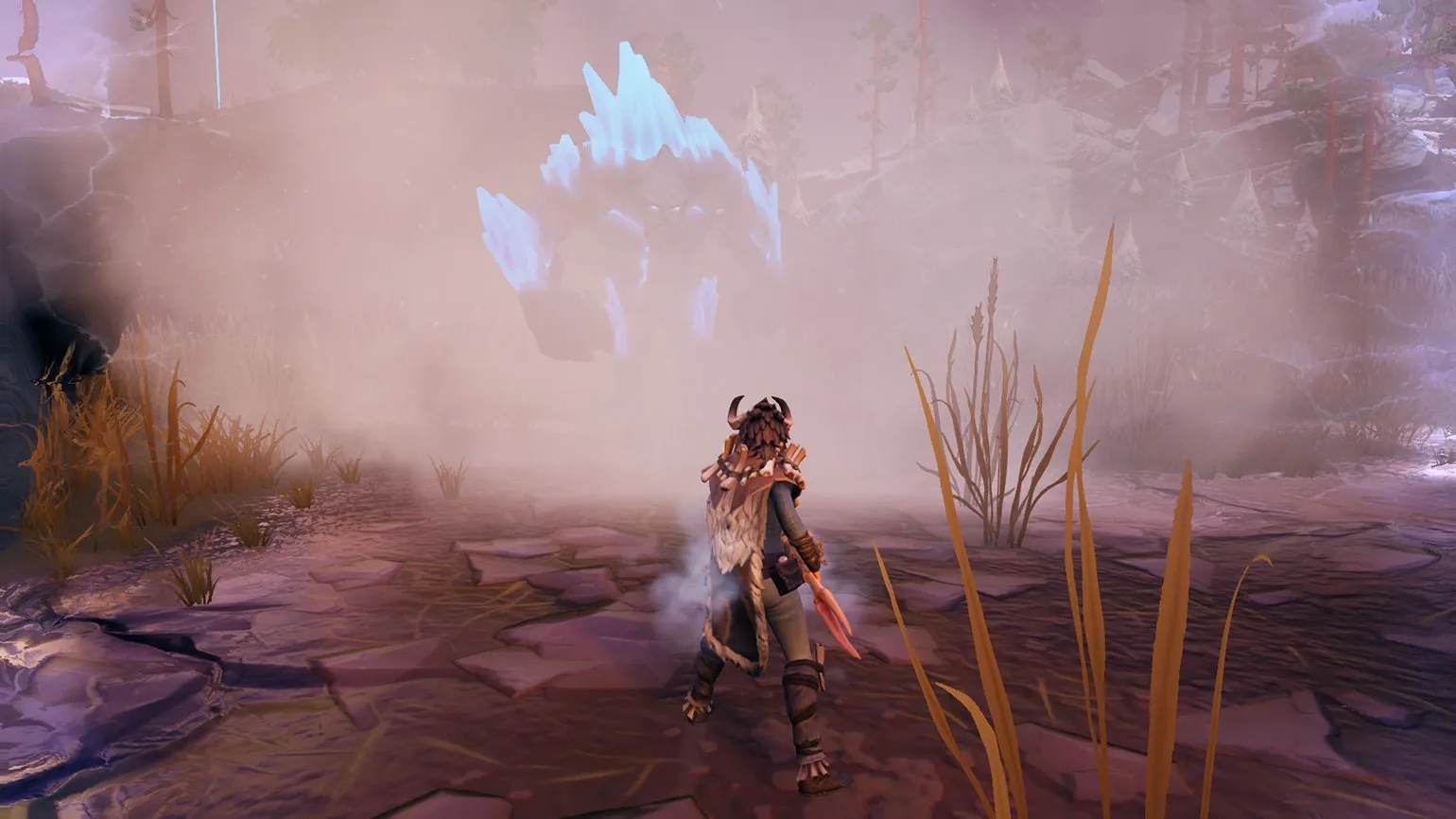
Ideally, yes. When working with a game narrative that builds the player's emotional experience, it's crucial to avoid dissonance between gameplay and plot. Having a narrator involved in the discussion and development of game mechanics significantly improves the integrity of the project. This allows for consideration of the events in locations and the correct placement of objects, which in turn enriches the gaming experience and makes it more engaging. The synergy between narrative and mechanics contributes to the creation of a harmonious and memorable game.
I am actively involved in the development process, overseeing the rhythm of the narrative, which must be consistent with the gameplay. My job is to ensure the core game mechanics remain true to the original concept. I also handle the placement of interactive objects on the map. For example, when creating a high-tension horror game, it's important that the battles don't degenerate into regular action.
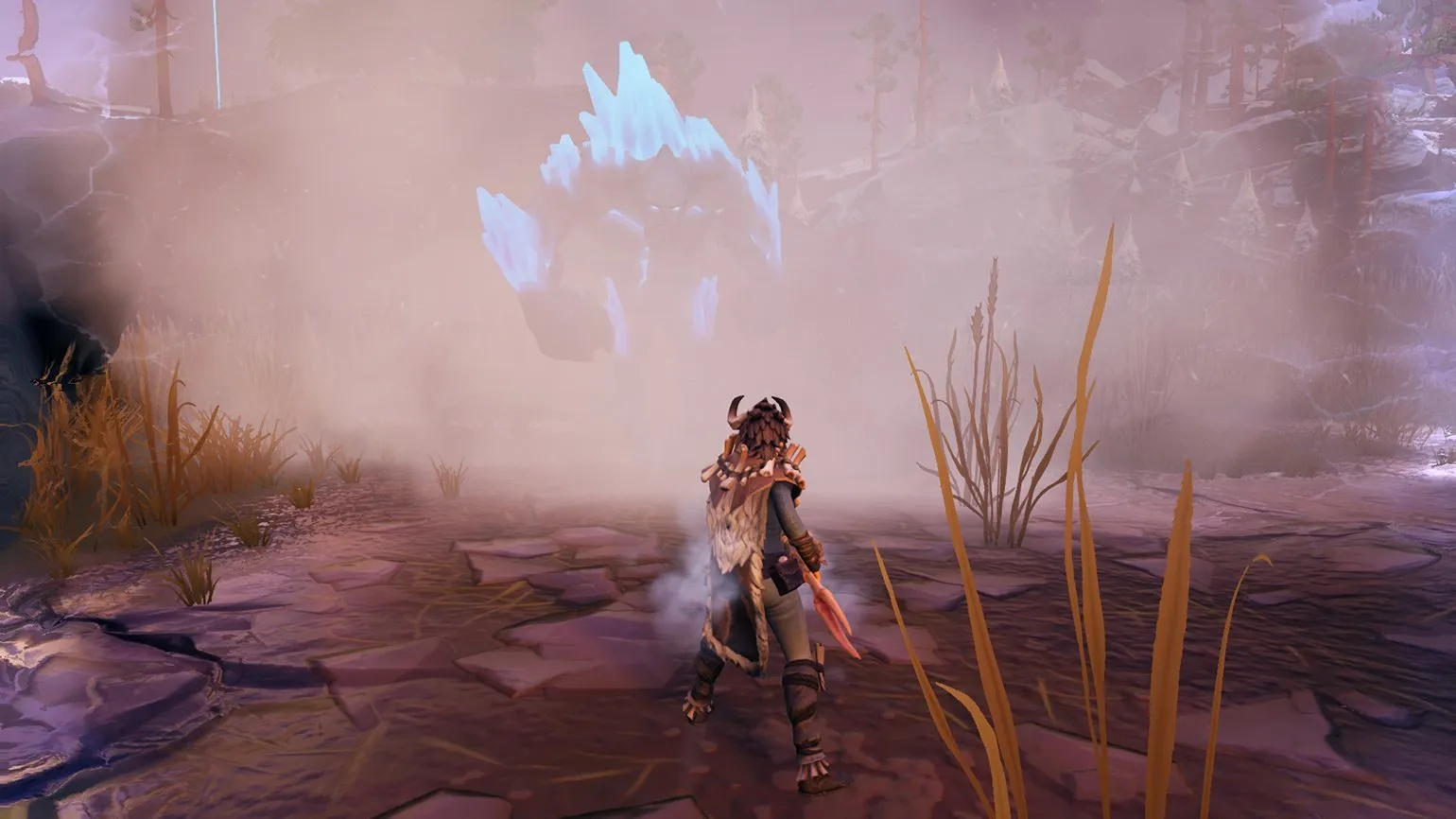
Of course, a lot depends on the specific game and the specifics of how nonlinearity manifests within it. Nonlinear games assume that the player will not be able or willing to complete all the content created for them. This leads to increased development costs, which can be an unbearable burden for some studios. When creating a nonlinear gaming experience, it's important to consider that such a model requires careful planning and additional resources to ensure the quality and diversity of game content.
The second aspect of nonlinear games is a significantly reduced level of control over the player and the development of the plot. Developers must consider a variety of different scenarios and possible outcomes, which increases the likelihood of errors. Nonlinear stories require well-thought-out logic, variable systems, and progression mechanics. Developing such plots requires more time and effort, as the complexity of their implementation is significantly higher.
Of course, the impact of nonlinearity on game mechanics varies significantly depending on the specific project. In a nonlinear game, it is important to understand that players may not explore all the content created by the developers. This means that the development costs of such games will be higher, as more resources are required to create diverse content. Not every studio can afford such an investment, which makes the choice between linearity and nonlinearity especially important. When developing nonlinear games, it is necessary to carefully plan the budget and strategy to maximize the return on investment.
When developing nonlinear games, the level of control over the player and the plot is significantly reduced. This requires considering a greater number of situations and scenarios, which increases the likelihood of errors. Non-linear narratives require the development of unique logic, systems of variables, and thoughtful progression. The process of creating such stories requires more time and effort, as the likelihood of error increases.
I can't speak about FIFA and their team structure, as I don't have this information. In general, not every game requires a strong narrative. Unlike film, game mechanics can exist independently, without an explicit plot. A classic example is Tetris, where a narrative designer was not necessary. However, the presence of a talented narrative designer can significantly improve the gameplay. In most cases, a well-developed story enriches a project, but even without it, the game retains its essence.
I can't comment on the internal affairs of FIFA, as I don't have information about their team structure. In general, not every game requires a narrative designer. Unlike film, a video game can be created solely based on mechanics, without a pronounced plot. For example, in Tetris, a narrative designer was not necessary. However, a good narrative specialist can significantly improve even a simple game. In most cases, a good storyline enriches a project, but even without it, the game remains complete and engaging for players.
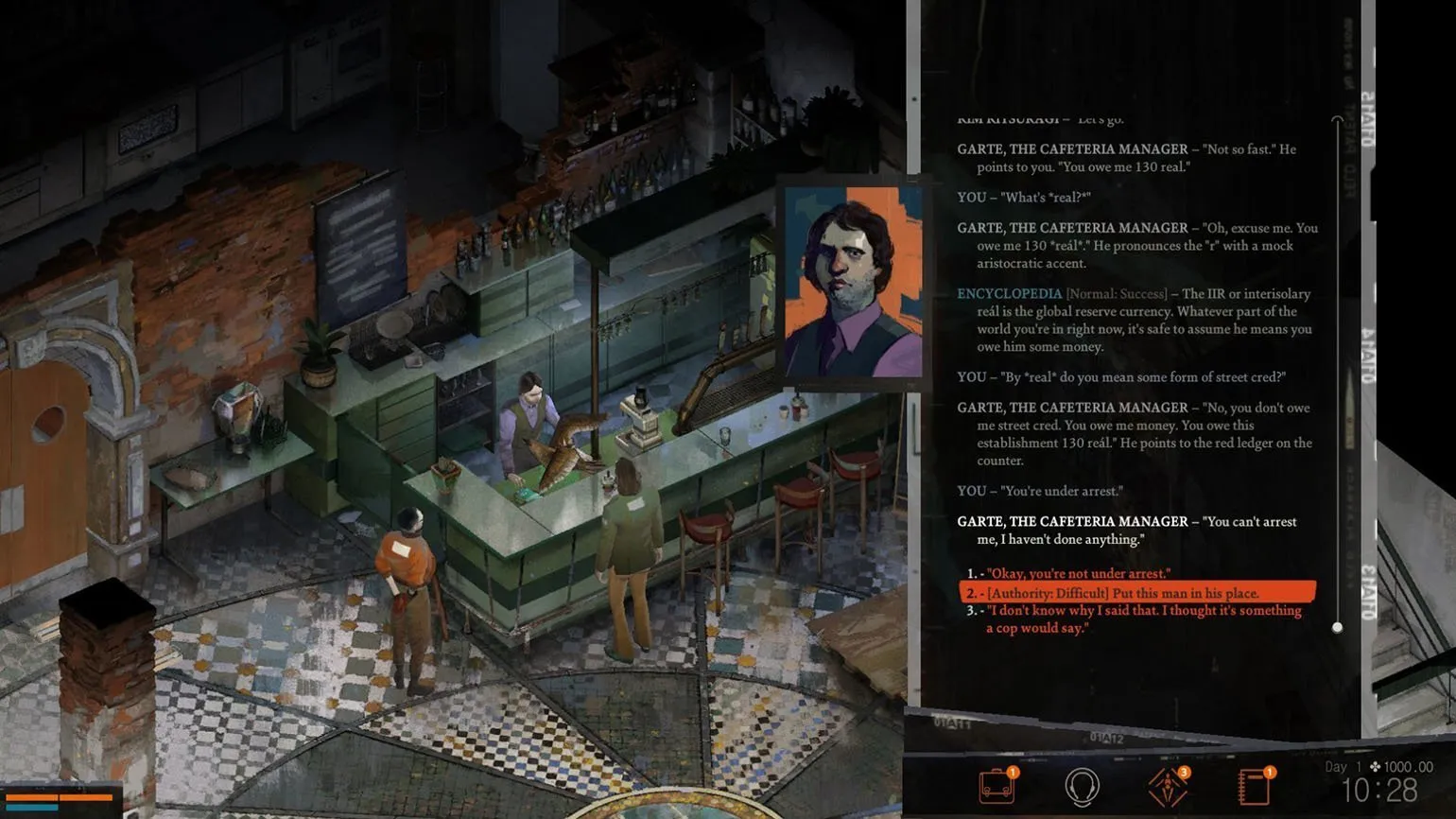
Important aspects of good dialogue are conflict and character development. Lines should clearly reflect the characters' personalities, avoiding cliches and cardboard cutouts. If dialogue lacks even a small amount of conflict, it risks becoming uninteresting. Pay attention to games with engaging dialogue: even friendly exchanges can contain elements of conflict. Small disagreements can add dynamism and depth. Examples of such games include Disco Elysium, Night in the Woods, and The Witcher 3: Wild Hunt, where dialogue plays a key role in developing the plot and revealing characters.
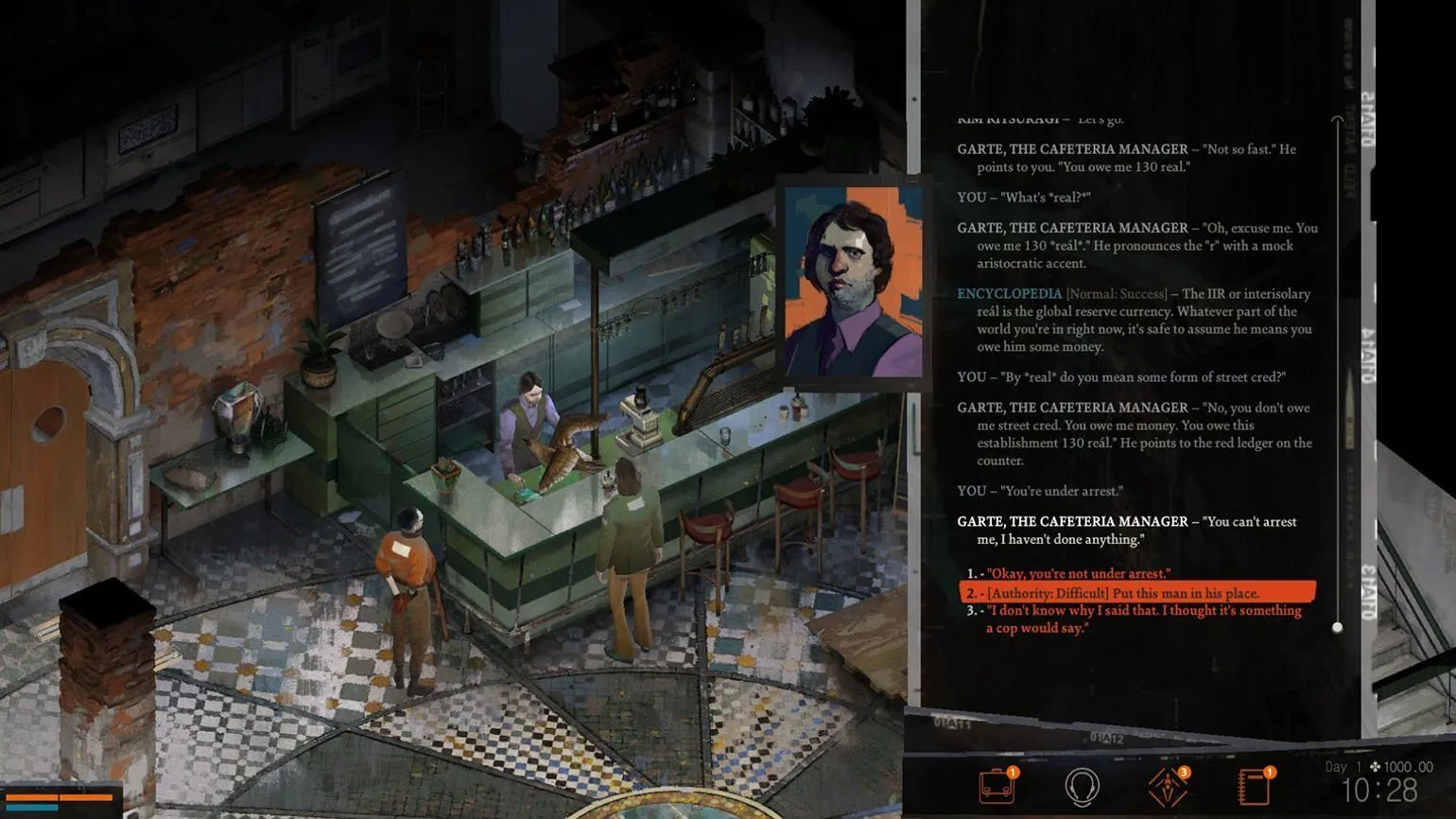
Important aspects of good dialogue include conflict and the development of character. Lines should clearly reflect the characters' individuality, avoiding cardboard cutouts and clichés. Even minor conflicts make dialogue more engaging. If a conversation lacks even the slightest conflict, it risks becoming dull and uninteresting. Consider games where dialogue is a strong point. For example, in Disco Elysium, Night in the Woods, and The Witcher 3: Wild Hunt, you can see how even friendly exchanges can lead to conflicts, adding depth and realism to character interactions.
First, we need to define the game's concept and setting. Is it a fantasy world or science fiction? The object known as a chest can take many forms, from a wooden box to a futuristic glowing container or even the corpse of a defeated enemy. It's also important to clarify the chest's role in gameplay. For example, the player might receive a reward after interacting with it. Defining the chest's function and its place in the setting are key aspects to consider early in the game's development.
The name for the chest plays an important role in gameplay. It can be plot-related, if characters discuss the item in dialogue, or used in marketing promotions to attract players, for example, offering 50 chests for a certain amount. Once we determine the purpose, we can choose an appropriate name. If the chest is unique and contains important items, such as runes, it could be called a "chest." This name will emphasize its significance and uniqueness in the game and will also help draw players' attention to its contents.
First of all, it is necessary to determine what exactly the game is about and in what setting it will take place. This could be fantasy or science fiction. Depending on this, the chest can take various forms: from a wooden box to a futuristic glowing container or even the corpse of a defeated enemy. Next, it is necessary to determine the role the chest will play in the gameplay. For example, after interacting with it, the player can receive various rewards. Therefore, it is important to clearly define the chest's functions and its place in the overall context of the game. This will help create a more engaging and logical gameplay.
Why do we need a name for the chest? It can play an important role in the plot, as characters will discuss it in dialogue. A name may also be necessary if we plan to sell chests to players, organizing a promotion, for example, "50 chests for N dollars." Once we understand the goal, we can choose a suitable name. Perhaps this chest is unique and only appears once in the game. If it contains runes, we can call it a "chest."
Immerse yourself in the finale of Brothers: A Tale of Two Sons, where you will experience a unique character control experience that forms the basis for a gripping story. I will not reveal details so as not to spoil the experience, but I strongly recommend playing the game for yourself. This experience will leave you with vivid emotions and deep reflections.
Immerse yourself in the finale of Brothers: A Tale of Two Sons, where you will experience a unique gameplay experience and unexpected plot twists. Control in the game becomes not only a tool but also an important part of the narrative, which makes it special. We will not reveal details so as not to spoil the experience, but I strongly recommend experiencing this path for yourself. Discover all the subtleties and depth of history that will make your adventure unforgettable.
Narrative Designer Profession
You will learn from scratch how to create scripts for games, invent characters, write dialogue, and convey ideas through gameplay. You can earn money in game development and implement the game project you've always dreamed of.
Find out more