Table of Contents:
- Comparing 3D and 2D Animation: Key Differences
- The Variety of 2D Animation: A Complete Guide
- Stages of 2D Animation Creation: From Idea to Finish
- Using 2D Animation in Various Industries
- Responsibilities of 2D Animators: Who They Are and What They Do
- Key Skills for a 2D Animator
- The Best 2D Animation Software in 2023 year
2D Artist Course with Employment: 5 Steps to Success
Learn MoreComparing 3D and 2D Animation: Key Differences
The main difference between 3D and 2D animation is their spatial structure. 2D animation, as the name suggests, works with only two dimensions: height and width. While 3D animation includes a third dimension—depth—which gives objects volume and makes them more realistic. 3D animation allows for the creation of complex scenes and dynamic movements, which significantly expands the creative possibilities of animators. 2D animation, on the other hand, is often used to create flat, stylish images that can be more expressive in certain contexts.
In 2D animation, characters and objects are presented in a flat format, while in 3D animation, they have volume and appear as three-dimensional sculptures. Notable examples of 2D animation include classic cartoons and video games, where characters are drawn on a flat surface. 3D animation, on the other hand, uses complex models that can be rotated and reshaped from various angles, giving them realism and depth. The differences between 2D and 3D animation affect the style, feel, and production method of animated projects.
- Disney classics such as Snow White, Mulan, and Pocahontas
- Hayao Miyazaki's creations, including Spirited Away and Howl's Moving Castle
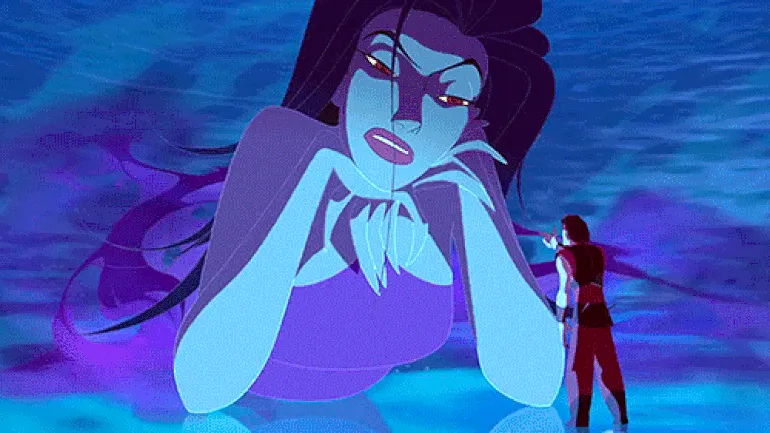
- DreamWorks Animation's Sinbad: Legend of the Seven Seas
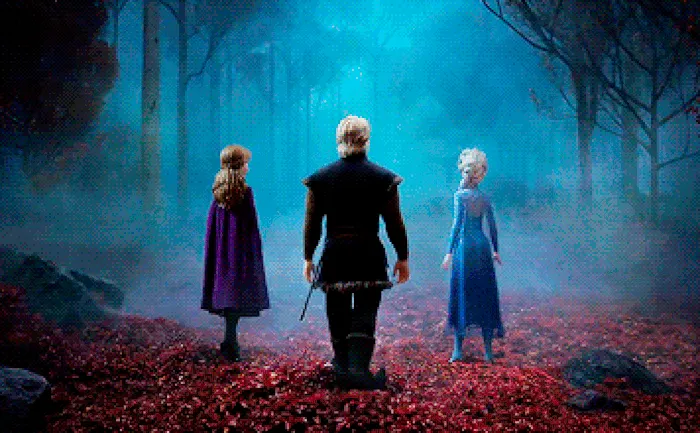
- Modern 3D Disney cartoons: "Frozen" and "Encanto"
- Cartoons from Pixar studios, such as "The Incredibles" and "Inside Out"
Animation sometimes combines 2D and 3D elements, creating unique visual effects. A striking example of this is the anime "Beasts of Wonder," which uses 3D technology to create a world of anthropomorphic animals. At the same time, the distinctive visual characteristics of 2D are preserved, making the animation engaging and original. This combination of technologies allows artists and animators to expand the boundaries of creativity and experiment with forms of presentation, which in turn enriches the animation genre as a whole.
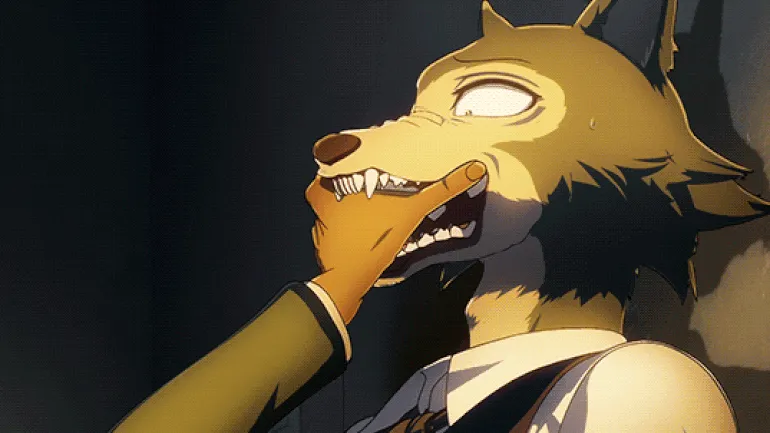
Studio Orange aimed to create a unique project combining elements of classic Japanese animation and the Disney style. In the process, they applied the cel-shading technique, which allowed them to develop 3D characters that visually resemble hand-drawn images. This combination of technologies gives the animation a special expressiveness and depth, making it attractive to a wide audience.
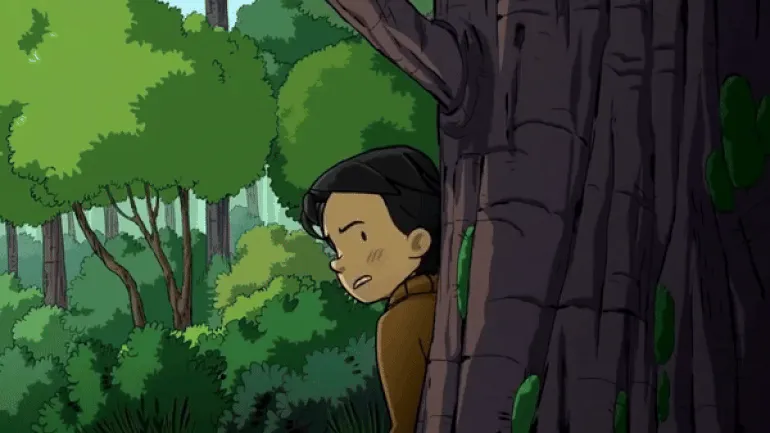
The French animated series "Long, Long Vacation" is an interesting example of animation stylized like the comics of Emile Bravo. Although 3D technology is used in production, the animated series retains a characteristic 2D aesthetic thanks to unique outlines and minimalist shadows. This approach allows you to create a visually attractive and memorable style that attracts the attention of viewers and distinguishes the project from similar animated works.
Pre-production
The pre-production stages of 2D and 3D animation share common processes, such as script development, character and location design, and storyboarding. However, 3D animation offers the opportunity to utilize more complex concepts and techniques, resulting in more realistic and detailed images. Pre-production stages in 3D animation can include object modeling, texturing, and lighting setup, which expands creative possibilities and helps realize more ambitious visual ideas.
During the animation stage, the differences between 2D and 3D become especially noticeable. In 2D animation, each scene is created by hand, drawing every element, which requires a significant investment of time and effort. In contrast, in 3D animation, character and environment models are developed first, and then animation is achieved using rigs and manipulation of 3D objects. This process allows for a higher degree of realism and flexibility in character movements, which is becoming a key advantage of 3D animation in modern multimedia content.
3D animation typically has a higher production cost compared to 2D animation. Basic pricing for services in this field can vary depending on the complexity of the project, the level of detail, and the technologies required.
- The cost of one minute of 2D animation: from $5,000 to $25,000;
- The cost of one minute of 3D animation: from $15,000 to $50,000.
The price of animation is determined by a number of factors, including the complexity of the animation, the style of execution, the length of the project, the level of experience of the studio, the software used, and the deadline. Each of these aspects affects the final cost, so it is important to consider all elements when planning a budget for an animation project.
The Variety of 2D Animation: A Complete Guide
Animation is a diverse art form that can be classified according to various criteria. One of the most common methods is division into styles and schools of animation, such as Japanese, French, American, and Soviet. In this article, we will focus on classifying animation based on the methods of its creation. This classification helps to better understand how different approaches influence the final product and what techniques are used to achieve the desired visual effect.
It is important to emphasize that the proposed approach to classifying animation is only one of many possible ones. Due to cultural and time differences, there may be alternative methods of categorizing animation. Each culture can bring unique elements to animation, which leads to the creation of a variety of styles and genres. Animation can be classified according to a variety of criteria, including execution technique, target audience, and thematic content. This diversity testifies to the richness of the animation art and its ability to adapt to different contexts and audience tastes.
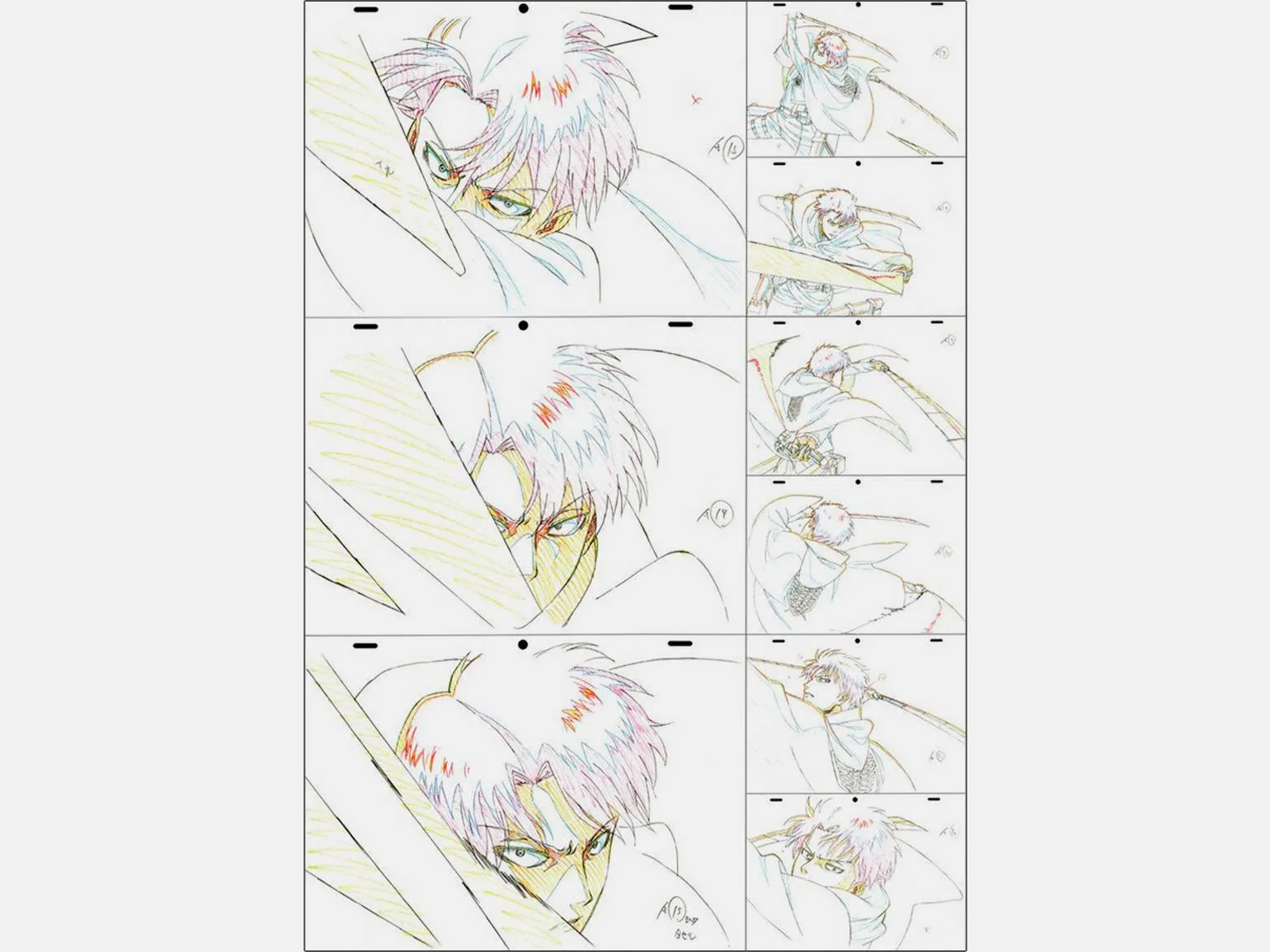
Stop-motion animation is a process in which each frame is created by hand with a high degree of detail. It is important that there are minimal changes between frames, which creates the effect of smooth movement when played back quickly. This animation method requires considerable effort and skill, but it can achieve impressive visual results. Stop-motion animation is often used in a variety of fields, including film, video games, and advertising, due to its ability to convey emotion and tell stories.
Traditional hand-drawn animation is done on paper, with backgrounds and characters created separately. Backgrounds often feature more detailed lighting, adding depth and atmosphere. Characters are drawn on special transparent paper, allowing them to be precisely superimposed on the backgrounds without shifting. This technique helps achieve harmony between characters and background elements, creating vibrant and memorable scenes. Traditional animation remains popular due to its unique aesthetic and expressiveness, making it an important part of the history of animation.
Modern animation technology has evolved significantly. Animators today rely primarily on digital tools that streamline and speed up animation production. However, some studios, such as Studio Ghibli, continue to use traditional methods, such as hand-drawn backgrounds, which gives their work a unique character and artistic value. The combination of modern technologies and classical approaches allows for the creation of high-quality animation that satisfies a wide range of audiences.
Creating feature-length animation is a complex and labor-intensive process that requires significant effort. A minimum of 24 frames are required for one second of animation. For example, the first full-length animated film, "Snow White and the Seven Dwarfs," required over 750,000 frames. This massive undertaking illustrates the importance of every single element in creating high-quality animation.
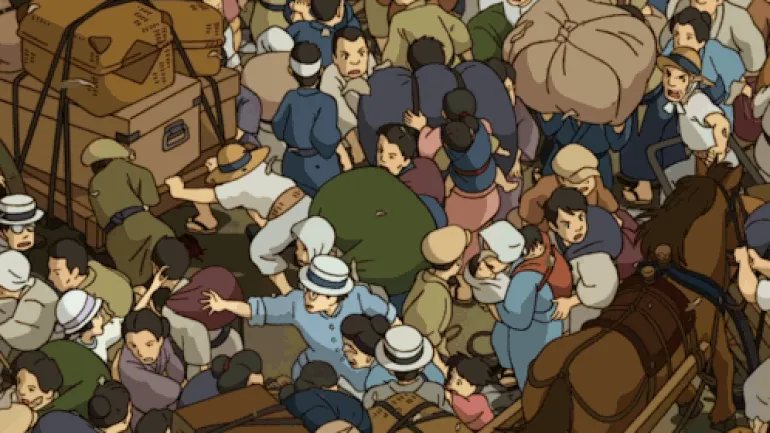
The complexity of animated scenes directly impacts their production time. In "The Wind Rises," animator Eiji Yamamori spent a full year and three months creating just four seconds of a moving crowd. This labor-intensive process highlights the importance of attention to detail in animation and demonstrates how complex animators' work can be.
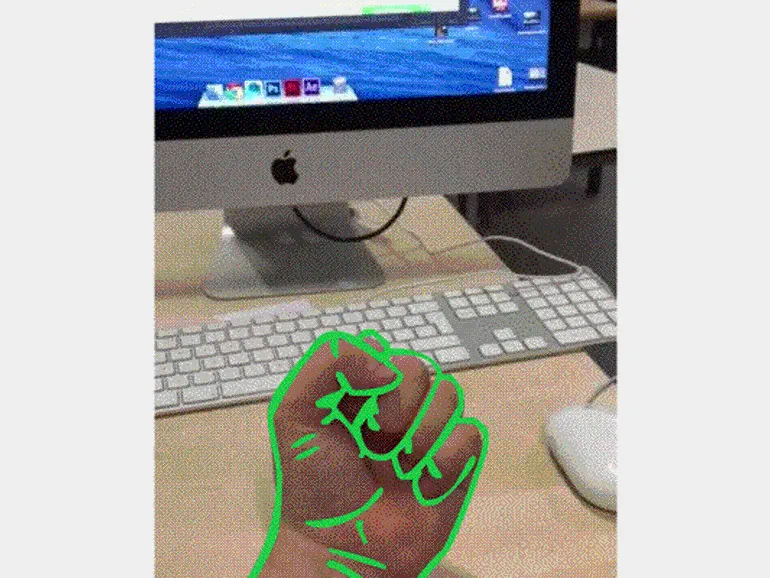
Stop-motion animation utilizes rotoscoping and stop-motion techniques. These methods can function as standalone animation techniques or as integrated elements within the stop-motion process. Rotoscoping allows the animator to outline each frame using live-action footage to create smooth movements. Stop-motion, on the other hand, involves creating animation by photographing still objects sequentially, allowing for a unique visual style. Both methods have their own unique characteristics and are widely used in projects ranging from short films to full-length animated features.
Rotoscoping is an animation technique in which images are painted or manipulated over live-action footage. This technique was widely used by Walt Disney in classic animated films such as Cinderella and Alice in Wonderland. Although rotoscoping has lost its popularity with the advancement of 3D animation and motion capture technologies, it still retains historical value and continues to be used in some modern projects. Rotoscoping allows for a high degree of realism and detail in animation, making it an essential tool for animators and artists.
Stop-motion animation is a unique method of creating animation using physical objects, achieved through sequential filming of scenes. Famous films using this technique include "Corpse Bride" and "Coraline." Furthermore, cutaway animation, which works with flat objects, has much in common with 2D animation and was used in such classics as "Hedgehog in the Fog." This animation method allows you to create impressive visuals and original stories, engaging viewers with its artistic style and unique atmosphere.
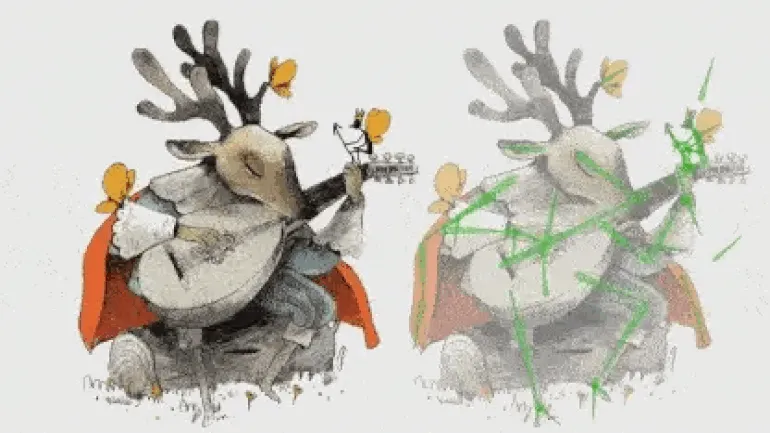
2D skeletal animation is a method in which an image is divided into individual sprites, to which virtual "bones" are then attached using specialized programs such as Spine. This approach allows the animator to effectively control character movement, avoiding the need to draw each frame manually. Skeletal animation significantly simplifies the animation process, ensuring smooth movements and the ability to easily adjust poses. This method is widely used in the gaming industry and in animated film production, as it saves time and resources, allowing for the creation of high-quality animations with minimal costs.
This technique significantly reduces the workload of animators, especially in games and modern animated series such as Hollow Knight. Using this method allows for increased workflow efficiency, reduced animation time, and improved quality of the final product. Animators can focus on the artistic component, while the technical aspects are automated. This makes animation more accessible and diverse, which is especially important in a competitive market.

Motion design is focused on Visual communication of information, as opposed to traditional storytelling. This trend encompasses animated titles, infographics, and interfaces, offering viewers not only aesthetically pleasing but also informative content. Motion design is increasingly important in today's content landscape, as it helps effectively convey complex ideas and data, improving information comprehension. Using animation and graphics helps retain audience attention and makes content more memorable. For more information about motion design, read our editorial article "Design." Here, you'll learn about the key aspects of motion design, its application in various fields, and current trends in the field. Explore our article on how to become a motion designer and discover how you can apply your skills in this in-demand profession. Motion design is a dynamic and creative field that encompasses the creation of animation and visual effects for various media formats. Mastering the software tools and techniques that will help you stand out in the marketplace is essential. Understanding the fundamentals of graphic design, as well as the ability to work with motion and sound, will open up new opportunities in film, advertising, and online content. By investing time in learning this field, you can build a successful career and realize your creative ambitions.
Stages of 2D Animation: From Concept to Finish
Creating an animation project involves three main stages, each of which significantly affects the quality of the final result. The first stage involves concept development, where the main ideas and goals of the animation are defined. The second stage includes the production process, where visual elements, animated scenes, and sound design are created. The final stage is post-production, which includes editing, color correction, and the addition of final effects. Each of these stages is critical to the successful implementation of an animation project.
- Pre-production. During this stage, the script, storyboards, character and location designs, and color scripts are developed, as well as dialogue recording and test rough animation.
- Production. This is where the actual animation begins: artists create keyframes and in-between frames, as well as perform cleanup work and add color.
- Post-production. During this final stage, image and sound are combined, special effects are added, and a marketing strategy is implemented.
The development process can vary significantly depending on the studio, the scope of the project, and the specific tasks being performed. Large studios may employ specialized teams at each stage, which helps streamline the workflow and improve the quality of the final product.
The script is a key stage in the animation production process, as it forms the basis for the entire project. During this stage, specialists develop the plot and dialogue, taking into account the target audience and the emotional component. A well-written script not only sets the tone but also helps establish a connection with the viewer, which is the key to successful animation. It's important that the script is tailored to the specific needs of the target group, which will create a deeper emotional connection and increase interest in the project.
A storyboard is a sequence of scenes that serves as a visual script for a project. It helps establish the pacing and structure of the piece and records changes in shots. A well-written storyboard greatly simplifies changes later in development, making it an essential tool in the video and animation production process. A well-written storyboard not only makes the plot easier to understand but also facilitates more effective communication between team members, which ultimately improves the quality of the final product.
Audio recording is usually done before animation production begins, greatly simplifying the process of synchronizing character voices with visual elements. This stage focuses on recording only lines, while musical score and sound effects are added later in production. This method helps achieve a more precise match between audiovisual content and improves the overall quality of an animated project.
An animatic is a preliminary form of animation that serves as an important tool for communicating the director's vision to the animation team. This process not only allows for visualization of the script but also identifies potential plot and timing issues early in production. Using an animatic significantly simplifies the animation process, allowing the team to better understand scene dynamics and character interactions. An animatic allows for effective planning and risk mitigation, making it an indispensable step in the animation production process.
A color script, or color story, plays a vital role in creating visual content, as it defines the palettes for key scenes. Properly selected colors create an emotional atmosphere and set the mood of each frame, which in turn helps convey the author's intent and enhances audience perception. An effective color script can significantly enhance the overall visuals and draw attention to key plot elements.
Art directors play a key role in establishing the visual style of a project, determining the main color schemes and overall aesthetic. Artists, in turn, develop character concepts and model sheets. These documented drawings are an essential tool for maintaining stylistic unity and detailing imagery, which contributes to a deeper immersion of the audience in the project's world. Effective collaboration between art directors and artists ensures a harmonious combination of all visual elements, which, in turn, improves perception and attracts the target audience's attention.
Layout artists play a key role in the animation process, creating detailed storyboards that include camera angles, lighting, and character poses. This stage is an essential link between the rough animatic and the final animation, laying the foundation for the visual storytelling. A proper layout helps convey the emotion and dynamics of a scene, ensuring the harmonious interaction of all animation elements.
Animators begin the animation process by detailed background design and keyframe development. This stage includes several key processes, such as keyframe creation, storyboarding, and subsequent painting. Every detail is important to achieve a high-quality result, and animators pay attention to every aspect to ensure the smoothness and expressiveness of the animation.
- Creating keyframes that capture the main moments of movement.
- Creating in-between frames that ensure the smoothness of the animation.
- Drawing the final outline for the final version.
- Painting, which in modern production is most often done digitally.
At this stage, professionals combine all the components: background, characters and soundtrack, forming a coherent animated picture. As a result, the animation completion process includes exporting in a digital format, which is a video file. This approach ensures high quality and smoothness of the image, which makes the animation more attractive to viewers.
The final animation is complemented by audio tracks, including voices, music and sound effects, which contributes to a complete and immersive experience. Sound plays a key role in enhancing the emotional impact of animation, allowing viewers to become more immersed in the plot and atmosphere.
Using 2D Animation in Various Industries
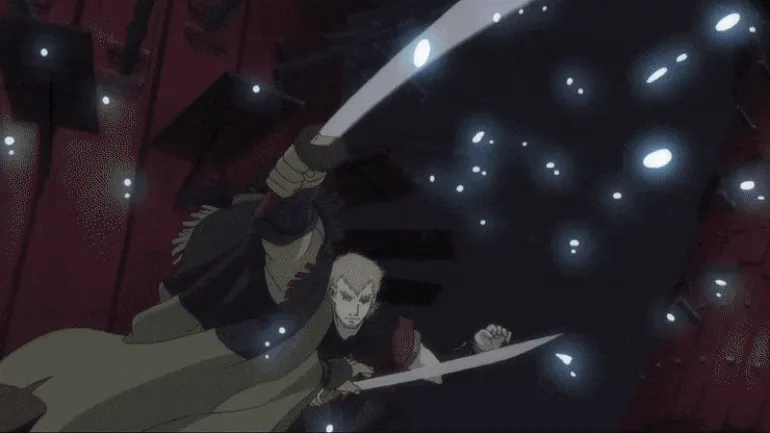
2D animation plays a significant role in the film industry, despite the growing popularity of 3D technology. Full-length 2D cartoons such as "The Secret of Kells" and "Song of the Sea" continue to attract viewers with their unique style and deep plots. Animated series such as "Rick and Morty", "Adventure Time" and "Gravity Falls" also remain in the audience's spotlight, demonstrating the diversity and creativity of 2D animation. These works not only entertain but also touch upon important social issues, making them relevant and significant in today's world. 2D animation continues to inspire new generations of animators and audiences, proving its value in the entertainment industry.
Studios such as Studio Ghibli and Cartoon Saloon focus on 2D animation, creating unique works of art that capture the attention of audiences worldwide. Independent teams, including the creators of "Hazbin Hotel" and "Lacadaisie", also bring fresh ideas to this field, expanding the horizons of animation art. Their works are distinguished by an original style and profound plots, which makes 2D animation relevant and in demand in the modern world.
Japanese animation is dominated by the principles of 2D animation. Most new series and films are created using stop-motion animation, which highlights the unique style and expressiveness of this genre. This technique allows animators to convey emotion and atmosphere, creating memorable images and stories. 2D animation in Japan continues to evolve, introducing new elements and approaches, making it popular with audiences around the world.
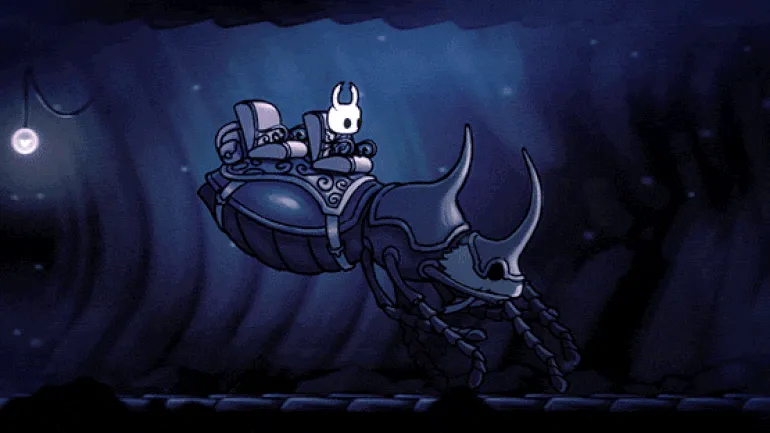
In video game development, 2D animation, especially skeletal animation, plays a key role in creating dynamic characters and engaging interfaces. This technique is widely used in mobile and indie games, allowing developers to recreate the atmosphere of classic games or offer a fixed side-view perspective. Skeletal animation ensures smooth movements and saves resources, making it an ideal choice for projects with a limited budget. Using this technology not only improves visual perception, but also increases player engagement, creating a more vibrant and interactive gaming environment.

In advertising, 2D animation is closely linked to motion design, combining both skeletal and classical techniques. Animators develop promotional videos, explainer videos, and animations for banners and social media. This adds visual appeal to product stories and helps effectively convey information to the target audience. Using 2D animation in advertising allows you to distinguish your brand from competitors and improve the perception of information by creating memorable images and emotions.
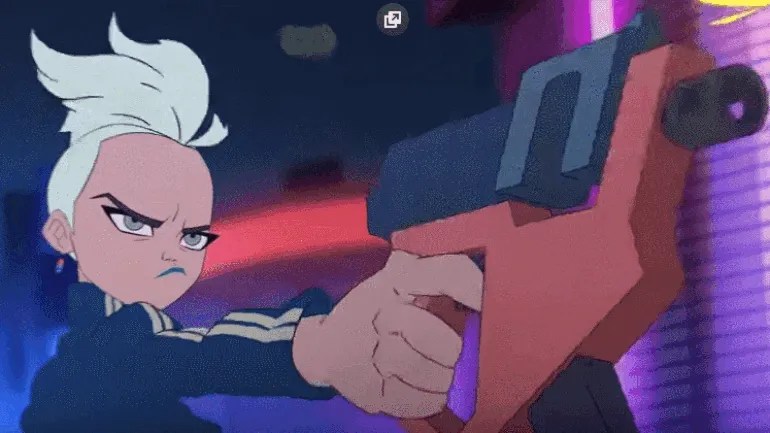
2D animation is widely used in the music industry, creating unique visual content for artists and their work. The band Gorillaz, for example, has developed an entire universe based on their music, highlighting the importance of animation in contemporary music. Music videos such as Gluk'oZ's "Zhu-Zhu" and the work of the band "Leningrad" serve as striking examples of how 2D animation can enrich musical expression, bringing creativity and originality to it. The use of animation in videos not only attracts viewers' attention but also helps create a memorable image of the artist, which is an important aspect of promotion in the music industry.
2D Animator Responsibilities: Who They Are and What They Do
2D animators are professionals who transform static images into dynamic visual stories using a variety of techniques, including frame-by-frame animation and rigging. Their job is to create the illusion of movement, which requires not only a high level of skill but also a creative approach. Depending on the scope of the project and the studio's organization, the profession can be divided into narrower specializations, allowing each animator to focus on specific aspects of the work, such as character design, background animation, or visual effects. 2D animation is used in films, video games, advertising, and web design, making this profession relevant and in-demand.
- Keyframe animator – responsible for creating key poses and moments of animation.
- In-betweener – draws intermediate frames, ensuring smooth movement.
- Renderer – refines rough animation, adding details and improving quality.
- Rigger – creates a controlled structure for skeletal animation, allowing characters to move naturally.
The 2D animation industry is vast and diverse. Large animation studios are in demand for specialists with a variety of competencies. Key skills required to work in this field include character creation, background development, and proficiency with animation software. 2D animation professionals must possess creative thinking and a strong artistic sense to create compelling visual solutions. Furthermore, knowledge of animation principles and experience working in a team play a crucial role in the successful completion of projects. With the development of technology and the growing interest in animation, the demand for qualified specialists continues to grow.
- Storyboardist - visualizes the script, creating sequential keyframes and determining camera angles.
- Composer - combines various elements of animation into a single scene, adjusting color and tone.
- Character artist - creates unique characters, taking into account the style of the project and the director's vision.
- Background artist - develops the environment, enriching the atmosphere of the scene.
- Special effects artist - adds visual effects such as fire, magic and other elements.
- Color scripter - is responsible for the color scheme of key moments, creating color scripts.
- Layout artist - designs scenes, preparing them for final animation.
- Animation supervisor - a coordinator between the director and the team, monitoring quality and compliance style.
Key Skills for a 2D Animator
To succeed in 2D animation, it is important to master the fundamental skills inherent in talented 2D artists. In this article, we will discuss in detail the key skills that will guarantee your success in the field of animation. Mastering these skills will not only improve the quality of your work, but also open up new opportunities in your career as a 2D animator.
- A deep understanding of perspective. In 2D animation, characters and objects often change their angles. Understanding the principles of perspective allows you to create believable and organic movement, even in stylized animation.
- Awareness of volumes. Although 2D animation is flat, it should simulate volume and space. Understanding the behavior of three-dimensional objects helps an animator correctly rotate characters and create the illusion of depth.
- Knowledge of the 12 principles of animation. These principles were developed by animation pioneers at Disney and remain relevant today. Their application significantly improves the expressiveness and naturalness of movement. You can learn more about them in this article from our colleagues at "Design."
- Knowledge of anatomical structures and understanding of movement. An animator must not only know static anatomy but also understand the dynamics of movement. It is important to study how body parts interact with each other—for example, how far wrists can bend or legs can be turned. Excellent examples of high-quality animation can be found on the Sakugabooru platform, which contains excerpts from anime with outstanding performances.
- Proficiency in animation software. In the next section, we'll list the essential tools that will help you create animation.
The Best 2D Animation Software in 2023
There's a wide variety of 2D animation software, from simple mobile apps to powerful PC programs. In this review, we'll explore the most popular and in-demand tools in the animation industry, used by both novice animators and seasoned professionals. These programs offer a variety of features and capabilities, allowing you to create high-quality animation with minimal effort. Choosing the right tool depends on your needs and skill level, and our review will provide information to help you make the right choice.
- {‘text’: ‘Toon Boom Harmony is a recognized standard in the animation industry, supporting frame-by-frame, skeletal, and stop-motion animation, as well as rotoscoping. This program was used to create such famous cartoons as Mulan, Tarzan, and Rick and Morty. Toon Boom allows you to integrate 3D elements and export animation for easy compatibility with game engines.’}
- {‘text’: ‘Adobe Animate (formerly Flash) is a popular software for creating both frame-by-frame and skeletal animation. Originally developed for web animation, the program is now widely used for creating cartoons and game assets. Adobe Animate allows for easy integration with other Adobe products and supports adding sound tracks.’}
- {‘text’: ‘TVPaint Animation is a program focused on frame-by-frame animation, with a rich set of tools for drawing raster graphics. This program was used in projects such as Song of the Sea and The Red Turtle. TVPaint offers the ability to create your own brushes and textures.’}
- {‘text’: ‘Moho (Anime Studio Pro) is a tool designed for skeletal animation and simple frame-by-frame animation. It provides fast rig creation and is used by Cartoon Saloon to animate background characters.’}
- {‘text’: ‘Spine is a powerful skeletal animation tool, especially popular in the mobile gaming industry. Spine offers convenient settings for rigging and deformation, which significantly speeds up the animation process. Also worth mentioning is DragonBones, a Spine analogue that is free but less optimized.’}
- {‘text’: ‘Adobe After Effects is a program used primarily in post-production for creating special effects and compositing. It is widely used in 2D animation production and is used to create commercials and popular science content.’}
- {‘text’: ‘ClipStudio EX is a popular tool in the Japanese animation industry that allows you to create frame-by-frame animation using texture brushes that imitate traditional tools. The program also supports audio tracks.’}
- {‘text’: ‘Retas Studio is a software package covering all stages of traditional hand-drawn animation and used primarily in the Japanese anime industry. The program provides tools for working with raster and vector images.’}
- {‘text’: ‘Unity is primarily a game engine that also provides capabilities for creating skeletal animation. It allows developers to create animation for games, optimizing performance by combining textures.’}
- {‘text’: ‘Toonz is a program that combines classic hand-drawn animation techniques with digital tools. Used by Studio Ghibli to create such masterpieces as Princess Mononoke and Spirited Away.
- {‘text’: ‘Photoshop, Krita, Procreate – although these programs are primarily designed for drawing, they also offer useful tools for frame-by-frame animation.’}
Existing 2D animation programs make up only a small part of the many tools available, but they occupy key positions in the industry and are suitable for a variety of animation styles. When choosing software, it is important to consider your needs, skill level, and the type of animation you intend to create. Choosing the right program will help you optimize the animation process and achieve the desired results.
2D Artist: 7 Steps to Success in the Gaming Industry
Want to become a 2D artist? Learn 7 key skills for creating characters and illustrations! Read the article.
Find out more