Contents:

Game designer from scratch to PRO: 7 steps to success in the profession
Find out moreUse the original game's developments
Game director Hidemaro Fujibayashi emphasized in an interview: "We are confident in our ability to realize a new concept using only the systems developed for Breath of the Wild. And we really succeeded!" This statement confirms the developers' intention to preserve the original mechanics of the game, while introducing new ideas and improvements. Player interest in the project is only growing, as many expect the new game to combine the best elements of its predecessor with innovations that will make the gameplay even more exciting.

The Legend of Zelda series is renowned for its unique blend of traditional elements and innovative approaches. The game's characters, world, and core mechanics remain recognizable over the years, yet each new installment brings significant changes to their presentation. This consistent transformation creates a unique gaming experience that attracts both old and new fans. Because of this, The Legend of Zelda continues to be one of the most influential and popular gaming franchises in history.
The classic title «Ocarina of Time» (1998) was a turning point for the series, transitioning it into 3D and setting standards that continue to be used in modern games such as «Grand Theft Auto» and Dark Souls. While Breath of the Wild (2017) offered players a vast open world with realistic physics and chemistry, pushing the boundaries of interactivity and freedom of action. These games not only changed the perception of the genre but also set new benchmarks for developers around the world.
Each new breakthrough in the Zelda series opened up new horizons for the team and encouraged reflection on previous achievements. For example, Majora's Mask, released in 2000, presented players with a unique time loop experience. This innovative approach became a milestone for the gaming industry and expanded the horizons of narrative and gameplay mechanics. Players were given the opportunity not only to explore the world but also to influence events, returning to key moments. This made Majora's Mask one of the most memorable and influential games in history, leaving a significant mark on the genre.
In TotK, the developers retained a familiar setting, returning to the world of Hyrule, a favorite for many players thanks to Breath of the Wild. This decision preserved the spirit of the original while offering new adventures in a familiar setting. Players will once again be able to explore vast locations, solve puzzles, and face new challenges, all while maintaining connections to the previous installments.

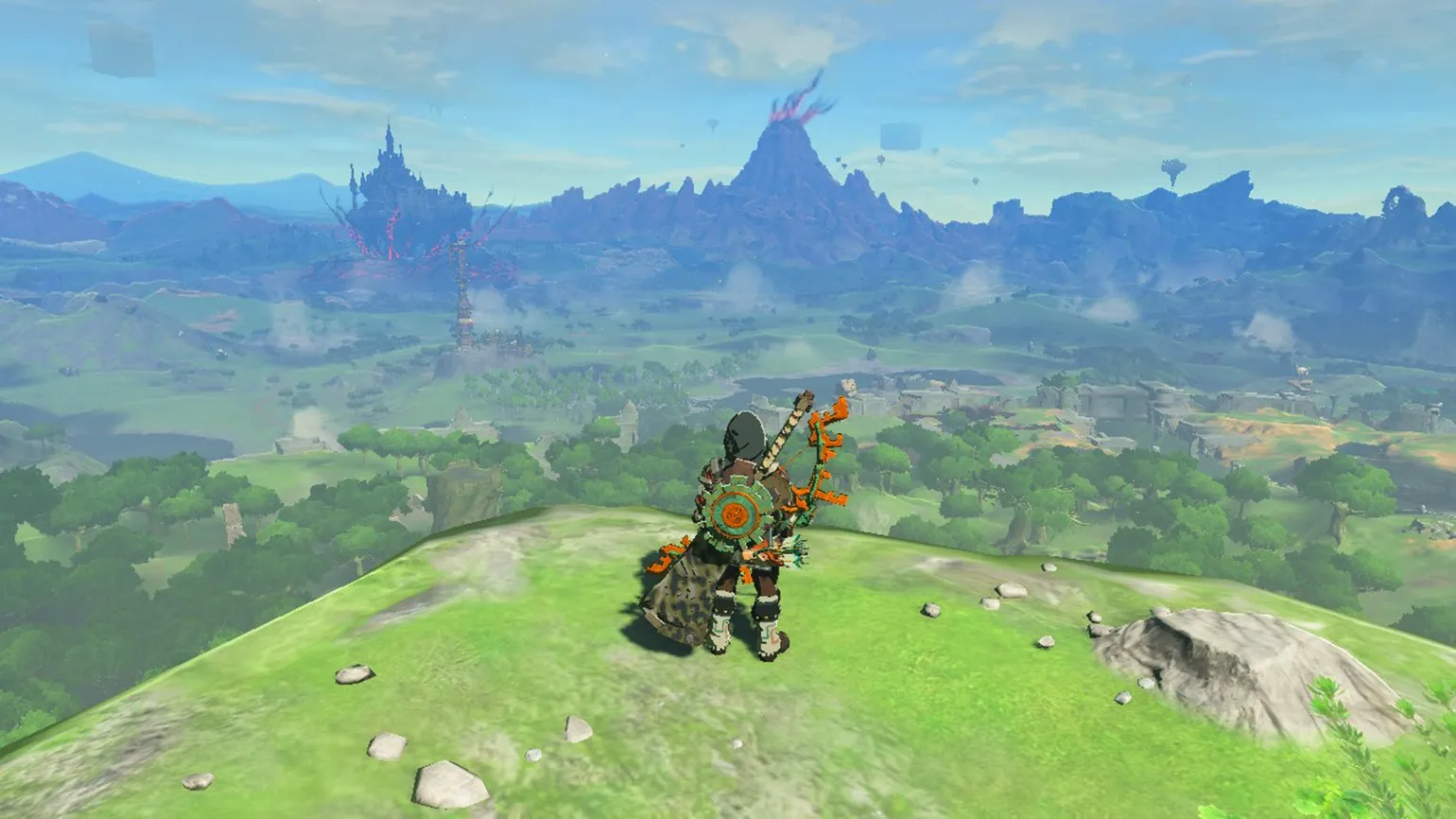
TotK continues the gripping story of Link and Zelda as they face off against the new villain Ganondorf. The game offers a choice of approach to the campaign: players can either head straight to the final boss after the tutorial or explore four key dungeons first to better prepare. This flexible approach allows each player to tailor the gameplay to their preferences, making the adventure even more engaging and varied.

During the development of The Legend of Zelda: Breath of the Wild, the designers developed ideas for a sequel that formed the basis for the creation of The Legend of Zelda: Tears of the Kingdom. This close connection between the two games highlights the evolution of gameplay and storylines, making TotK a continuation of the unique gaming experience offered in the first part.
Hidemaro Fujibayashi noted that the team is intimately familiar with every corner of Hyrule from The Legend of Zelda: Breath of the Wild, and this knowledge became the basis for confidence in developing new gameplay. The project's concept clearly stated that the setting would remain unchanged, which helped unite the team and focus on the game's future development.
Thus, TotK successfully retained the open world, familiar characters, and core gameplay elements of its predecessor. This allowed the developers to focus on introducing new mechanics and creating fresh content, significantly enriching the gameplay and bringing new experiences to players.
Build on the original with fresh concepts
Game director Hidemaro Fujibayashi discussed the development process of The Legend of Zelda: Tears of the Kingdom (TotK), noting that at the initial stage, the team did not have a clear story. The plot began to develop only after key aspects of gameplay were determined. This approach underscores Nintendo's uniqueness, setting it apart from many modern AAA studios, where storytelling is often developed alongside gameplay.
Unlike many game studios that emphasize cinematic experiences and large volumes of content, the Nintendo team focuses on introducing unique gameplay mechanics and innovative ways to interact with the game world. As Fujibayashi notes, "Our team is made up of unconventional people who strive to surprise and amuse players." This approach allows Nintendo to create unique gaming experiences that stand out from the competition, offering players not just a game, but a true adventure story filled with creativity and originality.
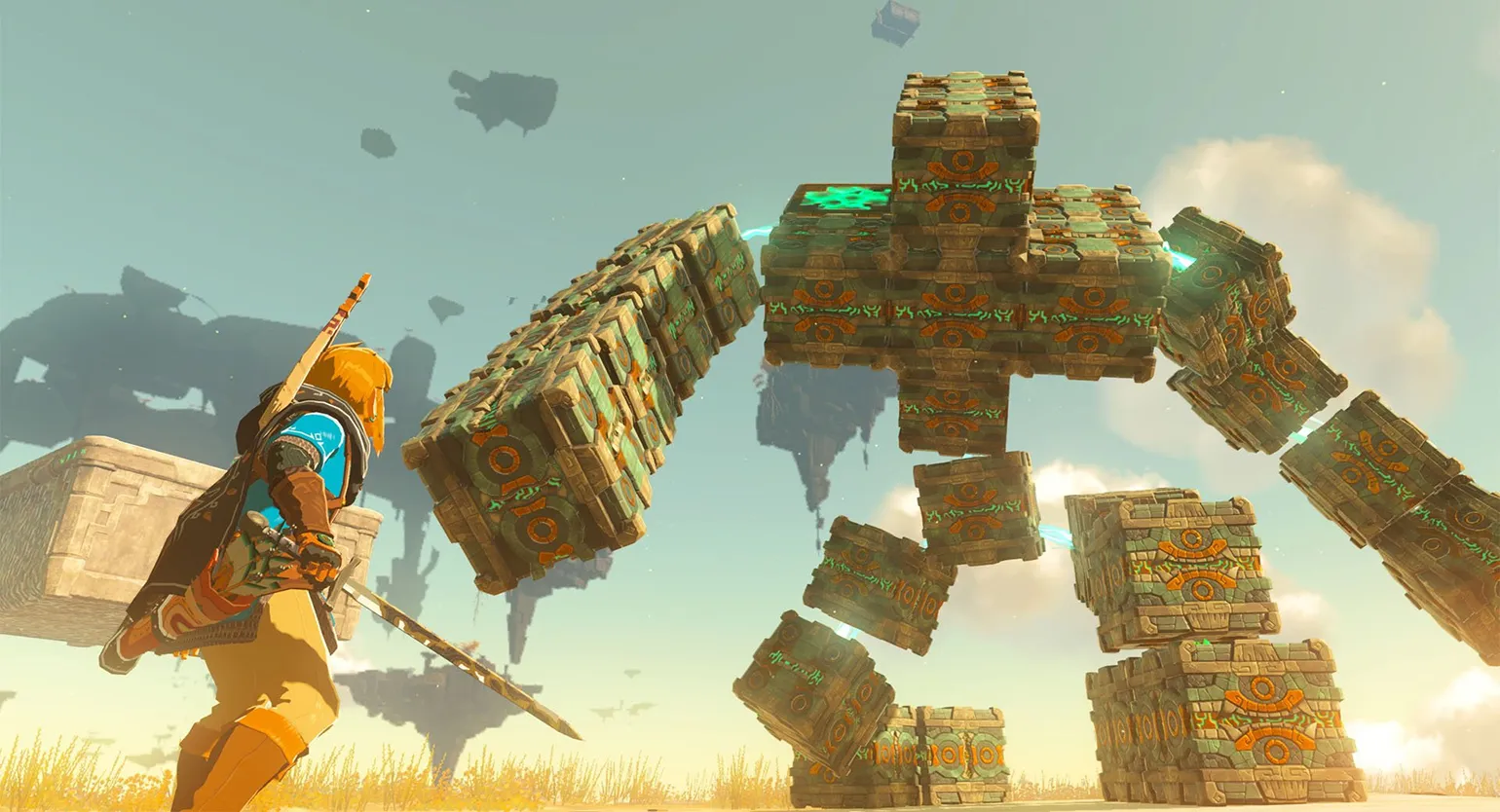
The Combikinesis system was developed to explore new ideas and possibilities, allowing players to create a variety of devices. Within this system, users can design everything from vehicles to traps using found mechanisms and building materials. Thanks to this approach, the game offers unique opportunities for creativity and engineering thinking, which makes the process of creating devices fun and interesting.

Fujibayashi notes, "If Link could combine different objects, it would open up a whole new world of possibilities." This concept inspired the developers, who implemented innovative mechanics that significantly changed how players interact with the world of Hyrule, known from Breath of the Wild. These new mechanics not only expand gameplay but also offer players unique ways to solve problems, emphasizing the depth and variety of the gameplay.
TotK has become a true sandbox construction game, reminiscent of Garry's Mod or Kerbal Space Program, but also boasting a deep storyline and a variety of mechanics. Combining objects in the game gives players a unique creative freedom that was absent in the previous game. This allows for original designs and unique solutions, significantly increasing gameplay appeal and engagement.
The developers have introduced new elements, such as caverns and floating islands, which significantly expand the gameplay space. This is an evolution of the concept introduced in Skyward Sword (2011), where the world consisted of floating islands. In TotK, players are able to freely move between the surface and the underground, adding new levels of interaction and exploration. These new game design elements create a unique experience that allows for deeper immersion and exploration of the game's rich world.


Link gains three new abilities that significantly expand his capabilities. These improvements allow him to more effectively cope with various tasks and overcome obstacles in the game. Each of the new abilities opens up unique strategies and tactics for the player, making the gameplay more exciting and varied.
- Spell Mount: Combine any weapon or shield with other items, which encourages experimentation with different combinations.
- Auto Reverse: Return items to their original locations, which solves the problem of items flying off in an unknown direction.
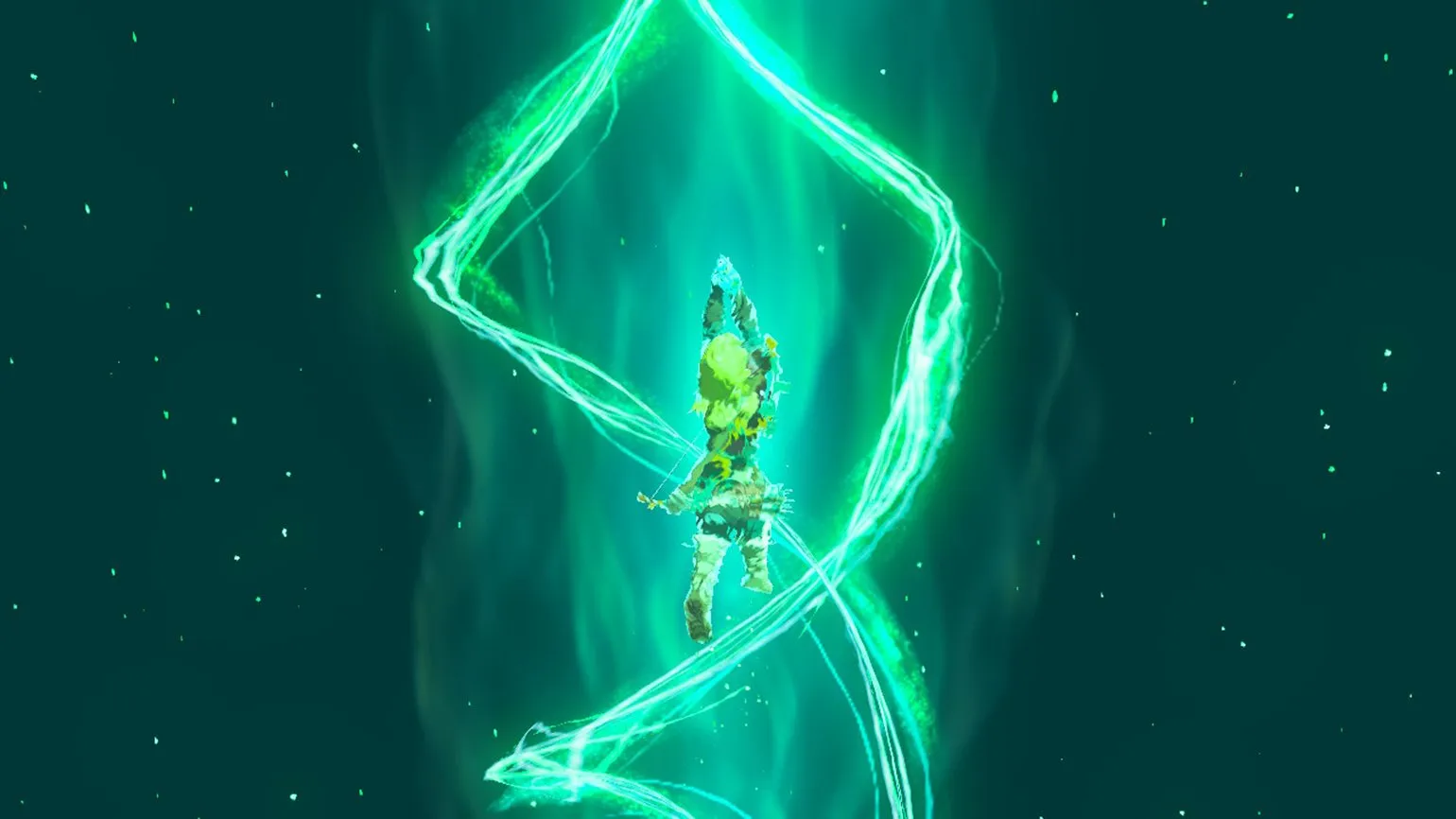
- Spell Portal: The ability to move through low-hanging ceilings or objects, making it easier to explore complex locations.


The list of innovations in the sequel to Breath of the Wild significantly expands the gameplay. New quests, monsters, bosses, and minigames add variety and excitement. Known locations now offer players additional secrets and tasks to explore. The story has become deeper and more detailed, making it more interesting for players. These changes enrich the gaming experience and create new opportunities to interact with the game world.
TotK is not just an expansion, but a complete new game that develops and reimagines the concept of its predecessor. Bold ideas and innovations were thoroughly tested by the development team before they were proposed to Nintendo management. This makes TotK a significant step forward in the gaming industry, bringing fresh elements to a familiar world and improving the overall gaming experience.
Create prototypes to test ideas
Nintendo uses a unique game development methodology based on the principle: "First create, then discuss." This means that designers validate their ideas not verbally, but through finished prototypes. This approach allows them to visualize concepts and test them in practice, which contributes to a more efficient development process and the creation of high-quality games.
Before the development of Breath of the Wild (BotW), designer Fujibayashi created a prototype based on the first Zelda game. This prototype demonstrated a successful combination of realistic physics and classic gameplay, which became the basis for subsequent projects. An innovative approach to game mechanics and attention to detail created a unique experience that captured the attention of players around the world.
A similar process was followed during the development of Tears of the Kingdom (TotK). The game's prototype demonstrated how Link's new ability would work, allowing the team to gain a clear understanding of the future gameplay. This approach to prototyping helps improve the quality of development and make the game more engaging for players.
Prototyping plays an important role in the development process, solving two main problems. First, prototypes provide a clear direction for projects early on, helping to avoid problems like those with Redfall, where teams worked without a unified vision until the release. These prototypes improve communication between project members and allow for the quick identification and resolution of potential issues, ensuring more cohesive work and increasing the chances of a successful outcome. Developing prototypes also allows for the testing of ideas and the collection of feedback, ultimately leading to a higher-quality product. Prototypes play a key role in convincing senior management, including influential figures like Shigeru Miyamoto, of the potential for developing successful games. Eiji Aonuma, producer of The Legend of Zelda series, noted that when they presented a prototype to Miyamoto, he responded, "Why don't you do it?" This reaction was unexpected, but it highlights his ability to quickly evaluate ideas. This support gives the team the confidence needed to begin developing the game. Prototyping not only helps visualize concepts but also serves as an important tool for confirming their viability early in development.
Prototyping significantly speeds up the development process and improves communication between teams and management. Prototypes allow ideas to be visualized, which helps everyone involved in the project better understand the concept and goals. This facilitates faster problem identification and early implementation of necessary changes, which ultimately saves time and resources. Effective collaboration between teams also results in a higher-quality final product that meets user expectations.
Let players feel like creators
Nintendo developers began testing a combination of objects in the game Legend of Zelda: Breath of the Wild late in development. At the beginning, they were unsure whether the concept would capture players' attention. Nevertheless, this gameplay element became one of the most popular and innovative aspects of the game, demonstrating the developers' commitment to experimentation and introducing new ideas into the gameplay.
Fans of the game convinced the developers that their ideas mattered. After the release of Breath of the Wild in 2017, users began actively sharing videos on social media showing unconventional ways to complete dungeons and creating original vehicles using Link's abilities. These creative approaches inspired Eiji Aonuma, the game's producer, to develop a prototype for the Combikinesis mechanic, which became a significant part of subsequent projects in the series.
Players expressed their ideas through videos, showcasing their unique playstyles and achievements. These examples inspired us to add new elements to Tears of the Kingdom (TotK), giving players more tools to create their own playstyle. We strive to make the game more diverse and personalized so that everyone can find their way in this fascinating world. Unlike linear games like Portal, the new Zelda game offers multiplayer gameplay, allowing players to use game mechanics in unconventional ways. This creates unique opportunities for creativity and experimentation, making the gameplay more engaging and multifaceted. Players can find unexpected solutions to problems, significantly increasing replayability and individual experience in the game. Players design tanks, mechs, and flying bombers, creating unique structures for combat. They build cozy homes among picturesque fields and use explosive shields as trampolines for increased mobility. Some players develop orbital lasers capable of destroying the most powerful bosses in seconds. This variety of possibilities allows each user to express creativity and strategic thinking during the game.
Some fans have developed a challenge in which participants must overcome various tests by creating long bridges. These structures help avoid unwanted collisions with moblins and bokoblins. Such tasks not only test building skills but also add an element of strategy to the gameplay.
The developers actively support various gameplay approaches. In an interview, Hidemaro Fujibayashi mentioned that "cheating can sometimes be fun." This statement highlights an interesting aspect of gaming culture, where some players find entertainment in using unofficial methods to change the gameplay.
Freedom in gameplay has its drawbacks. For every successful idea, there are several failed attempts. It's important for players to quickly understand why their strategy didn't work. This will allow them to learn from their mistakes and improve their skills, which will ultimately lead to greater success in the game.

In light of this, the developers of The Legend of Zelda: Tears of the Kingdom (TotK) decided to simplify the physics mechanics to improve the gameplay and make it more accessible to a wider audience. This change allows players to interact with the game world more easily, providing a smoother and more intuitive experience. Simplifying the physics contributes to the creation of engaging gameplay situations, allowing the focus to be on exploration and puzzle solving, which is one of the key aspects of the game.
Fujibayashi raises an interesting point about so-called "fake" physics. He notes that there is a common belief that larger objects should have more power or move faster. While this statement may not be entirely scientifically proven, it is something people intuitively perceive when they observe or experience such phenomena. It's important to understand that the perception of physical laws may differ from their actual functioning, and this creates space for discussion and analysis.
The game's intuitive simplicity allows players to quickly identify their mistakes and find ways to correct them. Often, unsuccessful attempts in TotK evoke a smile, reminiscent of comedic moments from classic cartoons. This ease of learning makes the gameplay engaging and encourages the development of creative thinking. Players can not only learn from their mistakes but also enjoy unexpected plot twists, which adds dynamism to the game.
The achievements of the Zelda development team represent a remarkable achievement in programming, based on many years of effort by highly skilled specialists. This success was made possible by the implementation of key principles that became the basis for the entire development process. These principles ensured not only the quality and originality of the game, but also its long-lasting appeal to players.
Giving players information, not ready-made solutions
Modern game developments, such as God of War and Horizon, actively use navigational markers and cues to orient players. This is due to the high costs of creating each game, which encourages studios to develop mechanisms that allow users to explore all the content included in a project as efficiently as possible. The use of such elements not only improves gameplay but also fosters deeper player engagement with the game world, which in turn increases the likelihood of positive reviews and increases interest in the studio's future projects.
The latest installments of The Legend of Zelda series emphasize player choice. Breath of the Wild and Tears of the Kingdom offer an intuitive interface with a minimap, but even with it disabled, players can easily navigate the game world thanks to carefully considered design elements. These features create a unique experience where each player can explore the world at their own pace, making every gaming session unique.

During the development of The Legend of Zelda: Breath of the Wild, the design team placed special emphasis on creating an atmosphere that would spark player curiosity. They developed unique mechanics that gently guide players to key locations and quests, while ensuring engaging gameplay and exploration of the expansive world. This attention to detail allows players to independently discover new horizons and immerse themselves in a gripping story of adventure.
Hidemaro Fujibayashi, game director of The Legend of Zelda: Tears of the Kingdom, emphasized the importance of a natural approach to presenting information to players. He stated that the team strove to avoid forced exposition and sought ways to organically integrate engaging details into the gameplay. This approach allows players to become more immersed in the game world and discover its elements on their own, enhancing the overall adventure experience.
To achieve this goal, the developers employed a number of key design techniques. These techniques include creating an immersive atmosphere, meticulously detailed environments, and using an intuitive interface. A primary focus was on player interaction with the environment, which helps immerse players in the gameplay. Emphasis was also placed on the visual style and soundtrack, which enhance the sense of realism and engagement. All of these elements work together to create a unique gaming experience and increase interest in the game.
- Points of Interest: Hyrule is filled with numerous objects that attract the player's attention, from key locations like Death Mountain to smaller points of interest like shrines and monster camps.
- Road Signs: Signs can be found along the roads pointing to nearby settlements.
- Conversations and Gossip: Players can interact with other characters who share rumors of treasure and survival tips.
- Triangle Rule: Hyrule's terrain, including hills and canyons, creates a sense of scale without overwhelming players with too much information.
It should be noted that none of these elements offer ready-made answers or clear directions. The developers only hint at exciting discoveries, leaving room for players to explore and discover on their own. This creates a unique atmosphere in which curiosity becomes the key driver of the gameplay. Players can immerse themselves in a world full of mysteries and secrets, discovering new possibilities and approaches to solving problems.

TotK continues the game design philosophy by adding new elements to the open world. Floating islands attract players and become accessible when the character ejects from the observation tower. This creates unique opportunities for exploration and interaction with the environment, enriching the gameplay and enhancing the sense of freedom in action. New mechanics and locations contribute to a deeper immersion in the game world, making TotK attractive to fans of the genre.
The latest issues of the Clover Courier newspaper provide players with up-to-date information on disasters in Hyrule, which opens up new quests and increases opportunities for interaction with the game world. These news items not only enrich the story but also make gameplay more dynamic and engaging, allowing players to actively participate in the events unfolding in Hyrule.
Link can serve as a reporter for the Clover Courier, earning rewards for helping solve the kingdom's problems. This mechanic not only increases player engagement but also adds depth to the gameplay by allowing users to actively participate in world events.

Fujibayashi emphasized that the introduction of new features will significantly increase the level of player engagement in the world of Hyrule. He noted that TotK effectively utilizes every aspect of gameplay, which allows for a deeper and more immersive gaming experience. This strategy is aimed at improving player interaction with game elements and the world as a whole.
Systemic Gameplay: Deeper Than Disposable Mechanics
The Legend of Zelda: Tears of the Kingdom (TotK) offers players a wide and varied gaming experience that can be compared to the smorgasbord of modern AAA titles. Even if you choose not to complete the main quests, Link will find a variety of engaging activities. Explore floating islands, hunt for treasure, fight monsters, mine for resources, and immerse yourself in a world of cooking. Every gameplay element is designed to provide players with an engaging and rich experience, revealing unique aspects of the game world. Unlike many other blockbusters, The Legend of Zelda: Tears of the Kingdom (TotK) is virtually free of one-off gameplay elements known as gimmick mechanics. For example, the Batman: Arkham series uses Detective Mode, which is activated only at certain moments while the main focus of the game is combat. In TotK, every gameplay element is integrated into the overall gameplay structure, creating a deeper and more cohesive experience for players. This allows for exploration of the game world without the need to switch to temporary mechanics, which contributes to a more organic and engaging process of interaction with the environment.

Unlike the Batman games, The Legend of Zelda: Breath of the Wild and Tears of the Kingdom offer players a variety of interconnected gameplay systems. For example, the Auto-Reverse mechanic, previously used in older games in the series to solve puzzles, opens up new possibilities in TotK. It allows players to retrieve lost items, attack enemies with their own projectiles, and even travel to floating islands. These innovations significantly expand gameplay possibilities and give players creative freedom to solve problems.
The floating islands do not exist alone. They contain shrines that act as fast travel points, as well as devices that provide the necessary parts for crafting various mechanisms. To improve their creations, players should explore caverns in search of zonars, which are key upgrade resources. Exploring these dungeons opens up new possibilities and helps in the creation of more powerful and efficient mechanisms.

The interconnectedness of all gameplay elements in TotK becomes clear when looking closely at four key areas: exploration, combat, puzzle solving, and crafting. The developers carefully integrated each mechanic, ensuring its functionality across various gameplay contexts. This creates a deep and engaging experience that allows players to maximize the game's capabilities and develop their skills. Each of these areas enriches the gameplay, offering players variety and a variety of strategies for success.
We aimed to develop mechanics that would be simple and understandable for players. Minimizing unnecessary elements at this stage will allow us to provide more freedom and possibilities in the future. As Hidemaro Fujibayashi, game director of TotK, noted, this is an important step towards creating an engaging gaming experience.
The Legend of Zelda team developed a limited number of intuitive tools with enormous potential. This promotes deeper immersion in gameplay and inspires players to create creative solutions.
Every corner of Hyrule offers numerous opportunities to achieve the player's goals. Even a simple apple grove can be a valuable resource: it provides apples that restore health, firewood for a fire, and crafting materials. Explore the world of Hyrule to find hidden resources and use them to enhance your gaming experience.
The wide range of options gives players the unique opportunity to develop their own strategies that go beyond the developers' intentions. For example, while exploring one of the floating islands, the player may stumble upon a pond with fish. Using a stun gun, they can catch the fish and cook them into hearty dishes. This gameplay element not only diversifies the gaming experience, but also contributes to the creation of individual tactics for achieving goals.


Understanding the rules of the game opens up new possibilities, allowing even the most mundane objects to be turned into effective tools for achieving the player's goals. Using a creative approach and imagination, you can increase your gaming efficiency and make the process more exciting.
Make time for playtesting and polishing
The new game in the Legend of Zelda series, called Tears of the Kingdom (TotK), was originally supposed to be released in 2022. However, in March of that year, Nintendo decided to postpone the release indefinitely to 2023. The game's producer, Eiji Aonuma, explained this decision by the desire to ensure the highest quality of the product, eliminating bugs and technical flaws. This decision underscores Nintendo's commitment to creating high-quality games that meet fan expectations and provide an engaging gaming experience.
Aonuma noted that the team strove to ensure the game met high quality standards. The Legend of Zelda: Tears of the Kingdom truly stands out in today's gaming market. Considering the game runs on a platform with outdated hardware, the absence of critical bugs and performance issues is a significant achievement. This level of optimization highlights the developers' skill and attention to detail, making the game appealing to players.

Game quality assurance includes not only bug fixing but also playtesting. These gaming sessions, which involve both studio staff and external testers, play a vital role in assessing whether the game meets the developers' vision. Playtests help identify the strengths and weaknesses of gameplay and evaluate the user experience. This helps create a higher-quality and engaging product that meets player expectations.
Nintendo used playtests during the development of Breath of the Wild, allowing the team to closely monitor how players explore the game world. Based on the data collected, the content was significantly improved. A similar approach was used for The Legend of Zelda: Tears of the Kingdom, where Aonuma played through the game approximately twenty times, from early prototypes to the final version. This testing method helps create a better and more engaging gaming experience for users.
Feedback gathered during playtests significantly influenced three main areas of development.
- Mechanical Design. The designers developed numerous parts that allowed players to build flying machines that could leave the map. This opportunity became apparent during playtests. Aonuma recalls being approached with the question, "Can I fly forever? Is that okay?" Ultimately, the developers decided to limit the flight distance by adding a capacitor with a finite charge.
- Difficulty Balancing. TotK doesn't have difficulty settings, so the team used playtests to ensure that every player could complete the game. Aonuma joked, "If I can complete something, then lower-skill players can handle it without much difficulty."
- Ideas for New Mechanics. For example, the Spell Portal was originally a cheat code for the developers, but after Aonuma got lost in one of the caves, he realized that this mechanic could be useful for players.

Despite its high quality execution, The Legend of Zelda: Tears of the Kingdom has its flaws, including a not always intuitive interface and controls, which has caused dissatisfaction among some players.
The game continues the tradition of one of the most outstanding series of the last ten years, combining the atmosphere of an epic adventure with a level of freedom previously available only in tabletop role-playing games or classic RPGs like Ultima Underworld. This allows players to immerse themselves in a unique world where every decision matters and exploration opens new horizons.
Over time, Tears of the Kingdom will likely take its place among classic games such as Breath of the Wild and Ocarina of Time. This project has the potential to inspire both Nintendo developers and other studios to create new unique games. The team behind The Legend of Zelda has once again proven that their experience and creativity serve as an example for the entire gaming industry.
Game Designer: From Zero to PRO in 5 Steps to Success
Want to become a game designer? Learn 5 steps to a career in the gaming industry! Read the article.
Find out more