Contents:
Learn: The Game Designer Profession from Scratch to PRO
Learn MoreVideo games are often criticized for their violence and gore. Some developers, including Kirill Zolovkin, a game designer with ten years of experience in the industry and the author of the Naive Games Manifesto, acknowledge this problem. They believe it is important to rethink the approach to game creation to minimize the negative impact of violence on players and society as a whole. Zolovkin calls for the development of more positive and constructive game concepts that can draw attention to important social issues and promote empathy.
The document emphasizes the importance of creating games that are not overloaded with complexity and high hardware requirements. A key aspect is the absence of violent game mechanics, which have become common in both AAA projects and indie games. In today's world, it's essential to focus on developing accessible and engaging games that appeal to a wide audience while providing a stress-free, enjoyable gaming experience.
We discussed Kirill's lectures and his view on how creative challenges inspired the Manifesto. We also discussed the concept of naive games and their potential in the modern gaming industry.
How the Idea for the Manifesto Came About
Kirill Zolovkin's statement opens with the following:
The Manifesto aims to draw attention to the importance of video games in modern society and to formalize the hidden ethical principles of design. Unlike other art forms, video games lack conscious direction. The last manifesto written by Russian-speaking game developers was published in 2001. It's time to create a new document that will reflect the modern realities and challenges of the industry.
The main factor driving the development of non-violent mechanics is the objective need to expand the vocabulary. The developer confirms this statement, emphasizing the importance of creating new approaches and solutions in this area. Expanding the vocabulary of non-violent methods not only enriches the gaming environment, but also contributes to a deeper understanding of character interactions and the construction of fascinating stories.
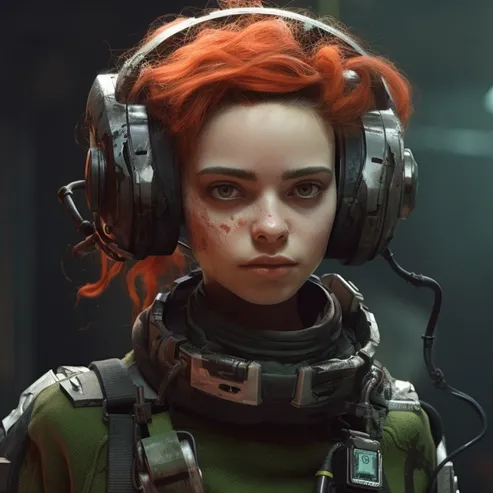
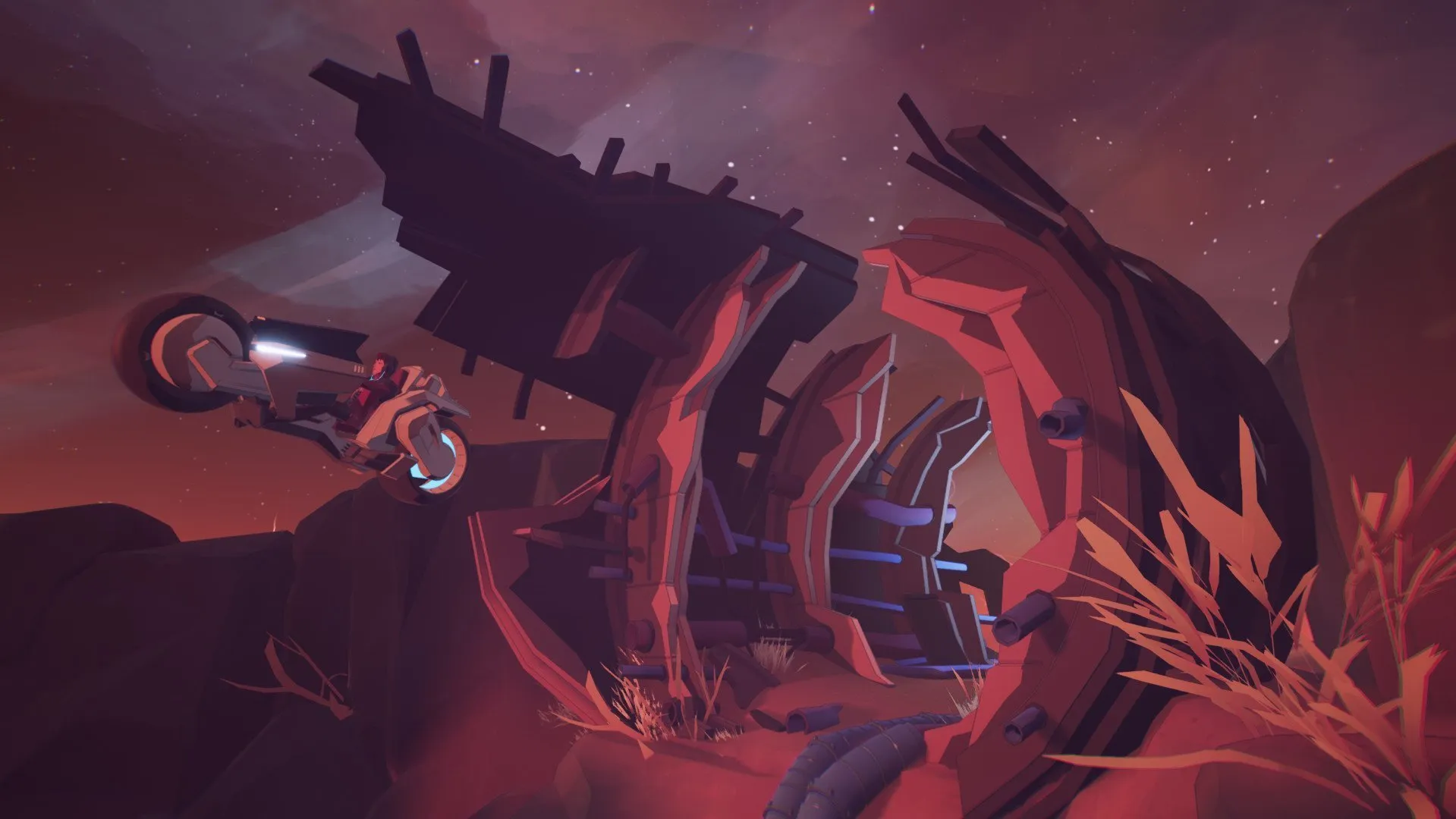
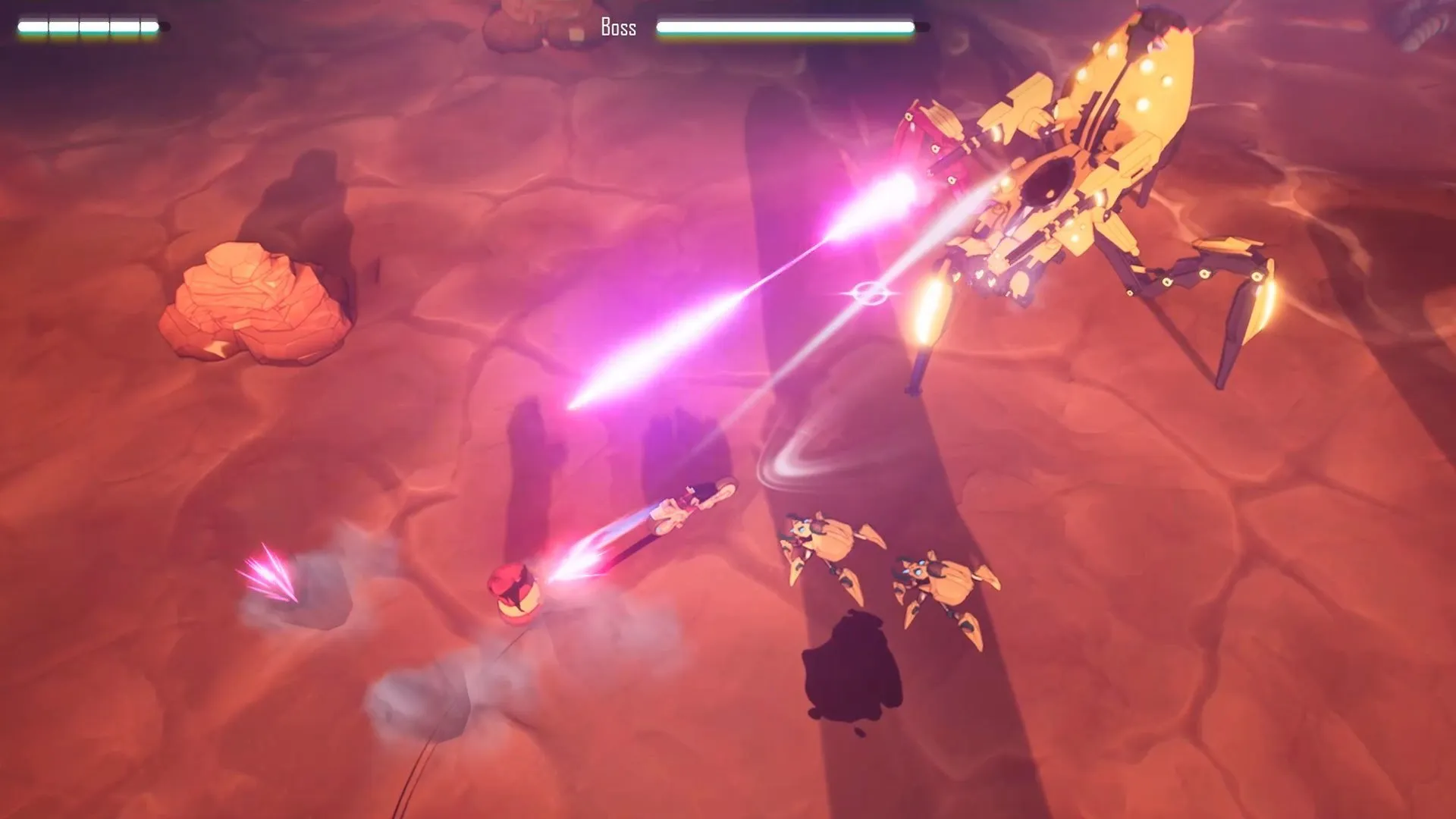
During the development of the first version of Gripper, Kirill first thought about the concept of the game, which he considers his masterpiece. This ambitious action-RPG tells the story of a biker named Nona, who sets out into the cybernetic Wasteland to save her mother, who has fallen into a coma. The development team, Heart Core studio, calls Gripper a unique combination of elements of Mad Max and The Legend of Zelda, which emphasizes the originality and multi-layered gameplay.
For Kirill, this project has special significance, as it arose from a desire to understand a personal tragedy - the death of his mother. During development, he repeatedly returned to the emotional experiences associated with this loss, which ultimately led to professional burnout. This story is not only about creation, but also about the deep internal process that accompanies everyone who faces such losses.
Added to the personal crisis was the realization that the emotional component of the game Gripper has virtually no impact on gameplay. Kirill, the developer, creates a table for each of his games listing the verbs used in them. In Gripper's case, most of these relate to what he calls "below-the-neck mechanics"—physical actions associated with violence. This highlights the lack of emotional depth in the gameplay, which could impact player perception. Game development requires balancing mechanics and emotion to create a deeper, more memorable experience.
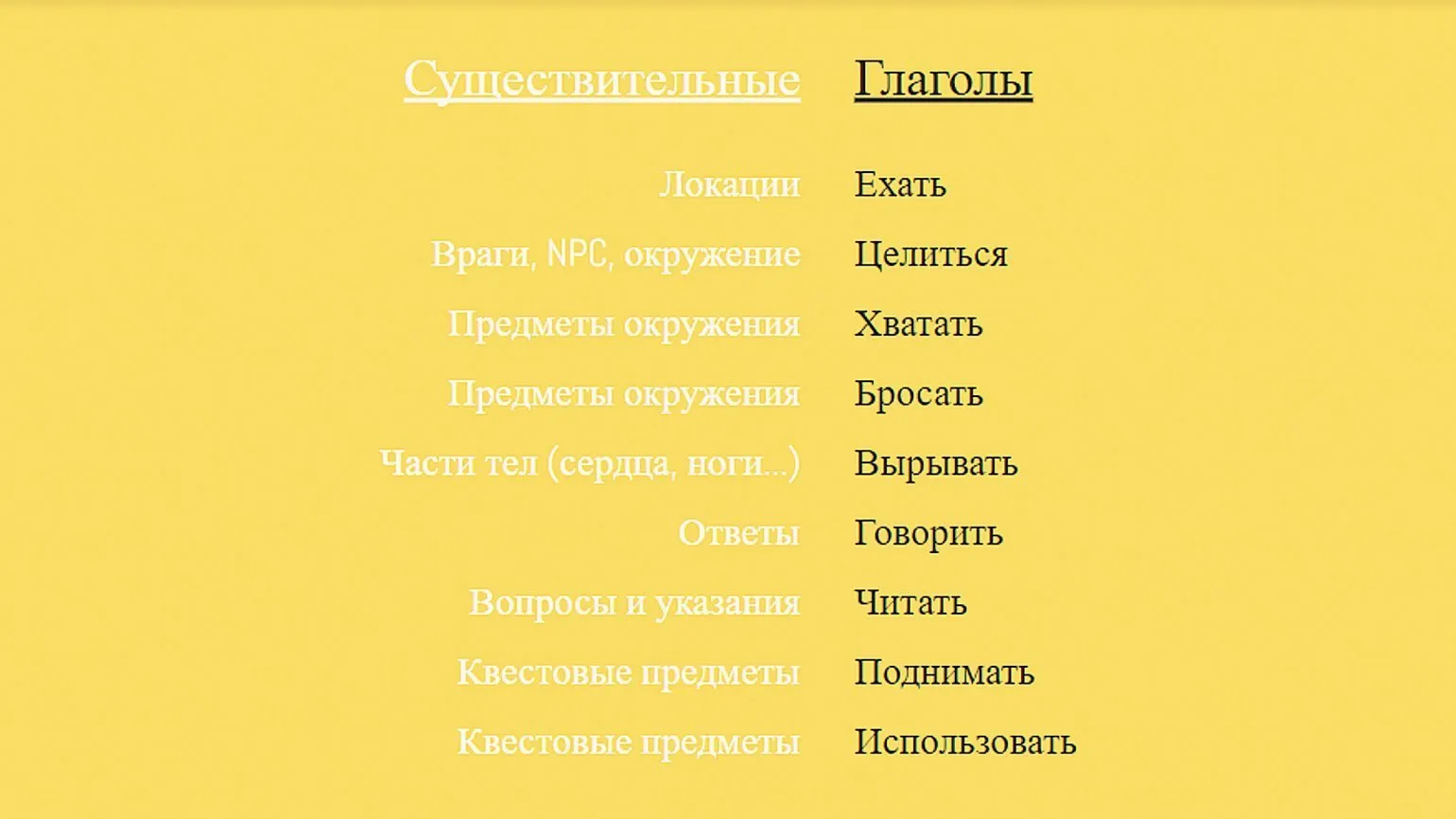
Neutral verbs like "speak" and "read" don't play a significant role in gameplay. They're limited to passively receiving information about the game's plot and core mechanics. It's important to emphasize more active interactions that shape the gameplay dynamics and engage the player in the storylines and game mechanics.
Similar comments can be made about almost all of Kirill's works, including the jousting rhythm game Paper Knight and the vehicular shooter Death Tour. An exception is Steam Panic—a steampunk puzzle game in which players rotate the game board to collect colored pieces and place them in the correct locations. These games showcase Kirill's diverse genres and creative approach, allowing players to immerse themselves in unique game worlds.
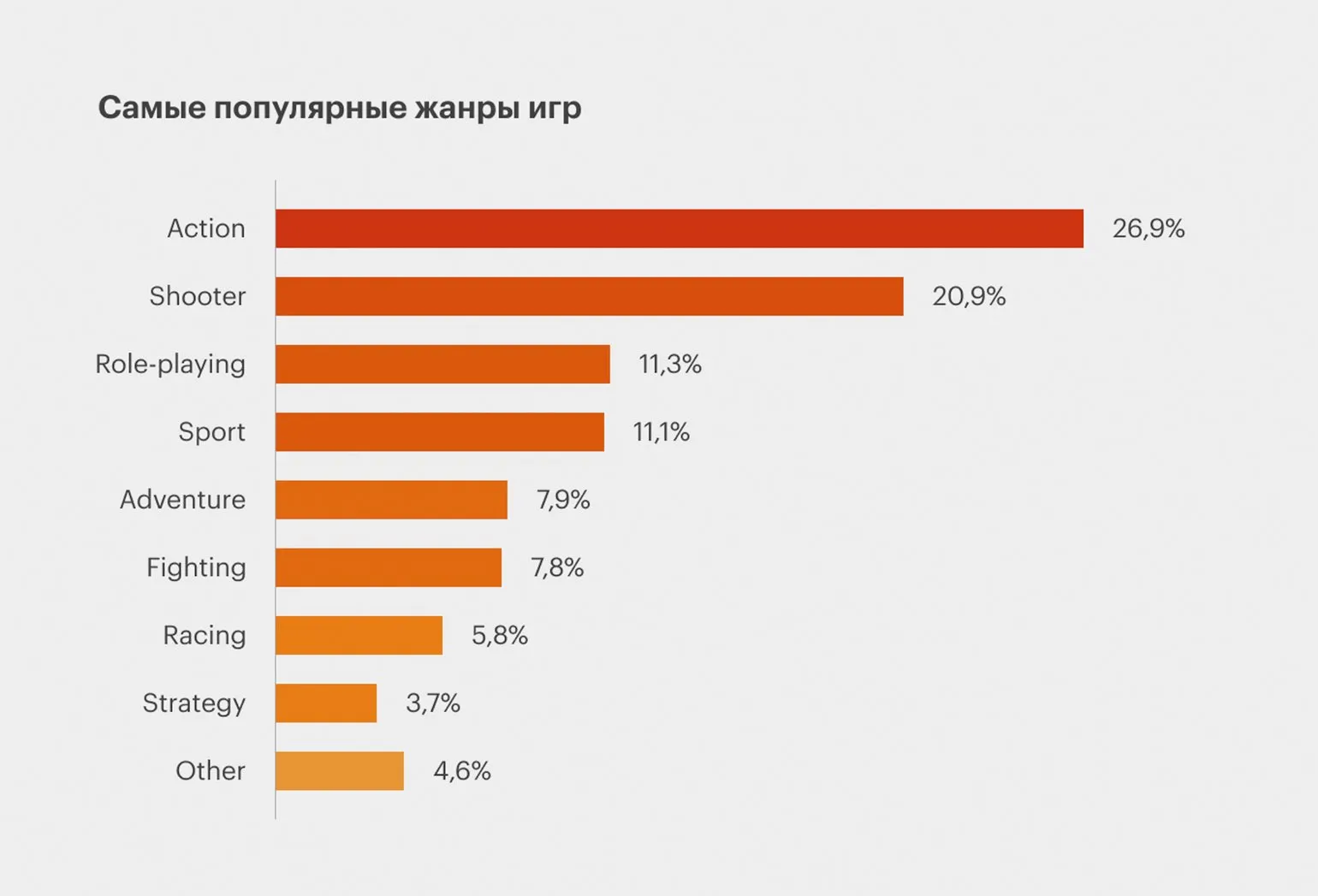
The game designer noted a similar problem in the gaming industry. According to Statista, action games and shooters took the top two spots in the American market in 2020. The next most popular genres were also less-than-kind, such as RPGs, fighting games, racing games, and strategy games. Only at the bottom of the list were games classified as "other." This indicates the prevalence of aggressive and conflict themes in modern video games, which can influence the perception and preferences of players.
In my observation, many popular and carefully designed mechanics in the AAA genre are associated with violence or competition. However, I sought to create something more positive and peaceful. It is important to develop game mechanics that promote cooperation, mutual assistance, and creative interaction between players, which can significantly enrich the gaming experience and attract a wider audience.
At this point, Kirill began to consider the possibility of alternative methods of game development that would not rely on traditional violent mechanics and the tedious labor required to complete yet another large-scale project. In his search, he turned to the games that left a strong mark on his childhood.
What the Manifesto is Made of
Naive games convey the unique "magic" of childhood games through modern means of expression, avoiding unnecessary complexity and technical limitations. As Kirill notes in the Manifesto, this approach creates an atmosphere of nostalgia and simplicity, which makes such games appealing to a wide audience. Using minimalist design and an intuitive interface, naive games recreate the feelings of joy and carefree play experienced in childhood.
The magic of childhood plays an important role in shaping gaming preferences. For Kirill Zolovkin, many of his favorite moments are associated with the video games he discovered at a young age. These games typically had nothing to do with violence, but focused on exploration, adventure, and creative problem solving. These gaming moments leave a lasting impression on the player and shape their relationship with the world of video games for life.
In the adventure role-playing game Landstalker, released in 1992 for the Sega Genesis, the player controls a hero who finds a variety of items, including weapons, armor, and potions. One of the unique trophies is the "Blue Ribbon," whose description is succinct: "Won second place in a beauty contest." This element of the game not only adds interest to the gameplay but also demonstrates the developers' creative approach to item design and their significance within the context of the story.
Kirill spent a long time searching for an answer to the question of the ribbon's meaning until he came across an explanation on a forum. It turned out to be nothing more than a commemorative prize. Fans of the game believe the ribbon is a gift from the princess of the hero's homeland, as she wears a blue dress symbolizing her connection to him.
This item has no utilitarian value and takes up inventory space, as the game designer explains. However, it successfully fulfills its main function - to remind the player and their character of the homeland they left behind.
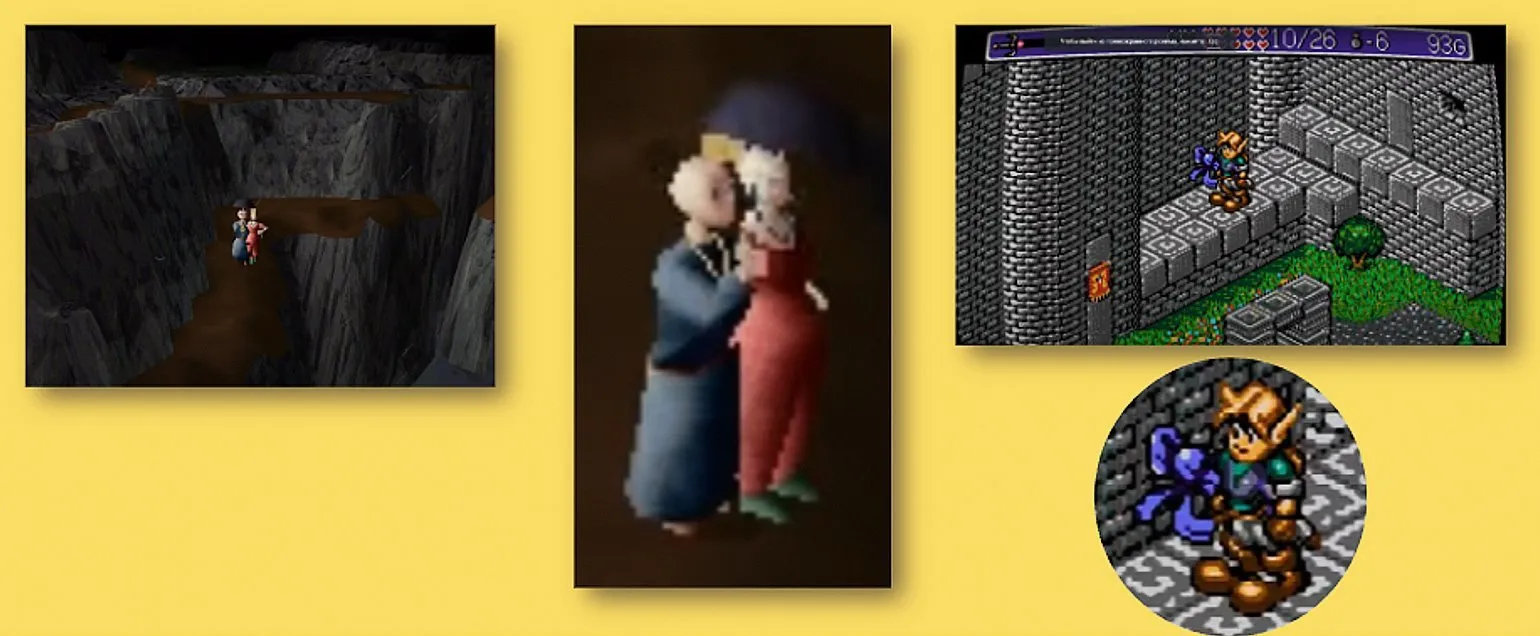
An example of a game worthy of attention is Little Big Adventure 2, released in 1997. The plot begins with the main character, Twinsen, going into the caves in search of medicine for his friend, the dragon Dinoflay. After walking for about an hour and defeating a powerful boss, he leaves the dungeon and meets his wife on the street. This game stands out not only for its captivating plot, but also for the deep development of characters, which makes it a classic of its genre.
"She says: "Twinsen, I understand that you are thirsty for adventure, but our dragon is sick and needs medicine... let's go home." You go out under an umbrella, and for a few minutes the two of you walk to beautiful music. This moment struck me as very touching and unexpected."
Kirill enjoyed a variety of games, including those without combat systems. His favorites included Niklas Nygren's platformer "Within a Deep Forest" and the physics puzzler "Crayon Physics Deluxe." These games attracted him with their original gameplay and unique approach, offering engaging challenges and the opportunity to immerse himself in an atmosphere of creativity and exploration.
The game designer began to consider creating a vocabulary of non-violent game mechanics, especially after coming across research on ethical and "cozy" games. Based on these materials, Zolovkin developed his own Manifesto. This document has become a starting point for creating more inclusive and positive gaming experiences aimed at attracting a wide audience and promoting ideas of kindness and cooperation in gameplay.
What are naive games?
Naive games are the result of the authors' efforts aimed at self-development and expression of their moral philosophy. These games are fragile in nature and are created with the aim of bringing more sincerity and kindness into the world. The manifesto emphasizes the importance of such games as a means of forming positive values and improving human relationships.
Kirill, based on personal reflections, analysis of conducted research, and discussions with other game designers, identified several key characteristics of naive games. These traits help better understand the unique aspects of this genre and its appeal to players.
- Peaceful. Prefer non-violent mechanics.
- Positive. Evoke positive emotions.
- Accessible. Accessible to players with different abilities (including those with disabilities).
- Short. Respect the player's time, do not artificially stretch out content.
- Fair. Do not exploit neurophysiological characteristics (for example, the dopamine loop), mental disorders, or gambling mechanics for the sake of repetitiveness. Do not create paywalls or lengthy grinds.
- Understandable. Provide obvious positive feedback, are attentive to interfaces.
- Respectful. Respect the cultural heritage of the countries and settings they use.
It is important to note that the Manifesto does not limit the creative process of developers. Its goal is to demonstrate the potential of games that are often overshadowed by popular types of gameplay. The Manifesto is intended to inspire developers to create unique game projects that reveal new possibilities and ideas. This will allow players to discover the variety and originality that less traditional game mechanics can offer.
My goal is not to impose prohibitive measures, but to inspire game designers to develop non-violent game mechanics. Just as game jams establish certain boundaries for developers, I strive to ensure that they meet new standards. That is why I wrote this Manifesto – to draw the attention of video game creators to alternative approaches and possibilities in game design.
Kirill mentions several projects that could be considered naive. Among them are well-known games such as Samorost, as well as lesser-known developments by Russian developers, such as "League of Enthusiasts-Losers." These examples demonstrate the diversity of approaches in game design and creative expression.
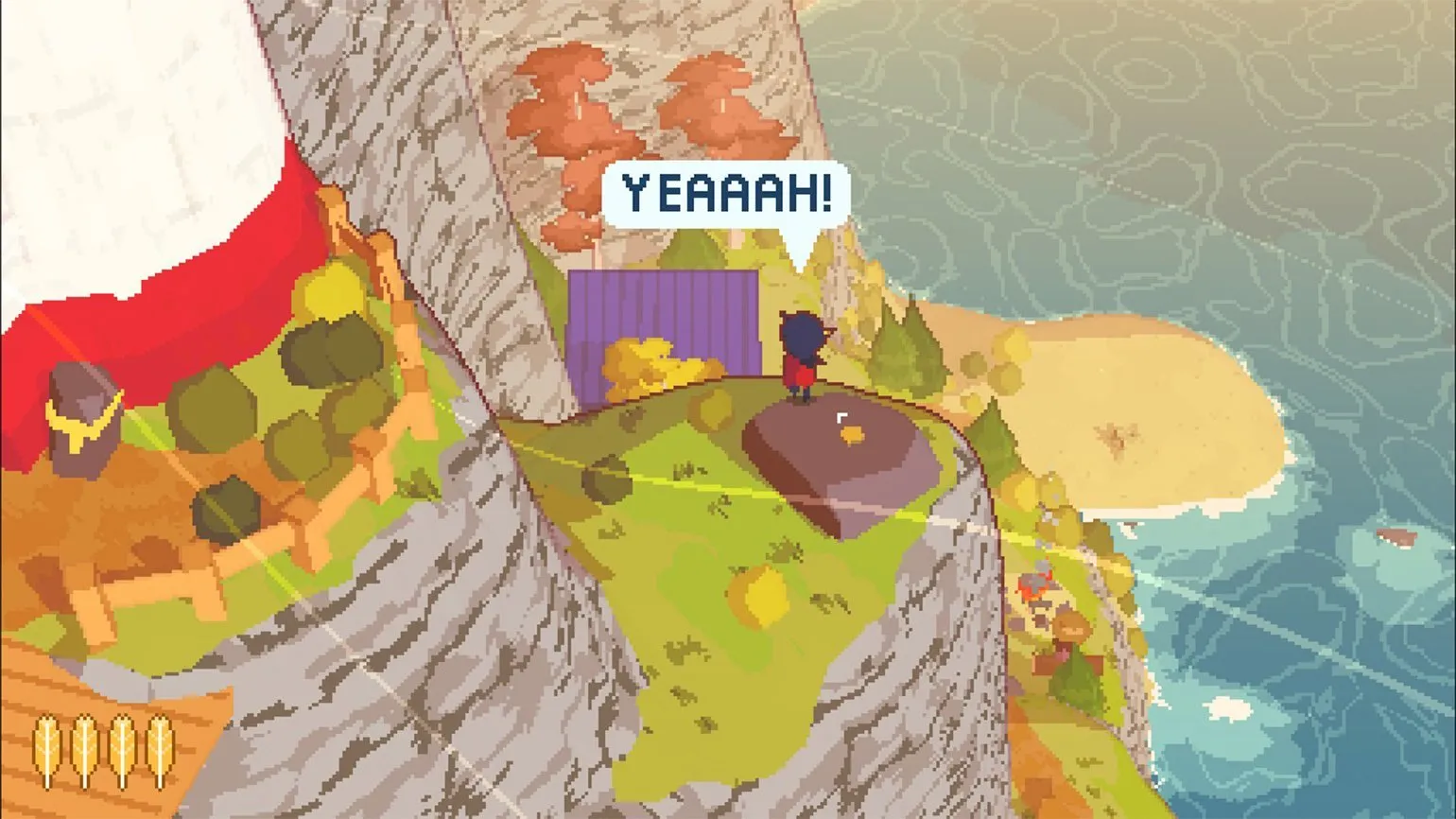
Zolovkin singles out A Short Hike as an outstanding example in the world of video games. The game's creator, Adam Robinson-Yu, sought to convey his personal experience traveling through Canada's national parks. The plot begins with the main character, an anthropomorphic bird named Claire, visiting her aunt, who is also a reserve caretaker. Claire soon learns that there is almost no cell phone service in the park, and in order to receive an important call, she must climb to the top of the mountain. This game not only immerses players in picturesque natural landscapes but also explores themes of connection with nature and self-discovery.
A Short Hike offers a unique gaming experience focused on non-violent mechanics like climbing, running, and flying. The game emphasizes exploration, interaction with the environment, and friendly competition. Sports minigames are presented not as competition, but as an opportunity to work together to achieve goals, fostering an atmosphere of cooperation and friendship. This approach makes the game accessible to a wider audience and emphasizes its core idea—enjoying the simple joys of life in nature.
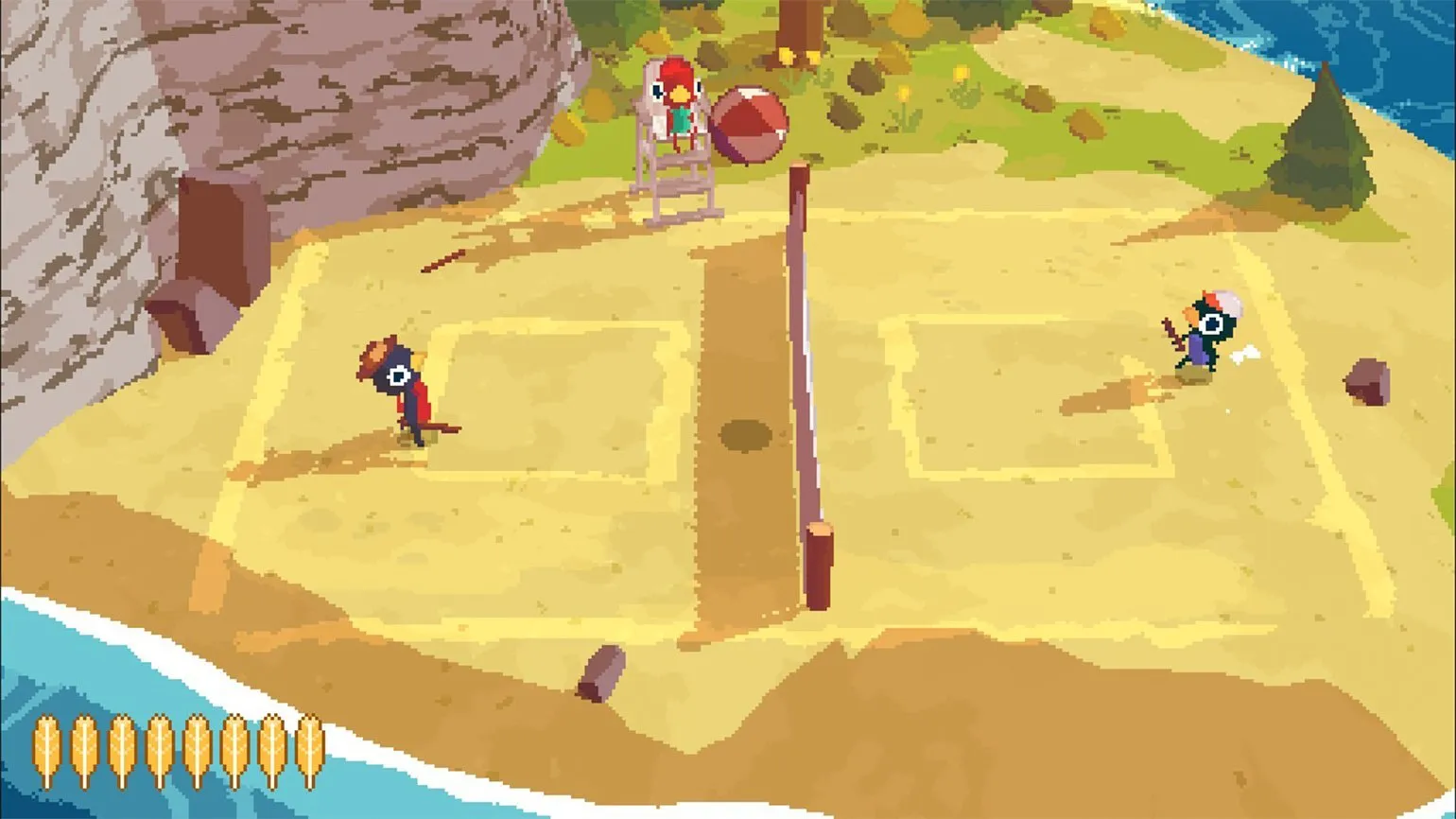
This is a game with a positive attitude, demonstrating through its mechanics that even in difficult moments in life, it is possible to rise above circumstances. As Zolovkin noted in one of his lectures, mutual assistance turns out to be more beneficial than simple accumulation. Furthermore, the game emphasizes that love can overcome any physical limitations.
A Short Hike is a game with a short playing time, which is already reflected in its name. This feature makes it more accessible to a wider audience, as not every player can devote sixty hours to completing such massive games as The Legend of Zelda, or even less time to The Last of Us: Part 2. A Short Hike offers a unique experience, allowing you to enjoy the game without having to dive into long hours of gameplay.
Of course, I will help you with editing the text. Please provide the text itself that you want to change.
The best moments in our lives, especially outside of games, are usually short in duration. The strong emotions that arise from reading a book or watching a movie do not last that long. We do not remember how many hours we spent reading, but only remember a few bright moments. Why can't games be shorter, more dynamic and more emotional?
The gaming market has its own characteristics that hinder the successful implementation of many projects. Unfortunately, the existing conditions and audience expectations do not meet the requirements of new ideas and concepts. This creates difficulties for developers seeking to introduce innovation into their products. Therefore, it is important to consider the nature of the gaming market when planning and implementing projects in order to best meet the interests and preferences of players.
Why Naive Games Don't Sell
Kirill notes in his Manifesto that the number of naive games is small and is unlikely to increase. This is due to the questionable commercial appeal of such games and the high risk of going unnoticed in a highly competitive market.
This is due to the specifics of the gaming industry. Some services, such as Xbox Game Pass and PlayStation Plus, depend on long-term user subscriptions. Therefore, it is unprofitable for them to promote short indie games that can be completed in a few hours. Such games do not contribute to subscriber retention, which makes them less attractive to platforms.
Kirill notes that many interesting projects go unnoticed. He admits he might never have discovered A Short Hike if he hadn't heard Robinson-Yu's talk at GDC. This highlights the importance of highlighting new and unique games in the industry, which can contribute to their popularity and recognition.
The issue of refund policies on marketplaces remains relevant. Zolovkin emphasizes that modern players can have a "life-changing experience," but at the same time have the opportunity to return a game if they spend less than the allotted time with it. This creates certain difficulties for developers and affects the video game market, since honest buyers can suffer from abuse by unscrupulous users. Refund policies require revision to ensure fair conditions for all members of the gaming community.
Initiatives such as Apple Arcade initially focused on supporting indie developers and arcade projects. However, over time, they are beginning to abandon short games that cannot hold players' attention for a long time. This highlights a trend in the gaming industry, where developers are striving to create longer, more engaging games that can retain players on their platforms.
Curators could help discover and promote unique games, but their capabilities are also limited. Services are often uninterested in hosting short games, which reduces the chances of these projects succeeding. Platforms like Steam value highly engaging games, such as CS:GO or Dota 2, which attract large player bases and provide long playtimes. This creates a difficult environment for less popular but interesting games that could otherwise attract audiences.
The situation with non-violent mechanics is even more complex, notes Kirill. He explains that developers, especially those from larger studios, are often unwilling to take risks in search of innovative ideas. This leads to many projects remaining within the framework of proven concepts, which limits creativity and the diversity of gameplay solutions.
AAA games require significant financial investments, which forces studios to avoid experimentation and stick to proven mechanics. Combat and competitive mechanics are the most developed. Even when analyzing arcade machines, it becomes clear that most of them focus on shooting, fighting, or sports games. This is explained by the fact that players prefer familiar gameplay elements, which increases the chances of commercial success. In a highly competitive gaming industry, using popular and familiar mechanics becomes a strategically sound decision for developers.
In major game releases, gameplay is not always limited to violence, but combat mechanics often take center stage. For example, Rockstar Games has been repeatedly accused of encouraging antisocial behavior in its games. Attorney Jack Thompson, a prominent video game critic, built his career on lawsuits against the company, arguing that their content promotes crime.
Releases in the Grand Theft Auto series are not particularly violent, but they feature open worlds where players have significant freedom of action. This freedom creates opportunities for aggression, which attracts attention to the games. Large sandboxes allow players to interact with the environment and NPCs, opening up a variety of scenarios for self-expression, including violence. This makes each game unique, as players can choose how to act within the given universe. Kirill believes that the primary focus in these series is the combat system, as it is the most thoroughly developed element. Currently, among the major companies creating naive games, Nintendo leads the way with its popular Animal Crossing series. For smaller indie studios, developing such projects can be a risky and even dangerous commercial decision. A recent example is the adventure game "Remember..." from Ice-Pick Lodge, which conveys a nostalgic atmosphere of a carefree childhood through non-violent gameplay mechanics. Such games are becoming an important element in the industry, allowing players to immerse themselves in a world of simplicity and sincerity, which is especially valuable in the modern gaming context.
A developer who decides to create a naive game most likely does so out of sincere desire, as the commercial prospects of such a project can be quite uncertain. Indie developers are usually driven by an idea, not by market trends. They don't always conduct in-depth market analysis, but create games based on their own desires and passions. This allows them to realize unique concepts that can bring fresh ideas to the industry.
Kirill believes that naive games require developers not only strict commercial considerations but also a willingness to take risks, creating something they truly enjoy. The manifesto aims to inspire developers to take this bold step, emphasizing the importance of creativity and self-expression in the gaming industry. Such games can bring uniqueness and freshness to the world of entertainment, which in turn will attract audience attention and open new horizons for innovation.
Why there is still hope for the best
Kirill remains optimistic about the future of naive games, confident in their ability to attract a wide audience. The main task is to establish effective promotion of such games by studios, publishers and trading platforms, as well as gaming media. According to Kirill, naive games can become the embodiment of a bright and kind childhood, which players can immerse themselves in, which makes them attractive to many.
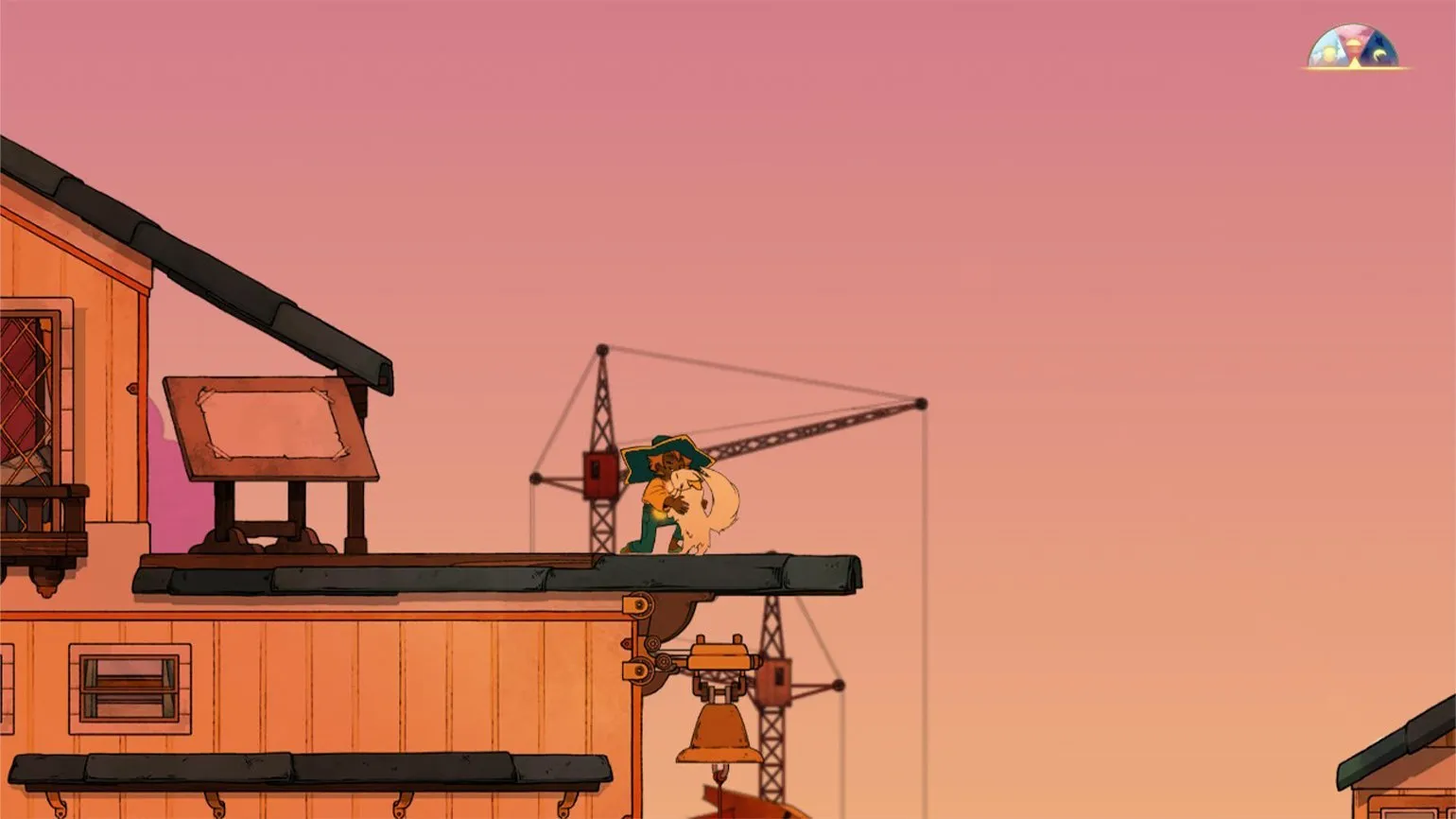
There is significant demand for naive games in the video game market, as evidenced by successful projects such as Stardew Valley, Undertale, and the recent release of Spiritfarer. These games demonstrate that the simplicity and uniqueness of gameplay can attract a wide audience and create real hits.
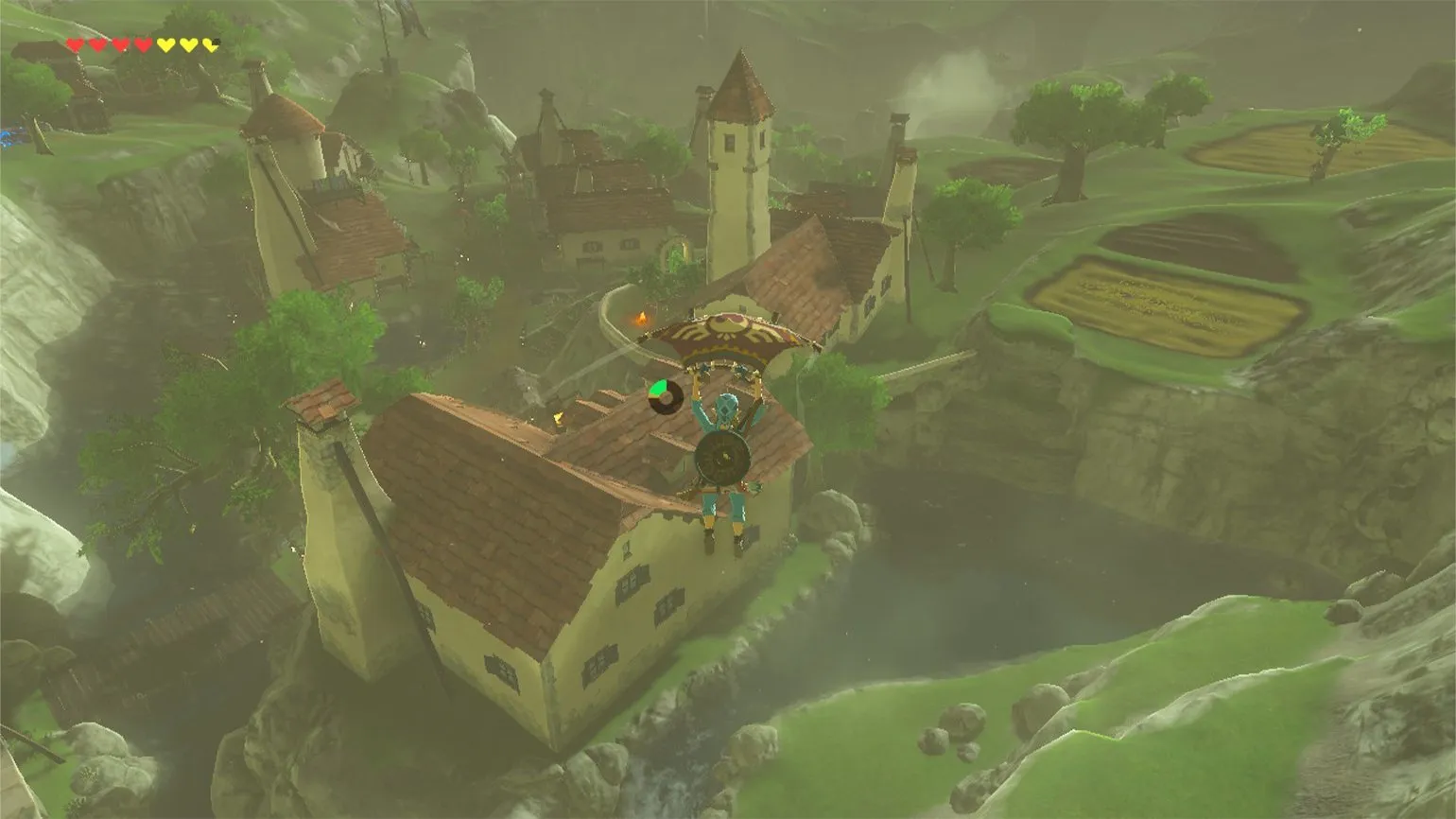
Among the major gaming hits, every year there is an increase in the number of projects in which The combat system plays a less prominent role. Games like The Legend of Zelda: Breath of the Wild and Death Stranding demonstrated that movement can be engaging. For example, the introduction of flight planning or climbing capabilities significantly enhances the gaming experience. These innovative mechanics have inspired numerous other games, including Genshin Impact, which achieved impressive success on mobile platforms. More and more developers are realizing the importance of diversifying game mechanics, focusing not only on combat, but also on exploring the world and interacting with it.
Modern classic shooters like Wolfenstein 2: The New Colossus go beyond simply shooting enemies. They strive to immerse the player in a captivating world through deeply developed characters and a gripping story. Players value not only dynamic gameplay but also the emotional component that makes each game unique. This approach creates a richer and more engaging gaming experience, attracting audiences and strengthening the genre's position in the market.
Multiplayer platforms like Roblox offer players unique opportunities for collaborative creativity. Unlike traditional games that emphasize shooting or fighting for victory, Roblox offers users a space to create and share content. This makes the platform attractive to those who prefer collaboration and creative interaction over competition. Users can develop their own games, build worlds, and participate in various projects, which helps develop their creative skills and strengthens the community.
Zolovkin envisions a future in which the gaming industry will evolve and offer players a variety of activities. Games are expected to offer more opportunities for exploration, interaction, and creativity, beyond traditional battles and competitions. This progress can significantly enrich the gaming experience and attract new players, expanding the horizons of gaming.
How the Manifesto Changed Gripper
Zolovkin's new views on game development have significantly impacted his magnum opus.
Over the past few years, Gripper has evolved from a small demo built on the GameMaker: Studio engine into a major game project built on the Unreal Engine platform. This evolution has brought the game recognition, including awards at DevGAMM and the Unreal Engine Dev Contest. However, the most significant change has been in the concept of the story, which has made the game more engaging and deep for players.
Initially, Gripper discussed the theme of regaining what was lost, and now Kirill aims to demonstrate how personal tragedies can push a person down a dark path.
Of course, I am ready to help with text editing. Please provide the source text you wish to rework.
A person experiencing grief often seeks any emotion that will help them regain control of the situation, and the most common of these is rage. We can express understanding of their feelings, but this does not bring us closer to them. On the contrary, a person experiencing loss often isolates themselves, plunging into their inner world. Personal experience of loss, which I also went through, only confirms this distance and closure in one's own emotional space.
The recent teaser for Gripper evokes deep emotions, asking the question: "What does it feel like when you lose someone?" Various responses appear on the screen: "acceptance," "depression," "anger," and all culminate in the bright red word "shock." These words reflect the complex stages of grief that people experience and highlight the emotional toll that loss takes. Gripper promises a compelling story that touches on important human feelings and experiences.
Biker Non, seeking to return his mother, takes the singing hearts of his loved ones from mechanical monsters. However, Kirill tries to convey that the hero's desperate efforts serve more as a way to suppress his own grief than as an excuse for his cruel actions. This story raises important questions about the nature of loss and the price we are willing to pay to save loved ones.
I strive to convey to the player the importance of letting go. Currently, this isn't so obvious in the demos I've presented at conferences and which can be found on Steam. However, in the future, I plan to gradually lead the player to this realization.
A game designer has decided that one of his future projects will be a naive game. He understands the importance of his contribution to the game world and strives to create a space free of violence. "I have to think about what I bring into this world. I want there to be less aggression," he says. This approach will attract a wider audience and create a positive experience for players, contributing to the development of a culture of games focused on peace and kindness. Kirill notes that in light of recent events, users will seek out games that can comfort and support. Games that offer positive experiences and emotional support will be especially in demand. In a climate of uncertainty and stress, such entertainment can be an important source of comfort and joy for many people. Recent events show that many people are tired of violence. In the modern world, there is a need for a sense of stability and normalcy. People need something that will help them regain confidence and restore a sense of security. This emphasizes the importance of creating content and initiatives that promote peace and harmony in society. Naive, cozy, and ethical games are becoming increasingly popular and in demand in the market. These genres offer unique experiences that attract players and create a comfortable atmosphere. We can expect interest in such projects to grow in the coming years, and this is where the Manifesto can become a valuable resource for game designers looking to develop their skills and create games in this area. By using the Manifesto's resources and tools, developers will be able to bring their ideas to life and offer players high-quality content that aligns with current trends.
Game Designer Profession from Scratch to PRO
A game designer creates the structure of a game. They think through the idea, rules, gameplay, and decide what emotions the plot will evoke in players. You'll master game design principles from scratch and learn how to work with popular engines like Unity and Unreal Engine. You'll learn how to retain player interest and monetize games. And we'll help you start a career in the gaming industry.
Learn more