Contents:

Who are you in the world Gamedev? Find out in our free course ➞ You'll experience three professions in action: game designer, 2D artist, and Unity developer. Create your first Mario-style game. Click here for details.
Learn moreCreating scripts for video games is a complex process that requires high skill and creativity. A specialist in this field faces many complex challenges that must be addressed at every stage of development. Writing a compelling story is only the first part of the job. The scriptwriter must also adapt the plot to the game mechanics and consider the technical limitations of the project. An important aspect is constant interaction with the developers and voice actors, which requires excellent communication skills. Steve Ince's book, How to Write a Video Game, explores these aspects and other intricacies of writing in the gaming industry in detail, making it a valuable resource for anyone seeking a deeper understanding of this fascinating world.
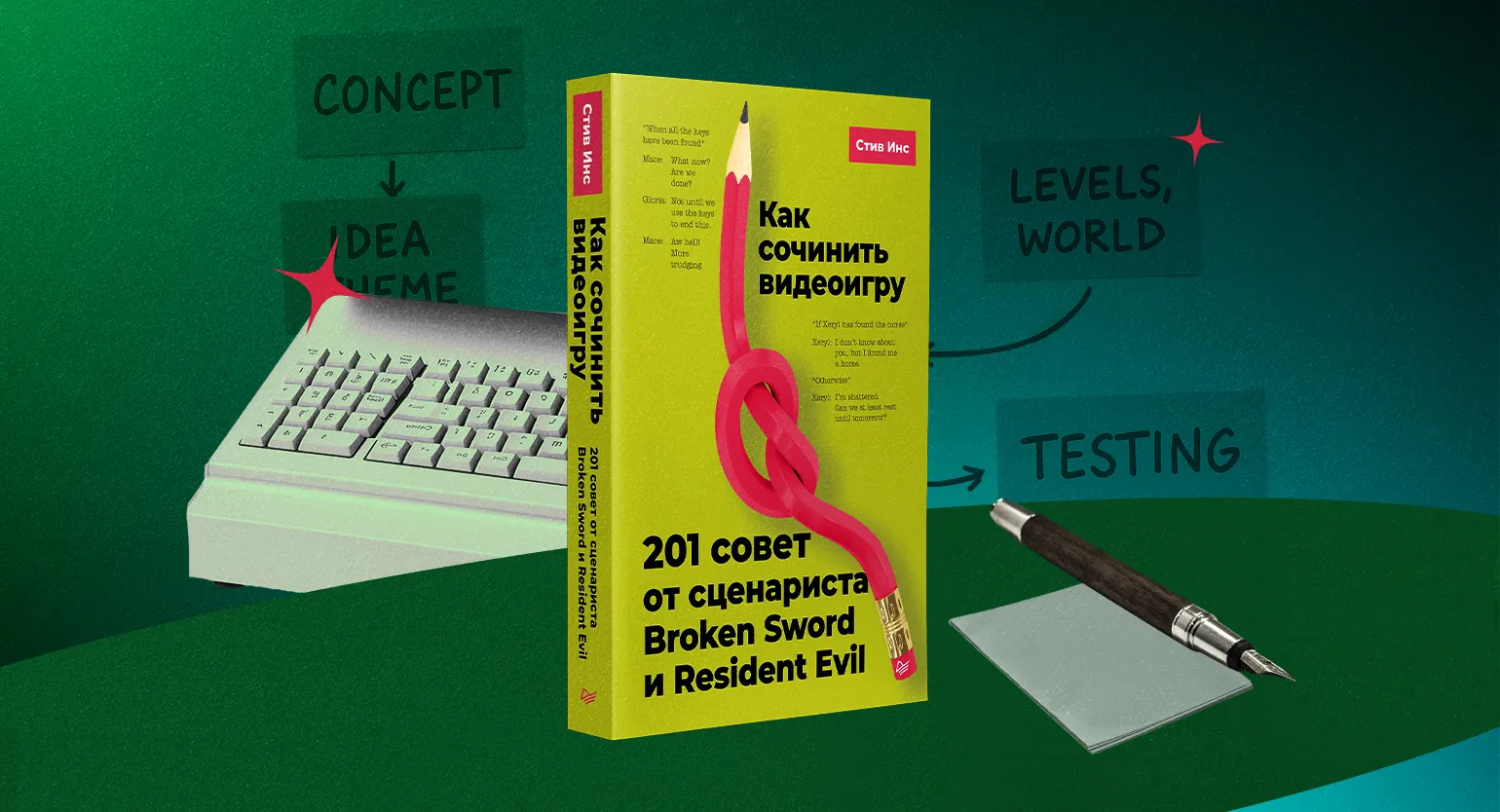
Full Title: How to Make a Video Game: 201 Tips from the Writer of Broken Sword and Resident Evil
How to Make a Video Game presents 201 tips to help you master the game development process. The author, a renowned writer of popular projects such as Broken Sword and Resident Evil, shares his experience and knowledge. You will learn the key aspects of screenwriting necessary for creating engaging and memorable video games. The book covers topics of story, characters, gameplay, and player interaction. It is a useful resource for both beginner and experienced developers looking to improve their skills and create a successful game.
Steve Ince is an author whose works cover a wide range of topics. He is known for his deep knowledge and analytical approach to various issues. His writing is engaging due to its clear presentation and topical content. Steve places particular emphasis on exploring contemporary trends and their impact on society. His writing style combines informativeness and accessibility, making his work engaging for both professionals and the general public. Importantly, Steve Ince continually updates his knowledge, allowing him to remain at the forefront of his field.
Piter Publishing House is one of the leading publishers in Russia, specializing in the publication of high-quality literature. It offers a wide range of books in various genres, including scientific, educational, and fiction. Thanks to the high level of editorial work and attention to detail, Piter Publishing House books are popular among readers and teachers. The publishing house actively collaborates with renowned authors and experts, ensuring the relevance and demand for its published literature. Additionally, "Piter" focuses on current trends in book publishing, offering readers innovative formats and accessible editions.
Year of publication: 2024. Significant changes and innovations are expected in various industries in 2024. This date will be a starting point for the introduction of advanced technologies and improved quality of life. Innovative products are expected to appear on the market in 2024 that will increase efficiency and simplify everyday tasks. Important events in science and technology are also planned for this year. Stay tuned for updates to stay informed about key moments and trends that could impact the future.
This material will be useful for aspiring screenwriters looking to develop their skills in game writing. Experienced professionals can use it as a checklist for their work. Game developers will also find in this text the information necessary for a thorough understanding of the role of a writer in the gaming industry and the factors that influence the creation of a successful script.
About the Author
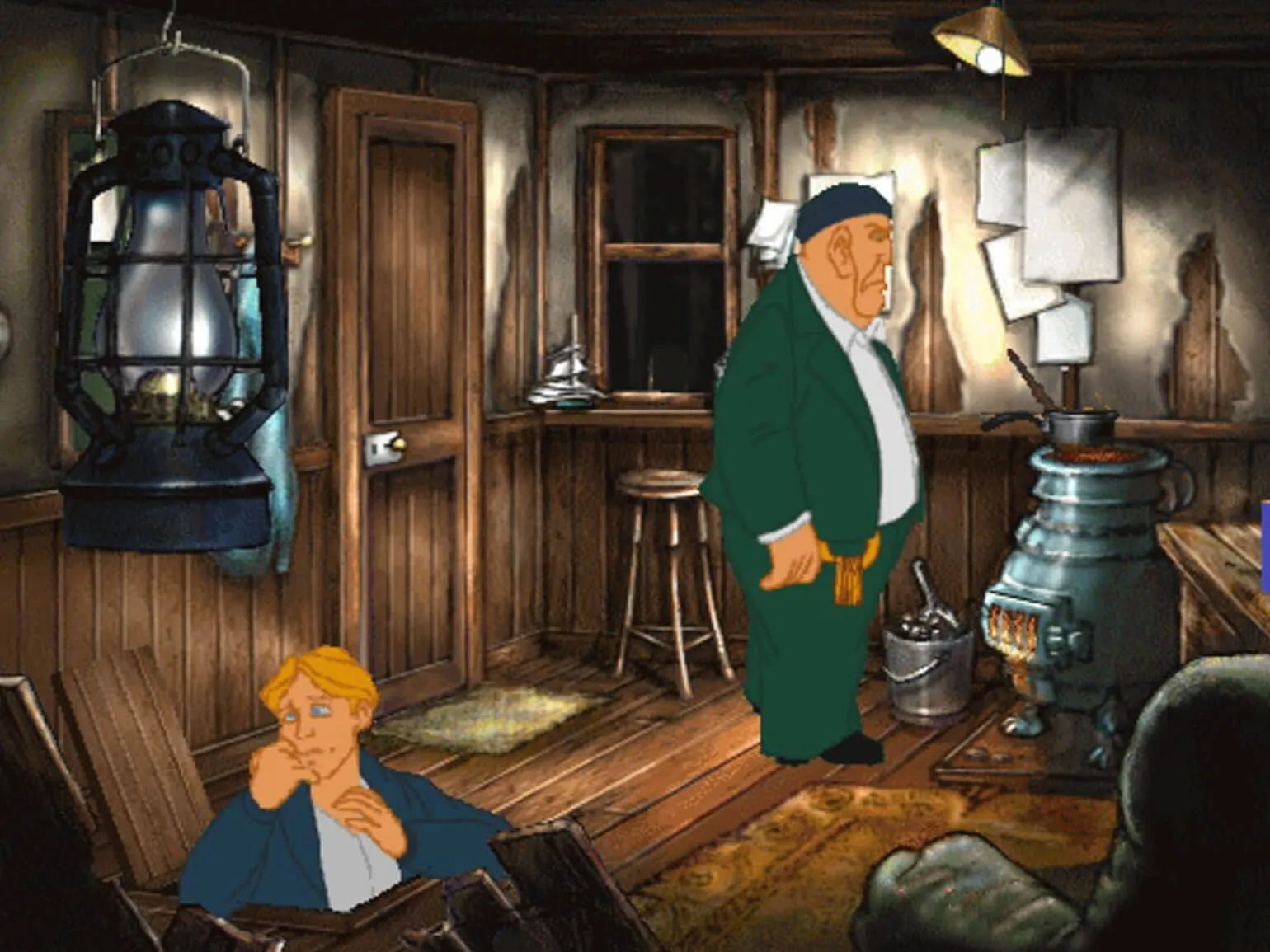
Steve Ince is a freelance writer, artist, and game designer from the UK, known for his significant contributions to the video game industry. His most recognizable work is associated with the Broken Sword series of adventure games developed by Revolution Software. At the company, Steve Ince held various roles, including artist, producer, and writer-designer, which allowed him to make significant contributions to the creation of unique game stories and visual styles.
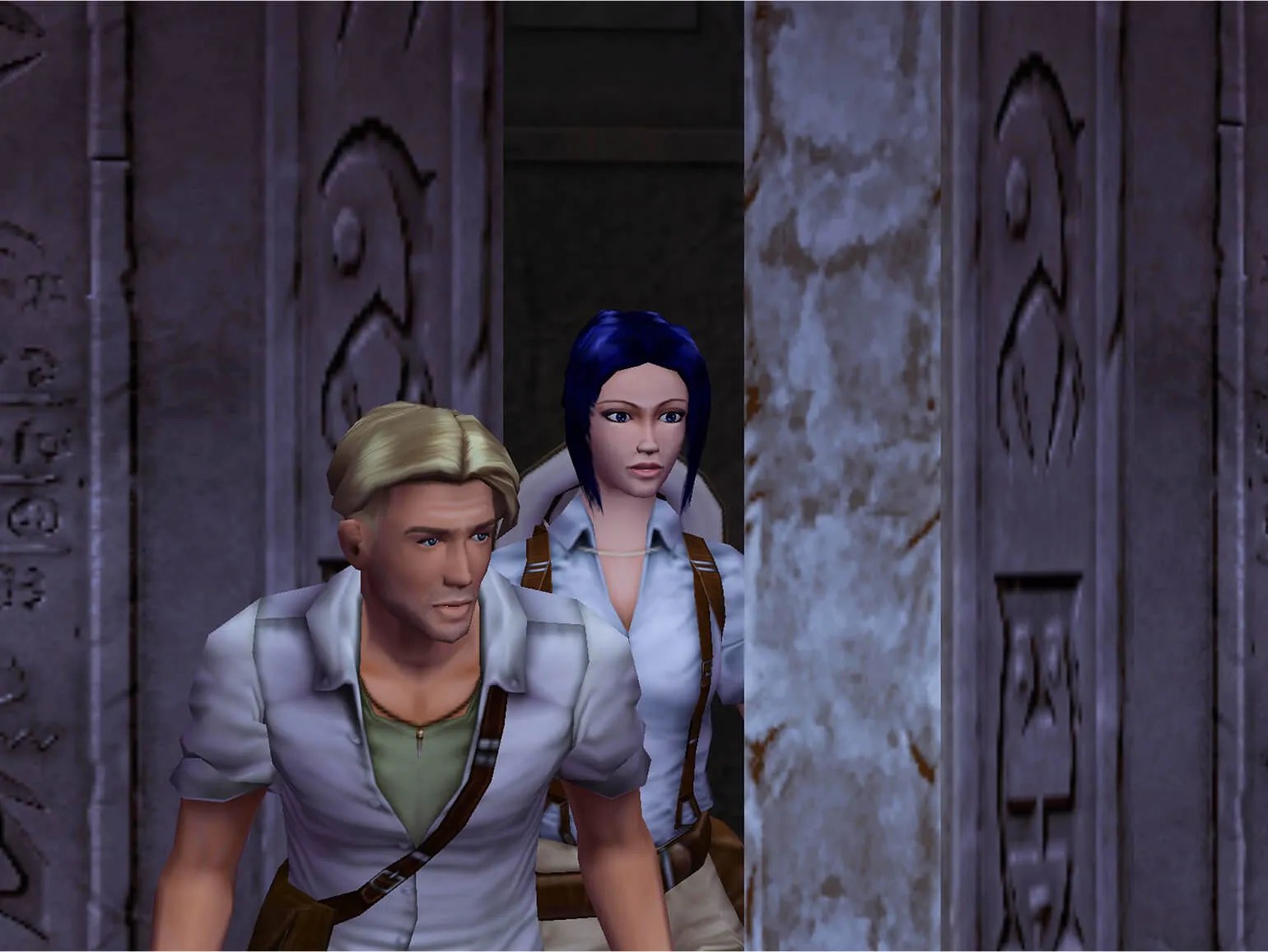
Along with his colleagues, he received a nomination for "Best Narrative" at the 2004 GDC Awards for the script for the game Broken Sword: The Sleeping Dragon. In 2008, the adventure game So Blonde, developed by Insom and known in Russia as "Blonde in Shock: Bermuda Passions," earned another nomination for "Best Video Game Screenplay" at the Writers Guild of Great Britain Awards. Both games are noted for their high-quality storytelling and original plotlines, highlighting the importance of screenwriters in the video game industry.
Steve Ince is an experienced screenwriter with over 30 years of experience in the gaming industry. He has written scripts for numerous acclaimed games, including the first two The Witcher games, The Bunker, Godfire: Rise of Prometheus, and Resident Evil: Village. Ince is also the author of several books on game writing, including Writing for Video Games and An Introduction to Game Writing. He has also written novels, comics, and children's books, and is a frequent speaker at game development conferences and events. Currently enjoying a well-deserved break, Steve Ince is focusing on creating children's books, leaving his mark on literature and continuing to inspire a new generation of authors.
Why this book is worth reading
"How to Write a Video Game" focuses on creating interactive works, specifically game projects that actively involve the player in the gameplay and plot. This method differs significantly from traditional screenwriting used in literature or film. Video games require a unique approach to narrative development, where player interaction becomes a key element of the gaming experience. With this aspect in mind, it is important to consider game mechanics, level structure, and character development to create an engaging and memorable gameplay experience.
While this publication is not considered a textbook on game screenwriting, it is based on the author's personal experience. Given Ince's extensive portfolio, built over three decades, and his active engagement with colleagues and industry representatives, the information in this book will be useful to both aspiring screenwriters and game development professionals striving to create high-quality projects. This book provides valuable insights and recommendations that will help you better understand the nuances of game writing and improve the quality of your games.
Creating a high-quality game is a priority for all developers. It is important to note that the information presented here is not limited to screenwriters. The quality of game scripts largely depends on the understanding and support of other team members. Therefore, it is necessary to mention the interrelated issues that play a key role in the development process. Teamwork and cooperation of all specialists are the key to a successful game project.
In his book "How to Write a Video Game: 201 Tips from the Screenwriter of Broken Sword and Resident Evil," Steve Ince shares valuable recommendations for screenwriters and game developers. He emphasizes the importance of deep development of the plot and characters, which is a key aspect of a successful gaming experience. Ince emphasizes that the game should not only entertain but also immerse the player in a unique world, evoking an emotional response.
The book examines various screenwriting techniques that help create engaging and memorable stories. Steve shares his experience working on famous games, explaining how to effectively construct dialogue and develop plot lines. He also discusses the importance of player interaction and the need to take their choices into account, which makes the gameplay more interactive and immersive.
These tips will help developers create high-quality video games that will appeal to a wide audience and leave a mark on the industry. Drawing on Ince's knowledge and experience, you can significantly improve your approach to scriptwriting and game development.
What's in the book
The text presents advice from the author, logically organized into separate chapters. The main sections focus on topical issues that video game writers and developers face during the creation process. The text covers key aspects, including screenwriting, character development, plot construction, and interaction with the development team. Each section offers practical recommendations and best practices that will help in the successful implementation of a game project and improve the quality of the final product.
- Team and Development. A collection of recommendations for writers and game designers, which highlights the importance of teamwork; why a writer needs to understand game design and the development process in general; The concept of interactivity in games and how the story can complement the gameplay.
- Inside the Development Process. This chapter covers how to create engaging scenarios for the player, while keeping in mind interactivity, genre features, and numerous iterations during the game’s development.
- Characters, Characters, Characters. Everything about developing characters, their arcs, maintaining a believable image, their motivations, and so on.
- Structure and Creation of a Game Script. How to create unconventional plots; what is player agency and how it relates to non-linear narrative; working with story branches.
- Dialogues. In three chapters dedicated to this topic, the reader will be given recommendations on developing listening skills, working through dialogues and how to implement the principle of Boolean variables in them.
- The practice of writing a game script. What to avoid, how to maintain a balance between clarity of lines and straightforwardness; working on mistakes and their possible causes.
- Acts, interactivity, structure. How to implement acts in games; the author’s version of formatting the script text.
- Genres, platforms and gaming experience. The specifics of writing a script for different genres, taking into account their features.
- Learn from game design. About the importance of understanding game mechanics; a description of reverse design methods for designing puzzles; how hints, environment and dialogue can influence the script.
- Localization and sound recording. The specifics of editing; interacting with voice actors; why a screenwriter needs to be present during voice recording; working on edits after recording sessions.
- How to become a game screenwriter. The chapter is largely devoted to a list of soft skills that a screenwriter must possess. In particular, these include erudition, discipline, understanding of the gaming market, and interaction with the community.
- Contracts, definitions, and agents. Covering aspects of a screenwriter's work from a legal perspective: what should be spelled out in a contract; when it is better to refuse to sign a contract; the specifics of working with an agent.
The book is written in accessible language, without the use of complex terms, which makes it understandable for a wide audience, including humanities students. In cases where terms are still used, they are accompanied by explanations in footnotes. At the end of the book there is an appendix with useful resources for screenwriters. In this section, you'll find a list of recommended software, a selection of related literature, and a list of communities and organizations that support professionals, helping them advocate for their interests and share experiences.
The Book's Shortcomings
Some of the author's advice may seem overly obvious. For example, recommendations on preventing burnout, leading a fulfilling life, having a hobby other than writing, and enjoying video games are applicable to everyone in the gaming industry. At times, it feels like these tips were included simply to pad the book. However, it is important to understand that such recommendations can serve as an important basis for maintaining a work-life balance, which is especially important in the high-pressure environment of this field.
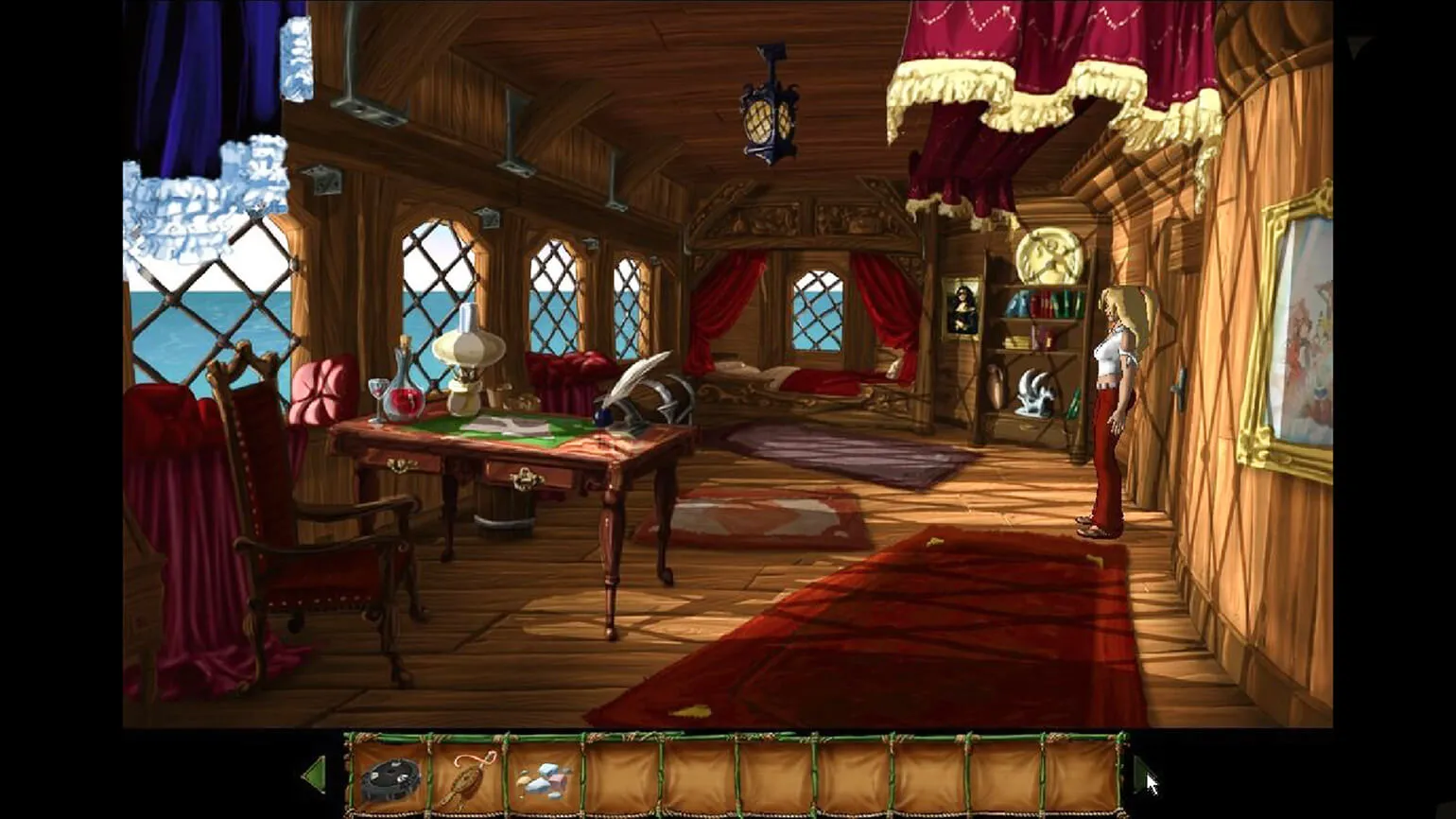
The text of individual tips sometimes contains repetition, which can create a sense of déjà vu in the reader. For example, tip #83 begins with a statement about the presence of excellent high-resolution graphics, emphasizing the lack of need for phrases like "It's a wooden door." Meanwhile, the beginning of tip #134 is nearly identical, with the word "excellent" replaced by "awesome" and a change in grammatical structure. The author attributes these similarities to the specifics of writing game scripts, pointing out the difficulty of separating different aspects of the work. This can serve as a reminder of how general ideas and concepts can intersect within a single topic, which is important to consider when creating unique content.
Some of the author's statements are quite subjective. In tip #139, Steve Ince strongly criticizes the use of diaries in games, considering this element "a bit of a cheap trick." Despite the author's compelling arguments, many gamers continue to value reading in-game entries. It is interesting to note that the Resident Evil games feature diary entries. Although Ince worked only on Resident Evil: Village, this information is only revealed at the end of the book. Considering that the book's title mentions Resident Evil without further elaboration, harsh statements about diaries may cause additional confusion among readers. This underscores the importance of properly approaching criticism of game design elements and their perception by players.
The main weakness of the text is the lack of examples from the author's personal experience. While fragments from Broken Sword and the quest So Blonde are primarily considered, his work covers a much wider range. Readers in reviews also note the lack of illustrative examples that could demonstrate the proposed tips. This limits the ability to gain a deeper understanding of the ideas and methods proposed.
The Bottom Line
The book "How to Write a Video Game" is a useful resource for those seeking to learn the process of writing scripts for video games. It helps you understand the key aspects of the game writing profession and develop the necessary soft skills for successful work in this field. Although the book does not contain enough game examples to clearly illustrate the recommendations, the author's main ideas are easy to grasp. Some tips are particularly valuable, since knowledge of certain nuances of game writing comes only with practical experience. It is important to note that the author advises against blindly following his recommendations, emphasizing the need for an individual approach to the creative process. This book will become an indispensable assistant for aspiring screenwriters wishing to deepen their knowledge and skills in the creation of video games.
All of the given recommendations will be of no use if you do not follow your convictions. You choose for yourself how to create content and which projects to participate in. It's important to stay true to your principles and find the right direction for yourself. Steve Ince's book, "How to Write a Video Game: 201 Tips from the Writer of Broken Sword and Resident Evil," offers readers a comprehensive guide to creating engaging video games. The author shares his experiences and methods that help developers create compelling scripts and interesting characters. Ince emphasizes the importance of developing a plot, creating compelling dialogue, and developing a unique game world. His advice covers various aspects of screenwriting, including structure, character development, and player interaction. This book will be a useful resource for screenwriters and developers looking to improve the quality of their projects and engage audiences. This book will be a useful resource for screenwriters beginning their careers in the games industry. It will also be of interest to experienced professionals looking to rethink their writing methods. Reading this book can inspire new ideas and help you look at projects from a fresh perspective, revealing opportunities to improve your gameplay.
Who are you in the world of game development? A mini-course for those who want to make games.
In this free mini-course, you'll try yourself as a game designer, 2D artist, or Unity game developer and choose the profession that's right for you.
Find out more.