Table of Contents:

Who are you in the world of game development? Find out with a free course ➞ You'll get hands-on experience in three professions: game designer, 2D artist, and Unity developer. Create your first Mario-style game. Click here for details.
Learn moreSubscribe to our Telegram channel "Checkpoint" - a space dedicated to games and the process of their creation. Here you'll find interesting news, tips, and fascinating facts about the world of video games. Join us and stay up to date with the latest trends in the gaming industry.
Video game heroes have much in common with the characters of ancient myths, especially in that they seem to be ageless. Kratos, Mario, Lara Croft, and Master Chief are icons of the gaming industry who remain youthful and energetic, even decades after their first appearance. These characters not only capture players' attention but also become symbols of entire eras in the world of video games. Their timeless relevance speaks to the power of storytelling and the depth of game design, allowing new generations to discover their adventures.
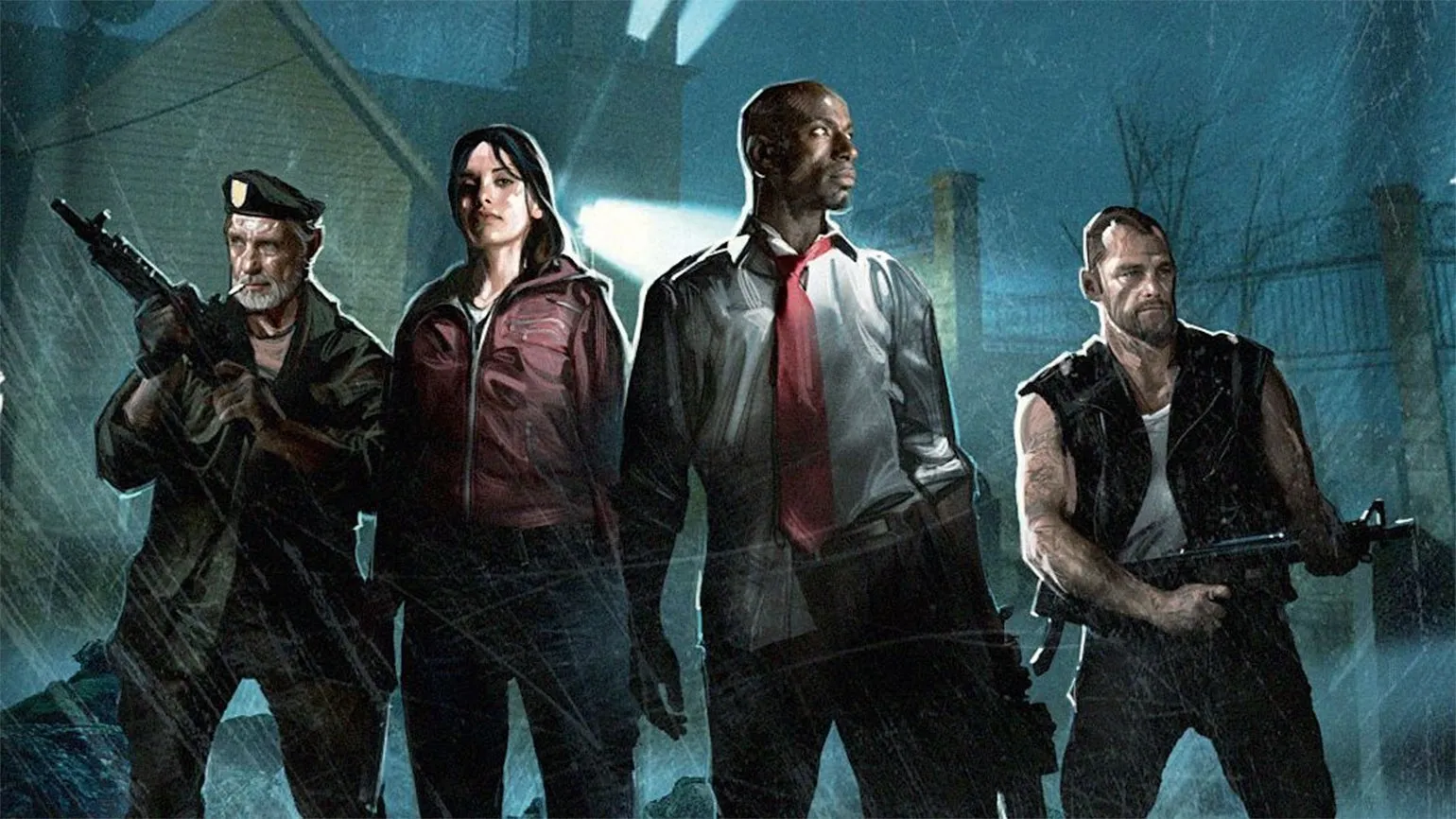
Some video game characters remain youthful and resilient, like Link from The Legend of Zelda series. Even if the hero is experienced and battle-hardened, like Bill from Left 4 Dead, he still displays the same agility and speed as his younger companions. However, there are exceptions to this rule.
Sifu is a third-person action game in which the player controls a young kung fu student seeking revenge for his murdered family. However, despite his young age, he faces a unique mechanic: he wears a mysterious talisman on his chest that allows him to be reborn after death. Each new return, however, increases his age by several years, adding a strategic component to the gameplay. The player must not only fight enemies but also make decisions about how to use their abilities to achieve their goals. Sifu offers an unforgettable experience, combining elements of kung fu, drama, and a unique character aging system.
With each death, the protagonist becomes a more experienced fighter, but also loses health until he dies permanently. Thus, the game from Sloclap studio is transformed from a standard beat 'em up into something similar to a roguelike, where the player must go through several attempts before reaching the finale. This creates a unique gameplay experience that combines elements of strategy and action, allowing players to develop skills and adapt to challenges.
The idea behind the game is risky, but it is not new: before Sifu, there were other games that explored the theme of aging and related processes. In this article, we'll explore how accepting the inevitable end of life enriches gameplay and makes it deeper and more engaging. Players are confronted with the concept of character aging, which adds new tactical elements and forces them to rethink strategies. Thus, Sifu not only offers engaging gameplay but also invites them to reflect on the philosophical aspects of life and time.
Breaking the Fourth Wall
Let's start with a classic example: the boss named End from Metal Gear Solid 3: Snake Eater (2004). This legendary sniper and master of camouflage offers players a unique battle that turns into a veritable game of cat and mouse in the rainforest. The battle with End can last for hours, making it one of the most memorable moments in the game. However, the player has the option to choose an alternative approach to confronting this enemy.
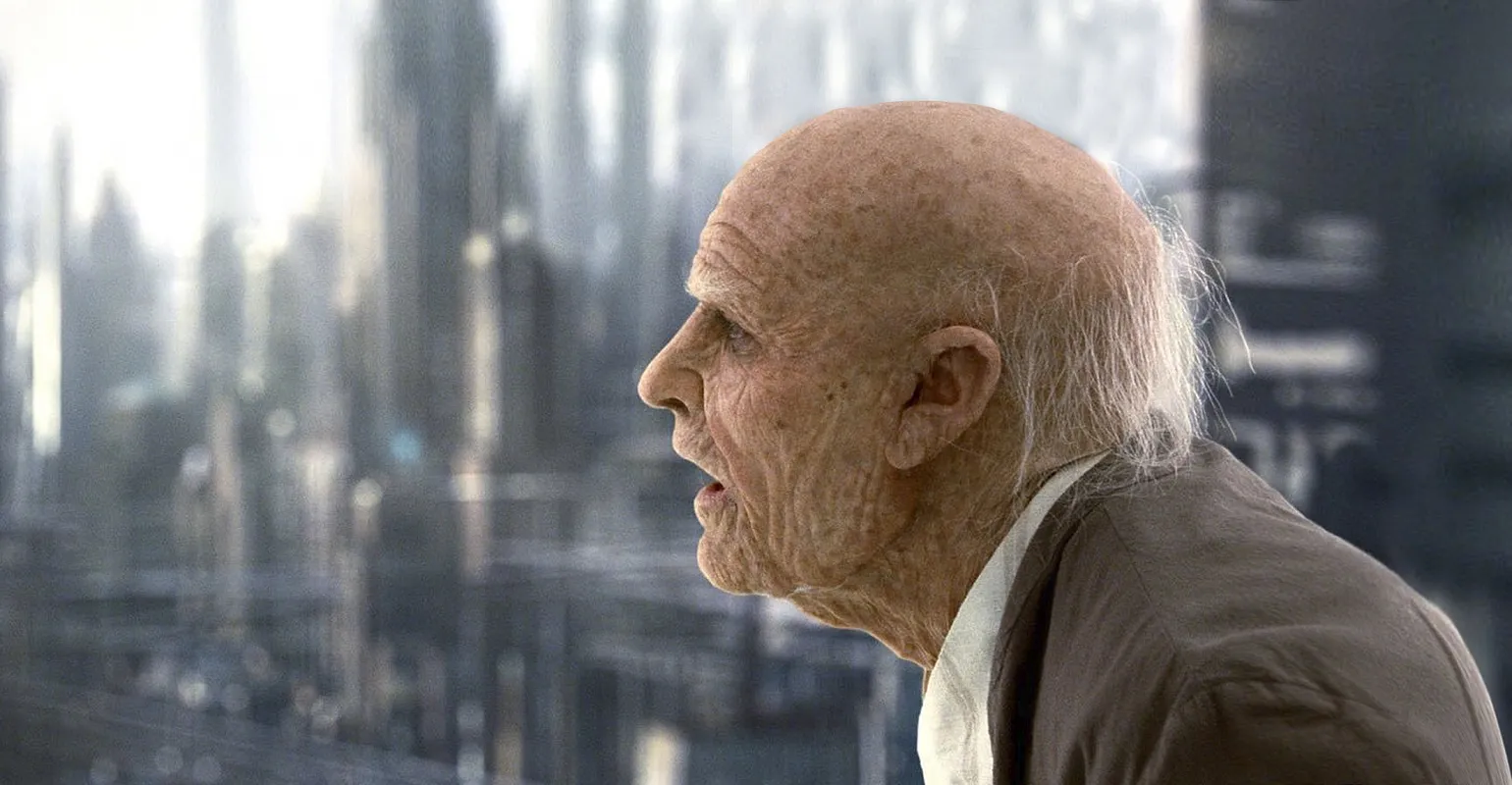
The End is a character who appears to be an extremely old man, on the verge of death. By saving progress during the battle and advancing time on the console eight days (or simply not returning to the game), the player may discover that the enemy has died of natural causes. This creates a unique opportunity for the player, allowing them to avoid direct confrontation and providing an interesting twist to the gameplay. This approach adds an element of strategy and interactivity, making the game more engaging and unpredictable.
Hideo Kojima is known for his unique approach to game design, which often involves breaking the fourth wall. The game designer himself explains this desire to create elements absent in other games. The battle with End demonstrates the potential of mechanics related to the aging of characters, and Kojima is likely to use these ideas in the next part of Metal Gear Solid.
Telling a story through mechanics
In the world of video games, elderly characters are less common than young heroes who demonstrate physical activity and agility. However, even rare examples like Bill from Left 4 Dead often belie their age, performing the same actions as their younger counterparts. This creates a contrast between the expected characteristics of older characters and their actual behavior in-game. Importantly, age diversity in video games can enrich the gaming experience by introducing new storylines and unique game mechanics that reflect the lives and experiences of older generations. Character development based on experience and wisdom can be an interesting direction for developers, introducing new ideas and opportunities for interaction into games.
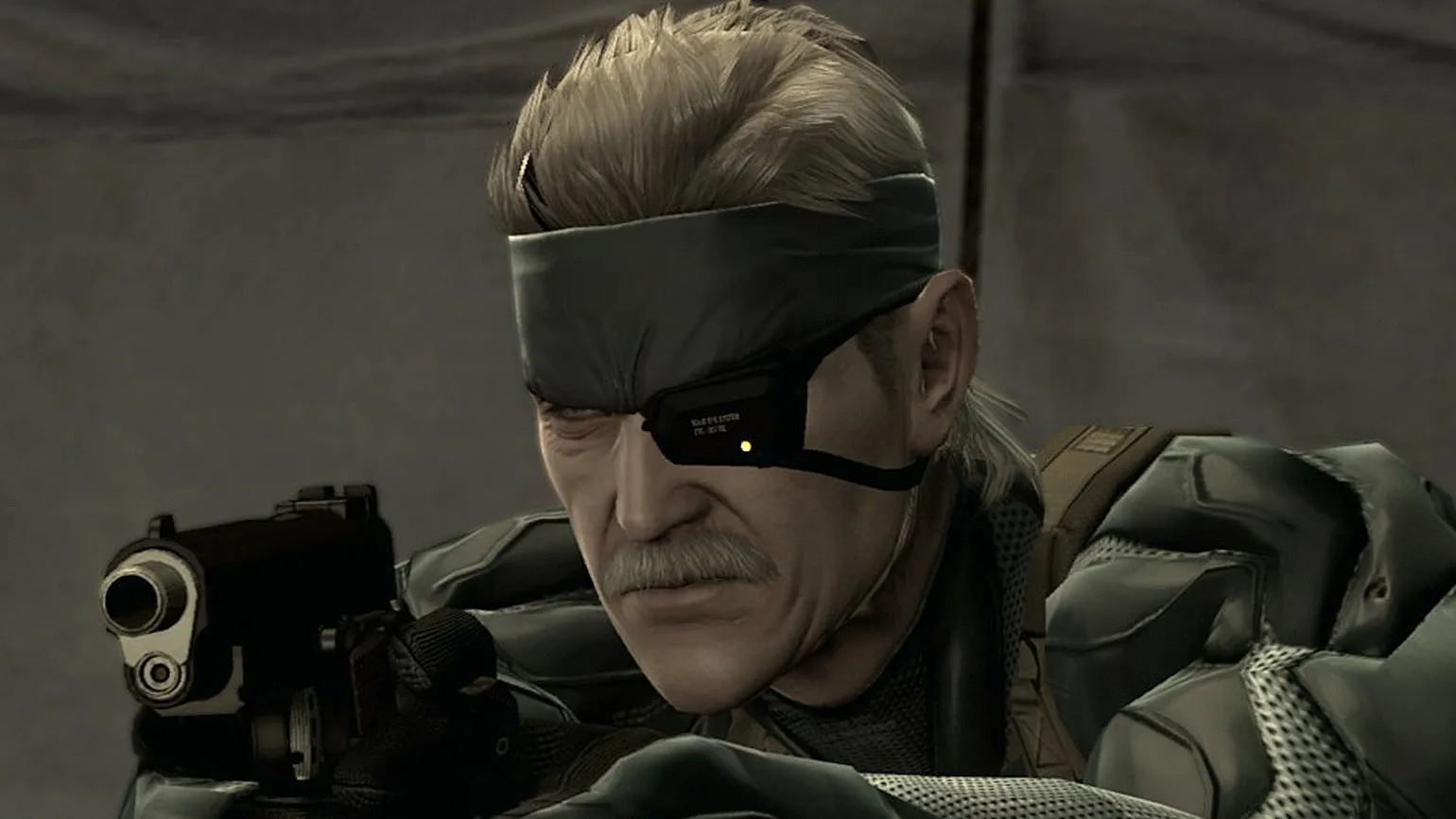
Developers sometimes rethink character age restrictions and introduce fresh ideas to familiar gameplay to convey the hero's story through gameplay. A striking example of this is the game Metal Gear Solid 4: Guns of the Patriots, released in 2008. It originally interprets plot elements and gameplay, allowing for a deeper understanding of the character's inner world and his development throughout the game.
In the fourth part of the game, Snake faces an accelerated aging process, which leaves him only a year to live. This change significantly affects the game mechanics. Now, in addition to the usual dangers, the player must monitor the hero's mental state. Stress factors such as non-fatal wounds, killing enemies, temperature changes, and unpleasant odors affect his psyche. The player must adapt to new conditions to survive and complete their mission.
At high stress levels, Snake's shooting accuracy decreases, back pain occurs, and there is a risk of losing consciousness. It becomes clear to the player that the final mission presents a significant challenge for Snake.
Game mechanics used for Narratives are evident in the work of the creators of Disco Elysium (2019). In this game, the player controls an unnamed detective who wakes up on the floor of a hotel room with no memory of his past. This trope is a classic RPG trope, reminiscent of games like Planescape: Torment and Fallout: New Vegas. Disco Elysium stands out for its unique ability to immerse the player in a complex world where every decision matters, and exploring the character's inner world becomes an essential part of the gameplay. Your character is no longer young, and their sudden amnesia is caused by a week-long drinking binge, the result of a nervous breakdown. Therefore, the gameplay in Disco Elysium differs significantly from other RPGs. Due to age-related ailments and years of alcohol abuse, the hero is more likely to have a heart attack simply by kicking a mailbox or to suffer a mental breakdown after being rejected for a date. This unique mechanic makes the game more realistic and adds depth to character development.
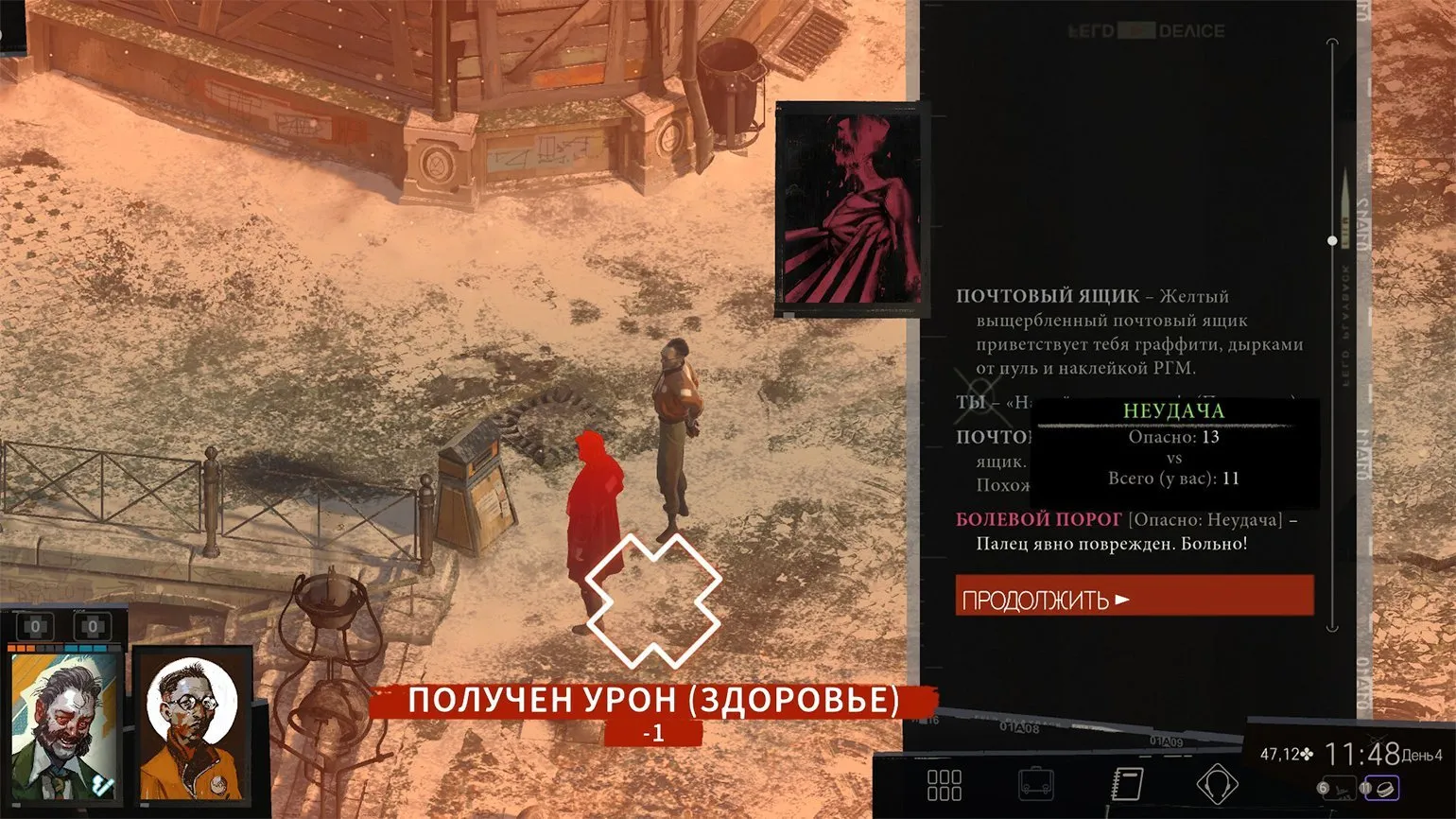
Disco Elysium and Metal Gear Solid 4 aren't the first games to incorporate character age into gameplay. In fact, developers had been using this concept for years before, with different goals in mind. Integrating age into gameplay allows for a deeper exploration of characters, adding complexity and variety to the experience. This not only strengthens the player's connection with the character but also opens up new opportunities for narrative and interaction within the game. Thus, character age becomes an important element that enriches the gameplay and makes it more realistic.
Unusual Player Options
In 1992, Darklands was released, an RPG in which players control a group of heroes exploring medieval Europe. Darklands offered a choice: create a young but inexperienced fighter or a more mature character with a wide range of skills and improved equipment. This element of character customization has become one of the game's key features, allowing players to immerse themselves in the atmosphere of historical Europe and develop unique strategies to overcome challenges.
The second option makes the game easier to start, but time moves inexorably forward. After turning 30, a character begins to lose strength, agility, intelligence, and other key stats. This forces players to plan their team composition in advance, considering not only the character's classes and abilities, but also the impact of aging on their effectiveness.
In the strategy game Sid Meier's Pirates! (1987), the player faces a similar choice: after turning 30, the character begins to lose health and fencing skills. In this situation, the player is given the option of either voluntarily retiring or, as happens in real life, continuing to fight using medicinal ointments. However, if the hero's health deteriorates, they can be forced into retirement. The game's outcome depends on the character's rank, accumulated gold, lands, and other achievements, making the strategy more exciting and realistic.
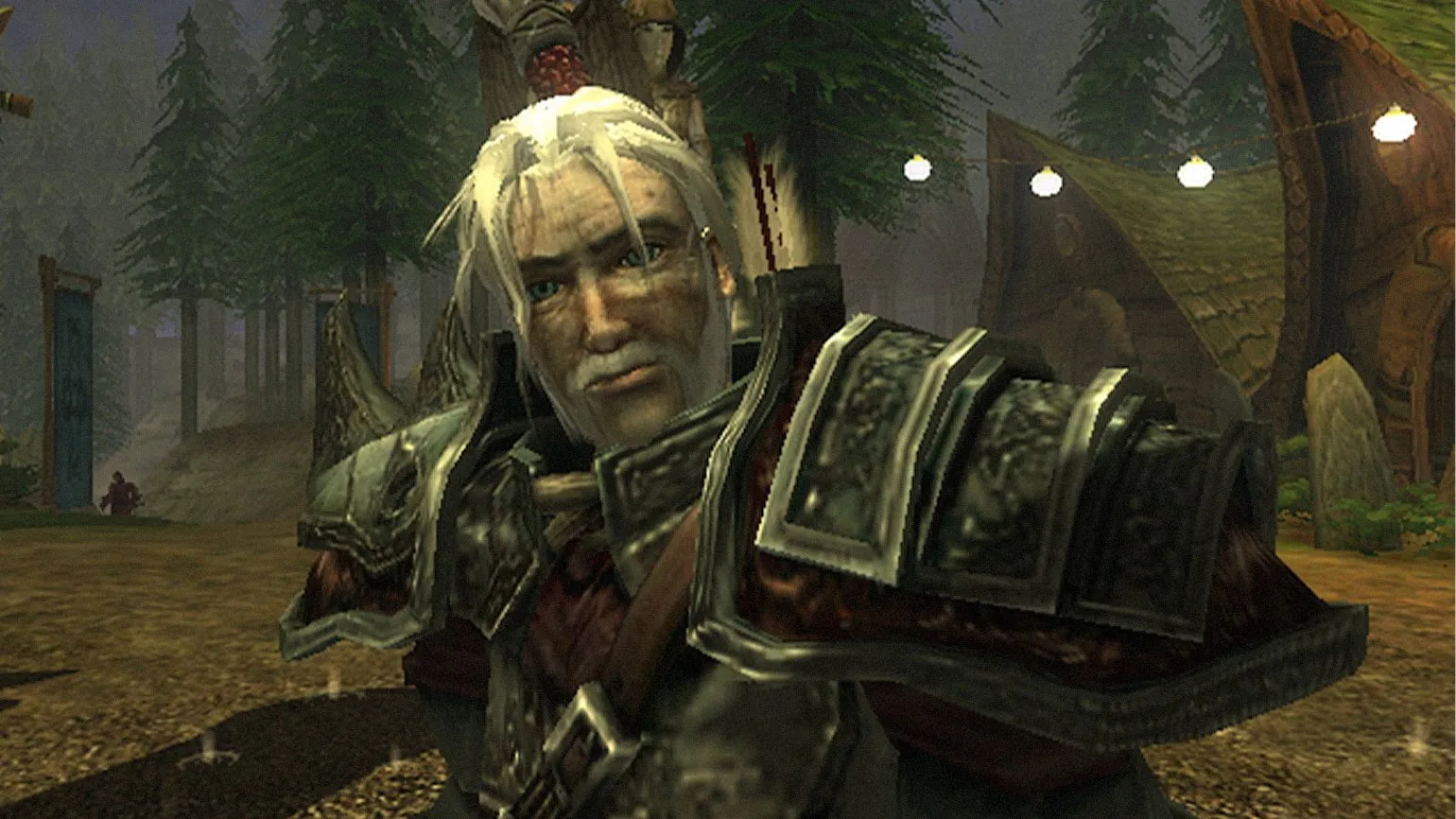
The first Fable game, released in 2004, and its expanded version, Fable: The Lost Chapters, released in 2005, integrated a unique aging system for the protagonist into the leveling process. With each level, the character ages by almost a year, reaching a maximum age of 65. This adds depth to the gameplay and makes every player decision meaningful, as time affects the hero's stats and abilities.
The character's appearance undergoes significant changes: with age, the number of wrinkles and gray hair increases, resulting in him resembling Geralt from the first Xbox games. These changes emphasize his life path and experiences, adding depth to his character and creating a sense of reality in the gameplay.
The aging mechanic in Fable was implemented thanks to brothers Dean and Simon Carter, the founders of Big Blue Box, the studio that participated in the development of the project. They aimed to create a game in which every player action would directly impact character development. This unique aging system allows players to witness how their choices shape their character's personality and destiny over time, adding depth and realism to the gameplay.
We aimed to give players unique control over their character, one that adapts to their playstyle. Characters will age, gain scars through battle, and also have the ability to get tattoos, wear dreadlocks, and choose clothing, including dresses, based on the player's preferences.
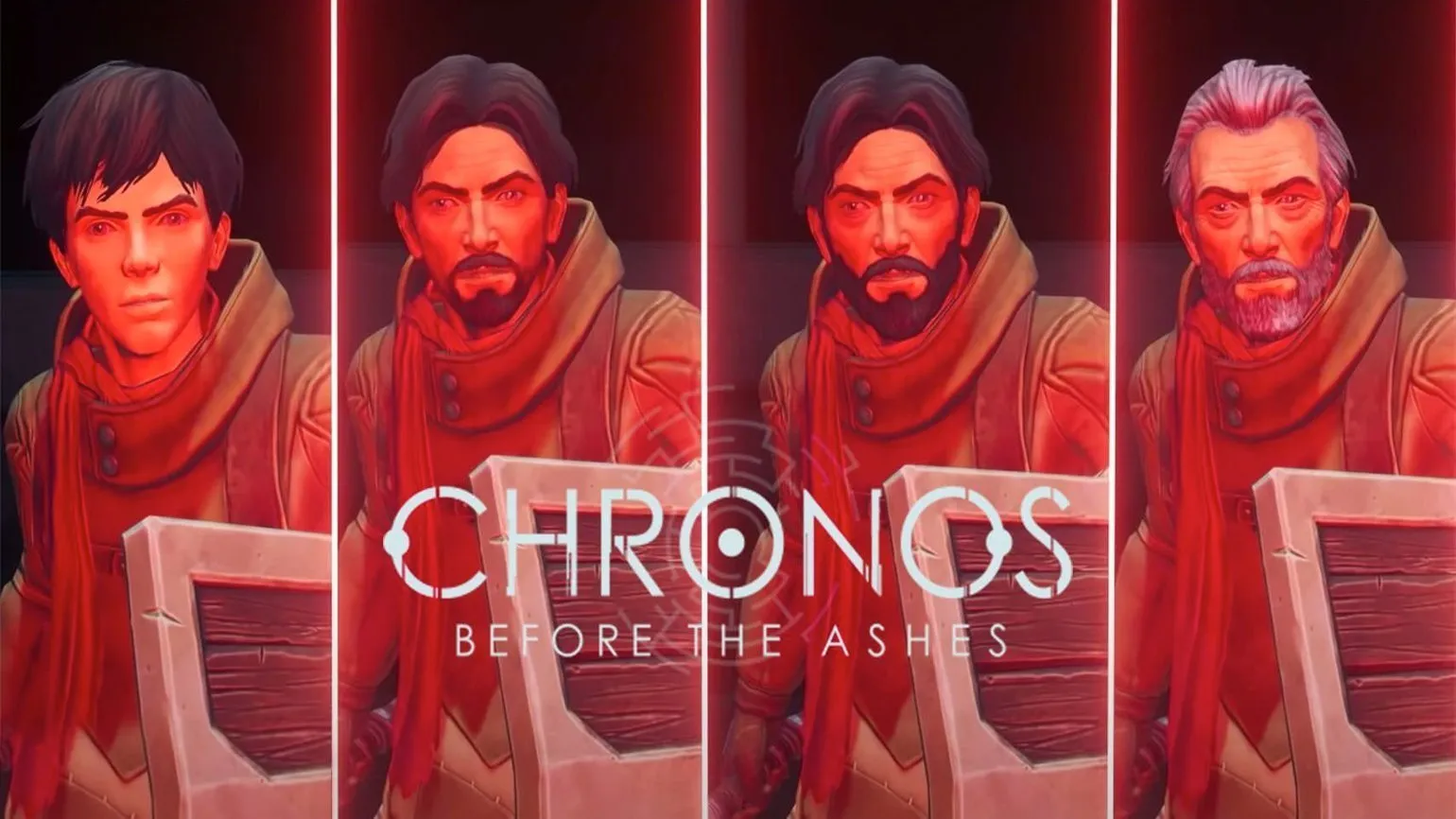
In Chronos: Before the Ashes from Gunfire Games, character aging is linked to a leveling system. After each death, the character ages by one year, gaining new skills. A young character is skilled with swords and effective in close combat, but as they age, their abilities begin to lean toward magic. This approach to character development adds depth to the gameplay and creates a unique experience for players.
Age-related changes in games can be caused not only by the player's actions or the disappearance of the hero. In a number of games, character aging is an important plot element that, along with other factors, becomes a key aspect of gameplay. Such mechanics add depth and realism, allowing players to experience emotional attachment to characters and observe their development throughout the game.
A Convincing Simulation
Strategy and simulation games are primarily aimed at captivatingly recreating various aspects of human life. The aging mechanic in these games brings depth, variety, and realism to gameplay. It allows players to explore the effects of time, influencing the development of characters and their interactions with the world around them. The introduction of aging as a gameplay element creates unique scenarios and situations, adding an additional layer of strategy and planning.
This also applies to popular projects, including the first part of The Sims, released in 2000, in which characters were divided into different age groups: babies, children, and adults. In the game's sequel, released in 2004, Sims were given the ability to die due to old age, which was accompanied by comical scenes. Thus, games not only entertain, but also reflect life's stages, adding elements of humor and emotional depth to the gameplay.
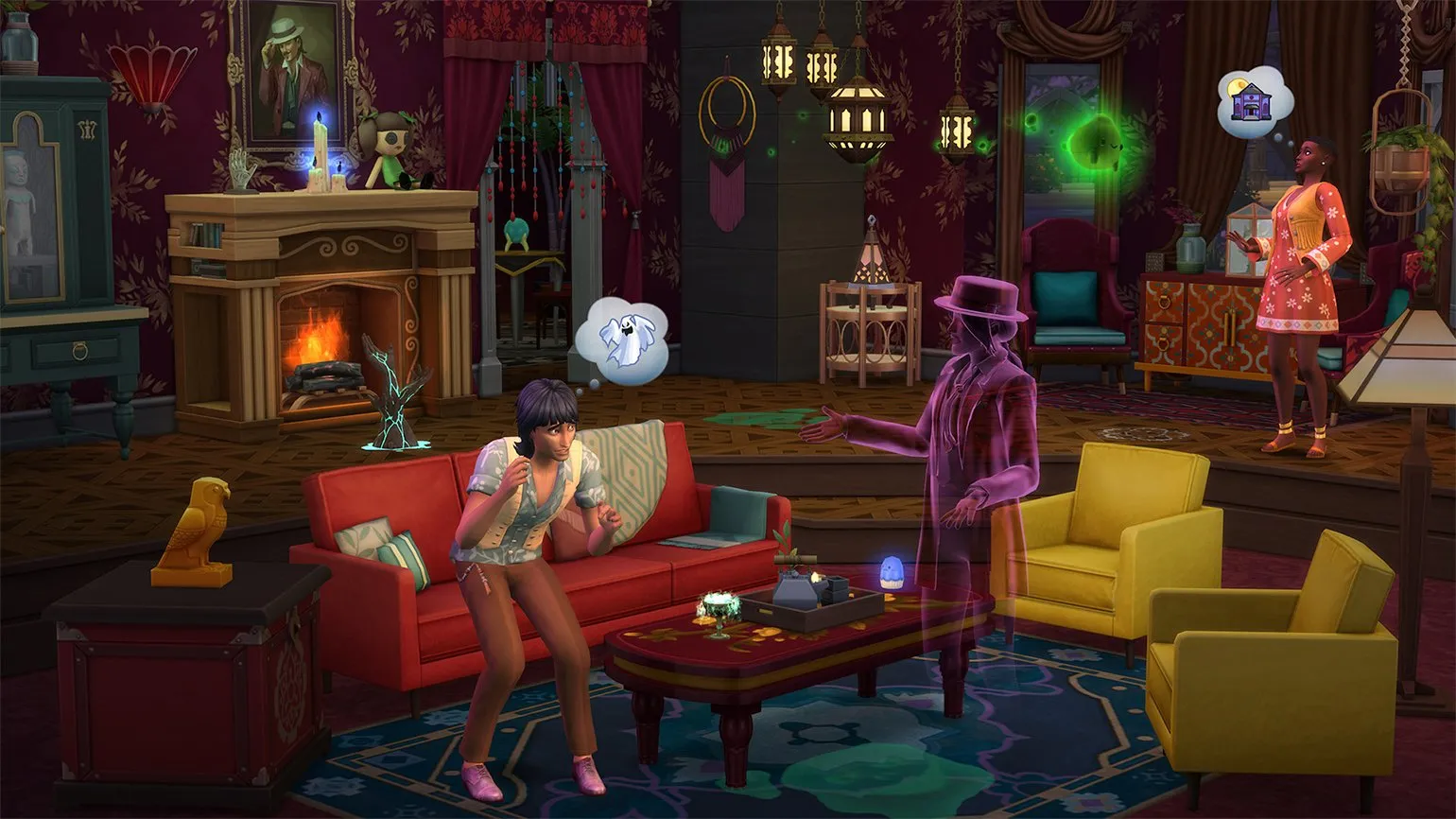
The Sims doesn't emphasize complex mechanics because it's a casual game. In contrast, city-building simulators like Cities: Skylines (2013) offer deeper and more complex gameplay that requires careful planning and strategy. These games require players not only to be creative but also to manage resources, develop infrastructure, and meet the needs of their population.
In this game, players observe the entire life cycle of NPCs inhabiting virtual cities. The player's task is to create and maintain the necessary infrastructure for these characters. Key elements include daycare centers, schools, universities, hospitals, as well as cemeteries and crematoriums. Successful management of these facilities ensures the comfortable existence of NPCs and contributes to the development of virtual society.
The concept of aging as a mechanic has been significantly expanded by simulators classified as story generators. Examples of such games include Dwarf Fortress, Crusader Kings, and RimWorld. These projects offer a unique approach to character interactions with time, allowing players to observe the development of events and changes in the fates of heroes over long periods of time. This makes aging an important element of the gameplay, enriching the story and creating deeper emotional connections with the characters.
The term used by the author of the last of the three games, game designer Tynan Sylvester, was created to distinguish them from traditional construction simulators and grand strategy games. Sylvester does not consider Rimworld a game in the traditional sense of the word. While many games focus on testing the player's skills, story generators like Rimworld emphasize creating unique and memorable situations.
Tarn Adams, one of the creators of Dwarf Fortress, explains the concept and development philosophy behind the project. Dwarf Fortress is a unique simulation that combines resource management and building elements with deep world generation and interaction. The game offers players an immersive and complex experience of creating and managing a dwarven fortress, attracting the attention of both strategy and indie game enthusiasts. The core idea of Dwarf Fortress is to give players the opportunity to explore and interact with a world that is shaped by their actions. This makes the game incredibly deep and engaging, offering unique gameplay moments and unpredictable scenarios.
The idea is that the game has no predetermined plot, yet the story still evolves. Players can observe various storylines and fragments of information provided by the game, ultimately creating a unique narrative. This approach allows each player to experience a personalized gameplay experience based on their interactions with the world and characters. Thus, the dynamic development of the story makes the game more engaging and interactive.
The Crusader Kings trilogy clearly demonstrates the difference between managing nations and dynasties. Unlike Europa Universalis, where players represent entire countries, Crusader Kings focuses on the fate of a single dynasty. In parallel, Dwarf Fortress focuses on the dwarves building their fortress, and RimWorld explores the lives of colonists trying to survive on a remote planet. These games emphasize unique aspects of control and survival in diverse game worlds, offering players the opportunity to immerse themselves in a variety of scenarios and strategies.
In all three games, characters are created using a procedural generation algorithm, giving them unique traits, including age. This characteristic significantly impacts their skills, physical attributes, and health, making gameplay more varied and engaging. Procedural generation allows for the creation of characters with different histories and abilities, enhancing player interaction with the game world and fostering a unique gaming experience.
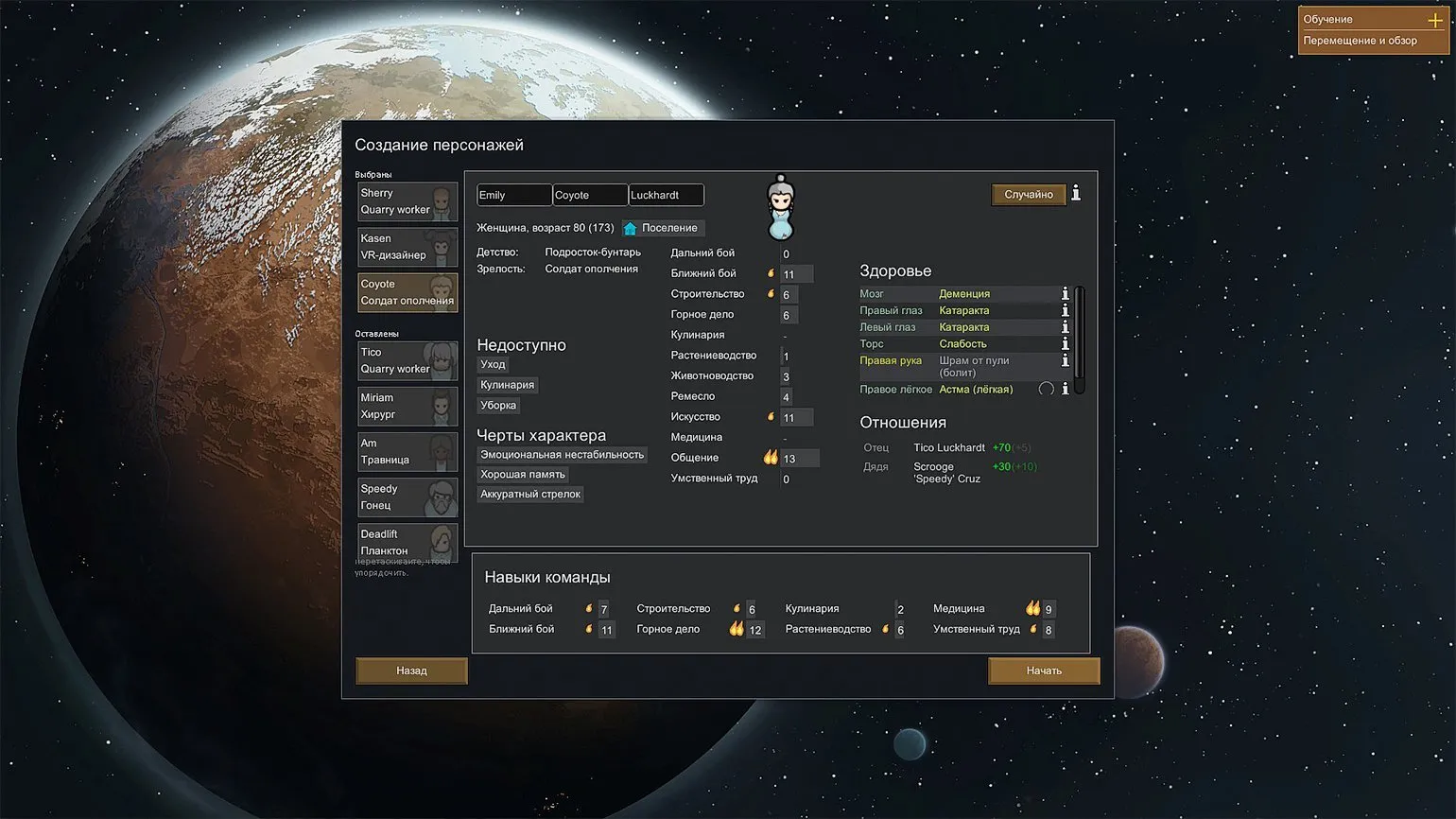
Characters' traits evolve as they mature and age. Over time, they not only increase in size but also gain or lose skills. Injuries sustained before or during their adventures remain with the characters, negatively impacting their overall well-being. As characters age, their health deteriorates, their primary stats decline, and the likelihood of various illnesses, including fatal ones, increases.
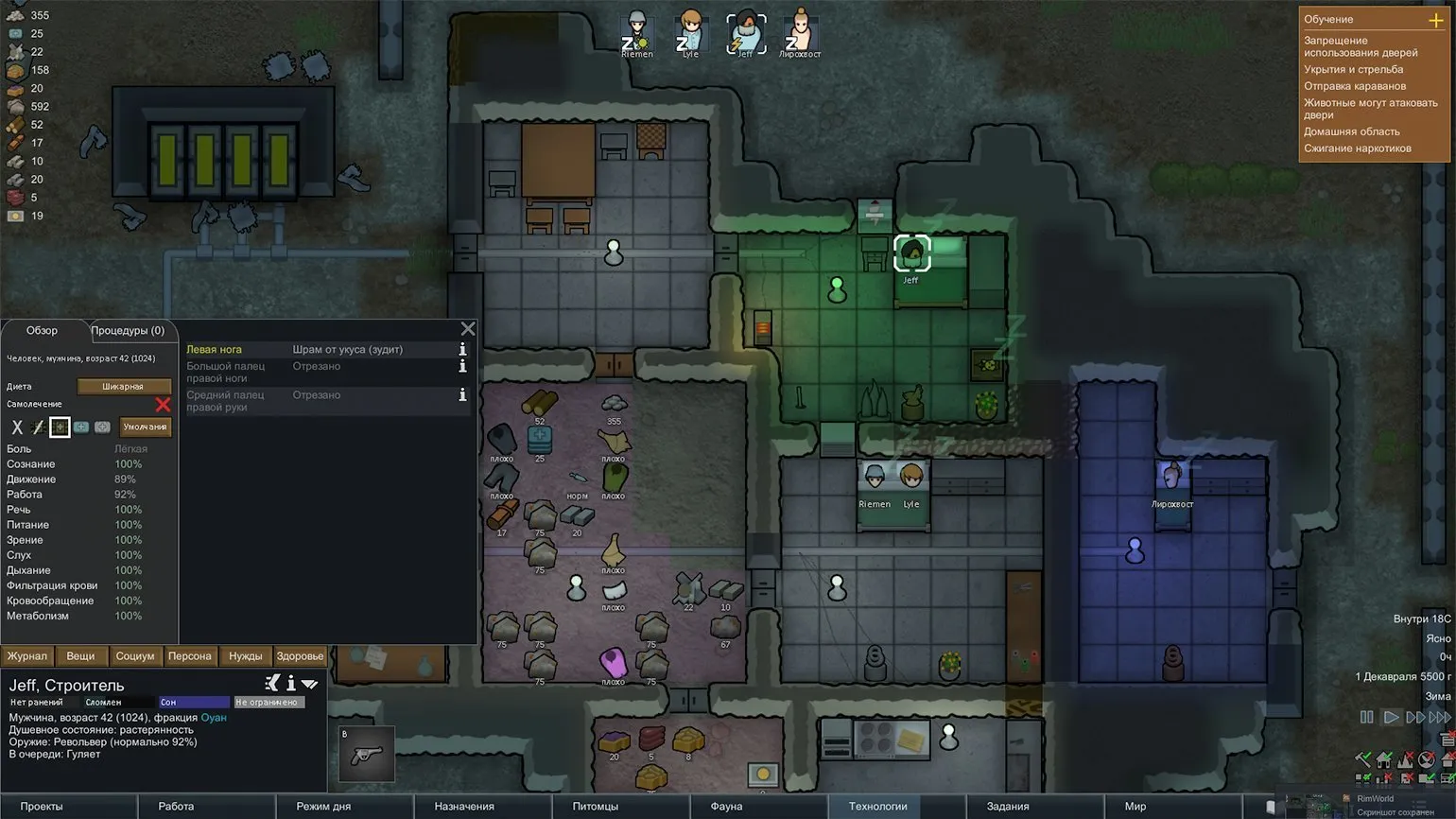
Death in games like Crusader Kings or RimWorld usually happens unexpectedly and is often the result of tragic accidents rather than player error. Success in a game can depend on a single random outbreak of illness or a nervous breakdown of a key character. This unpredictability creates an atmosphere of tension and drama, forcing players to constantly remain on guard. It is important to consider that such moments can significantly change the course of the game, turning a successful game into failure in a matter of minutes.
The main feature of story generators is that winning is not so much important as the opportunity to observe absurd situations, such as the destruction of an entire colony, and share these events on forums and in Steam reviews. As Tarn Adams emphasizes in his interviews, "losing is fun." This ability to create unique and unexpected narratives makes games with story generators appealing to players who value not only winning but also the process of interacting with the game world.
No Country for Old Men
Elderly characters remain a rarity in the world of video games. This is because the aging mechanic introduces many variables, which can lead to increased budgets and gameplay issues. Developing games with such characters requires careful consideration to balance realism with engaging gameplay. Despite the challenges, introducing aging characters can enrich the story and attract new audiences, making this a relevant topic for developers.
In Fable, the protagonist's age became one of the most discussed aspects of the gameplay. The main problem is that only the protagonist ages with leveling, while other characters, including key ones, remain the same age as they were at the beginning of the game. This creates a narrative inconsistency and can impact the player's perception of the story. This approach to character aging raises questions about the integrity of the game world and its logic.
The developers decided not to delve into the development of the remaining characters in order to save time, resources, and maintain creative control. However, this flaw is still noticeable and creates a certain dissonance in the narrative. As a result, the mechanic was significantly simplified in Fable 2 and completely eliminated in the third game. This decision allowed us to improve the overall perception of the game and make the plot more consistent and engaging.
We recommend that you familiarize yourself with additional content:
Ludo-narrative dissonance is a concept that describes the discrepancy between a person’s perception and their narrative, that is, the story they tell about themselves or the world around them. This dissonance can arise when personal experience contradicts traditional or popular narratives, leading to internal conflict and an identity crisis.
In the context of social interaction and cultural norms, ludo-narrative dissonance can manifest itself in various forms, including feelings of isolation, misunderstanding, or even shame. People may encounter situations in which their real experiences do not match generally accepted ideas, and this can cause emotional and psychological difficulties.
To understand ludo-narrative dissonance, it is important to consider the influence of cultural, social, and historical contexts that shape individual narratives. Awareness of this dissonance can help people understand themselves and their experiences more deeply, and also promote empathy and mutual understanding in society.
In simulations, integrating aging mechanics is significantly easier, as developers often choose a minimalist visual style. This simplifies the task of artists and animators. However, another challenge arises for game designers: the need to harmoniously integrate each gameplay element into the overall game concept. It's crucial to create a balanced gameplay environment where the aging mechanic seamlessly integrates with other aspects, including the story, characters, and game mechanics. This requires careful development and a thoughtful design approach to ensure engaging and logical gameplay. Imagine a game like Age of Empires, where all units age and die as each era progresses, and also suffer new injuries after each battle. While this mechanic may seem interesting and innovative at first glance, in practice it can unbalance the game and distract players from core elements like base building and combat. Increasing the number of factors affecting unit survivability can complicate gameplay dynamics and reduce the enjoyment of strategy, which ultimately negatively impacts the gaming experience.
Dwarf Fortress and Crusader Kings, despite their popularity, remain projects for a narrow audience, as they offer unique gameplay that does not always take into account the interests of players. At the same time, RimWorld demonstrated that it is possible to create similar content but with a more user-friendly approach. This approach proved successful, earning the game over $100 million on Steam, confirming that even complex concepts can be successfully adapted for a wide audience.
It is unclear what fate awaits Sifu. The game, with a unique rebirth mechanic based on the protagonist's age, has the potential to become another indie hit. However, there is also a risk that the project could be a failed experiment, like Darklands.
Any idea, no matter how attractive, becomes significant only through high-quality execution. The release of Sifu may once again emphasize that it's no coincidence that video game characters have eternal youth. However, it may also indicate that it's time for iconic heroes to change their appearance and age.
Who are you in the world of game development? A mini-course for those who want to make games.
In this free mini-course, you'll try yourself as a game designer, 2D artist, or Unity game developer and choose the profession that's right for you.
Find out more.