Contents:
Learn: Profession Game Producer
Learn MoreThe game's original concept was developed for the Wii, where the Wii Remote was planned to be used to control dinosaurs. The player would be able to control these creatures and observe their actions. Later, after working on Bayonetta, we focused on creating a full-fledged prototype. The first significant change I implemented was to make Scalebound a dragon game. Initially, the main character was less powerful than the protagonist Drew and was a little girl. As I developed the prototype, I realized that I wanted to not only observe the battles but also actively participate in them. This prompted me to discuss with the team the idea of making the main character more experienced, perhaps a swordsman or an older character.
This evolution of the concept allowed for a deeper and more intriguing gameplay experience, where players could not only control dragons but also engage in battles. The development of Scalebound was an interesting journey, full of creative decisions and changes that ultimately enriched the gaming experience.
Hideki Kamiya is the production director for Scalebound. He is known for his work in the video game industry, where he established himself as a talented designer and producer. Kamiya has extensive experience in game development and has led a number of successful projects. Scalebound, one of his most ambitious projects, was announced as an action RPG with unique game mechanics and an immersive world. Despite the project's cancellation, Kamiya's work left a significant mark on the industry, and he continues to inspire new developers and video game fans.
Star Wars 1313
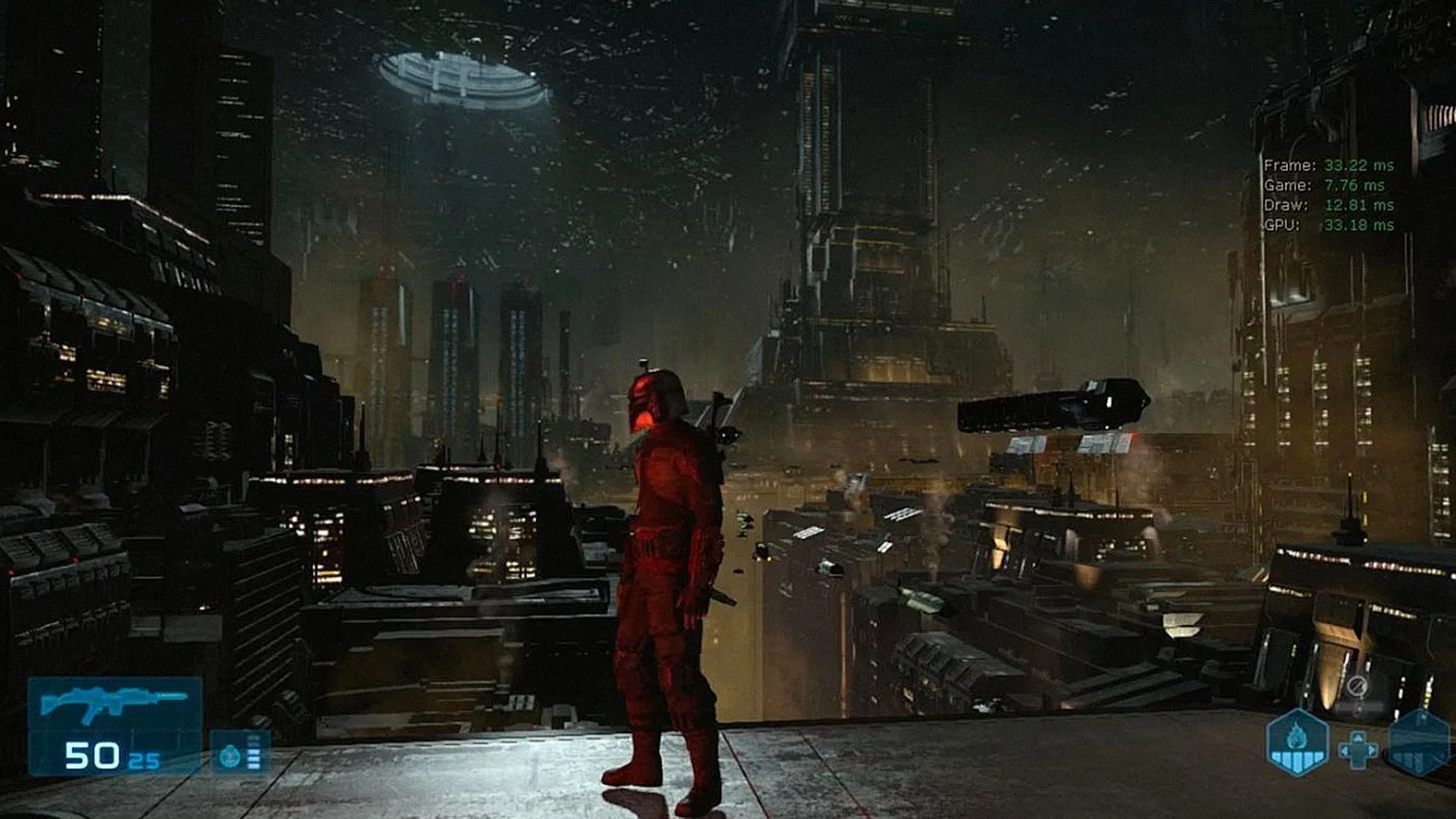
One of the key premieres of the E3 2012 exhibition was the game Star Wars 1313 - a third-person action game developed by the famous studio LucasArts. This project stood out among other games in the Star Wars universe, since the main character was not a Jedi or Sith, but a young mercenary. Star Wars 1313 promised to offer players a unique experience, combining dynamic gameplay with a gripping story, which attracted the attention of both fans of the franchise and new players.
Star Wars 1313 follows the adventures of the protagonist and his partner, who are sent to Level 1313 of the planet Coruscant to investigate crimes and intrigues. This level, known for its dark atmosphere and criminal elements, becomes the backdrop for a fascinating narrative. George Lucas planned to include Star Wars 1313 in the official canon of the franchise, which emphasizes the significance of the project in the world of Star Wars.
LucasArts intended to present in detail the features of the mercenary in the gameplay of Star Wars 1313. The project planned to emphasize the use of various gadgets, such as a rocket pack and various blasters. These elements were intended to enrich the gaming experience by adding new opportunities for exploration and interaction with the surrounding world.
The announcement of Star Wars 1313 at E3 2012 received a wide response and won numerous awards. The developers planned to release this game on the PC platform, as well as on unannounced next-generation consoles such as PS4 and Xbox One. Star Wars 1313 promised to offer a unique gaming experience, immersing players in the world of the Star Wars universe.
The project faced serious difficulties that the public was not aware of. Throughout the development process, the team experienced pressure from Star Wars creator George Lucas. The director often made key decisions regarding LucasArts games, and Star Wars 1313 was no exception. This influence significantly impacted the creative process and development of the project, ultimately determining its fate.
The game, working title Underworld, was developed in 2009 as a companion piece to the film series of the same name, which also never came to fruition. Underworld's main feature is its darker and more mature plot compared to the main installments of the film saga. Instead of the classic confrontation between good and evil, the game focuses on conflicts between criminal gangs. The protagonist, an antihero, is a mercenary who prioritizes financial gain over any moral principles. This approach brings a unique atmosphere and depth to the game, making it appealing to an adult audience.
Creating a unique product for the brand was complicated by the need to approve every story decision with George Lucas. To develop a new level section or cutscene, the LucasArts team had to go through several of Lucas's representatives to get his approval. This approval process significantly slowed down the development stages and required a careful approach to every story element, which ultimately affected the overall result and quality of the product.
The concept of Underworld underwent several changes, not only due to the developers' vision, but also in an effort to please the creator of the franchise. These changes reflect the evolution of the project and adaptation to audience demands, highlighting the importance of balancing the original concept and commercial interests.
In 2009, discussions about the concept of Star Wars Underworld began at meetings of a small group of developers from LucasArts. Initially, they considered creating an RPG, but soon remembered that George Lucas was impressed by the Grand Theft Auto series, a favorite of his children. The developers envisioned an open-world game set in the grim slums of Coruscant. Players would assume the roles of bounty hunters or criminals, living the life of mercenaries, collaborating with criminal families and earning their respect. However, this idea soon went nowhere.
D. Schreier's book "Blood, Sweat, and Pixels" offers a fascinating look at the video game development process. The author explores the industry's secrets, highlighting the challenges and achievements faced by developers. Readers will learn how games are created, from concept to final product, and how passion and perseverance influence the final result. Schreier immerses readers in a world where creativity meets technological challenges, demonstrating that behind every game project lie thousands of hours of work and a passion for perfection. This book will be a valuable resource for anyone interested in video games and their creation, as well as for those who want to understand how the gaming industry is shaped.
The game was primarily inspired by the success of Naughty Dog's Uncharted trilogy, which became a landmark exclusive for the PS3 console. Director Lucas dreamed of combining cinematic storytelling with gameplay, which led to rapid support for the concept of "Uncharted in the Star Wars universe." LucasArts gained access to the resources of Industrial Light & Magic, a leading special effects company that has worked on many famous Hollywood films, including the original Star Wars and The Avengers. The studio's specialists helped the Star Wars 1313 team achieve a new level of graphics and production quality. State-of-the-art motion capture technology was used to create cutscenes, which helped achieve realism and depth in the characters and their interactions.
The price of privilege in the gaming industry can sometimes be too high. At E3 2012, LucasArts representatives remained coy about the protagonist of Star Wars 1313, dodging journalists' questions. Just two months before the presentation, George Lucas had decided to make Boba Fett, a character familiar to fans from the original trilogy, the main character. This forced the team to abandon most of the work related to the new mercenary, leading to changes in gameplay mechanics, design, and script. As a result, the version of the project shown at E3 was outdated and no longer in line with the original vision. LucasArts couldn't resist Lucas's decisions, which left a deep mark on the game's development and caused disappointment among fans.
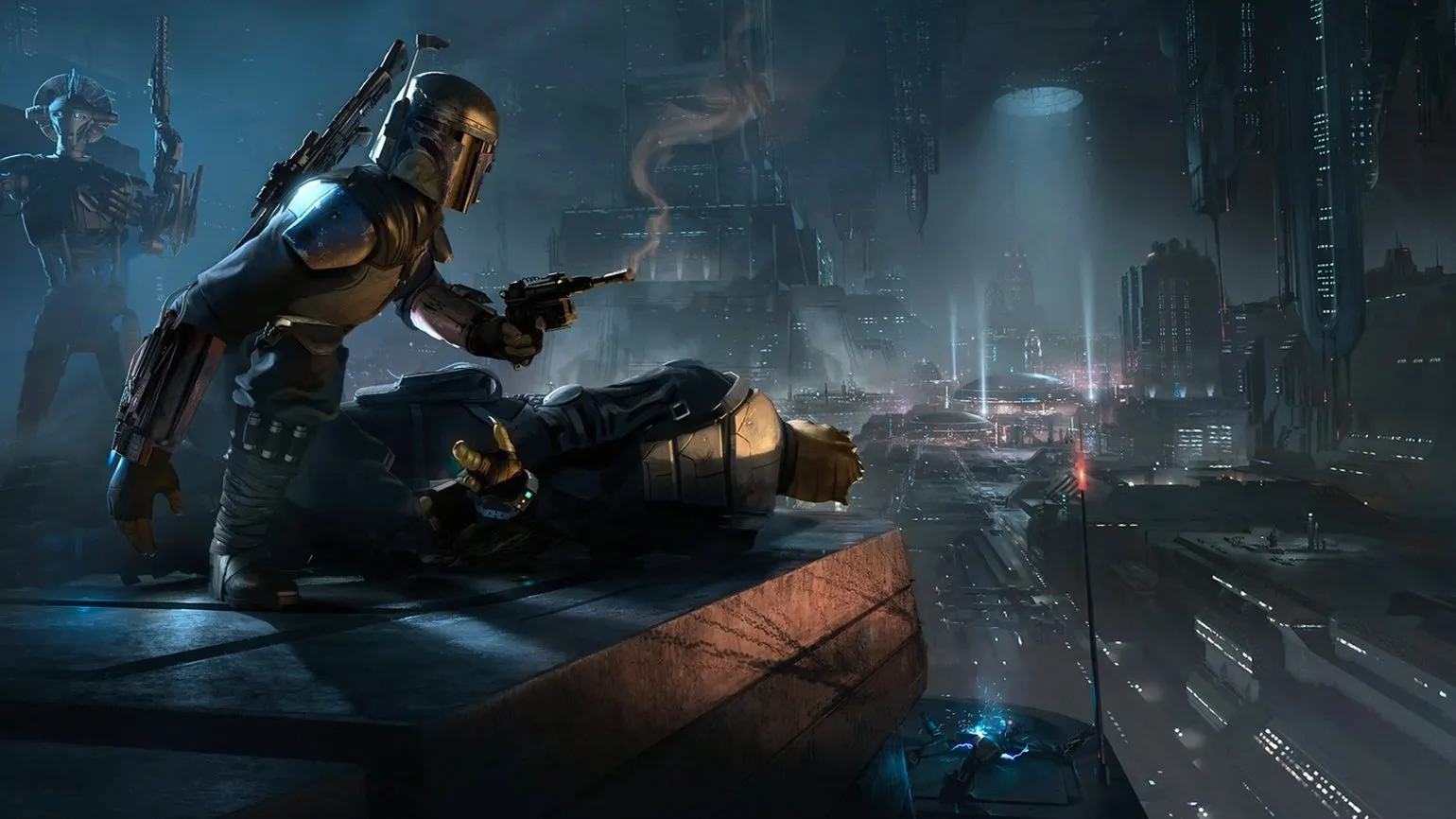
After a successful debut at E3, things began to improve for the studio, which had lost credibility and talent over the past decade. LucasArts was actively recruiting new talent to work on the Star Wars 1313 project, which promised to be a hit and return the company to the top of the gaming industry.
A few months later, the situation changed again, and unfortunately, for the worse. In August 2012, LucasArts president Paul Meegan left, and in September the company imposed a hiring freeze at the request of Lucasfilm. This decision was a wake-up call for employees and fans, highlighting the instability within the company and the difficult times it was facing.
The game's development took place against the backdrop of significant changes in the entertainment industry. During this period, Disney acquired Lucasfilm, the owner of LucasArts, for $4.05 billion. Disney's main goal was to revive the Star Wars franchise in cinema and actively promote branded merchandise. This acquisition opened up new horizons for creativity and expanded the possibilities for creating games and other media products related to the cult series.

Disney, the new owners of LucasArts, found the computer and video game development business too complex and unattractive to manage independently. Six months after the deal was completed, LucasArts was officially dissolved, and all of the studio's current projects, including the anticipated Star Wars 1313, were canceled. Disney decided to license the rights to develop Star Wars games to third parties, primarily the game publisher EA. This decision opened up new opportunities for creating games based on the popular franchise, but also left fans waiting for new announcements and projects.
- The story of Star Wars 1313 shows that developing games under license involves a number of additional risks. The rights holder—in this case, George Lucas—can interfere with the process, even if it harms the production and goes against the team's vision.
- The fate of Star Wars 1313 was not dependent on the team's actions. The project was canceled as a result of a global deal struck by parent company Lucasfilm. This can happen to any subsidiary studio—unlike independent developers with their own IP.
Project Ragtag
After the closure of LucasArts in 2013, Disney transferred the exclusive rights to develop large-scale Star Wars video games to EA. However, EA was slow to realize this privilege. By 2015, Star Wars fans had only received a reboot of the multiplayer shooter Star Wars: Battlefront. Two years later, its sequel, Battlefront II, was released, drawing widespread criticism for its aggressive monetization model. Players were forced to purchase loot boxes to access new characters and in-game bonuses. These aspects sparked a backlash from the community and drew attention to the problems of microtransactions in the gaming industry.
At E3 2016, three years after the agreement was signed, EA unveiled an action game with the working title Project Ragtag. It was the first story-driven Star Wars game in the Disney era.
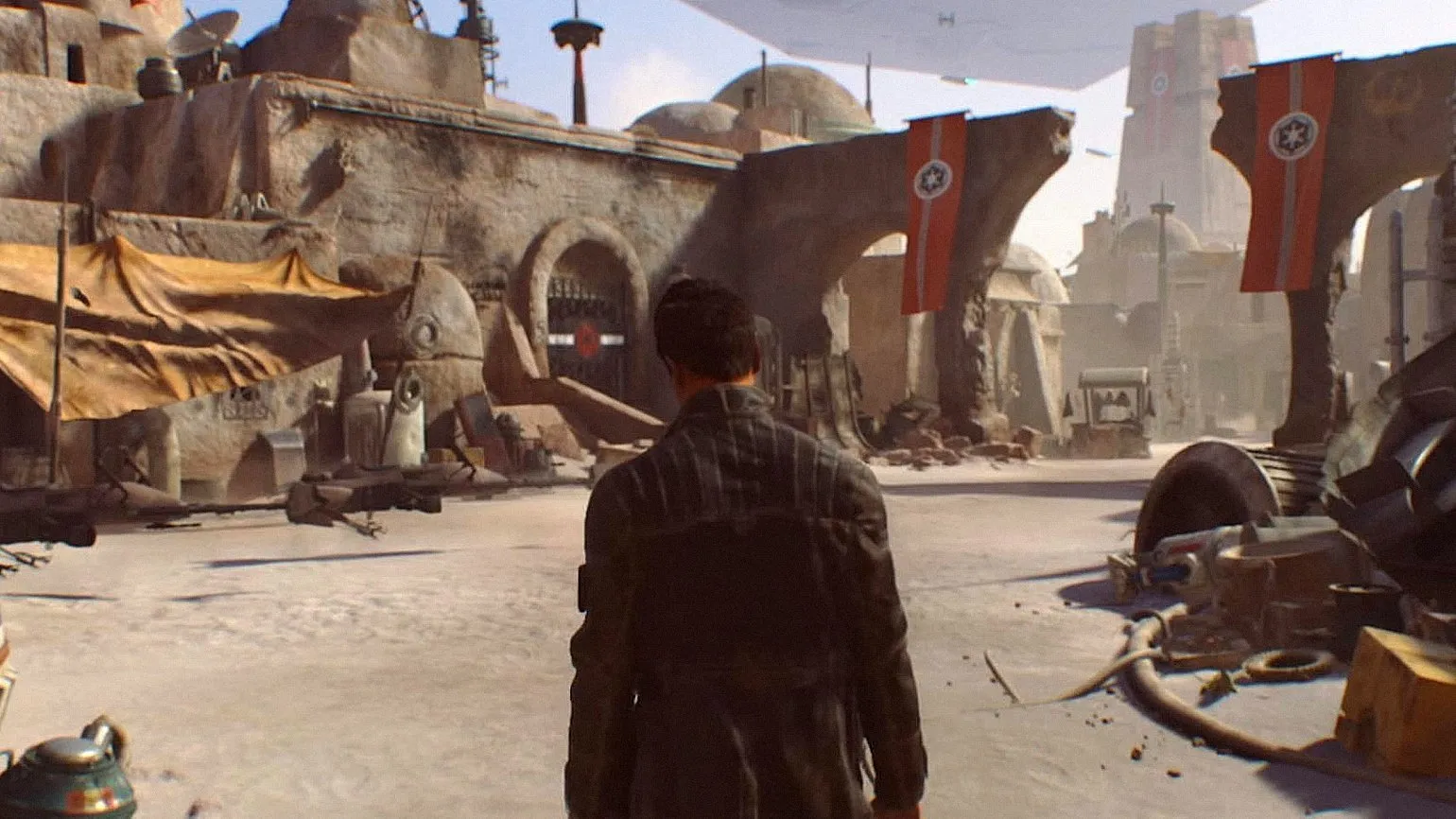
Project Ragtag was Developed by Visceral Games, a California-based studio known for the Dead Space horror trilogy, Project Ragtag was led by Amy Hennig, a recent addition to the team and renowned in the gaming industry for her successful Uncharted series. Project Ragtag thus had a strong team ready to create a large-scale action adventure.
Project Ragtag takes place between Episodes IV and V of the Star Wars franchise, making it especially interesting for fans of the franchise. The protagonist, Dodger Boone, is an Alderaanian refugee whose character in Visceral has been compared to the iconic Han Solo. Together with his team, Dodger resists the oppression of the Empire, exploring various corners of the galaxy while simultaneously operating in the criminal underworld. The only released snippet of the game features the city of Mos Eisley on the planet Tatooine, but it remains unknown what other locations might be included in Project Ragtag. This game promises to immerse players in the world of Star Wars with new adventures and a captivating storyline.
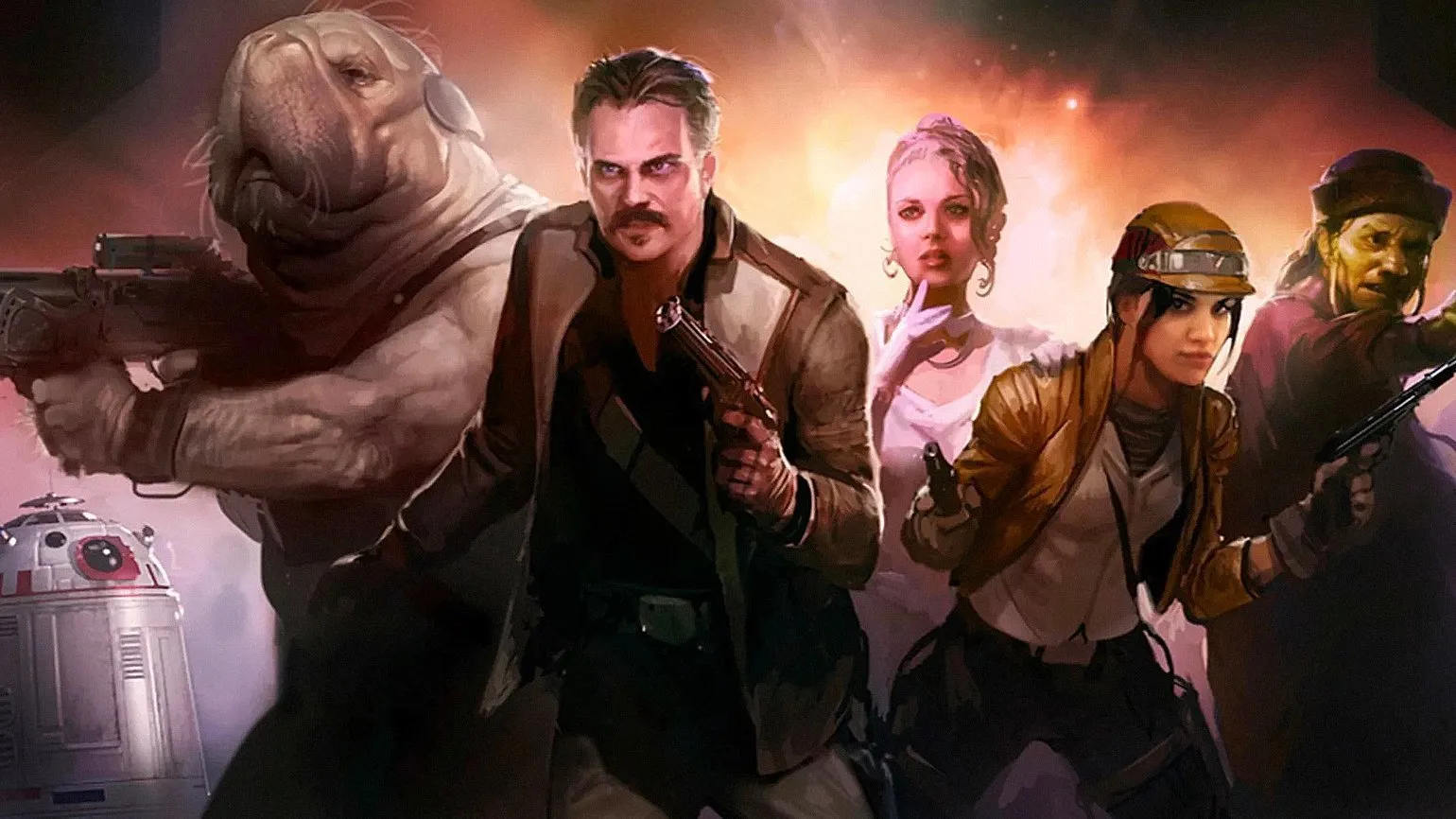
The story follows Boone's squad as they face off against a local crime boss, requiring sabotage to complete their objectives. While the team includes one Force-sensitive character, the rest of the squad mostly rely on their blasters and wits. This dynamic creates tension and highlights the importance of strategy in the fight against crime.
The first major problem with Project Ragtag was a lack of funding. Visceral Games' office was located in Redwood City, California, where rent was very high. As a result, EA sought to cut costs in other areas and was reluctant to hire new employees. However, to create a high-quality project capable of competing with Uncharted, the studio needed a significant number of specialists.
Development of Project Ragtag was transferred to the young Canadian studio EA Motive. The teams didn't have time to establish communication, and Motive was soon tasked with creating the story campaign for Star Wars: Battlefront II, as the online shooter was a higher priority for EA.
The developers of Project Ragtag faced a common problem common to EA's internal studios. The game is being developed on the Frostbite engine, which was originally designed for first-person shooters and is not optimized for third-person action games. BioWare experienced similar difficulties when adapting this engine for the role-playing game Dragon Age: Inquisition. Engine issues can negatively impact the development process and the final quality of the game, which is essential for a successful release.
Creative conflict between EA headquarters, Amy Hennig, and the Visceral developers created additional tension within the team. In late 2016, when EA's Vancouver division joined the development, the situation worsened. Each division had its own vision for Project Ragtag, which led to confusion and difficulties during the development of the game.
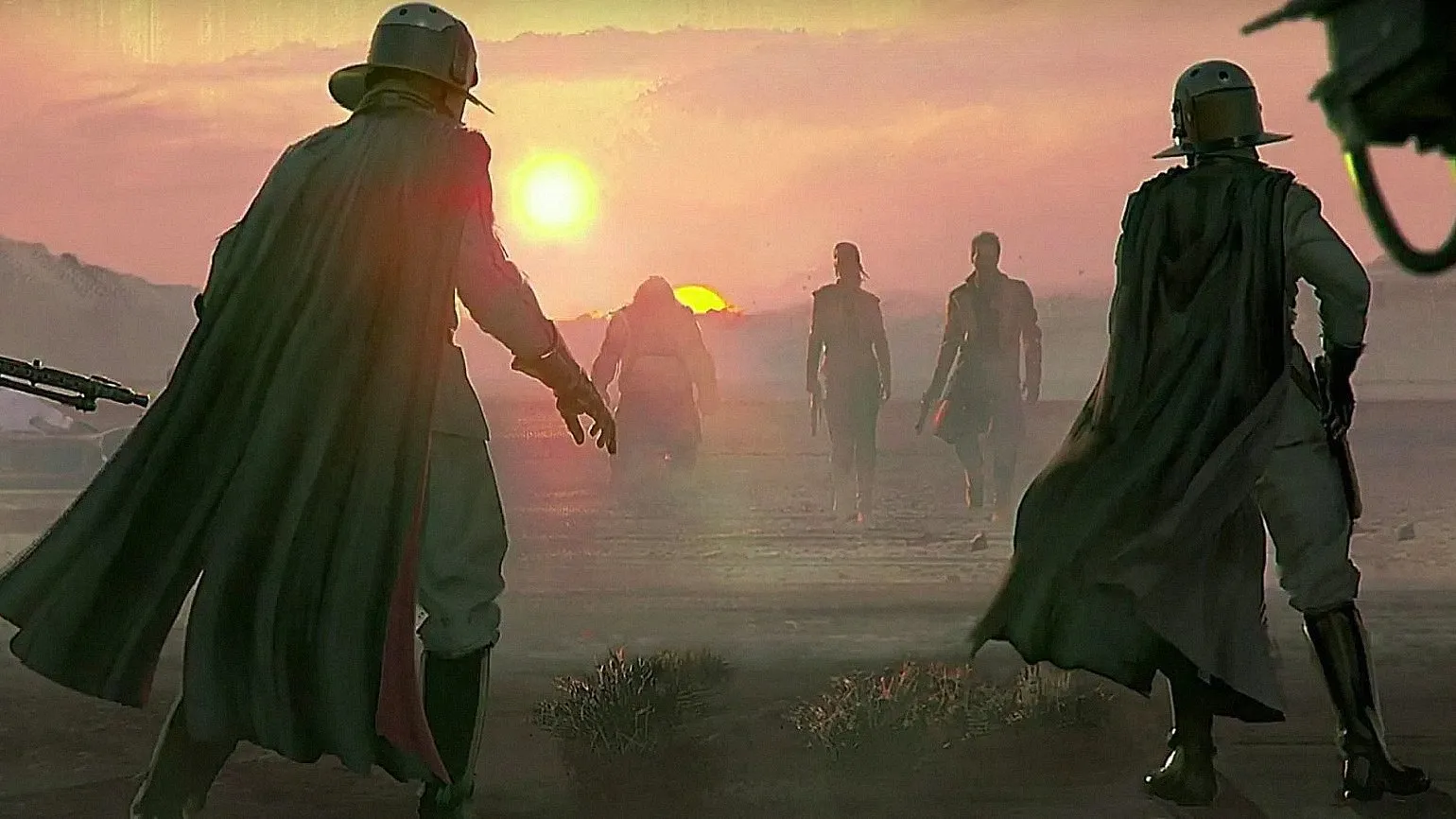
In In 2017, the developers made a final attempt to convince the publisher that Project Ragtag deserved additional funding. Faced with tight deadlines, Visceral Games and EA Vancouver created several impressive demos to impress EA management. One demo featured characters facing off against an AT-ST walker, another featured dynamic firefights on Tatooine, and a third focused on a rescue mission in Jabba the Hutt's palace. These efforts reflected the project's high potential and the team's commitment to creating a unique gaming experience in the Star Wars universe. On October 17, 2017, Electronic Arts officially closed Visceral Games, which at the time employed 80 people. Employees were given three weeks to prepare their portfolios with the goal of finding new jobs elsewhere within EA or with third-party companies. This decision was the culmination of years of changes in the company's strategy and resulted in significant losses for the gaming industry, as Visceral Games was renowned for its high-quality projects and innovative approaches. EA's official comment on the cancellation of Project Ragtag emphasized that the project was too expensive and complex for a single-player experience. This opinion was shared by many Visceral employees, who expressed concerns that EA was not showing sufficient interest in the game. The decision to cancel the project was the result of an analysis of its commercial viability and its compliance with the modern requirements of the gaming industry. Project Ragtag was originally conceived as a story-driven, linear adventure game. During development, we actively tested the concept with gamers, taking into account their opinions on preferences and expectations for the game. We also carefully analyzed changes in the gaming market. This allowed us to understand that in order to create engaging and lasting gaming experiences, we needed to make design adjustments.
Patrick Söderlund served as Executive Vice President of Electronic Arts (EA) from 2013 to 2018. During this period, he played a key role in the company's growth, responsible for strategic direction and project management. Under his leadership, EA expanded its game portfolio and strengthened its position in the video game market by implementing innovative technologies and new approaches to gameplay. Söderlund also actively worked to improve the interaction with players and developers, which contributed to the creation of successful game franchises and increased EA's brand awareness.
Ten days after the initial announcement, Söderlund clarified that the cancellation of the Ragtag project does not indicate the end of the development of single-player games. He emphasized that the project's closure was the result of a purely creative decision.
The financial potential of linear, story-driven Star Wars games was confirmed by the success of EA's Star Wars Jedi: Fallen Order, developed by Respawn Entertainment, the studio behind the Titanfall and Apex Legends series. This action game, which features no online elements, microtransactions, or additional content downloads, significantly exceeded the publisher's expectations, reaching 10 million copies sold within just six months of its release. The success of Fallen Order demonstrates that a high-quality single-player experience can be commercially successful even in the face of modern gaming trends.
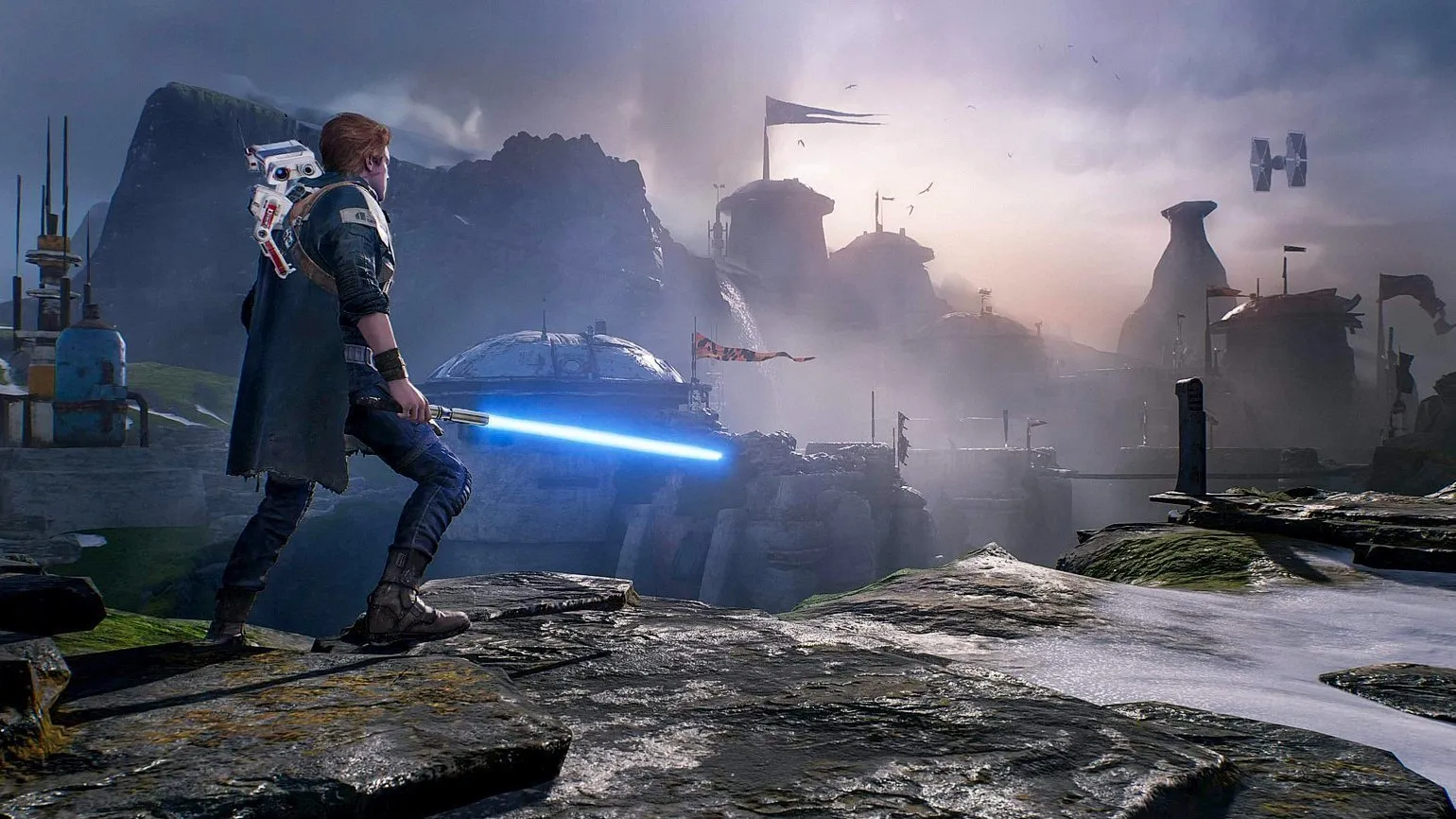
In January 2021, Disney made a significant announcement about expanding its rights to develop Star Wars games. Now, other studios will be able to create games for PC and consoles. Specifically, a story-driven action game from the Swedish studio Massive Entertainment, known for projects like The Division series and Avatar: Frontiers of Pandora, is planned. This opens new horizons for Star Wars fans, allowing them to expect a variety of high-quality games from a variety of developers.
- Apparently, EA misjudged the potential costs of developing a single-player cinematic game. The publisher also mistakenly believed that gamers were losing interest in premium, AAA-class story-driven projects.
- A significant portion of Project Ragtag's budget went toward expensive rent for the California office, rather than the project's actual needs.
- Bringing in other internal studios instead of expanding the existing staff led to creative differences that slowed development.
- The team used an engine that was not suited to the tasks at hand.
- Visceral Games' resources were significantly depleted by the need to retrain for different game genres several times in a row. After the horror action game Dead Space 3, the studio was tasked with the online first-person shooter Battlefield: Hardline, then the team took on the story-driven action game Project Ragtag. The studio wasn't ready for a project of this scale.
Titan
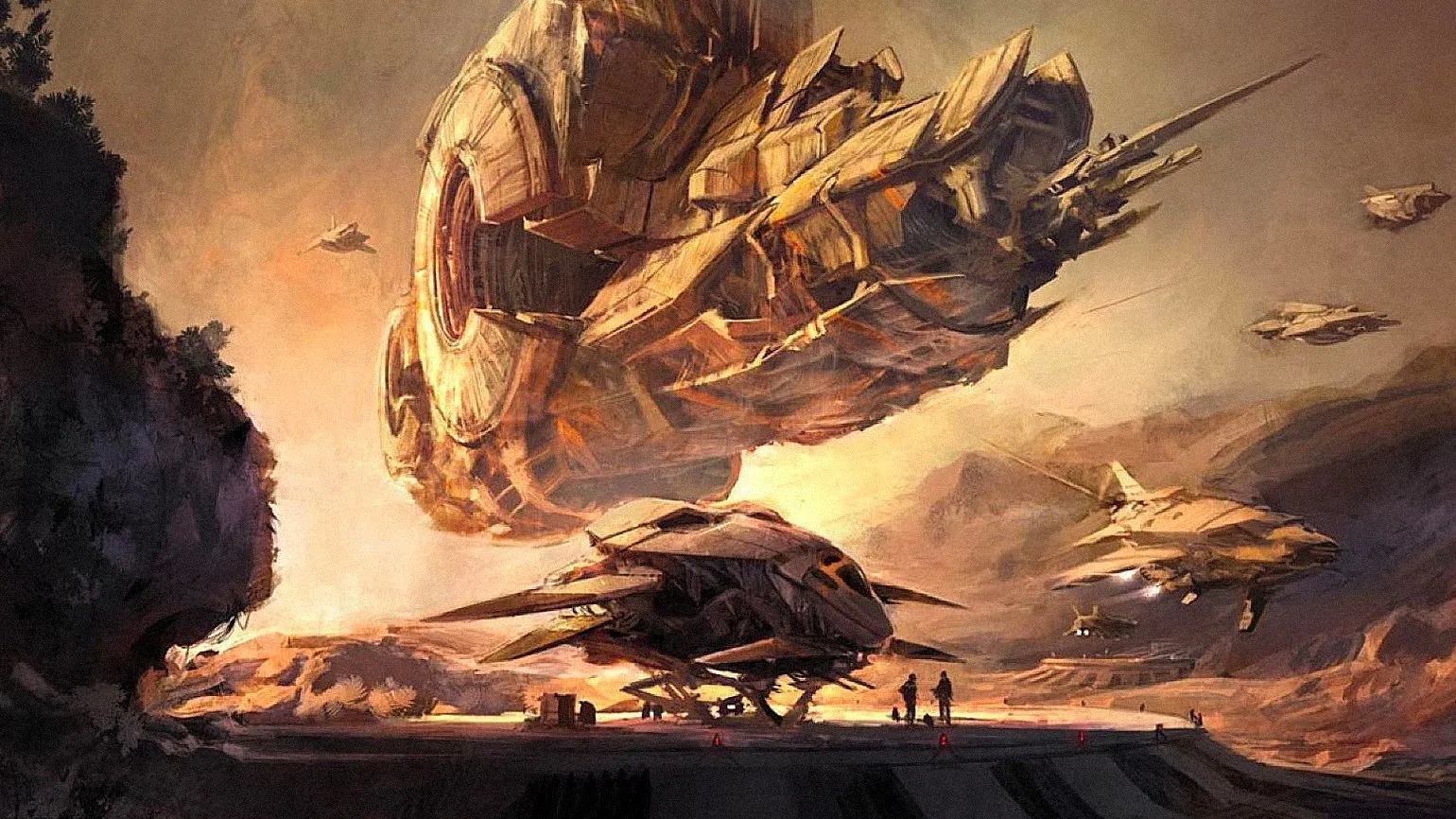
World of Warcraft is a landmark MMORPG from Blizzard Entertainment, which has gained popularity over the past 16 years and continues to attract several million players. The game remains in demand thanks to regular updates and new paid expansions that introduce fascinating storylines, unique locations, and fresh gameplay mechanics. These updates help maintain interest in the project and ensure its relevance in the world of online gaming.
The success achieved is unique and not easy to repeat. However, for many years, Blizzard continued to strive for it, working in secrecy.
In 2007, after the successful release of the first expansion for World of Warcraft, The Burning Crusade, the Blizzard team began discussing concepts for a new project that was to become the successor to the popular MMORPG. This project, given the working title Titan, was developed in a unique universe. Previously, Blizzard focused on three core intellectual properties: the fantasy world of Warcraft, the space sci-fi of StarCraft, and the dark medieval fantasy of Diablo. Titan was supposed to offer players a new experience and innovative mechanics, but the project was ultimately canceled.
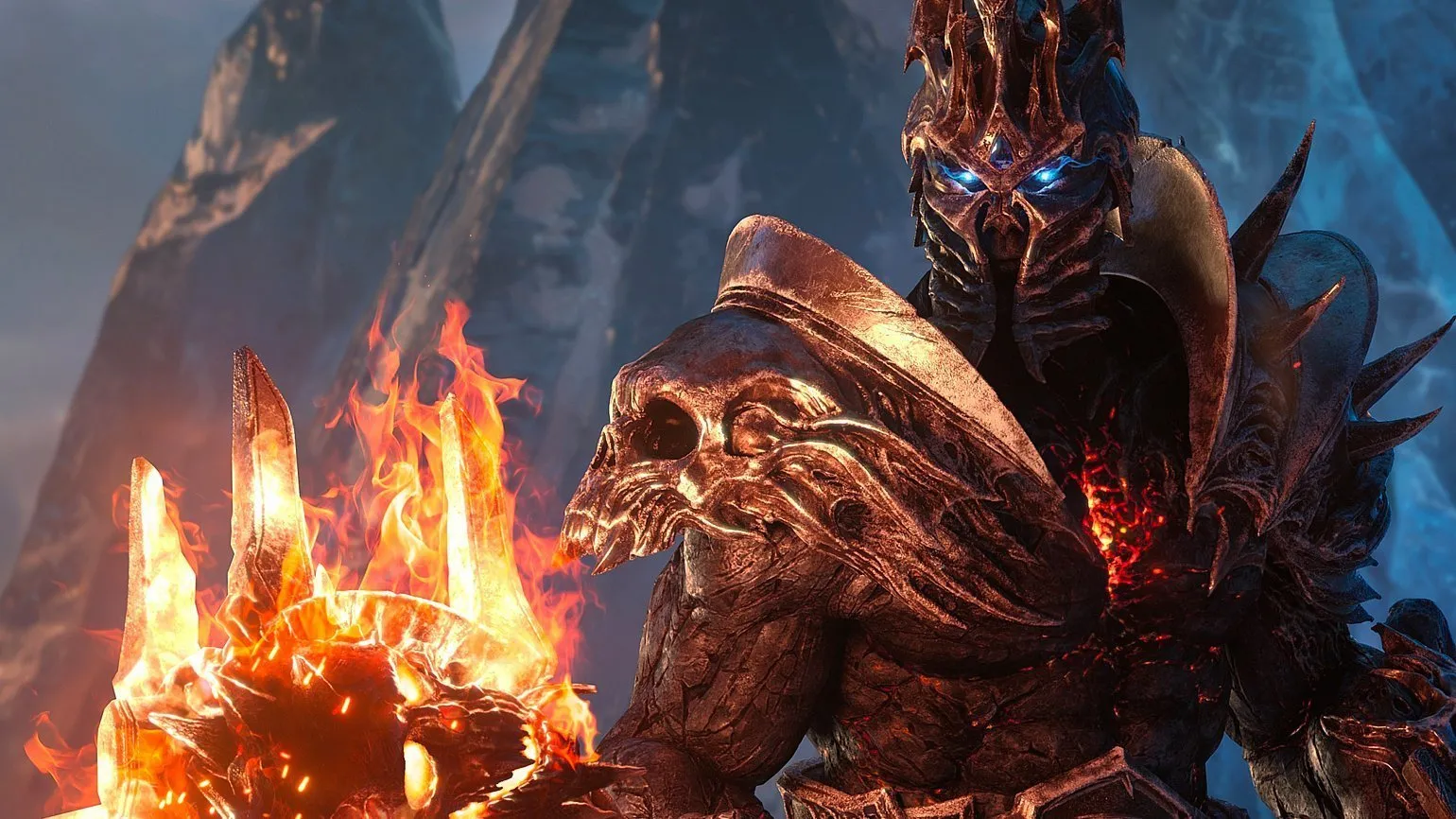
The ambitions of being the successor to World of Warcraft and the status of the first game in a new series placed a serious responsibility on the developers of Titan. The future MMORPG had to be perfect. Blizzard aimed to create not just "World of Warcraft 2 in a different setting," but "a new, massive multiplayer experience." The key criterion for the success of Titan was absolute innovation. The developers had to offer players unique mechanics and fresh ideas to attract and retain an audience in the highly competitive MMORPG market.
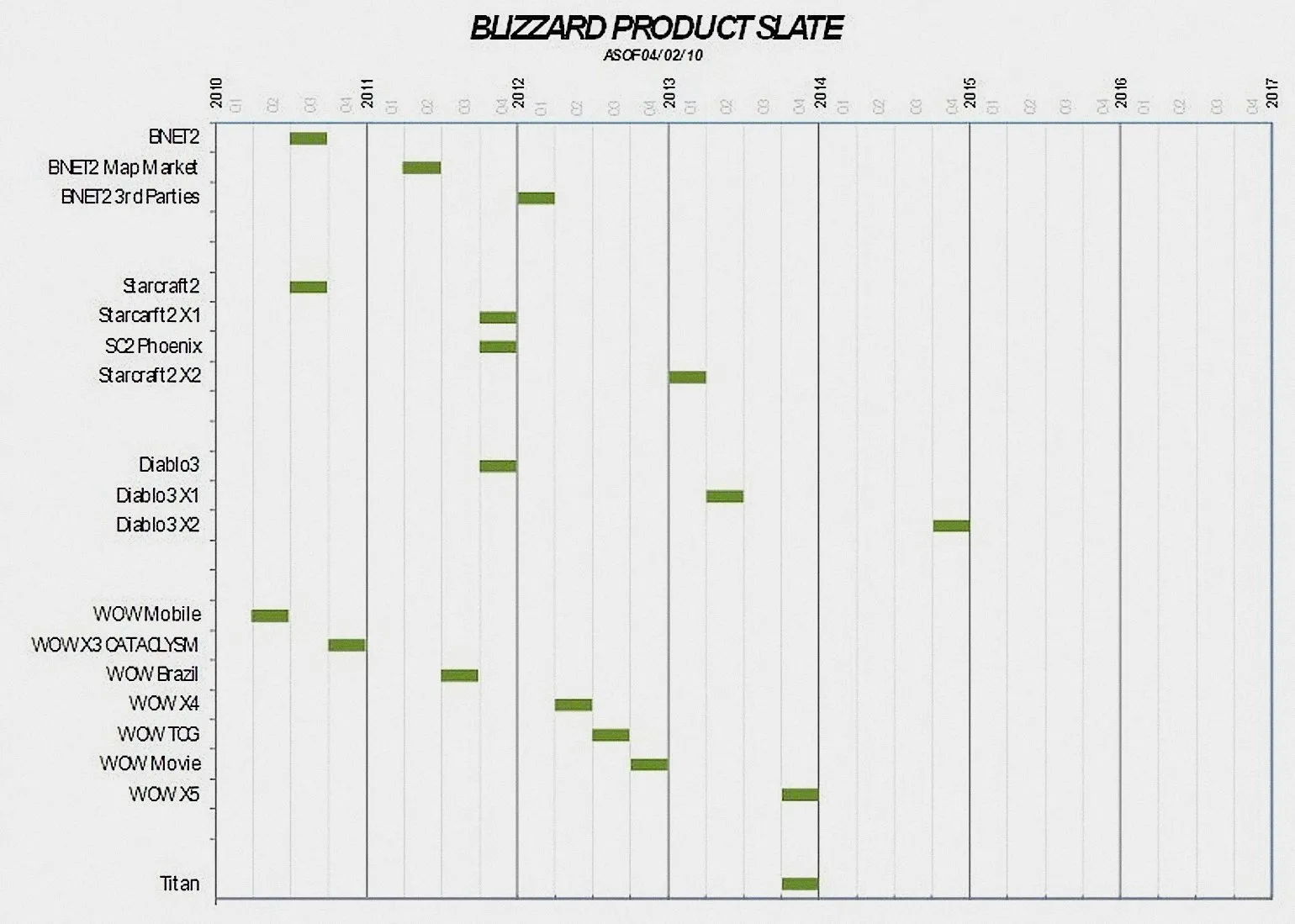
In 2010, a Blizzard project roadmap leaked online, which included a mobile version of World of Warcraft, a Warcraft film adaptation, and Project Titan. Titan's development was scheduled for release in the fourth quarter of 2013, but at that time, the game had not yet been officially announced. Information about Titan has generated a lot of interest among fans, as Blizzard is famous for creating successful gaming franchises.
Throughout development, Blizzard remained largely silent about Titan, only occasionally confirming its existence in interviews. Officially, all that was known was that it was a "next-generation MMO" set in a new sci-fi world. Titan was intended to be an ambitious project, promising innovative gameplay mechanics and a unique storyline, which generated considerable interest among fans.
After the project's completion, additional information emerged through Jason Schreier's investigation.
Titan is set on a high-tech version of Earth, where inhabitants successfully fought off an alien invasion. Players can choose one of three factions and participate in a cold war for planetary domination. Titan features numerous locations across the globe, including the United States, Europe, South America, and Australia. The developers plan to gradually expand the virtual world through expansions, allowing players to explore new territories and engage in exciting battles.
Blizzard aimed to provide players with a wide range of career options within the game world. Players could earn in-game currency by performing mundane jobs, such as store manager or engineer. Furthermore, the game included the ability to build relationships with AI-controlled characters, including creating families with them. According to one of Schreier's sources, Blizzard brought in former Maxis employees, who had experience working on the iconic life simulator The Sims, to realize this ambitious concept. This underscores the company's commitment to creating a unique and deep gaming experience that allows players to interact with the virtual world on a new level.
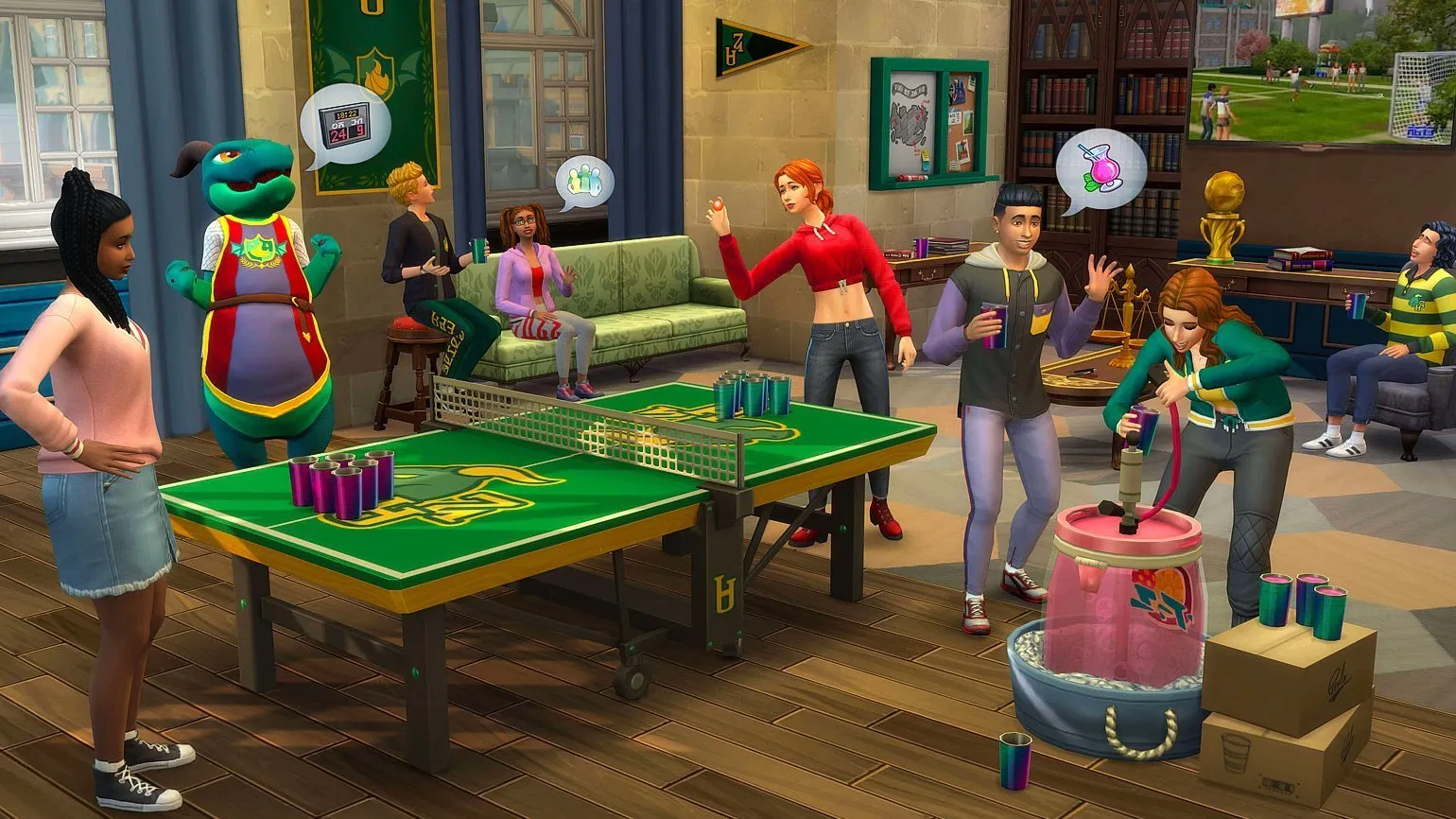
Having received the task Players can quickly swap out their combat gear and join friends on the battlefield, allowing them to engage in exciting game modes like Deathmatch and Capture the Flag. Quickly adapting to combat situations and the ability to team up with allies makes the game more dynamic and engaging.
Players could fully embrace the pacifist spirit by participating in global events and contributing to the virtual economy using peaceful skills. This would allow them to interact with other players, exchange resources, and develop communities without violence. This approach fosters a more harmonious atmosphere in the game and opens up new opportunities for collaboration.
According to Schreier's sources, at least five combat character classes were planned for Titan, each with unique abilities and gadgets. Some characters could teleport, while others had the ability to temporarily become invisible. The developers working on the project compared Titan's combat system to Valve's team-based shooter Team Fortress 2, while the social aspects and exploration elements were reminiscent of Bungie's online shooter Destiny. Titan promised to offer players a variety of tactical options and deep interaction with the game world.
Within the Titan team, there were two fundamentally different parts: the peaceful part and the shooter part. These aspects were called the "real world" and the "shadow world." Blizzard aimed to make both parts equally engaging and attractive to players. Depending on the current gameplay activity, Titan switched between a third-person and a first-person perspective. Visual references for the project included the team-based shooter Team Fortress 2 and Pixar feature films such as The Incredibles, Toy Story, and WALL-E.
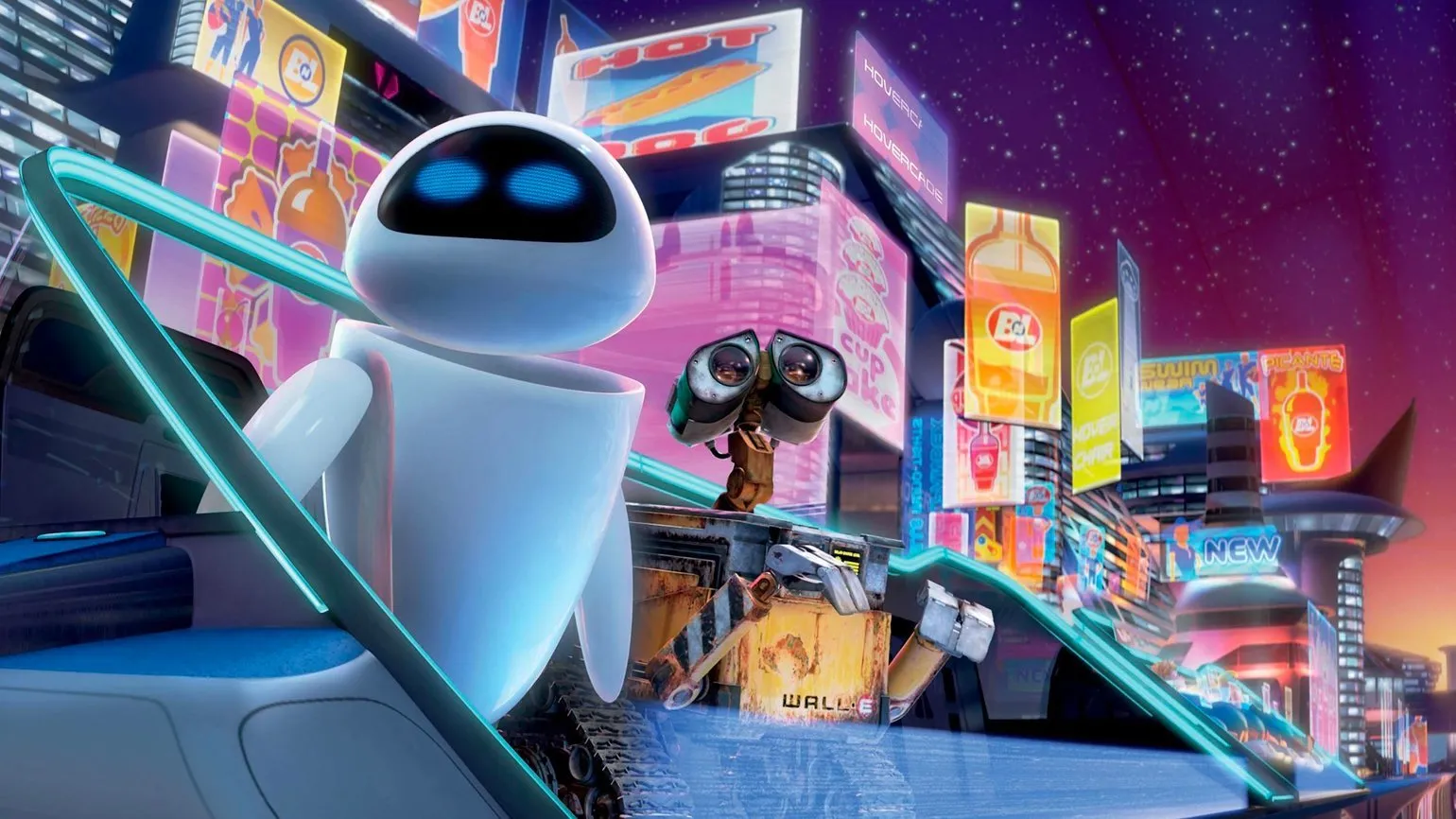
Blizzard aimed to combine elements of a classic team-based shooter with three factions, an urban MMO with an advanced life simulation and a complex economic system, and a captivating storyline in a single game. An important aspect was the implementation of mechanics for interaction between the game world and player characters: NPCs would be able to remember players who had previously completed their quests or traded with them. This would create a deeper and more realistic atmosphere, allowing players to feel their significance in the world around them.
In 2014, the company officially announced the cancellation of Project Titan, which had been in development for seven years. This long-awaited announcement was the result of a number of challenges faced by the development team.
We developed World of Warcraft and were confident in our abilities to create an MMO. So we took on the most ambitious project imaginable. However, it did not live up to expectations. We couldn't find the fun and passion in the game. We discussed how the project was going through a period of re-evaluation, but really, we were evaluating whether the game lived up to our original vision. The answer was no.
Michael Morhaime is the co-founder and former CEO of Blizzard Entertainment, serving in that position from 1995 to 2018. Under his leadership, the company gained worldwide recognition thanks to successful games such as Warcraft, StarCraft, and Overwatch. Morhaime played a key role in shaping Blizzard's corporate culture, based on creativity and a commitment to quality. His leadership contributed to the company's growth and the creation of a strong brand in the video game industry.
The project's fate was sealed in May 2013, when development on Titan was paused to allow it to take a new direction. Originally conceived as an ambitious and revolutionary MMO, the game evolved into Overwatch, a team-based shooter set on near-future Earth. Overwatch offers players unique characters with well-developed abilities and deep backstories. The game inherits Titan's expansive world, story elements, and combat mechanics, representing a refined and reimagined fragment of Blizzard's "dream MMO" concept.
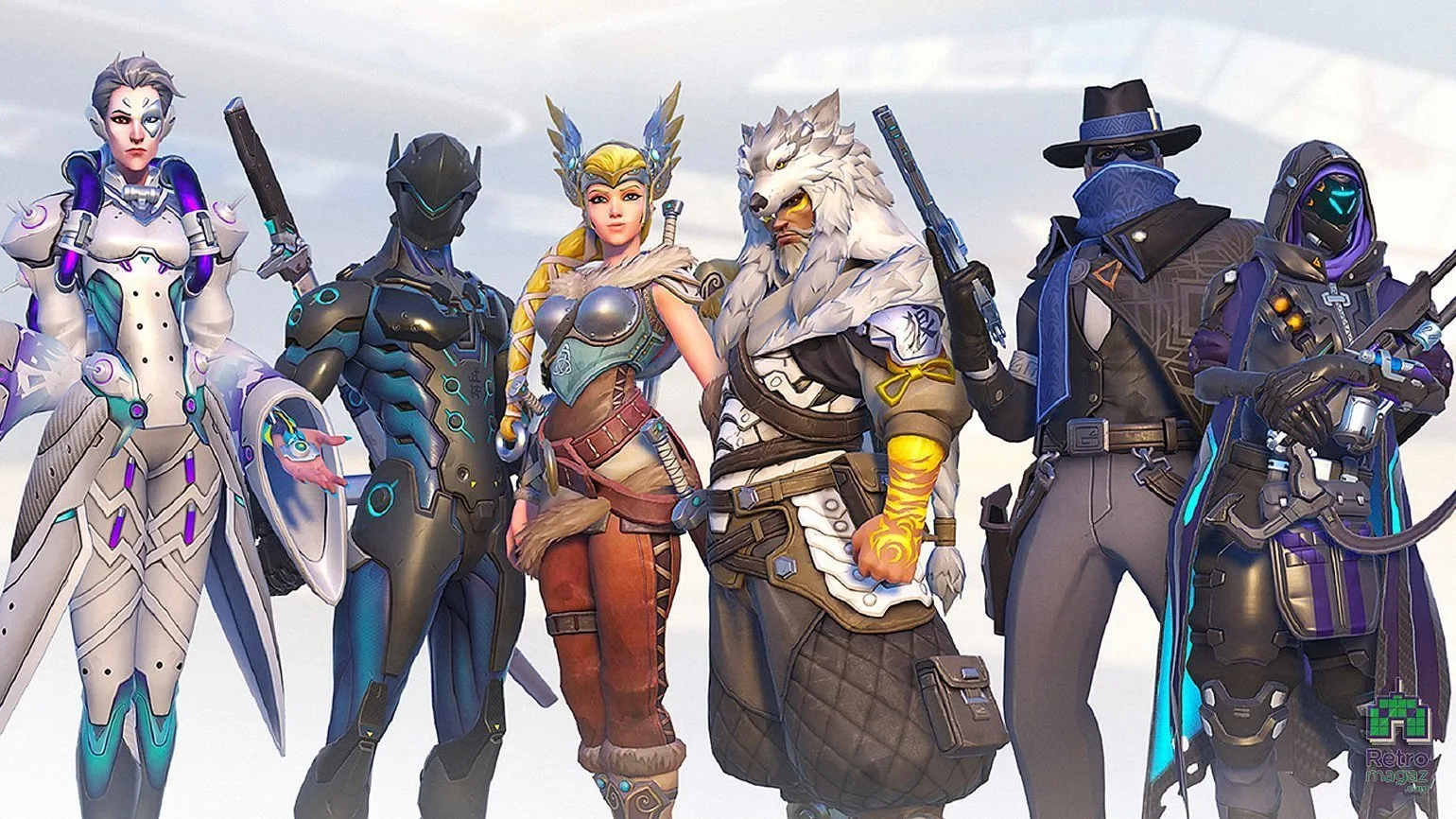
The decision to transform Titan into a more focused project proved successful. In 2019, Overwatch surpassed $1 billion in in-game purchase revenue, and by February 2020, the player base had reached 50 million. Five years after its release, the shooter still has millions of active users, and a sequel is currently in development, demonstrating the game's continued interest and market success.
- Blizzard Entertainment found itself hostage to its own reputation: fans expected the company's next MMO to surpass World of Warcraft in every way. This placed the Titan team under immense pressure.
- The team wanted to make Titan the biggest, highest-quality, and most revolutionary game on the market at the same time. Such an uncompromising project turned out to be beyond the capabilities of even genre veterans from Blizzard.
- Feature creep also played a significant role: Titan had so many mechanics that a full-fledged separate game was created from a small part of them.
Tom Clancy’s Rainbow 6 Patriots
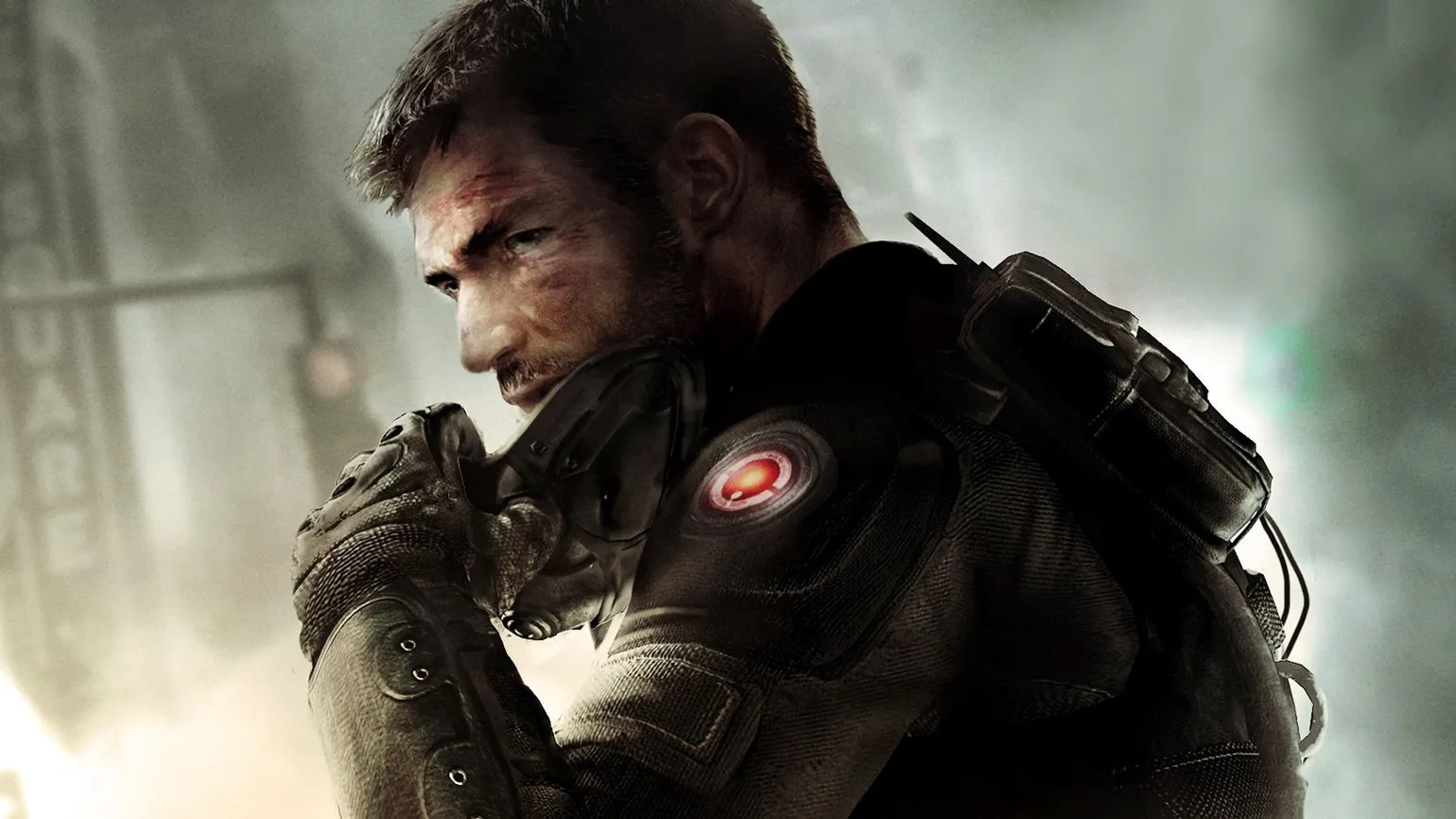
In the 2000s, one of Ubisoft's most significant franchises was the games based on the works of the famous American writer Tom Clancy. Fans of military shooters and action games are well familiar with three iconic series, each of which occupies its own unique niche. Tactical urban first-person shooters are presented in Tom Clancy's Rainbow Six, third-person espionage stealth action in Tom Clancy's Splinter Cell, and shooters dedicated to squad actions in the wilderness can be found in Tom Clancy's Ghost Recon. These series not only gained immense popularity but also shaped the genre's defining characteristics, making them video game classics.
Until 2021, only the Tom Clancy's Ghost Recon series maintained the classic format, while Rainbow Six shifted its focus to online co-op, and Splinter Cell was abandoned by its publisher. A key moment in the history of Tom Clancy-branded games was the cancellation of Rainbow 6 Patriots, which promised to be an ambitious tactical shooter with a provocative storyline.
Following the successful release of Tom Clancy's Rainbow Six: Vegas 2 in 2008, Ubisoft Montreal began searching for fresh ideas for the next mission for the Rainbow counter-terrorist squad. For a decade, the team had primarily focused on countering external threats targeting the United States, and this formula had gradually lost its appeal. The developers sought to innovate the gameplay to renew interest in the series and offer players new challenges and scenarios.
After experimenting with various genres, the Rainbow Six team decided to return to the literary roots of Rainbow Six. The result was the concept of a more serious and provocative game in which American operatives clash with American radicals. This intriguing storyline offers players the opportunity to witness the unfolding of events filled with ambiguous morality.
Ubisoft initially planned to announce Rainbow 6 Patriots closer to the release date to show the public a nearly finished product. However, in June 2011, the publisher was forced to change its plans when a concept video for a secret Rainbow Six, intended for internal use, was leaked to Kotaku. This incident forced Ubisoft to reveal information about the project ahead of schedule, which affected the company's further steps in promoting the game.
At the end of 2011, Ubisoft officially announced Rainbow 6 Patriots, seeking to prevent further leaks about the project. This announcement was a significant event for fans of the franchise, as the game promised to bring new elements to the tactical shooter genre. Rainbow 6 Patriots focuses on a deep storyline and realistic character interactions, making it an anticipated release for players worldwide.
Rainbow's plot centers on the fight against the American terrorist group True Patriots. Members of this organization believe that the American government is corrupt and serves the interests of large corporations, ignoring the needs of ordinary citizens. Their actions are aimed at eliminating the system, which they consider unjust.
The Patriots group, led by Jonah Treadway, seeks to restore people's control over the country, using force as the main tool. At the same time, James Wolfe, the leader of the Rainbow squad and a former American military man, is convinced that any methods are justified in the fight against the True Patriots. The game's creators deliberately avoid presenting the protagonists in an unambiguously positive light, and the terrorists' motives are designed to encourage players to consider current political issues. This creates a deep and multi-layered story that raises questions about morality, power, and the means used in the struggle for ideals.

In an interview with Game Informer, Patriots Creative Director David Sears shared some interesting thoughts about the main character. The Patriots' leader strives to become a martyr and a "founding father" of a new country where the civil liberties enshrined in the Constitution will be truly valued. Moreover, the developers intentionally made the Patriots similar to Rainbow, emphasizing that they are also fighting for a brighter future for the United States. This parallel adds depth to the plot and raises important questions about freedom and responsibility in modern society.
Rainbow 6 Patriots explores important questions regarding human nature and the threat posed by society. The game presents players with dilemmas such as: "How are they different from me?", "Could I one day become like that?" and "What happened to them that led to their transformation into a threat?" These themes deeply permeate the gameplay, forcing one to consider the moral aspects and consequences of the protagonists' actions. Rainbow 6 Patriots not only offers an immersive gaming experience, but also provokes reflection on the social and psychological factors that shape our perceptions of good and evil.
Richard Roos III is the narrative designer on Rainbow 6 Patriots. His responsibilities include creating compelling storylines and developing characters, making the game more immersive for players. Roos III uses his skills in narrative design to create a unique gaming experience that combines elements of strategy and tactics. His work helps improve player engagement and immersion in the game. Thanks to Richard Roos III's talent and experience, Rainbow 6 Patriots promises to be one of the most anticipated games in its genre.
The story of Rainbow 6 Patriots emphasizes the multifaceted nature of the story through shifting perspectives. For approximately 80% of the gameplay, the player controls the leader of Rainbow. The rest of the time, they observe events through the eyes of civilians, rapid response teams, and even True Patriots fighters. One of the key features of Rainbow 6 Patriots is the ability to make complex story decisions. Killing civilians, whether accidentally or intentionally, no longer immediately ends the game, allowing players to delve deeper into moral dilemmas and the consequences of their actions.
The game was planned to feature a variety of innovations in gameplay mechanics. Instead of a traditional camera for reconnaissance of adjacent rooms, Patriots characters used augmented reality lenses that highlighted the silhouettes of enemies hiding behind obstacles. The developers promised a significant improvement in the artificial intelligence of both enemies and allies: operators were to learn to analyze situations and make optimal decisions based on the player's commands. These changes are aimed at creating a more realistic and interactive gameplay, which makes the game more fun and exciting.
The Patriots multiplayer mode was supposed to receive significant improvements. Lead multiplayer designer Simon Larouge said that players will be able to plan a common strategy and coordinate their actions even before the start of the match, using interactive holograms. These innovations will significantly increase the level of interaction between participants, making the gaming process more exciting and dynamic. The development of such tools will allow players to significantly improve their tactical skills and increase the effectiveness of team play, which will be an important step in the evolution of multiplayer modes.
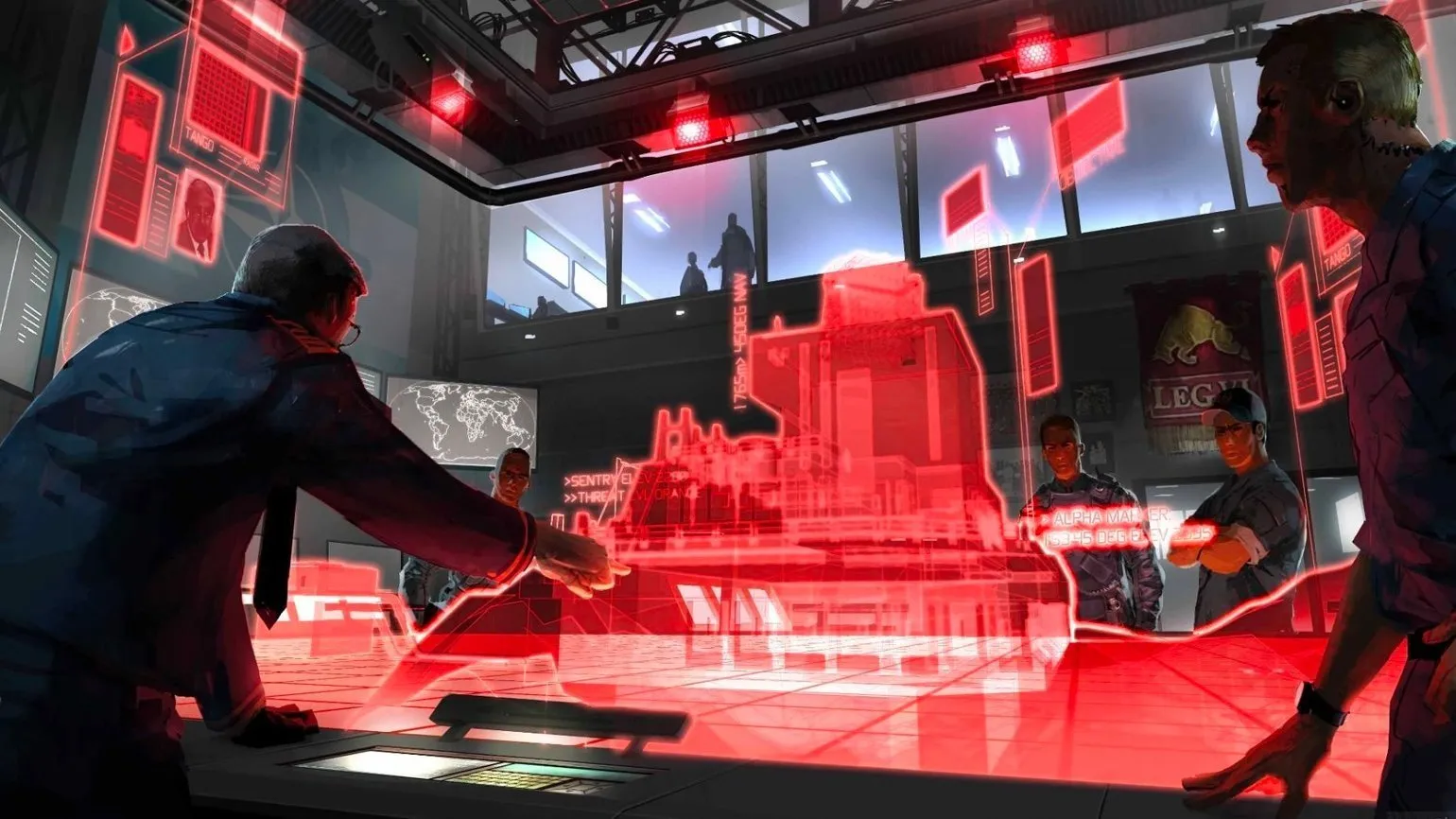
Following the announcement of the Patriots game, a wave of public discontent erupted. The storyline and negative portrayal of patriotism became the main targets of criticism. In 2014, The New Yorker magazine published an investigation that examined a real-life anti-government group that used Game Informer's coverage of Rainbow 6 Patriots as a kind of manifesto. This highlights how video games can influence public opinion and serve as a reflection of current social and political issues.
The developers, including David Sears, were aware that the game's storyline could provoke controversial reactions from audiences. They were prepared for this and even expressed a desire to participate in public discussions about the story after the game's release.
After Ubisoft Montreal started development, Ubisoft Toronto and Red Storm Entertainment joined the project, significantly strengthening the team. At its peak, the Patriots team employed approximately 150 specialists.
Six months after the project's announcement, significant changes began at Ubisoft. In March 2012, the company changed development leadership: David Sears was replaced by Jean-Sébastien Dean, and part of the team was redistributed to other projects. These changes had an impact on the game's further development and implementation.
According to information from anonymous employees, the game faced serious problems during development. The Patriots team failed to meet its goals on time, leading to a stagnation in the production process.
In an IGN study published in 2014, one of the main problems with Rainbow 6 Patriots was the game technology used. The developers of the series traditionally relied on the third-party Unreal Engine, but for Patriots, they chose their own internal technology, AnvilNext Engine, which was originally developed for the Assassin's Creed series. This solution was supposed to increase the technological level of the game; in particular, enemies in Patriots had to react to every wound, trying to stop the bleeding at the point of impact.
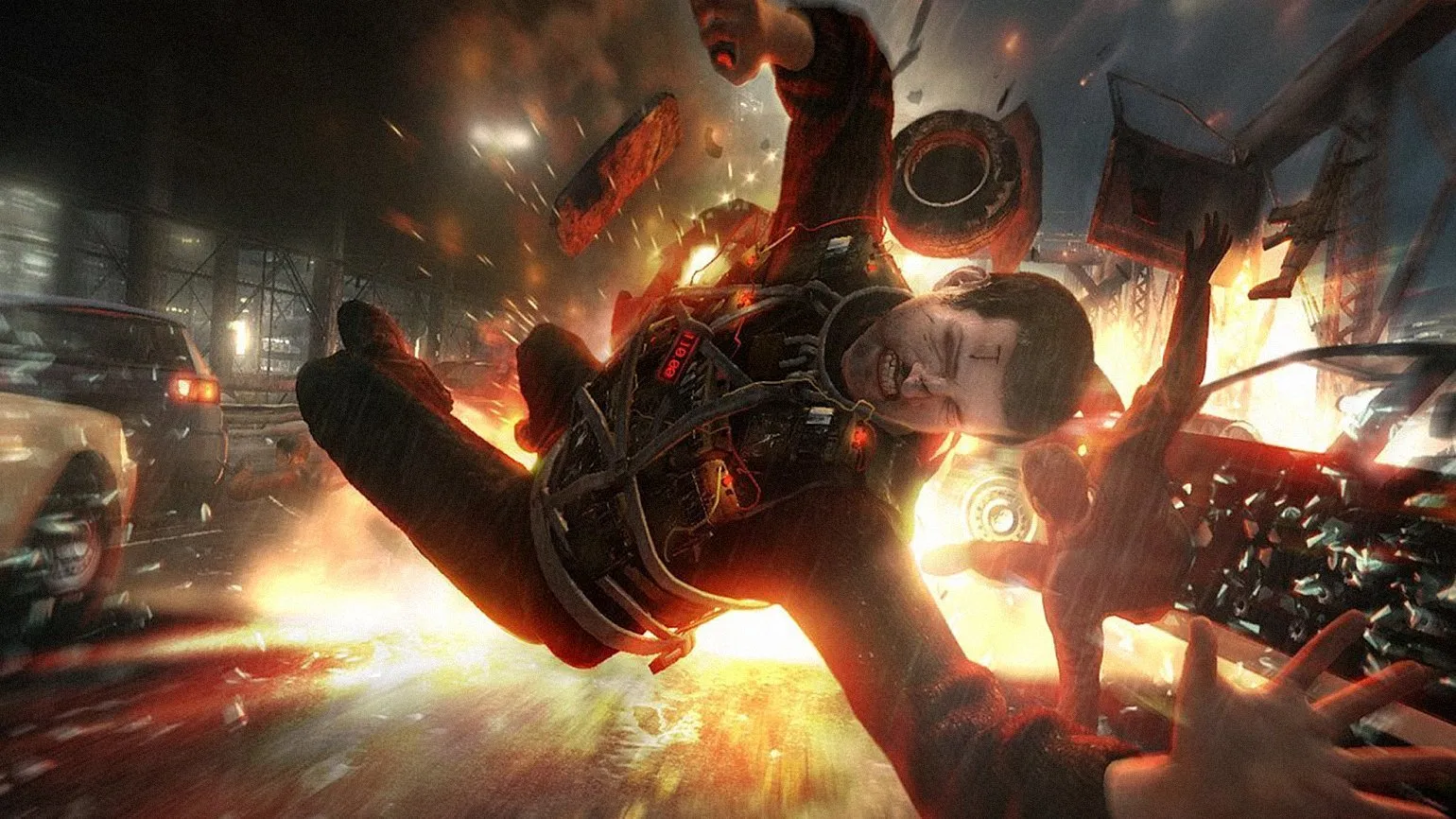
AnvilNext, the engine used to develop the game, turned out to be unsuitable for creating first-person shooters. This meant that simple tasks that were usually completed in a short time required significantly more effort and time to implement. In addition, the performance of Patriots left much to be desired, which negatively affected the gameplay. As a result, players encountered numerous issues related to controls and graphics, which degraded the overall experience of the product.
The public never got to see the actual gameplay of the shooter, as Ubisoft only released a cinematic trailer and then a target render. This was just a concept reflecting the team's vision for the game.
At the end of 2012, the next-generation consoles - PlayStation 4 and Xbox One - appeared on the video game market. The developers of Rainbow 6 Patriots wanted to make the most of the new consoles' capabilities, but implementing this idea on the outdated AnvilNext engine proved nearly impossible. This limitation impacted the development process and forced the team to seek new solutions to create a high-quality gaming experience that would meet modern standards.
Rainbow Six Patriots was a three-and-a-half-year project focused on last-generation consoles such as the Xbox 360 and PS3. With the new consoles already gearing up for launch, the team faced the question of how to provide players with a next-generation experience. We began experimenting with destruction technologies, which proved capable of significantly changing the gameplay. However, attempts to integrate these technologies with the capabilities of older consoles did not produce the desired results. Ultimately, we concluded that the best solution was to start from scratch and create a product that best meets player expectations.
Oliver Couture is a technical artist working on Tom Clancy's Rainbow 6 Patriots. His contributions to the game's development include graphics optimization and improved visual effects, which helps create a more realistic gameplay atmosphere. Couture applies his skills and experience to ensure the high quality of graphics and interactions in the game, making Rainbow 6 Patriots one of the most anticipated releases in the world of video games.
Towards the end of the development of "Patriots", the staff at Ubisoft Montreal began to experience fatigue with the game's concept, focused on the story and single-player campaign. This element was affecting the creative process and the overall perception of the project, which could have an impact on its quality and player reception.
We strive to create a more dynamic gaming experience that goes beyond traditional scripted military missions, where events unfold only with the player's participation. Our goal is to transfer the level of tension and surprise characteristic of scripted scenes to a multiplayer format. We want players to interact with each other in an atmosphere full of unexpected twists and exciting moments, making the game more engaging and alive.
Lionel Reynaud serves as Vice President of Creative Design for Tom Clancy's Rainbow 6 Patriots. His experience and creative approach are key to the development of the game, which promises to offer players a unique gaming experience. Reynaud is responsible for shaping the artistic vision and concept, making him a central figure in the development team. Under his leadership, Rainbow 6 Patriots strives to offer an innovative approach to tactical shooters, combining realistic graphics and a gripping story.
In 2012, the Patriots development team was reduced from 150 to 25 people, and the project was relaunched under the new working title Rainbow Six Unbreakable. Thus, Rainbow Six Patriots was canceled.
At E3 2014, Tom Clancy's Rainbow Six Siege, a tactical team-based shooter, was unveiled. It was a reworking of the Patriots project, which had encountered development difficulties. Unlike Patriots, Siege focuses on multiplayer gameplay, offering players exciting battles in teams of five. Players engage in firefights on small but completely destructible maps, adding a strategic and tactical element to each gameplay session. Rainbow Six Siege successfully combines teamwork and dynamic action, making it a popular choice among shooter fans.
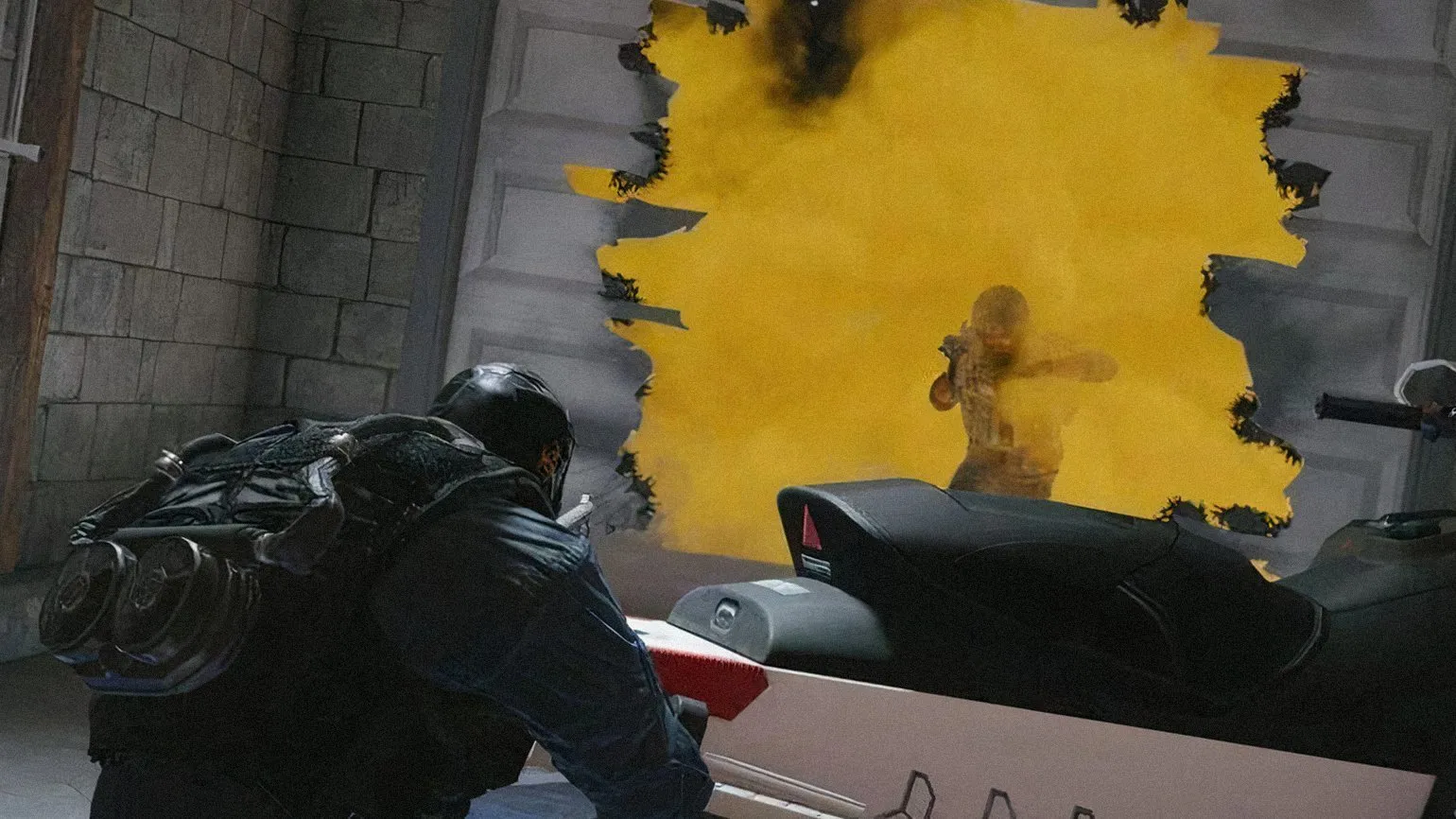
Despite a rocky launch in December 2015, Siege attracted millions of dedicated players and laid the foundation for a significant esports discipline. Since its release, the game has continued to evolve, introducing updates and new features, fueling interest and player retention. Siege has established itself as one of the leading games in the tactical shooter genre, making it a key part of the esports scene.
- Ubisoft didn't anticipate the emergence of a new generation of consoles with significantly greater computing power. Nevertheless, the company made the ambitious decision to fundamentally update and redesign the technical part of the game late in the development stage.
- Due to the change in technology, Patriots found itself in "production hell." It's quite possible that during the time it took to significantly improve the graphics, the game's gameplay also became outdated.
- The fate of Patriots might have been different if Ubisoft had not considered advanced technology to be the main pillar of Tom Clancy's Rainbow Six.
- The long-term success of Tom Clancy's Rainbow Six Siege, which Patriots was remade into, apparently convinced Ubisoft to continue supporting the game as a service and not return to developing expensive story-driven sequels to the series.
What can we learn from these examples?
Game development is a complex and multifaceted process in which it is critical to take the human factor into account. Even large companies such as Microsoft, Electronic Arts, and Blizzard Entertainment sometimes have to cancel significant projects. Tens of millions of dollars can be spent on their development and promotion, which highlights the high risks and unpredictability of this industry. The need to consider player opinions and expectations, as well as the team's internal processes, makes the gameplay even more complex and engaging.
Successfully creating a game, even if it's finished, requires more than just significant financial investment, a talented team, and an interesting idea. Effectively combining all these resources is essential, which requires competent project management. Organizing the development process, planning tasks, and coordinating team actions play a key role in achieving goals. Without quality management, a project can encounter problems that will hinder its implementation and may even lead to market failure.
When developing games of various scales and genres, it's important to rely on common sense and not let ambitious ideas overshadow the team's actual capabilities. A successful project requires a clear assessment of the resources, time, and skills of all participants. This will help avoid overload and ensure a high-quality final product. By keeping real-world boundaries in mind, you can create an engaging and accessible gaming experience that meets player expectations and market demands.
Game Producer Profession
You will learn how to turn an idea into a game project - from the first prototypes to release. Learn to develop concepts, lead a development team, and deliver products that delight users and generate profits.
Find out more