Contents:

Learn: Narrative Designer
Learn MoreThe Lord of the Rings and The Hobbit catalyzed the popularity of high fantasy—a genre in which evil is explicit and noble heroes overcome incredible odds to save the world. However, after several decades, interest in the genre shifted, giving rise to dark fantasy—grim and brutal works set in worlds where goodness is virtually nonexistent. Dark fantasy attracts readers with its complex moral structure and deep characters who often face internal conflicts and hopelessness.
Stories that balance the line between good and evil are popular in modern literature. In such works, heroes have ambiguous traits, evil is often hidden within human souls, and hope is in the air. This genre is known as grimdark or realistic fantasy. Notable examples of this genre include Game of Thrones and The Witcher. In this article, we will examine various aspects of darkness in detail, as well as analyze the differences between dark fantasy, grimdark, and realistic genres. Subscribe to our Telegram channel "Checkpoint." Here you will find a cozy space dedicated to games and their development. We share useful tips for developers, discuss current updates to popular programs, and report on new developments in the industry. The comments are open to your suggestions for new topics, as well as to discuss everything related to game development. Join our community and stay up to date with the latest developments in the world of game development.
In the Realm of Light Paladins
The fantasy genre has deep historical roots in chivalric romances, as well as Celtic, Scandinavian, and Germanic myths and legends. However, its true development began at the turn of the 19th and 20th centuries. At this time, popular pulp magazines began actively publishing novellas and short stories about knights, monsters, and adventures in other worlds. This period became key for the formation of fantasy as a separate literary genre, which continues to attract the attention of readers and inspire authors around the world.
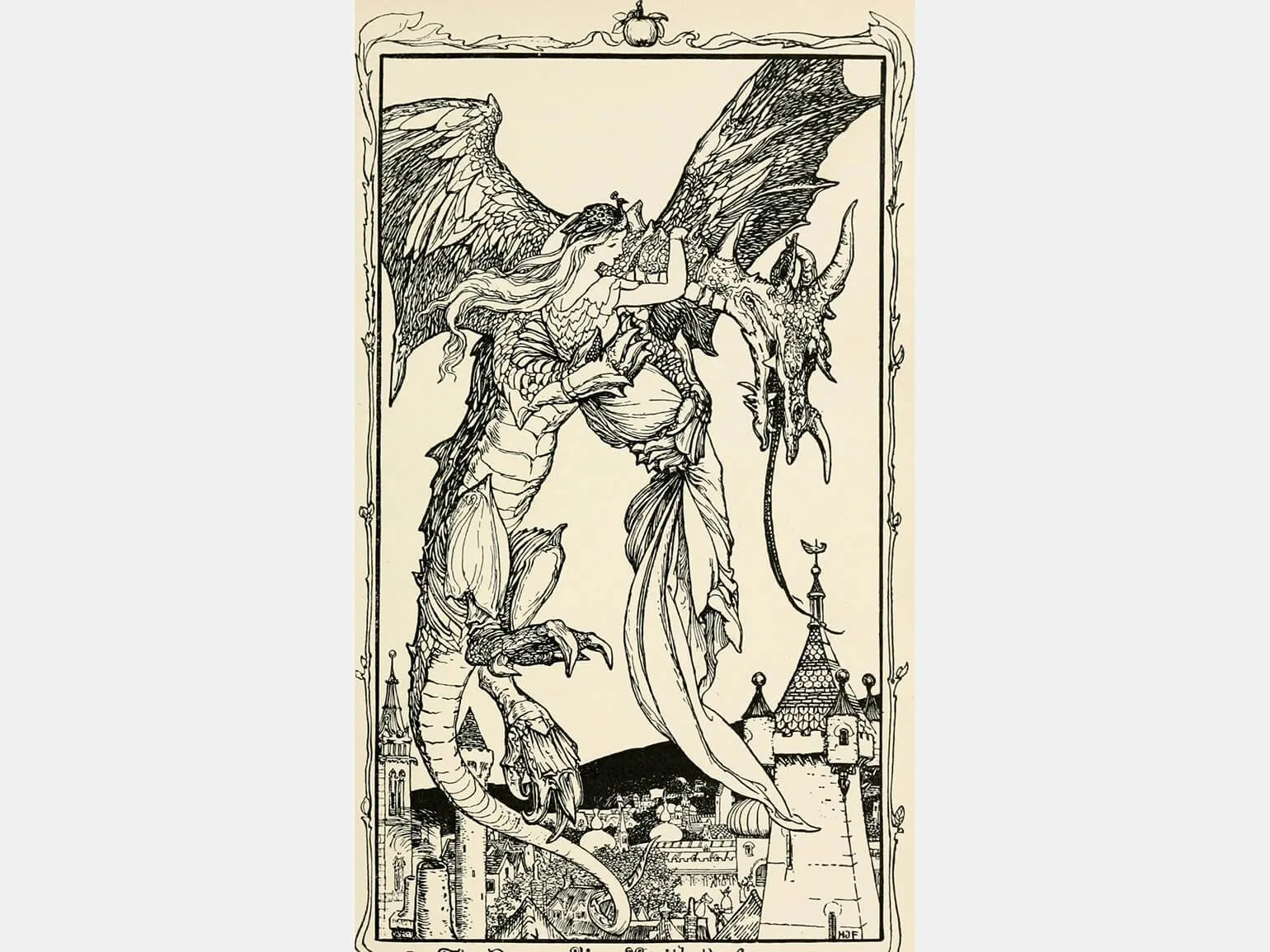
The popularity of pulp magazines reached its peak in the 1930s. Early in the decade, Conan the Barbarian, who became a cult character, appeared in the pages of Weird Tales. In the late 1930s, Fritz Leiber's first story about the famous pair of thieves and adventurers, Fafhrd and the Gray Mouser, was published in Unknown magazine. These characters became iconic in the fantasy genre and continue to inspire writers and readers around the world.
The light, fast-paced, entertaining stories featuring Conan, Fafhrd, and the Gray Mouser became the foundation of the sword-and-sorcery genre, also known as adventure fantasy. However, novels with other plots were also published during this period. For example, Lord Dunsany's "The King of Elfland's Daughter" (1924) and Hope Mirrlees' "Lud of the Mist" (1926) are philosophical parables imbued with a luminous melancholy. They explore the clash between a vibrant magical world and the drab everyday world that seeks to isolate itself from anything that deviates from its familiar routine. These works not only entertain but also provoke reflection on the nature of reality and dreams, making them important in the context of the development of the fantasy genre. "The King of Elfland's Daughter," "Lud of the Mist," and "Conan the Barbarian" are works that occupy their own niche in culture. For example, "Conan" disappeared from the cultural scene for more than 30 years after the death of its author, returning to popular culture only in the late 1960s. These works, though not as widely read, had a significant influence on the development of fantasy and adventure literature, captivating fans with their unique worlds and memorable characters.
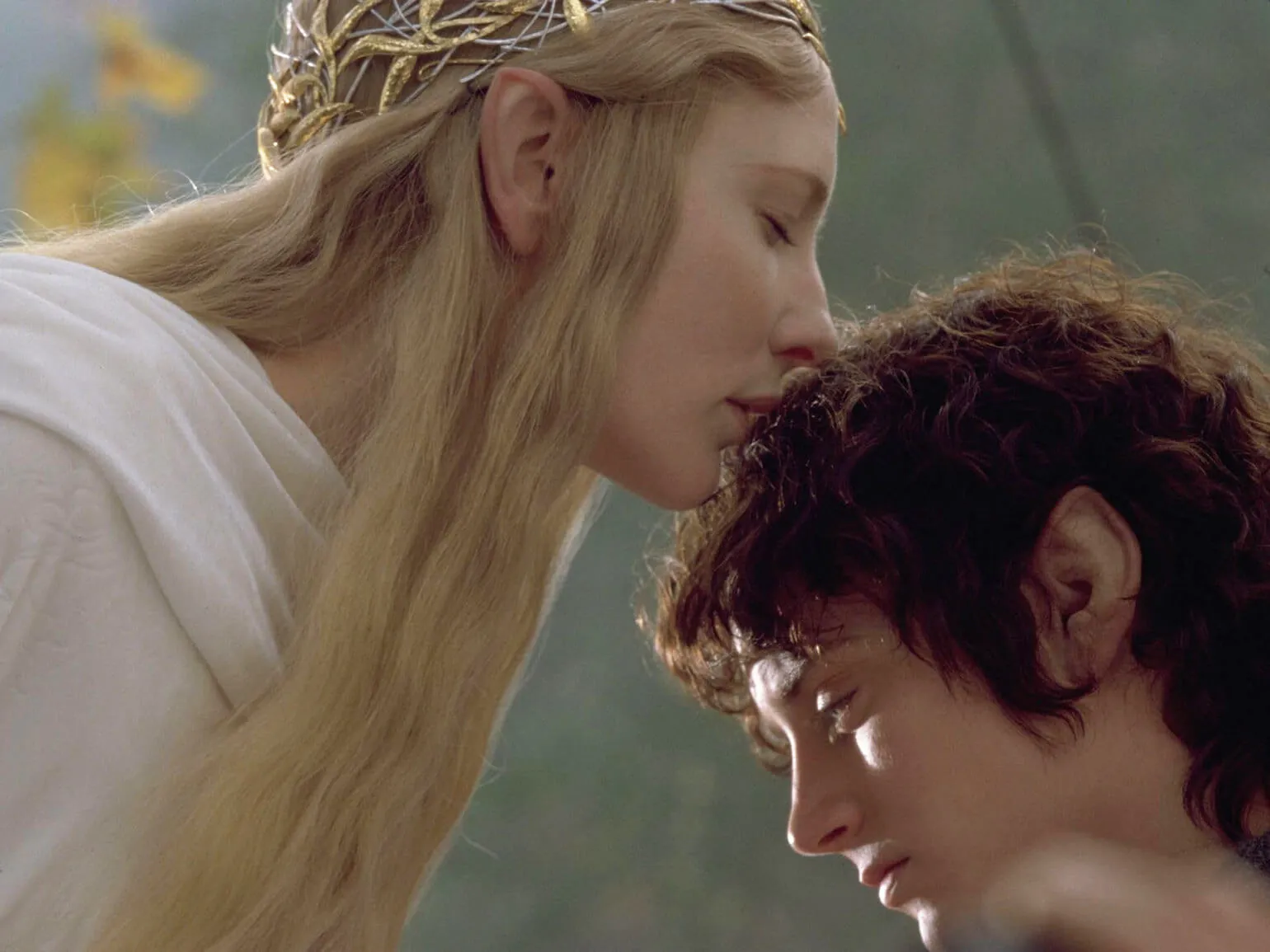
The fantasy genre gained widespread popularity thanks to Oxford English professor John Ronald Reuel Tolkien. His celebrated work, The Lord of the Rings, became the benchmark for many subsequent novels inspired by its style and world. While none of the authors achieved Tolkien's stature, their works laid the foundation for the development of what is known as epic, or high, fantasy. This genre continues to captivate readers, creating unique universes and captivating stories that enrich the literary landscape.
The key features of this device include high functionality, modern design, and operational reliability. It is characterized by ease of use and well-thought-out ergonomics, making it attractive to users. Furthermore, the material from which it is made ensures durability and resistance to external influences. The device's effectiveness is confirmed by positive user reviews, highlighting its advantages in a variety of conditions. This object is also capable of adapting to changing requirements, which makes it an excellent choice for a wide range of applications.
- A clear division between good and evil.
- The protagonist is the Chosen One promised by an ancient prophecy, or, at worst, a pious paladin.
- As a rule, the fate of an entire world is at stake, threatened with destruction from absolute evil, a universal cataclysm, or some other terrible misfortune.
- Magic, dragons, typical fantasy races, and other elements of the Tolkien canon are common in the world.
The Pendulum Has Swung
The piety and good-heartedness of paladins, as well as adherents of absolute good, eventually became boring for both readers and authors. This led to the desire to explore new, darker and more complex themes. As a result, the pendulum of epic light fantasy swung toward darker, more profound plots, opening up opportunities for unique characters and intriguing stories. These changes brought a freshness to the genre, allowing authors to experiment with moral dilemmas and multi-layered conflicts, attracting a new audience.
The term "Dark Fantasy" was first used in 1973 to describe a small fanzine published by American fans of the genre. The term quickly gained popularity among fans and became associated with various literary movements that reflected the gloomy and atmospheric elements of fantasy. Over time, the concept of dark fantasy has come to encompass a variety of works that intertwine elements of horror, social drama, and magic, creating a unique and captivating atmosphere.
Author Charles L. Grant defined the dark fantasy subgenre as gloomy stories that combine elements of horror and gothic fiction. In these works, people are threatened by forces beyond human comprehension. Grant perceived dark fantasy as an alternative to traditional horror, offering readers horror in a fantasy context. Dark fantasy attracts attention with its ability to create an atmosphere of fear and uncertainty, immersing the reader in a world where reality intertwines with the otherworldly.
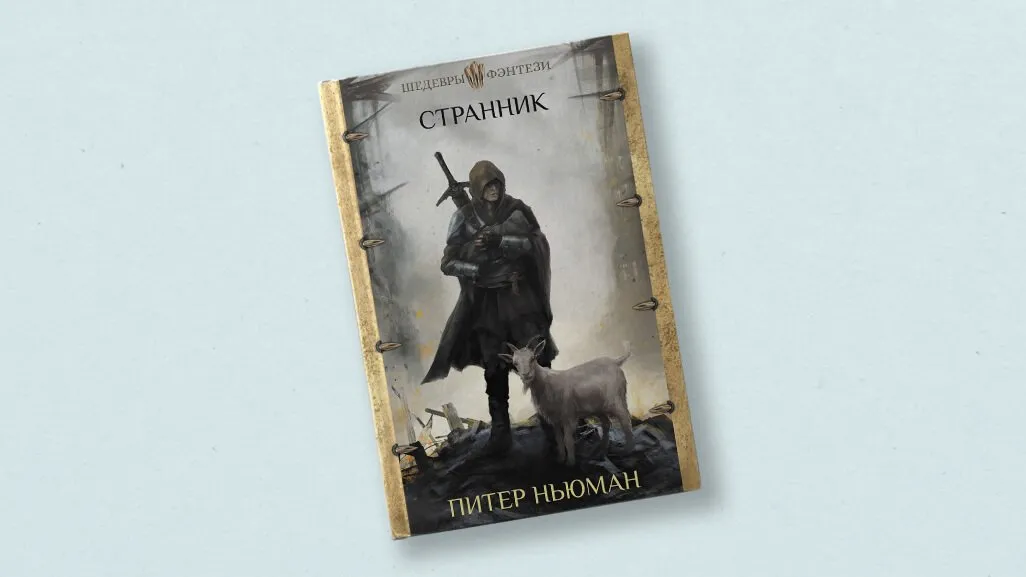
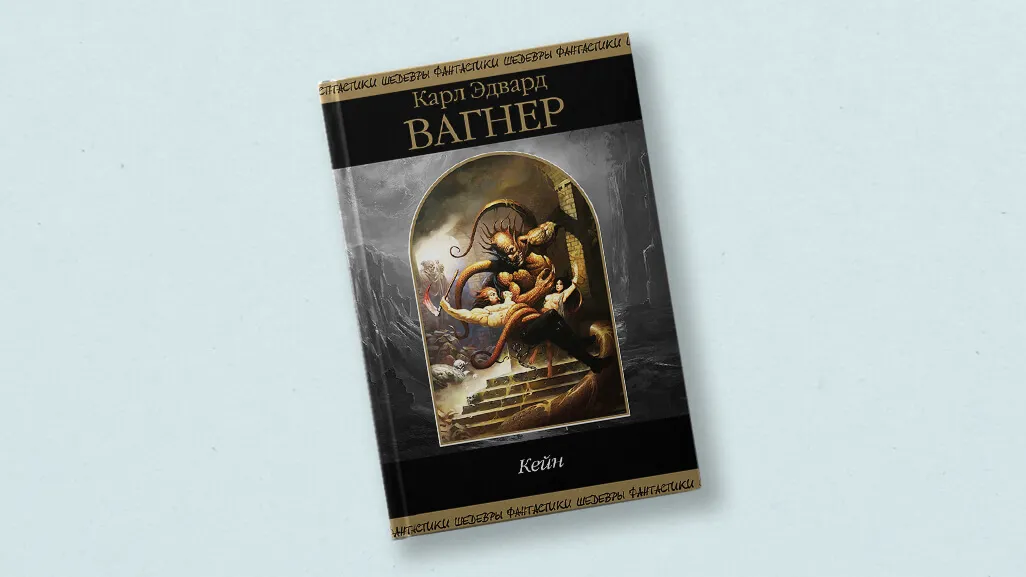
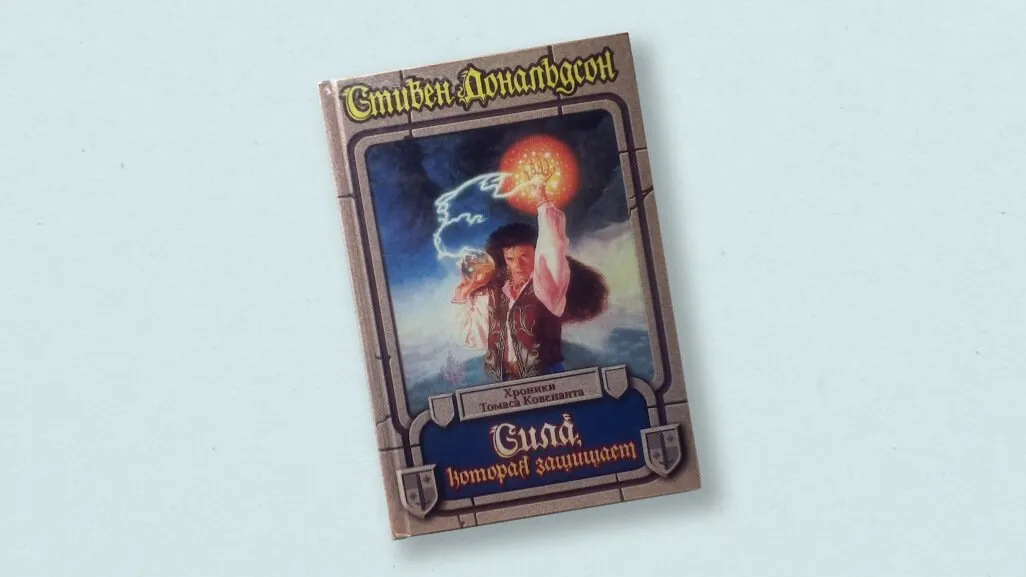
Writer Karl Edward Wagner defined dark fantasy as a fantasy genre that takes place in the most gloomy and oppressive atmosphere. Over time, his interpretation became dominant. Key characteristics of dark fantasy include complex and ambiguous characters, grim and violent storylines, and elements of magic, which are often associated with negative consequences. This genre explores themes of struggle, morality, and human nature, making it particularly appealing to readers seeking deeper and more provocative stories. Dark fantasy also often includes elements of horror, creating a unique and memorable atmosphere that immerses the reader in a world full of dangers and unexpected twists.
- The action takes place in a world in which either evil has long since won, or good has been absent altogether.
- An atmosphere of general devastation, poverty, decay, and hopelessness reigns throughout, often in an apocalyptic or post-apocalyptic setting.
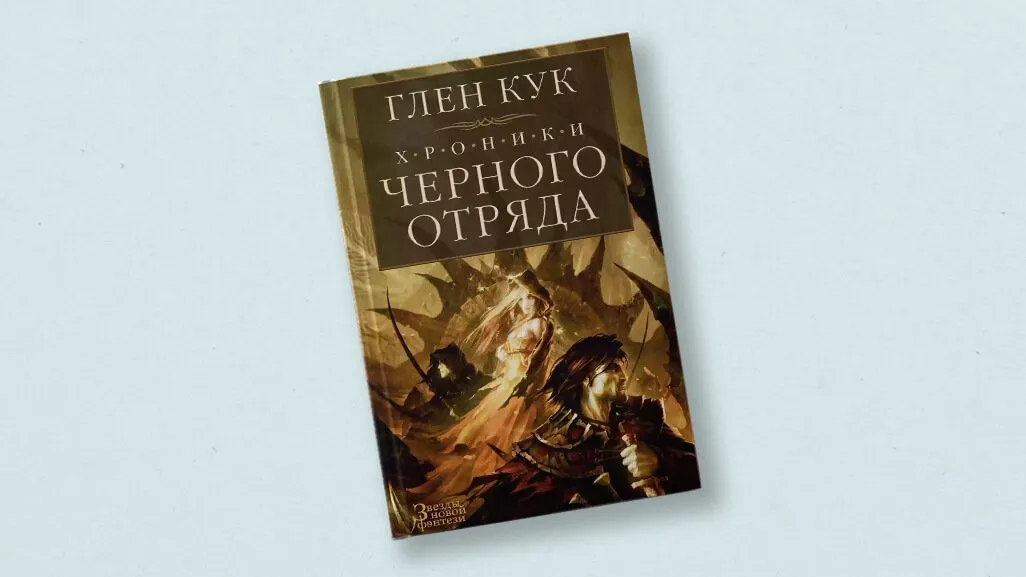
- This is not pure horror, but the world is full of horrors - both metaphorical ones, such as victorious dark lords and their minions (Glen Cook's The Black Company), and creepy and unusual monsters and behemoths (Peter Newman's The Wanderer).
- The characters are either complete scumbags, or, at best, morally ambiguous individuals.
The cycles are considered the standard of dark fantasy "Kane" by Karl Edward Wagner and "The Chronicles of Thomas Covenant, the Unbeliever" by Stephen Donaldson. These works stand out for their deep exploration of the darker aspects of human nature, complex characters, and grim atmosphere. They not only set a high bar for the genre but also defined dark fantasy as literature that explores moral dilemmas and the boundaries of reality. Readers interested in dark fantasy will find in these series not only captivating plots but also deep philosophy, making them must-reads.
Assholes and Antiheroes Are in Style
Dark fantasy has its own unique appeal, but its grim atmosphere can quickly become tiresome. Villains, devoid of human traits, do not evoke empathy. To make characters more interesting, they should be imbued with charisma, flaws, or simple human foibles, such as a love of sweets, caring for animals, or acts of kindness like helping the elderly. This adds depth and layers, making the plot more engaging and allowing the reader to better understand the characters' motivations.
In recent years, the antihero trope has become more popular than traditional villains and underdogs like Thomas Covenant. Antiheroes don't strive to save the world or uphold justice, but often find themselves on the side of good, acting out of self-interest. As a result, dark and cruel worlds filled with hopelessness have been transformed into more realistic settings. These new worlds, while still containing elements of cruelty, offer hope for a happy, or at least less tragic, ending, making them more appealing to modern readers.
For a long time, such novels were automatically classified as dark fantasy, but even Glen Cook's "The Black Company," considered a model of the genre, fails to meet its strict criteria. In Cook's world, ordinary people truly have a hard time, and villains and sadists rule. Nevertheless, humanity finds ways to cope, and the situation could have been much worse. In the distant past, a cruel Overlord ruled the north, but he was long ago buried in the burial mounds. Although he tried to return, he was kept from being resurrected. The new Mistress, though a tyrant and dictator, appears relatively harmless compared to her predecessor.
The main characters of the series, the mercenaries of the Black Company, are cunning and clever individuals. Playing cards with them can end disastrously, and entrusting them with saving the world seems like a mad decision. However, they are not bad people. Although they act in their own interests, they remain loyal to each other, follow specific plans, and do not kill without reason. The mercenaries work for the Mistress, but this is typical of their profession—being loyal to whoever pays them the most. At the same time, they remain loyal to their employer, and at the end of "Books of the North," the company displays heroism, striving to stop the return of absolute evil to the world. These characters demonstrate the complexity of moral choice, emphasizing that even in the world of mercenaries, there is a place for nobility and loyalty.
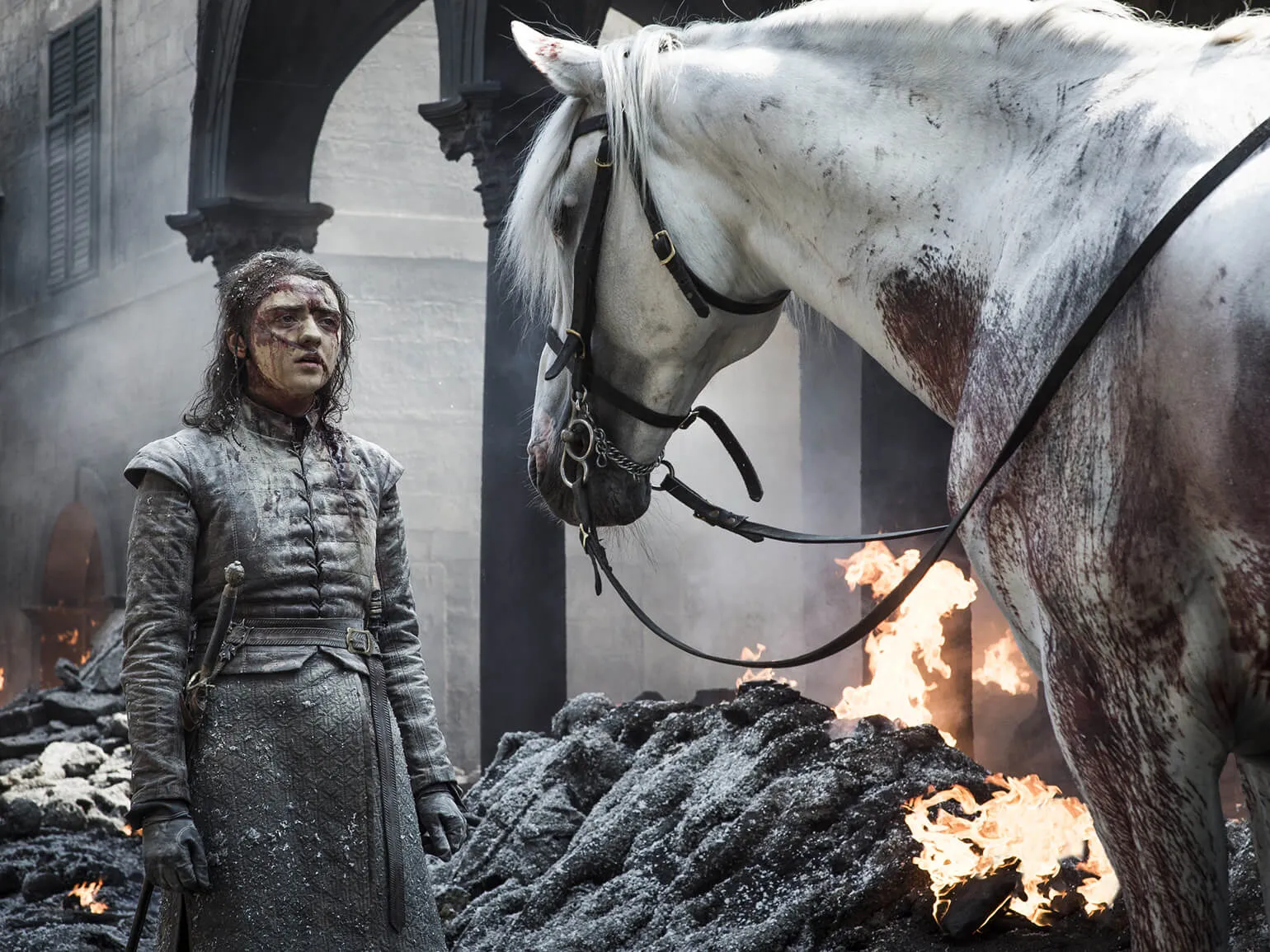
Fantasy set in realistic settings and featuring complex characters has become known as grimdark. The first works in this genre appeared in the 1960s, when Michael Moorcock created the Elric novels. However, grimdark gained real popularity with the release of George R.R. Martin's "Game of Thrones," which drew attention to dark and complex plots where good and evil intertwine, and characters' destinies can change at any moment. The grimdark genre continues to evolve, introducing new elements to the world of fantasy and forcing readers to rethink traditional notions of heroes and villains.
Grimdark truly gained popularity in the mid-2000s, when works by authors whose work was influenced by George R.R. Martin proved to be more influential than by Tolkien. Leading writers in this genre include Joe Abercrombie, R. Scott Bakker, Steven Erikson, Mark Lawrence, Peter Newman, and other contemporaries. These authors brought elements of dark fantasy to literature, creating complex worlds and deep characters, which contributed to the growing interest in grimdark as a genre.
You're reading grimdark if...
The main features of grimdark include a unique atmosphere, characteristic elements of dark fantasy, and a detailed world. Grimdark is characterized by a realistic approach to violence and morality, where characters often face difficult choices and contradictions. Such works emphasize the gray shades of morality, rather than a clear division between good and evil. Attention to detail is key, making the world believable and engaging for the reader. Grimdark also often includes elements of magic, but they are used sparingly and have their consequences. These characteristics make grimdark appealing to audiences seeking depth and complexity in literature. Idealism has lost its force in this context. The setting becomes increasingly realistic. The world is cruel, unfair, and filled with harsh realities. There is no clear division between good and evil. Even the bravest heroes can display meanness and baseness, and villains sometimes perform noble deeds and help others. Not every endeavor is successful, and not all good deeds have positive consequences. Sacrifices are not always justified, and a happy ending is not guaranteed, at least not for everyone. The decline of institutions. State structures, the church, knightly orders, and the military elite have lost their former significance. Corruption, debauchery, impotence, and lawlessness have become the main characteristics of these organizations. With traditional values destroyed and trust in institutions lost, society faces serious challenges. Effective governance and restoring the authority of these institutions require a comprehensive approach and a commitment to transparency. Cynicism has become widespread. Few truly care about saving the world; many are even willing to contribute to its destruction. Primary priorities have shifted to power, revenge, and survival, leaving good intentions in the past. In modern society, values have shifted, and many seek personal gain, ignoring global problems and the consequences of their actions. This reality requires a rethinking of priorities and a return to true values that can lead to positive change in the world. Naive and pious paladins rarely live to old age. Their fates often end tragically: they can be executed, like Eddard Stark, or die in dark alleys, betrayed by their own comrades. In some cases, such paladins become fanatics, committing acts that are sometimes worse than those of true villains. A prime example of this transformation is Prince Falcon, the antagonist of Cameron Johnston's novel The Vile Seven. In this work, the author explores how ideals can be distorted, leading to devastating consequences. In a world where dragons, zombies, and giant, woolly mammoths can coexist, the most terrifying creatures remain humans. Conflict, betrayal, and violence between people breed fear and chaos that are difficult to overcome. No matter how fantastical the creatures may be, true monsters often lurk within human nature. These aspects make human relationships complex and multifaceted, generating conflicts and drama that can outshine any fantasy beast.
In classic high fantasy, characters face a clear choice between good and evil, where the decision seems obvious. However, in the world of grimdark, the situation is much more complex. Here, heroes often have to make difficult decisions, choosing between a lesser and a greater evil. This moral conflict highlights the complexity and multifaceted nature of characters, forcing them to explore the boundaries of their values and beliefs. In such a setting, choice becomes not just a question of morality, but a true test that shapes character and determines destinies.
Geralt of Rivia found himself in a difficult situation when his lover, Renfri, a disgraced bandit, sought revenge. She wanted to kill the sorcerer, who, although not kind, remained defenseless, and also to destroy many innocent residents of the city. Geralt, guided by his moral principles, decided to protect civilians and stop Renfri, which led to a brutal confrontation with her gang. He believed he had done the right thing by preventing a tragedy. As a result of his actions, the city remained safe, but Geralt himself acquired the infamous reputation of the "Butcher of Blaviken." This choice became an important moment in his life, showing how difficult decisions can be when people's lives are at stake.
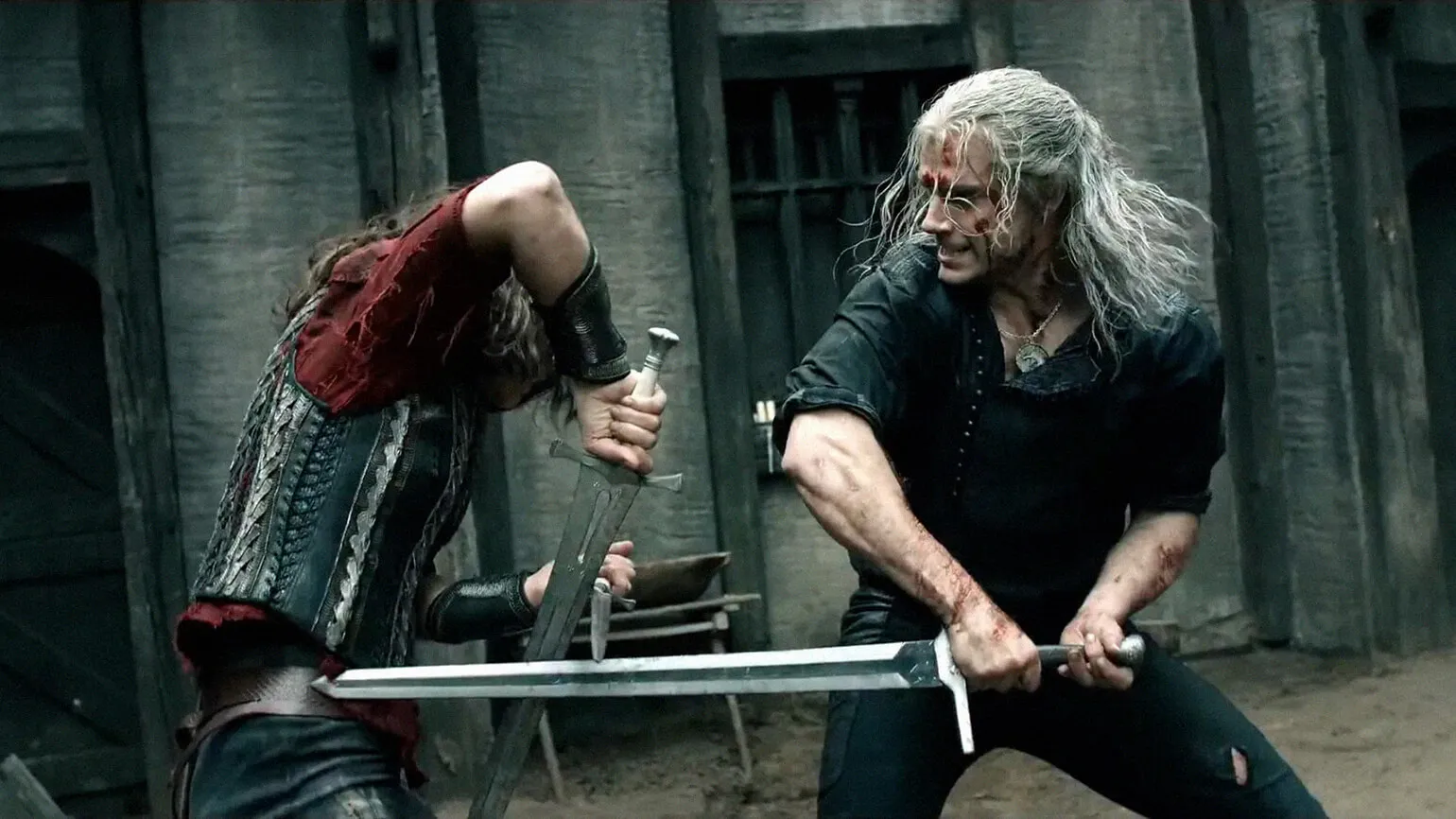
Violence and cruelty are central themes in many fantasy novels, often set in a medieval setting. The Middle Ages was an era of harsh realities: people lived short and hard lives, faced with robbery, violence, and violent death. In this context, grimdark fantasy reflects similarly grim aspects: in war, soldiers engage in robbery and murder, and in political struggles, inconvenient rulers and promising heirs often end their days prematurely. Palace intrigues are full of betrayal, treason, and violence, making the fantasy world no less brutal than historical reality.
In the world of grimdark, all characters are subject to death, and it can come at any moment, often unexpectedly. A striking example is the Red Wedding, where the fates of the characters are decided instantly. It's also worth noting that Jon Snow was betrayed by his own comrades, who believed his decisions could lead to the demise of the Night's Watch. This underscores the unpredictability and peril of this grim world, where every choice can have fatal consequences.
Dark humor plays a prominent role in Joe Abercrombie's work. His "Circle of Earth" series is a particularly successful expression of this style. Abercrombie masterfully combines charismatic antiheroes with gripping plots laced with dark humor, betrayal, and unexpected twists. Themes of life and death, love and passion, and dynamic battles make his work a striking example of the grimdark genre. Readers will find in his works not only witty jokes but also profound reflections on human nature and the complexities of choice.
Hope remains, and this is the main difference between grimdark and dark fantasy. In classic dark fantasy, hope is absent by default, while in grimdark, the possibility of a happy, or at least bittersweet, ending exists. However, even in this genre, a happy ending is not guaranteed, and it is only granted to certain characters. Thus, grimdark retains elements of hope, creating a unique atmosphere in which glimmers of light can be seen even in the darkest moments.
Dark Fantasy in Games
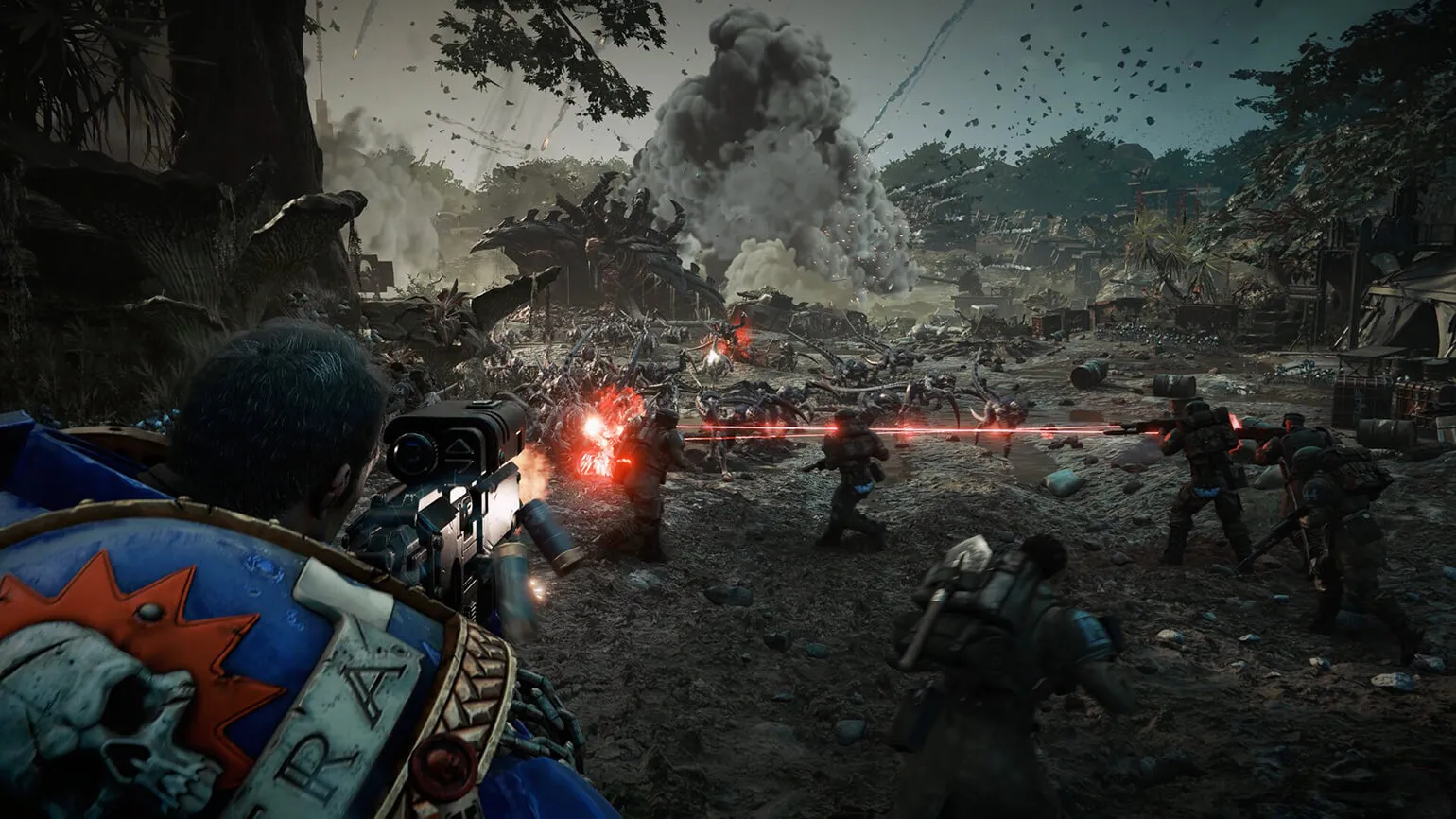
Dark and realistic fantasy has become popular not only in literature, but also in the gaming industry. The term grimdark originally arose in the context of the tabletop game Warhammer 40,000, where its full formulation is "In the grim darkness of the distant future, there is only war." This movement is characterized by dark plots, complex moral choices, and brutal worlds, which attracts the attention of players and readers seeking depth and realism in fantasy stories. Grimdark fantasy explores the dark sides of human nature and often demonstrates that good and evil are not always easily distinguished.
The setting of Warhammer 40,000 is a prime example of the term "grimdark". Unlike fantasy worlds with magic and dragons, this universe takes place in the distant future, where Primarchs, Tyranids, and the hermaphroditic deity Slaanesh exist. Devastation, degradation, and hopelessness reign supreme. All sides in conflicts are devoid of morality, and even the most elite and noble military units march into battle inspired by phrases like, "Only in death does duty end" or "Better to die for the Emperor than to live for oneself." This atmosphere of hopelessness and constant struggle makes Warhammer 40,000 a unique and memorable setting, attracting fans with both its deep storylines and complex characters.
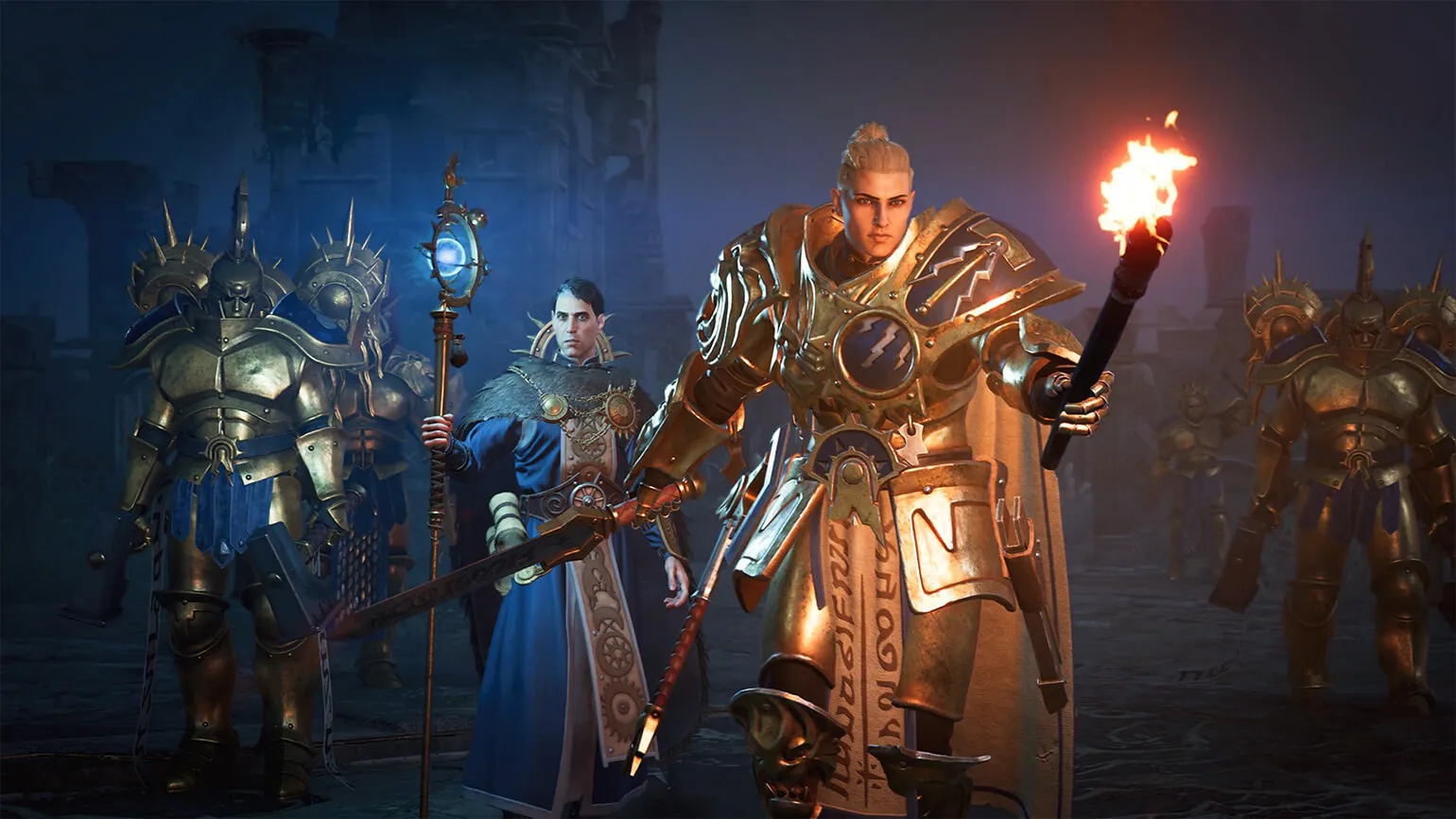
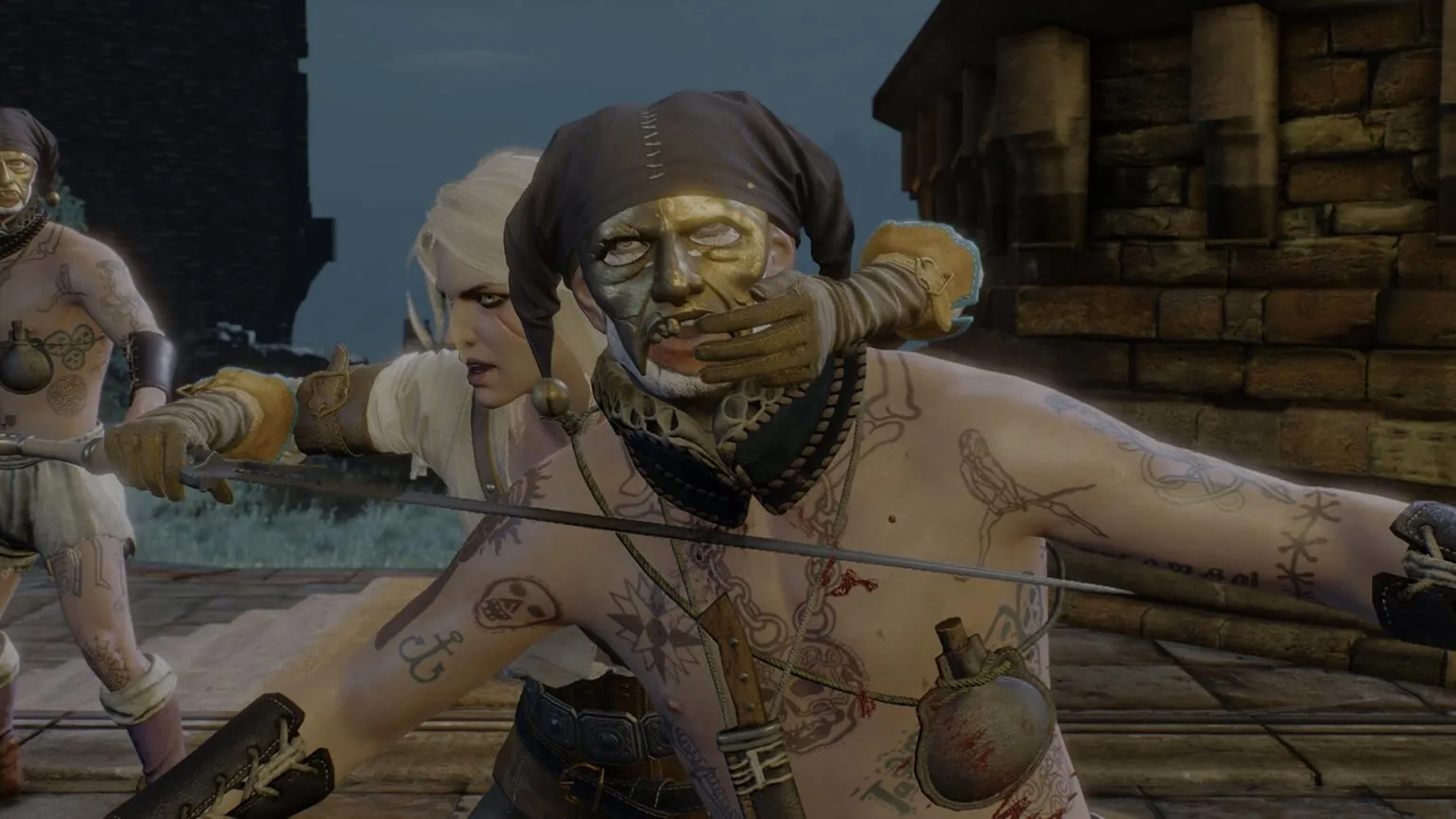
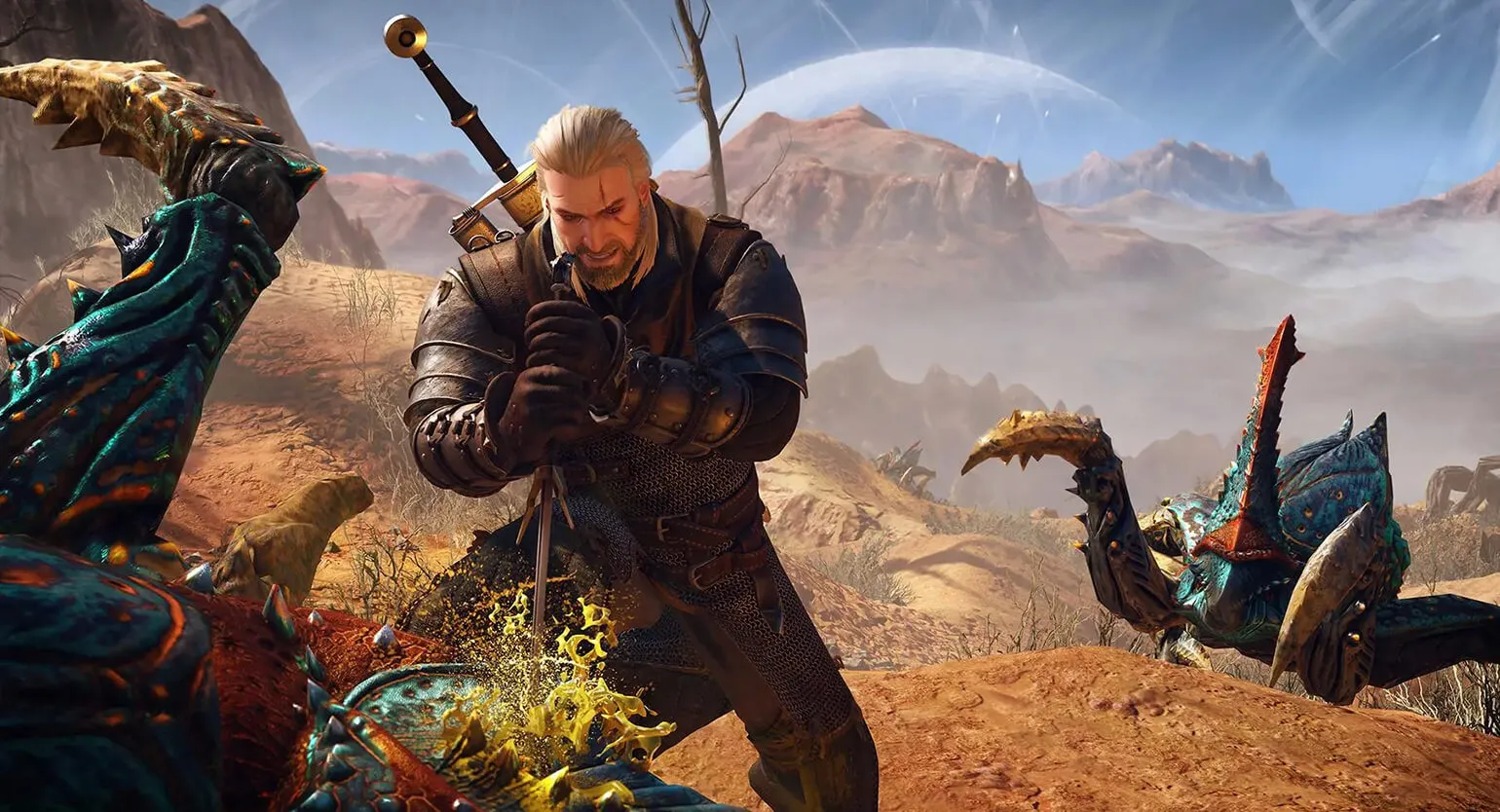
The Witcher game series is a prime example of grimdark, representing A dark and realistic story set in a world inhabited by a variety of monsters, where humanity remains the most dangerous creature. The protagonist, the witcher Geralt, wanders the swamps of Velen, battling nekkers and drowners, who at best claim the lives of a few dozen people a year. While he deals with these minor threats, the region suffers from the aftermath of the Third War between the Northern Kingdoms and Nilfgaard, which claims tens of thousands of lives. This contrasting dynamic between Geralt's personal conflicts and the large-scale military catastrophes creates a unique atmosphere characteristic of grimdark works. In keeping with the philosophy of Andrzej Sapkowski, The Witcher from CD Projekt RED deeply explores the concept of the lesser evil, presenting players with complex moral dilemmas where there are no clear right or wrong decisions. Players face the question of what to do: destroy a cruel villain who has claimed the lives of dozens of innocents, or save a group of elven women, allowing the criminal to escape, potentially leading to further casualties? These choices shape not only the plot but also the player's moral compass, forcing them to consider the consequences of their actions in a world full of conflict and moral ambiguity.
The question of support provokes serious consideration: should they side with the noble warriors fighting for their country's independence and seeking revenge for the death of the king, or support the elven partisans who have compelling reasons to hate humans? This confrontation reflects the deep historical conflicts and complex moral dilemmas facing both sides. Each has its own reasons and goals, making the choice difficult. It's important to consider not only personal sympathies, but also the consequences this choice could have for the future of their peoples.
Who should you help—that unpleasant person whose leg you once broke, or that loyal friend who has repeatedly rescued you from difficult situations? At first glance, it seems like a simple choice. However, the unpleasant person offers reasonable and logical ideas, seeking to unite the North to resist the advancing enemy from the south. Meanwhile, the old comrade intends to conclude a separate peace with Nilfgaard, willing to give up the entire North in exchange for the vassal independence of his country. How to act in this difficult situation?
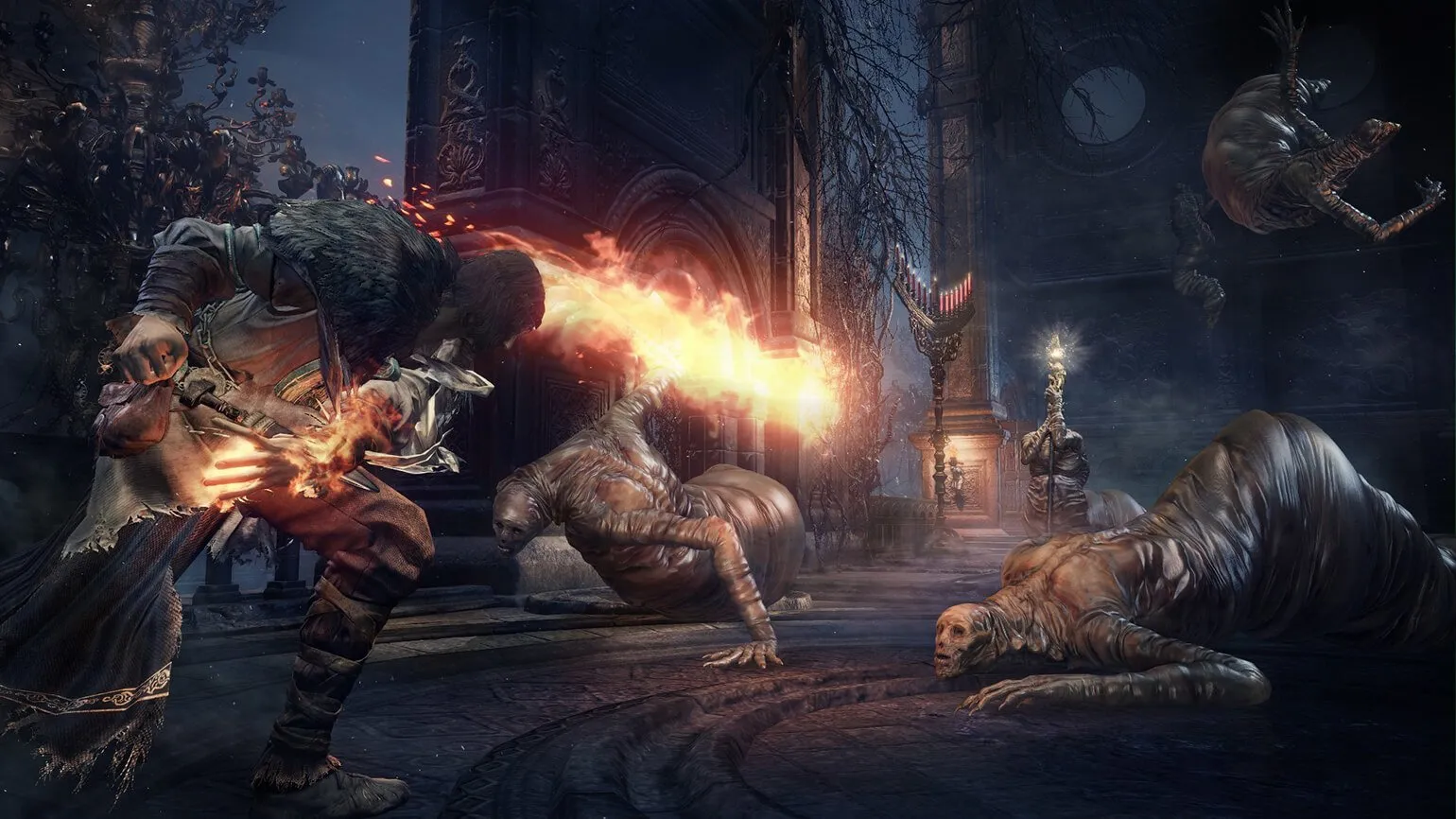
Dark fantasy is not presented in video games as Widely known, but one of the most notable representatives of this genre is the Dark Souls series. It immerses players in an atmosphere of oppressive decay and suffering, where every pixel is imbued with a grim story. Players face brutal battles against terrifying and difficult-to-defeat monsters that can easily take the life of an unwary hero. Dark Souls offers a unique experience, combining challenging gameplay with a deep narrative, making it a cult classic in the world of video games. For a long time, fantasy authors adhered to the tradition of Professor Tolkien, creating epic stories about the clash of light and darkness. However, over time, reality began to influence the genre. The shift toward dark and realistic fantasy can be explained by authors' desire to reflect the harsh realities of the modern world or explore current issues in a setting they control. Clearly, realistic stories with unpredictable twists and multi-layered characters become more captivating and interesting. This trend indicates that the genre will continue to evolve, introducing new ideas and approaches, which, in turn, enriches fantasy literature.
Profession Narrative Designer
You will learn from scratch how to create scripts for games, invent characters, write dialogues and Convey ideas through gameplay. You can earn money in game development and implement the game project you've always dreamed of.
Learn more