Contents:
Who are you in the world of game development? Find out in our free course ➞ You'll experience three professions in action: game designer, 2D artist, and Unity developer. Create your first Mario-style game. Click here for details.
Learn moreIn 2021, esports gained incredible popularity in Russia and other countries. Young people around the world are discovering new opportunities not only for entertainment but also for earning money by finding like-minded people and friends. However, despite this growing popularity, many players face misunderstandings from others. Esports is becoming an important part of life for millions of people, and its influence on society continues to grow.
Competitive gaming plays a significant role in the lives of Russian teenagers. Not only do they develop strategic thinking and teamwork skills, but they also foster social connections. However, esports also comes with certain risks. It's important to understand the potential negative consequences, such as gaming addiction and the negative impact on physical health.
If your child has decided to become an esports athlete, there are a few recommendations to consider. Support their passion, but set boundaries. Discuss the balance between studies and gaming, and help develop time management skills. Emphasize the importance of physical activity and adequate rest to avoid burnout.
Esports can open new opportunities for career advancement and personal development. However, it's important to approach this choice with an understanding of all the risks and benefits. Talking about goals and future plans will help your child make informed choices in the dynamic world of esports.
What is esports?
The term refers to competition between players in video games. Participants strive to demonstrate their skills by making quick decisions, developing and executing effective strategies. They must also control their emotions, making the process similar to real-life sports such as football or biathlon. Esports is not only about skill but also about the ability to adapt to changing game conditions, which requires high concentration and analytical skills.
Esports is highly flexible, as different games require a unique approach to achieving victory. In shooters, reaction speed is key, while in card games, overall strategy and action planning are important. Some disciplines require a combination of these skills, teamwork, the ability to analyze opponents' actions, and keeping a cool head in critical moments. Effective eSports play requires not only technical skill but also strategic thinking, making this sport multifaceted and exciting.
Esports began to develop in the 1990s, when gamers sought to showcase their skills in backyard games, computer clubs, and city tournaments. The passion of players and the spectacle of competitions quickly contributed to the transformation of this hobby into a large-scale industry. Today, matches between the best eSports athletes and teams are watched by millions of viewers worldwide. The most successful players earn significant sums, achieving fame and recognition among their peers. Esports has become not only entertainment but also a serious professional activity, attracting the attention of both players and spectators.
Esports has gained particular popularity during the COVID-19 pandemic. When traditional sporting events were canceled or held with restrictions, gamers continued to compete online, playing matches from the comfort of their homes. The accessibility of esports is one of its main advantages—players don't need to travel to a stadium or gather at a sports facility for training every day. Everything necessary for training is available in a virtual space, accessible to each participant from their own home. This factor has contributed to the growing interest in esports, which has become not only entertainment but also a full-fledged career for many professionals.
In 2021, esports has become one of the most popular and rapidly growing sports. While it's not yet comparable to giants like football or the NHL, its prospects appear more promising than cycling, skiing, and handball. This applies to both prize pools and the interest of spectators and participants. Esports attracts the attention of millions of people, which confirms its importance in the modern sports landscape.
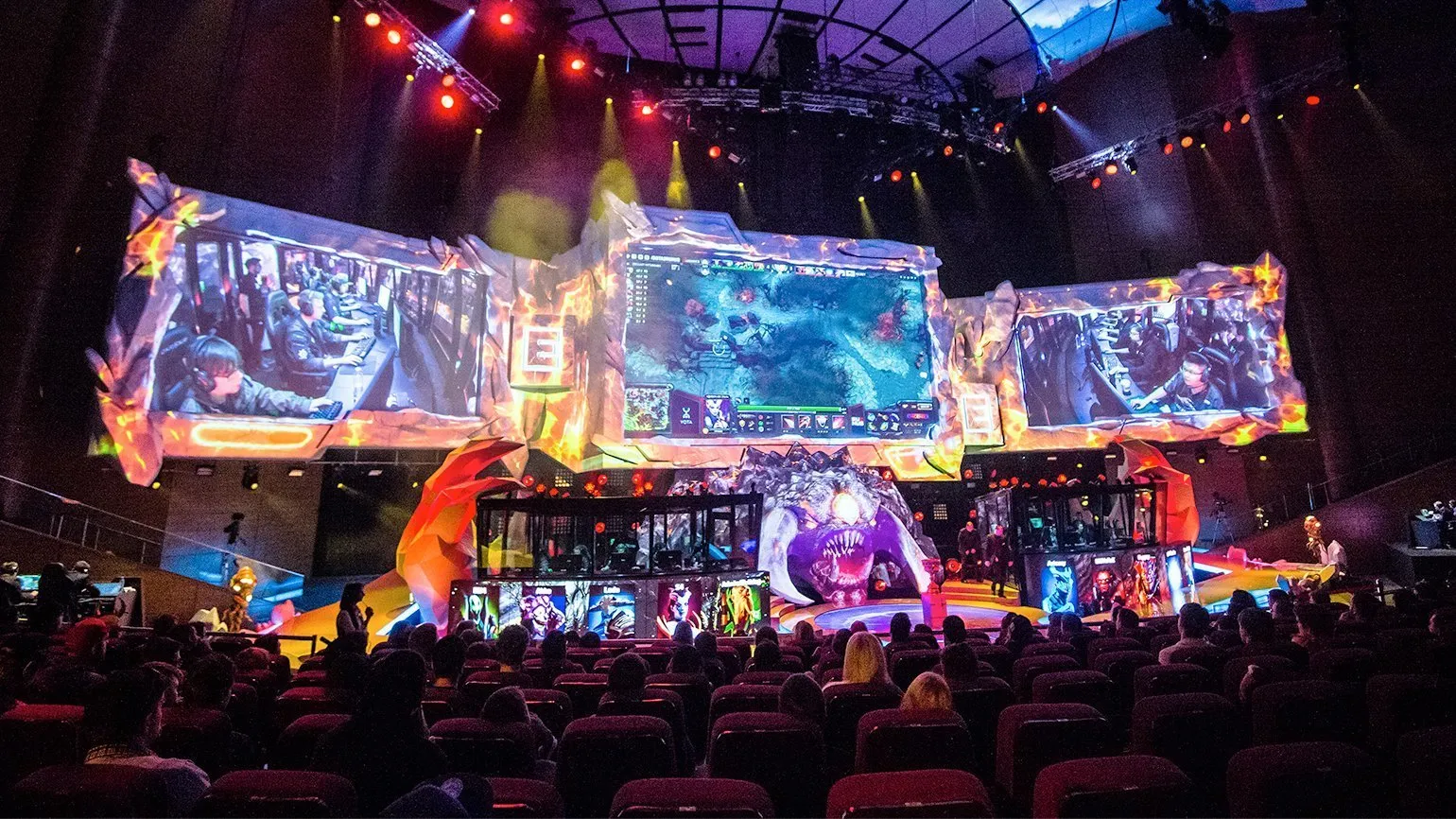
Esports attracts many players because they don't require significant financial investment or connections. It's a fair competition, where the winner is the one who performs best at the given task. Computer systems act as referees, ensuring objectivity. Ordinary people, who are easy to communicate with during ranked matches or streams, can achieve success. Everyone has a chance to become world champion next year, making esports accessible to everyone.
Russia and the CIS in esports
Gamers from Russia and the CIS continue to occupy leading positions in most esports disciplines. This is due to the high availability of the internet in Russia, which is stable and affordable. It is also worth noting the variety of computer equipment and components, which contributed to the development of the gaming community, although the pandemic and the shortage of video cards have made their adjustments. Moreover, the rich history of domestic eSports and the challenges associated with implementing it in traditional sports play a significant role in popularizing eSports in the region.
Russia and the CIS countries are among the best places to play esports. This is because participating in virtual competitions doesn't require significant financial investment. Furthermore, the region boasts an active community, making it easy to find like-minded individuals and gaming partners. There are also many talented players ready to compete at various tournaments. Danil Liseytsev, coach at the CyberBox Academy, emphasizes the importance of these factors for the development of esports in the region.
2021 was a landmark year for our esports community. Russia and the CIS countries confidently took leading positions in several popular disciplines, demonstrating impressive results in other tournaments as well. A striking example of this success is Team Spirit's victory at The International 10, where five players from Russia and Ukraine won a record-breaking $18 million. This triumph even received national recognition, with President Putin congratulating the team. Such achievements highlight the growing influence and potential of esports in our region.

In 2021, our teams competing in the most popular shooter, Counter-Strike, won 11 of 13 major global championships, including the most prestigious tournament, PGL Major Stockholm, with a prize pool of $2 million. The Ukrainian team NAVI and the Russian Gambit Esports took leading positions in the world rankings, and other teams from the CIS regularly participate in significant events in the world of CS:GO. This confirms the high competitiveness and talent of players from the region, making the CIS a center of esports.
The Gambit Esports team, playing the shooter Valorant, won Masters in Berlin and reached the final of the inaugural world championship. In another popular shooter, Rainbow Six Siege, the Russian team Team Empire continues to hold high positions on the international stage, taking second place at the Major in 2021. Our teams are also achieving success in battle royale games like Fortnite, Apex Legends, and PUBG, where victories and top-place finishes are commonplace.
Dmitry "Happy" Kostin won the Warcraft 3 strategy tournament with the largest prize pool in history, without suffering a single defeat. In Age of Empires 2, Dmitry "Vinchester" Smirnov leads the King of the Desert 4 championship. Russian-speaking gamers are demonstrating increasingly strong results in mobile games like PUBG, Clash Royale, and Brawl Stars, disproving the stereotype that this market belongs entirely to Asia.
The list of disciplines could include numerous games, and this would take a long time—the disciplines themselves would run out faster. Players from Russia and the CIS demonstrate excellent results in virtually all gaming genres. In an environment where Russian-speaking gamers are actively engaged in various games, it becomes much easier for a new participant to learn, take part in tournaments, and develop as an eSports athlete. This creates favorable conditions for growth and skill improvement, which in turn helps strengthen the position of Russian-speaking players in the international eSports arena.
The eSports industry in Russia is actively developing thanks to the successes achieved. Competitions are held not only in schools and universities, but also for beginner players, which is receiving attention from the government. The opening of world-class clubs with their own academies has become an important step in the popularization of esports. The availability of computer clubs and high-speed internet makes this sport cost-effective compared to traditional sports activities. This creates favorable conditions for the growth of esports culture in the country.
Currently, there is a unique opportunity to enter the esports industry. The attention of the public, government agencies, and businesses is focused on this area, opening new horizons for the development of Russian competitive gaming. Esports is actively discussed in various circles, and new projects with significant investment are being launched. Such a growth in interest has not been seen for a long time, and this creates opportunities for market participants, including players, teams, and tournament organizers.
Esports Revenue
The development of esports is attracting growing interest from investors and sponsors. Advertising during broadcasts of major events such as the League of Legends World Championship or Counter-Strike tournaments can be more effective than similar ads at traditional sports events or music festivals. This is due to the highly engaged audiences that actively follow esports competitions, creating unique opportunities for brands. Investors see esports as a promising market capable of generating significant revenue and maintaining active engagement with target audiences.
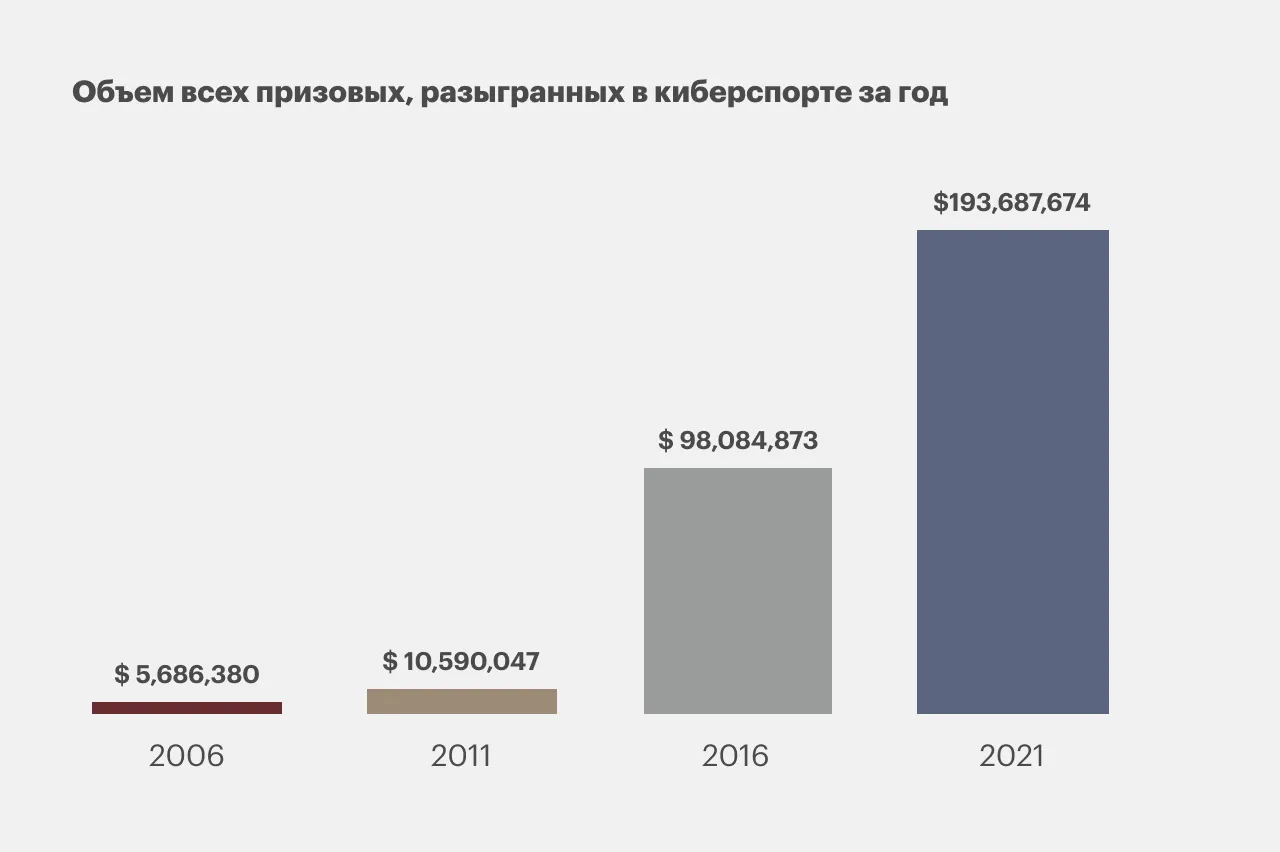
The growing interest in esports has led to a significant increase in financial investment in this sector. Prize pools at major tournaments and esports athletes' salaries are steadily increasing. In 2021, hundreds of video game championships were held worldwide, with nearly $200 million in prize money at stake. This is 20 times more than in 2011 and double the amount awarded in 2016. Esports is becoming increasingly attractive not only for participants, but also for spectators and investors, which underscores its growing popularity and commercial potential.
At the main Dota 2 tournament of 2021, Team Spirit shared an impressive $18,208,300 in prize money. Even after taxes and the organizers' share, each participant received over 200 million rubles. The International stands out from other championships, where prize pools are significantly lower, although they remain quite attractive.
At major CS:GO tournaments, prize pools can reach $300,000–$500,000, allowing each participant to earn approximately 5 million rubles. These tournaments are held almost monthly, attracting thousands of spectators and players. For example, Ilya "Perfecto" Zalutskiy of the NAVI team earned approximately 60 million rubles in prize money in a year. Participation in such events not only brings significant financial rewards but also contributes to the development of esports as a whole, increasing interest in the discipline and creating new opportunities for players.
In less popular disciplines, prize pools can be lower, which is understandable. However, leading players still earn significant sums by taking first place in prestigious tournaments. For example, victory at the Fortnite Champions Series in September 2021 earned the team $300,000, which was split among the participants. Virtus.pro, who took third place at the PUBG World Championship, earned over $350,000. Gambit Valorant players won over 27 million rubles in two major tournaments. It is important to note that success at such events not only brings financial benefits, but also enhances the status of the team and its participants in the world of esports.
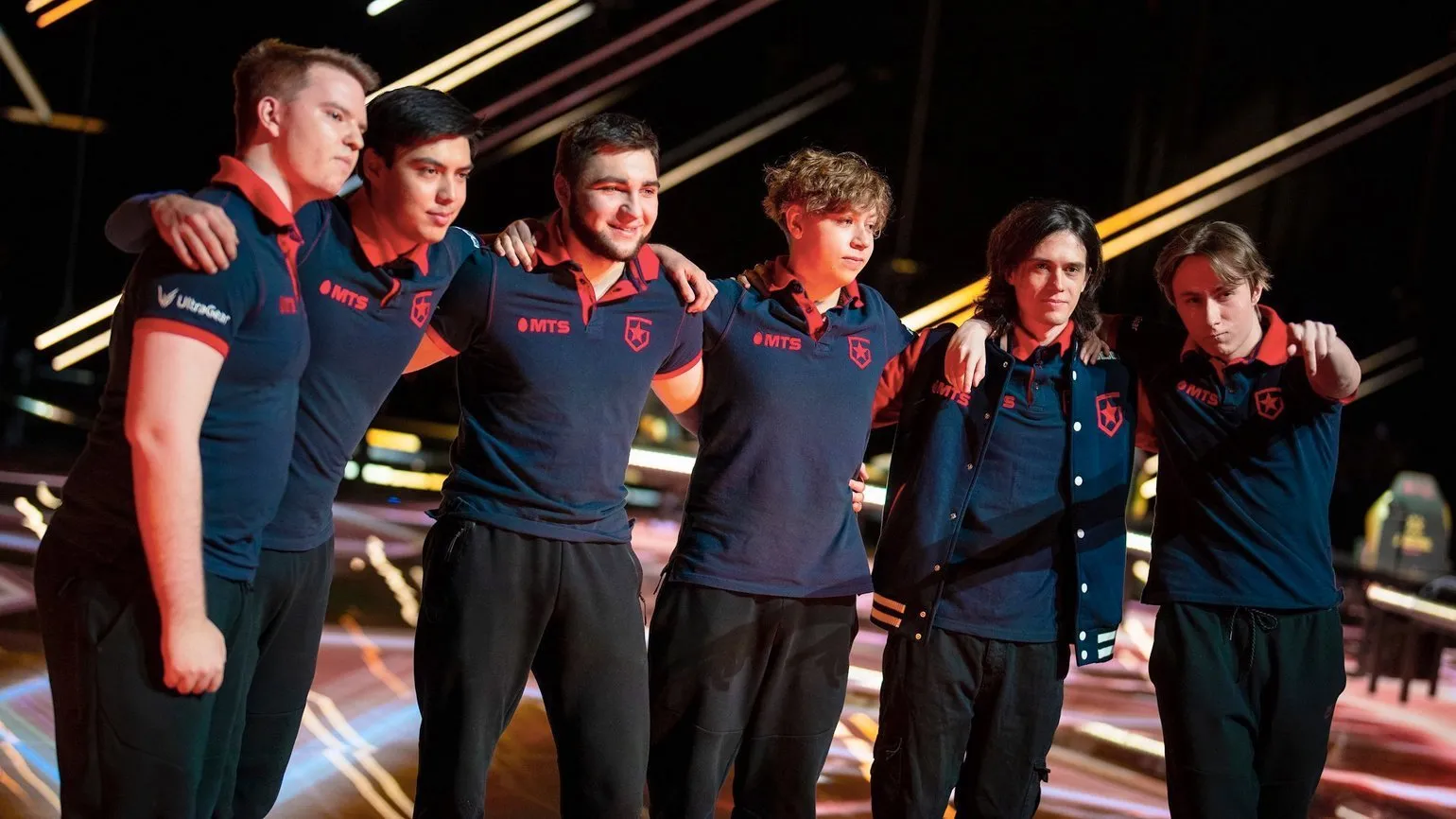
This is no coincidence. Each of these players worked diligently for many months to develop their skills so that at the right moment they could surpass dozens of other talented gamers. As in real sports, success is the result of hard work. Even a strict schedule with regular training does not always lead to the desired results. Perseverance, persistence, and a constant desire for self-improvement are the key factors that help achieve success in the world of esports.
Each athlete's path to success is a unique story. Some take two to five years to achieve results, while others can achieve significant progress in just a year. If you strive for the second option, you must dedicate at least five hours a day to training. Otherwise, the process of achieving results will be too slow. To reach world standards, you need to train more than 10 hours a day. It's also important to establish a proper daily routine and engage in additional sports that will help distract you and improve your physical fitness. Danil Liseytsev, a coach at the CyberBox Academy, emphasizes that a combination of intense training and variety in sports is the key to success.
It's important to understand that prize money is only one source of income for esports athletes. As in other sports, professional clubs pay their players a salary. According to various estimates, the income of the best Russian esports athletes reaches tens of thousands of dollars per month. Players on lesser-known teams can earn several thousand dollars monthly. Currently, more than 150 Russian players in various disciplines have surpassed the thousand-dollar income threshold, demonstrating the growing popularity and financial potential of esports in the country.
The development of esports opens new opportunities for players, minimizing the risks associated with losing in qualifiers or leaving established teams. Although only a small number of players earn millions of dollars, a stable income is accessible to many more gamers than is commonly believed. Esports is becoming not only an exciting hobby but also a promising career, offering financial stability and the opportunity to succeed in a competitive environment. Former and current esports athletes have the opportunity to participate in regional tournaments with small prize pools ranging from hundreds to thousands of dollars. They can also work in specialized studios, providing commentary and analysis on emerging championships. This field has become popular thanks to the success of renowned esports athletes who began their careers in the 2010s. Such opportunities allow streamers to maintain a connection with the esports community and continue to develop their careers in this dynamically developing field. There are many ways to organize entertaining broadcasts. One popular method is selling advertising space and receiving donations from viewers willing to support the content. Some streamers specialize in teaching gaming novices, earning significant sums, reaching several hundred thousand rubles monthly. Others choose to become managers or engage in related activities, which also opens new horizons for income. Earning opportunities in this field are truly numerous and varied.
Modern esports has significantly reduced athletes' dependence on competition results. Previously, failure at a major tournament could have serious consequences, including having to leave the gaming world and return to normal life. Today, even in the event of failure, esports athletes have the opportunity to develop in other areas, such as streaming, analytics, or educational projects. This opens new horizons and allows them to maintain professional activity even if tournament success doesn't come.
Some esports athletes aren't always forced to put their careers on hold. They make this decision consciously, recognizing that they can achieve great success in the entertainment sector and earn significant sums from streaming—sometimes tens of thousands of dollars per month. This also applies to the other options mentioned. Esports athletes always have a choice, and it's important to make a balanced decision.
The Importance of Player Support
Many esports athletes face misunderstanding from those around them, including friends, teachers, and especially family members. Even prominent players often mention that their parents only began to accept their passion after achieving their first significant results or earning a serious income. This underscores the importance of awareness and support from loved ones for developing a career in esports.
Parental support plays a key role in achieving success in esports, especially for teenagers aged 12-18. When parents don't provide the necessary moral support, players struggle to achieve significant results. Negative psychological conditions and family pressure can significantly hinder their path to their goals. Danil Danskor Liseytsev, a coach at the CyberBox Academy, notes that many young players don't become esports athletes precisely because of a lack of parental support. It's important to understand that emotional support and understanding from family can be the key to a successful career in esports.
Achieving success in esports requires constant training, often several hours a day. This intense commitment inevitably impacts other aspects of a player's life. Many face the need to sacrifice their personal lives, academic performance, and opportunities in other areas. As a result, it can seem like a young person is wasting one of the most important periods of their life on activities that seem strange or impractical. However, if we consider esports as a serious field with professional prospects, we can see that the effort invested in training can lead to significant achievements and a career in this dynamically developing industry.
Gamers under 25 have faster thinking and reaction times, which significantly increases their chances of success at ages 17–19 and even earlier. Research by specialists and statistics confirm this trend. A similar situation is observed in sports such as gymnastics and figure skating. In these cases, postponing classes for later, for example, after school exams, will not work.
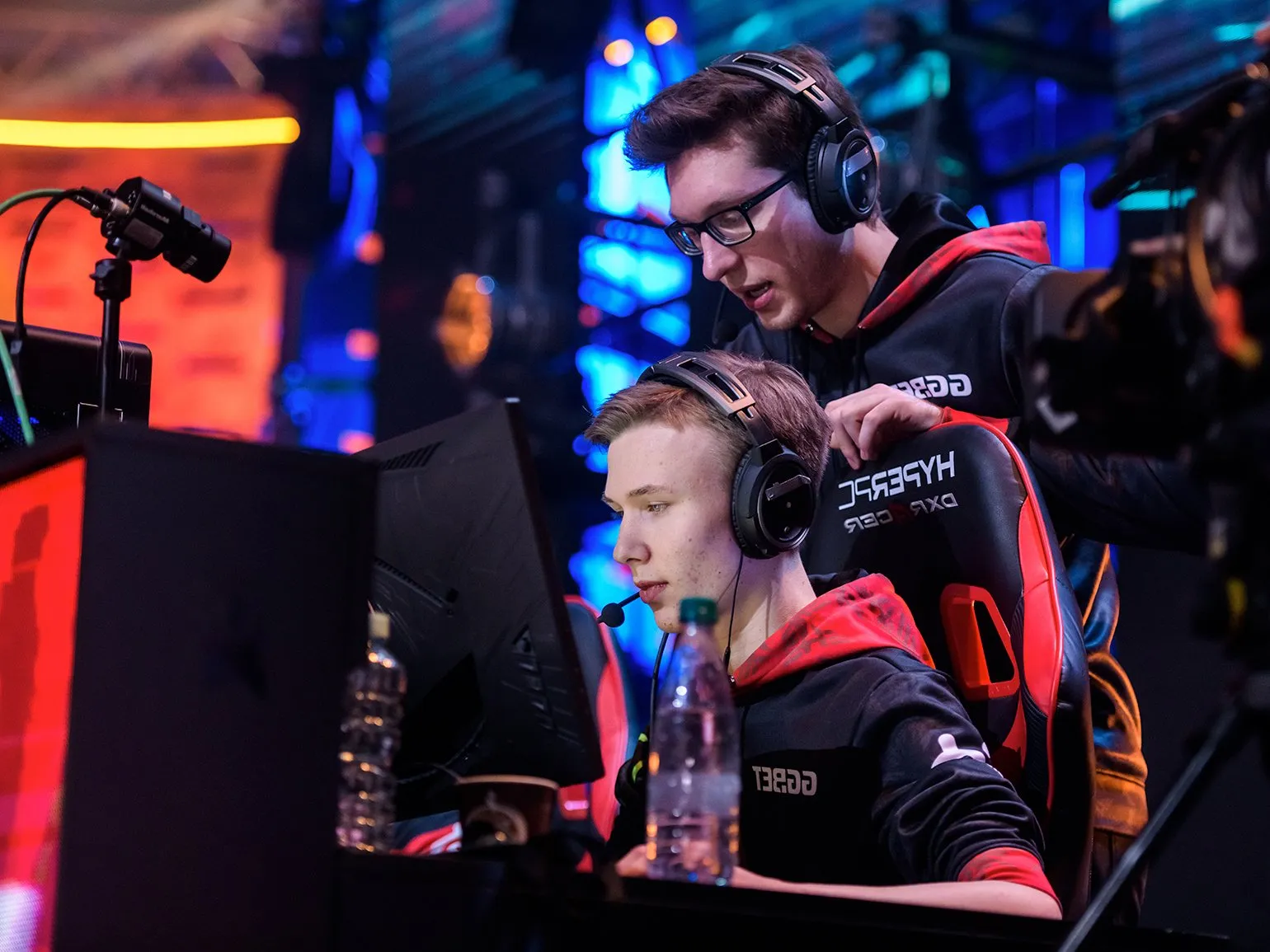
Parents' concerns are understandable, but it's important to avoid extreme measures. It's impossible to overstate how many talented esports players could have achieved success without family conflicts. For example, last year, Danila "OLDIS" Chechnev faced a serious problem when his father turned off his computer during a key match. This incident could have cost the player the opportunity to earn a significant sum and qualify for a prestigious tournament, which ultimately negatively impacted his career. Situations like these highlight the importance of parental support and understanding so that young talents can develop and achieve their goals in the world of esports.
Supporting a son or daughter's hobbies plays a significant role in their emotional development. If a hobby brings joy, new acquaintances, and opportunities in a field of interest to them, this should be encouraged. It's important to explain the need for education in a gentle and accessible manner so that hobbies don't interfere with their studies. While this can be challenging, the right approach can help maintain a balance between fun and educational aspects of life.
Finding compromise is an important aspect of a young esports athlete's life. Support from loved ones plays a crucial role in their development and achievements. Esports requires not only skill and perseverance, but also understanding from family. The opportunity to discuss their successes and difficulties with parents helps a young athlete feel confident and motivated, which has a positive impact on their esports career.
A player won't ask their father about where to place wards or how to effectively push a lane. However, they may be interested in life lessons and skills that can be useful in real life. Consulting on contracts, team interactions, and choosing a club can play a crucial role. Your advice in these areas can be invaluable.
Conclusion
Esports is a modern competition where only the player's talent is the deciding factor. Here, unfair play and biased evaluation of results are virtually eliminated. Anyone with a computer or mobile device with internet access has the opportunity to succeed. This opens new horizons for anyone who wants to demonstrate their skills and participate in exciting tournaments. Esports is becoming accessible and popular, attracting the attention of millions of people around the world.
In Russia, becoming involved in esports is quite simple. You can take your first steps at school or university, where clubs are actively developing and tournaments are held. Many young people are passionate about video games, which contributes to the growth of the esports community. Thanks to this, our teams and players regularly achieve high results and become winners in various popular disciplines. Participation in esports opens new opportunities for career and self-realization, making it attractive to young people.
In esports, the best players can earn millions of dollars. However, even average esports athletes can earn several thousand dollars per month. Success in this field depends on more than just tournament results. There are numerous career opportunities in related fields, such as commentating, coaching, and streaming. These professions can also generate significant income and allow you to develop your skills and interests in the world of esports. Success in esports often comes to young people. The average age of a professional esports player is 22, but it's best to start a career much earlier. At this age, the support of parents, family, and friends is especially important. It's important to recognize that esports has become a serious industry, not just a teenage hobby. Esports requires not only skill and talent, but also persistence, discipline, and strategic thinking. The support of loved ones helps young players overcome difficulties and achieve their goals in this competitive world.
Who are you in the world of game development? A mini-course for those who want to make games.
In this free mini-course, you'll try yourself as a game designer, 2D artist, or Unity game developer and choose the profession that's right for you.
Find out more.