Contents:

Learn: 3D Artist Profession
Learn MoreThe first season of the Fallout series premiered on Amazon Prime Video on April 11. Jonathan Nolan and Lisa Joy, known for their work on Westworld, were in charge of production. Bethesda, which owns the rights to the Fallout universe, closely monitored the adaptation to ensure it was faithful to the spirit of the video games. Todd Howard, the development director of Fallout 3 and Fallout 4, also regularly appeared on set and served as a producer on the project. The series strives to preserve the key elements of the original games, making it interesting for both fans and new viewers.
It was difficult to imagine that the project could be successful under such risks. However, the series lived up to expectations and became a real hit. It offered a captivating story, although there were some minor logical inconsistencies in places. The characters in the series are memorable, and the project itself demonstrates successful examples of adapting video game logic to the screen format. The main achievement of this series is that it strengthened the Fallout brand, bringing more value to it than the last two games in the series.
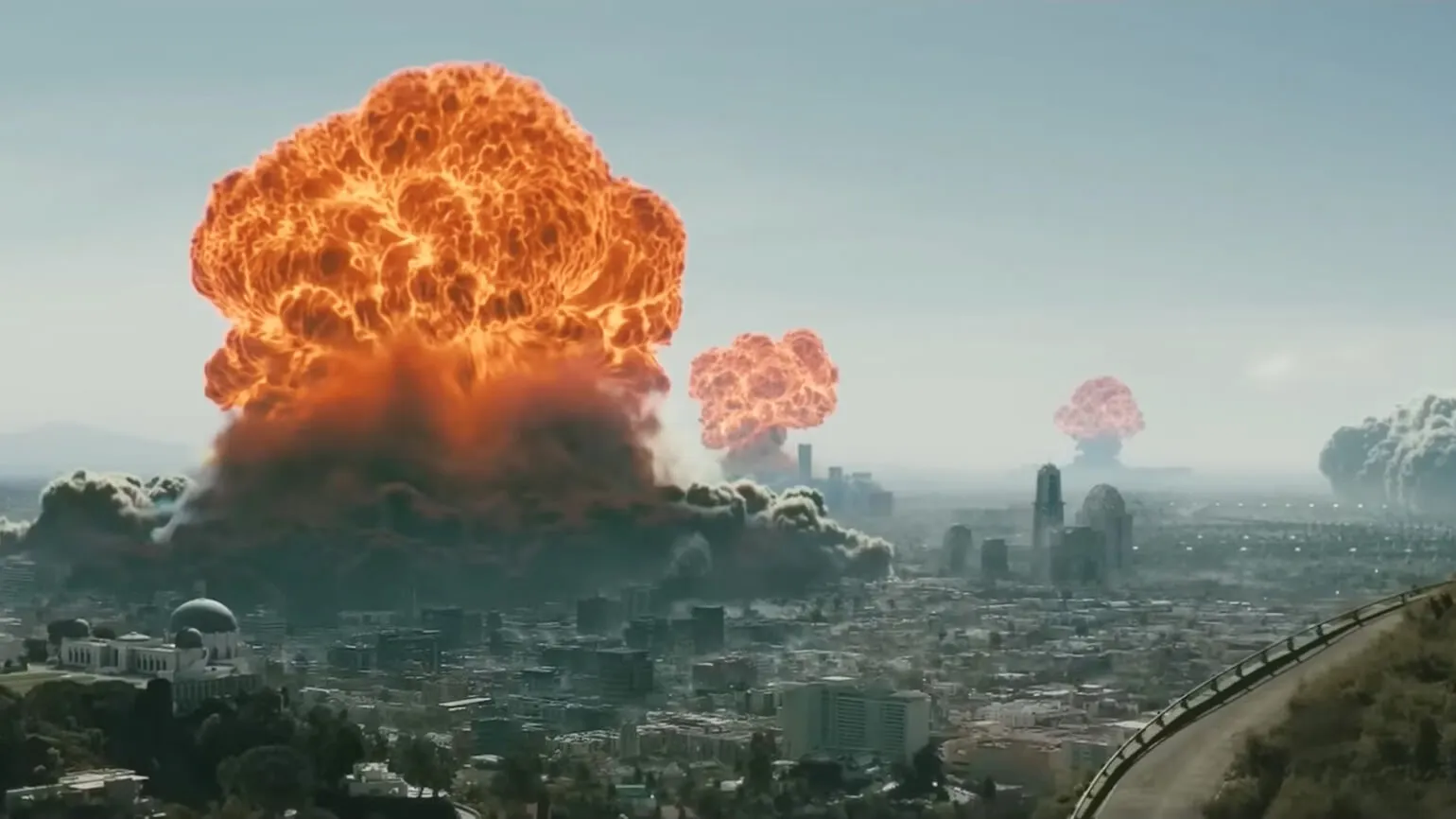
2296, post-apocalyptic America. Two hundred years ago, the country was almost completely destroyed by nuclear strikes - the largest cities were reduced to rubble, and a lifeless wasteland stretched between them. Millions of people died, but thousands managed to survive. Some took refuge from the nuclear ash in underground shelters built in advance by the Vault Tec corporation. Others were less fortunate and faced the apocalypse on the surface. When the dust from the explosions settled, they began to shape a new world - a world that became primeval, cruel, unjust, and extremely dangerous. Survival in such conditions requires courage and resourcefulness, as every decision could be your last.
The series takes place in the ruins of Los Angeles and the surrounding California region. It focuses on three key characters whose destinies intertwine against the backdrop of a post-apocalyptic world.
Lucy MacLean is a resident of Vault 33, located near Santa Monica. Like many characters in the games, she leaves the underground world under pressure. Initially naive and overly kind, Lucy quickly understands the laws of the wasteland. But she doesn't fully accept them and remains true to her principles, trying to help not only people but also other creatures. Her desire to preserve her humanity in a cruel world makes her a unique heroine, capable of inspiring those around her to good deeds.
Lucy discovers the brutal nature of the wasteland through her encounters with Ghoul, a ruthless bounty hunter who was once the famous actor Cooper Howard. After a disaster, he was exposed to intense radiation, which altered his appearance and physical condition, turning him into a mutant with skin necrosis. Despite his horrific mutations, Ghoul possesses high regeneration and the ability to live for several hundred years, making him a dangerous opponent in the merciless wasteland.
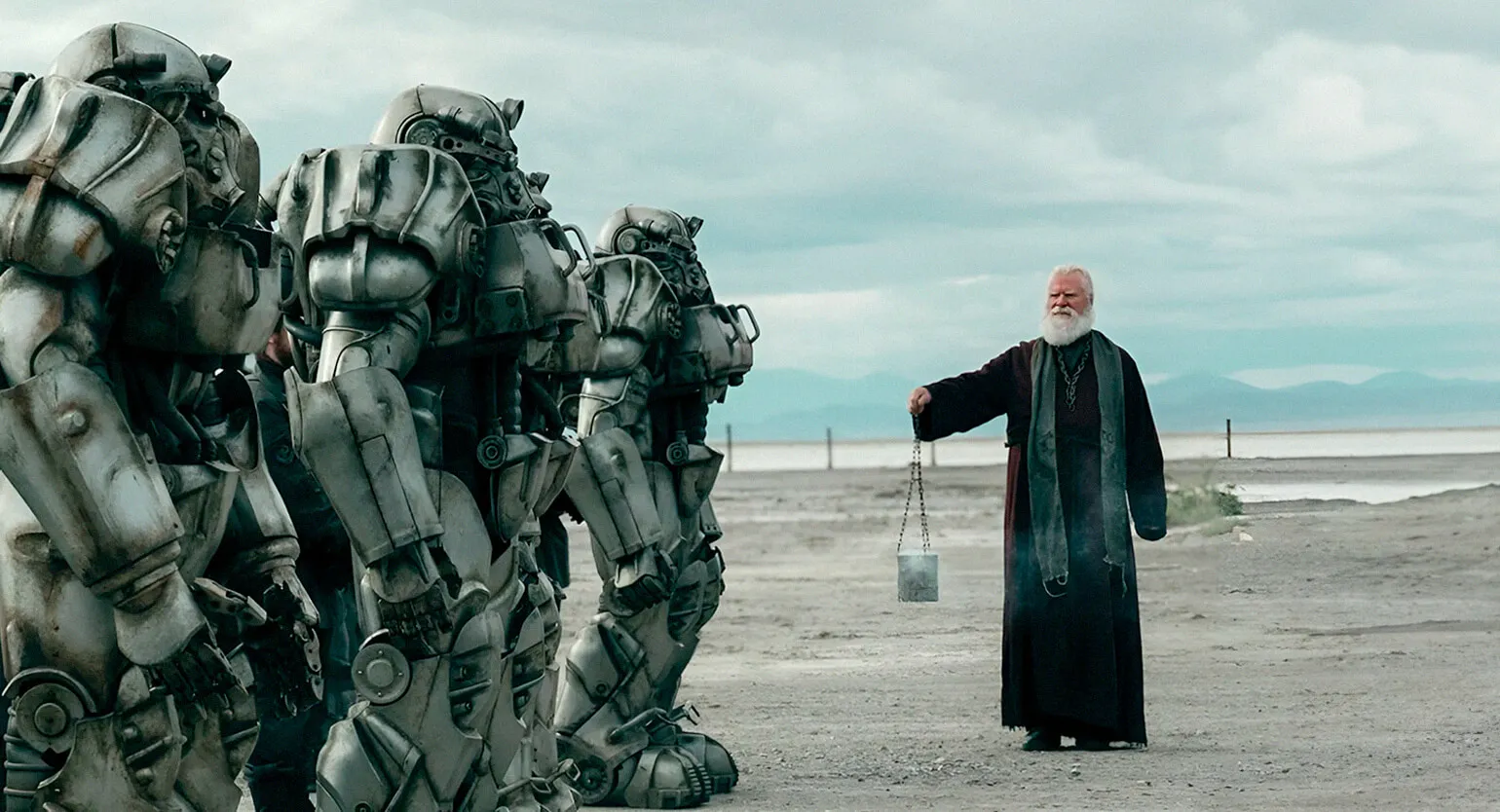
Maximus is an acolyte of the militarized Brotherhood of Steel who strives to help people. His dream is to obtain his own power armor, and he makes every effort to achieve this goal, although not always through honest means. Meeting Lucy changes his perception. He realizes that he can help people even without armor, and this opens new horizons for his aspirations.
Subscribe to our Telegram channel "Checkpoint." This is a space where we share news about games and their development, as well as offer helpful tips for developers. In our channel, you'll find information about significant updates to popular software and the opportunity to discuss all aspects of game development. The comments are open to your ideas and suggestions for new topics. Join us and stay up to date with the latest news in the gaming industry.



The characters of this sprawling story constantly intersect and diverge from each other, participating in the struggle for endless energy, which in turn determines power over the wasteland. The intriguing adventures they experience captivate viewers, thanks in large part to the performances of the key actors. Their performances bring depth and emotional intensity, allowing for a deeper understanding of the characters' motivations and internal conflicts. This struggle not only for resources but also for survival becomes a central motif, making the plot engaging and multilayered. Ella Purnell, familiar to viewers from the series "Hornets," brilliantly portrays Lucy, an optimistic heroine who responds to the most insane situations with the phrase "Okay, dokey." Aaron Moten, known for the series "Slanted," successfully portrays Maximus, who at first seems simple, but as the story unfolds, reveals layers and unexpected traits. However, the real star of "Fallout" is Walton Goggins, who plays Ghoul, a master of witty one-liners and an unscrupulous killer. The series devotes significant attention to the pre-war period, with Goggins portraying Cooper Howard, a caring father and celebrity. This completely different image, which contrasts with Ghoul's disfigured face, is conveyed with equal skill by Goggins. Each of these characters fits perfectly into both the script and the gameplay mechanics. Lucy, despite carrying a gun, rarely resorts to using it. She navigates difficult situations with her wits and attention to detail, and in critical moments, she relies on luck. Maximus prefers to solve problems through force, demonstrating his physical prowess in every encounter. Ghoul, meanwhile, is a master marksman, unmatched in combat situations, making him a valuable ally in any firefight. These characters create a unique dynamic in the game, combining different approaches to combat and survival.
Each of these characters can be imagined as a Fallout hero, initially tasked with distributing points across the S.P.E.C.I.A.L. role-playing system. However, there's no need to imagine this, as Bethesda has already included all three in Fallout Shelter, where you can view their stats. This data is exactly as you would expect, showcasing each character's unique abilities and traits within the context of the game.

The series perfectly captures the game mechanics and situations familiar to Fallout fans. The first scene after the prologue is Lucy's interview in the Vault, where she details her strengths and weaknesses, mentioning key characteristics of the S.P.E.C.I.A.L. system. This is nothing less than the character creation process, which is so important to game fans. Through such details, the series immerses viewers deeper into the world of Fallout, showing how gameplay elements integrate into the plot and develop characters.
There's more to come. The heroes make extensive use of the Pip-Boy and Stimpaks for instant health restoration. In firefights, Ghoul often utilizes the "Bloodbath" perk, resulting in brutal deaths of his enemies. At the game's finale, Lucy faces a difficult choice that determines the ending. Unfortunately, players cannot replay this moment and see an alternative outcome.
The series creators carefully honored the Fallout gaming legacy, integrating iconic scenes and leaving numerous references seamlessly woven into the plot. The appearance of a Vault Boy figurine, a Red Rocket gas station, a Ranger helmet from Fallout: New Vegas, and the New California Republic flag on screen confirms that the series' core audience is, first and foremost, fans of the game series. These elements not only create a familiar atmosphere but also deepen the connection between the series and the games, making the project appealing to dedicated fans.
One of the key problems with the Fallout series is its lack of ability to attract new audiences unfamiliar with the games. Unlike the successful film adaptation of The Last of Us, this show requires viewers to have a basic knowledge of the Fallout universe to understand the events unfolding in the wasteland and the reasons behind them. The main characters, while interesting, are not connected to the specifics of the game lore, which can make the story difficult to understand. However, supporting characters, such as the executives of pre-war corporations like Vault-Tec, the New California Republic, members of the Brotherhood of Steel, and the scientists of the Enclave, require a deeper understanding of the lore. Their actions and motivations only become clear after extensive contextualization, creating additional challenges for viewers unfamiliar with the games. This reduces the overall appeal of the show and limits its audience.
The writing does contain a small but noticeable problem—the illogical behavior of some characters. However, these quirks are not so obvious, and without delving into the details of events, the overall plot seems logical. Interest in the development of events is maintained throughout the story, which makes it captivating until the very end.
Spoilers are information about key plot points in a book, film, or TV series that may reveal important events or endings. Using spoilers can significantly affect audience perception, as knowing details in advance can reduce interest in the work. To protect the plot and maintain intrigue, it is recommended to avoid discussing spoilers in public places, especially regarding new releases. If you do want to discuss plot twists, it is worth warning others about the presence of spoilers in advance. However, for some viewers and readers, discussing spoilers can be interesting and even useful, as it can deepen understanding of the plot and characters. It is important to remember that everyone has the right to their own perception of a work, and respecting this right will help avoid conflicts.
In this context, a number of questions can be raised regarding the actions of secondary characters. These questions raise interesting aspects of the plot and reveal the depth of characters, adding new facets to the overall perception of the work. By analyzing the actions of secondary characters, we can better understand their motivations and influence on the main plot line. This contributes to a deeper study of the work and allows the reader to see it from different perspectives.
Moldaver blew up the passage from Vault 33 to Vault 32, despite the absence of a threat of pursuit. This action can be explained by several reasons. First, the destruction of the passage could have been a strategic move to prevent possible future attacks. The inhabitants of Vault 33, having suffered from the raiders, could not actively pursue her, but such security measures could protect against possible threats from other groups. Secondly, such an action could have been motivated by Moldaver's desire to finally sever ties with Vault 33, ensuring safety and independence for herself and her followers. In any case, the explosion of the passage was a significant event, highlighting the gravity of the situation and the need to protect one's interests in the post-apocalyptic world.
Why did she give Hank MacLean such a difficult choice—saving his daughter or ensuring the safety of the survivors of Vault 33? Ultimately, the raiders did not harm Lucy or the other residents. This decision raises questions about motives and consequences, as the lives of all these people were at stake, and Hank's choice could have played a decisive role in the fate of the Vault.
Moldaver does appear to have been spending time at the observatory, waiting for someone to bring her the scientist's head. However, given her knowledge of a likely Brotherhood of Steel attack, the question arises: why didn't she take more serious precautions? Preparing for potential threats could have made a significant difference in the outcome of events.
A senior cleric of the Brotherhood of Steel, who just moments ago intended to execute Maximus, unexpectedly offered him joint rule of the wasteland. This turn of events raises many questions about the cleric's motives and what exactly changed in his perception of Maximus. Perhaps he realized that joint rule with a strong and decisive leader like Maximus could ensure stability and order in the wasteland. Amid the chaos and destruction that reigns in this world, joining forces may be the only way to survive and rebuild. The senior cleric could see Maximus not only as a threat, but also as a potential ally capable of aiding the Brotherhood of Steel in their quest to control and restore civilization.
Despite the aforementioned shortcomings, Fallout remains a high-quality series that has generated significant interest and a long-lasting media presence for the brand. This achievement sets Fallout apart from the last two games in the series, which failed to achieve similar success.
Fallout 76 was initially met with criticism, but loyal fans continue to support the game, awaiting updates and additions that have made it a fairly interesting post-apocalyptic MMO. Fallout Shelter, despite its shortcomings, remains a decent mobile strategy game, but did not make a significant contribution to the development of the franchise. Interestingly, the last major game in the series, Fallout 4, was released almost ten years ago, and fans are still waiting for new announcements and releases in their beloved universe.
Today, discussion of the Fallout series has become more active than at any time in recent years. Fans are debating the canonicity of Fallout: New Vegas heatedly, citing subtle details from the new series. The developers have been forced to intervene to clarify the validity of these arguments. The series is once again ranking high on Steam. Todd Howard faces constant questions about Fallout 5, even though development on that game won't begin until after The Elder Scrolls 6 is completed. Interest in Fallout 76 has also increased: numerous YouTube videos have appeared in which players discuss whether it's worth playing in 2024, and the answer is clear: it's perfectly acceptable.
The Fallout series doesn't just use the familiar post-apocalyptic universe; it actively expands upon it. This new show marks the first significant project in the franchise since Fallout: New Vegas, introducing changes to familiar elements of the series. The Brotherhood of Steel in the series is significantly different from their portrayal in the games, more closely resembling a group of fanatics. The New California Republic is also undergoing significant changes. The season one finale raises questions about humanity's future, focusing not only on survival in the wasteland but also on the possible restoration of pre-war life. The Fallout series marks a significant milestone in the universe's development, opening new horizons for future stories and franchise directions. We anticipate a new project exploring life in the wasteland, whether it's Fallout 5 or the second season of the popular series. This world, filled with adventure and complexity, continues to captivate fans, and we look forward to new stories and explorations in this unique setting.
3D Artist Profession
During the course, you will learn Autodesk Maya, Blender, Houdini, Substance Painter and Photoshop from scratch to professional level. Learn 3D modeling and add more than 20 practical works to your portfolio to become a sought-after 3D artist. In a year, you will master a profession in demand in the film and gaming industries. Pictured: work by course participant Dmitry Danilov.
Find out more