
Contents:

Learn: The Game Designer Profession from Scratch to PRO
Learn MoreFar Cry is one of Ubisoft's leading franchises, successfully developing and improving for over twelve years. All games in the series share common features: they are open-world shooters that immerse players in conflicts in remote locations. At first glance, it may seem that each new Far Cry installment is created according to a single "Ubisoft formula." However, each game stands out not only for its visual style, but also for deeper aspects of gameplay, mechanics, and storylines. Each installment offers unique scenarios and worlds, making the series attractive to fans and new players alike.
Skillbox Media has completed a walkthrough of the latest installment in the popular game series, Far Cry 6. In this article, we analyze how the developers implemented the key principles of Ubisoft game design, which elements of the game attract players, and which, on the contrary, may turn them off. We will also look at potential changes that could improve the franchise going forward.
- What is the Ubisoft formula?
- Open world - the state as a playground
- Gameplay mechanics - the player is at the center of everything
- Narrative and story - losing the connection
- How can the series be developed further?
- Conclusion
What is the Ubisoft formula?
Founded in 1986, Ubisoft was originally called Ubi Soft Entertainment SA. The corporation emerged from Guillemot Informatique, a company that distributed computer hardware and software in France in the early 1980s. Today, Ubisoft is one of the leading players in the gaming industry, having developed many popular games. The brand operates dozens of studios, and the total number of employees exceeds 19 thousand people. Ubisoft continues to develop actively, introducing innovative technologies and creating a unique gaming experience for millions of users around the world.

Publisher Ubisoft is known for its iconic series such as Prince of Persia and Assassin’s Creed, as well as numerous Tom Clancy's sub-series and other successful projects. However, over the past fifteen years, there has been a perception that Ubisoft's internal studios adhere to a formulaic approach to development, which has led to the coining of the term "Ubisoft formula." This approach allows the company to regularly release new games, but at the same time creates the impression that gameplay mechanics and creative ideas migrate between different series. As a result, when getting acquainted with different Ubisoft games, a sense of déjà vu can arise, which calls into question the diversity and innovation of their projects.
The Ubisoft formula is a convenient concept that serves more as a thought experiment than a strict guide to action. Despite certain similarities in the studio's major releases, the company's employees constantly strive for creative innovation and original ideas. This emphasizes their desire to evolve and experiment, which allows them to create unique game projects.
Ubisoft offers a variety of games, including the stylish side-scroller Scott Pilgrim vs. The World: The Game, the experimental thriller Transference, and the humorous RPG series based on South Park. These are just a few examples from the company's extensive portfolio. They also include the space-themed VR game AGOS: A Game of Space, the interactive programming tutorial Rabbids Coding, and the cubic multiplayer shooter Atomega. Therefore, accusing Ubisoft of a lack of diversity in its game content is misplaced, as they continue to create unique and innovative projects that appeal to a variety of player interests.
Ubisoft's flagship games, which it focuses on in its advertising, can be seen as an example of a standardized approach to creating gameplay. This approach originated with the first Assassin's Creed in 2007 and took on a more familiar form with the release of Far Cry 2 and Assassin's Creed 2. The latter of these games proved particularly successful. The popularity of the Assassin's Creed series played a key role in the formation of the so-called "Ubisoft formula," which became the basis for many subsequent projects. However, the origins of this formula can be traced even further: key mechanics and elements that would later become characteristic of the studio's games were already present in titles like Naruto: Rise of a Ninja and Driver: Parallel Lines, which were released before the debut of the Assassin's Creed saga.
The "Ubisoft Formula" is a collective term for the key elements present in all of the studio's main games. These elements significantly influence the overall player experience. The success of Ubisoft's approach has been so significant that other developers have begun to actively adopt it over the past decade. Assassin's Creed's influence is visible in projects like Mad Max, Middle-earth: Shadow of Mordor, and Batman: Arkham Asylum, highlighting the versatility and appeal of this formula for creating engaging games.

The Ubisoft formula encompasses key aspects that determine the company's success in the gaming industry. Key elements of the formula include the creation of unique and memorable game worlds, nuanced characters, and a compelling story. Also crucial is the implementation of innovative technologies and mechanics that make gameplay more engaging and engaging. Ubisoft actively utilizes data analytics to better understand player preferences and tailor its projects to their expectations. Additionally, the company emphasizes community engagement, which plays a vital role in game development and feedback. These elements together create a successful formula that contributes to the continued growth and popularity of the Ubisoft brand in the world of video games.
- the game has an open world;
- the game includes a variety of secondary activities, and in quantitative terms they significantly prevail over story quests;
- the game somehow encourages the completion of secondary quests, sometimes without them it is impossible to progress through the story;
- the game has a character progression system based on RPG elements;
- the game has random events designed to diversify the passage;
- the game world immerses the player in a setting or situation in which realistic moments are combined with fiction;
- the game has several colorful characters who lead the player on quests;
- the game is focused on a service support model.
The first part of Assassin's Creed can be seen many elements that became the basis for subsequent games in the series, although in this version they presented in a rougher, more unpolished form. The exception is the service model, which Ubisoft adopted after the successful release of The Division and Rainbow Six: Siege. The company is actively adapting this model for all of its major projects. Ubisoft CEO Yves Guillemot emphasizes that the launch of The Division was an important stage in the development of internal studios, influencing their approach to creating games. With each new release, Ubisoft strives to improve the quality of content and interaction with players, which contributes to the sustainable success and growth of the franchise.
At Ubisoft, there is a belief that there are two periods: "before The Division" and "after The Division". This game became an important benchmark for our further development.
Yves Guillemot is the CEO of Ubisoft, one of the leading video game developers and publishers in the world. Under his leadership, the company has achieved significant success, releasing such renowned franchises as Assassin's Creed, Far Cry, and Just Dance. Yves Guillemot actively promotes innovation in the gaming industry, strengthening Ubisoft's position in the global market. His strategic approach and attention to content quality contribute to the creation of unique gaming experiences for millions of players worldwide. Nearly all of Ubisoft's well-known projects can be associated with a certain "formula." These games include not only Assassin's Creed and Far Cry, but also Watch Dogs, The Division, The Crew, the latest installments of Tom Clancy's Ghost Recon, Immortals Fenyx Rising, and Steep. Ubisoft strives to introduce new releases in one of its key series every year, which often leads players and critics to note the repetition of certain elements in the games. This trend raises questions about creativity and innovation in development, which could impact brand perception in the long term.

Ubisoft developers have significant freedom in the creation of their games, which allows each of them to have unique elements. For example, Assassin's Creed 3 introduced naval combat mechanics, and Watch Dogs: Legion offers players the ability to recruit any NPC as a playable character. Furthermore, The Crew 2 features animal photography, and Immortals Fenyx Rising features a pinball machine. Assassin's Creed: Unity stands out with its co-op mode, adding a new dimension to the gameplay. These innovations highlight Ubisoft's diversity and creativity in game development. All of these innovations fit seamlessly into Ubisoft's open worlds, which are based on similar principles. Far Cry 6 is no exception. It's a traditional Ubisoft game that's unlikely to change your perception of the company's development methods. However, many aspects of the game feel well-crafted and improved, especially compared to previous installments in the series.
Significant changes are expected with the release of the next Far Cry, as the new game will be developed with the PC, PS5, and Xbox Series X/S platforms in mind. This creates an excellent opportunity to analyze how the Ubisoft formula works in the context of Far Cry 6. It is important to understand which elements of the game mechanics, storyline, and graphics can be improved in the future, taking into account modern technology and player demands.
Open World — a State as a Playground
Far Cry 6 is set on the fictional island of Yara, inspired by Cuba. The main antagonist is Anton Castillo, played and voiced by Giancarlo Esposito, known for such series as Breaking Bad and Better Call Saul. Anton has established a brutal military dictatorship, controlling every aspect of Yaranian life and promising the country's rebirth. In addition, Anton is raising his 13-year-old son, Diego, played by Anthony González, best known for voicing Miguel in the animated film "Coco." In the image of his son, the dictator sees hope and a future for Yara, which adds complexity to their relationship and heightens the tension in the game's plot.
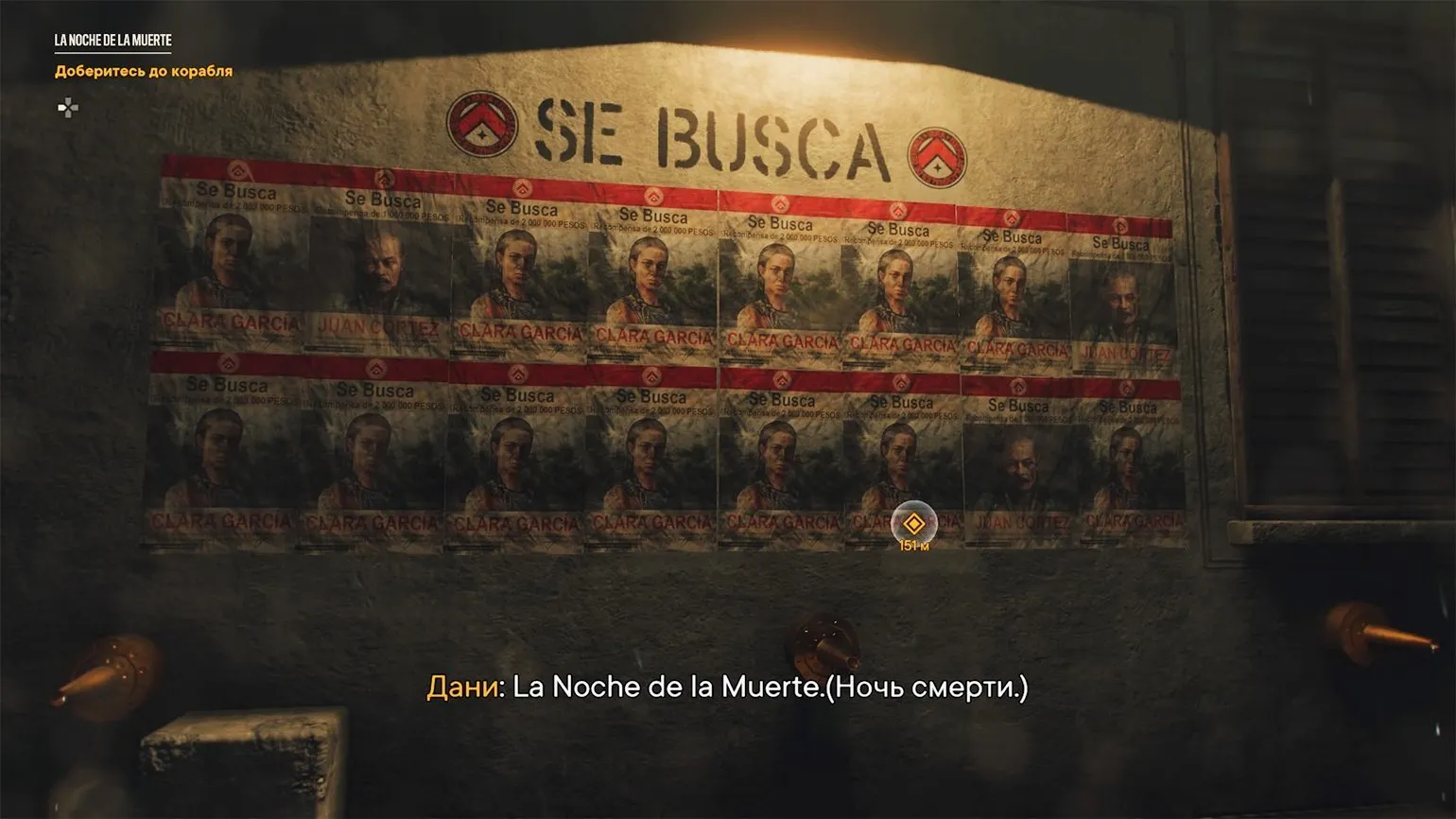
The main character of the game is Dani Rojas, a resident of Yara. At the beginning of the game, the player can choose the character's gender, but there is no editor reminiscent of Far Cry 5. Dani is not just a random character, but a full-fledged citizen of Yara who has experienced firsthand the horrors of Anton Castillo's dictatorship. His hatred for the dictator is rooted in personal tragedies: it was Castillo who interrupted Dani's escape, killed his friends, and nearly took his own life. As a result, Dani joins the rebels of the Libertad group, seeking to leave Yara. Gradually, he begins to understand the importance of the revolution and becomes an active participant in the fight for his country's freedom.
Ubisoft calls Yara "the largest Far Cry playground yet." This statement highlights two key aspects. First, the map of Far Cry 6 is truly enormous. While its size doesn't compare to Assassin's Creed: Odyssey or Assassin's Creed: Valhalla, it's still impressive. In the context of the Far Cry series' measured gameplay and first-person perspective, the world feels practically limitless. Second, Far Cry 6 offers players an entertaining experience focused on fun and freedom of action rather than serious themes.
Yara is divided into three main regions: El Este, Valle de Oro, and Madrugada. The capital is Esperanza, adjacent to the island of Isla del Leon. The game also highlights the rebel headquarters on the Castelo archipelago and the small island of Santuario. Distances within a region are measured in kilometers, and if you decide to walk the entire map diagonally, it could take about half an hour in real time, and possibly more if you don't choose the optimal route. Ubisoft brings elements of megalomania to Far Cry 6, but the developers carefully guide players to explore the vast expanses of Yara, creating an engaging gameplay experience.
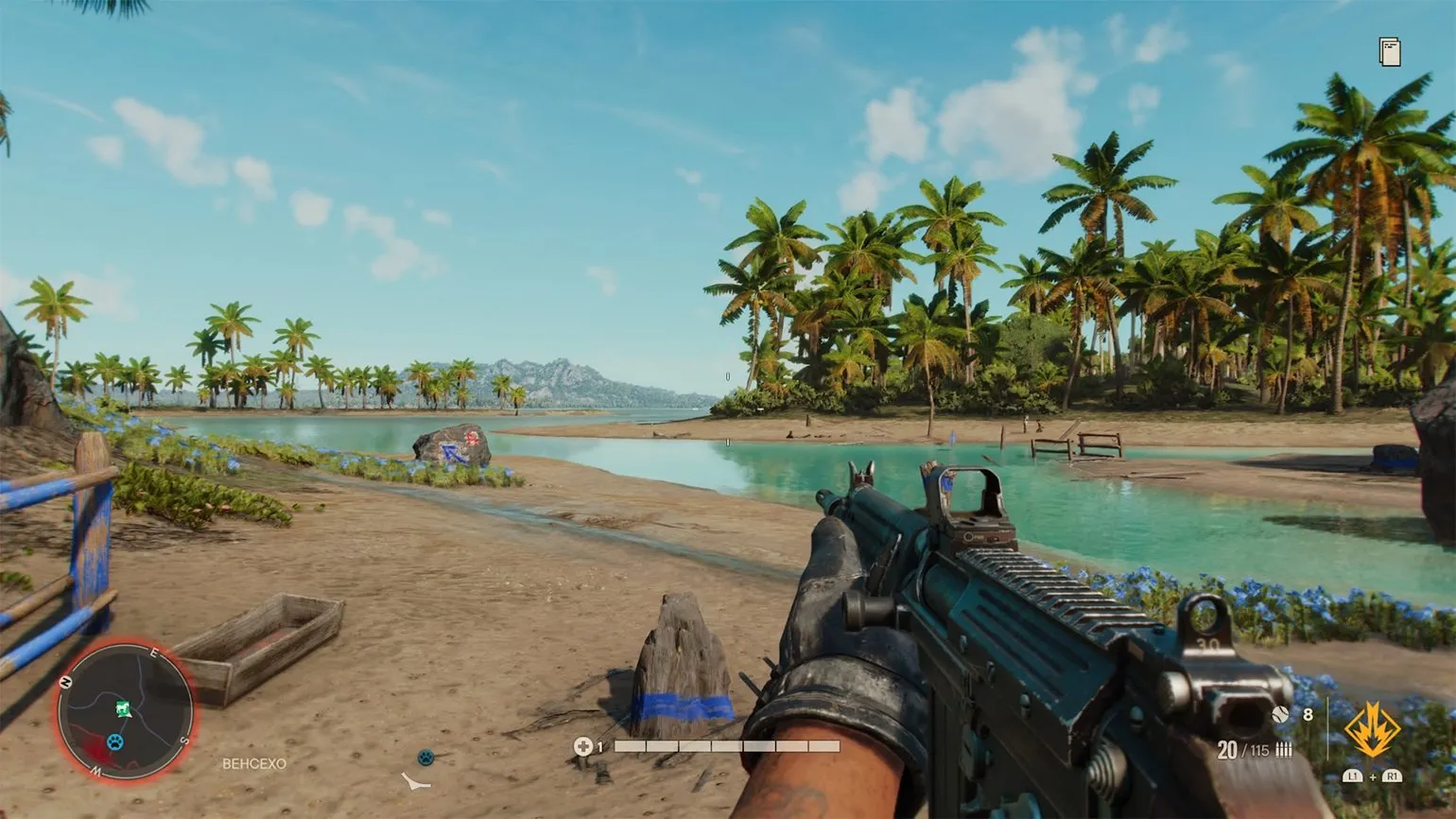
The game begins with a prologue in Esperanza, which serves to familiarize players with the basic controls and the overall pace of gameplay. At this point, the player will be unable to shoot, and all movement will be limited to linear corridors and streets. However, after many hours of play, you will return to these locations again, but with a new experience and complete freedom of action. Ubisoft intentionally creates this starting point so that players can understand the game's basic mechanics and structure. After the prologue, Dani finds himself on Santuario, where he will spend between 5 and 10 hours playing. This location functions according to Ubisoft's open-world principles, albeit in a more compact format. However, even this compactness is relatively relative, as the island's area is quite capable of accommodating the entire Far Cry 3: Blood Dragon map. Important gameplay elements include two main constraints that the player will constantly encounter: checkpoints and anti-aircraft guns. These elements add complexity and require a strategic approach to exploring the world, making the game more engaging and intense.
Checkpoints are located on Yara's main roads and are always equipped with spike strips that stop any vehicles. Anti-aircraft guns fire at any aircraft within a given radius, so exploring the world by plane or helicopter will be impossible until they are neutralized. While encountering the checkpoints and anti-aircraft guns is optional, eliminating them will make your adventures in Yara significantly easier.

Ubisoft strives to simplify the gameplay, which is especially noticeable in the design of two key elements. Players can easily bypass or bypass checkpoints thanks to the map's scale. Anti-aircraft guns are no less challenging: by staying low, players can avoid their fire. Fire zones are designed to allow players to find safe routes to specific locations. Thus, players can choose to avoid capturing checkpoints and destroying anti-aircraft guns, adding flexibility to the gameplay. The developers don't penalize such actions, with the exception of a few moments in story missions.
Santuario offers players several military bases and interesting locations, including one major city and numerous loot caches, enough for a satisfying gameplay experience. During the first hours of the game, the main goal is to prepare for open-world exploration and master the mechanics without overwhelming newcomers. The island is surrounded by ships blockading the main port, and attempting to leave will result in an encounter with sharks. While this limitation may seem excessive to seasoned fans of the series, it serves an important purpose for new players, allowing them to gradually adapt to the scope of Far Cry 6 and enjoy the gameplay.
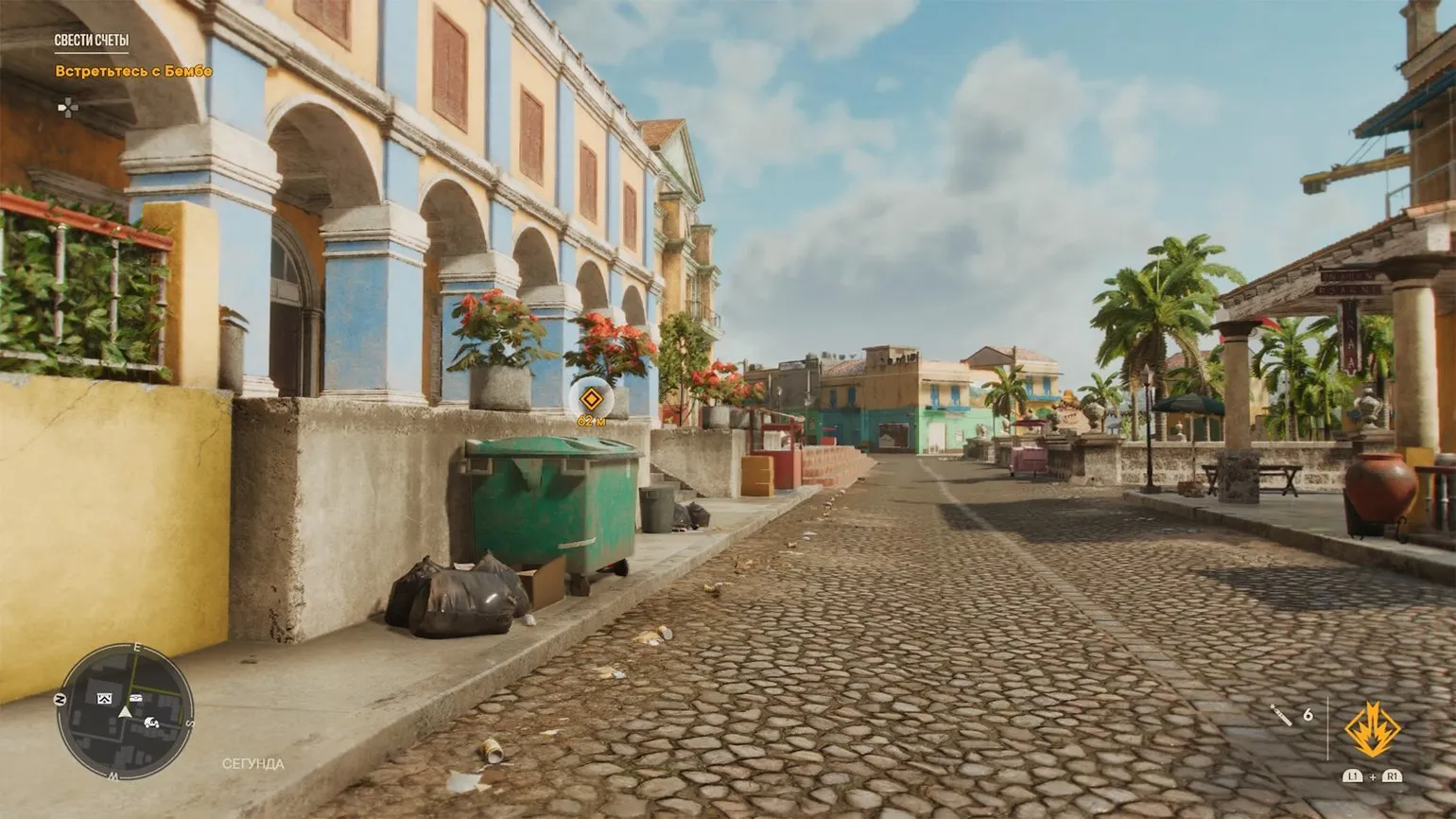
After completing the main missions in Santuario The full game begins. Each of the key regions is freely explorable, without any restrictions from the developers. Players can leave the current zone even before the final mission and pursue other activities. However, this freedom can negatively impact the integrity and authenticity of the story. Despite the efforts of the writers and game designers to ensure that the storylines remain logical and complete, this freedom of action sometimes leads to breaks in the narrative. Yara was designed with an emphasis on player agency rather than a linear narrative. In Far Cry 6, immersion takes a backseat, allowing players to enjoy complete control over their gameplay. The game avoids unnecessary conventions, such as closed areas or missions that distract from the main story, as is the case in Guarma from Red Dead Redemption 2. Here, you can explore the world, make decisions, and perform actions at your own pace, making the gaming experience richer and more varied. Yara offers players a unique experience, focusing not on plot development but on creating an endless cycle of engaging activities. Players can immerse themselves in a variety of quests and missions, forgetting about the storyline for hours. The map structure and location of objects contribute to this, allowing for exploration, filling it with adventures and challenges that stimulate interest and engagement. Thus, Yara becomes a space where everyone will find something for themselves, enjoying the game at their own pace.

Let's take a closer look at the small section of the map shown in the screenshot above. Restricted areas where military facilities and useful items are located are marked in red. Almost ten such zones can be found in this relatively small area of the map. Considering that part of the map remains closed, the number is likely significantly higher. All these zones are located along the main road, which allows you to either quickly explore them in one go, or notice them repeatedly while driving past.

An example is a situation when various points of interest are located evenly both relative to the cursor in the center and from each other. If you explore one of them, there are always several more areas or side activities to explore nearby. As you move on to the most exciting location, you'll encounter a similar situation again: caches, enemy bases, and other interesting tasks will be nearby. This makes exploring the game world a fun and varied experience, allowing you to constantly find something new and interesting.
Story missions that direct Dani to different corners of the map serve as introductions to a variety of additional activities. If you draw a line from one edge of the Yara map to the other, there are likely at least ten points of interest along the way. The player decides whether to pursue these missions or ignore them. This creates opportunities for exploration and gameplay variety, making each session unique.
Ubisoft applies a level of design and artistic approach to creating locations in Far Cry 6, making the process of clearing Yara as engaging as possible. Each location is filled with interesting objects, and the structure of individual areas is reminiscent of elements found in immersive sim games. Each base offers multiple access routes, as well as hidden caches and notes pointing to the location of additional rewards. While exploring the surrounding area, players can find a number of amusing statues that, while not required for completion, greatly enrich the gameplay and add elements of fun to exploring the game world.
Yara is perceived as a single whole, despite Internal division into regions. This feeling is enhanced by Dani's freedom of movement. Travel between different regions is unhindered by outposts and other barriers, which facilitates exploration of the game world. This allows players to freely explore a variety of locations, making gameplay more engaging and dynamic.
Regions are visually distinct, giving them a unique feel. El Este is renowned for its mountainous terrain and dramatic coastline, Valle de Oro impresses with its dense jungle, and the steppe terrain of Madrugada is ideal for plantation agriculture. Ubisoft deserves credit for creating regions with distinct, immediately noticeable features within a single tropical climate. This diversity makes the game world more vibrant and engaging, allowing players to immerse themselves in the atmosphere of each region.
Procedural generation has been a boon for developers in situations like these for several years now. The technologies used at Ubisoft allow designers to create new natural biomes in games virtually independently. The studio's technical artist, Etienne Carrier, discussed this in more detail at GDC 2018. Procedural generation not only speeds up the development process but also significantly expands the possibilities for creating unique game worlds.
The downside of the open world in Far Cry 6 is its static nature. Outside of gameplay mechanics and storylines, nothing significant happens in the game's world. Although the protagonist, Dani, occasionally encounters random conflicts between the rebels and Castillo's army, these moments are primarily designed to support the game's mechanics. After such battles, the player gets the opportunity to learn new information about military installations or recruit new members to Libertad. A prime example of this static nature is the game's first island. Returning to it before the final mission reveals that nothing has changed in its surroundings since the game began.
Yara in Far Cry 6 is a vast and detailed game world, reminiscent of Just Cause in its structure. Within this world, events revolve solely around the player's actions, and beyond its borders, the state seems to grind to a halt. This approach has its advantages, as it places the player at the center of everything that happens and focuses on their interests. However, it's worth noting that recent Assassin's Creed titles featured a more dynamic world that continues to exist outside the context of the protagonists' adventures. Far Cry 6, in turn, does not utilize these elements, making the gameplay more focused on the player's personal achievements.
Gameplay mechanics - not RPG, but shooter
In recent games, Ubisoft has been actively introducing role-playing game elements, which has led to a significant increase in RPG components in the Assassin's Creed series. The gameplay mechanics of Far Cry: New Dawn also indicated the company's desire to significantly transform this franchise. However, in the end, Far Cry 6 returned to traditions that departed from RPG canons.

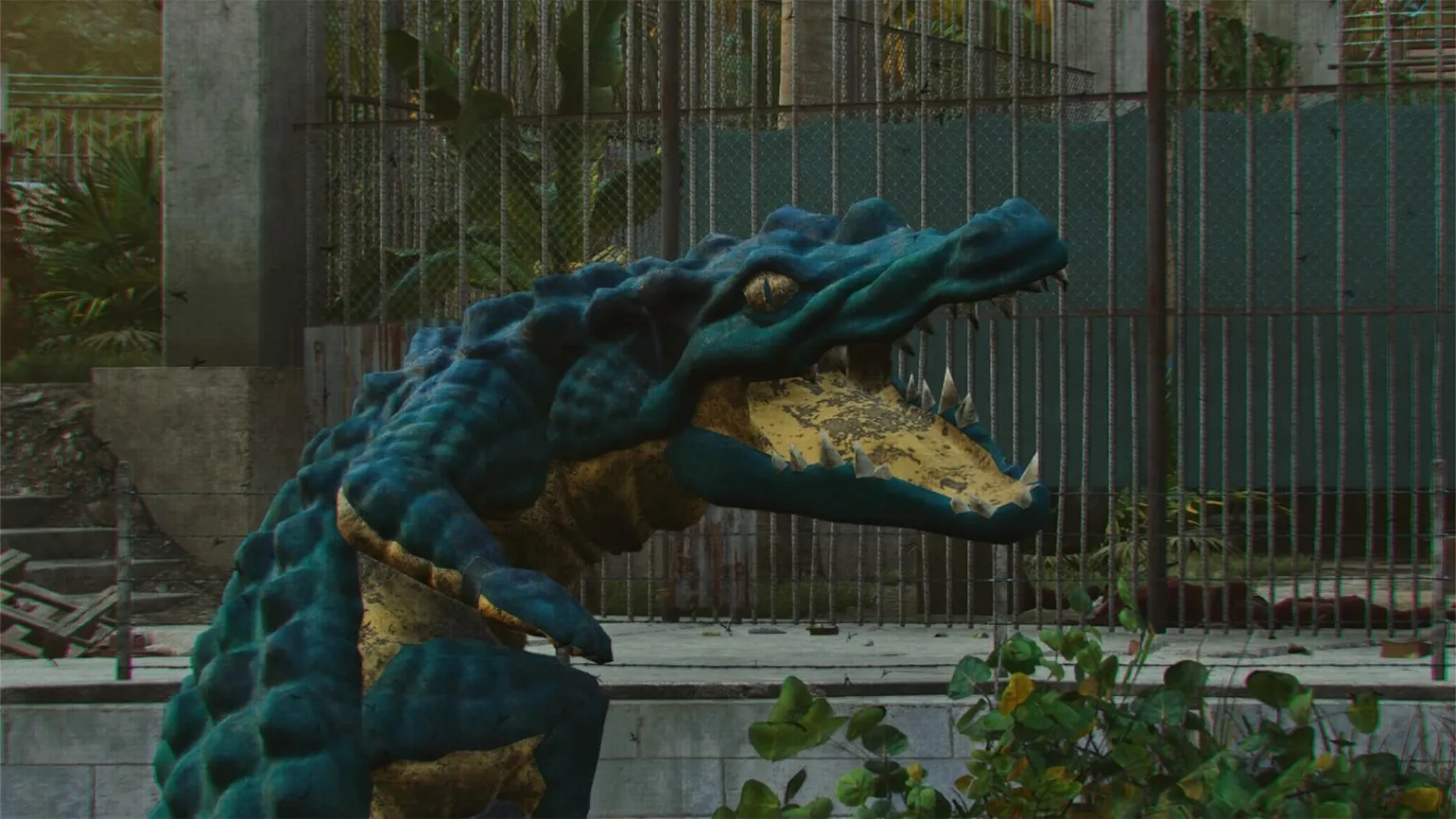
The game does not have a skill tree system, which was first introduced in Far Cry 3. Each region has its own rank, and the main character Dani can level up, reaching a maximum of twenty, with the possibility of further increases. However, this has little real impact on gameplay. While enemies significantly higher in rank than you have increased health, this is largely a formality, reflecting current trends. Even so, a successful headshot or hit to a vulnerable point can still be fatal. Thus, despite the presence of a ranking mechanic, the key aspects of gameplay remain unchanged and depend on the player's skill. Far Cry 6 is a shooter that successfully continues the series' traditions. A variety of weapons are available in the game, each with its own unique characteristics and shooting style. Shooting in Far Cry 6 provides players with an engaging and exciting experience, which is one of the key features of the franchise. The new game offers an impressive variety of approaches to shooter gameplay. In addition to the traditional shoot-em-up style, players can choose a stealthy approach to clearing locations. The game also allows players to call on other rebels for assistance, including the option for co-op play with real players. Special missions are available for online players, adding an extra layer of interaction. In addition, animals such as crocodiles and fighting roosters can fight alongside the main character Dani, which gives the game a unique flavor and variety in combat strategies.

Far Cry 6 places a strong emphasis on gear. Weapons are categorized by quality, indicated by stars, and unique pieces with distinctive designs and special characteristics are scattered throughout the game world. Dani's gear offers more interesting possibilities: each piece of clothing provides unique bonuses. This allows players to experiment with different builds, for example, maximizing defense against enemy fire or creating a character who is stealthy. Using a variety of gear not only improves gameplay but also adds a strategic element to the gameplay.
Weapons can be upgraded at the workbench, allowing you to tailor them to your preferences in both design and performance. Paying attention to ammo types is important, as different types of ammunition are better suited for specific enemy classes. However, the modding mechanics lose their significance when it comes to instant kills with headshots.
Far Cry 6 doesn't require a deep dive into the details of upgrades or active search for new loot, as it's not the most difficult game. Ubisoft games are traditionally aimed at a general audience, and Far Cry 6 is no exception. The game offers only two difficulty settings: "Standard" and "Easy." The first presents no particular challenge, except for rare moments, while the second difficulty level allows players to complete the game without encountering any significant resistance. So, fans of complex games may not find the challenge they need in Far Cry 6.

The approach to creating games in the Far Cry series has deeper roots than just the desire to attract more players. Each Far Cry game offers a unique take on the story of brave heroes facing difficult situations, making the series a modern fairy tale. Far Cry 3 centers on the theme of internal transformation, where the hero becomes a predator in a world filled with prey. Increasing the gameplay difficulty could have created narrative dissonance and disrupted the harmony between the story and the gameplay mechanics. Far Cry 6 follows the brave rebel Dani as he fights for a better future for his country and its citizens. Confronted by the faceless armies of dictator Castillo, the hero's ability to overcome all obstacles becomes a key element of the plot. The game's ease of progression seamlessly integrates with the narrative accents, making the story more engaging and profound. Dani's every step is filled with significance, emphasizing his fight for freedom and justice. Far Cry 6 draws attention not so much with its difficult challenges as with the variety of its objectives. Each stash in the game is presented in a unique style, and some feature special mechanics for reaching them. In rebel camps, players can take part in missions that are presented as short text quests. Notes can be found throughout locations, containing information on secret passages to hidden weapons, a feature more reminiscent of games like Deus Ex or Prey than Far Cry. The game also features numerous standard bases familiar to fans of previous installments. Experimenting with immersive sim elements makes Far Cry 6 deeper and more engaging, offering players new ways to explore and interact with the world. An interesting feature of the variety of side missions is that they often significantly surpass the quality of the main missions. Modern games tend to teach us that side activities merely serve as a supplement to the main story. However, the "Ubisoft formula" that has evolved over the years has reached its peak in this regard: in Far Cry 6, there is no noticeable difference in quality between story and side missions. This allows players to enjoy every moment, no matter what mission they are on, and makes the gameplay more engaging and varied.

In Far Cry 6, when Libertad's allies send Dani on a mission to While clearing a building, a random NPC might reveal a secret bunker, where the game unexpectedly takes a horror turn. After yet another government bombing, Dani undergoes a kind of "chakra cleansing" course, consisting of several chaotic procedures. Approaching Far Cry 6 with the mindset of "I'll endure the side missions for the main missions" means deliberately depriving yourself of the game's enjoyment. There's no clear division between "main" and "secondary" missions in this game—every aspect is executed to a high standard. This isn't just a compliment to the side activities, but also a testament to the fact that the story missions are also worthy of attention. Players who focus solely on the main missions risk missing out on the many engaging moments and deep storylines that make Far Cry 6 a truly unique gaming experience.
In Far Cry 6, you can focus exclusively on the main missions, without the distraction of side missions. The game offers the opportunity to progress through the story without engaging in side activities, allowing you to focus on the main plot and reach the end without unnecessary distractions. This makes the gameplay more convenient for those who want to quickly progress through the main story and fully enjoy it. Far Cry 6 eliminates the grinding problem seen in recent Assassin's Creed titles and most modern Ubisoft games. Players can easily deal with enemies even using the starting weapon, which remains true towards the end of the game. Stealth mechanics allow for effective traversal of difficult locations, significantly simplifying the gameplay. This highlights Far Cry 6's player-friendly approach and makes the game accessible to a wider audience.

During the advertising campaign, Ubisoft emphasized the rebels' unique weapons, crafted from improvised materials. In the game, these weapons truly stand out from traditional firearms, but their effectiveness is questionable. A more important element is the Supremo—special backpacks that allowed the developers to diversify the character classes. Each Supremo has a unique ultimate ability: from a rocket barrage and a poison release that forces enemies to fight each other, to a berserker mode that allows for instant machete strikes. These elements may be reminiscent of mechanics from Destiny and other games in the genre, adding depth to the gameplay.
The developers' approach to gameplay in Far Cry 6 is distinguished by the fact that elements that can become boring in Ubisoft games are not annoying. Players are provided with tools for exploring the world: parachutes, wingsuits, cars, and helicopters. This allows for free movement across vast locations. Enemies pose little threat, as they are quickly neutralized and do not pursue the player unless they are in the mood for combat. New loot is available in abundance even when completing only the main storyline. Far Cry 6 doesn't require any extraneous missions, but for those who enjoy immersion, there are plenty of opportunities to spend dozens of hours in engaging activities. This makes the game more attractive compared to many previous Ubisoft projects.

The bar for maintaining interest in the game has yet to be overcome, since the rebellion mechanics clearly indicate the developers' desire to prolong our stay in Yar. Uprisings are weekly events in which players must complete a series of objectives to identify and eliminate an enemy leader. While this sounds intriguing at first glance, the first Uprising ultimately boiled down to repetitive enemy base captures. This approach can quickly become repetitive, so much depends on Ubisoft's creativity in further developing this mechanic. It will be interesting to see how the developers can add variety to Uprisings without them losing their appeal.
Narrative and Story - Losing the Connection
Ubisoft's mainline games are often overlooked, but they are focused on their stories. While the emphasis on open worlds and gameplay mechanics can overshadow narrative elements, the company places significant emphasis on scenario development. However, Ubisoft's approach to narrative and storytelling differs from other story-driven games. The studio strives to create unique worlds where narratives are integrated into gameplay mechanics, making each story part of the overall gameplay experience. This approach allows players to become deeply immersed in Ubisoft's worlds, even if the stories themselves may seem less traditional than in other titles.
In games like God of War, Uncharted, and The Last of Us, the connection between vibrant characters and the unique situations they find themselves in is key. This connection remains strong throughout the game, fostering an emotional attachment to both the protagonists and the world around them. Players are immersed in stories, experiencing with the characters and feeling their emotions, which makes the gaming experience deeper and more memorable.

Ubisoft games offer colorful characters and unusual situations, but they lack a strong connection between the plot elements. This leads to shifting emphasis from one moment to another, new characters being introduced without regard for previous ones, and plot points being freely shuffled. As a result, stories become more dynamic, but it's harder for players to develop an emotional attachment to them.
The Far Cry series is known for its charismatic antagonists, who become the face of each game. This began with the Jackal in Far Cry 2, but the concept truly blossomed with Vaas in Far Cry 3. Pagan Min from Far Cry 4 and Joseph Seed from Far Cry 5 also continue this tradition. In Far Cry 6, the main villain is dictator Anton Castillo, who fits perfectly into this gallery of memorable characters. Each of these antagonists not only brings uniqueness to the plot but also significantly affects the atmosphere of the game, making it more exciting and memorable for players.
Anton stands out among the villains with his rationality and political approach. His main goal is to transform Yara into a progressive state, and he is willing to sacrifice much to achieve this. This noble goal becomes even more compelling as the story progresses, especially when Dani begins to uncover the secrets of Castillo's past. With each new revelation, it becomes clearer that behind the political ambitions lie deep and complex motives, making Anton a multi-layered character in the story.

The villain Castillo in the game Far Cry 6 is particularly disturbing His attitude toward his son Diego is evident. It's clear that Anton has high hopes for the boy and sincerely believes he can become an outstanding leader. However, the dictator's methods for raising him are repulsive. While villains have previously been portrayed as charming and grotesque characters, Castillo presents a more complex and disturbing image, whose principles often intersect with real life. This creates a unique atmosphere and provokes reflection on modern issues of power and manipulation. Dani harbors a deep hatred for Castillo, and his motivations are entirely justified. The conflict with Anton is also fueled by the player, who consistently destroys the dictator's empire. Despite the lack of frequent encounters between these characters, the rivalry between them is clear and undeniable. The roots of their disagreements lie in Yara's history and the protagonist's past, adding depth and context to their conflict.
In Far Cry 6, the central character is not just a silent hero, but a fully-fledged individual with a vibrant personality. He actively jokes and comments on events, reminiscing about his life before joining Libertad, which evokes positive emotions in players. His participation in cutscenes and dialogue significantly enriches the plot and makes it more engaging. Having a speaking protagonist in 2021 adds a modern feel and depth to the game, making for a richer and more interactive experience.

The situation with secondary characters looks less favorable. The most striking of these is the rebel Juan Cortez, who genuinely relishes wars, coups, and conflicts. His character is memorable, which can't be said for the other characters, who come across as stereotypical. Their forced attempts to stand out are unbelievable. However, it's worth noting that in previous Far Cry games, the supporting characters were also much less well-developed, so there are virtually no changes in the sixth installment. Yara is adept at telling stories even without outsiders—through notes, random dialogue, and the atmosphere of the environment. The state has a rich history, saturated with conflicts and wars, and the more details you explore, the more believable this totalitarian society becomes. In Far Cry 6, you can take a historical tour similar to those in some Assassin's Creed games, so carefully crafted and interconnected are the elements of the game world. The game immerses players in a unique atmosphere, allowing them to gain a deeper understanding of the context and historical events underlying the plot.
The dispersed nature of the micro-stories, the lack of clear connections between them, and their sheer number negatively impact the narrative's perception. Authors often try to convey too much information in a short period of time through various sources, resulting in a significant portion of it being lost. This also applies to story quests, which often merge into an unclear stream of random events. This approach makes it difficult to understand and perceive the main idea, which makes the plot less engaging and memorable.

Far Cry 6 deeply explores the theme of revolutions and modern insurgency. While the developers drew heavily on the Cuban Revolution, the game also incorporates elements from other historical events. The game's story focuses on current issues such as propaganda, foreign financing of military conflicts, and the distortion of historical facts—topics regularly discussed in modern media. Despite the game's overall lighthearted tone, serious issues such as prison sentences for social media likes and torture for participating in protests lend a darker and more provocative tone. Far Cry 6 not only entertains but also provokes reflection on real-life social and political issues, making it relevant for discussion in the context of modern society.
Far Cry 6 features a compelling central conflict and a detailed world, but the game's scale makes it difficult to grasp all the key moments. There's too much action on Yara, making it difficult to remember every vivid detail. Additionally, the quality of the cutscenes and staged moments leaves much to be desired; they feel generic and fail to stand out from the main gameplay. However, like Far Cry 4, the game features a secret ending, which adds interest to the gameplay.
How can the series be developed further?
Far Cry 6 successfully utilizes many elements of the Ubisoft formula, but after finishing the game, you are left feeling that the company's current approaches to game development have reached a dead end. Even if you enjoyed every aspect of the game, repeating this format may not work in the future. Therefore, the series will likely need to reconsider its directions and development principles.
In Far Cry 6, the main change is in the technology. The game uses an improved version of the Dunia Engine 2, the engine that was introduced in Far Cry 3. Modern consoles provide developers with new capabilities, which allows for significant technical improvements. While Far Cry 6 already looks attractive, further improvements to graphics and performance could significantly improve the overall experience.

The use of new technologies is an important aspect that requires a careful approach. Simply increasing the scale of games can have negative consequences, especially in projects like Far Cry 6. This game already feels excessively large and can create a sense of oppression for players due to its sheer scale. It's important to find a balance between technological innovation and the player experience to not only expand worlds but also keep them accessible and engaging for players.
Developers can significantly deepen the game's structure's interaction with the immersive sim genre, both in gameplay mechanics and narrative elements. This will require significant resources and a rethinking of several studio practices, but the end result will be well worth the effort. There aren't many high-quality immersive sims on the market right now, and Far Cry 6's elements of this genre are already demonstrating their effectiveness and harmonious blend. Integrating immersive sim aspects can create deeper and more engaging gaming experiences, attracting both existing and new fans.
The game world could be made more dynamic by adapting a season system similar to Fortnite. This would allow for regular map changes and interesting random events that would add more variety than simple faction skirmishes. Given Ubisoft's games-as-a-service strategy, this approach aligns with their philosophy and could significantly increase player engagement.
The core gameplay could be diversified by strengthening stealth elements so that they become not just an additional aspect, but a fully-fledged alternative to open confrontation with enemies. It is important to introduce social interaction mechanics, such as recruitment, negotiations, and other bloodless methods of conflict resolution. This will allow players to choose different strategies and approaches, enriching the gameplay and increasing its depth.

Fantasies about the future of Far Cry can be endless. However, it is important to consider that the game already has an audience of millions. Significant changes can negatively impact the perception of the project by existing fans. Therefore, when developing new ideas, it is necessary to find a balance between innovation and preserving the familiar elements that made Far Cry popular.
Far Cry 6 represents the culmination of the evolution of the Ubisoft formula. The game includes all the key elements that have appeared many times in the studio's projects, but they are implemented with such care that they do not cause a feeling of rejection. However, if you are critical of Ubisoft games in general, Far Cry 6 is unlikely to change your mind.
The release of the game represents an important milestone for Ubisoft, and it is difficult to draw definitive conclusions about its significance. The studio intends to support the project for at least the next six months. However, additions featuring the main villains from previous installments create the impression that the series is on the cusp of change. It's possible that Ubisoft is actively considering not just improving or expanding their formula, but completely reworking or abandoning it.
Rework your text to be more optimized for search engines while maintaining its core essence. Ensure the content is on-topic and free of unnecessary elements. Remove unnecessary characters and avoid adding sections with numbers or bullets.
Reading is an important aspect of personal growth and development. It not only broadens your horizons but also improves critical thinking skills. Books and articles allow you to immerse yourself in new ideas and concepts, which contributes to a deeper understanding of the world around you. Regular reading helps improve your vocabulary and grammar skills, which in turn positively impacts your ability to write and communicate. Find time to read every day to enjoy the process and gain new knowledge.
Read also:
- Exclusion Zone: What makes up the atmosphere of the S.T.A.L.K.E.R. series?
- Combat as a puzzle: tips for creating battles from combat system designers
- Games that changed the industry: The Binding of Isaac
Game Designer Profession from Scratch to Pro
A game designer creates the structure of a game. They develop the idea, rules, and gameplay, and decide what emotions the story will evoke in players. You will master the principles of game design from scratch and learn how to work with popular engines like Unity and Unreal Engine. You will learn how to retain player interest and monetize games. And we will help you start a career in the gaming industry.
Find out more