Contents:
Game producer: 7 steps to success in the industry
Learn moreDemake: Reimagined Takes on Classic Games
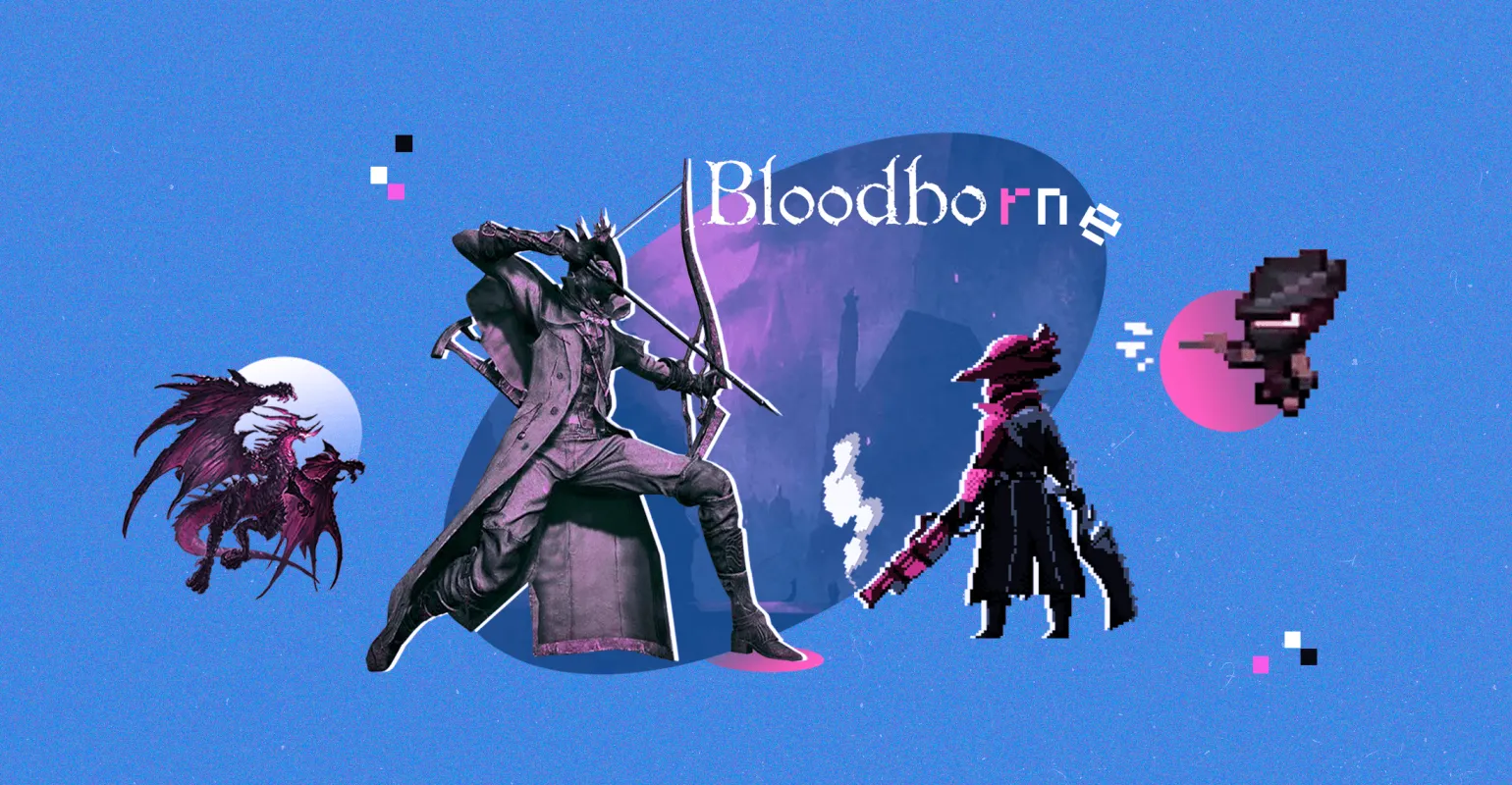
Demake is an interesting genre of video game reimagining that offers a look at familiar stories through the lens of outdated technology. Lilith Walter, developer of the indie game Bloodborne PSX, explains demake as the process of adapting a game to the visual and technical limitations of older gaming platforms. This approach not only evokes nostalgia but also allows for the creation of new, unique gaming experiences while preserving the essence of the original. As a result, demakes become not only a tribute to classic games but also a new way of interpreting them, which attracts the attention of both old and new players.
She states: "I'm not sure I have the right to define what qualifies as a demake and what doesn't. However, if I had to define it, I would say a demake is a process in which we reimagine a game, adapting it for a different, older platform."
The work on the Bloodborne PSX project is a shining example of successfully recreating the atmosphere of the original Bloodborne. The game offers graphics that evoke the visual style of the late 1990s. Angular characters and blurred environmental elements create a unique sense of nostalgia, allowing players to relive the magic of classic games. This interpretation not only attracts the attention of fans of the original but also opens up new horizons for lovers of retro graphics and old gaming traditions.
Demakes differ from remasters in that they are created from the ground up and aim to modify and stylize the source material. While remasters focus on improving graphics and fixing bugs, demakes reimagine elements of the original. For example, Resident Evil: Village, released in 2021, could have been a fascinating demake if it were transformed into a 2D platformer inspired by classic Castlevania games. This approach not only refreshes a familiar story but also offers a new gaming experience that will attract both old and new fans.
The video game remake genre is actively developing, significantly changing the original works. It includes not only rewriting the plot but also modernizing the graphics. Striking examples are the games Resident Evil 2 and Resident Evil 3, released in 2019 and 2020, respectively. These remakes are completely redesigned and differ significantly from their pixelated predecessors, offering players modern mechanics, improved visuals, and a more in-depth plot. Such changes not only attract new users but also allow fans of the originals to re-evaluate familiar stories in a new light.
Demakes are not limited solely to crude graphic elements. Modern games, such as Uncharted 4: A Thief's End, feature 8-bit-style graphics, but this doesn't make the game a demake. The core content remains unchanged, emphasizing the importance of preserving the original gaming experience. Demakes are unique modifications that change the game by adding new elements or reworking existing ones, but are not limited to visual changes.
When creating a high-quality demake, it is important to consider the technical limitations of the platform for which it is being developed. For example, Bloodborne PSX, despite its retro stylization, uses the modern Unreal Engine and is available on PC. This demonstrates that even when working with nostalgic elements, it is possible to use modern technologies to achieve high standards of quality and performance.
There are also projects that will not be released commercially, but they can be seen in concept form. The 98DEMAKE channel creates videos demonstrating what modern games might look like if they were developed for the original PlayStation. These videos immerse viewers in a nostalgic atmosphere, combining modern game mechanics with pixel art and the limitations of the original console. This approach not only appeals to retro gamers but also draws attention to the evolution of video games, highlighting how far the industry has come since then.
The History of the First Demakes: From Dendy to Modern Mobile Games
Demakes are an interesting phenomenon in the world of video games, existing long before the term itself. In the 1990s, when Dendy—an unofficial version of the Japanese NES console—was at the peak of popularity in Russia and the CIS countries, players began to encounter the first examples of demakes. Unknown development teams created versions of famous hits such as Street Fighter 2, Mortal Kombat 3, and Tekken on the 8-bit console. It's important to note that these games were never officially released on either Dendy or NES, highlighting the uniqueness and creativity of such projects. Demakes offer a glimpse into how talented developers adapted popular games for more limited platforms, which became an important part of the gaming culture of the era.
The quality of graphics and gameplay in demakes often left much to be desired. This is explained not only by the fact that the Dendy console was significantly less powerful compared to the 16-bit Sega consoles and the original PlayStation, but also by the lack of resources on the part of the developers. They lacked the time, financial resources, and technical capabilities to create a high-quality product. However, experience shows that any game can be adapted into a demake with desire and creativity. Thus, despite the limitations, many developers find ways to transfer favorite games to simpler formats, which helps attract audiences and preserve nostalgic feelings in players.
Demakes can also be found in projects for older mobile phones. Before the iPhone and the smartphone era, ports of computer and console games were released on mobile devices as simple Java applications. Although many of them differed significantly from the originals, there were also successful adaptations, such as the Java versions of Tom Clancy's Splinter Cell and BioShock. These games allowed users to enjoy familiar stories and gameplay, despite the limitations of mobile platforms at the time.
The Best Demakes for Your Leisure Time
Demakes are a unique video game genre that attracts gamers thanks to their originality and engaging gameplay. We consulted with game design experts to find out which demake projects deserve special attention and are definitely worth trying. These games not only offer interesting mechanics but also immerse players in captivating worlds. If you're looking for exciting demake games, check out these recommended projects, which can be real finds for fans of the genre.
Lilith Walter, a renowned game designer, shares her opinion on her favorite demake, Yarntown. This game is a unique interpretation of Bloodborne and is available for download on the Itch.io platform completely free. Yarntown offers players a 2D adventure in the style of classic games like The Legend of Zelda. The protagonist fights demons using a powerful saw and delivers spectacular finishers. This game attracts attention with its original concept and atmosphere, which combines elements of horror and adventure. Yarntown is an excellent choice for retro gaming enthusiasts and fans of Bloodborne.
Yarntown has only two bosses—the Church Beast and Father Gascoigne. However, their behavior and difficulty are on par with the original Bloodborne characters. This creates a truly immersive gaming experience that appeals to both fans of the original and new players. Yarntown offers a unique interpretation of mechanics and design, making each boss battle tense and engaging.
Dmitry Trofimov, a game designer from Wargaming, presented an interesting demake called "Half-Life 2: Classic". This project is a shining example of how the original game can be recreated using the GoldScr engine, used in the first Half-Life. This approach demonstrates that even outdated technologies can inspire developers and create new, exciting gaming experiences.
The physics in Half-Life 2: Classic may seem less advanced compared to the original version, but the game still retains its appeal. This is impressive, considering that the project uses technologies developed back in the days of the first Quake. Despite its dated elements, Half-Life 2: Classic offers engaging gameplay and an interesting story, making it a valuable addition to the gaming industry.
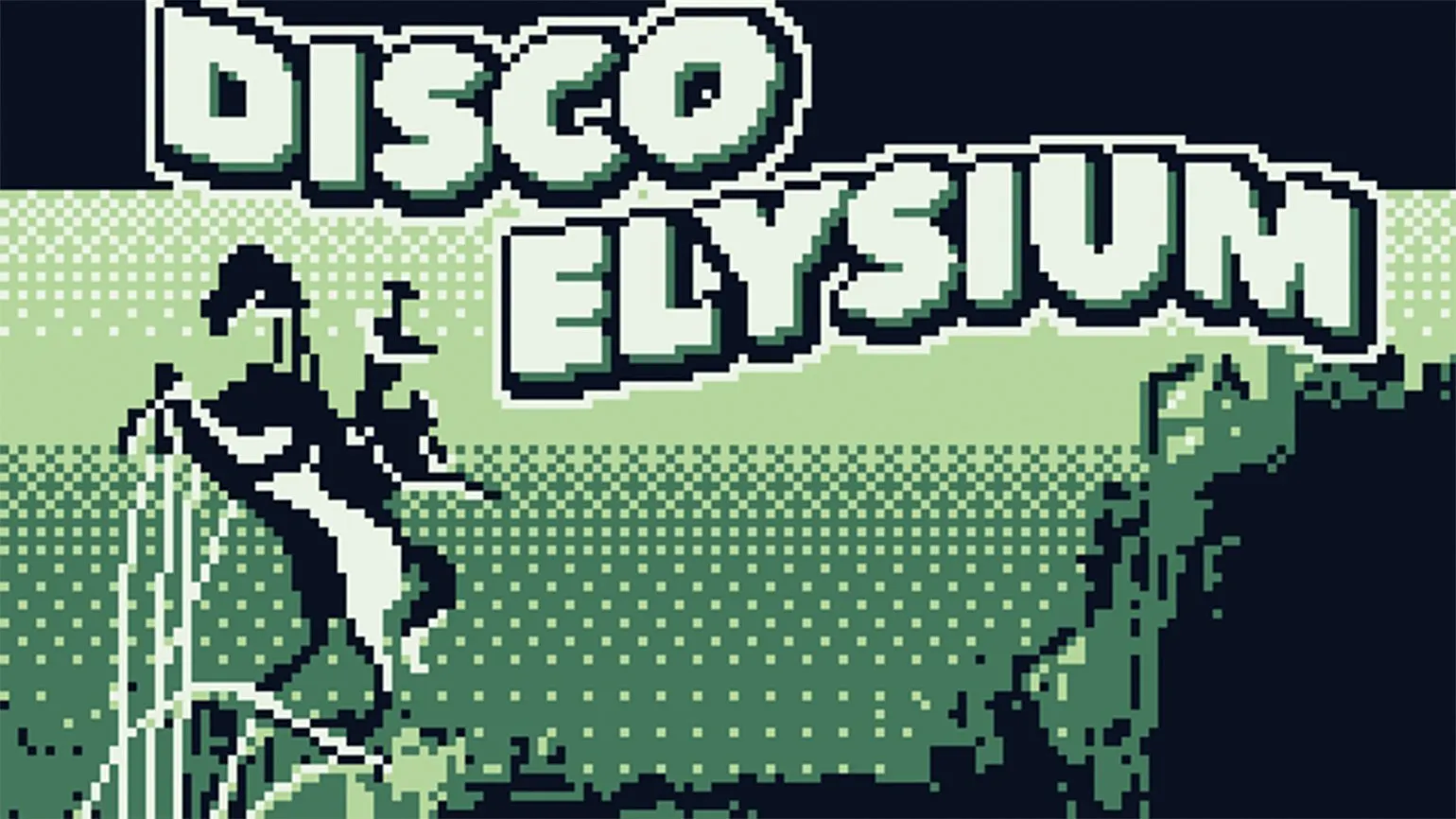
While Bloodborne and Half-Life 2: Classic are still in development and unavailable to players, there are many other outstanding projects on the market. For example, Disco Elysium: Game Boy Edition successfully adapts the famous RPG for Nintendo's portable console. The game retains its unique humor, varied dialogue, and a deeply developed role-playing system, where character traits significantly affect the development of the plot. This project offers players the opportunity to immerse themselves in the atmosphere of the original, combining nostalgia with new gaming opportunities.
Why are demakes created and who is behind them?
The creation of demakes, or reimagined versions of classic games, is driven by many factors. The most prominent of these is nostalgia, but, as game design expert Lilith Walter points out, this is not the only incentive. Developers also strive to update outdated mechanics, improve graphics, and adapt games for modern platforms. These reimagined versions help attract new audiences and bring back attention to iconic projects that have become the foundation of the gaming industry. Ultimately, creating demakes not only satisfies fans' needs but also contributes to the development and evolution of video games as a whole.
Creating demakes offers unique opportunities to study game design from past eras. Nostalgia plays an important role, but analyzing the decisions of developers of older games is also a critical process. This allows for a deeper understanding of the approaches and methods used at the time and why they were effective. Drawing on his experience working on projects such as Spider-Man: Far From Home Virtual Reality and Witch, Walter emphasizes that the skills acquired through developing demakes can significantly impact a career in the gaming industry. Developing demakes not only strengthens technical skills but also develops creative thinking, which is an integral part of a successful career in game development.
According to Walter, the common myth that games are constantly improving with each new generation is untrue. Many technical techniques and game mechanics used in the past have been lost in the pursuit of technological progress. Studying classic games can be useful not only for remakes but also for developing entirely new projects. This allows developers to draw inspiration from past successes and mistakes, leading to deeper and more engaging gaming experiences. Creating demakes plays an important role in learning game development and allows you to add a completed project to your portfolio. Dmitry Trofimov from Wargaming emphasizes that such projects can significantly improve your chances of finding a job in the gaming industry. He notes that demakes demonstrate not only a candidate's interest in deconstructing games but also their desire to better understand the inner workings of gameplay. This makes candidates more attractive to employers, as it confirms their skills and passion for the game.
Creating a demake yourself is a significant advantage for a resume, since its value is comparable to any other successfully completed project, Trofimov noted.
Demakes are an excellent opportunity for technical practice in game development. Trofimov emphasizes that by creating demakes, developers gain experience working with game mechanics. Despite the differences between this practice and working in a studio, it promotes the mastery of development fundamentals and helps aspiring specialists enter the world of game development. Participating in the creation of game demos not only allows you to improve your skills but also to better understand the processes that occur in the video game industry.
When creating demakes, it is important to adapt existing systems and mechanics, while real development requires creating new solutions. Although this task is significantly more difficult, working on a demake is still beneficial, as it allows you to master the fundamental principles necessary for the full-fledged development of any project. This experience builds foundational skills and deepens understanding of the development process, which is an important step for achieving success in more complex projects.
Making Money on Demakes: Reality or Myth?
Creating game demos is not only a way to demonstrate your development skills but also a chance to gain financial benefit. However, as practice shows, this process has certain difficulties. Lilith Walter shares her experience, emphasizing the importance of careful preparation and planning. Successful demos can attract the attention of potential investors and players, but this requires considering many aspects, such as graphic quality, game mechanics, and user interaction. The right approach to demo creation can significantly increase your chances of success in the gaming industry.
Bloodborne PSX is a fan-made project, and unfortunately, its developer has no way to make money from it. However, he intends to use this code as the basis for his own original project. This highlights the importance of creativity in game development and the importance of code reuse, which can drive innovation in the industry. Using existing solutions not only saves time but also allows you to draw inspiration from successful concepts, which is the key to creating unique content.
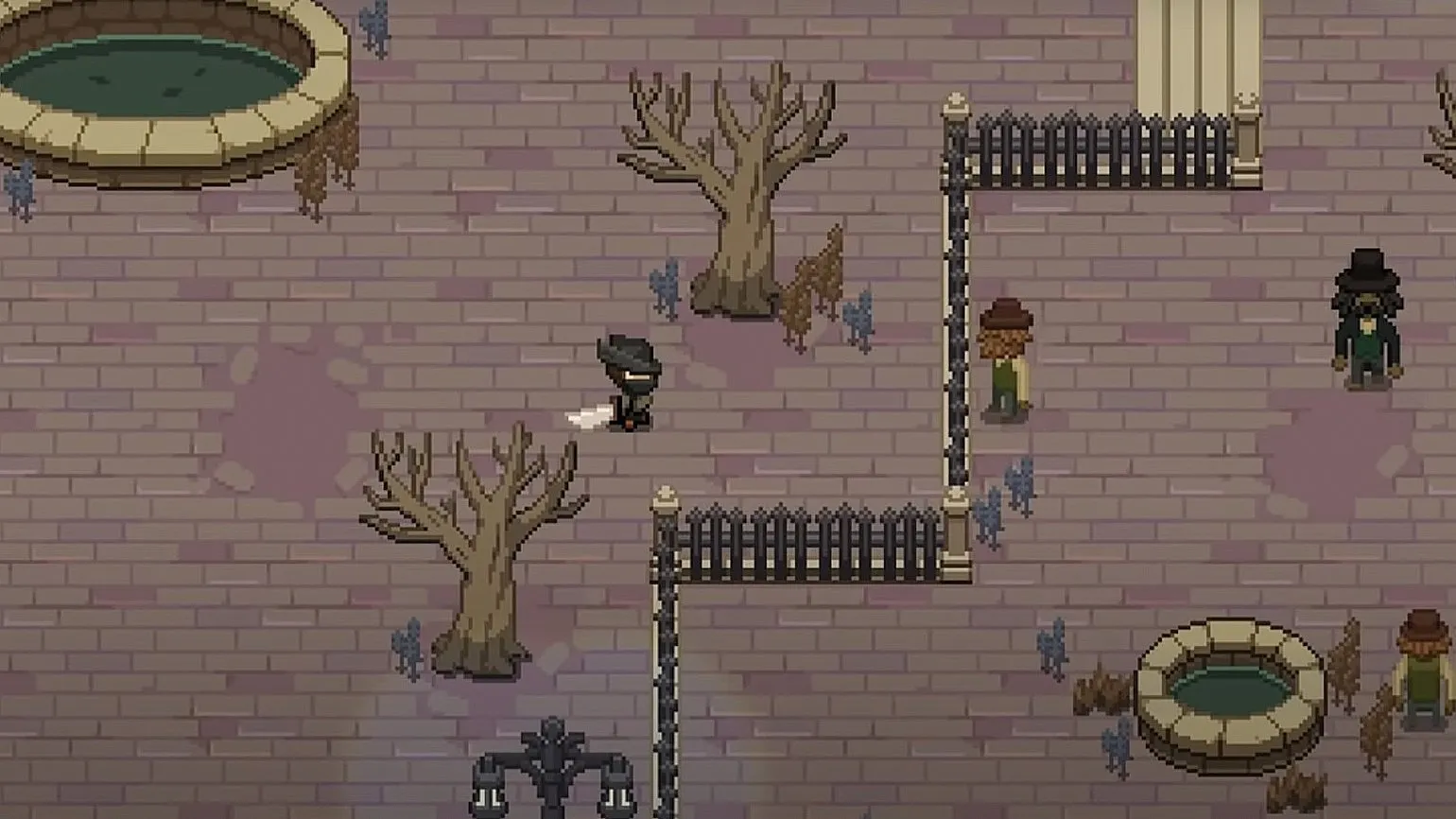
When planning to distribute a demake for free, it's important to consider potential legal issues. Copyright holders can be strict about the use of their intellectual property. To minimize the risk of potential lawsuits, Lilith Walter offers several recommendations. First and foremost, research copyright laws and ensure your project doesn't infringe on copyright holders. Consider seeking permission to use materials or creating original content inspired by your favorite games. It's also helpful to familiarize yourself with fair use principles, which can help you avoid legal repercussions. Consulting a copyright attorney may also be a smart move to protect your project.
It's important to conduct thorough research before creating games. Some companies, like Nintendo, are much more likely to take action against fan projects. In my case, the situation was simpler: there are numerous Bloodborne demakes online, and I hoped there would be no problems. However, this does not guarantee complete safety. This example highlights the need to be aware of copyright in game design and the importance of adhering to legal standards when developing content.
Before starting work on a demake, it is important to carefully read the rules and guidelines for using intellectual property. This will reduce the risk of legal consequences and increase the chances of a successful implementation of your project. Proper understanding and compliance with intellectual property rules are key to achieving long-term results and protecting your interests.
Challenges Faced by Demake Creators
Developing demakes is a serious process that requires a careful approach to many aspects. Developers must consider not only the reaction of copyright holders but also the various fan initiatives that may influence the project. It's important to understand that a successful demake must balance respect for the original material with a creative approach that will engage the audience. Striking the right balance between these elements helps create a high-quality product that will appeal to both fans and new players.
Game design expert Lilith Valter emphasizes the importance of studying other games similar to yours, not only in terms of visuals but also gameplay mechanics. When developing the Bloodborne demake, she drew inspiration from Mega Man Legends, a classic action game with RPG elements, despite the differences in the games' plots and style. This approach allows you to identify successful gameplay elements and adapt them to your game, creating a unique gaming experience.
Creating a demake often involves routine tasks familiar to every developer. When working on a project, especially one with personal significance, it's tempting to focus on the creative aspects. However, core mechanics, including the save system, camera control, and level navigation, should come first. These elements lay the foundation for successful gameplay and ensure a comfortable user experience. Proper implementation of these aspects helps avoid problems later in development and improves the overall player experience. Developing a demake requires careful attention to detail and thoughtfulness. During the development of Bloodborne PSX, Lilith faced numerous challenges, particularly with the weapon system. There are numerous ways a character can use a weapon, each requiring unique animations and mechanics. An incorrect choice can cause serious gameplay issues, making every decision made during the development phase crucial. Ensuring smooth controls and realistic weapon interactions are key to creating a high-quality gaming experience. Creating complex games alone is a challenging task. To simplify this process, developers often enlist the help of professionals. On the Bloodborne PSX project, Lilith collaborates with experienced specialists, including artist Corwin Pritchard and composer Evelyn Lark. This collaboration significantly improves the quality of the game and speeds up the development process. Teamwork plays a key role in creating successful projects in the gaming industry.
Demakes give fans the opportunity to experience what modern games might look like on classic gaming platforms. Each project is developed from the ground up, taking into account the unique features and limitations of the original consoles. This not only preserves the spirit of the old games but also brings modern technology and graphics, creating a unique experience for players. Demakes become a bridge between generations, allowing new players to experience the legacy of the gaming industry.
Although many demakes are available for free, copyright holders have the right to protect their interests and can make claims even against free projects. Therefore, before starting development of a demake, it is crucial to familiarize yourself with the original game's developers' stance on fan versions. This will help avoid potential legal issues and ensure copyright compliance.
Creating a demake requires a full game development cycle. The success and speed of the project largely depend on your experience in this field. If you encounter difficulties, don't hesitate to seek support from friends and colleagues. Sharing knowledge and collaborating can significantly improve the quality of your product and speed up the development process.
Experience in creating demakes is a significant advantage when looking for a job in the gaming industry. Demakes allow you to demonstrate your skills and creativity, as well as an understanding of game mechanics and design. Employers value candidates with practical experience, as it demonstrates your ability to implement ideas and adapt to project requirements. By participating in the development of demakes, you not only improve your technical skills but also create a portfolio that will attract the attention of employers in the gaming industry.
Game Producer: 5 Steps to Successful Projects
Want to create profitable games? Learn 5 key aspects of a producer's job!
Learn more