Contents:
- Mistake #1
- Too Much Ambition
- Mistake #2: Non-Adaptive Gameplay
- How to Avoid the Mistake of Being Overly Committed to an Idea
- Mistake #4: Too Rigid Frames in Gameplay
- Mistake #5: Overemphasizing Story in Game Design
- Mistake #6: Neglecting Polishing
- Pareto's Law in Game Development
- Mistake #7: Implementing Unplanned Elements in Game Design

Game Development: Discover Your Profession and Create a Game in 3 Steps!
Learn MoreGame development is a complex and multifaceted process that requires not only a creative approach but also deep technical knowledge. The success of a game project depends on many factors, such as the quality of the code, visual design, marketing strategy, and sound and music. At the center of this multifaceted ecosystem is game design, which determines the fundamental principles and directions of the game. Even the most attractive graphical interface and impressive soundtrack cannot save a project with poor game design. In this article, Kirill Zolovkin, an experienced game designer and executive director of Heart Core studio, and I will look at common mistakes that novice game designers face and offer effective recommendations for eliminating them, which will help improve the quality of the game product and increase its appeal to players.
Mistake #1
Too much ambition
One of the most common mistakes in the gaming industry is excessive ambition among developers. Grandiose ideas are certainly inspiring, but you should start with more realistic and modest projects. For example, if you strive to simultaneously implement six key game mechanics, failure in one of them can lead to a loss of interest in the remaining elements. A lack of flexibility in a project makes it vulnerable to changes and adjustments. Simply put, don't try to create an entire city from scratch; it's better to start with a house and then gradually develop the infrastructure around it. This will allow you to not only focus on the quality of each mechanic but also adapt to changing market demands and player expectations.
Start by creating a simple game, focusing on the core mechanics. Work on the project's foundation until you achieve a satisfactory result, and then gradually add additional features. This approach is often used during game jams, where limited time and resources encourage developers to think creatively. For example, the concept for the popular shooter Superhot was developed during the 7DFPS gamedev challenge. This confirms that focusing on key elements can lead to a successful and innovative project.
Start with a simple interactive object, such as an apple. Consider what actions it can perform: roll, fall, be picked up, or be destroyed. The interaction possibilities are varied: the apple can deal damage, satisfy hunger, or rot. It's better to focus on the many properties of a single element than to create multiple objects with limited functionality, says Kirill Zolovkin, game designer and executive director of Heart Core. This approach allows us to develop the game mechanics more deeply and increase user interest.
Error #2: Non-adaptive gameplay
Creating complex and unique game mechanics is not only a creative process, but also an important task of educating players. If users can't figure out how to interact with a game or don't grasp intuitive cues, this doesn't indicate a flaw. The underlying problem lies in poor game design. Good game design should provide clear and accessible tutorials, allowing players to easily master mechanics and enjoy gameplay. To achieve this, thoughtful approaches to tutorials are essential, ensuring that every element of the game fosters understanding and engagement.
To help players quickly master your game's mechanics, employ the following strategies: provide simple and intuitive tutorials, create a hint system that activates at critical moments, and use visual elements to explain gameplay. Incorporate gamification elements to make learning engaging. Provide access to help information and create a community where players can share experiences and tips. Using these methods will improve the game's perception and increase user engagement.
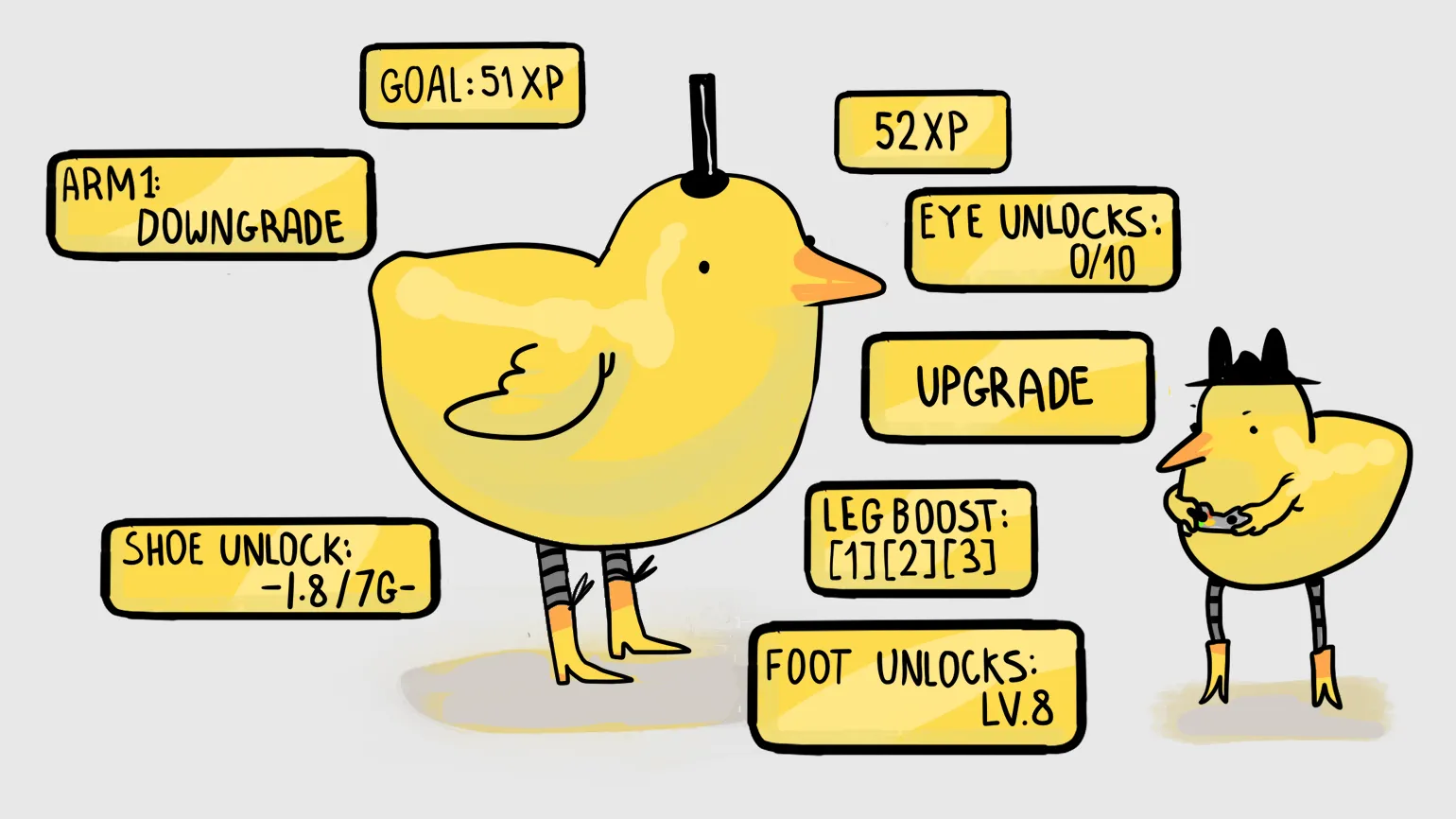
Including tutorial levels that gradually introduce new mechanics significantly improves player understanding. Additionally, it's worth developing interactive hints that appear at key moments and help avoid frustration. This will improve the overall gameplay and make it more accessible to beginners. Proper implementation of training elements will not only increase engagement but also help players adapt to the game's conditions more quickly.
Analyze player feedback and conduct testing to identify any unclear aspects of gameplay. This will help make necessary changes and make the game more understandable and accessible to a wider audience. Pay attention to both positive and negative feedback to better understand user needs and improve the overall experience.
In the video game industry, attachment to initial ideas can be a significant barrier to success. During the idea generation process, concepts often look promising, but their actual effectiveness is often questionable. Research shows that approximately 70% of game projects fail due to a lack of flexibility on the part of their creators. Game designers must be prepared to adapt or completely revise their concepts in response to negative feedback from prototypes. Success in game development requires an openness to change and the ability to learn from mistakes, which will help create higher-quality and more popular games.
Fortnite was originally conceived as a cooperative sandbox shooter combining elements of Minecraft and Left 4 Dead. However, after the triumphant success of Player Unknown's Battlegrounds, Epic Games shifted its focus. The result was the addition of a battle royale mode, which became a true phenomenon and eclipsed the original PvE campaign of Fortnite: Save the World. This shift to battle royale not only changed the perception of Fortnite but also had a significant impact on the video game industry as a whole, setting new standards for multiplayer battles.
How to Avoid the Pitfall of Overcommitment
Kirill Zolovkin, game designer and CEO of Heart Core, recommends avoiding getting too bogged down in detail early in development. Instead, focus on the big picture to understand the scope of the task. It's recommended to start by creating a mind map or mind map, then develop a document structure and brief introduction before moving on to more detailed aspects of the project. This approach will help effectively organize the development process and avoid unnecessary difficulties.
It's important for game designers to avoid becoming fixated on a single idea and to be flexible in their development approaches. Being open to change and attentive to player preferences can significantly increase a project's chances of success. Knowing when to push your concept and when it's wiser to abandon it is critical to successful game development. This not only improves the gameplay experience, but also helps create more engaging and captivating content for the audience.
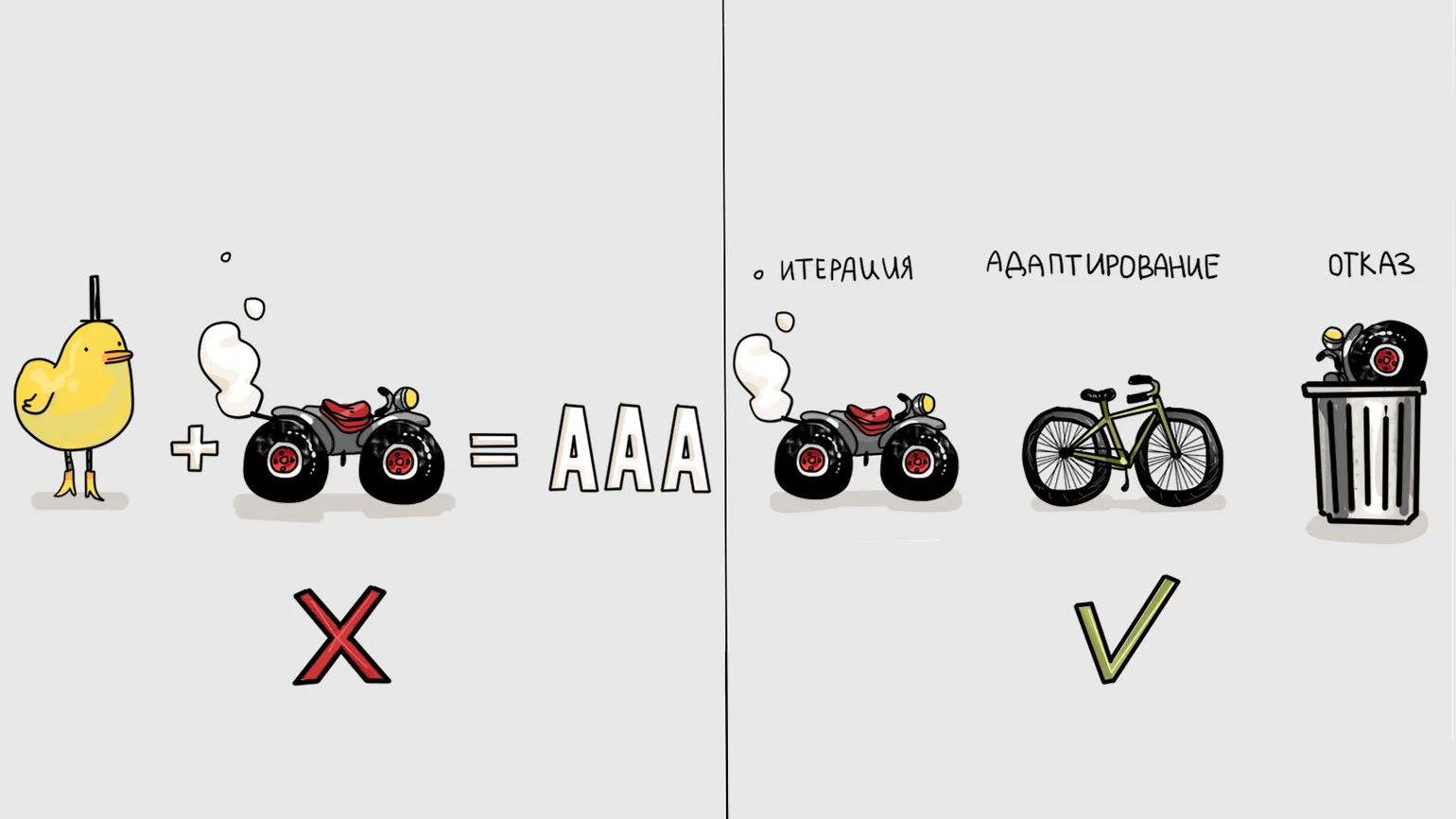
Mistake #4: Too strict boundaries in the game
Players shouldn't get hung up on strict rules that dictate what should happen in a game or how to play it correctly. The main goal is to enjoy the gameplay based on their own experience and preferences. It's important to remember that every game is unique and requires an individual approach. Being open to experimentation and a desire to explore new aspects of the game world can significantly enrich the experience. By developing your skills and finding your own playing style, you can not only enjoy the process but also achieve better results.
Following a prescribed route designed by the game's creators can turn an exciting gameplay into a routine task, reminiscent of paint-by-numbers. To avoid this, it's necessary to add variety to the gameplay. Integrating unexpected events, alternative paths, and unique tasks will make the game more engaging and exciting. This will help players feel like true explorers, rather than simply following established rules. Variety in gameplay helps increase interest and retention, which in turn affects overall game satisfaction.
Here are some effective ways to add uniqueness to your gaming adventure. For starters, consider creating a custom character. Customizing your character's appearance, skills, and backstory will help make the game more personal. You can also explore alternative routes and side quests that are not part of the main story. This will allow you to discover new locations and meet unusual NPCs.
Another option is to use mods that change gameplay or add new elements to the game. This is especially true for popular games where the community is actively developing content. Don't forget about the option to play co-op with friends, which will add an element of interaction and competitiveness. Finally, experiment with different playstyles—switch from an aggressive style to a more strategic one, or vice versa. All of these methods will help make your gaming adventure truly unique and exciting.
Broforce is a prime example of a platformer with action elements. In it, you can choose between traditional level-by-level progression or an aggressive, destructive playstyle, destroying everything in your path to the finish line. When a character dies, the player is given the opportunity to control a new hero with unique abilities. This variety makes every Broforce gameplay session unique and engaging. Each level offers new challenges and opportunities, emphasizing the dynamic gameplay and keeping players engaged.

Mistake #5: Overemphasizing the Plot in Game Design
In game design, it is critical to understand that overemphasizing the plot can distract from Key aspects of the game, such as gameplay and mechanics, are carefully considered. This is especially true for developers working outside the visual novel and interactive movie genres. While story is certainly important, developing the core gameplay should be a priority. If the core mechanics aren't polished yet, there's no point in wasting resources on a novel-length script. It's important to focus on creating a compelling experience that will engage and retain the player before delving into complex storylines. The Mario series is a prime example of a classic game plot, with the main plot revolving around Princess Peach's kidnapping by the villain Bowser and her rescue by Mario. Despite the predictable ending, fans eagerly anticipate new games, drawn not only by the familiar story but also by the innovative and engaging gameplay that constantly evolves. Each new installment introduces unique mechanics and elements, keeping the gameplay fresh and exciting. This combination of traditional storytelling and an innovative approach to gameplay has ensured the Mario series’ enduring popularity among players of all ages.
Many beginning developers often overlook the fact that game design involves not only a creative aspect, but also engineering challenges. As Kirill Zolovkin, game designer and CEO of Heart Core, pointed out, “many beginners write essays instead of technical specifications.” It’s important to understand that the word “designer” also means “project manager.” Success in game design requires a balance between creativity and rigorous technical requirements, which is a key aspect for creating high-quality games.
When designing a game, it’s crucial to maintain the integrity of the core game systems. The story is a key element that must be carefully crafted, but within the framework of existing mechanics. If you’re developing a story-driven game, you need to consider both story and gameplay aspects. This will ensure a harmonious interaction between story and gameplay, which in turn will increase player interest and engagement. A balanced approach to integrating story and mechanics contributes to a deeper and more engaging gaming experience, which is especially important in the competitive video game industry.
I use the Vocabulary of Mechanics methodology, which I presented in detail in my DevGAMM talk, "Two in Mind: Narrative Through Game Design." This methodology helps achieve a balance between story and gameplay, creating a harmonious gaming space. Using this technique allows developers to effectively integrate narrative elements into game design, improving the overall perception of the game and increasing player interest.

Error #6: Neglecting Polishing
Polishing is a key stage in game development that cannot be ignored. Achieving flawless gameplay requires significant time and attention. If you feel like a certain part of the project is 80% complete, it's likely just an illusion, and in reality, it's far from complete. Polishing includes fixing bugs, improving graphics, optimizing performance, and refining mechanics. Neglecting this stage can negatively impact the overall perception of the game and its success in the market.
Numerous examples in the gaming industry confirm that developers who ignore the importance of polishing face a large number of errors at the release stage. As renowned Japanese game designer Shigeru Miyamoto, author of such iconic games as Super Mario and The Legend of Zelda, rightly noted, "A delayed game is ultimately good, but a rushed one is always bad." This statement emphasizes the importance of thoroughly refining and testing games before releasing to avoid negative consequences such as low ratings and dissatisfied players. It is important to understand that time spent on polishing ultimately leads to a higher quality and more successful product.
Pareto Principle in Game Development
The Pareto Principle, also known as the 80/20 principle, emphasizes that the first 80% of the work requires only 20% of the time, while the remaining 20% can take up to 80% of the effort. Experienced developers understand that the final stages of a project require special attention to detail and quality. This understanding helps optimize the workflow and achieve high results. By paying due attention to task completion, you can avoid common mistakes and improve overall development efficiency.
To optimize the development process, it is recommended to quickly create a prototype and begin iterating. Applying the following formula: if it takes two weeks to create a prototype, then the full project could take up to one year to complete. This emphasizes the importance of rapid prototype implementation, as the faster you complete it, the less time will be required for subsequent product development. It's important to remember that a high-quality prototype allows you to effectively test ideas and make changes early, significantly reducing the risks and costs of final development.
Kirill Zolovkin, game designer and CEO of Heart Core, emphasizes the critical role of meticulous polishing in video game development. High-quality polishing can significantly increase a project's chances of success by enhancing the user experience and creating a positive first impression. Getting the details right, eliminating bugs, and optimizing the gameplay are key factors influencing player perception and commercial success.
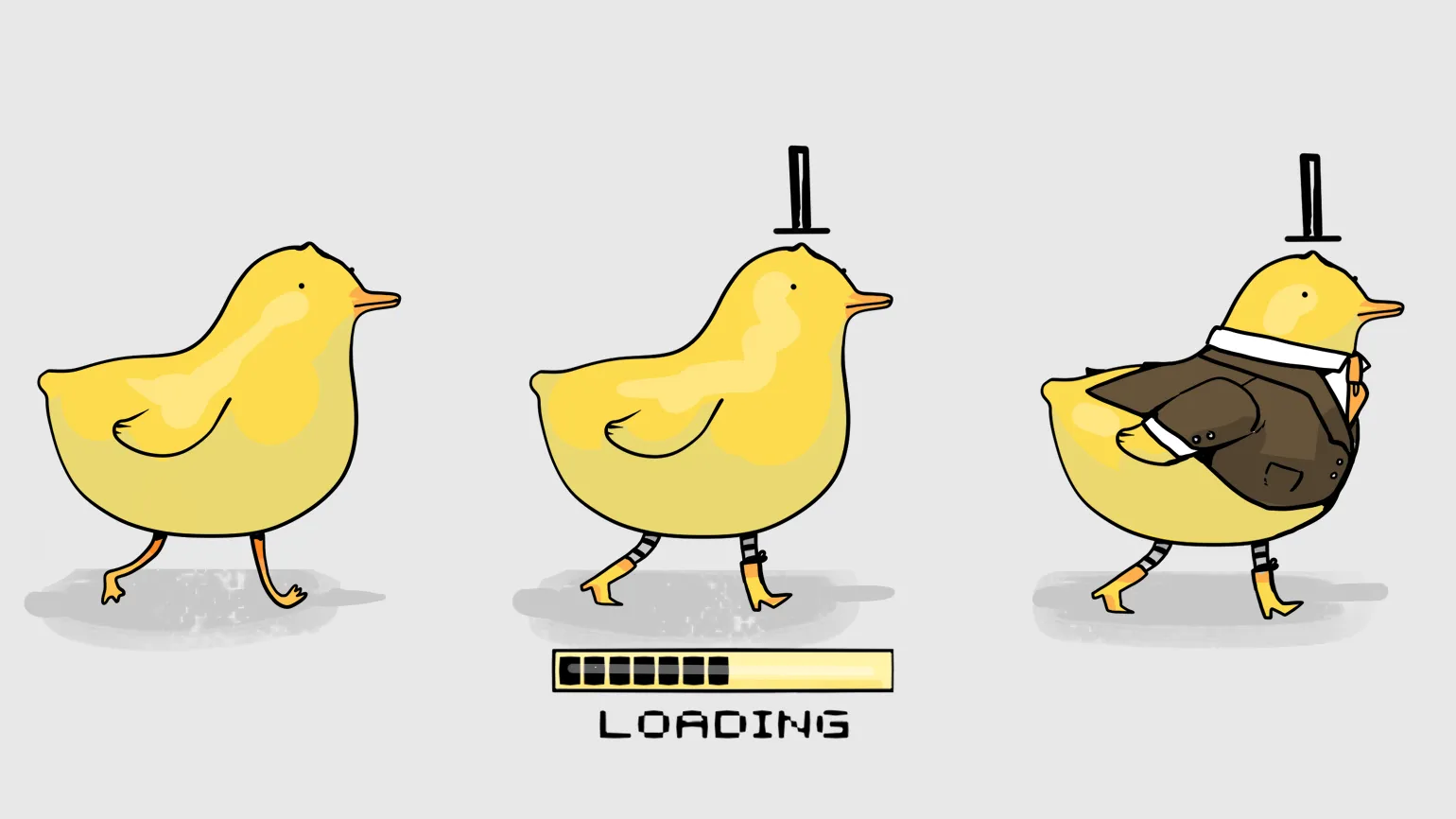
Mistake #7: Introducing Unplanned Elements into Game Design
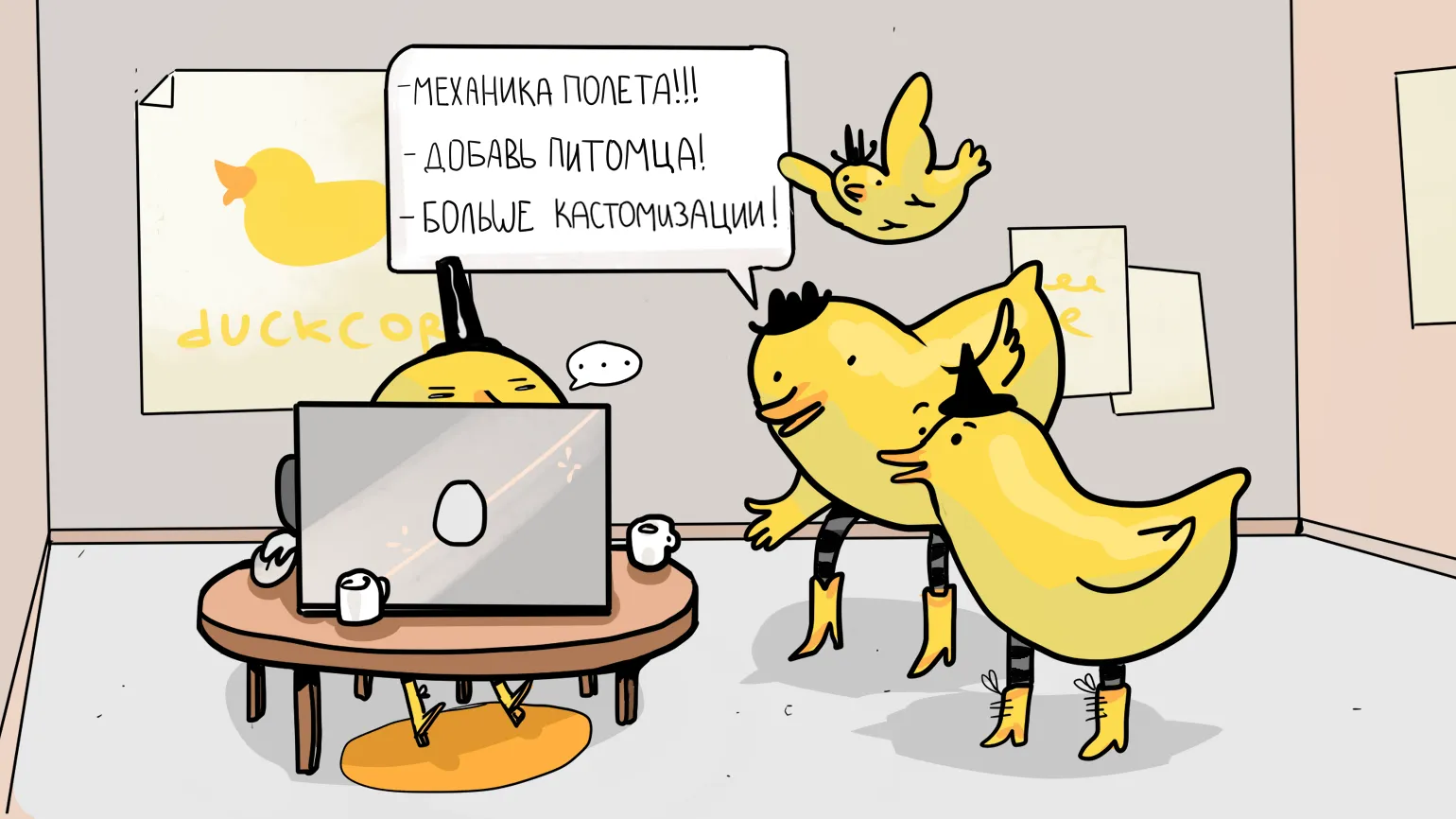
Game developers regularly receive suggestions from players on how to improve gameplay. process, including ideas for adding new elements. Some of these suggestions may be quite interesting and relevant. However, it is critical that the game designer understand how each new mechanic integrates into the overall concept of the game. Successfully implementing new features requires a thorough analysis of their impact on game balance, interactions with other elements, and the overall player experience. Each change must be carefully considered to preserve the harmony of the game world and satisfy the audience.
Introducing features based only on assumptions about their effectiveness can cause serious problems. Simple elements are easy to integrate, but more complex ones can negatively impact existing mechanics, ultimately degrading the overall experience of the game. This leads to a loss of time that could be better used to refine and improve existing aspects. In the worst case, new features can ruin the gameplay experience, negatively affecting player engagement and the overall success of the project.
Numerous games demonstrate the success of a minimalist approach. A classic example is Thomas Was Alone, where simple colored rectangles become characters through high-quality level design, a compelling story, and a precise atmosphere. This game demonstrates how minimalism can effectively convey emotion and create a deep gaming experience without overwhelming players with unnecessary details. Kirill Zolovkin, game designer and CEO of Heart Core, notes that every project should be based on three unchanging design pillars. These pillars represent the foundation upon which the entire game concept is built. While features and gameplay elements may change, evolve, or even disappear, these three pillars remain stable and define the essence of the project. This approach creates a more structured and consistent gaming experience for users. Feature creep is a process in which the number of features in a project continues to increase without improving in quality or detail. This situation can lead to a deterioration in the user experience and an increase in system complexity. In contrast, the concept of feature cutting focuses on removing unfinished or ineffective elements to improve the functionality and performance of a product. Also worth mentioning is the feature freeze, which is a pause in the addition of new features to a project. This allows the team to focus on refining existing features and improving their quality. Understanding these concepts is essential for effective project management and ensuring their successful development.
An example of a feature cut is the announcement of a detective investigation in Cyberpunk 2077. Players were misled by the expectation, but at the time of release, this content was not available. This case highlights the importance of transparency in the gaming industry and the need to provide players with accurate information about the game's content. Disappointed expectations can negatively impact the reputation of developers and cause dissatisfaction among fans, which ultimately affects sales and the overall perception of the game.
The success of a game depends on more than just game design, although it is central to the development process. A game designer isn't the sole creator; their job is to integrate the entire team's ideas to ensure the project functions harmoniously. A clear assessment of your capabilities and an understanding of this role will help you successfully achieve your game development goals. It's important to remember that teamwork and synergy are key to creating a high-quality product that can attract and retain players' attention.
A game designer is a key figure in the video game development process, responsible for creating gameplay, mechanics, and story. If you want to learn more about the tasks a game designer performs and how they influence the final product, we recommend checking out our detailed material on Skillbox Media.
* * *
Game development for beginners: choose your profession in 5 days
Want to become a game designer or game developer? Find out how to choose a profession in a free mini-course!
Find out more