

Who are you in the world of game development? Learn more with this free course ➞ You'll experience three professions in action: game designer, 2D artist, and Unity developer. Create your first Mario-style game. Click here for details.
Learn moreSeventeen years have passed since the release of Half-Life 2 in November 2004, and during this time, the gaming industry has experienced many changes. Despite this, Valve's Source engine has remained relevant and in demand. Its stability and adaptability have allowed many developers to create high-quality games that continue to attract the attention of players. Despite significant advances in technology, Source's achievements remain an important part of gaming culture, demonstrating that classic solutions can successfully coexist with modern trends.
Despite the emergence of more modern tools, the Source engine continues to be relevant. It was used not only by Valve but also by many developers outside of it. Many games created with this engine were initially based on modifications. Interestingly, the Source engine itself began as a modification, and its early codes were written by renowned developer John Carmack. This speaks to its importance in the gaming industry and its ability to inspire new creators.
Half-life
The period of time during which half of the nuclei of a radioactive substance decay is called its half-life. At this point, its radiation is halved. The Half-Life development team chose this term to emphasize the sci-fi atmosphere of the project. This play on words also symbolizes the path taken by the Source game engine, which became the basis for many successful games.
A game engine is a set of software tools and technologies that developers use to create video games. It provides core functions such as graphics, physics, sound, and player interaction. Game engines speed up the development process by providing ready-made solutions for various tasks, allowing you to focus on the creative side of the project. It's important to note that a game engine can be either in-house, developed by a studio, or commercially available for use by other developers. Choosing the right game engine impacts the quality and performance of the final product, as well as its distribution potential.
A game engine is often compared to a film camera or a car factory. In both cases, it's a set of tools necessary for game development. This set includes physics systems, lighting systems, asset libraries, and level editors. Creating all these components from scratch each time is too costly and time-consuming. Therefore, developers quickly realized that it makes more sense to use existing engines and license them rather than create their own. This allows you to significantly speed up the development process and focus on the creative aspects of the project.

Gabe Newell and Mike Harrington, after leaving Microsoft in 1996, founded Valve, which quickly took its place in the gaming industry. In August of that year, they launched their first project, the shooter Half-Life, developed using an improved Quake engine. Michael Abrash, their former colleague who was working at id Software at the time, was able to obtain a license to use this engine. Half-Life became a landmark project that set new standards for first-person shooters and had a significant influence on the development of video games.
The editor developed for Half-Life had a significant impact on the Valve team, but they had to significantly improve the game engine to realize their ambitious plans. Half-Life was more than just another shooter; it presented players with the first shooter with a deep and engaging story that developed without interruptions from cutscenes and text descriptions. Players could immerse themselves in the story, following the events through the prism of the main character, which made the gameplay more interactive and exciting.
Our games do not simply confine the player to a confined space with weapons and many enemies, offering them only a gaming experience. A good example is the train ride in Half-Life—it has a cinematic style that immerses the player in the atmosphere and drives the story forward.
In his 2004 book, The Final Hours of Half-Life 2, Gabe Newell details the development of one of the most iconic video games in history. This work takes the reader behind the scenes of Half-Life 2's creation, revealing the challenges the Valve team faced. Newell shares unique insights and discusses the creative decisions that led to its innovative gameplay and groundbreaking graphics. The book is not only interesting for fans of the game, but also useful for anyone wanting to understand how to create successful video games. «The Final Hours of Half-Life 2» is an essential resource for developers, researchers, and industry enthusiasts, demonstrating how passion and a commitment to excellence can change gaming culture.
Valve's programmers developed an improved skeletal animation system, updated the artificial intelligence, and implemented Direct3D driver support for their game. These changes allowed for scripted scenes and friendly teammates, making the Quake Engine a fully-fledged, independent technology.
In November 1998, a week before the release of Half-Life, the developers faced a crucial choice. Eric Johnson, a project manager at Valve, noted that the team already had other projects to focus on, but there was a risk of adding new code to the final version of the game. This decision became a critical moment in the development process and influenced the final release.
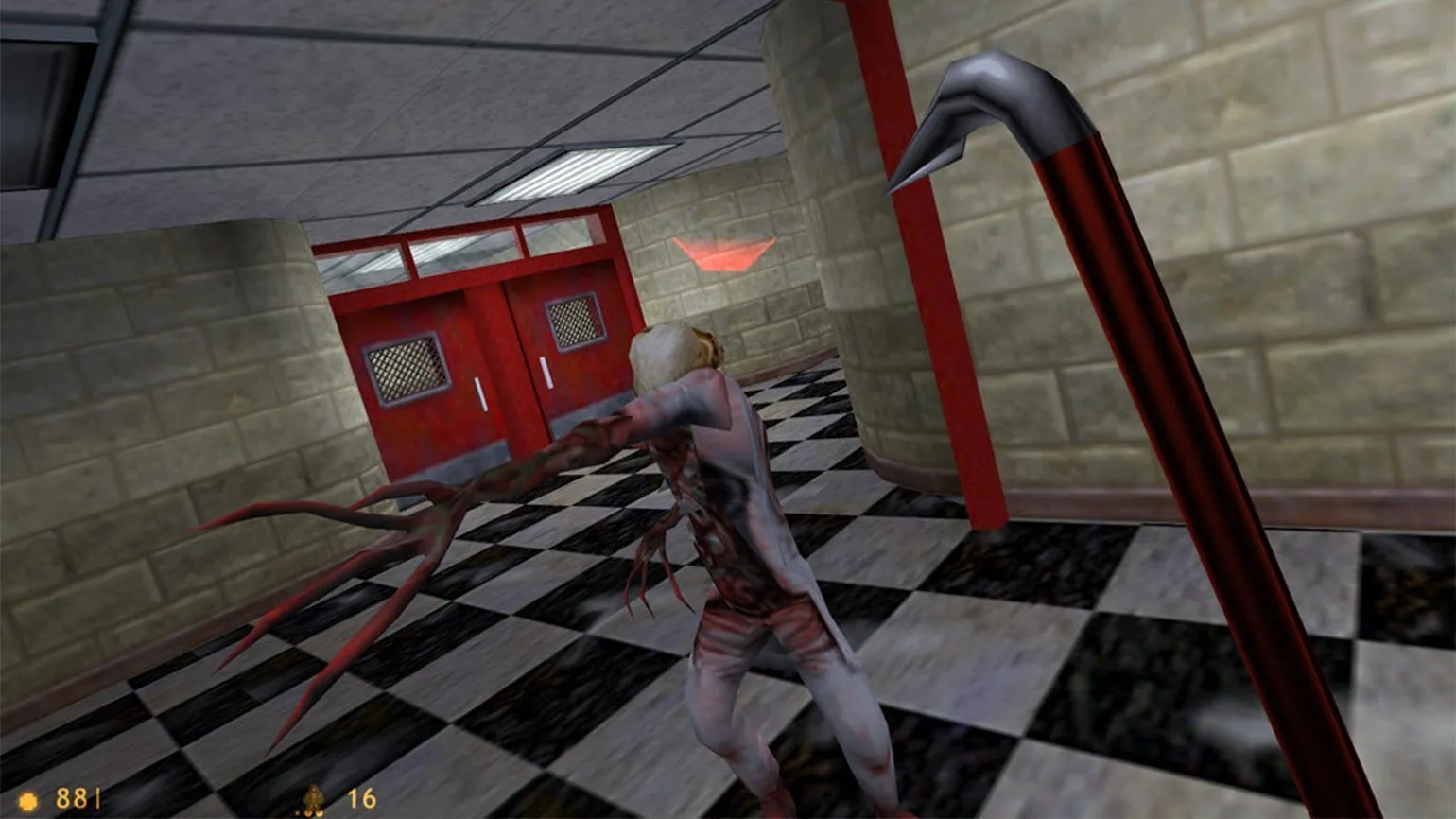
The developers decided to split the game engine into two versions: Goldsource, on which the final version of the game was created, and Source, intended for adding new features and tools. Goldsource became the foundation of the Half-Life ecosystem. Gearbox used this engine to develop the Opposing Force and Blue Shift expansions. Fans actively used this engine to create numerous modifications. Inspired by id Software's approach to sharing the source code of its games, Valve also made the Goldsource tools open-source. This decision contributed to the development of the creative community and allowed players to realize their ideas, creating unique gaming projects.
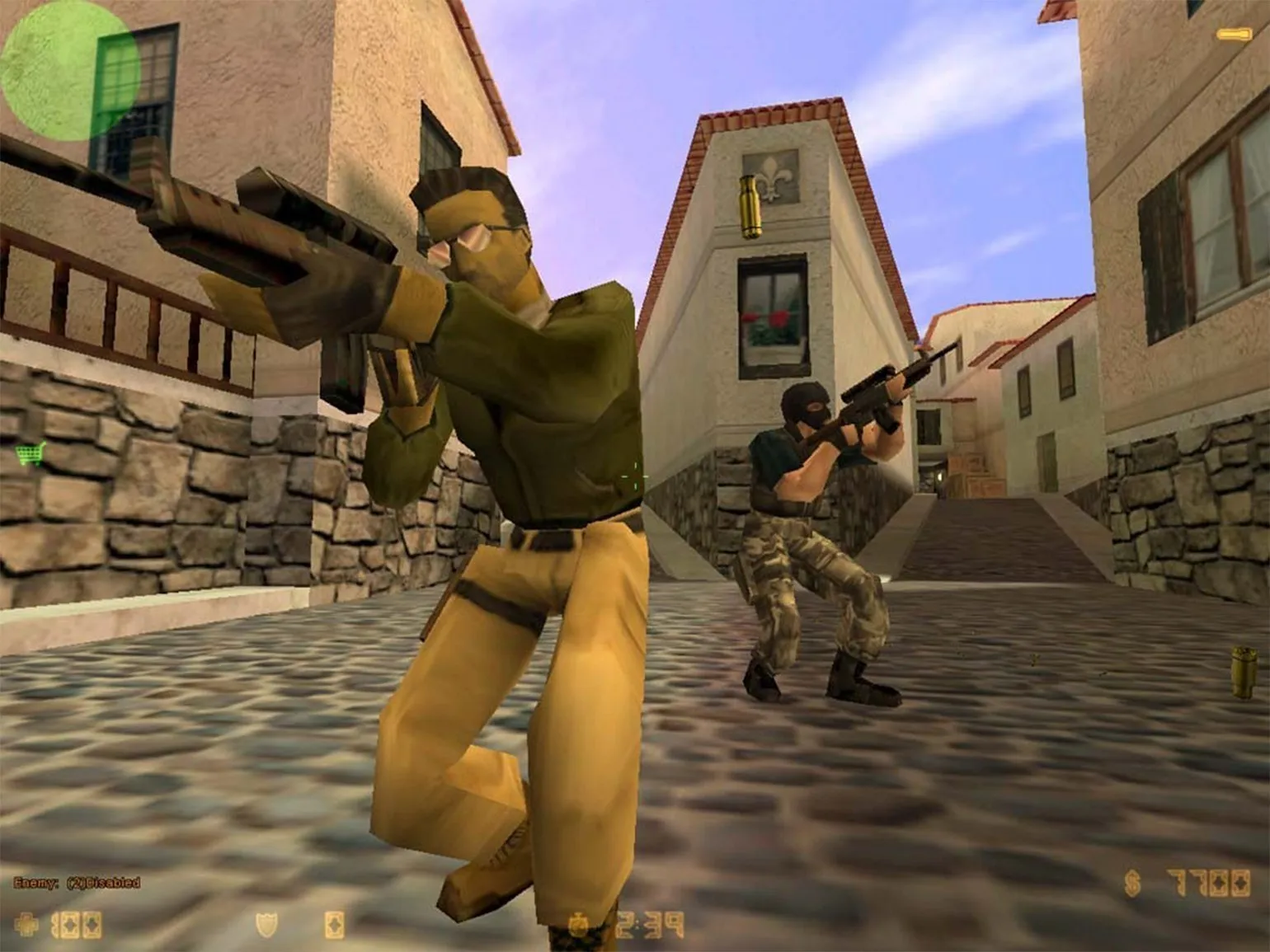
In June 1999, Min Lee and Jess Cliffe developed a network shooter, in which took place a confrontation between special forces and terrorists. As the popularity of the mod grew, Valve decided to purchase the rights to the brand and invite Lee and Cliff to their team. As a result, Counter-Strike 1.6 hit store shelves in September 2000, which became a classic of the genre and one of the most famous online games in history.
The game was released at retail in a bundle with Team Fortress Classic, another famous team-based shooter. Team Fortress Classic also began as a modification, but for the first Quake game, not Half-Life. In 1999, Valve hired the developers of this mod to port the game to the Goldsource engine, which was intended to attract modders to the capabilities of this platform.
The company was actively developing the $/Src version, which would soon become an independent game engine. During the work on the project, it was decided to remove the dollar sign from the name, which will allow focus on creating one of the most significant games in history. This new engine promises to revolutionize gaming and provide developers with unique opportunities to realize their ideas.
The Second Coming
The new engine was not created from scratch. Like its predecessor, it is the result of significant modifications. The history of its creation is closely linked to the continuation of Valve's flagship series.
Gabe Newell determined from the very beginning that Half-Life 2 would not just be a sequel, but a significant step forward in the gaming industry. He sought to create a unique experience that would not only develop the story, but also expand on the game mechanics, offering players new ways to interact with the world around them.
What motivates us above all else? I am concerned about the fact that people might waste their time playing our games. Why waste four years of their lives creating something that will not be innovative and will be useless? We strive to ensure that every game delivers value and leaves a mark on players. Our goal is to develop unique content that not only entertains, but also inspires.
In his 2004 book, "The Final Hours of Half-Life 2," Gabe Newell details the creation of one of the most iconic video games in history. He shares unique insider insights into the challenges the developers faced and the revolutionary technologies employed in the development of Half-Life 2. The book provides readers with a rare glimpse into the inner workings of game production, revealing how Half-Life 2 set new standards for the video game industry. This work has become an essential resource for fans of the series and game development professionals, demonstrating the creativity and tenacity of the Valve team in creating a unique gaming experience.
In 1999, after extensive discussions, the developers settled on the core concept—interactivity and realism within the game universe. In the new Half-Life game, players will have expanded opportunities to interact with the surrounding world. The game environment will become more rich and varied. Companions, previously mere NPCs, will become fully-fledged characters with unique traits and behavior.
Initially, Valve considered licensing the Quake III engine, but soon realized that none of the existing technologies could meet their ambitious plans. Co-founder Mike Harrington noted that while id's developments are always at the cutting edge of progress, Valve sought to create something completely new and innovative.
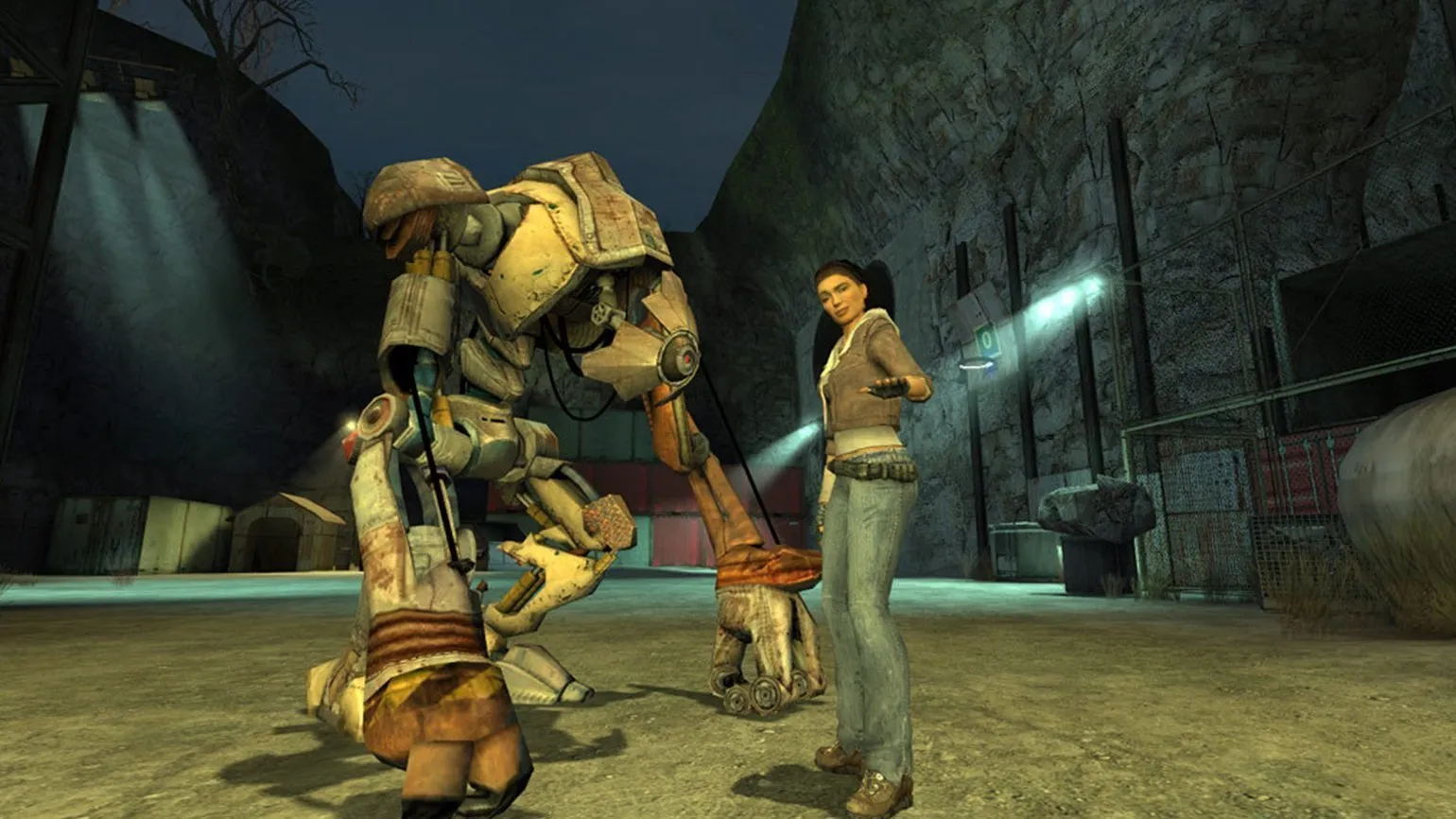
Instead of re-licensing a third-party game Engine, Valve's developers decided to focus on upgrading their own $/Src engine. During the upgrade, they integrated two key technologies that significantly improved the engine's functionality and performance. These changes allowed Valve to create higher-quality and innovative games, strengthening their position in the video game market.
- Faceposer Animation Editor: A set of tools developed by Ken Birdwell allowed for the creation of believable facial expressions, skeletal animation, and complex choreography for scripted scenes.
- Havok Physics Engine: A third-party physics simulation program. Its integration into Source was handled by Jay Staley: thanks to his efforts, among other things, the gravity gun and buggy rides appeared in Half-Life 2.
The second point clearly demonstrates the modular architecture of the Valve engine. In Source, various systems function as separate modules, which allows each of them to be upgraded independently of the others. This means that developers can add new tools, including third-party ones, without the risk of breaking backward compatibility. Users don't need to upgrade to a new version of the engine after each update, significantly simplifying the workflow and improving usability.
During the development of Half-Life 2, Valve's programming team implemented numerous improvements to the Source game engine. These include material-based texture generation for objects and dynamic reflections on water surfaces. Unlike many other studios, Valve focused its efforts not only on visual aesthetics but also on creating an engaging gaming experience, making Half-Life 2 a landmark project in the industry.
Priority is key in game development. John Carmack and his team create impressive technologies that we integrate into gameplay. We need to determine where to focus resources: on developing shaders or improving artificial intelligence. At the center of our approach is an understanding of how the player feels the moment the game starts. All technical decisions stem from this core question.
Gabe Newell, co-founder of Valve, shared his views on the development of video games and the industry as a whole in a 2007 interview with Rock, Paper, Shotgun. He discussed the importance of innovation in game design and the role of digital distribution, particularly in the context of the Steam platform. Newell emphasized that creating quality content and understanding player needs are key factors for success in this rapidly evolving field. He also addressed the future of technology and its impact on gamers, as well as how Valve plans to adapt to market changes. This interview became an important source of information for understanding the company's strategy and its impact on the gaming industry.
At the 2003 E3 conference, the world saw the game's tech demo for the first time, which caused a real sensation with its photorealistic graphics and high-quality animation. A particularly striking moment was the comparison of the five-year-old G-Man model with his updated version from Half-Life 2, which clearly demonstrated the advances in game development technology. These visual advances not only captured the attention of players but also set new standards for the video game industry.
Many believed that Valve had completely rewritten the engine from scratch, but after the first gaming sessions, it became obvious that Source and Goldsource have many similar elements. One of these elements is hitboxes: in Half-Life 2, each object has two of them - one created using Havok, and the other inherited from the first parts of Quake. Speedrunners actively use this knowledge, allowing themselves to achieve incredible speeds by manipulating the Havok hitbox.
It's impossible not to notice how similar the interfaces, movement physics, and loading screens are in both parts of the games. At the end of 2004, John Carmack himself noted in his blog that Half-Life 2 "has fragments of early Quake code left over." These parallels highlight the influence of previous developments on modern projects and demonstrate how game mechanics evolve while preserving elements familiar to players.
Source technology can be compared to the radioactive residue left after nuclear decay. Although Source is an innovative solution, it maintains a connection with traditional methods and approaches. This unique feature makes Source particularly attractive to users, as it combines novelty with time-tested principles. The main advantage of this technology is the ability to utilize its benefits without abandoning the familiar.
What's the Power, Source?
In 2003 and 2004, the gaming community was actively following the development of Half-Life 2, its delays, and the scandals associated with the leak of an early version of the game. At the same time, public attention was diverted from two other projects created using the Source engine, which were also released in November 2004. These games, while not as widely publicized, were important additions to the Source universe and contributed to the development of the gaming industry.
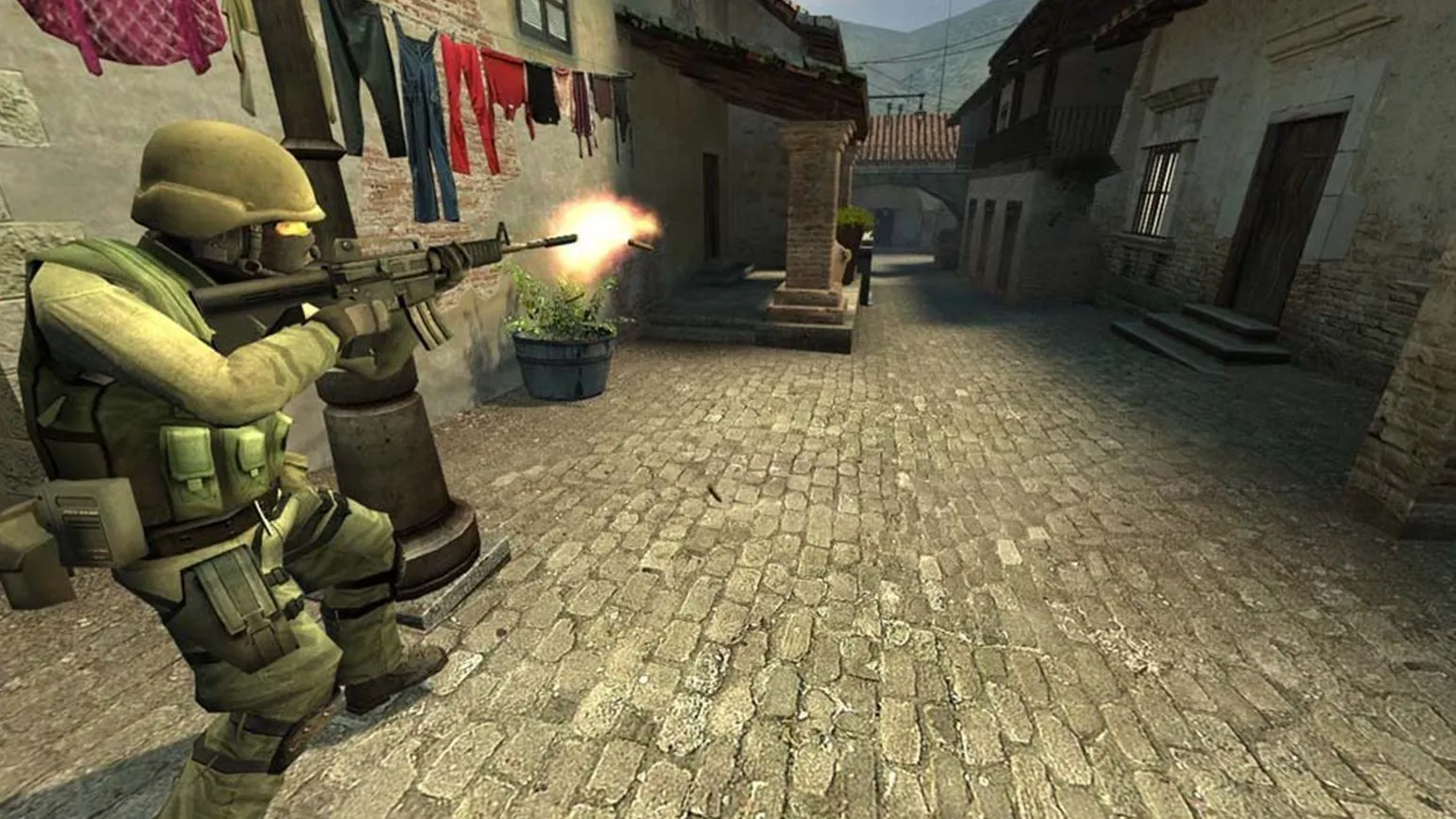
Counter-Strike: Source and Vampire: The Masquerade — Bloodlines are outstanding projects developed at different times and with unique challenges. Counter-Strike: Source, a popular multiplayer shooter, faced issues related to insufficient documentation and modding tools. A similar situation was observed with Vampire: The Masquerade — Bloodlines, developed by Troika Games. In particular, the Faceposer tool, necessary for working with animations and scripts, did not fully function until early 2004, which negatively impacted the development process and the final product. These issues highlight the importance of high-quality documentation and tools for the successful implementation of game projects.
Bloodlines faced serious difficulties: the game was released in an unfinished state, with numerous bugs and unfinished mechanics. Moreover, the release date was November 16th, the same day as Half-Life 2, which proved to be a fateful decision. This coincidence not only significantly reduced the game's chances of commercial success but also threatened the existence of Troika Games.
The fact that Valve was willing to license the new engine to a third-party team confirms the studio's commitment to continuing to support independent developers and the fan community. This decision opens up new opportunities for creative projects and innovative games, contributing to the development of the industry as a whole. Support from large companies like Valve plays a key role in the growth and prosperity of the independent game development community.
Then significant events occurred, which you are probably familiar with. The Source platform became the basis for the creation of several iconic games, such as Portal, Team Fortress 2, Left 4 Dead, Garry's Mod, Titanfall, and Dota 2. Many of these projects were originally developed as modifications. Most of them have achieved the status of popular hits: for example, Portal 2 continues to occupy high positions in the Steam game rankings. Furthermore, it's worth noting lesser-known releases, unofficial modifications, remakes of classic games, and thousands of community-created maps. These achievements highlight the importance of the Source platform in the gaming industry and its influence on the development of video games.
The engine has gained popularity not only among developers but also among the general public for several reasons. First, its intuitive interface allows users without deep technical knowledge to easily create and manage projects. Second, extensive documentation and an active community facilitate rapid learning and resolution of issues. Third, the engine's flexibility and scalability allow it to be used for a variety of purposes, from simple websites to complex web applications. These factors have contributed to its popularity among users with varying levels of development experience and skill.
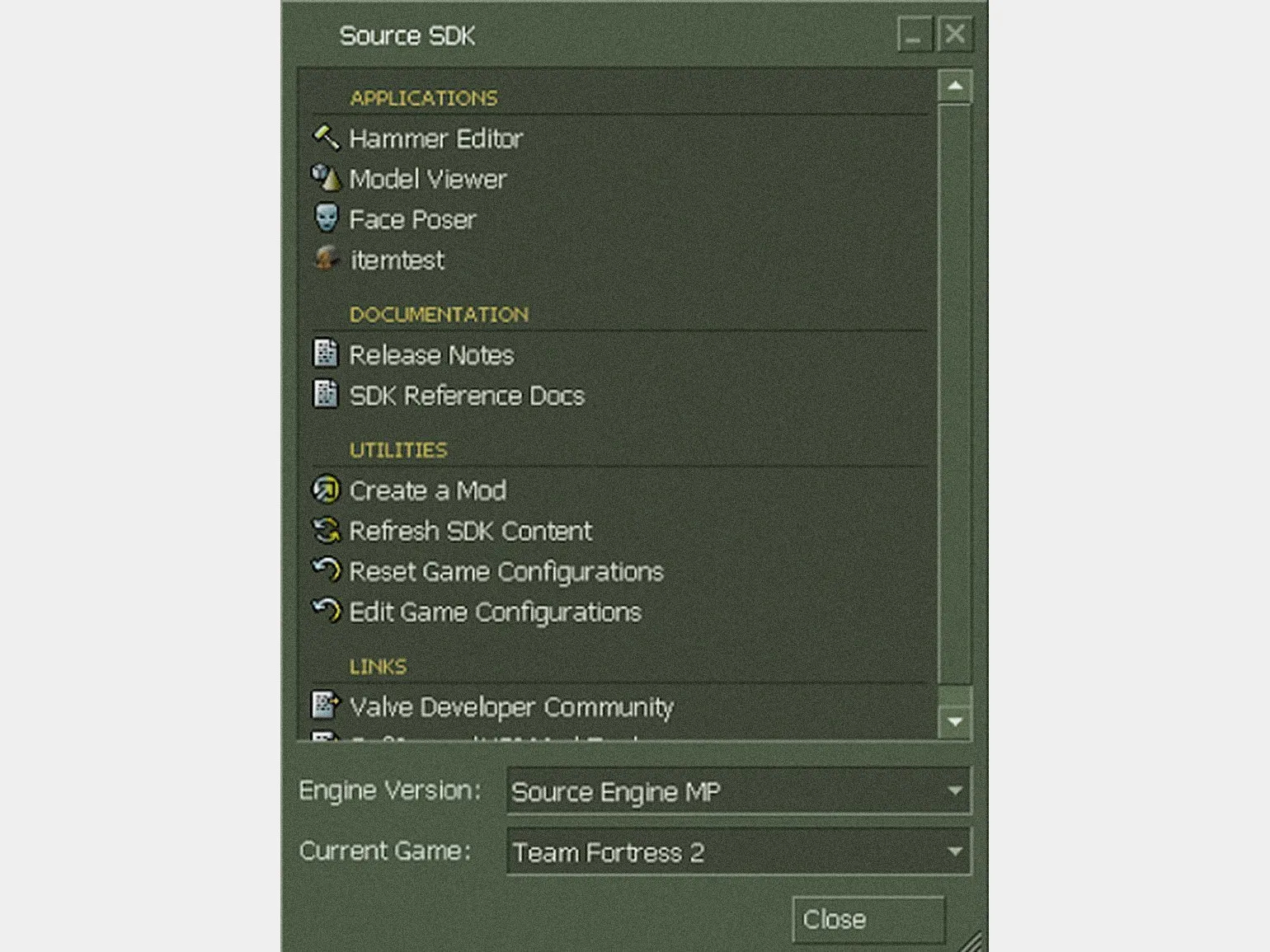
Valve offers access to a set of tools called the Source SDK to anyone interested in modding or map creation. This suite includes three key programs: Hammer Editor, Model Viewer, and Faceposer. Hammer Editor allows you to create and edit game levels, Model Viewer allows you to work with 3D models, and Faceposer helps you animate characters and their faces. With the Source SDK, users can realize their creative ideas and create unique content for Source engine games.
The first version of the editor appeared in 1996 and was created by modder Ben Morris for Quake. He soon joined the Valve team, and after several updates, the program was named Hammer Editor. This editor became the foundation for an active mapmaking community around Counter-Strike. Hammer Editor provides powerful tools for creating maps, allowing users to work with graphics and game mechanics without delving into the technical details of the engine. Thanks to this, maps created with it look attractive and provide an exciting gameplay experience in multiplayer matches.
The integration of the character model editor Model Viewer and Faceposer provides a convenient tool for creating game content. This set of tools is ideal for users without in-depth development knowledge and allows you to easily create unique characters and animations. Using this set, you can quickly implement your ideas and improve the quality of your game project.
Fan creations are often striking in their creativity. In 2004, a player nicknamed Marionwed created a unique map for Counter-Strike 1.6 featuring a surfing course. He initially developed surf_the-gap as a game with friends, but the fun process quickly led to the development of a full-fledged mod. Soon, dedicated servers and a vibrant community interested in surfing formed around it. This example vividly illustrates how player ideas can transform into full-fledged gameplay modes, attracting attention and creating new opportunities for interaction in the gaming world. Today, surfing, a distinct discipline in its own right, continues to develop and gain popularity in CS:GO. Numerous tutorial videos and surfing recordings from top players are available on YouTube. These resources help beginners master the technique and improve their skills, while experienced surfers can find inspiration for new tricks and routes. Surfing in CS:GO not only develops gaming skills, but also creates a unique community where players can share experiences and compete with each other.
In March 2004, Valve launched its digital marketplace with three key goals: simplify the process of downloading game updates, create additional barriers to piracy, and increase the company's revenue. Gabe Newell soon realized that this platform was ideally suited to support the Source game engine, which opened up new possibilities for developers and players. This decision was an important step in the evolution of digital game distribution and marked the beginning of a new era in the video game industry.
Steam provided the ability to automatically update engine tools on all computers connected to the service. This was a significant achievement for its time, since similar features, for example, in the Epic Games Launcher with Unreal Engine integration, appeared only fifteen years later. Automated updates significantly simplified the developer workflow and increased the efficiency of tool use, contributing to the development of the gaming industry.
Valve aimed to make its platform a hub for players. In 2011, Steam Workshop was launched, allowing users to share content based on their favorite games, including maps, levels, art, and modifications. Initially developed for Team Fortress 2, the service soon expanded to include many other games. This gave fans another opportunity to express their creativity and enhance the gaming experience. Steam Workshop became an important tool for building community and inspiring players.
In 2005, Valve launched the Valve Developer Community (VDC). The main goal of this resource was to replace static documentation with a dynamic web encyclopedia that Source platform users could edit and expand on. This allowed developers to share experiences and stay up-to-date on game development technologies and tools. The VDC has become an important resource for the community, promoting knowledge sharing and improving the quality of documentation for users.
Davie Wryden, creator of the famous "walking simulator" The Stanley Parable, also used this site. His game, characterized by a witty story and multiple branching paths, deconstructs narrative tropes and freedom of choice in video games. The first version of the project was released as a mod for Half-Life 2 and was created by Wrydén using the Source SDK.
All the knowledge I have gained has come from the community, including the Source Wiki and various forums. Every modder I know started by learning the tools, using the resources available. When you work with an engine like Source, the quality of your product will directly depend on the time you invest in mastering its capabilities.
In an interview with Shacknews in 2011, Davy Wrydén shared his views on the development of the gaming industry and the impact of technology on the game creation process. He discussed the changes in development approaches and the need to adapt to new player demands. Wrydén emphasized the importance of innovation and creativity in the gaming environment, pointing out that successful projects require not only technical mastery but also a deep understanding of the audience. He also touched on the interaction between developers and players, noting that feedback plays a key role in improving games. This interview was an important contribution to the discussion of current trends and challenges facing the video game industry.
Gabe Newell's company continues to support modders and aspiring developers, as it did with Goldsource. It periodically hires talented creators to help them complete their projects and release them as full games. This support contributes to the development of the indie gaming scene and provides an opportunity for new developers to realize their ideas.

One of the most famous examples in the gaming industry is Portal, a unique puzzle game in which players solve problems using a special portal-creating gun. The game originally appeared as a free demo version of Narbacular Drop, developed by DigiPen college students as part of their thesis project. It was there that Valve developer Robin Walker noticed the game and invited its creators to demonstrate their project at the company's offices. This move marked the beginning of Portal's successful history, which gained recognition for its innovative gameplay and engaging mechanics.
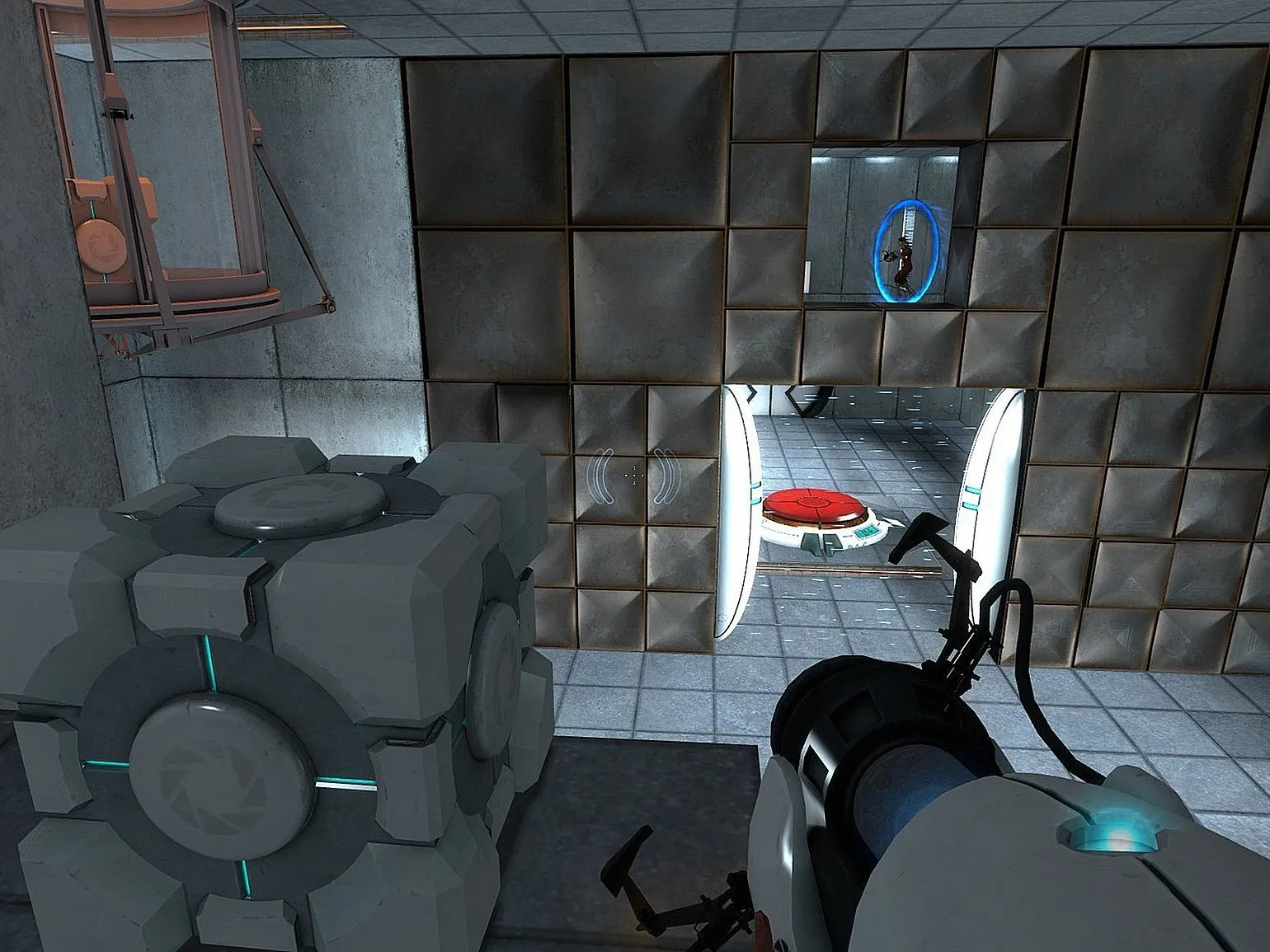
The project's creators soon presented it to Gabe Newell, who immediately decided to hire the entire team to develop a full-fledged game for Valve. In October 2007, Portal was released in the renowned The Orange Box compilation, which also included Half-Life 2 with two episodes and Team Fortress 2, a sequel to the popular mod created in the Goldsource engine. It is worth noting that Robin Walker continued to work on Team Fortress 2.
Gabe Newell, the founder of Valve, explained his choice to hire modders and young teams when asked about the reasons for this decision. He emphasized the importance of fresh ideas and innovative approaches that young professionals can bring to game development. Modders, with their unique experience and passion for content creation, are able to breathe new life into projects. This collaboration not only contributes to the development of the game but also helps Valve remain at the forefront of the gaming industry, attracting the attention of both old and new players.
Players should understand the importance of teamwork among developers. No matter how successfully a team creates its first game, the experience gained during the process allows for significant improvements in the quality of subsequent projects. The developers in question had achieved results that exceeded 98% of the gameplay featured in other games. Considering that they might no longer work together, this was a real loss. They needed to continue working together and deliver a full-fledged project. Ultimately, this decision proved successful.
Gabe Newell, co-founder and managing director of Valve, shared his views on the video game industry and the future of technology in an interview with Rock, Paper, Shotgun in 2007. He discussed the impact of digital distribution on gaming, emphasizing the importance of platforms like Steam, which have changed the approach to purchasing and distributing games. Newell also noted the need to adapt to new trends and player demands, as well as the importance of innovation in game development. His ideas about the future of the gaming industry and the role of technology in this process remain relevant today, emphasizing the significance of his contribution to the development of video games.
Fan creations often amaze with their creativity. In 2004, a player nicknamed Marionwed created a unique map for Counter-Strike 1.6 featuring a surfing course. Initially, the development of the map, surf_the-gap, was intended for playing with friends, but the process proved so engaging that the idea soon evolved into a full-fledged mod. Separate servers and a vibrant community have sprung up around it, demonstrating the popularity and demand for surfing in the world of Counter-Strike.
Surfing in CS:GO, having become a distinct discipline, continues to thrive and attract the attention of players. Numerous tutorial videos and session recordings from top surfers are available on YouTube, allowing both beginners and experienced players to improve their skills. This aspect of the game not only adds variety but also fosters a community of enthusiasts willing to share experiences and techniques.
Everything I know, I learned from the community, sources on the Source Wiki, and forum discussions. Every modder I know just sat down and started learning the tools using the resources available. When you work with an engine like Source, the quality of your product directly depends on how much time you invested in learning its capabilities.
In 2011, Davy Wrydén gave an interview to Shacknews, in which he discussed key aspects of his career and the impact of video games on society. He shared his opinion on current trends in the gaming industry and talked about his projects that changed the perception of games. Wrydén also touched on the importance of innovation and creativity in development, emphasizing that successful games should evoke emotion and engage players. This interview marked a significant milestone in his career and provided a new perspective on the future of video games.
Next Generation
Source was initially developed as a technology capable of constant evolution and updating. However, by the early 2010s, it began to show signs of obsolescence. The engine's visual capabilities could no longer compete with more modern platforms such as Unreal Engine or Frostbite. Source's tools also failed to meet the needs of modern developers, limiting its use in new projects.
Some developers continue to use the Source engine, including Respawn Entertainment, headed by Vince Zampella. They used this engine to create both Titanfall games and the popular battle royale game Apex Legends. Producer Drew McCoy noted that the choice of the Source engine was driven by the extensive toolset left over from other projects, as well as the ability to quickly create gameplay prototypes. This approach allows the team to quickly test ideas and innovate throughout the game development process.
The Respawn team was faced with the need for significant changes. McCoy noted that the engine was quite slow in terms of image rendering. To speed up Source, the developers redesigned almost all systems, including networking and animation, moving from a single-threaded to a multi-threaded architecture. They also rewrote the audio code, implemented a custom lighting system, and implemented many other small improvements. These changes significantly increased the performance and graphical quality of the game.
McCoy expressed his hatred of having to mention that it was Source.
Historically, the Source engine has undergone many significant changes. Despite its modular architecture, there were occasional modifications that broke backward compatibility. For example, the version of Source used in Left 4 Dead does not support mods for Half-Life 2 due to significant differences from the original version. These changes highlight that, while the engine is a versatile development tool, its evolution leads to unique gaming experiences that are not always compatible with previous projects.
Valve recognized the need for a major update to its game engine. To this end, back in 2007, after the release of Half-Life 2: Episode Two, the company began developing a successor to Source. This is why Episode III was never released. Level designer Dario Casale, in an interview with IGN, noted that the team would prefer not to work on a sequel until the new engine was ready. This decision underscores Valve's commitment to high quality and innovation in its games.
In 2015, at the GDC conference, the company unveiled its new Source 2 game engine. Shortly thereafter, Dota 2 received a significant update called Reborn, which enabled the game to transition to the updated engine. The transition to Source 2 introduced several key features to Dota 2, including improved graphics, optimized performance, and new opportunities for user-generated content creators. These changes significantly improved the quality of gameplay and expanded functionality, making Dota 2 even more attractive to players and content creators.
- a completely redesigned Hammer Editor with modern tools for editing polygon meshes;
- support for the Vulkan API, a 3D graphics API;
- a new Rubikon physics engine with cloth simulation;
- improved sound and voice processing;
- support for 64-bit and 32-bit operating systems, including mobile platforms.
The first games developed on the Source 2 engine were the collectible card game Artifact and the autobattler Dota Undergrounds. However, the true potential of this engine was demonstrated by Half-Life: Alyx, a virtual reality shooter released in March 2020. Critics praised Valve's efforts to adapt the iconic universe for VR, but the popularity of the first two games never reached the expected heights. The same can be said of the Source 2 engine, which, despite its technical capabilities, failed to achieve widespread adoption in the gaming industry.
Competition in the world of game engines has increased significantly, and this is not only due to the quality of technology. Over the past decade, market leaders Unreal Engine and Unity have emerged, offering more advanced tools and developing powerful ecosystems. These ecosystems include learning platforms, software applications, and asset stores, and Unreal Engine also offers integration with the Epic Games Store. As a result, these engines are used to create a variety of games, ranging from isometric RPGs to photorealistic first-person shooters. The quality of graphics and development capabilities in these engines attracts many developers and players, making them a cornerstone of the modern gaming market.
Respawn Entertainment chose Unreal Engine 4 for its latest game, Star Wars Jedi: Fallen Order. Game Director Stig Asmussen and Vince Zampella explained this choice by the engine's high performance, and the number of developers familiar with Unreal significantly exceeds the number of Source specialists. This decision highlights the advantages of using popular game engines, which provide a more efficient development process and access to a wide community of professionals.
As of today, it is known that Facepunch, a studio led by Garry Newman, is developing the game Sandbox on the Valve engine. However, Source 2, like its predecessor, is primarily aimed not only at developers but also at the gaming community, including mapmakers and modders. This opens up vast opportunities for the creation of user-generated content and modifications, which can significantly enrich the gaming experience and attract attention to new projects on the platform.
With the Source 2 platform, we aim to increase the productivity of content creators. With the growing importance of user-generated content, Source 2 is designed not only for professional developers, but also to enable ordinary users to actively participate in the creation of their favorite games. We are making Source 2 available for free to content creators, opening up new opportunities for creativity and collaboration within the gaming community.
At GDC 2015, Jeff Staley announced the launch of Valve's Source 2 game engine. This new engine represents a significant upgrade over the previous version and offers developers more powerful tools for creating modern games. Source 2 is focused on supporting cutting-edge technologies and improving graphics, opening up new possibilities for developers and gamers. Valve is actively working to integrate Source 2 into its projects, including successful games like Dota 2. The announcement of Source 2 at GDC 2015 was a major step in the evolution of gaming technology and pushed the industry to new heights.
As a confirmation of its intentions, Valve released an updated version of the SDK for Dota 2 in 2014, and in 2020, a similar set of tools appeared for Half-Life: Alyx. These updates underscore Valve's commitment to supporting and growing its gaming franchises by providing developers with powerful content creation tools.
Whether these programs will form the basis for the new Portal is unknown, but it is safe to say that it is difficult to find design tools as effective as those in Source today. This engine remains the best choice for creating your own Half-Life modifications or Counter-Strike maps, allowing you to share your work with an interested audience. As long as Valve's games continue to attract fans, you can be sure that such creators will always be found.
Who are you in the world of game development? A mini-course for those who want to make games.
In this free mini-course, you'll try yourself as a game designer, 2D artist, or Unity game developer and choose the profession that's right for you.
Find out more.