Contents:

Learn: The Profession of Game Designer from Scratch to PRO
Learn moreCreating something new and unexpected in an established genre is not an easy task, especially when it comes to genres that have remained Conservative. However, this is precisely the goal set by the developers of Gloomwood, an immersive simulator that combines elements of stealth and survival horror. Gloomwood offers a unique experience, immersing players in an atmosphere of tension and exploration, where every move can be decisive. The game stands out not only for its artistic style, but also for its mechanics, which bring a fresh take on familiar elements of the genre.
The project's designers, Dillon Rogers and David Szymanski, are developers from the New Blood Interactive team. They previously worked on the retro shooter Dusk, which is inspired by the design principles of classic games such as Quake and Duke Nukem.
In their new project, the developers once again turn to a retro style, but this time they draw inspiration from 1990s classics – the Thief series of immersive simulators and the early installments of the Resident Evil horror franchise. Skillbox Media's Gamedev editorial team analyzes the reasons why the developers are returning to such a distant past and explains why Gloomwood is worth paying attention to. This project promises to immerse players in an atmosphere filled with nostalgia and offer unique gameplay mechanics that were popular in the past. Gloomwood combines stealth and horror elements, creating a tense gaming experience that will appeal to both long-time fans of the genre and new players.
How Gloomwood is Similar to Thief
Dillon Rogers and David Szymański are devoted fans of the renowned Thief series. They have repeatedly expressed their affection for the adventures of the protagonist Garrett and even incorporated references to this iconic game into their own projects. Their passion for Thief inspired them to create a unique gaming experience that captures the atmosphere and stealth gameplay elements that became iconic for the original series.
The first two parts of the legendary thief series – Thief: The Dark Project (1998) and Thief 2: The Metal Age (2000) – had a significant influence on game developers. Created by Looking Glass Studio, these games offered a unique concept for the action genre, allowing players to assume the role of a cunning thief rather than a powerful hero. Unlike traditional stories in which characters battle aliens or demons, Thief emphasizes stealth elements, with gamers breaking into the homes of wealthy individuals and stealing their treasures. This approach to gameplay not only brought strategic and tactical elements to the forefront, but also created a new era for the genre, inspiring many subsequent games and creating a unique gaming atmosphere.
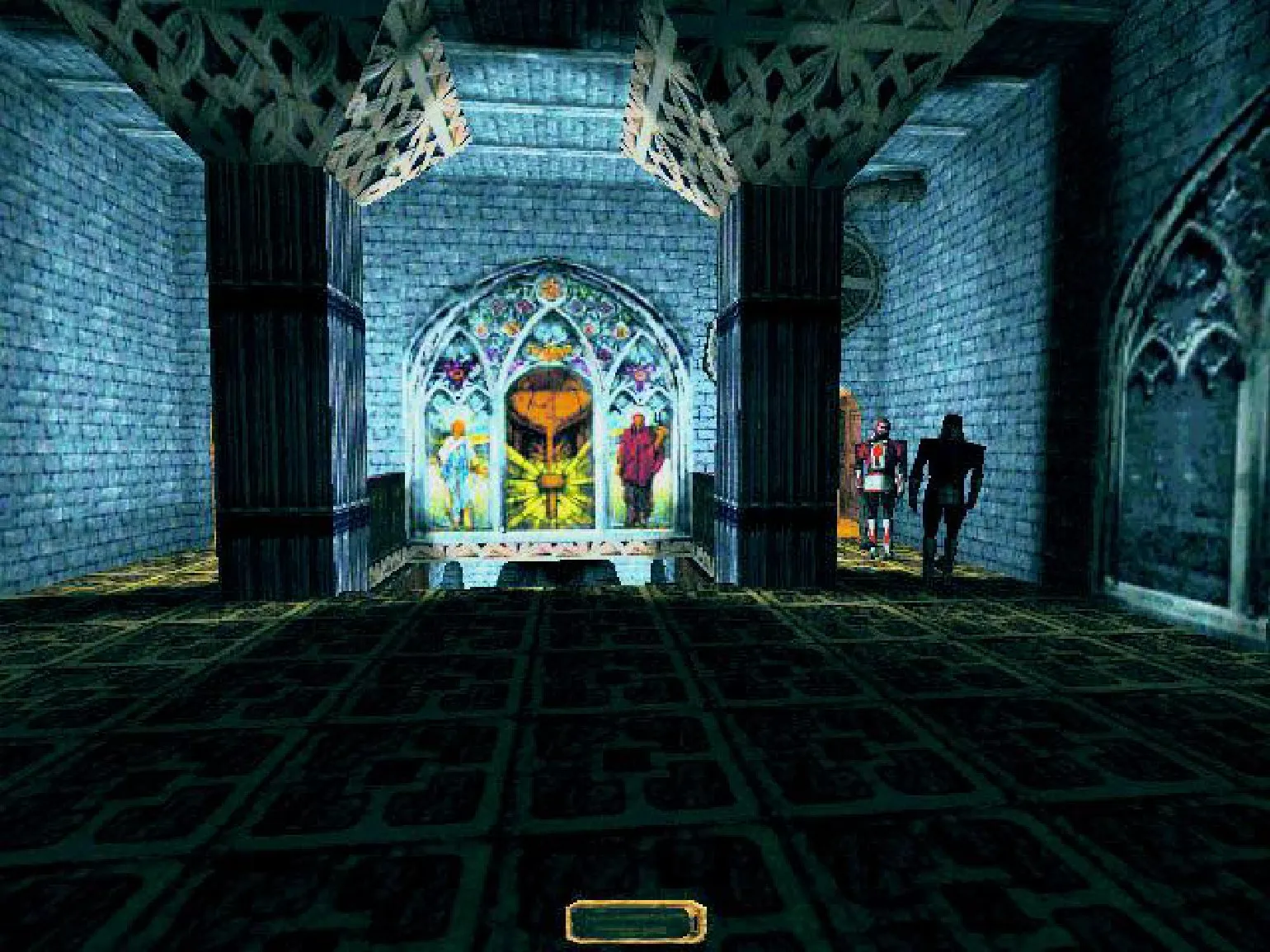
Thief: The Dark Project, one of the first stealth games in history, focuses on stealth through levels. In this genre, it was surpassed only by projects such as Metal Gear and Commandos: Behind Enemy Lines. However, Thief stands out thanks to a number of innovative mechanics that significantly improve the implementation of stealth gameplay. The game offered a unique approach to interaction with the environment and interaction with NPCs, which made it a cult work and influenced the development of stealth games in the future.
Let's consider the sound propagation system in Thief. The player must take into account the type of surface on which the protagonist moves. Steps on different materials, such as stone, tile, or carpet, create different sound effects. Closed doors significantly reduce the audibility of the character's actions. Furthermore, enemies most often communicate verbally, meaning that if a guard spots the player, they won't be able to call for help from their allies if they're too far away. This mechanic adds a strategic element to the gameplay, encouraging players to carefully plan their actions and use sound to their advantage.
Since the release of the first Thief game in 1998, stealth action games have evolved significantly, but none have achieved the level of sound design seen in Thief. The developers at Gloomwood aim to fill this gap by prioritizing sound throughout their project. They understand that high-quality sound not only enhances the game's atmosphere but also impacts gameplay, allowing players to more deeply immerse themselves in the world and the character's experience. Gloomwood offers a unique experience, paying attention to every detail of the sound design, which makes the game attractive to fans of the genre.
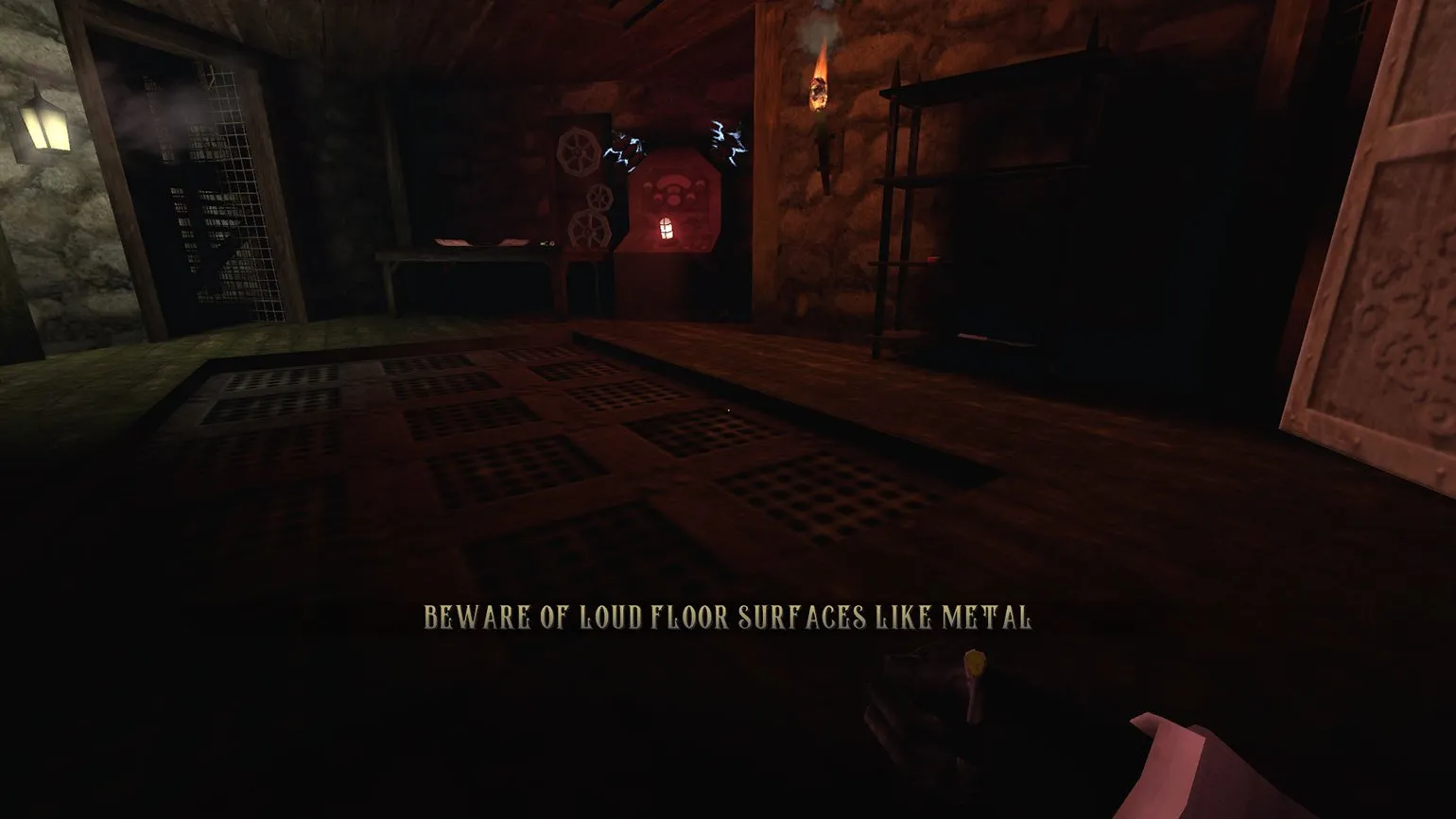
In Gloomwood, sound plays a key role, surpassing even the importance of sound in Looking Glass games. For example, leaning against a locked door allows the player to detect sounds coming from behind it. Loud environmental elements, such as a waterfall or a running generator, create aural masking that conceals the character's footsteps. This attention to sound enhances the game's atmosphere and makes every moment more tense and engaging.
Other Thief concepts were successfully adapted into Gloomwood. In the original Looking Glass game, players could extinguish torches in a level using a water arrow. In Gloomwood, this mechanic is implemented through a pistol that fires water bullets. Additionally, electric lanterns can be destroyed by shooting them with a shotgun or revolver. These elements add tactical depth to the gameplay and allow players to use the environment to their advantage.
The creators of Gloomwood not only borrowed gameplay mechanics from the Thief series, but also carefully studied documents and presentations from Looking Glass to recreate the visual aesthetic of the original. Rogers and Szymański were so engrossed in the process that they began using tools used by developers in the 1990s. This allowed them to create a unique atmosphere that echoes the genre classics while maintaining modern quality standards.
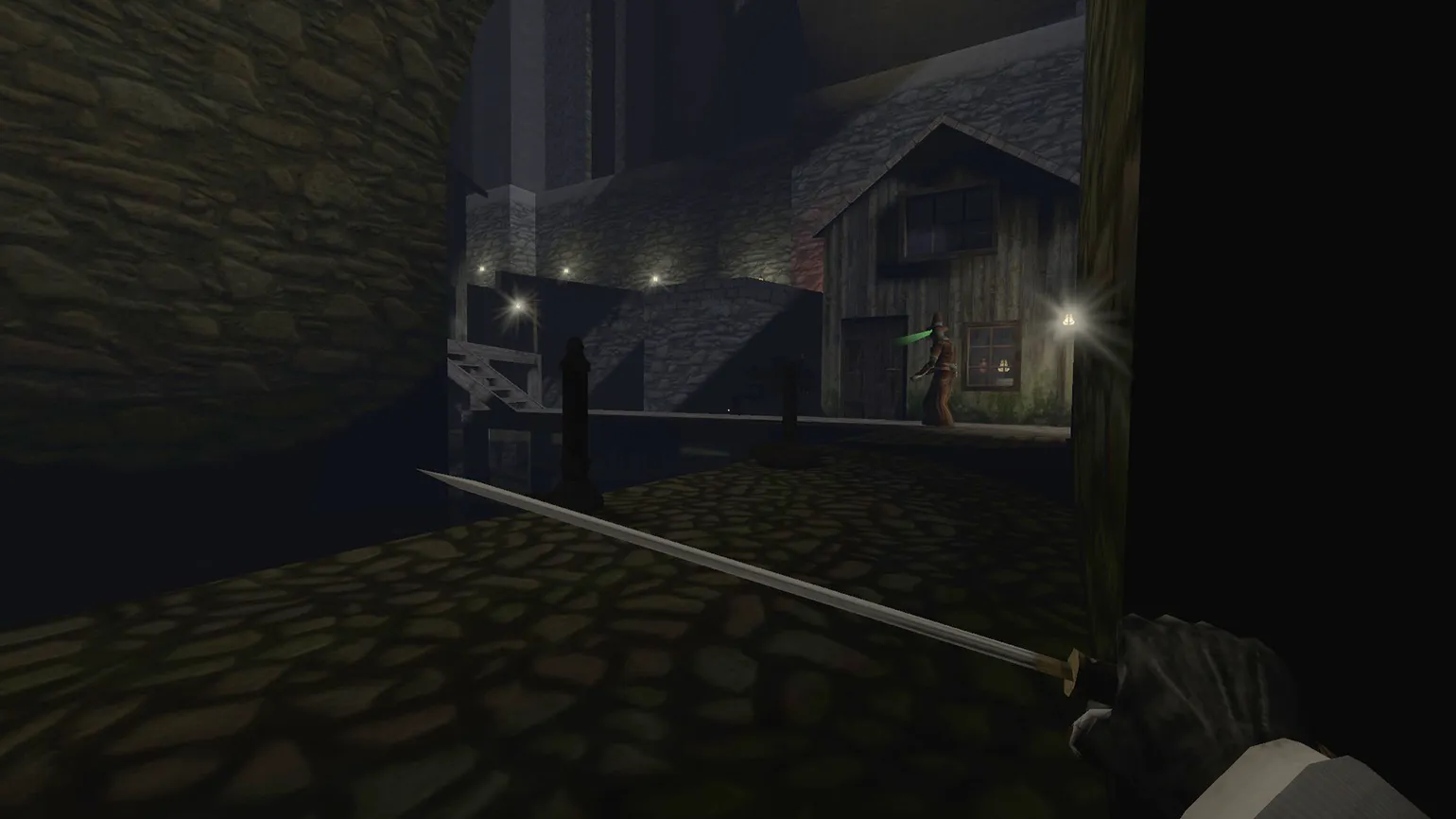
The legacy raycasting lighting system uses a method in which light is evenly distributed from the source to the nearest obstacle, such as a wall or closed door. Modern games use dynamic lighting, which allows for more realistic and precise control of how light interacts with the game space. However, developers Rogers and Szymański decided that the lighting in Gloomwood should work similarly to the classic Thief game. This solution allowed players to retain the ability to disable light sources, which is an important element of the gameplay and contributes to the atmosphere of stealth and strategic planning.
We discussed the lighting issue in our game with several engineers at Unity. They suggested using a dynamic lighting system, but we responded that we wanted to create a game that would look and function as if it were released in 2000. We are focused on preserving the atmosphere and style of that era, which is an important part of our project.
Dillon Rogers is a lead designer at Gloomwood, a company known for its innovative approaches to video game development. His creative input and unique vision allow him to create immersive and atmospheric game worlds. Dillon's experience includes not only level design but also visual effects, making him a key player on the Gloomwood team. He is actively involved in the development of gameplay mechanics, which helps create engaging and nuanced gameplay. Dillon Rogers continues to inspire players and developers alike with his professionalism and passion for games.
As a result of the developers' efforts, Gloomwood truly feels like a more refined version of Thief. Every element of the game world, including the vibrant orange carpets, contributes to the unique atmosphere. The game combines stealth elements and atmospheric design, which makes it attractive to fans of the genre.
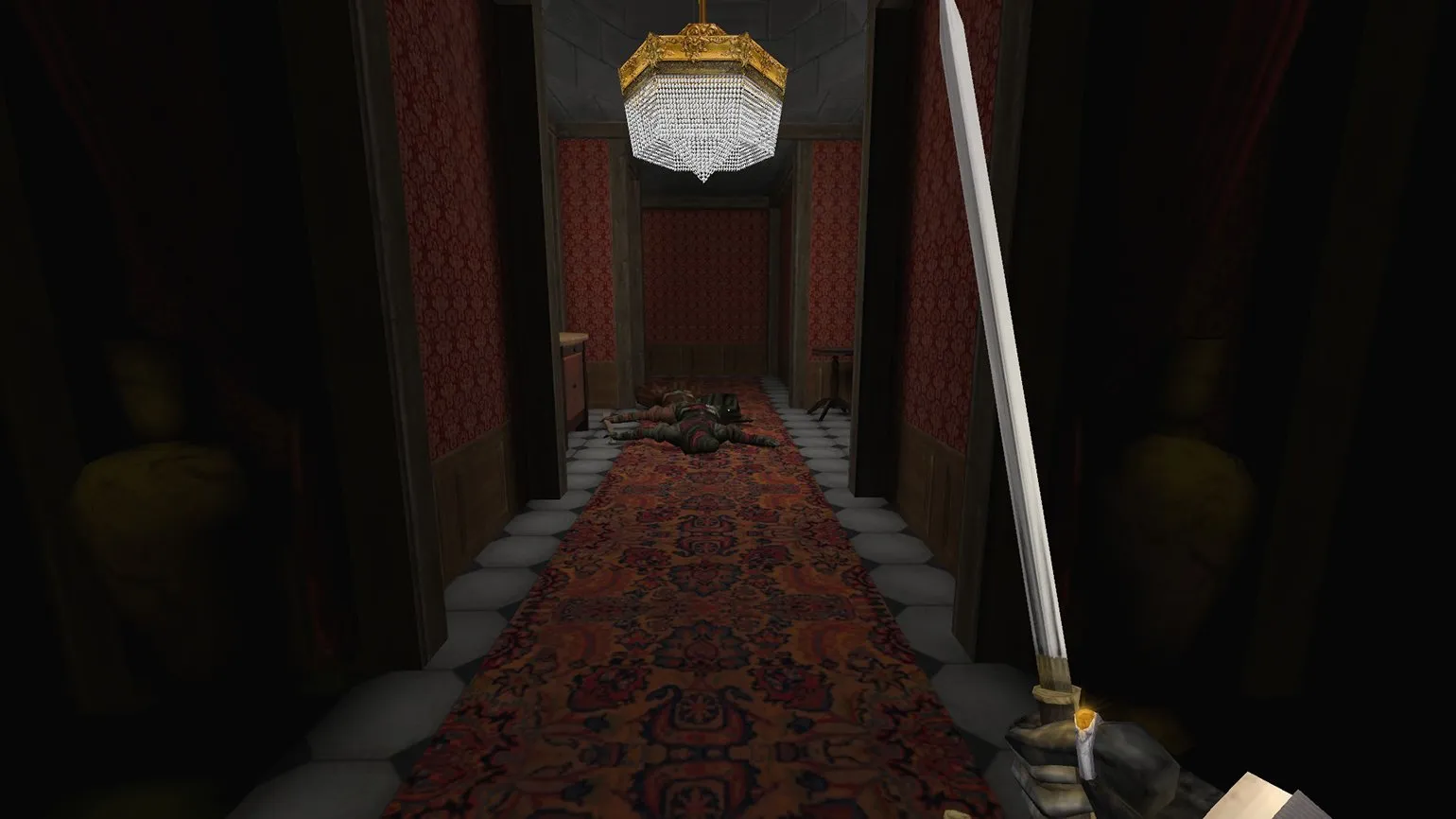
Gloomwood's design is not limited to simply copying famous series, it also includes other, no less significant element.
What does Gloomwood have in common with Resident Evil?
Gloomwood begins with the Hunters, local guards in plague doctor masks, throwing the protagonist into the basement of a fish factory. The character must escape their power and set off on a journey, first to an abandoned lighthouse, and then to a Victorian town engulfed in an epidemic of a mysterious disease. Players will explore an atmospheric world, solve puzzles, and avoid dangers to uncover the secrets hidden in this gloomy environment. Gloomwood combines stealth and horror elements, creating a unique experience that immerses you in the eerie atmosphere of the Victorian era.
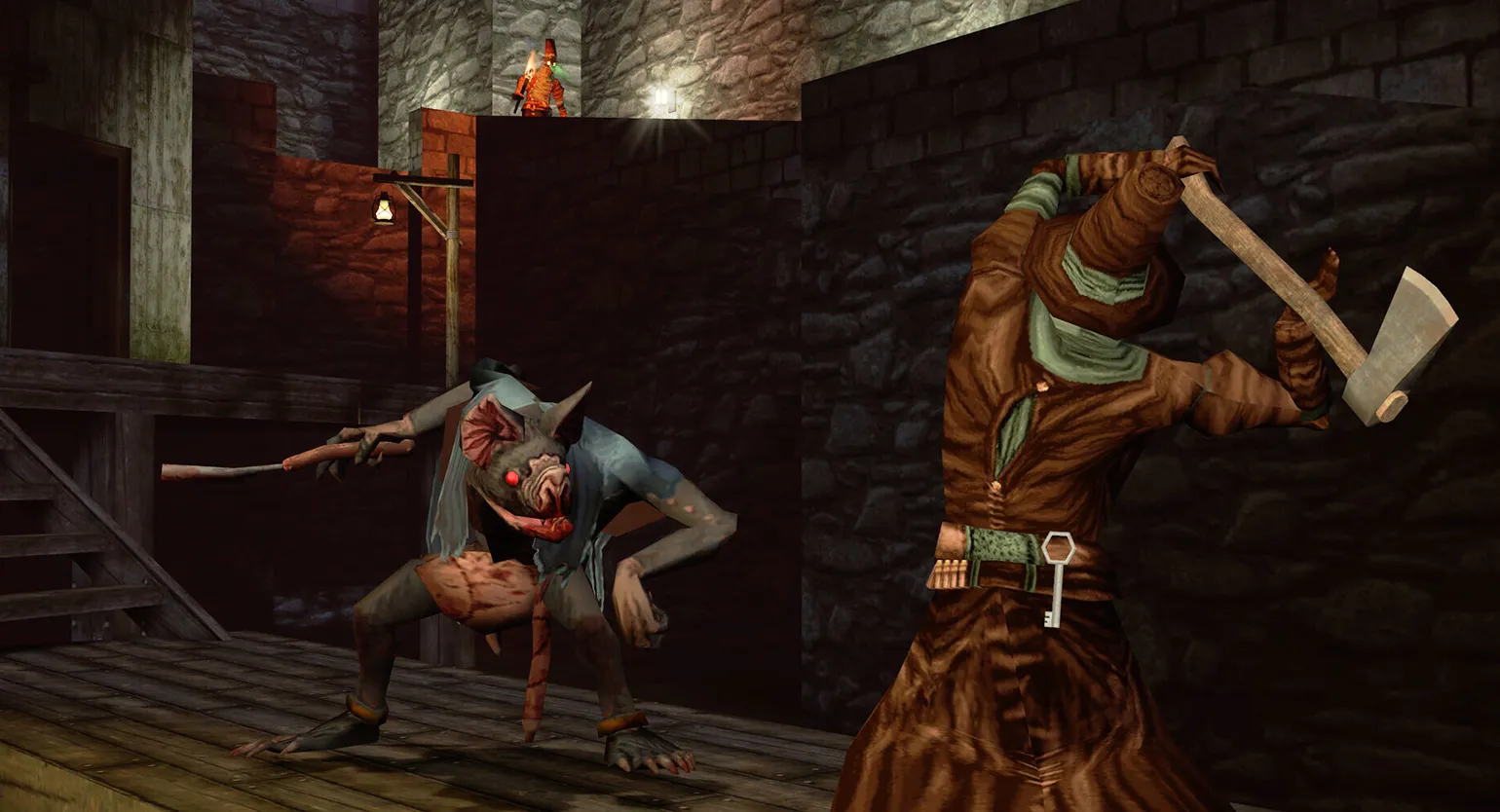
During his journey, the hero will encounter many guards who shine their searchlight-like eyes. Among the enemies there will also be huge man-eating dogs and bats, ready to tear the character to pieces with their sharp claws. Within the first few hours of playing Gloomwood, it becomes clear that the player can expect not only classic stealth elements, such as hiding in the shadows and stealth kills of enemies, but also a genuine horror experience that adds tension and fear to the gameplay.
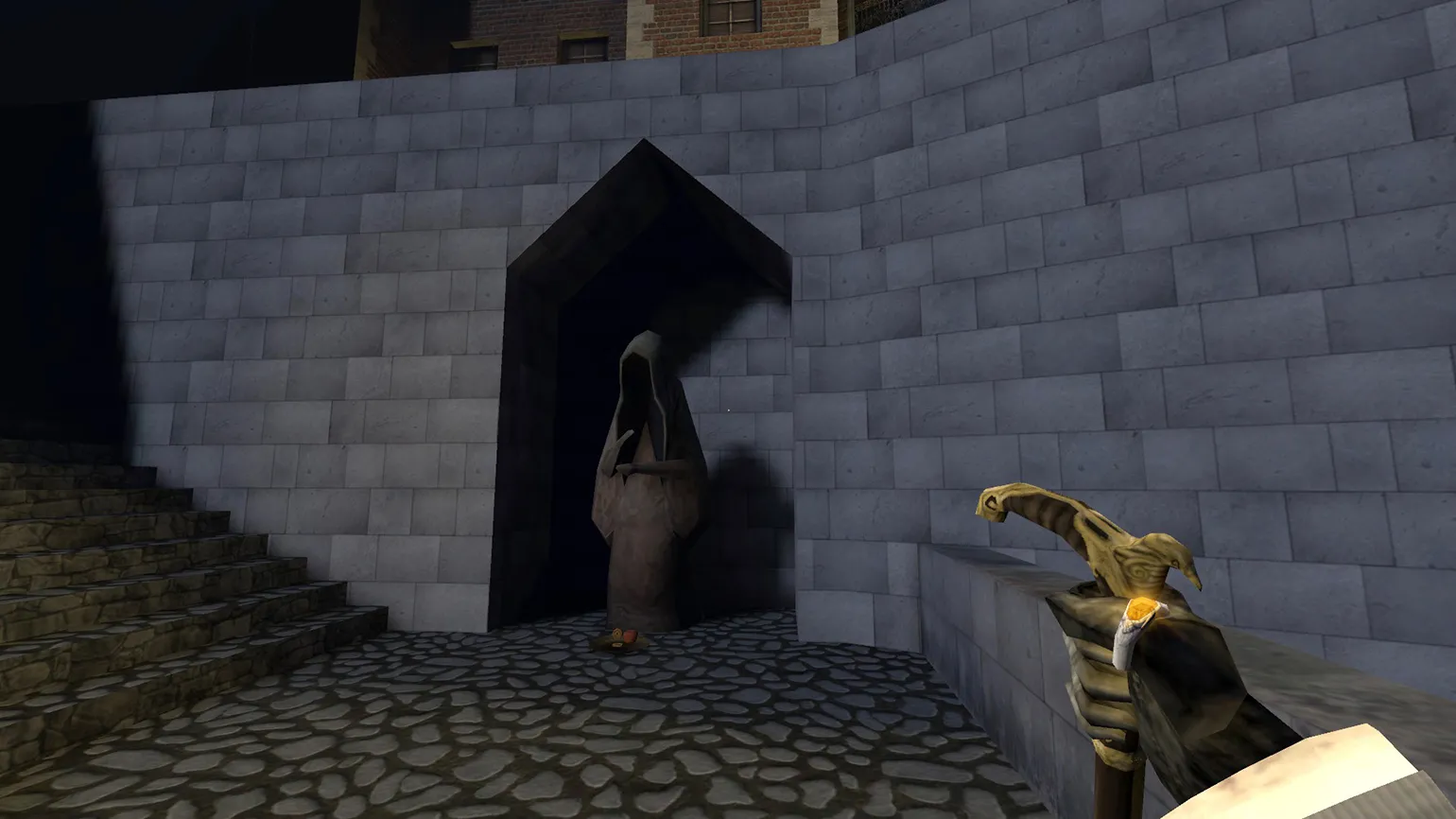
Horror elements have long been commonplace in immersive sims. One of the most famous examples is the Shalebridge Cradle level from Thief: Deadly Shadows, released in 2004. This level is considered one of the scariest in video game history due to its tense gameplay and unique atmosphere. Designer Jordan Thomas, who worked on Thief III, later created the Fort Frolic level for the first BioShock, also known for its dark and eerie atmosphere. These examples demonstrate how horror elements can be effectively used to create a memorable gaming experience.
Gloomwood stands out from other games thanks to its unique combination of aesthetics and mechanics characteristic of the survival horror subgenre. Unlike many similar projects, Gloomwood actively borrows elements from genre classics like Resident Evil and Silent Hill. These mechanics enhance the atmosphere of tension and fear, making the gameplay more engaging and exciting for horror fans.
Gloomwood's protagonist is highly vulnerable: even on the normal difficulty level, he can die from a few hits from a regular guard. A lack of ammo and water capsules for his pistol makes it difficult to extinguish all the lanterns and torches in the area. Even if there were enough resources, the limited space in the protagonist's suitcase does not allow for all the necessary ammunition.
To open the suitcase, you first need to find a suitable surface to place it. It's important to note that while you're exploring the stylized inventory, the game world continues to function, and enemies may suddenly attack the protagonist. Therefore, you should be careful and choose the moment to access the inventory to avoid unpleasant situations.
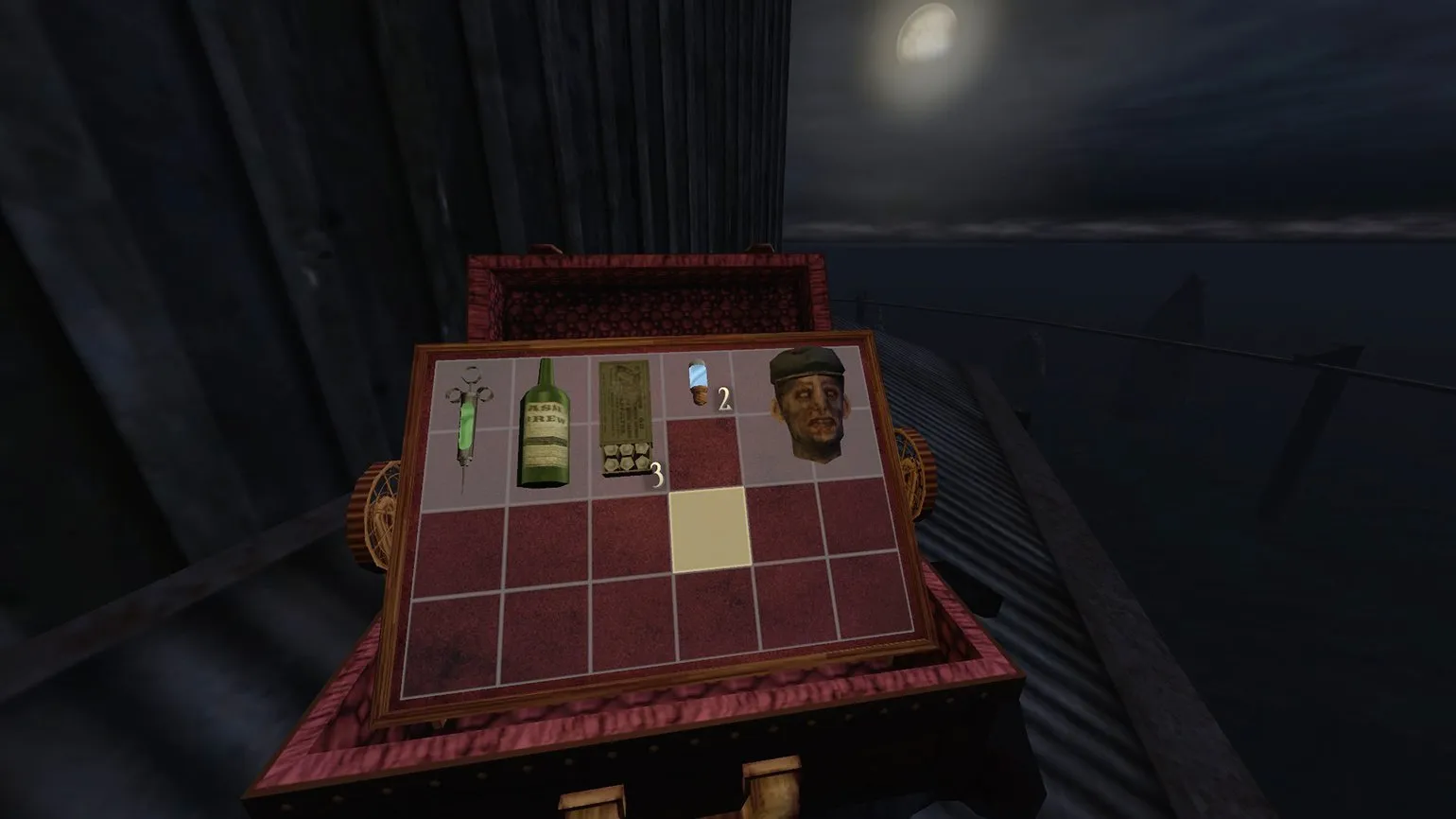
This context combines elements of two Genres: survival horror and immersive sim. The scarcity of resources, typical of games like Resident Evil, forces players to actively experiment and utilize the interactive environment. The game world is dotted with a variety of objects, including glass bottles, iron traps, explosive barrels, and even body parts. All these elements serve to increase the chances of survival and preserve necessary resources until the next checkpoint, represented by a gramophone. The use of such mechanics not only adds depth to the gameplay but also creates a tense atmosphere typical of the survival horror genre. Music players are a key element that Gloomwood inherited from classic survival horror games. Interestingly, it was this aspect that allowed the designers at New Blood to overcome the problems common in other immersive sims. Thanks to music players, players can become more immersed in the game's atmosphere, significantly enhancing the overall experience of interacting with the game world. This innovation not only enhances the atmosphere but also helps create a unique gameplay experience that sets Gloomwood apart from other projects in the genre.
How New Blood Solved the Enduring Problem of Immersive Simulators
Gloomwood, unlike other immersive simulators, does not offer players the ability to save progress at any time. The only exception is the easy difficulty level, created for beginners, where the developers allowed saving the game at any time. However, the core concept of the game does not include this feature, which has caused a mixed reaction among fans of the genre. Some appreciate the challenge posed by the lack of frequent saving, while others find this limitation inconvenient.
Of course, I will help you with text editing. Please provide me with the text you want to change.
Fans of the survival horror genre are well aware of the importance of gramophones in games. This isn't just a design element, but an essential gameplay mechanic, similar to the typewriters from the Resident Evil series, which many are familiar with. Fans of immersive simulators, on the other hand, are accustomed to quicksave and load functions. They use these mechanics to correct mistakes or experiment with game systems. Thus, gramophones become not only a source of nostalgia but also an important aspect of gameplay, highlighting the uniqueness of each genre.
Dillon Rogers is the lead designer on Gloomwood. He is responsible for creating the project's unique visual style and atmosphere, which combines elements of horror and adventure. Rogers actively works on the development of the game world, working on details that immerse players in the dark atmosphere. His experience and creative approach help shape the original gameplay and gripping story. Dillon's contributions to Gloomwood make the game more appealing to fans of the genre and generate high levels of interest among the audience.
In the gaming world, the term "save scumming" describes the process by which a player attempts to replay actions that led to negative outcomes by loading a previously saved game state. This phenomenon allows a player to avoid undesirable consequences and achieve a more successful outcome, but can also reduce interest in the gameplay and reduce the elements of chance. Save scumming is a common practice among gamers seeking to optimize their in-game performance and minimize errors.
Reworked text:
Read also:
Save scumming is the practice of players saving the game before potentially risky actions, so that they can later load the save if they fail. and try again. This often happens in RPGs and games with elements of chance, where the outcome of events can significantly affect progress. For many players, this strategy allows them to avoid unwanted consequences, but it can also reduce the level of tension and diminish the enjoyment of the gameplay.
To combat save scumming, game developers can implement several approaches. First, they can limit the number of available saves or make them automatic, which will reduce the possibility of save manipulation. Second, this can include the use of an achievement system or rewards for successfully overcoming difficult moments without loading previous saves.
Players should consider turning off save scumming to increase their engagement and experience the true emotions of the game. This can make the gameplay more engaging and rich, allowing them to enjoy each moment without the ability to go back. Ultimately, the choice is up to each player, but understanding the consequences of save scumming can help create deeper and more meaningful experiences in games.
Save scamming continues to spark debate among fans of immersive simulators and RPGs. On the one hand, this practice allows players to play the game in their preferred mode. On the other hand, it encourages replaying the same moments, which can break immersion and reduce the tension associated with making difficult decisions. It's important to consider that save scamming can impact the overall gameplay experience, making it less intense and emotionally rewarding.
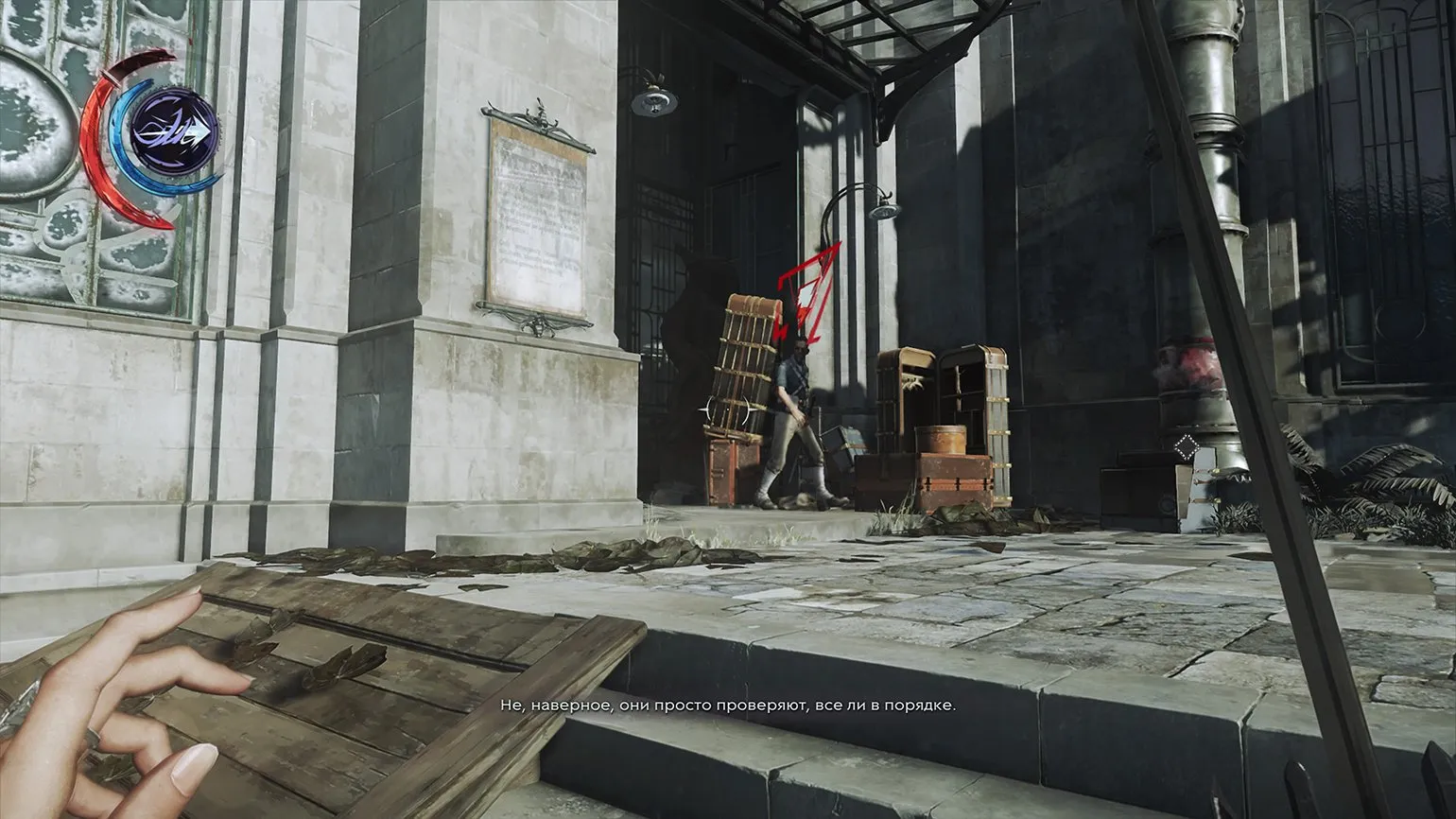
The Dishonored series features numerous mechanics that support an aggressive playstyle. Players can use swordplay, pistol shooting, summon swarms of rats, or use enemy bodies as shields. These gameplay elements provide the opportunity to confront guards in open combat if stealth methods fail. However, the game doesn't force players to follow the sequence of events to the end: players can load their last save at any time and replay a difficult moment. This makes the gameplay more flexible and allows each player to adapt to their playing style.
Soren Johnson, development director of the third and fourth Sid Meier's Civilization games, expressed his opinion on save scamming, stating: "If you give players the option, they'll optimize all the fun out of the game." Rogers shares a similar point of view, sharing his thoughts in an interview for the YouTube channel Noclip. These statements highlight the importance of balance in gameplay and the need for developers to consider the impact of mechanics on enjoyment. Save scamming can reduce the elements of surprise and tension, which ultimately affects player interest.
In Thief, some of the most memorable moments do not come from the simple process of restarting after being caught. The real pleasure comes from escaping from guards who have spotted the player. If the developers implemented a quicksave feature by default, many players would miss out on a variety of exciting events—from unexpected encounters with Hunters to exploiting game mechanics like bear traps. As a result, players would only have a limited experience, missing out on the unique moments where game systems interact with each other.
Dillon Rogers is a lead designer at Gloomwood. His work involves creating unique game experiences that immerse players in a gothic adventure. Thanks to his creative approach, Gloomwood engages players with innovative gameplay and a captivating story. Dillon is actively involved in the development of visual elements as well as in shaping the overall concept of the game, making him a key figure on the team.
The gramophones in Gloomwood enhance the level design techniques typical of immersive sims. The game has a limited number of save points, typically only one or two per location. This makes every shortcut or alternative route found especially valuable and makes exploring the game world much easier.
The gameplay immerses players in a unique rhythm, reminiscent of Resident Evil. Tension builds as the player ventures away from familiar areas, followed by relief when they find a lever that opens a door between locations or hear the melody of a gramophone hidden nearby. These elements create a balance between fear and relief, heightening engagement and interest in the game.
Rogers strove to create a unique atmosphere in the game, so that players feel the transition from a confined space to the open world of the survival horror genre. "My goal was that when you leave a confined space, you feel like you're entering a dangerous and frightening world," the developer shares. This attention to detail allows players to become deeply immersed in the game and fully experience its tense atmosphere.
The gramophones in Gloomwood act as safe havens amidst the eerie autumn night. This contrast, along with other game design techniques, draws the player deeper into the game's absurd universe. Unlike other immersive simulators that offer a more friendly experience, Gloomwood creates a unique atmosphere where tension and fear become an integral part of the gameplay.
Gloomwood was released in Early Access in September 2022. There is currently no official release date for the final version of the game, but the current version is already available, which includes approximately six starting locations. Among them are the recently added supply store and the first boss fight. Gameplay in this version is estimated to last approximately 7-8 hours. Continuing to evolve, Gloomwood promises to offer players new locations and exciting gameplay elements, making it an anticipated release for fans of the genre.
Game designer profession from scratch to PRO
A game designer creates the structure of a game. They develop the concept, rules, and gameplay, and decide what emotions the story will evoke in players. You'll master game design principles from scratch and learn how to work with popular engines like Unity and Unreal Engine. You'll learn how to retain player interest and monetize your games. And we will help you start a career in the gaming industry.
Find out more