
Contents:

Learn: The Game Designer Profession from Scratch to PRO
Learn MoreHow to write your first game script? This question worries many aspiring authors. We reached out to professional game writers, narrative designers, authors, and independent developers to gather their advice and personal experiences in this field. The result is eight essays that will help those looking to start a career in the gaming industry and create engaging scripts. These recommendations will help you better understand the writing process, script structure, and the specifics of working with game plots.
This material is the fourth part of a series dedicated to the secrets of developing game scripts. In this article, screenwriter Alexander Pylin shares his knowledge and methods that will help create a fascinating and captivating plot for video games.
Read also:
The author of Room2442 and DarKnot emphasizes that the key aspect The essence of creating game scripts is to invest a piece of yourself in every detail. This not only makes the game more unique but also creates a deep connection between players and the game world. It's important to remember that a script is not just a set of events, but a living narrative that should evoke emotion and interest. By investing their energy and creativity, authors can create unforgettable stories that will be remembered by players for a long time.
A Grayshaft screenwriter is a screenwriting professional who creates engaging and original stories for film, television, and games. Grayshaft's specialization covers a variety of genres, including drama, comedy, and science fiction. The screenwriter carefully develops characters and their interactions, creating gripping stories that hold the attention of viewers.
Grayshaft's experience includes collaboration with various production companies, which allows him to better understand market demands and audience preferences. It's important to note that the screenwriter actively monitors current trends in the film industry, which allows them to remain competitive and offer fresh ideas.
Grayshaft's screenwriter also pays attention to script structure, adhering to all necessary formats and standards, which facilitates its implementation. Understanding the mechanics of storytelling and the ability to adapt to various conditions create a solid foundation for successful work in the entertainment industry.
An open-world RPG should provide deep player immersion. This can be achieved through a compelling story, a unique world, diverse locations, and a charismatic protagonist. If you don't feel this immersion within the first few hours of play, the game likely doesn't live up to your expectations. Choosing the right RPG can be key to an unforgettable experience and enjoyable gaming experience.
Despite all the praise my sister heaps on Horizon: Zero Dawn and how impressive the post-apocalyptic world is, I don't feel fully immersed in the setting. However, the game did inspire my sister to take a bold step—she decided to change her hair color for the first time in real life. This highlights the remarkable influence the gaming industry has on creativity and self-expression.
When developing a scenario's central character, or protagonist, it's crucial to consider both the setting and the character's characteristics. Trying to create a character whose life you don't have a clear understanding of can lead to clichés and stereotypes, or even complete narrative chaos. A deeper understanding of both the world your character inhabits and their inner world allows you to create a deeper, more layered character, making your story more engaging and memorable.
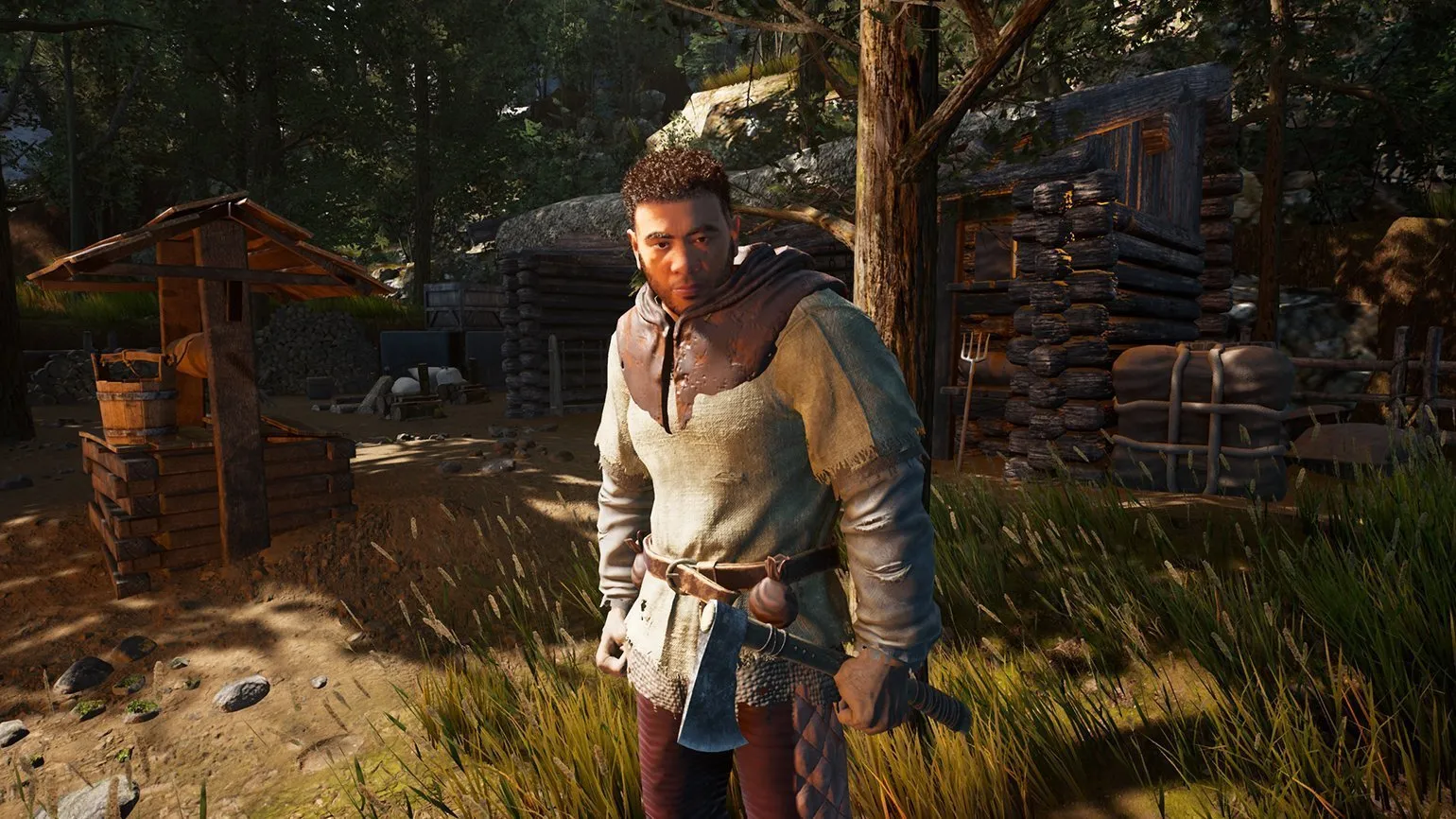

Projects from previous years demonstrated significant advantages, as developers found unique solutions in conditions of limited Animation technologies. Despite blurred facial features and minimal facial expressions, players easily identified with the characters they controlled and could imagine how they would act in their situations. This underscores the importance of a creative approach to character design and user interaction, which makes such games memorable and engaging.
Freedom of choice in RPGs is a fundamental element of narrative. If the world doesn't respond to the hero's actions, even the most compelling story will lose its appeal due to a lack of believability. It is important to provide the player with the opportunity to make decisions and to demonstrate a genuine reaction from the environment to these choices. This creates deep engagement and makes the gameplay more rich and memorable.
How to make choices truly interesting? To make your choices engaging, it is important to consider several factors. First, identify your interests and preferences. This will help narrow the range of possible options and make the process more meaningful. Explore available options, read reviews, and seek inspiration from various sources. It's also helpful to discuss your ideas with friends or experts to gain new perspectives. Don't be afraid to experiment and try something new; it can lead to unexpected and interesting discoveries. Ultimately, making an interesting choice isn't just about the outcome, but also about the process, and it's important to enjoy every step.
Create deep immersion for the player by forming long-lasting connections with the characters and the game world. The key to this is emotional attachment, whether to the game's heroes or to familiar settings. When faced with a choice, the player shouldn't simply choose between good and bad, but also decide what values are important to them. For example, risk losing a camp that took hours to build or save a teammate with whom you have formed a strong bond? Or perhaps gain a valuable resource but at the same time lose the support of your faction? Every decision should have weight and significance so that the player feels the consequences of their actions and their impact on their journey.
At Grayshaft, we strive to create quests in which stories are organically integrated into various aspects of our world. We expand the universe, presenting familiar characters in new ways, which enriches the gameplay experience. Furthermore, I don't hesitate to introduce hidden conditions into quests that help achieve the best outcome. This approach allows players to delve deeper into the story and explore its diversity.
A conflict has arisen in a village between bandits and local residents. At first glance, the situation seems straightforward—bandits are terrorizing hardworking people. However, a closer analysis reveals that the bandits are not actually harming the locals; in fact, they sometimes even help them. The tension is caused by the village elder, who, acting in his own interests, demands increasing amounts of money from the residents in exchange for tacit consent. However, the bandits are not without sin—their actions lead to robbery and even violence. Thus, the conflict in the village has more complex roots than it might initially appear.
Ultimately, the player is faced with a choice: support the village or side with the bandits. However, if you delve deeper into the village elder's storyline and listen carefully to the locals, you can uncover incriminating evidence against him. This will allow you to reconcile the bandits and the residents. It's important to note that the quest journal doesn't guide the player through this storyline, so it's important to pay close attention to NPC dialogue to avoid missing important clues.
The presentation of hidden conditions may upset some players, but it also generates a wealth of discussion. How can you protect your village from complete oblivion? Is it possible to save one of the characters? How can you reach the fort in the mountainous terrain? These questions become the basis for engaging strategies and searches for answers, which, in turn, enriches the gameplay and makes it more exciting. By exploring these aspects, players can not only improve their skills but also delve deeper into the game world.
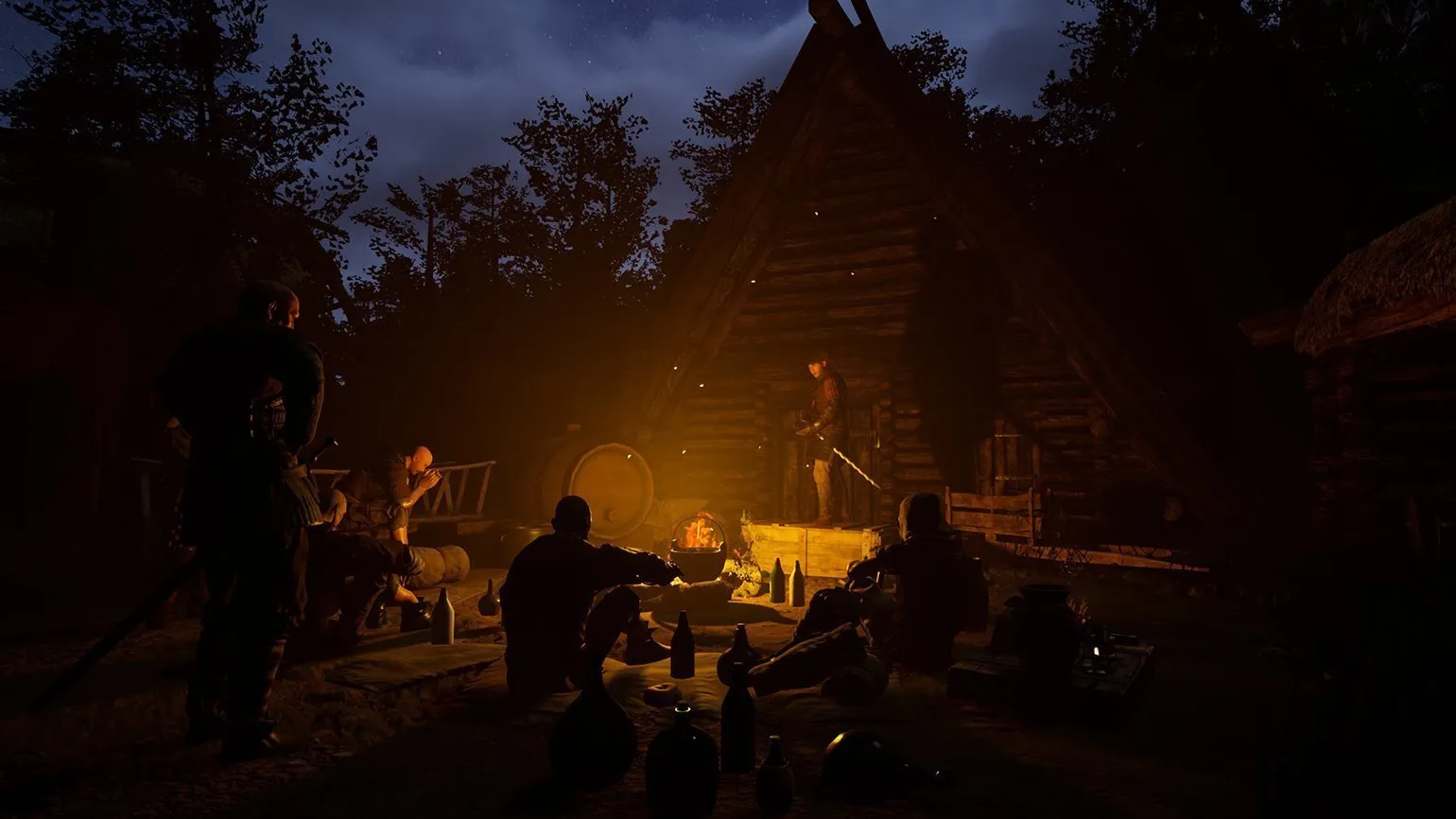
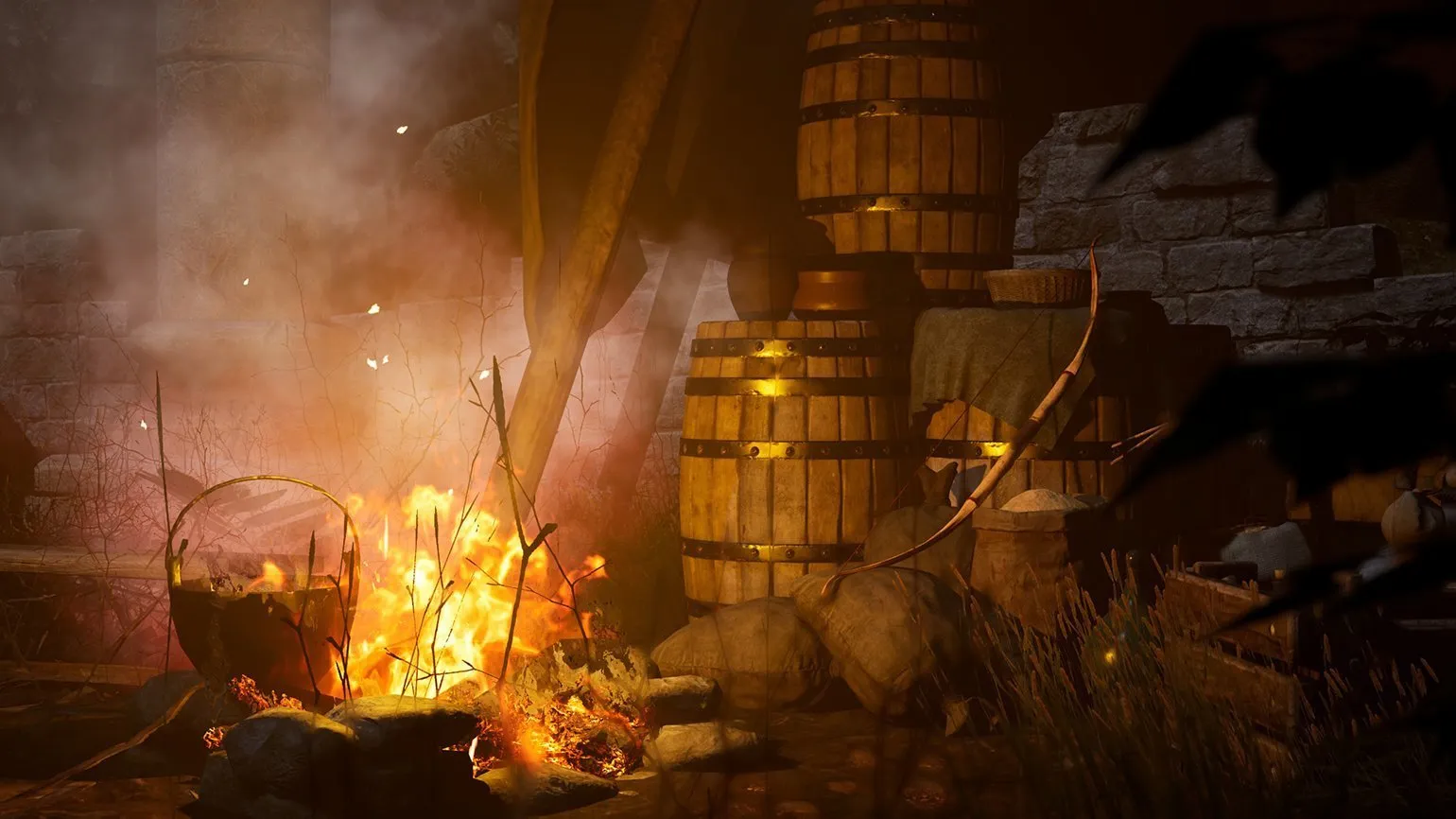
At the initial stages of the game, there is nothing wrong with forcing the hero to perform not the most heroic tasks, such as helping a farmer or completing Other side quests. These activities not only provide experience and rare items but also help better understand the world and its characters, uncovering their stories. However, it can be difficult for the player to focus on the swineherd's problems when surrounded by enemies and the fate of the continent rests on their shoulders. On the other hand, it's best not to immediately throw a newcomer into a maelstrom of fateful decisions, as this can only confuse them and distract them from the main plot. A good balance between side quests and the main storyline helps create an engaging gaming experience and maintain player interest.
When creating stories, it's important to consider character motivations and the forces driving the plot. If a character is about to betray your hero or, conversely, come to their aid, it's important to establish their reasons for doing so in advance. While you don't have to reveal the entire backstory to the player right away, as a writer, you should carefully consider the cause and effect relationships. This will help create a logical interaction with players and avoid questions about the motives of each character's actions. Well-written motives not only enrich the plot but also make it more engaging and memorable.
The official Grayshaft group on VKontakte offers a unique opportunity to stay up-to-date with the latest news and events. Here you'll find up-to-date information about new releases, concerts, and other events. Join the community to connect with fans, share your experiences, and receive exclusive updates. Don't miss your chance to become a part of the Grayshaft music world and follow the band's development.

Read also:
The creators of Eclipse and Eternal Evil emphasize the importance of having boundaries in game scenarios. Frameworks create clear boundaries and rules that help developers focus on key elements of story and gameplay. These constraints can inspire original ideas and solutions and provide a more structured approach to content creation. As the gaming industry strives for innovation, understanding how to use frameworks is becoming a key aspect of successful scriptwriting. The right combination of creative freedom and established boundaries can lead to the creation of captivating and memorable game worlds.
Game designer profession from scratch to PRO
A game designer creates the structure of a game. They think through the idea, rules, gameplay and decide what emotions the plot will evoke in players. You'll master game design principles from scratch and learn how to work with popular engines like Unity and Unreal Engine. You'll learn how to retain player interest and monetize your games. And we will help you start a career in the gaming industry.
Find out more