Contents:
Learn: VR Developer from Scratch to PRO
Learn MoreThis is one of the rare AAA games created specifically for virtual reality (VR). Despite the generally positive reception of the announcement, many players expressed dissatisfaction.
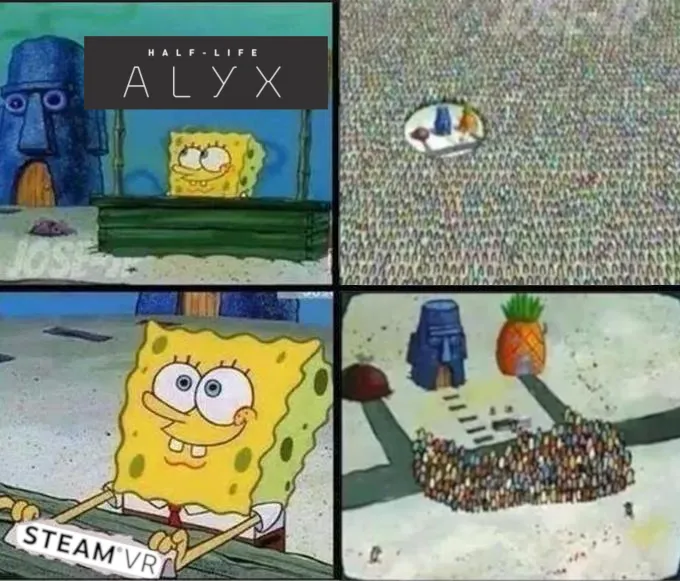
Some experts argue that virtual reality (VR) is still in its infancy, and creating games for this platform seems impractical. At the same time, others feel that exclusive projects like the new Half-Life show disregard for fans, since not everyone has the opportunity to enjoy VR gaming. This debate highlights important questions about the future of VR gaming and its accessibility to a wider audience.
Research shows that only 37% of Steam users have computers powerful enough to play this game. Furthermore, VR headset owners are even fewer, at less than 1%. This confirms that the availability of high-performance systems and virtual reality remains limited among gamers.
I am not one of this 1%, but I am still excited that the game will be made for virtual reality. I believe VR is the future of computer gaming. This technology opens up new horizons and possibilities for immersion in the gameplay, allowing players to interact more deeply with virtual worlds. As VR advances, we can expect unique gaming experiences that will change the way we think about entertainment.
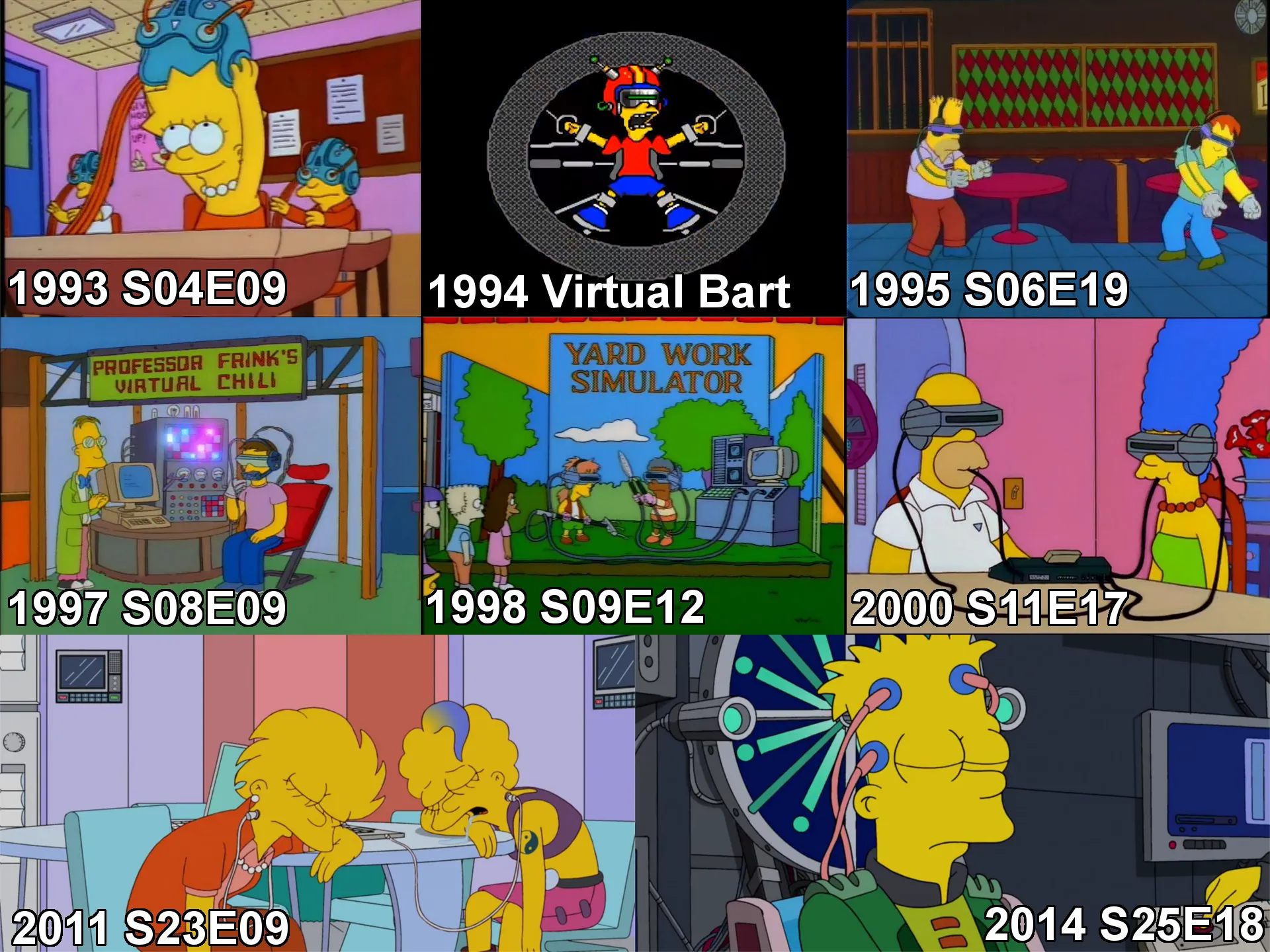
Humanity has long been fascinated by the concept of virtual reality. This is exemplified by the numerous episodes of The Simpsons where virtual reality takes center stage. This highlights how the topic of virtual worlds is permeating popular culture and being discussed in various art forms. Virtual reality is becoming increasingly relevant, opening new horizons for entertainment, education, and interaction. It is important to note that with the development of technology, we are seeing a growing interest in virtual spaces, which creates unique opportunities for users and developers.
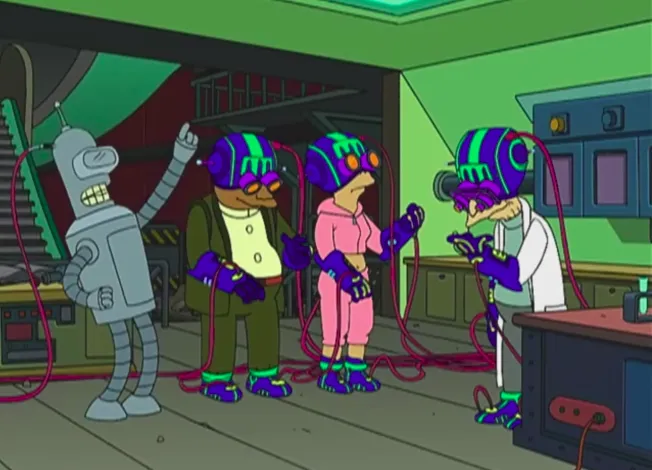
The TV series Futurama has a unique episode in which the characters literally interact with the Internet. This creative approach highlights the impact of digital technology on society and develops the theme of virtual reality. The episode showcases the characters' interactions with various aspects of internet culture, making it relevant and engaging for viewers interested in technology.
Virtual reality (VR) technology can significantly change the gaming experience, as the anime Sword Art Online clearly demonstrates. In this work, characters are immersed in a virtual game where they completely lose touch with the real world. This is not just an image displayed in a headset, but a full-fledged artificial reality experience into which the player's consciousness is transported. Virtual reality opens new horizons for game developers, allowing them to create incredible worlds and unique interactions that were previously impossible.
A Sword Art Online character would don a VR headset, connect it to a computer, and lie down on a bed to immerse themselves in the game's artificial world. This immersive experience allows players to fully experience the atmosphere and interact with the environment. The helmet creates a unique experience where the real world and digital reality merge, making the game more immersive and engaging.

The body plunged into a state reminiscent of sleep paralysis, while consciousness moved to an alternate reality. In this world, characters could move freely, engage in battles, experience different temperatures, sleep, and even eat food. This unique universe allowed them to experience a rich range of emotions and sensations, creating the effect of complete immersion.

Perhaps in the future we will be able to achieve this level of technology, but this requires significant investment - both financial and in content that can attract new users. Valve's new game aims to achieve this goal, offering a unique experience and innovative mechanics.
Valve has established itself as a leader in the gaming industry through its innovations. In Half-Life 1, the company set a new standard for game storytelling, abandoning traditional cutscenes and allowing players to immerse themselves in the story through interaction with the environment. The second game introduced revolutionary physics, significantly improving gameplay and making it more realistic. Half-Life: Alyx was the first game of this scale developed for a virtual reality platform, offering a unique experience of immersion and interaction in 3D space. These achievements cemented Valve's reputation as an innovator in the video game industry.
While not everyone has the opportunity to play, the release of the new Half-Life game is prompting many to purchase not only a new computer but also a virtual reality headset. This game promises to be a significant event in the world of video games, making the investment in new hardware justified. Players are eager to experience the unforgettable experiences that virtual reality offers, and Half-Life, as an iconic series, could be the perfect excuse to upgrade their technological arsenal.
This project could inspire other studios, potentially leading to increased interest in VR game development. The increase in VR games will fuel demand for virtual reality headsets, which in turn will encourage manufacturers to actively develop these technologies. This will lead to improved device quality and lower costs, making virtual reality more accessible to a wider audience.
Many today perceive this as a betrayal of their fans, but I believe this is a significant contribution to one of the most promising technologies in the gaming industry.
VR Developer from Scratch to PRO
You will master the development of virtual reality projects and learn how to write games and applications. Create a portfolio and start working in a studio or as a freelancer.
Find out more