Learn: The Game Designer Profession from Scratch to PRO
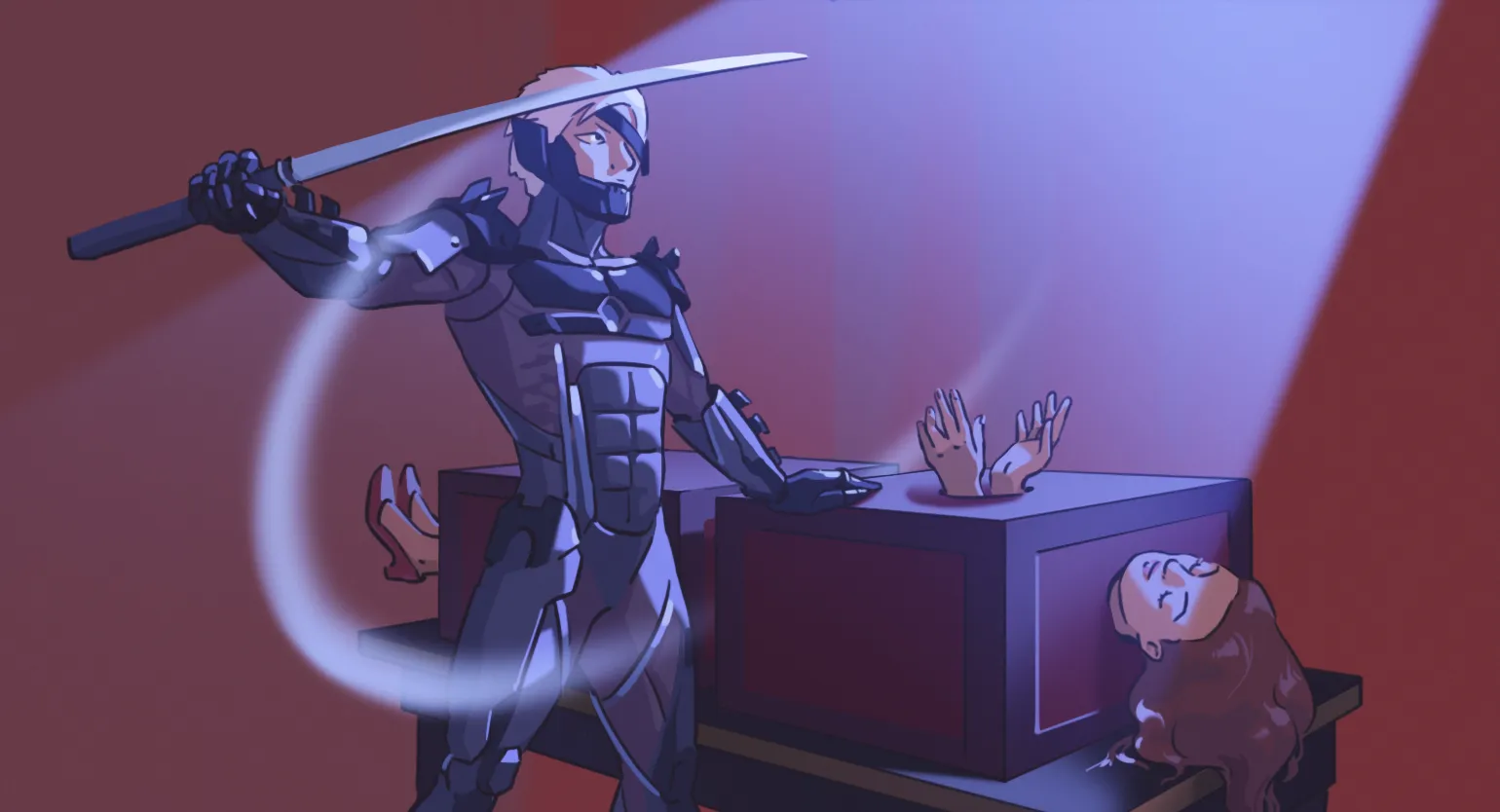
Find out moreThe mechanics of cutting 3D models in video games is an illusion similar to the "sawing a woman in half" trick. In this effect, the character is not actually cut; Instead, a second actress is used, hidden from the viewer, whose legs become visible. These techniques create impressive visual effects and deceive the player's perception, providing a deeper immersion in the gameplay. These technologies allow developers to implement complex animations and interactions in virtual space, significantly enriching the gaming experience.
There are many ways to visualize the process of "sawing a woman in half" in 3D graphics. Players can use various techniques to create the illusion of dividing an object into two, three, or even more pieces. These methods achieve a realistic effect and enhance immersion in the game environment.
Game developers, unlike illusionists, are happy to share their secrets. In this article, we'll explore the key aspects that help them create immersive gaming experiences.
The Unbreakable Gordian Knot
Three-dimensional objects in video games are formed from a mesh—a structure made up of polygons. Each polygon is a quadrilateral, which is divided into two triangles. A triangle, in turn, consists of three vertices. These vertices are points that contain coordinates in three-dimensional space, expressed as numbers along the x, y, and z axes. This approach to modeling objects allows for the creation of complex and detailed 3D structures, which significantly improves visual perception and player interaction with the game world.
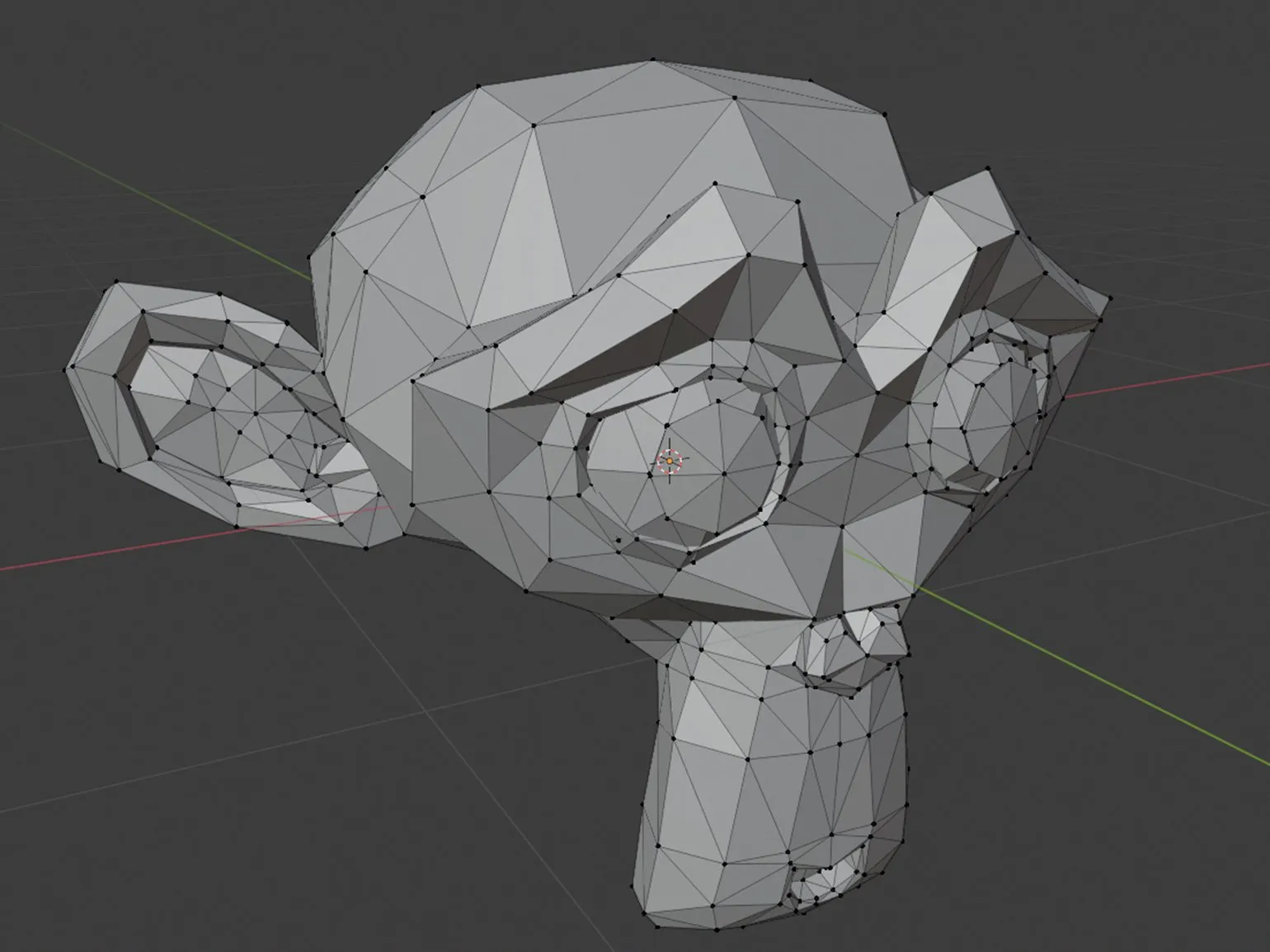
Imagine a ball made of a wire frame with fabric stretched over it. A 3D model can be thought of as such a construction. If you cut the fabric and wire with a sharp sword, you will find nothing inside. This analogy helps us understand that a 3D model has an outer shell, but there is no filling in its center. Therefore, it is important to realize that 3D models used in various fields, such as architecture, industrial design, or animation, are only visual images that do not always have internal content.
When working with 3D models in games, an important problem arises: when you cut an object at the cross-section, its internal components or even its smooth surface are not visible. This situation poses a challenge for developers: how to properly visualize the internal structure of a 3D object? Solving this problem requires careful design and animation so that players can see not only the model's appearance, but also its internal structure. This not only improves the visual perception of the game, but also increases the level of realism, which is an important aspect in modern video games.
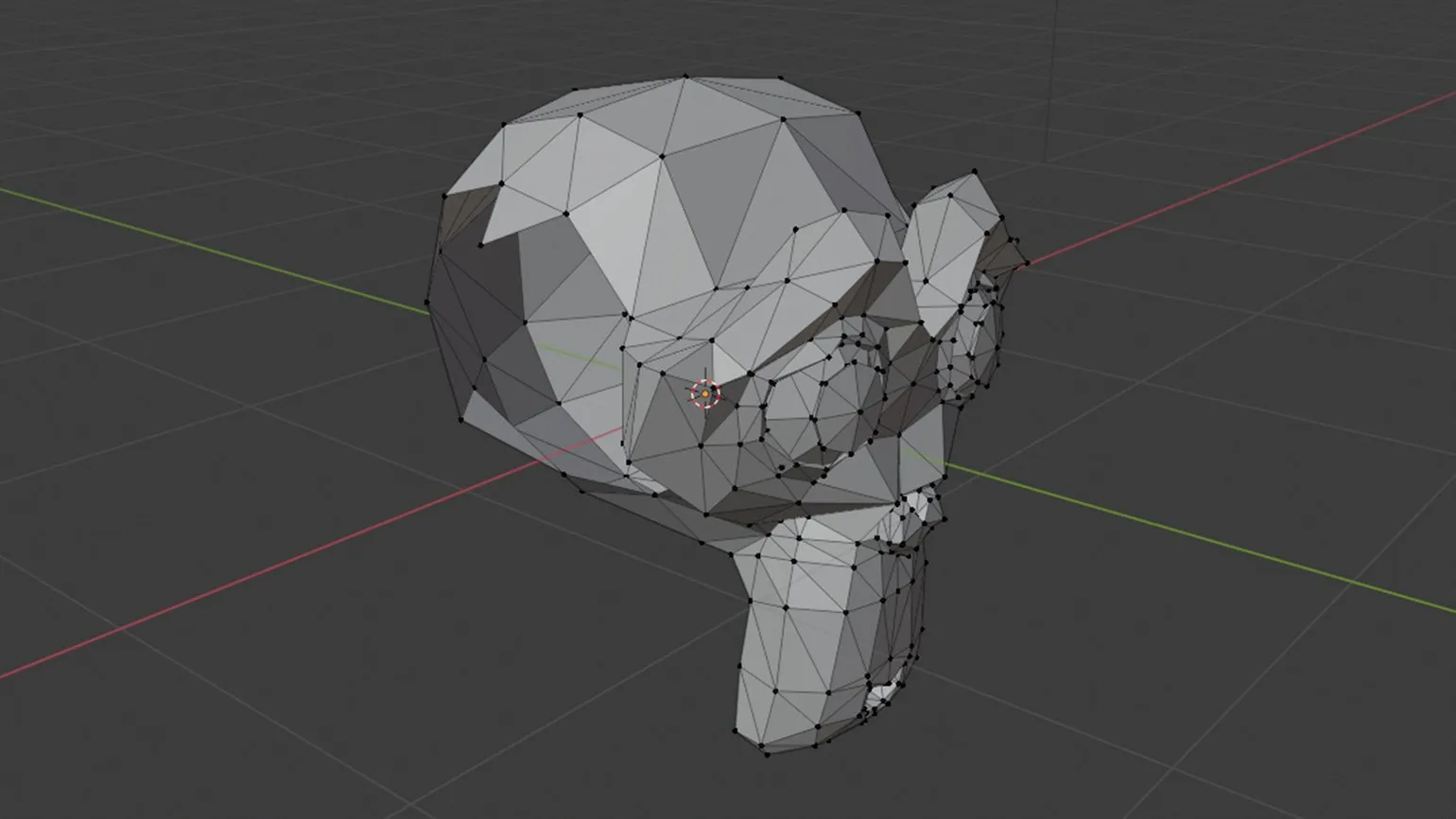
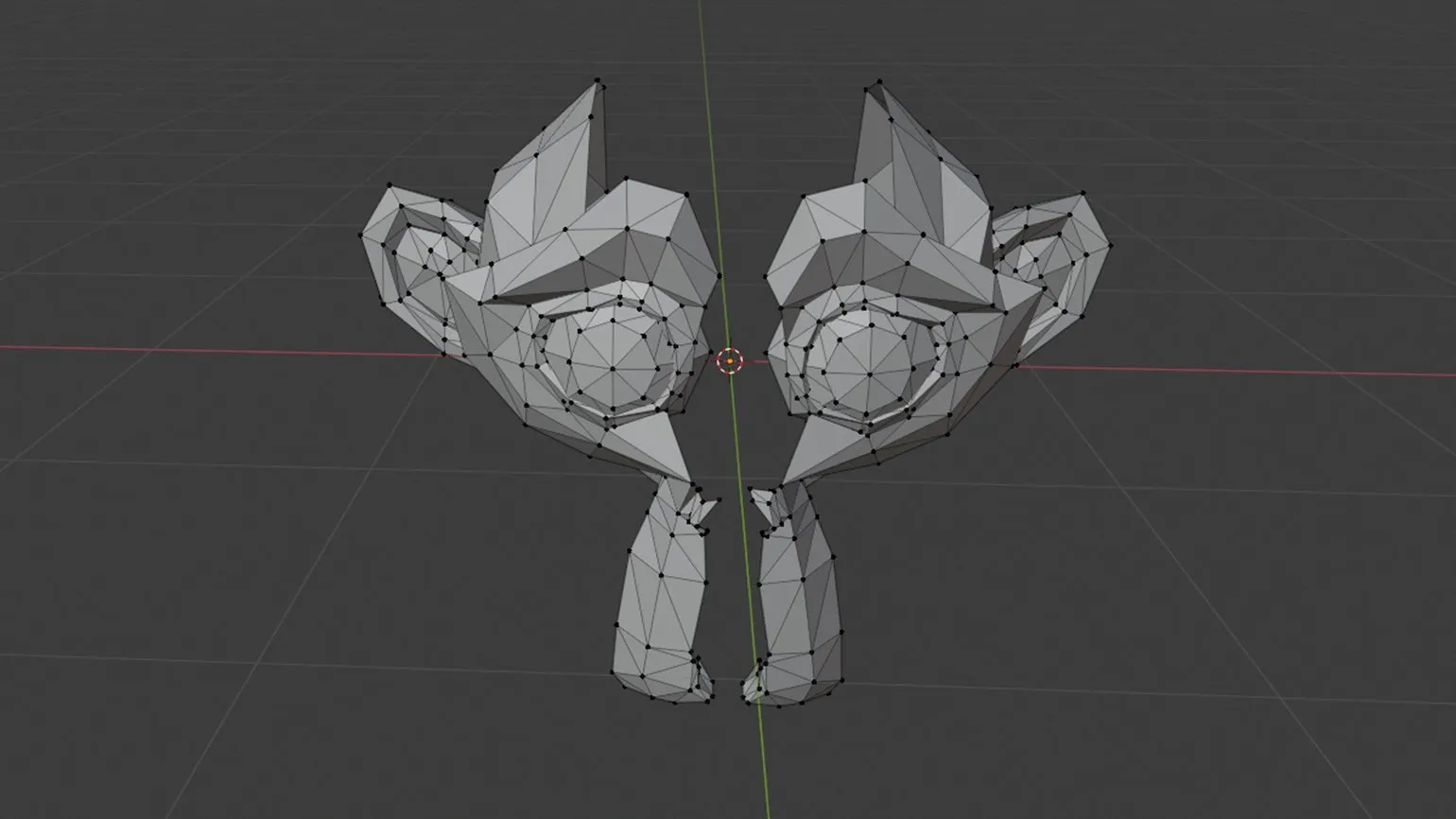
In the real world, a structure made of wire and fabric, when cut, will disintegrate into two separate parts. Each of these halves begins to exist independently, possessing its own weight and a new shape. At the same time, they obey the laws of physics in their own way, which makes their interaction with the environment unique. This process demonstrates the importance of studying the physical properties of materials and their behavior under different conditions.
In the game world, even if you visually split a mesh, for example, by deleting some polygons, the remaining halves will remain part of the same model. They will continue to move, rotate, and respond to physics together, but a gap will appear between them. To implement the dissection mechanics, an additional object is required to simulate the severed half. The question arises: where to get this additional object?
Dismemberment Tricks
One of the first games to offer the ability to cut up 3D objects was the shooter Soldier of Fortune, released 23 years ago. It's an arcade action game about a secret agency where daring agents pursue villains around the world. In 2000, the game was impressive for its brutality: a point-blank shotgun blast would rip out an enemy's entrails, and a precise hit to the limbs would result in amputation. Soldier of Fortune had a significant impact on the shooter genre and set new standards for realism in video games.
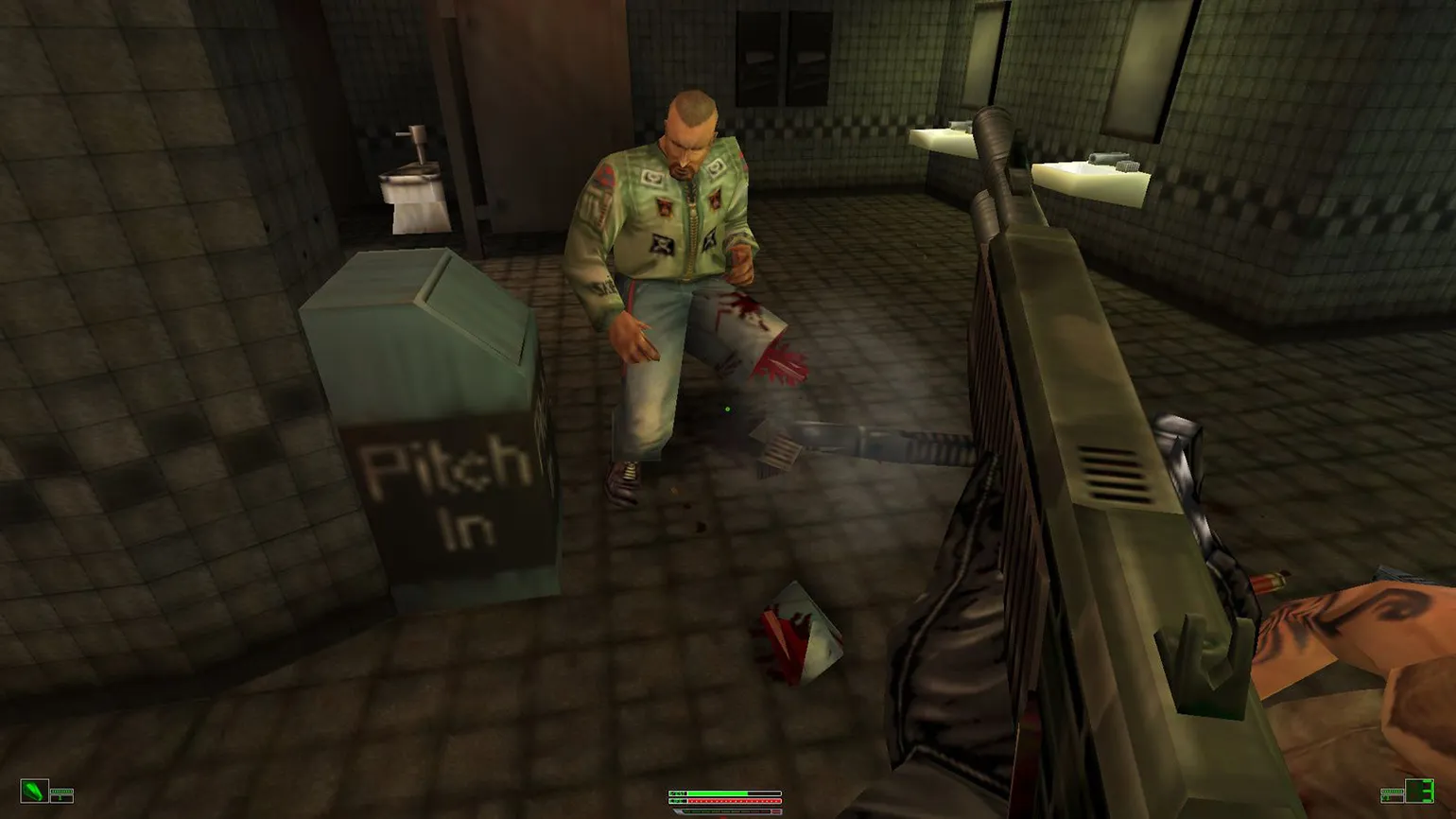
The game was developed by Raven Software. The authors noted that elements of dismemberment were introduced not to shock the audience, but to achieve greater realism. To implement this idea, Ghoul technology was developed. With its help, each character model in the game consisted of many separate fragments, which allowed players to "sever" body parts, such as arms or legs, as a result of a hit. This innovative technology significantly increased the level of interaction and immersion in the gameplay.
Gil Gribb, our programmer, developed the innovative Ghoul system. He used a unique approach, breaking the model down into separate parts, which, as far as I know, had no analogues in shooters before that point. This technique made it possible to significantly improve the realism of object interaction in the game, opening new horizons for gameplay and graphic implementation.
If a character's leg was shot off, the model automatically hid this part, and a "cap" was installed in place of the resulting hole. For camouflage. A visible bone was also added. To depict a severed leg, we created a duplicate of the character model with all parts except the leg hidden. This approach allows for a more realistic depiction of character damage and improves the visual perception of game scenes.
Dan Kramer is a programmer and one of the key developers of Soldier of Fortune. His contributions to the project significantly influenced the gameplay and overall concept, making it popular among shooter fans. Soldier of Fortune stands out for its realistic mechanics and engaging storyline, largely thanks to the professionalism of the development team, which includes Dan Kramer.
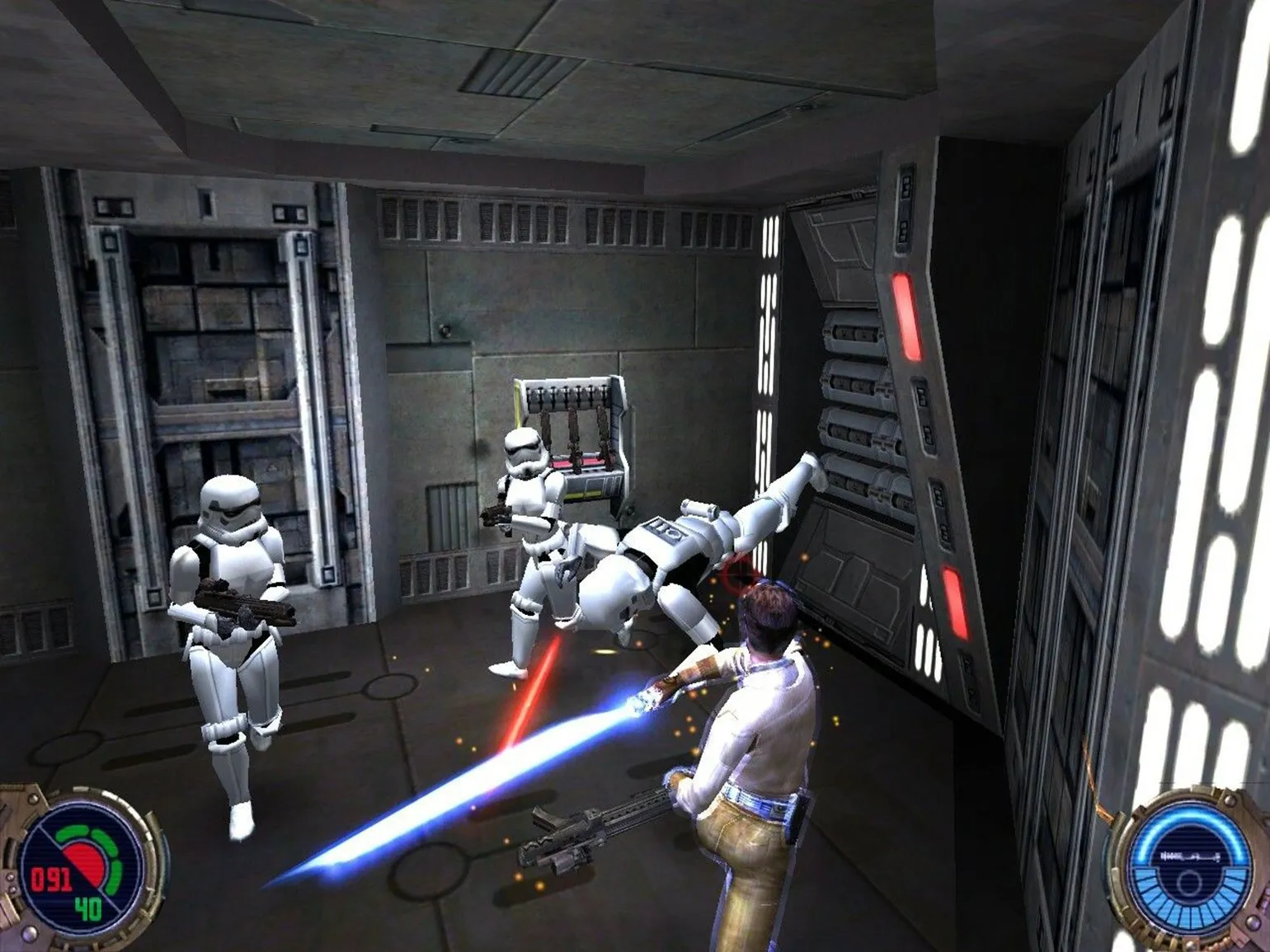
An enhanced version of this technology was later used in the sequel, Soldier of Fortune 2: Double Helix, as well as in Star Wars Jedi Knight 2: Jedi Outcast. These projects demonstrated significant advancements in game mechanics and graphics, creating a more immersive and captivating gaming experience.
Left4Dead 2 introduces a unique approach to zombie dismemberment that adds a layer of realism to the gameplay. During battles, zombies can lose arms and legs, creating a dynamic atmosphere and heightening the sense of struggle for survival. Unlike the first game, where amputations were pre-scripted and limited to just five scenarios, in Left4Dead 2 these effects occur more naturally. Zombies that have lost limbs become vulnerable, but their death is not always instantaneous. This change makes the gameplay more exciting, allowing players to experiment with different tactics and approaches to eliminating enemies.
In the second game, the developers aimed for greater variety in gameplay. One of the key ideas was that the degree of damage to zombies should depend on the weapon used. For example, a zombie with holes in its belly would continue to pursue the player, creating additional tension. However, developing such mechanics was complicated by the 24,000 variations in zombie appearance, not counting damage. Given this, the number of possible injury variations and their combinations could increase significantly, which posed serious design and optimization challenges for the team.
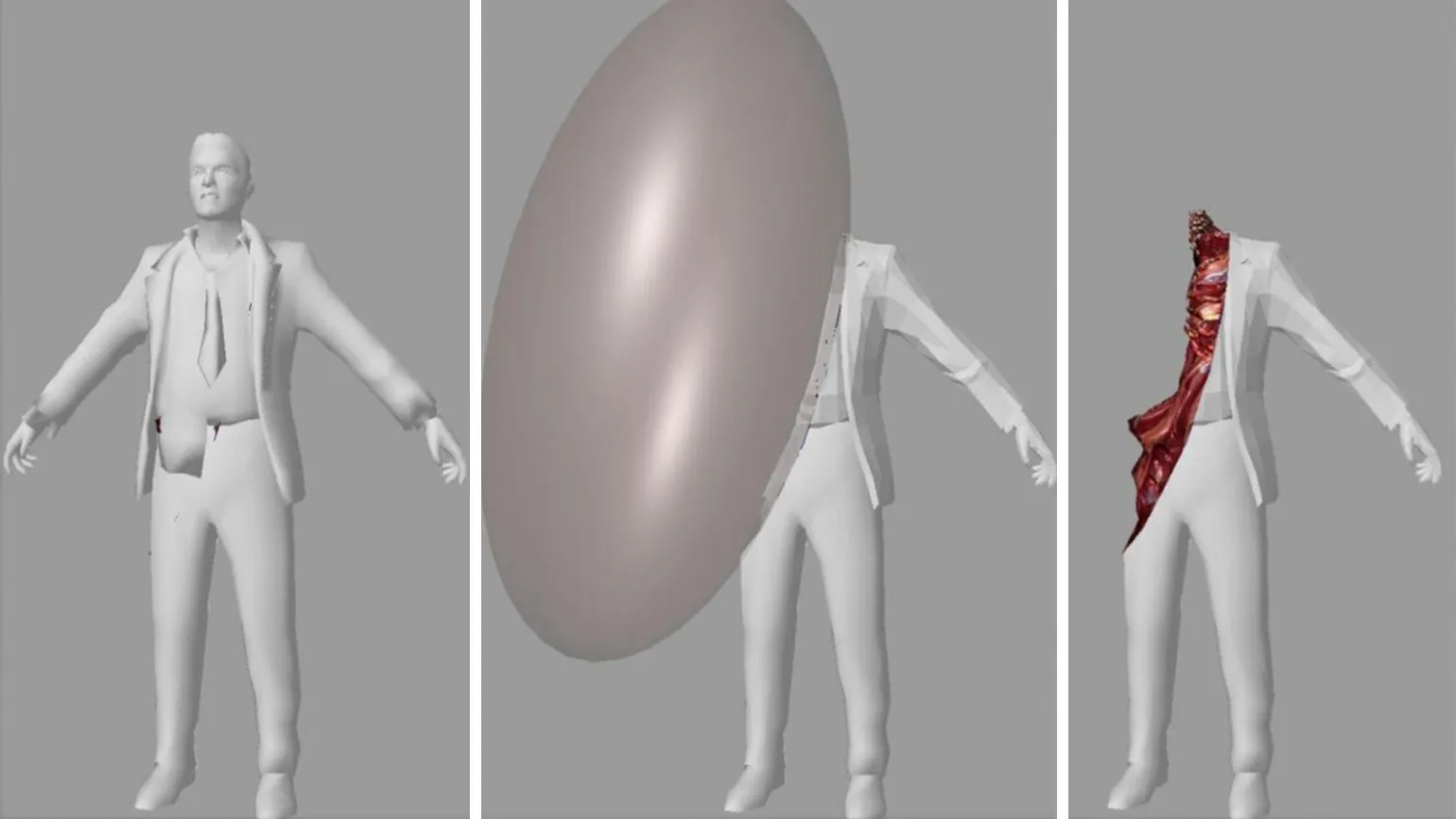
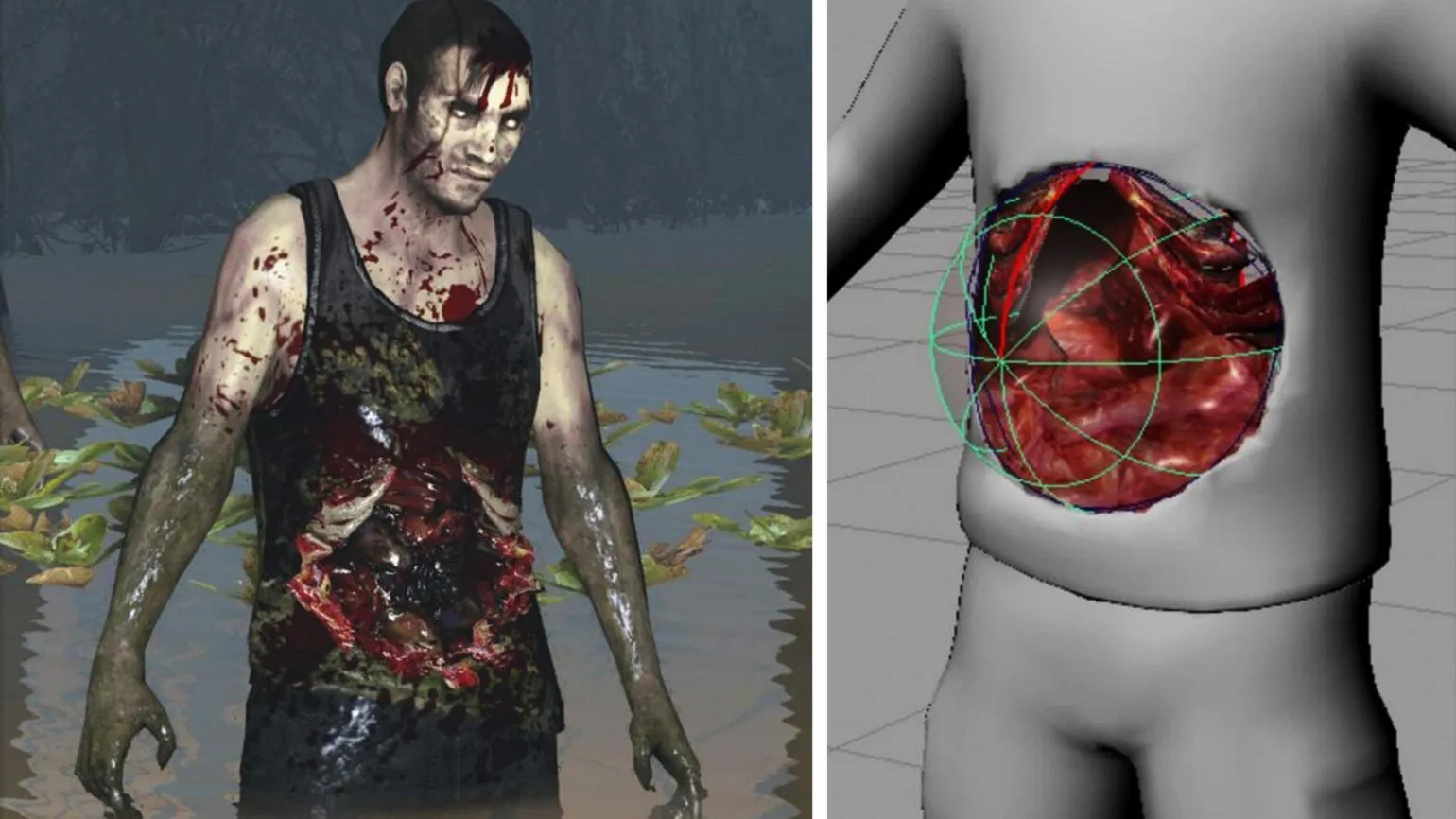
The developers found an effective solution for visualizing damage in the game. An invisible geometric shape, such as a sphere, was superimposed on the area of the body where the shot was aimed. This shape hid the portion of the character model located within it, allowing for realistic depiction of injuries and damage.
To fill the resulting hole in the model, a special patch was used, simulating bloody entrails and bones. This innovative technology allowed the developers to create 54 unique mutilations on the zombie body without requiring reworking existing models. This approach improves visual perception and character diversity, making the gameplay more exciting and realistic.
Fruit Ninja is one of the most popular mobile A game released in 2010, it offers players addictive and simple gameplay in which fruits and bombs fly out from the bottom of the screen. The player's goal is to swipe the fruit to cut it in half while avoiding the explosive bombs. Success in Fruit Ninja depends on the speed of reaction and precision of movements, which makes the game exciting and interesting for players of all ages.
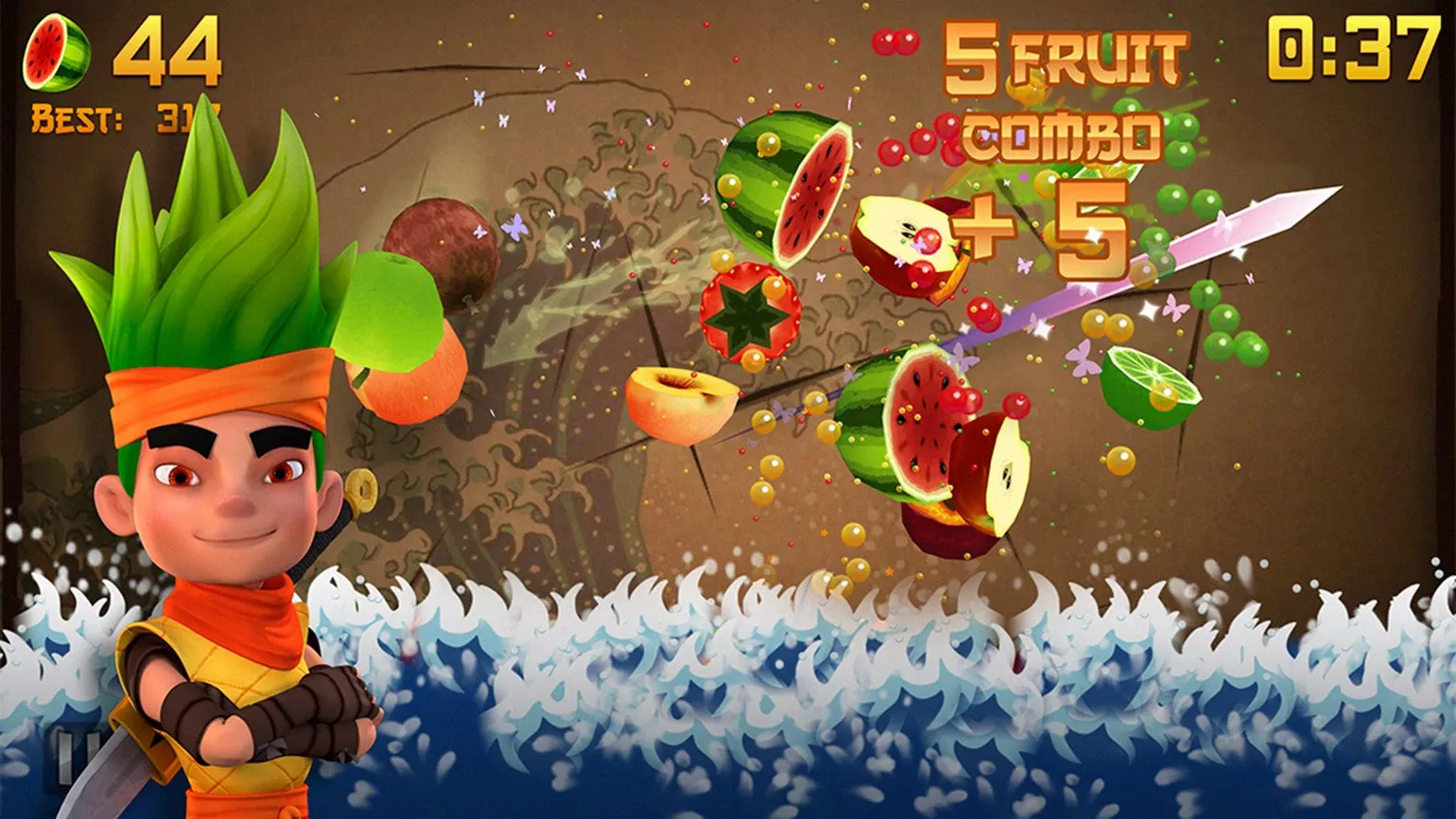
The game's mechanics are remarkably simple, allowing the developers at Halfbrick Studios to create the first prototype in just one day. The team then focused on improving the gameplay and graphics, making the final product more appealing and engaging for players.
The game effectively creates the illusion of cutting 3D models. When the player runs their finger across a watermelon or banana, they split into two halves exactly where the cut line was drawn. In reality, this is merely a visual effect. Each object initially consists of two separate 3D models. The developers carefully created the two halves and carefully joined them so that the joint is virtually invisible. This technique allows players to enjoy realistic gameplay, adding an element of interaction and engagement.
We've improved the fruit-slicing process by redesigning it so that the seam always points toward the player's finger. Rotation occurs instantly as soon as the player touches the fruit, allowing it to split into two halves exactly as intended when sliced. This creates a more natural and immersive gameplay experience.
Luke Muscat is a renowned game designer and creator of the popular game Fruit Ninja. His work in the gaming industry has earned him recognition for his innovative approach to mobile game development. Fruit Ninja, a cult classic, has not only attracted millions of players worldwide but also set new standards for the casual gaming genre. Muscat continues to influence the development of the gaming industry, using his experience and creativity to create unique gaming projects.
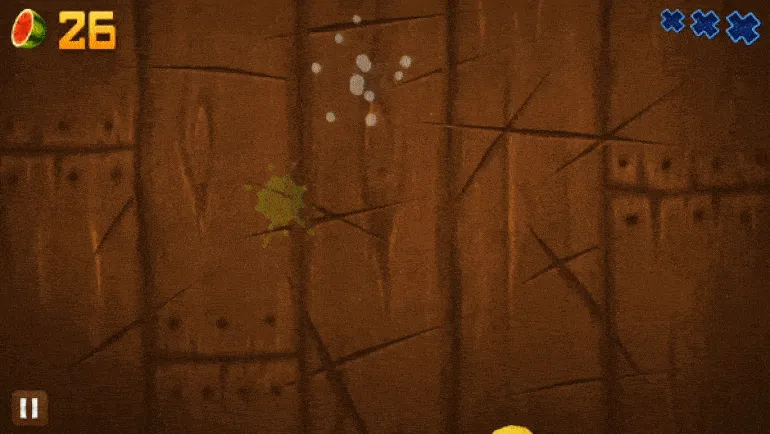
Upon closer inspection it becomes It's clear that the object quickly rotates to the correct side. The developers successfully concealed this by using the juice splash that occurs with each cut. Overall, this technique proved effective.
However, this approach has its drawbacks. Bananas are always cut crosswise, resulting in two identical halves. This limitation prevents the creation of different section sizes, as is the case with a watermelon, for example, where only a small section can be cut off. Thus, the choice of method for cutting fruit can affect its use and presentation.
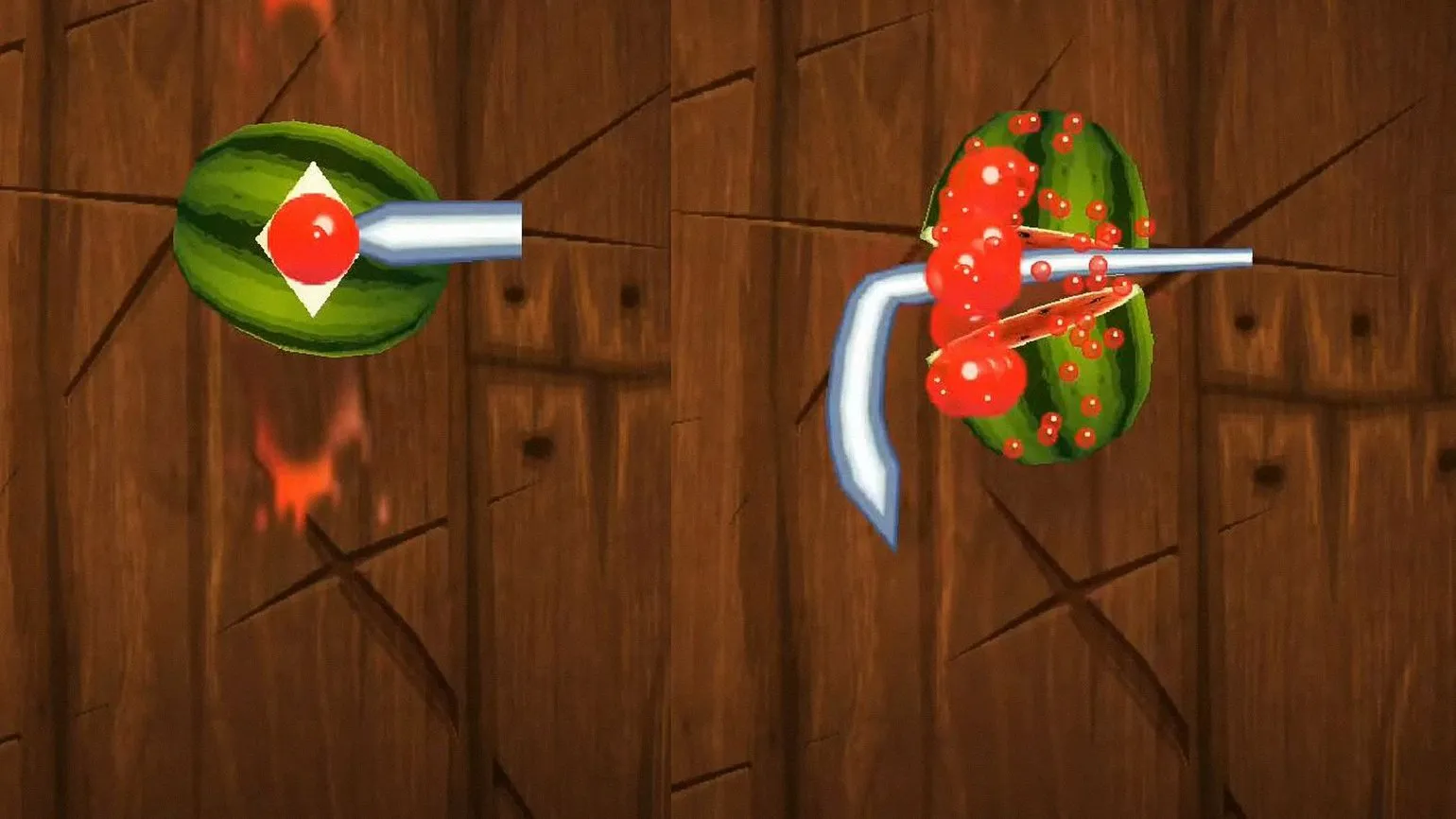
In Fruit Ninja, the two halves of the fruit serve as separate physical objects. When falling, they can exhibit different behaviors. It is also worth noting that the invisible boundaries of each fruit, or collision box, are significantly larger than the dimensions of the fruit model itself. This means that the object will be cut even if you swipe your finger next to it, rather than directly over it. Unlike fruits, bombs, which sometimes appear on the screen and which cannot be cut, have smaller boundaries than their visual representation. These features were designed to simplify gameplay, especially in situations where fruits and bombs are next to each other.
In the Kinect version, the developers had to adapt the cutting system to take into account the control features. Drawing a line with your finger on the screen is much easier than doing it with your hand in the air in front of the TV. As a result, the accuracy of Kinect interactions was lower, forcing the developers to create an algorithm that predicted the player's intentions when making a cut. This algorithm automatically drew the line on both sides, reacting only to fruit, while bombs remained unaffected.
In Fruit Ninja, models can only be split into two equal halves. By contrast, in the popular mobile game Stack, 3D objects are randomly split into two unequal pieces. This adds an element of unpredictability and strategy, allowing players to adapt to different situations. As a result, Stack offers unique gameplay that differs from other mobile games.
Stack is an addictive spatial puzzle game in which players must build a tower using tiles. The main goal is to stack these tiles neatly and quickly. If a player fails to place a new block on top of the previous one and it goes beyond the tower, part of the block will fall off. The game requires fast reflexes and precision, making it engaging and exciting for players of all ages. Strategy, planning, and time management are key to helping you build the tallest tower in Stack.
The clipping feels so natural that it looks as if someone is actually cutting off part of the block. However, this is just a visual illusion that creates the effect of depth and dynamism in the design.
When the player taps the smartphone screen, the game calculates the distance by which the new block has moved beyond the previous block. For example, if the block has moved by two centimeters, the game reduces its size by this amount. This is achieved by changing the scale parameter along the x, y, or z axis, depending on which side of the block needs to be cut. Thus, the game mechanics ensure the accuracy and dynamism of interaction with elements, which makes the gameplay more exciting.
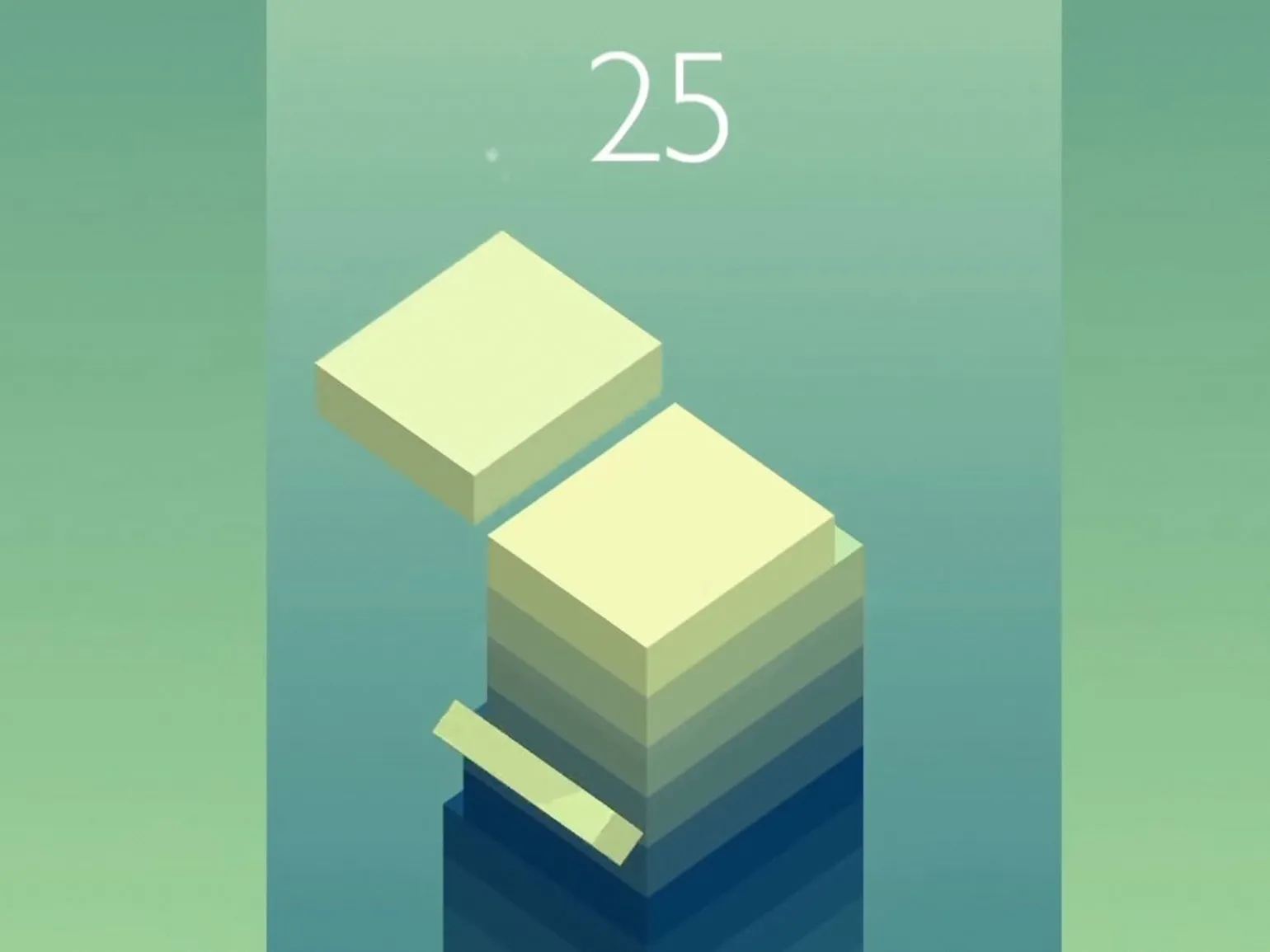
The next stage of the game is in creating a new block, two centimeters wide, which fits tightly against the previous one. All these changes happen instantly, and the player may not notice that the part of the block protruding beyond the tower now forms a separate element. It is important to take into account the laws of physics, especially gravity, to make this block fall off and fall down. Physics elements in the game add realism and require the player's attention, which makes the gameplay more immersive.
What's inside the black box
Games with a slicing system that allows you to split objects into slices of any thickness and cut them into cubes can be considered a rarity. One of the most famous examples is Metal Gear Rising: Revengeance, released in 2013. In this context, it is worth noting that such mechanics significantly enrich the gameplay and open up new possibilities for strategic interaction with the world around you. We'll take a closer look at Metal Gear Rising: Revengeance and other games with similar features.
Developers implement this mechanic in various ways, but in most cases, one fundamental principle remains. Instead of cutting an object, we create two new models that visually represent the halves of the original object, divided at an arbitrary point. This approach preserves the integrity of the original design and provides more flexible options for animation and interaction in gameplay.
An example of a successful implementation of the mechanic in the Unity engine is the work of Kristin Lagoo, a senior software engineer from Copenhagen who runs a channel about game development on YouTube. She published her code on GitHub, allowing developers to familiarize themselves with its implementation. In the future, we will use its algorithm to clearly demonstrate dissection in the game.
In this scene, we are looking at a geometric figure - a cube. The player initiates interaction by holding the mouse button anywhere on the screen, and then draws a line to another point. After the player releases the mouse button, the program creates an invisible and large flat rectangle that passes through the cube, following the drawn line. This rectangle essentially serves as a tool for determining intersection with a three-dimensional object. At this stage, the actual dissection does not occur; the plane only checks whether it intersects the cube. If the intersection is confirmed, the method that is responsible for performing the dissection process itself is launched.
A mesh is the basis of three-dimensional objects in computer graphics. It is a grid consisting of vertices, edges, and faces that form a geometric structure. Meshes can be simple, with a minimum number of polygons, or complex, with high detail. It is important to understand that the quality of the mesh directly affects the realism and visual appeal of three-dimensional objects. When creating meshes, various aspects such as topology, UV mapping, and texturing are considered to achieve the desired level of detail and style. Proper use of meshes is key to successful rendering in games, animation, and other areas of 3D design.
When performing the dissection method, the program records which side of the plane all the triangles that make up the model are located on. This allows one to determine which triangles are to the left of the plane and which are to the right. These directions are arbitrary. Triangle placement can also be considered in terms of height, determining which triangles are above the plane and which are below. This approach ensures precision in model processing and allows for efficient management of its elements during visualization.
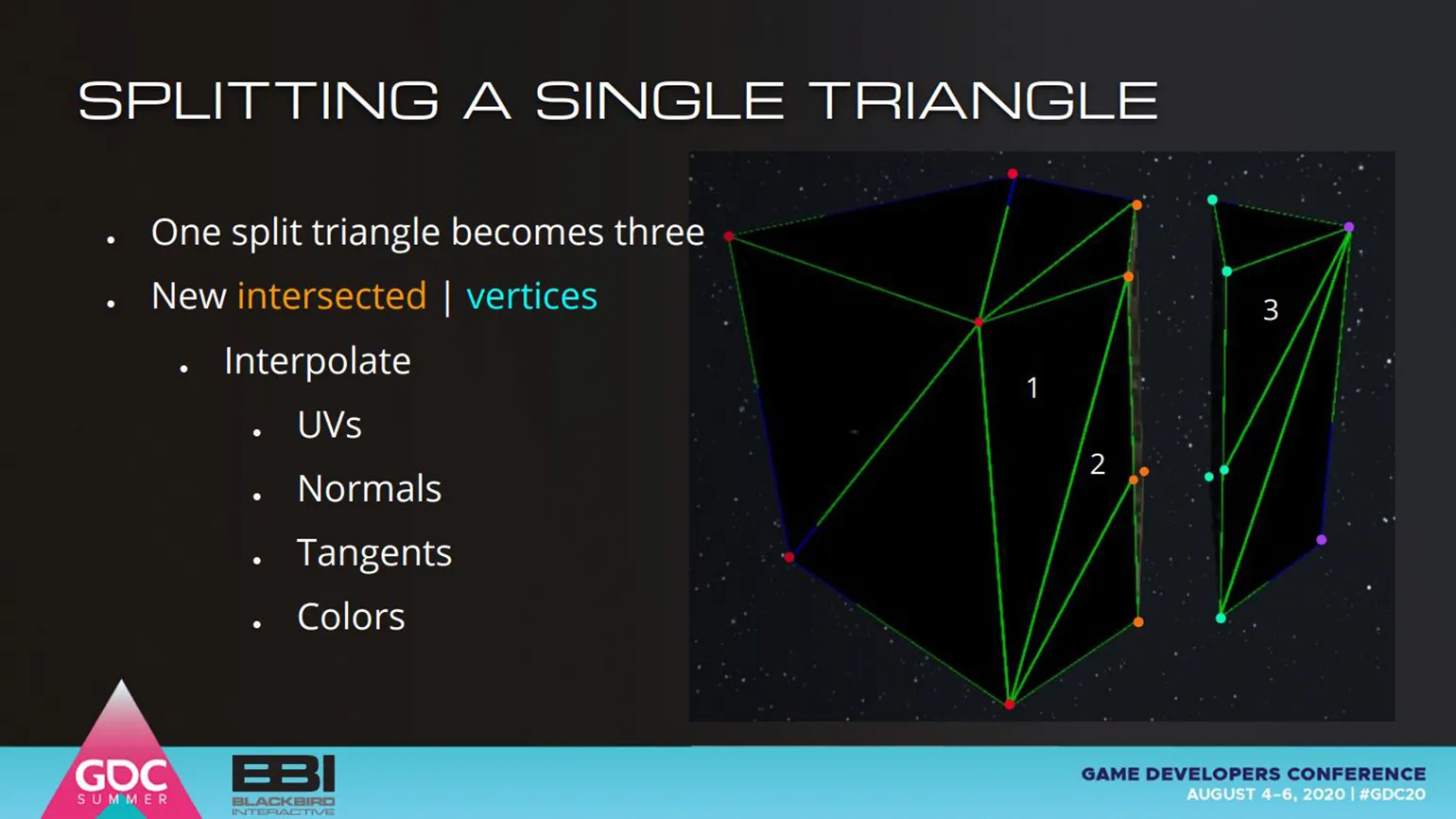
If all three vertices of a triangle are located to the left of the plane, this means that the entire triangle is on the left. Similarly, if all vertices are on the right, then the entire triangle will be on the right. This logic allows the program to effectively sort triangles into two categories, which simplifies further processing of geometric data.
If the cut line passes through a triangle where one vertex is on the left and the other two are on the right, the program divides this triangle into three new ones. After that, it distributes the resulting triangles between those located on the left and those on the right. This approach allows you to effectively manage geometric shapes and optimize the process of their processing in software systems.
At this stage, it is important to note that the actual dissection has not yet occurred. The program has only visualized the triangles, remembering their location. It then extracts the vertex coordinates of the triangles on the right and, using this data, creates a new mesh, representing a new three-dimensional object. The program similarly processes the vertex coordinates of the triangles on the left. At this point, the old mesh of the entire figure is removed, and in its place, two new meshes appear, forming halves of the original object. At this point, we can say that the dissection has occurred, but the process is not yet complete.
A void forms in the area of the cut of both meshes, creating the impression of a hollow space. Therefore, the program generates polygons for each new mesh at the cut point, based on the coordinates of the vertices defining this cut. This approach allows for more accurate and high-quality modeling of objects, ensuring a smooth transition and realistic connection of meshes.
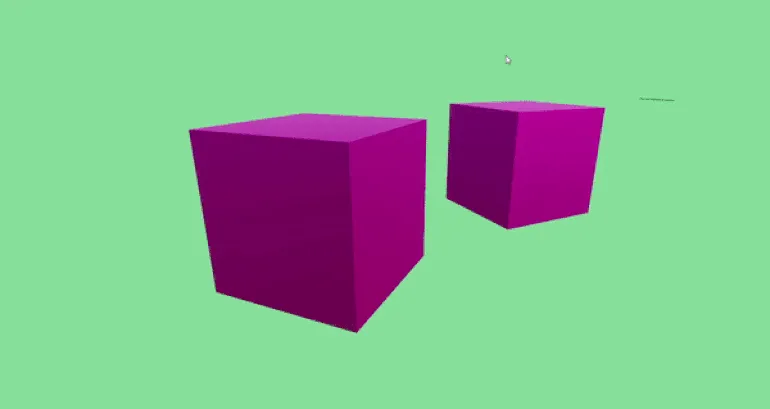
Adding physics components to each object is the next step. This will ensure correct splitting of the halves and visual plausibility. It is also necessary to implement a component that defines the boundaries of the new models. Without these components, the mesh becomes an incorporeal object that, like a ghost, passes through objects and people without affecting them.
A mechanic similar to the presented solution is found in the 2012 indie game Tiny & Big in Grandpa's Leftovers. It's a puzzle platformer that emphasizes the physics of the surrounding world. Players explore a mountainous terrain and use a special device to manipulate boulders: they can pull or push them, opening new paths. The game's main feature is the ability to cut rocks with a laser, controlling the cutting line with the mouse, which adds uniqueness to the gameplay.
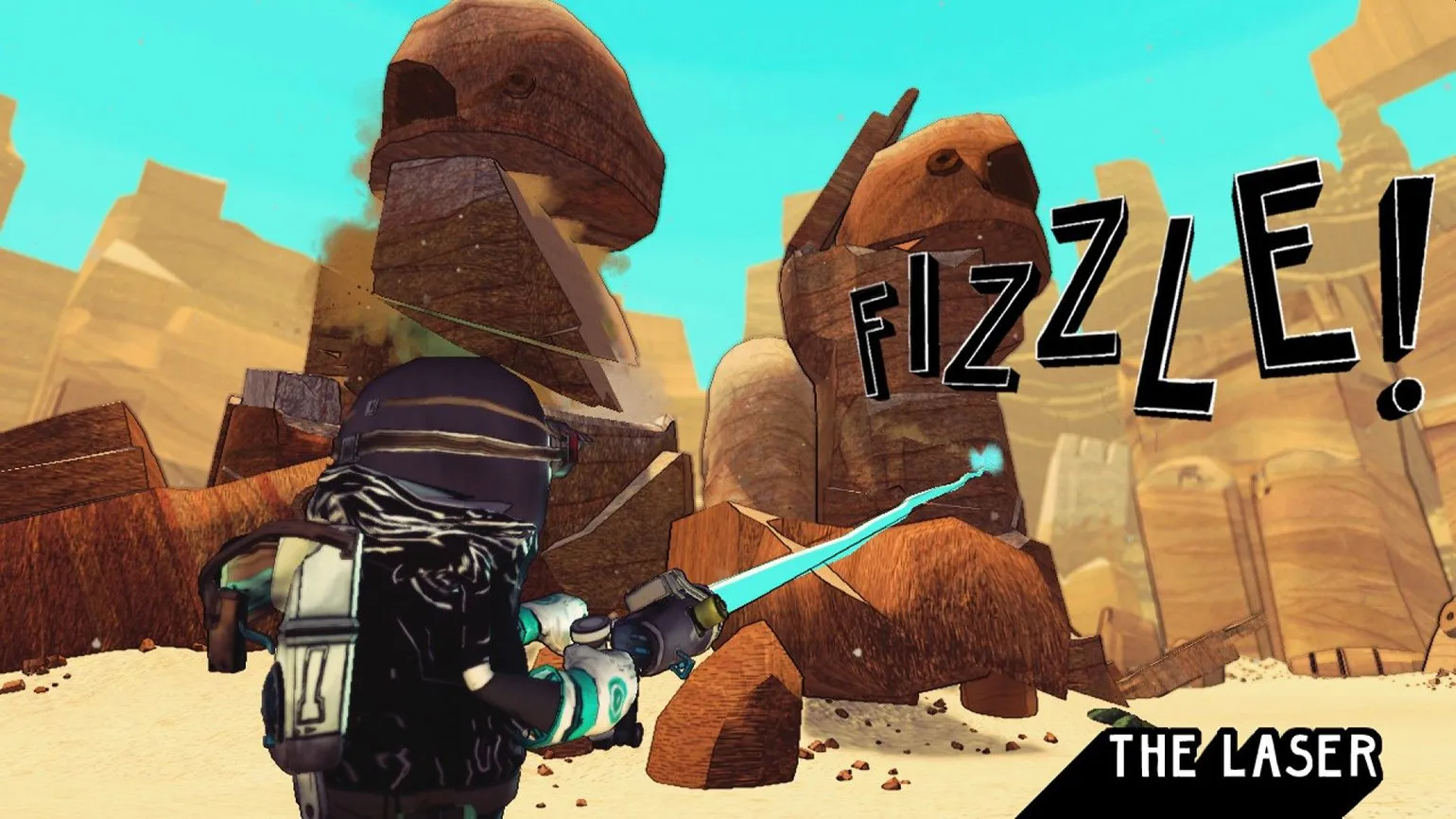
The game is a development of the Tiny & Big: Up That Mountain prototype, which was created in 2009 by a small team of developers from Black Pants Studio for the Independent Games Festival. The project was developed on the team's own engine, Scape. At that time, there were significantly fewer free and high-quality game engines, so the team had to find original solutions to implement their ideas.
The laser-cutting mechanics of rocks gained popularity among players, which prompted the developers to create a full-fledged game based on this concept. However, this mechanic had its drawbacks. The main feature of the laser was the ability to cut arbitrary pieces from stone blocks, which allowed players to repeatedly reshape the rocks. This process resulted in the formation of a pile of rubble, in which the physics of each pebble were calculated individually. Such a high load on the computer caused performance issues.
Game performance has always been an important concern for us. Giving players a tool that allows them to destroy the world around them can lead to significant frame rate issues. One user shared a screenshot of the main character, Tiny, standing among hundreds of pieces carved from a single column. While they were thrilled by the interaction, the game became virtually unplayable due to the performance drop. Therefore, we've implemented numerous optimizations to improve frame rate stability and also improved the physics engine for the full version of the game. We strive to provide players with creative opportunities without sacrificing gameplay.
In Tiny & Big, the laser is a powerful tool that opens up new possibilities for the player. It can not only alter the world around them but also solve a variety of puzzles. However, using the laser requires caution: incorrect actions can lead to the destruction of the path to the end of a level or even crash the game. This mechanic emphasizes the importance of responsibility when using powerful tools, making gameplay more engaging and challenging.
Sebastian Schulz is one of the key developers of Tiny & Big in Grandpa's Leftovers. This project has become a landmark in the world of indie games thanks to its unique graphics and engaging gameplay. Schulz contributed significantly to the original design and mechanics that have captured the attention of players worldwide. Tiny & Big in Grandpa's Leftovers combines platforming and puzzle elements, making it engaging for a wide audience. The work of Schulz and his team continues to inspire new developers in the video game industry.
To optimize processor performance, the developers implemented mechanisms that remove the smallest pieces of data. This avoids overloads and improves overall system performance. Such measures contribute to more efficient use of resources and improve the stability of the software.
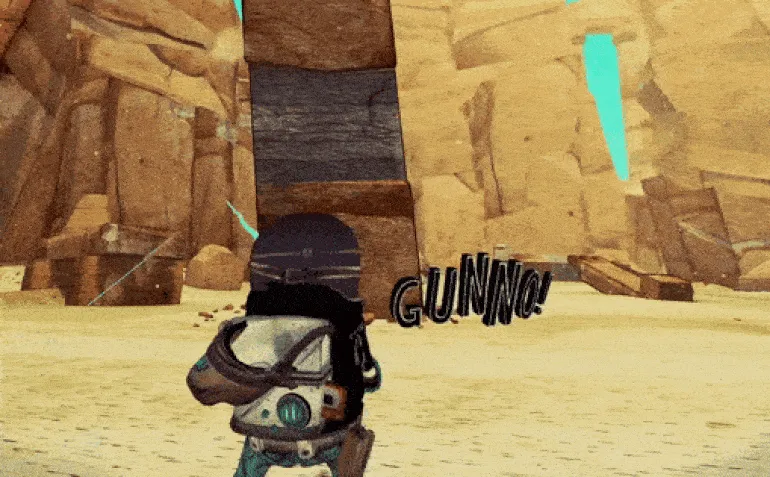
Developers Tiny & Big in Grandpa's Leftovers shared details of their dissection mechanics eight years ago on Reddit's r/gamedev channel. Essentially, they created a dissection algorithm based on the principles of constructive solid geometry (CSG). This approach allows for efficient manipulation of in-game objects, providing realistic interaction with the environment. Using CSG in the dissection mechanics not only improves visual perception but also diversifies gameplay, providing players with unique problem-solving opportunities.
While this may seem complex, it is actually a technology for modeling objects in 3D graphics. The basic principle is that complex geometric shapes, which can be difficult for a computer to process, are combinations of simple geometric shapes such as cubes, spheres, and cylinders. Three basic Boolean operations—merge, subtraction, and intersection—are applied to these primitives, allowing for the creation of more complex and detailed 3D objects. Thus, using these operations, you can effectively model and optimize performance in 3D graphics.
Place a sphere inside a cube so that it protrudes slightly on each side. Then subtract the sphere from the cube, and the result is a unique geometric shape: a cube with a spherical-shaped cavity. This complex shape can be used in various fields, such as architecture, design, and 3D modeling, due to its aesthetics and symmetry.
Take a sphere and bury it halfway into a larger sphere. Apply the subtraction method, and the result is a shape resembling a bowl. This technique allows you to create interesting geometric objects using simple elements.
To accomplish this task, take a cylinder and bury it halfway into a cube at an angle. Then subtract the volume of the cube from the volume of the cylinder. The result will be an effect as if a piece of the cylinder was cut off at an angle. It is worth noting that the second half of the cylinder will disappear, creating an interesting visual effect. This process demonstrates the principles of geometric transformations and can be useful in various fields, such as architecture and design.
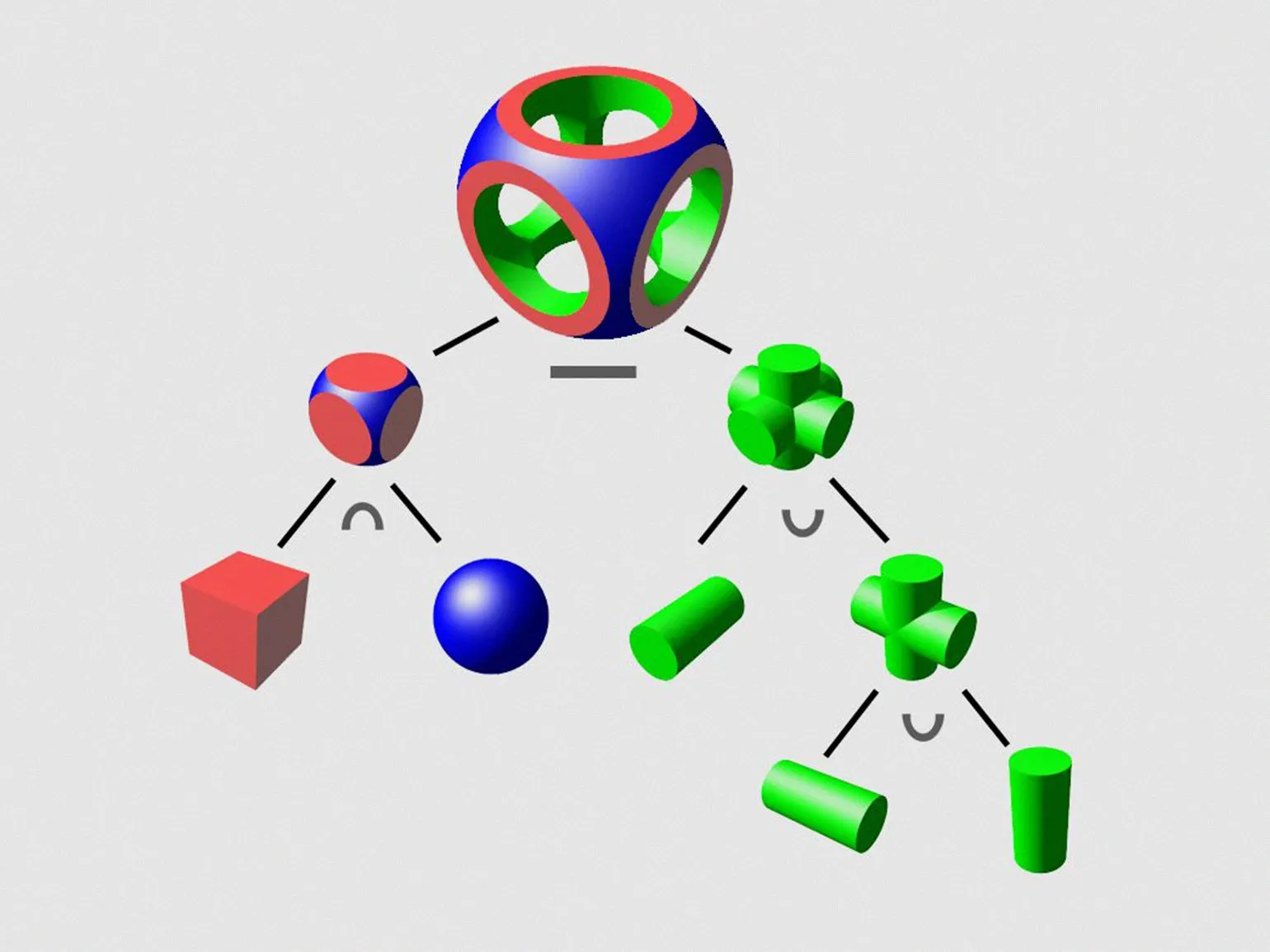
The developers of Tiny & Big in Grandpa’s Leftovers have adapted this principle, adding unique elements that make the gameplay more exciting and interesting. Thanks to an innovative approach to game mechanics, users can enjoy original gameplay that sets the project apart from others.
You divide the vertices of the mesh into two halves, and then in the cut area that can pass between the vertices, you create new edge vertices using interpolation. As a result, you have two meshes that visually continue to look like a single whole. However, to complete the process, you need to form a cut surface. This surface can be created by connecting a random edge vertex in the cut area with all the other edge vertices.
The developers of Tiny & Big in Grandpa’s Leftovers Big in Grandpa's Leftovers created a unique platformer that combines puzzle and adventure elements. Players are immersed in a world filled with vibrant colors and original design, where the main characters are tiny characters exploring their grandfather's remaining treasure. The game offers engaging physics-based gameplay, allowing players to interact with the environment and solve unique challenges. The developers paid attention to detail and atmospheric music, creating an unforgettable gaming experience. Tiny & Big in Grandpa's Leftovers appeals to both casual players and fans of more complex gameplay mechanics. This game became a real discovery on the indie scene, thanks to its original concept and detailed world.
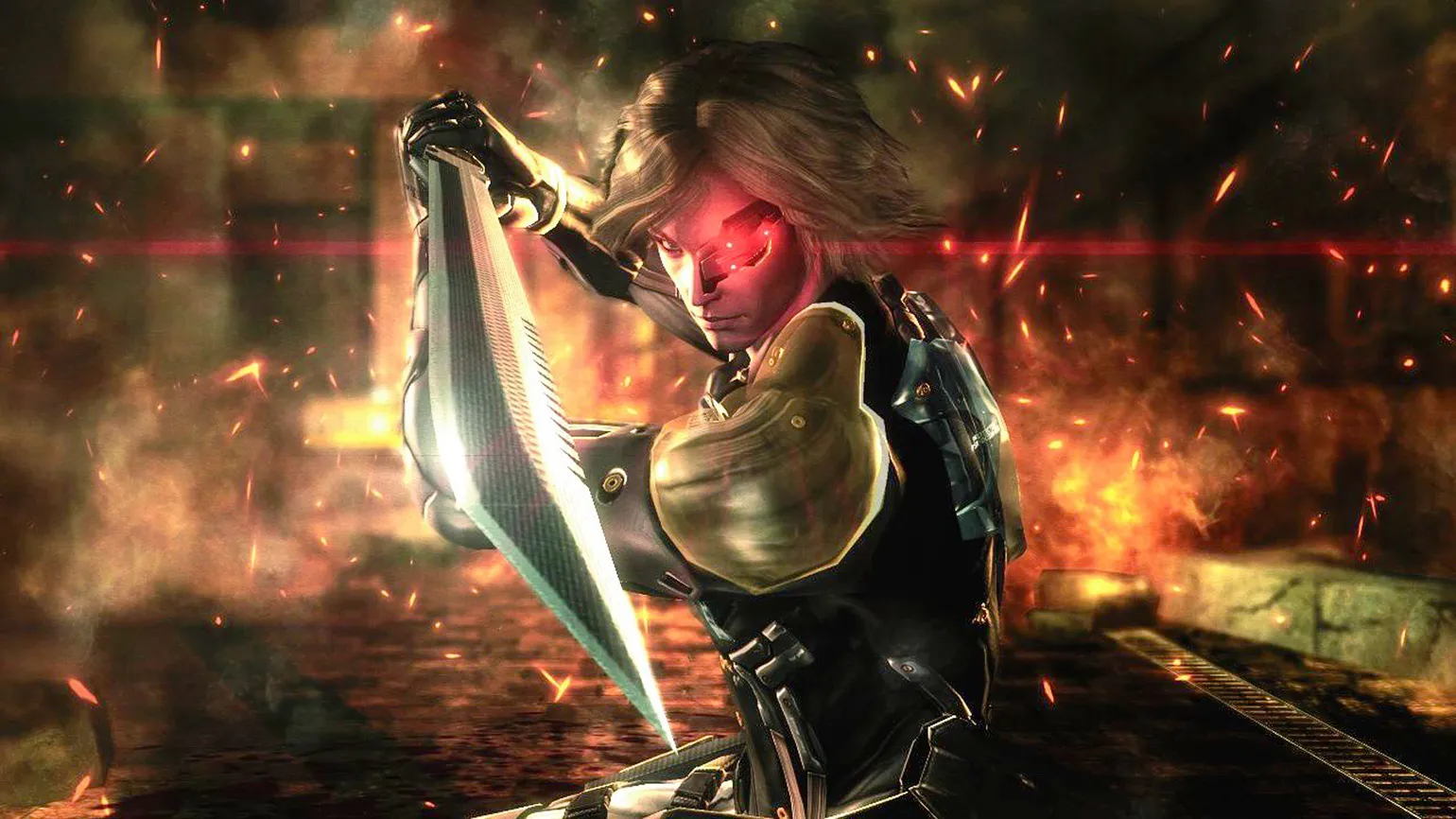
Metal Gear Rising: Revengeance was developed by Platinum Games and is a spin-off of the renowned Metal Gear Solid series. In this game, players are immersed in the adventures of Raiden, the protagonist of the second game in the series. Having acquired the body of a cyber ninja, Raiden uses his sword to fight cyborg enemies throughout the game. Metal Gear Rising: Revengeance features dynamic gameplay and engaging combat mechanics, making it a unique part of the Metal Gear universe.
The development team spent three months developing the slicing mechanic, called Blade Mode. This feature allows you to slice objects in both real-time and slow motion. When using the latter mode, a holographic cutting line appears on the screen that can be rotated, allowing you to precisely select which part of an enemy or object to cut off. Blade Mode adds a unique dynamic to gameplay, allowing players to be creative with strategy and tactics.
Programmer Tsuyoshi Odera noted that the slicing mechanic uses more memory than any other process. Therefore, the developers decided to distribute its execution over several frames, which optimized resource usage and improved the game's overall performance. This approach avoids system overload and ensures smooth gameplay.
Every video game is a cartoon consisting of a sequence of frames that follow each other. During the game, the program constantly checks for changes, such as the player pressing a button. If a change occurs, subsequent frames are created taking into account the new conditions. This means that the processor performs calculations on every frame, which can lead to a significant load. However, distributing complex calculations over several frames reduces the overall load on the processor and increases the number of frames per second (FPS). Optimizing in-game computing is key to ensuring a smooth gaming experience and improving overall performance.
The developers of Metal Gear Rising faced an important limitation: all calculations could only be performed within the frames allocated for the sword swing animation. This condition had a significant impact on the game mechanics and the dynamics of battles, emphasizing the uniqueness of the gameplay and visual style of the project.
Of course, I am ready to help with text editing. Please provide the text itself that you want me to rework.
We analyzed the speed at which Raiden swings his sword and came to the conclusion that the process of calculating the cutting of an object will be completed before the end of the swing. This allows the player to feel that the actions are performed correctly. This approach, combined with other techniques, provided players with a unique freedom of action rarely seen in action games.
Tsuyoshi Odera is a programmer known for developing the object slicing system in Metal Gear Rising: Revengeance. His work created a unique gameplay experience where players can interact with the environment on a new level. This object slicing system not only added realism to the game world but also became one of the key features that distinguishes Metal Gear Rising: Revengeance from other action games. Thanks to Tsuyoshi Odera's innovative approach, the game received positive reviews from critics and players, making it a cult favorite among video game fans.
Sliced pieces disappear over time, helping to conserve resources. You won't be able to create mountains of cubes made from your enemies in the area. This limitation is aimed at optimizing the gameplay and preventing space overflow.
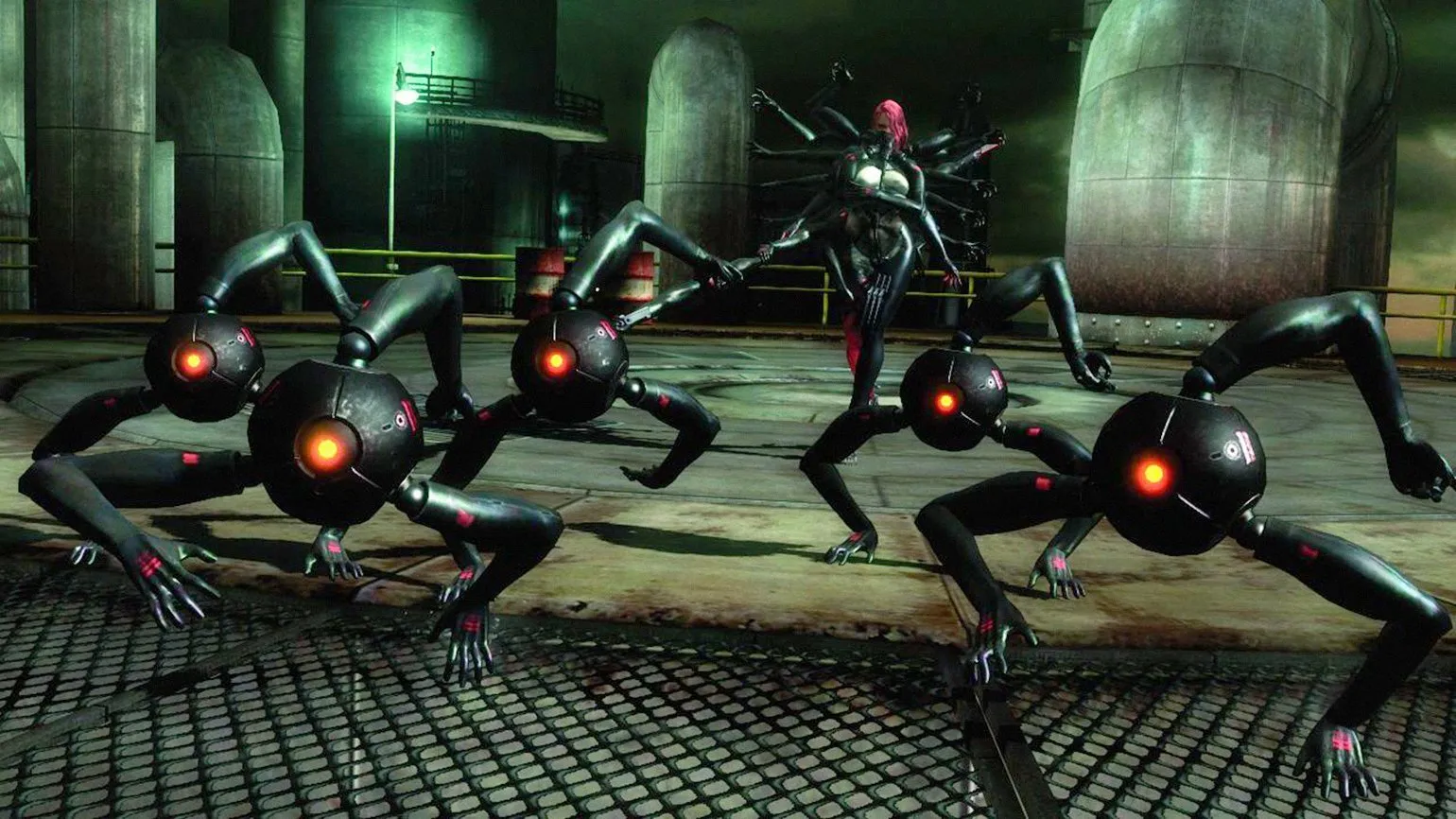
Developers Tiny & Big in Grandpa's Leftovers approached the depiction of stone cut surfaces with an interesting, creative solution. When splitting a stone, the player doesn't expect to see anything beyond its normal structure. Therefore, for the cut surface texture, it's quite sufficient to use the same texture applied to all other parts of the stone. This creates a sense of integrity and consistency in gameplay, emphasizing the attention to detail in the design.
When working with a cyborg who has had an arm or leg severed, it's important to consider several aspects. Careful consideration must be given to the texture for the cut area to accurately reflect the internal structure of the body. This may include using materials that mimic muscles, nerves, and other biological elements to create a believable visual effect. Furthermore, the interaction between the mechanical and organic parts should be considered, which can also influence texture selection. Attention to detail in creating these elements will help make the cyborg more realistic and convincing.
Let's say we create a cut texture for the arm and a corresponding texture for the leg. However, the question arises: what happens if the player begins cutting the limb lengthwise instead of crosswise? In Blade Mode, where time is slowed down, the player has the ability to change the angle and direction of the cut line at will. This opens up new possibilities for interaction with the game world and requires a more detailed approach to textures and animations. Various cut variations must be considered to ensure realistic damage rendering and create a unique gaming experience.
The developers solved this problem by linking the cut texture to the angle of the slash. Masaki Yoritomi, a character modeler, demonstrated this principle using a modified watermelon model. This innovation allows for a more realistic display of the effects of cutting objects in the gameplay.
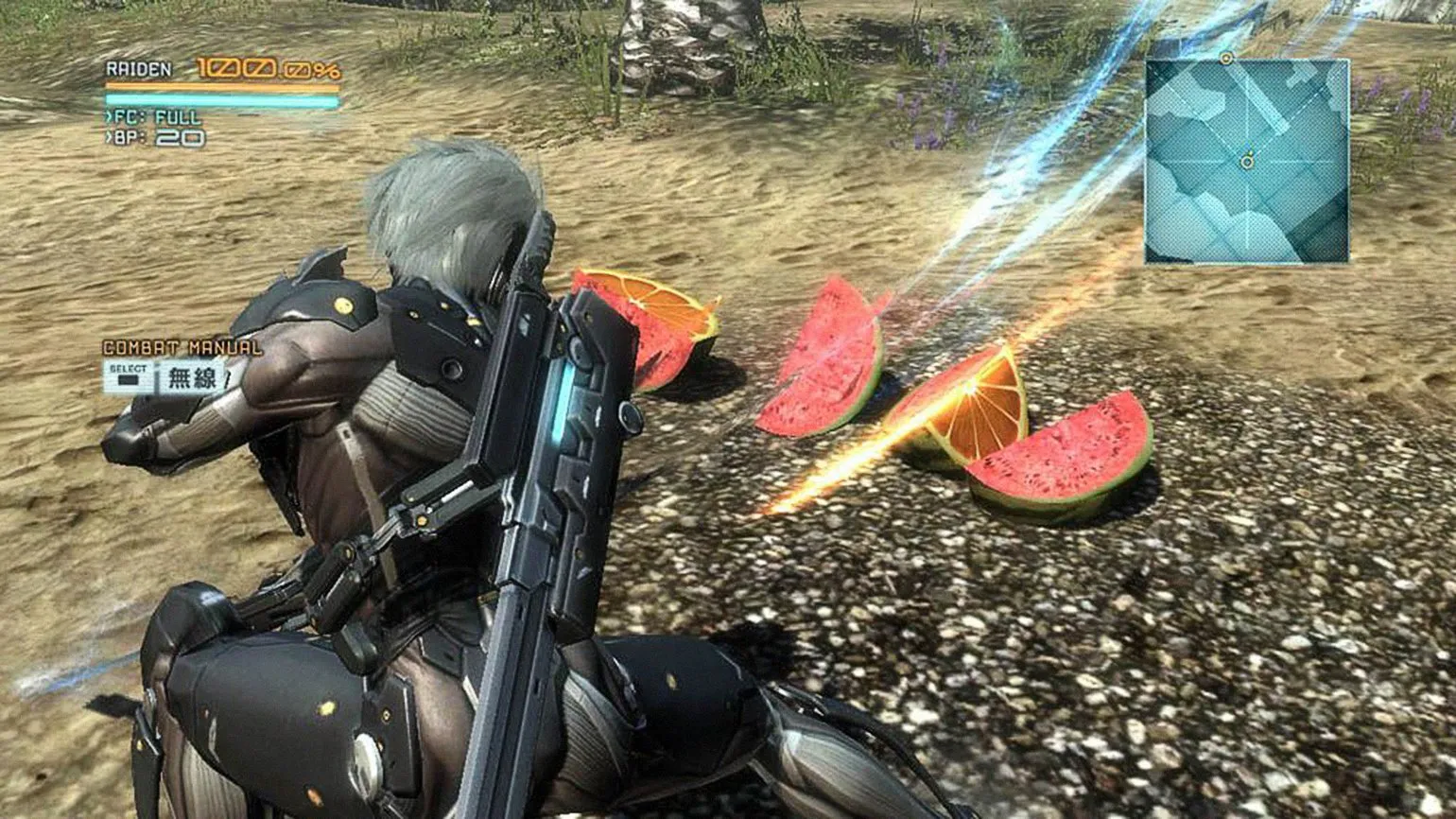
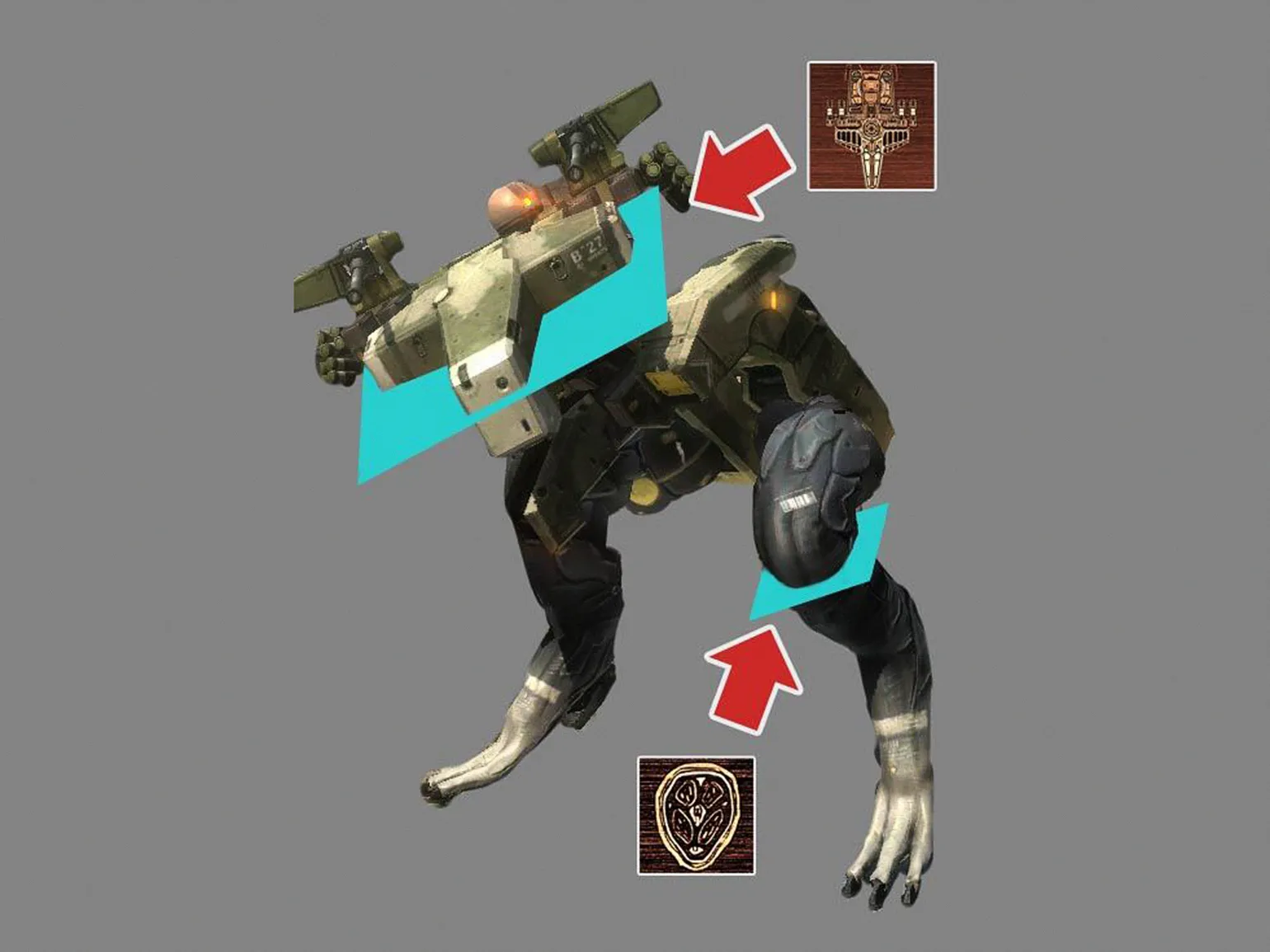
When developing mechanical and cybernetic characters, we were faced with the need to create unique textures for each body part. For example, when cutting a head, a texture corresponding to its shape is required. The same applies to arms, hands, and legs. In addition, we needed to develop different textures for the cut surface, taking into account the angle of impact on each body part. The internal structure should be displayed differently depending on the direction of the cut – vertical, horizontal, diagonal, and others. This allows us to achieve a high degree of realism and detail in the visualization of damage, which is an important aspect in the development of cybernetic characters.
We paid attention not only to the appearance of the characters and robots, but also to their internal structure. We spent a lot of time discussing how each character's inner world should look from different angles, determining the placement of bones and other elements. Many of these details go unnoticed during normal gameplay, but we strived to meticulously craft every detail. This specific approach to detail allows for a more realistic and immersive gaming experience.
Masaki Yoritomi is a renowned character and environment modeler who worked on Metal Gear Rising: Revengeance. His contributions to the project are invaluable, helping shape the game's unique visual style and atmosphere. Yoritomi demonstrated a high level of skill in creating detailed models that became an integral part of the gameplay. Published by Konami, Metal Gear Rising: Revengeance is a thrilling action game with hack-and-slash elements, where Yoritomi's talent significantly enhanced the overall experience of the game world.
The developers paid close attention to creating unique enemy reactions depending on which body part you cut off. Each situation is worked out in detail, allowing players to experience the realism and deep development of the game world. These reactions enhance immersion in the game and add an element of strategy to combat clashes.
An example of a successful game is Hardspace: Shipbreaker, released in 2022. In this game, gameplay focuses on dismantling spaceships in zero-gravity conditions. The player controls a character in a spacesuit who moves around a decommissioned ship and carefully cuts off parts with a laser. An important task is sorting the collected materials for recycling: metal hull sheets are sent to a furnace, and the equipment is reused. Hardspace: Shipbreaker offers unique gameplay, immersing players in the atmosphere of space repair and dismantling, making it attractive to fans of simulations and science fiction.
This is a unique gameplay element, as it is impossible to cut off part of the ship without consequences. If you try to do this, the laser can damage explosive systems, resulting in the death of the astronaut. The developers had to carefully consider the concept of the game's ships to ensure realistic interactions and maintain a high level of player engagement.
Initially, the ships were 40 meters long and were textured meshes, giving the impression of being composed of various panels and blocks. However, due to the nature of our cutting process, the entire ship was processed at once, which caused frustration among players: "Why did this happen? It doesn't make sense!" As a result, it was decided to create each ship from individual components that were connected to each other. Most of them are made of four-meter-long panels, reminiscent of giant Lego bricks. Some pieces are eight meters long. Anything larger than this looked odd when cut.
Elliot Hudson is the Creative Director on Hardspace: Shipbreaker. His work involves developing concepts and visual elements that make the game unique and engaging for players. Hardspace: Shipbreaker offers engaging gameplay that immerses players in a world of space warfare. Hudson's active involvement in the game's atmosphere and gameplay mechanics makes his contribution to the project particularly significant. Under Elliott's leadership, the Hardspace: Shipbreaker team strives to deliver an unforgettable experience for players by combining innovative ideas with high-quality graphics.
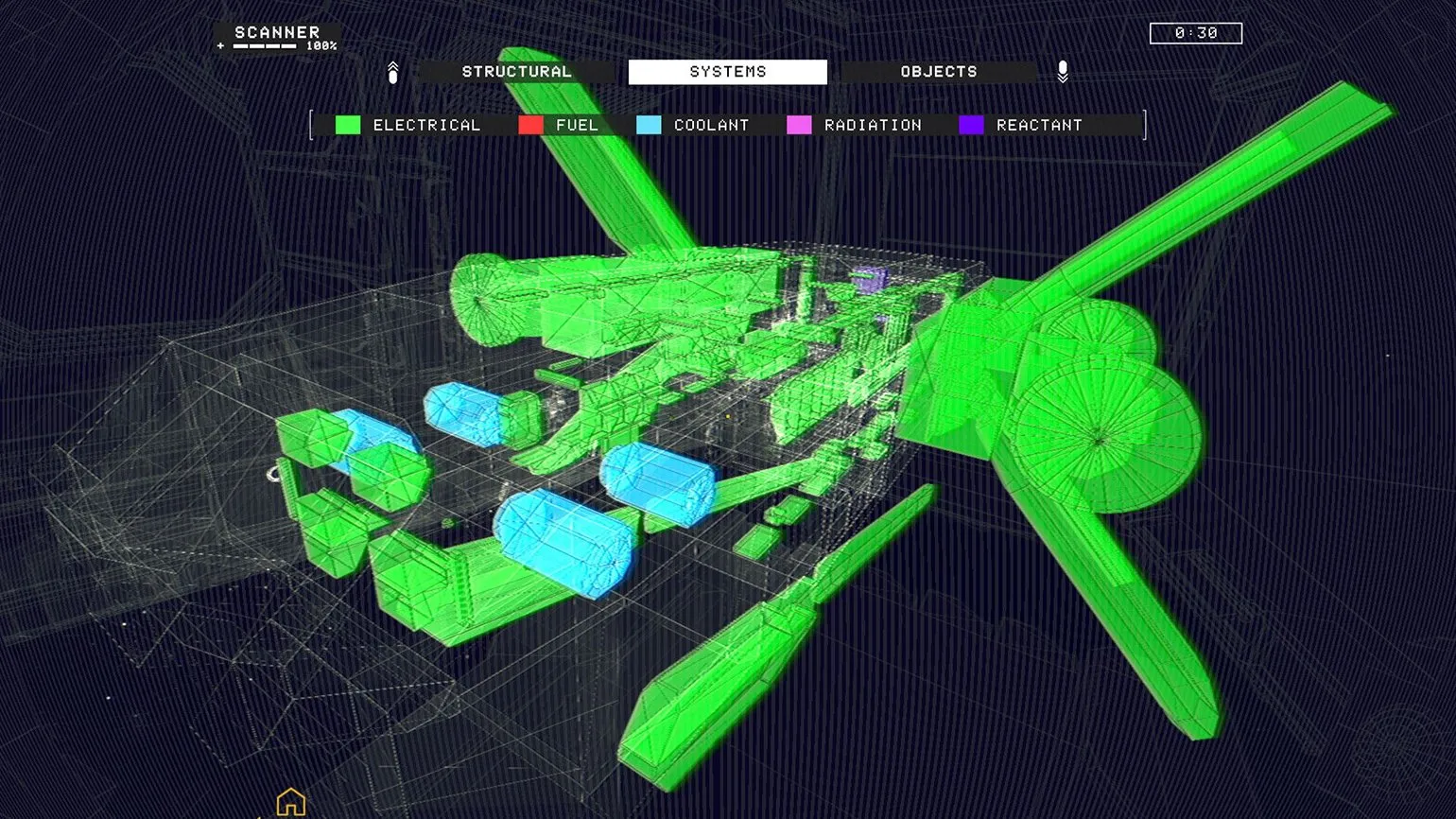
Cutting is accomplished using a laser, which directs two diverging beams at the surface. This visual solution was chosen by the developers, who realized that a single beam would move too slowly, and players might lose interest while waiting for the animation to complete. Using two beams speeds up the cutting process, making it more dynamic and engaging for players.
In addition to the laser, the toolkit included a device that used a powerful beam to destroy the nodes connecting large parts. This tool destroyed the nodes entirely, without separating them. The developers implemented it into the game to expand the possibilities of the dismantling mechanics, allowing for the elimination of cutting. This was especially important, since behind the walls that the player cut, there could be explosive pipes that should not be touched.
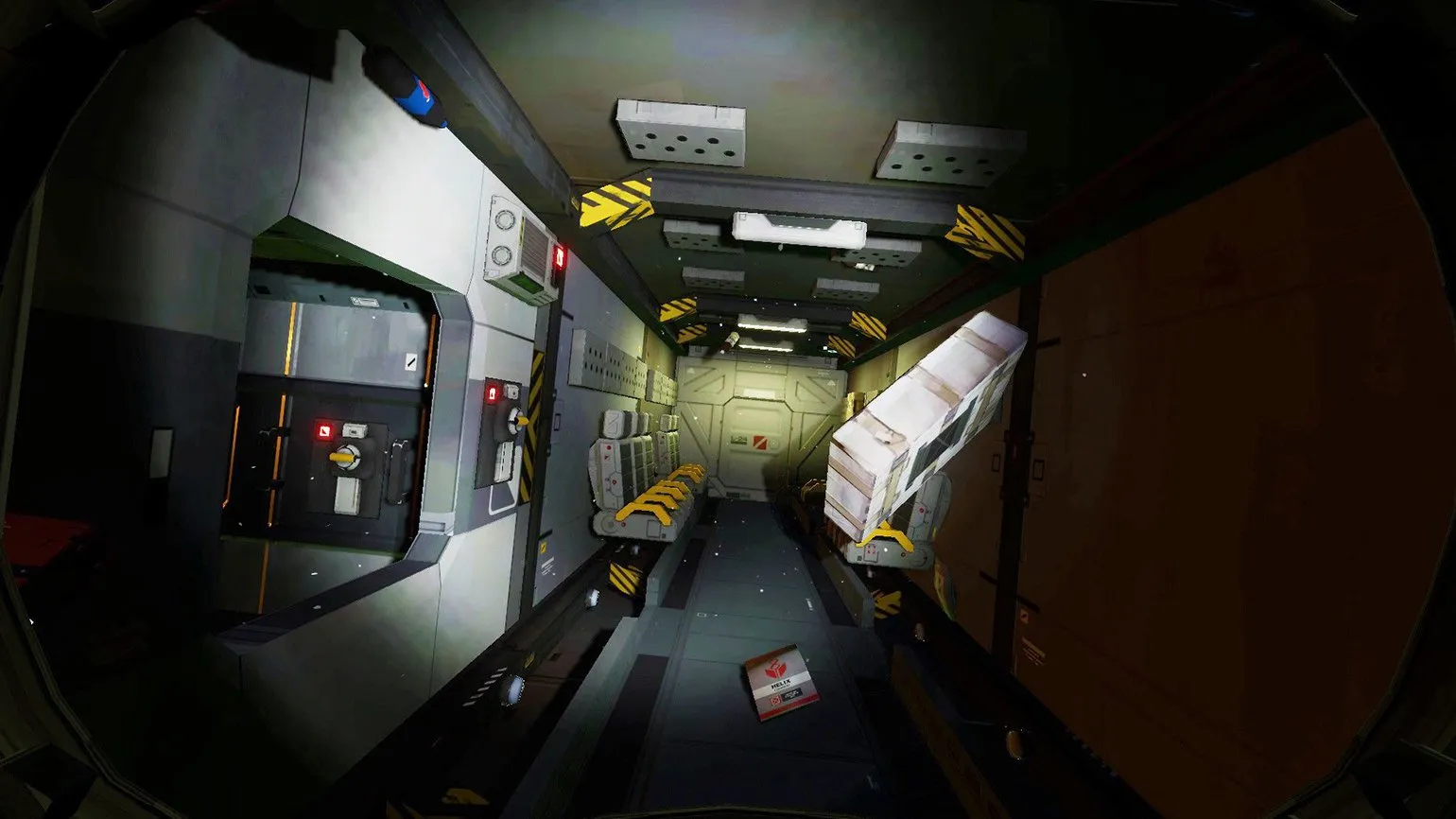
Technically, it's possible to cut any part of a spaceship, but to keep the gameplay interesting, the developers have set certain limitations. Each ship is divided into two layers: an outer and an inner capsule. The outer capsule represents the ship's shell, while the inner capsule contains its interior. Between them is a space, and the outer shell is connected to the inner one by beams, creating the effect of the inner capsule being suspended. These design elements not only enhance realism but also contribute to dynamic gameplay.
In the early stages, your cutter may not be powerful enough to handle the outer shell. However, you can easily destroy internal elements. By destroying the nodes connecting the outer shell to the internal parts, you'll see it begin to disintegrate into individual fragments. These fragments can then be easily sorted for further recycling. It's especially satisfying: you're busy with routine tasks inside the ship, while the starship gradually disintegrates into pieces.
The developers also included protection against excessive computer load. If you remove too small a fragment of the ship, it will simply disintegrate. This ensures the stability of the system and prevents possible errors associated with incorrect user actions.
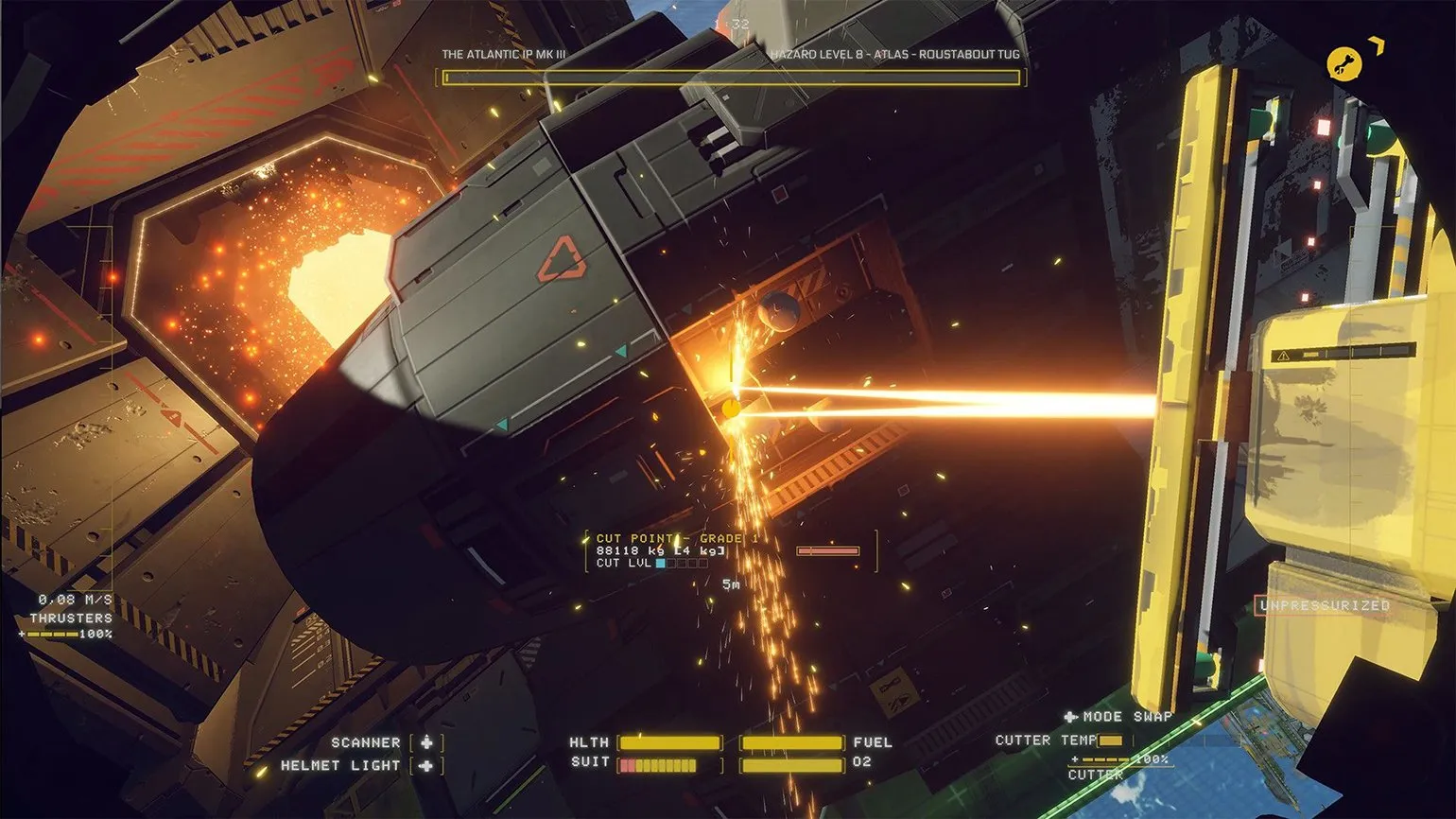
Developers Hardspace: Shipbreaker approached the creation of cut surfaces with the same creativity as the creators of Metal Gear Rising: Revengeance. To make the sheets cut from the ship appear three-dimensional from the inside, they used parallax-mapped textures. This technology creates the illusion of depth by changing the texture pattern depending on the viewing angle. This approach lends the game realism and visual richness, significantly improving the overall gaming experience.
Modern technology makes it possible to create the illusion of three-dimensional objects on flat surfaces, giving them an unusual appearance. For example, in an ancient castle, a wall may appear to be composed of protruding stones, despite its true flatness. Similarly, in the windows of high-rise residential buildings, one can see the illusion of three-dimensional rooms, although in reality, these are just two-dimensional images. Such visual effects are widely used in video games such as Marvel's Spider-Man and Cyberpunk 2077, where the design and graphics reach impressive heights.
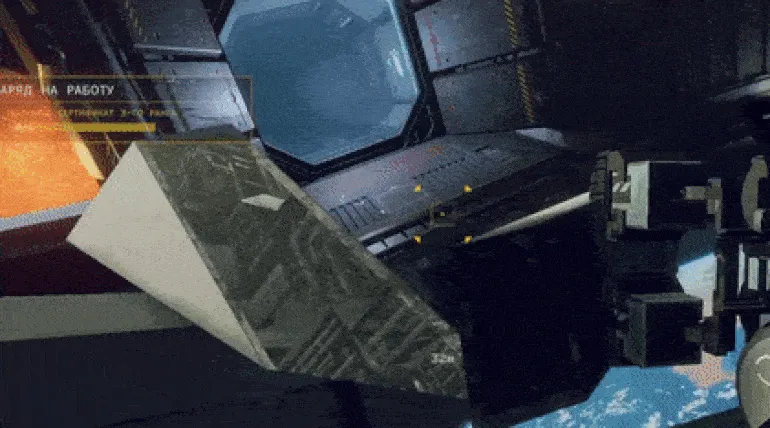
In Hardspace: Shipbreaker, if you look closely at the cut surface, you can see the drawback of this approach. The internal details create the impression that they are significantly larger than their external dimensions.
The mechanic of cutting up 3D objects continues to be an unusual and appealing element in the world of video games. Even after more than a decade, it can become a key feature of any game. This technology requires significant computing resources, making its implementation a challenging task for developers. However, when approached correctly, it can significantly enhance the visual appeal and interactivity of gameplay, creating unique opportunities for interaction with the surrounding world.
The result is worth the effort, as it introduces an element of realism into the digital environment. It creates the impression that the surrounding characters are not just decorations, but real objects containing something more than just emptiness. This increases user engagement and makes interaction with content richer and more believable.
Game designer profession from scratch to PRO
A game designer creates the structure of a game. They think through the idea, rules, gameplay and decide what emotions the plot will evoke in players. You'll master game design principles from scratch and learn how to work with popular engines like Unity and Unreal Engine. You'll learn how to retain player interest and monetize your games. And we will help you start a career in the gaming industry.
Find out more