
Learn: 3D Environment Artist Profession from Scratch to PRO
Learn MoreWhen developing open-world projects, player navigation becomes an important aspect. How can you ensure they are pointing in the right direction and avoid getting lost in the vast expanses? Many developers choose a simple solution - they use compass arrows or on-screen markers to guide players through game locations. However, it's worth considering more subtle and immersive approaches to navigation that can enhance the gaming experience and deepen interaction with the world. It's important to find a balance between freedom of exploration and the need to guide the player toward their goal, creating intuitive and engaging navigation mechanics. Today, many leading open-world game developers, such as Rockstar, Ubisoft, Bethesda, and CD Projekt RED, follow generally accepted development standards. However, there are a number of studios that choose a different strategy. There are many games on the market, primarily indie projects, that allow players to independently explore and navigate virtual worlds. These games offer a unique experience, allowing users to find solutions and make decisions on their own during the gameplay. This approach appeals to those who value freedom of choice and unconventional game mechanics. Developers often forgo the use of markers and minimaps, as the navigation system is a key element in creating and maintaining the atmosphere of the game. Overly convenient cues can disrupt the immersion achieved through player interaction with the game world. We'll discuss this with level designer Mikhail Kadikov, who worked on Might and Magic: Heroes 7 in the early 2010s and currently works at Crytek. Mikhail is also the author of the book "Designing Virtual Worlds," published in 2019. He shares his experiences and views on the importance of navigation in games, as well as how to balance convenience and atmosphere.
Following the Dotted Line
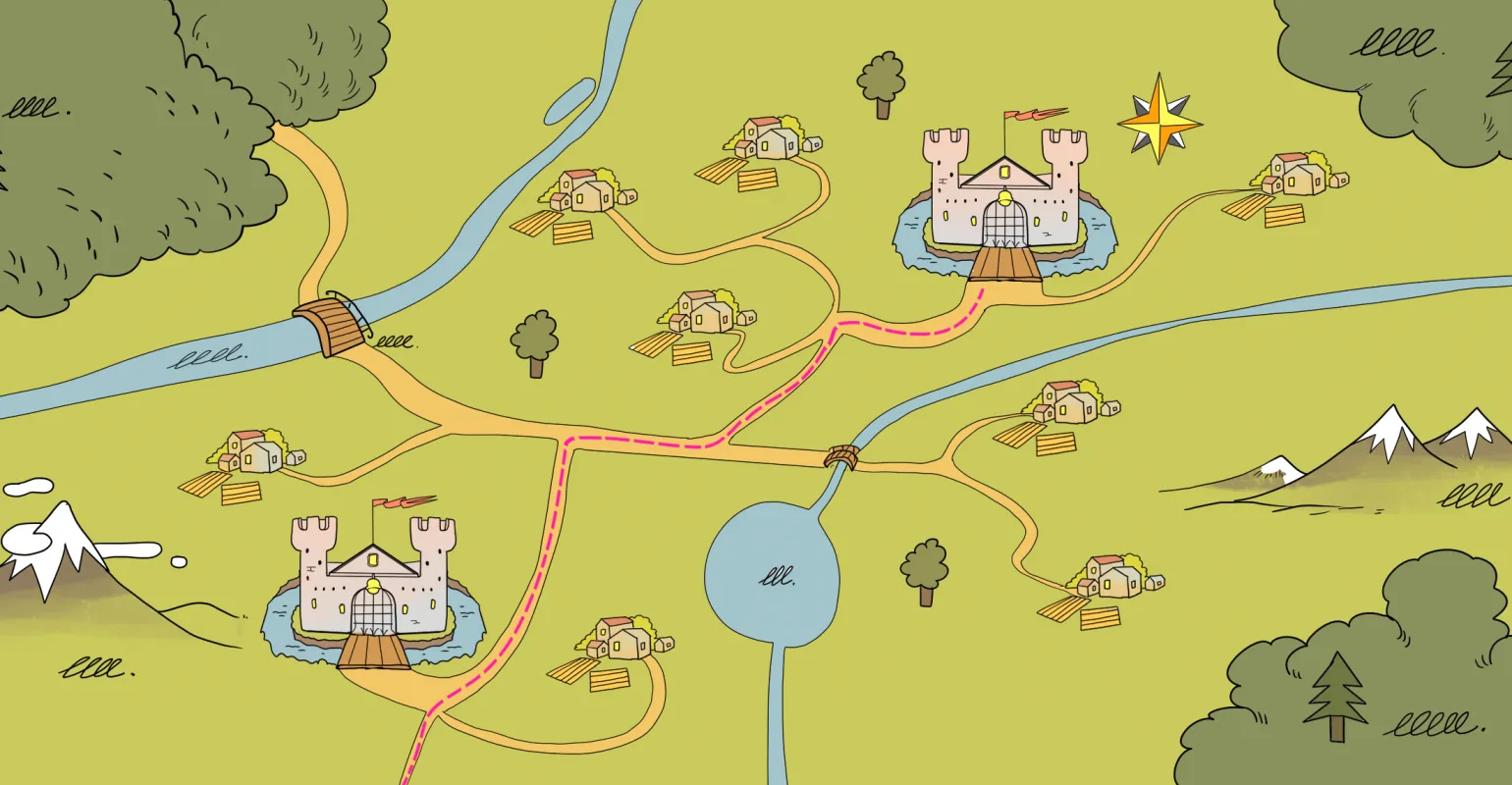
In 2015, Mark Brown, author of the popular YouTube channel Game Maker's Toolkit, criticized the trend of simplifying navigation in modern video games in his video "Following the Little Dotted Line." He noted that overly simple navigation can reduce player engagement and diminish the sense of achievement. Brown encourages developers to maintain a balance between convenience and challenge to create a more engaging gaming experience. It's important to remember that effective navigation can not only facilitate gameplay but also enrich it by adding elements of exploration and discovery.
The journalist noted that The Witcher 3: Wild Hunt uses a GPS strip on the minimap, which greatly simplifies navigation around the game world. This feature allows players to more easily navigate vast locations, pointing the way to goals and important objects. Thanks to this, players can focus on the plot and interaction with the surrounding world, without being distracted by searching for a route. This approach to interface design makes the gameplay more intuitive and engaging, which emphasizes the high level of detail in The Witcher 3.
The quests in this game are exciting, funny, and carefully thought out. However, to complete them, players are often simply forced to follow marker after marker, which hinders the ability to fully appreciate the magnificent world created by CD Projekt RED. This limits the ability to deeply immerse themselves in the game's atmosphere and perceive its details.
Mark Brown is the host of the popular channel Game Maker's Toolkit, which is dedicated to analyzing and discussing video games. On his channel, he explores various aspects of game design, including mechanics, narrative, and visual style. Brown offers deep insights and useful tips for both developers and gamers, making his content a valuable resource for anyone interested in creating and studying video games. His videos provide a better understanding of how games work and what elements contribute to an engaging experience.
Brown continued to explore this topic in a number of subsequent essays. In his analysis of Metro Exodus, he drew parallels between markers and instructions in games like Rage and Far Cry and the checklists that help players navigate gameplay. He also mentioned the scavengers from Far Cry: New Dawn, which are a unique enemy class that provide the opportunity to obtain more loot. These elements highlight the importance of mechanics that promote player engagement and enrich the gaming experience.
Of course, I'm happy to help with text editing. Please provide the text itself that you would like me to revise.
When encountering an enemy marked by a certain type of activity, it becomes obvious that this is a separate piece of content that will appear repeatedly. This creates a feeling of toy-likeness and a lack of authenticity.
Brown shares the opinion of many players that markers and minimaps in modern video games reduce the need to explore the virtual world and disrupt the atmosphere of adventure. Numerous discussions on this topic can be found online, in which players express dissatisfaction with the simplification of gameplay. Previously, developers strived to create immersive worlds where exploration and discovery of new locations played a key role in the gaming experience. Unlike current trends, older games encouraged players to find their own paths, solve puzzles, and immerse themselves in the adventure.
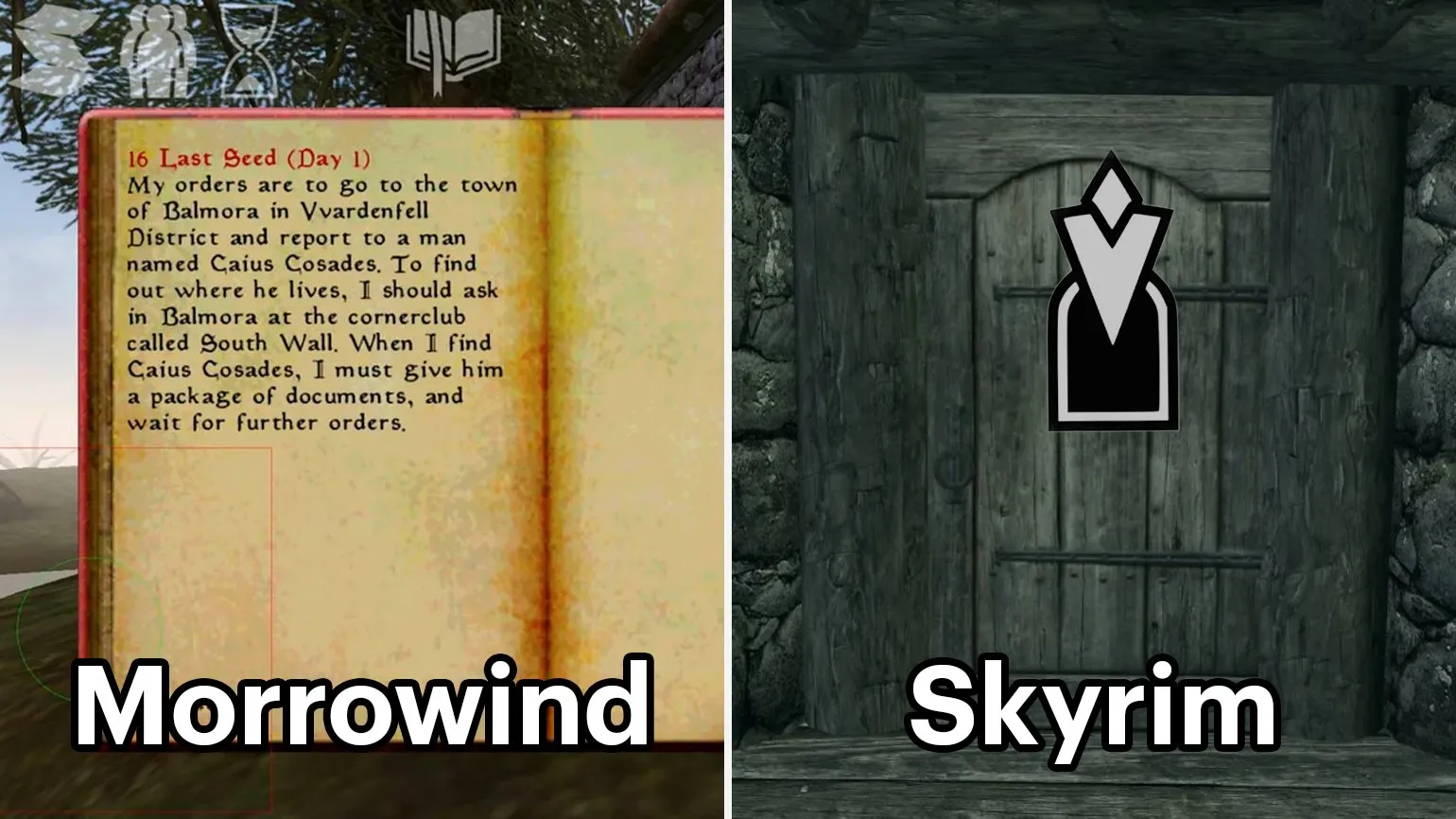
In The Elder Scrolls 3: Morrowind, released in 2002, players had to navigate the island of Vvardenfell on their own. In contrast, The Elder Scrolls 4: Oblivion introduced a quest arrow and fast travel functionality, available from the start. In Grand Theft Auto 3, players could see objective markers on the minimap, but they had to figure out the optimal route themselves. The GPS strip was added only in the fourth part of the game, which greatly simplified the navigation process.

Read also:
The Fog of Liberty City: the history of the creation of GTA 3
The Fog of Liberty City became an integral part of the atmosphere of the game Grand Theft Auto III, released in 2001. This game revolutionized the open-world genre and left a significant mark on video game history. Development of GTA 3 began in the late 1990s, when the Rockstar North team set out to create a 3D world that would captivate players with its freedom of action and meticulous detail.
Liberty City, inspired by real-life cities like New York City, became a place where players could explore diverse neighborhoods, complete missions, and interact with characters. The fog that shrouds the city enhances the atmosphere of uncertainty and danger, which perfectly suits the game's storyline about the criminal underworld and the struggle for survival.
When creating the fog, the developers used unique graphics technology that allowed them to create the effect of depth and mystery. This added a special charm to the game and made Liberty City a memorable place for players. As a result, GTA 3 not only became a commercial success but also received critical acclaim, which contributed to the further development of the entire series.
Thus, the fogs of Liberty City are not just a visual element, but a crucial part of the narrative and atmosphere of Grand Theft Auto III, which continues to inspire developers and players around the world.
Some games significantly deviate from traditional approaches to navigation. For example, in Vampire: The Masquerade - Bloodlines, players can only access the map of each of the four districts at bus stops, creating a unique exploration experience. In the first Deus Ex game, the map is replaced by blurry satellite imagery, adding an atmosphere of mystery and requiring players to pay closer attention. These innovative navigation methods emphasize the individuality of the games and force users to find new ways to navigate the game world.
Navigational cues integrated into the HUD became popular in the late 2000s. Their implementation was aimed at making games more accessible to a wider audience. A notable example is BioShock, which added a large compass needle. This decision was made after the first testers encountered difficulties navigating the initial levels. The implementation of such cues significantly improves the gameplay experience, allowing players to focus on the story and mechanics instead of wasting time searching for their way.
Often, changes to games are not driven by a desire to improve player comfort, but are a consequence of an insufficiently developed open-world structure, according to level designer Mikhail Kadikov. In his opinion, such decisions arise from a lack of attention to detail when creating game spaces. This can lead to players having difficulty navigating the world, forcing developers to implement changes to correct the issues. As a result, instead of improving the gaming experience, these changes can create additional difficulties and reduce the overall quality of the game.
Compasses and similar elements become essential in games with broken navigation. In such situations, players can focus on simply running to a marker without being distracted by details. This leads to a negative attitude towards markers among those who prefer to navigate independently and use the cues provided by the environment. Players who value atmosphere and realism often seek deeper ways to interact with the game world, making markers less appealing.
Sometimes compasses and minimaps become essential during gameplay. In his book, Designing Virtual Worlds, Mikhail identifies two main conditions under which these elements are justified from a game design perspective. The first relates to player orientation, where players require assistance navigating complex locations. The second concerns gameplay management, allowing developers to direct players' attention to key objects or objectives. These elements can significantly enhance the user experience, providing a more intuitive interaction with the game world.
- Games with intense gameplay where the player doesn't have time to explore locations. For example, in the Battlefield series, control points in multiplayer are highlighted with markers, so you can instantly read the situation on the map.
- Games that allow you to justify interface elements with the setting are like Tom Clancy's The Division, where you can project a hologram with a city map onto the environment.

Developers of game projects where the plot does not allow for the implementation of convenient navigation in the interface face certain challenges. However, this does not mean that players should rely solely on luck to find their way. Effective level design can solve this problem, providing players with intuitive cues and direction without the need for explicit navigation. Proper placement of objects, use of lighting, and the creation of visual landmarks will help players navigate the game world and enhance their experience. Thus, a well-designed level becomes not only a setting for action, but also a tool for guiding players through the story, ensuring a comfortable and engaging experience.
The Invisible Hand of a Level Designer
Navigational cues should be seamlessly integrated into the game environment, rather than standing out in the interface. Mikhail Kadikov argues that, when implemented correctly, players will not be aware that they are being directed to their goal; they will be able to find the right character or discover a cache with valuable loot on their own. In his book, the level designer offers various approaches to implementing such cues, which allows for a more natural and engaging gameplay experience. Integrating navigational elements into the environment promotes player immersion and improves the overall perception of the game world.
Mikhail states: "In an open world, landmarks play a key role." Most often, such landmarks are objects that are clearly visible from long distances, such as impressive buildings or significant elements of the natural landscape. These landmarks help players navigate space and find their way, significantly improving gameplay. Properly chosen landmarks can make open-world exploration more engaging and intuitive.
Landmarks play a vital role in level design, serving several key functions. They attract the player's attention from afar, help them orient themselves in space, and determine their location. Landmarks also become memorable elements that contribute to a better perception of the location. Furthermore, they create a sense of travel and visual integrity of the game world, significantly improving the overall gaming experience. Effective use of landmarks in level design promotes deeper immersion and increases interest in exploring the environment.
Mikhail Kadikov is a level designer at Crytek, a company known for its innovative games and technologies. In his work, he is responsible for creating engaging game levels that provide a unique experience for players. Mikhail applies cutting-edge design techniques and a deep understanding of game mechanics to develop complex and engaging game environments. His contributions to Crytek projects enhance the quality and immersion of games, making them more appealing to a wider audience.
Visual landmarks play a key role in the world design of Fallout: New Vegas. The game's developers carefully ensured that at least three significant objects, such as a T-Rex statue, a roller coaster, or the Hoover Dam, are visible from every prominent location. These elements invite the player to come closer, promising interesting discoveries and new adventures. This detailed visual environment not only enhances navigation through the game world, but also creates an atmosphere where every corner is filled with mysteries and opportunities for exploration.

It's useful to have a global landmark that will be visible from almost anywhere in the open world. In The Legend of Zelda: Breath of the Wild, the volcano and castle serve this role. These elements not only help the player navigate but also create a sense of unity and cohesion in the game's vast world.
This technique is effective only in open spaces. Mikhail Kadikov mentions the game Control, in which the events unfold inside a single large building. Players must regularly refer to the map to avoid getting lost in the complex architecture and confusing interiors. This approach emphasizes the importance of navigation in games, where spatial elements play a key role in the gameplay.
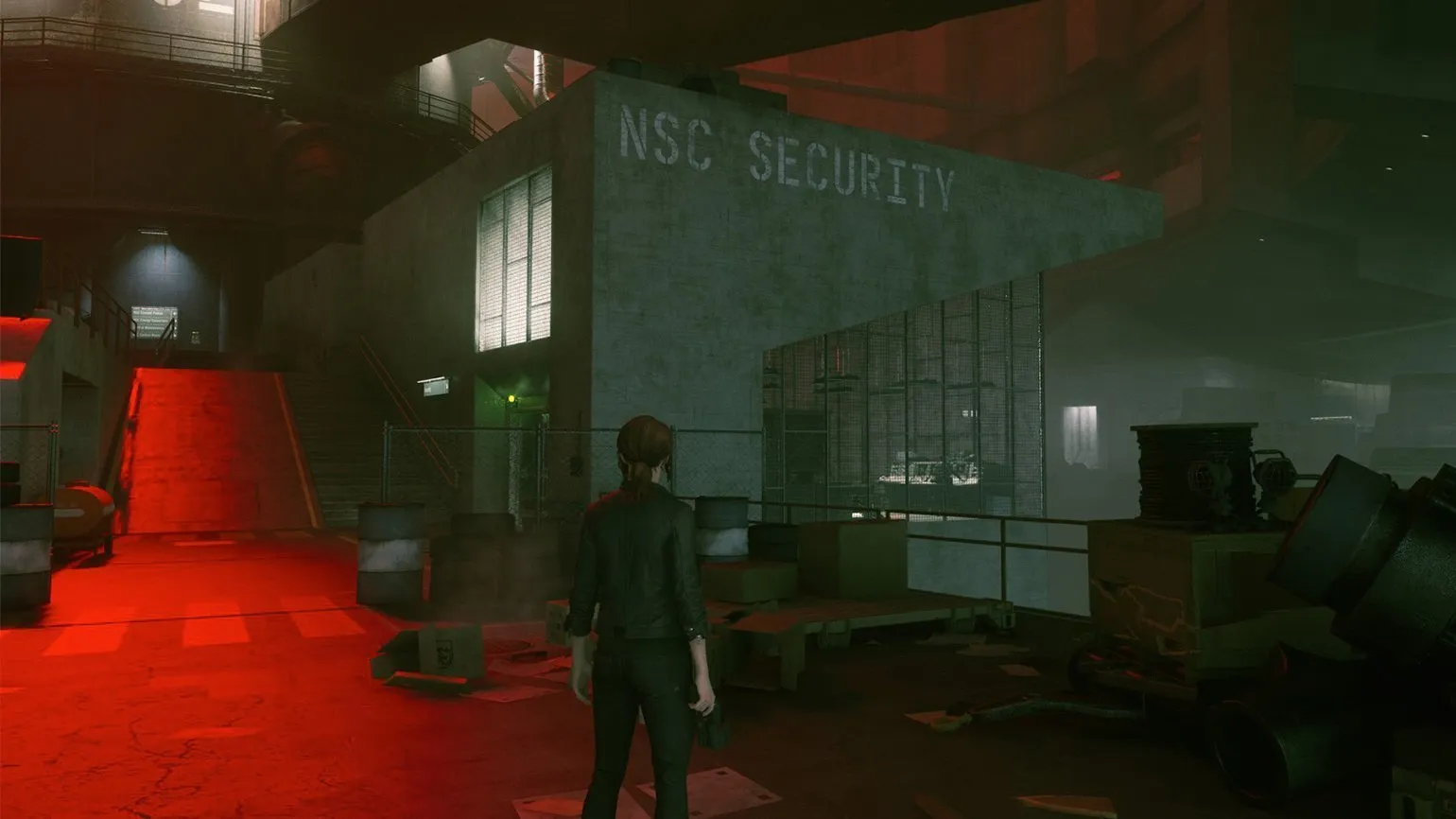
Location geometry, as opposed to visual landmarks, is an important tool for navigation within a specific area. In this context, a designer can use three main techniques for effective orientation.
Guidelines in the form of hidden elements help players navigate the game's environment. For example, the first Dark Souls is known for its complex and multi-level map, but even there, guides subtly indicate the path to the goal. These design elements help create an atmosphere of exploration while still allowing for independent exploration and discovery of new locations. This approach makes the gameplay more engaging and rich, allowing players to enjoy both the challenge and the ability to find their own routes.

Contrast in shape, color, size, and style plays a key role in drawing the player's attention to the most significant elements of a frame. Raylene Deck, level designer on Dragon Age: Inquisition, shared her experience during a lecture, describing how testers expressed dissatisfaction with the lack of content in the game's open world. After analyzing the situation, the developers concluded that the problem was not the number of quests, but rather that players couldn't easily find them. Proper organization of visual elements and clear signposts significantly improved the gaming experience, allowing users to more easily navigate the world and find interesting tasks.

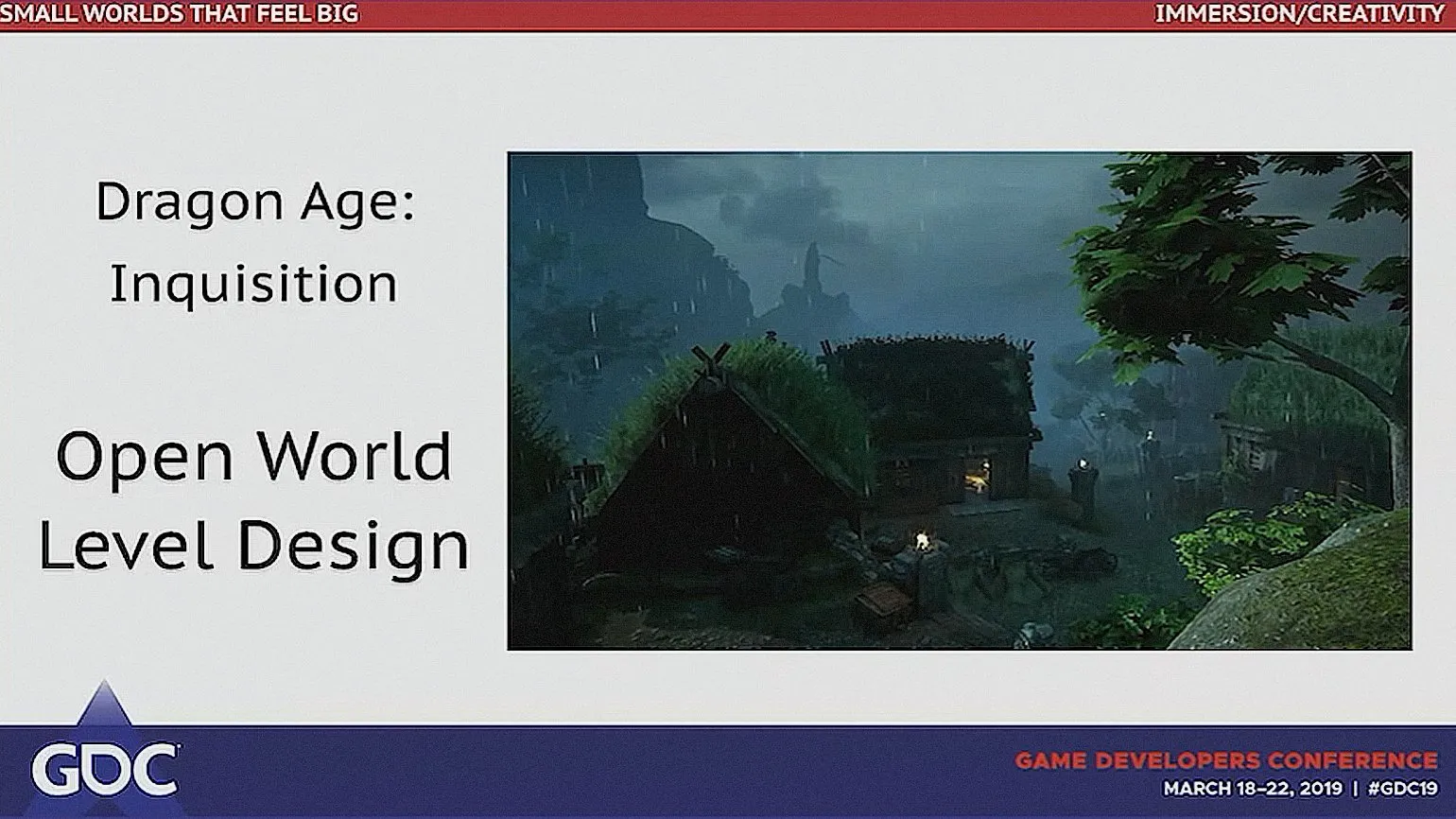
The problem was solved effectively: the designers introduced unique objects into the locations, which stood out with their shape and color against the background of natural landscapes. For example, they added houses with burning lights, which attracted the attention of users. As a result, tester feedback has changed to positive, indicating a high level of perception and an improved overall experience with the project.
Light sources can be used as independent landmarks, as they create significant contrast in the environment. In the S.T.A.L.K.E.R. and Metro Exodus series, campfires serve as navigational markers: their light indicates the presence of safe cover or, conversely, the location of an enemy. Using light as a landmark helps players navigate complex locations and make strategic decisions.
Navigation in the game environment is easy to understand thanks to its real-life counterparts. We regularly encounter navigation elements such as signs, plaques, pointers, graffiti, arrows, and diagrams. These objects help us navigate the space and make the gameplay more intuitive. The use of such elements in games not only increases convenience, but also creates an atmosphere familiar to players, which contributes to a deeper immersion in the game world.
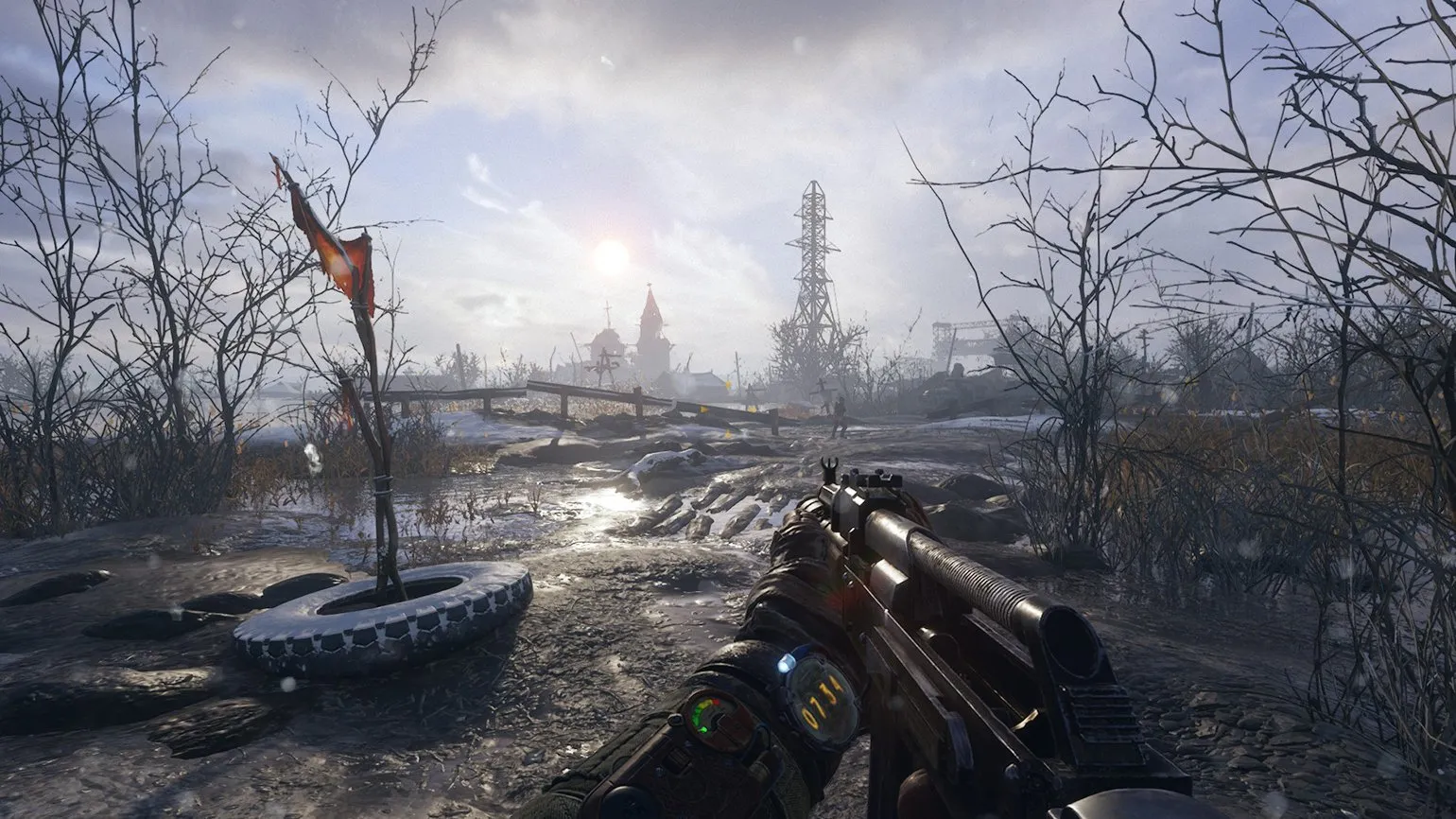
The placement and purpose of waymarks are clear to players, as they feel like an organic part of the game environment. Waymarks serve as an important navigational element, allowing players to easily navigate the space and improve the overall gaming experience. Their natural integration into the landscape contributes to the creation of an immersive atmosphere, making interaction with the game world more intuitive and engaging.
Mikhail Kadikov is an experienced level designer working at Crytek. Throughout his career, he has established himself as a specialist in creating unique game levels that engage players and make the gameplay more immersive. Mikhail's work is distinguished by its high quality and attention to detail, which allows him to effectively combine creativity and technical skills. Crytek, known for its innovative approaches to game development, provides him with a platform to implement bold ideas and concepts, contributing to the development of the gaming industry as a whole.
The Elder Scrolls 3: Morrowind does not use a compass to display missions, which makes the game unique. The world of Vvardenfell is easily navigated by players thanks to numerous signposts located throughout the area. However, these signposts are most effective when combined with other gameplay elements, significantly enhancing the overall perception and interaction with the game world.
In Vampire: The Masquerade - Bloodlines, when receiving quests, characters not only explain the essence of the task but also provide directions to the action using visual landmarks. This helps players navigate the game world more easily and makes the process of completing quests more intuitive.
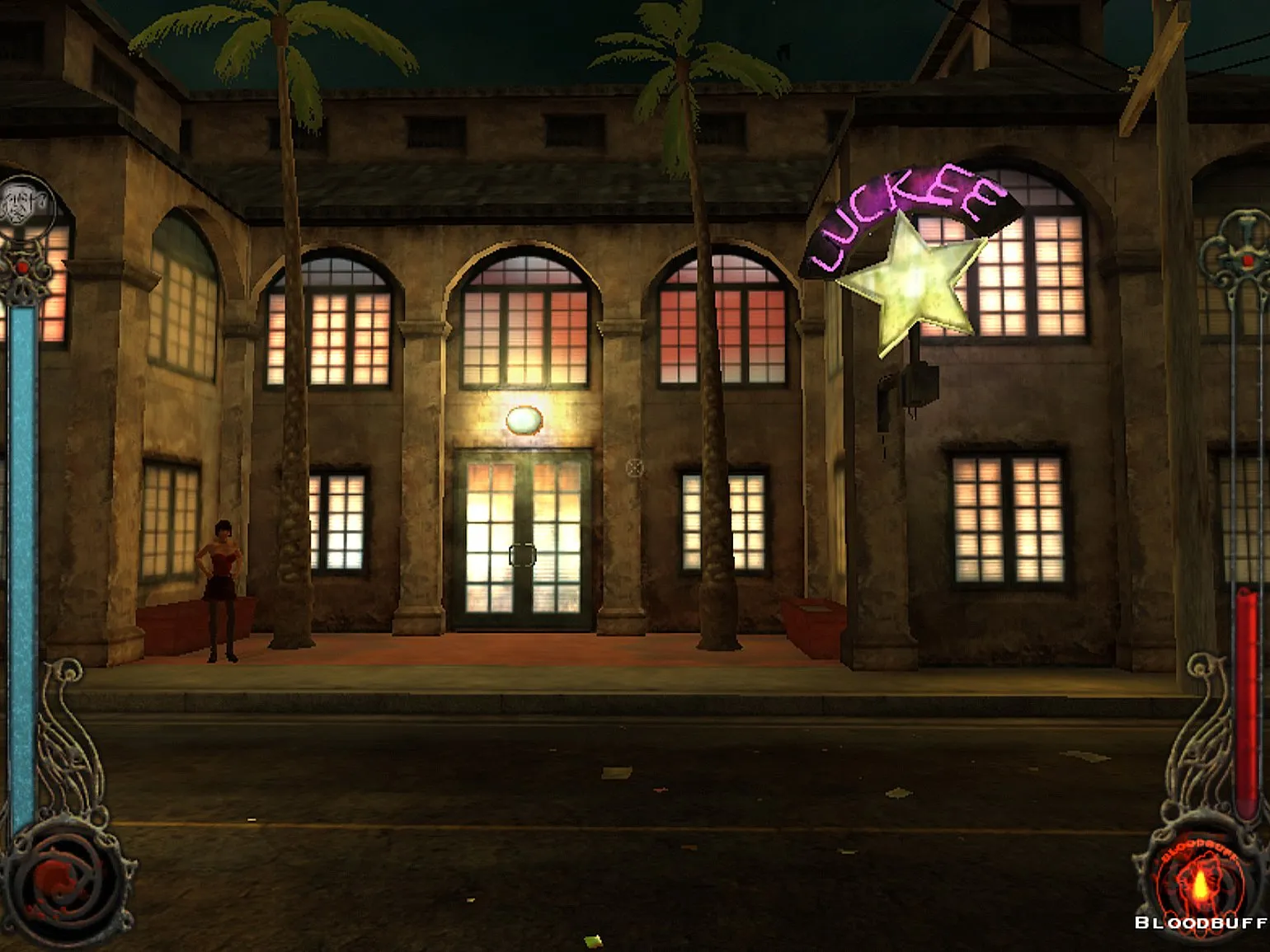
In this case, route finding becomes an important aspect Gameplay. You don't move at random, but the game still tests your attentiveness and map knowledge. This creates a unique experience where every detail matters and requires the player to navigate the environment.
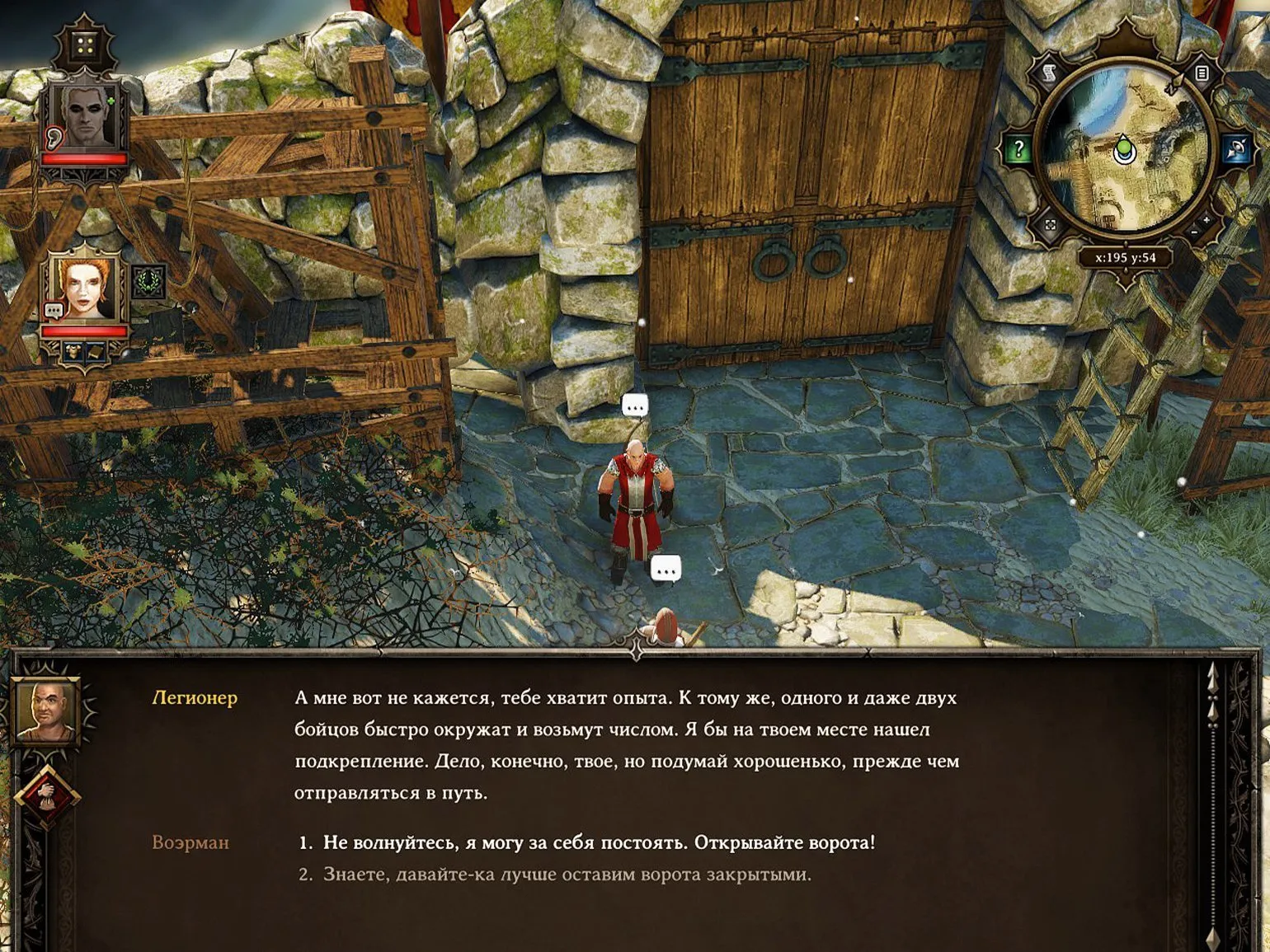
Characters in games can act as landmarks, helping the player find their way to a goal or drawing attention to important events. In the Divinity: Original Sin series, there are frequent situations where one character threatens another, asking the player to decide whether to intervene in the conflict or ignore it. These moments add interactivity and depth to the gameplay, allowing players to make informed decisions and influence the development of the plot.
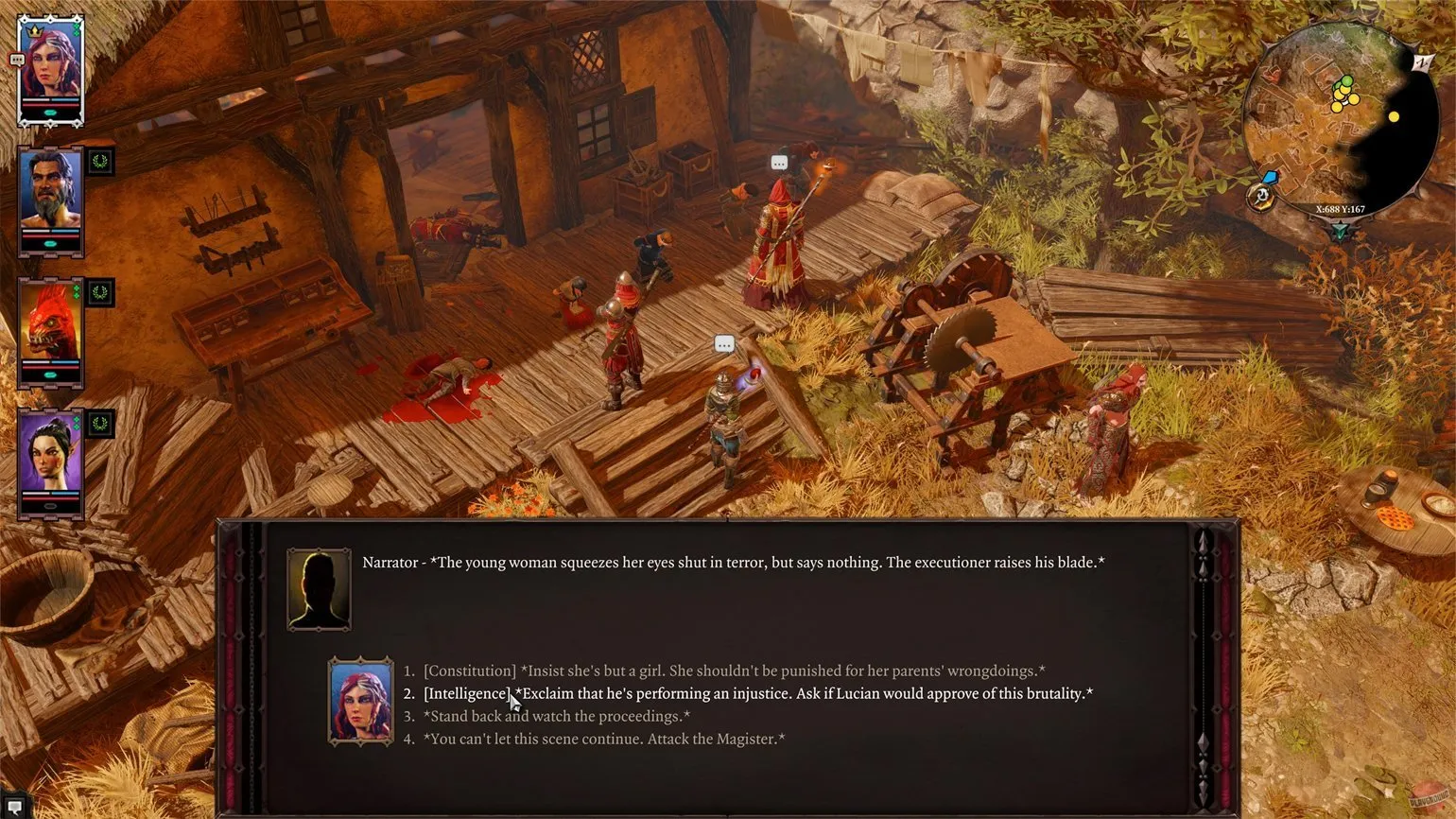
A blocked passage, a high wall and a collapsed A ladder—all of these elements signal to the player that they are moving in the wrong direction.
When planning gameplay, it is important to clearly indicate the directions of movement available to the player and those that are blocked. This will allow for effective time management and prevent the player from attempting to enter inaccessible areas. Level boundaries should be clear and noticeable to avoid any ambiguity. If a path is blocked, it should be immediately obvious so that the player does not waste time exploring blocked areas. This approach improves the user experience and makes the game more intuitive.
Mikhail Kadikov is an experienced level designer at Crytek. His work focuses on creating engaging game levels that immerse players in unique game worlds. With a background in the video game industry, Mikhail develops concepts and mechanics that help improve the user experience and increase interest in games. He is actively involved in the design process, which allows him to make significant contributions to the creation of high-quality gaming products. Drawing on his skills and knowledge, Mikhail Kadikov continues to develop the gaming industry, creating unforgettable experiences for users.
Obstacles can effectively prevent the player from prematurely accessing inaccessible areas. In A Short Hike, for example, the exit from the tutorial is blocked by an insurmountable cliff. However, upon completing the tutorial, the protagonist receives a golden feather, allowing her to cross to the other side. This gameplay mechanic not only protects the player from making mistakes but also creates a sense of achievement and progress.
If you're looking to give the player more freedom while still guiding them in the right direction, an effective solution is to place a powerful enemy or NPC before entering a dangerous area to warn them of potential threats. This approach will help new players realize that the area may be too challenging for them at the moment, while experienced players will be able to freely explore the world and go to places that interest them. This creates a balance between freedom of action and the need to take into account difficulty levels, which makes the gameplay more engaging and understandable.
These elements are often used to enrich the open world, adding depth and variety to it. However, their main purpose is to help the player quickly navigate the map, making it easier to understand their location.
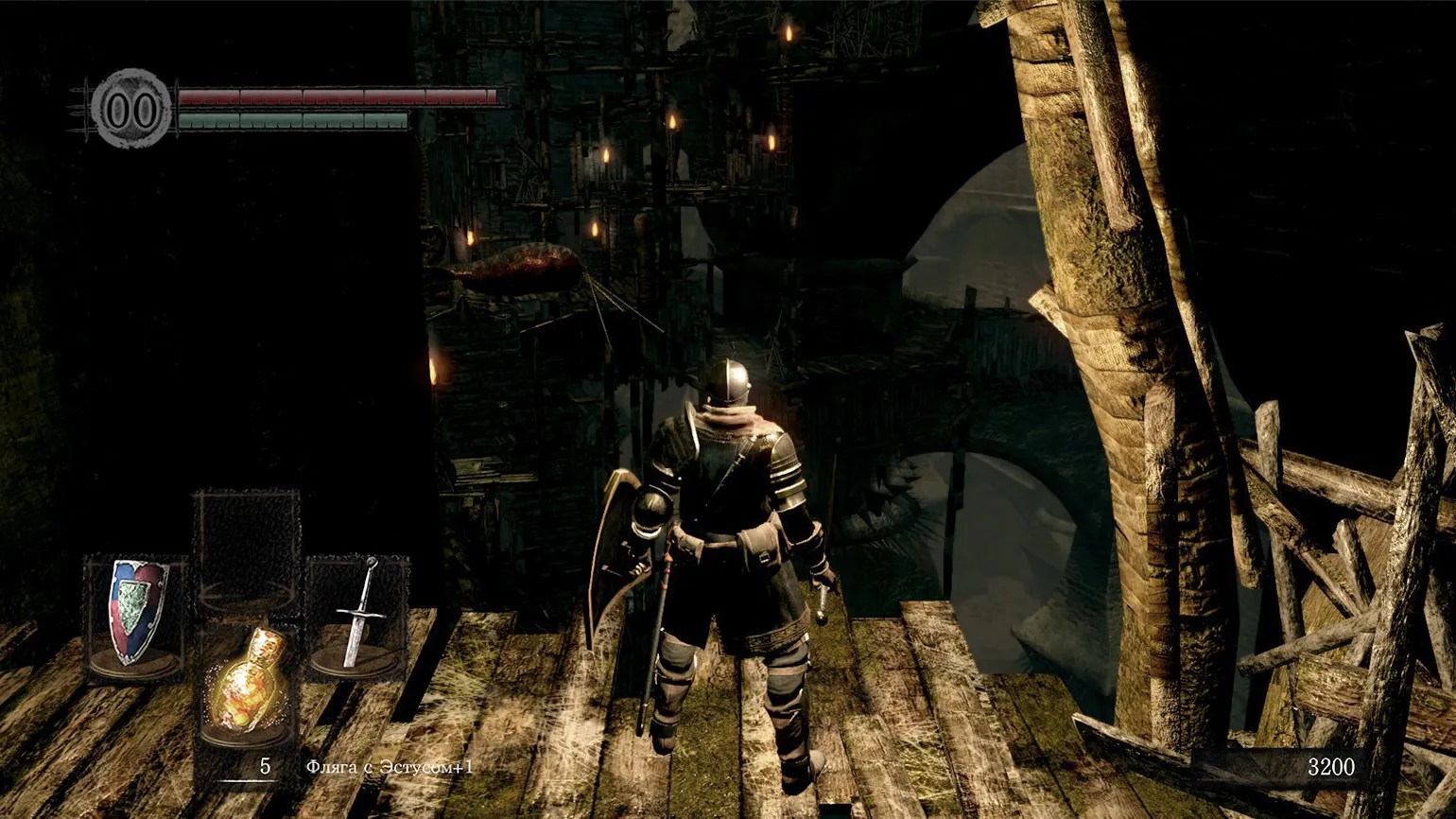

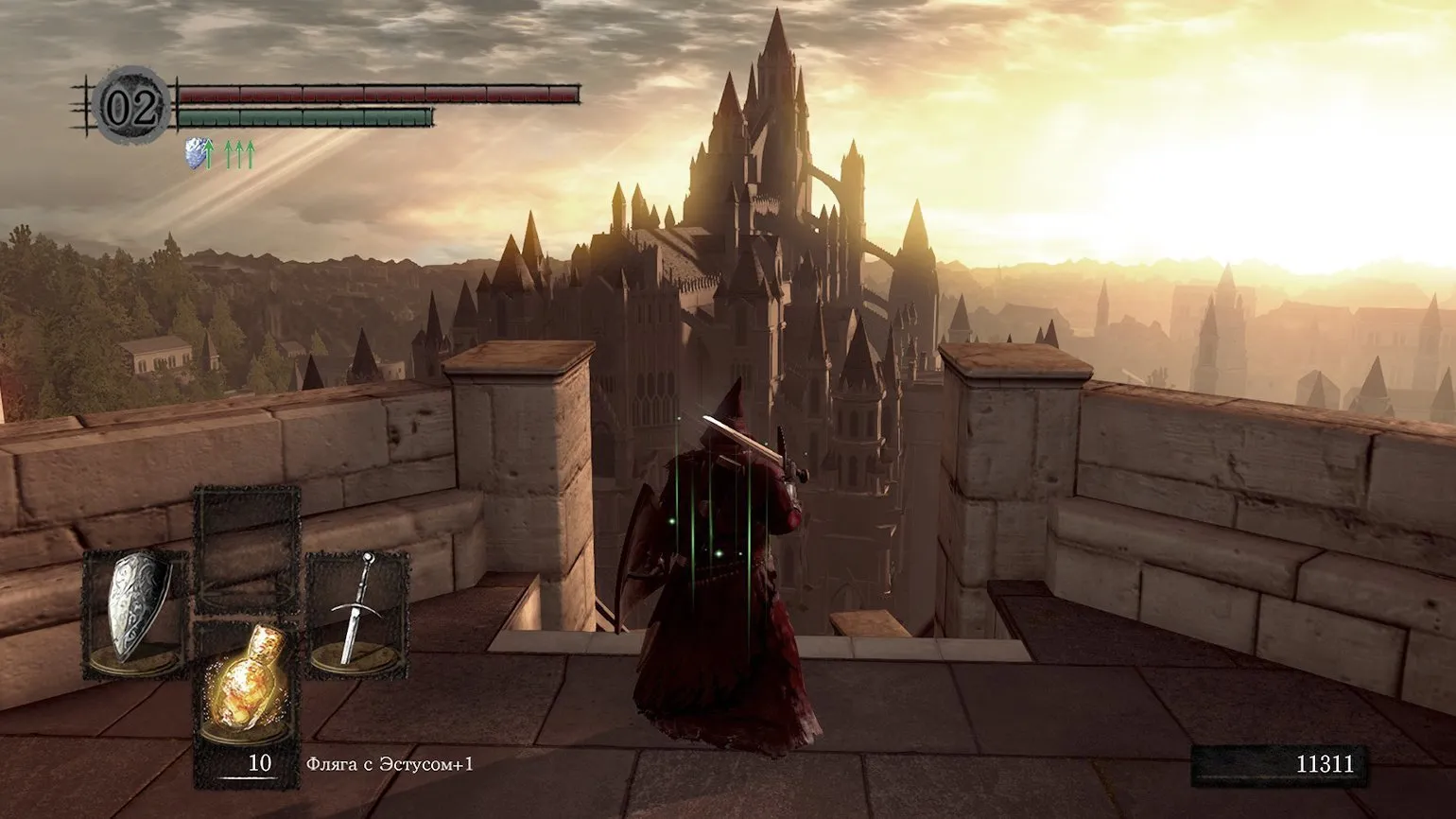
Dark Souls excels at creating unique locations, each with its own distinct color scheme and architectural style. For example, the graceful Gothic architecture of Anor Londo contrasts sharply with the austere Romanesque style of the Undead City, and the gloomy catacombs of the Plague City contrast significantly with the boiling lakes of lava in the Demon Ruins. This diversity makes each location memorable and immerses the player in the game's atmosphere.
Sometimes, hints and interfaces are indispensable, especially in the vast procedurally generated universe of No Man's Sky. However, the developers at Hello Games have found an optimal solution. Following the "Expeditions" update released in the spring, objective markers in the game now only indicate the approximate location of objects. To locate the desired item, players must exit their ship and use the scanner. This adds an element of exploration and makes the gameplay more engaging.
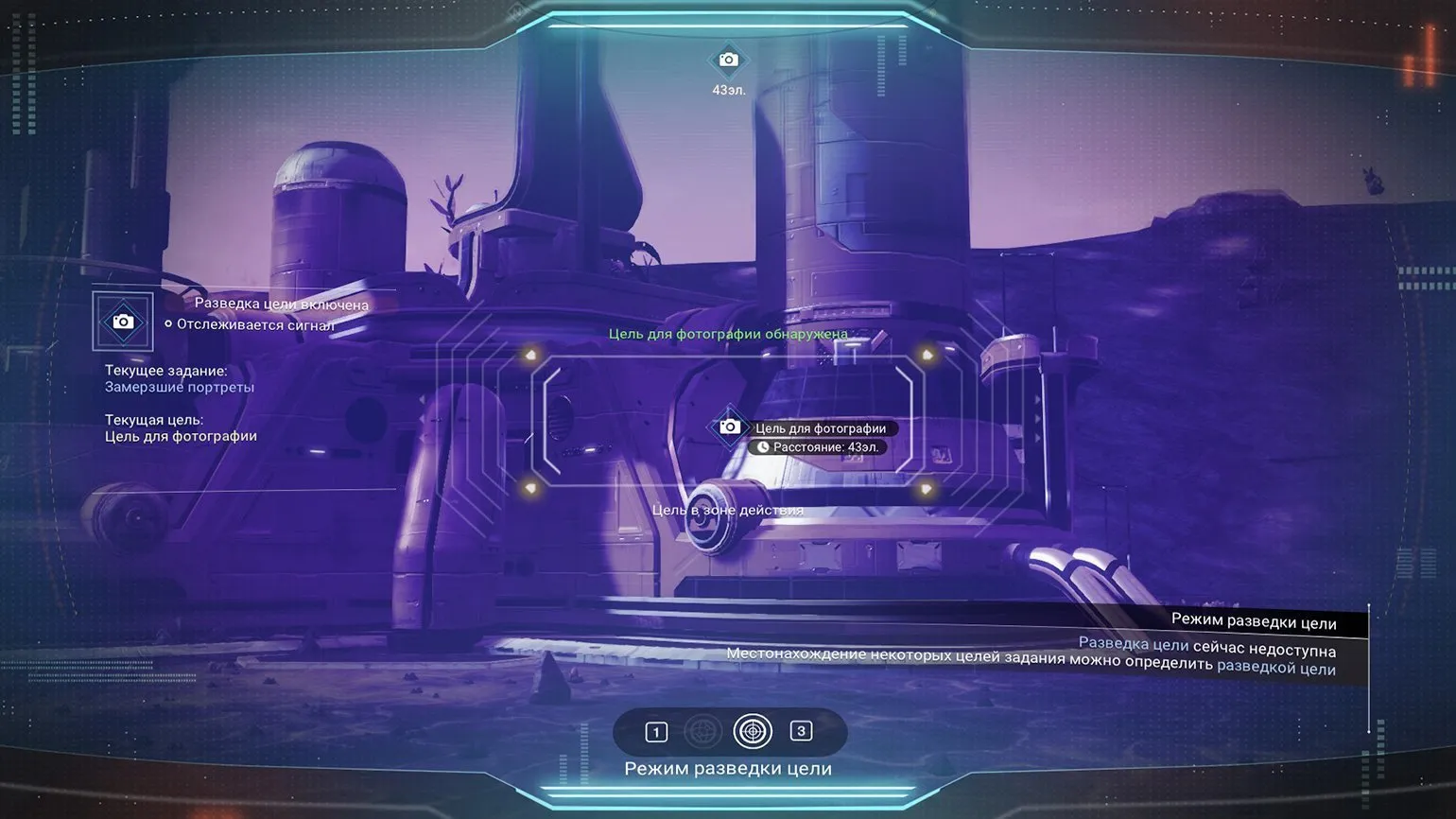
The developers intentionally made the gameplay more difficult to encourage players to delve deeper into the virtual world and explore its diversity. When you don't have a clear idea of your route, you have the opportunity to discover additional content that enriches the gameplay experience. This sense of exploration creates a more engaging atmosphere and allows players to discover new horizons, making the game more interesting and fulfilling.
Navigation in Metro Exodus is similar: players can use binoculars to scan points of interest and mark them on the map. However, to discover what exactly is happening at these locations, you'll have to rely on locals or explore them yourself. This element of the game adds depth and intrigue, creating a unique experience for each player.
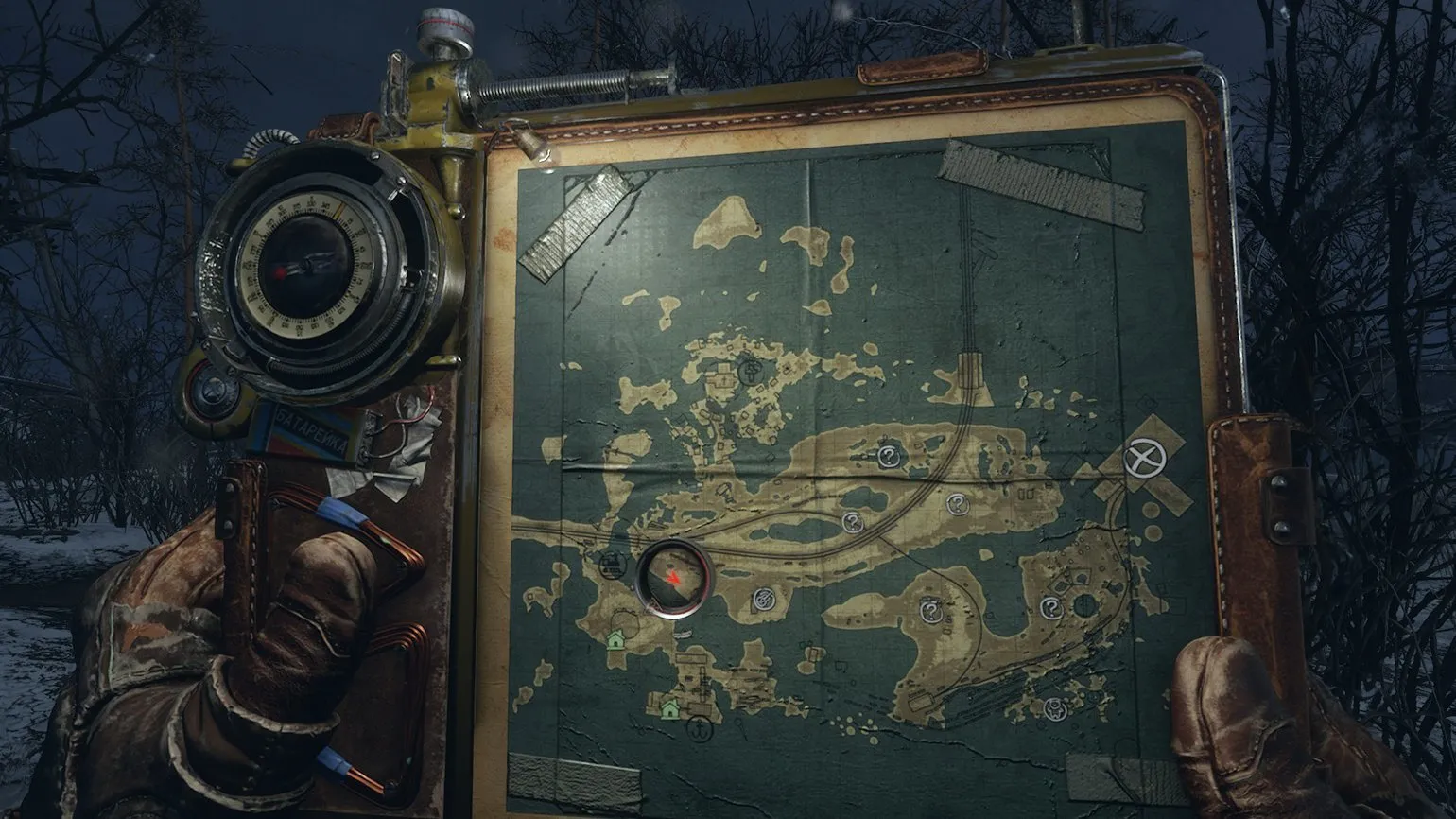
This approach significantly enhances the atmosphere within the game, creating a deeper immersion for players. This allows them to fully experience the world they are in and interact with it on a higher level. An enhanced in-game atmosphere fosters an emotional connection between players and game characters, making the experience more engaging and memorable.
Game system design is a key aspect influencing how players perceive a game's story and mechanics. The more immersive a game experience is, the less information developers can provide players, forcing them to guess at what is happening. This does not mean that the game should be completely random; rather, it is important that the player does not perceive the explicit boundaries of the simulation. Effective integration of game systems creates an engaging experience where every step and every decision matters, fostering deeper engagement with the gameplay.
Mark Brown is the respected host of the Game Maker's Toolkit channel. He specializes in analyzing and dissecting video games, examining their mechanics, design, and narrative. Brown offers viewers deep insight into the gaming industry, emphasizing the importance of high-quality game design. His videos help developers and players better understand the elements that make games engaging and memorable. Thanks to his unique approach and analytical thinking, Mark Brown has become an influential figure in the world of video games. FromSoftware, 4A Games, and Nintendo's creations attract players who value adventure and independence in gameplay. These games lack intrusive guidance, allowing players to explore the world in their own way. This approach to design creates unique gameplay moments that can lead in unexpected directions. Players may occasionally get lost or take the wrong path, but these situations provide the foundation for compelling stories. Without freedom of choice and the ability to deviate from the given route, those unforgettable experiences that make gaming adventures truly unique would not arise.
The profession of 3D environment artist from scratch to PRO
You will learn how to create a visual design of the location and customize Scenes in Unreal Engine. You'll design environments in the style of your choice: from a Gothic castle to a cozy city courtyard. Build a portfolio and start a career in film or gaming.
Find out more